Some films end, and the audience stays in their seats a little longer than usual. The credits roll, nobody reaches for a coat, and somebody quietly blows their nose. These endings tend to stick for decades.
The nine below come from different eras and genres, from a Disney family picture to a war drama and an animated fable. Each one earned its reputation through story choices rather than tricks, and the details are worth revisiting.
Old Yeller (1957)


Disney’s frontier story follows a boy named Travis who is left in charge of the family farm in Texas. His bond with a stray yellow dog grows through the film. Then the dog is bitten while protecting the family from a rabid wolf.
Travis has to shoot his own dog to prevent a worse fate. The scene is handled with restraint, and the film is based on the 1956 novel by Fred Gipson. For many viewers it was a first brush with real loss on screen, which explains why the title became shorthand for a sad pet story.
The Green Mile (1999)

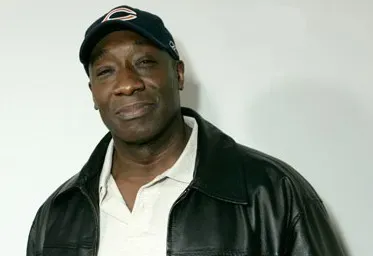
Frank Darabont’s adaptation of Stephen King’s serial novel is set on a Louisiana death row in 1935. Tom Hanks plays guard Paul Edgecomb, and Michael Clarke Duncan earned an Oscar nomination as John Coffey, a gentle inmate with a mysterious gift. Coffey is convicted of a crime he didn’t commit.
The execution scene is the emotional center, as the guards realize they’re carrying out an injustice. The final moments also give Paul a burden of long life that feels more like a curse. That mix of grief and quiet dread is why people keep returning to it.
Titanic (1997)


James Cameron’s film became the highest grossing movie in history at the time of its release and won eleven Academy Awards. The ending centers on Jack and Rose in the freezing Atlantic. Rose survives on a floating piece of debris, while Jack slips beneath the water.
Viewers still argue about whether there was room for both of them. The more lasting part is Jack’s request that Rose live a full life, which she does, as the elderly Rose’s story shows. The film closes on an image that reads as both a reunion and a farewell.
Schindler’s List (1993)

Steven Spielberg’s black and white Holocaust drama ends with Oskar Schindler saying goodbye to the workers he saved. He breaks down, wondering whether he could have saved more people. The scene is quiet, and the grief comes from his realization about what his money and his car could have bought.
The film then moves to color, with survivors and the actors who played them placing stones on Schindler’s grave in Jerusalem. The film won seven Academy Awards, including Best Picture. Its finale works because it ties a historical record to living people.
Grave of the Fireflies (1988)

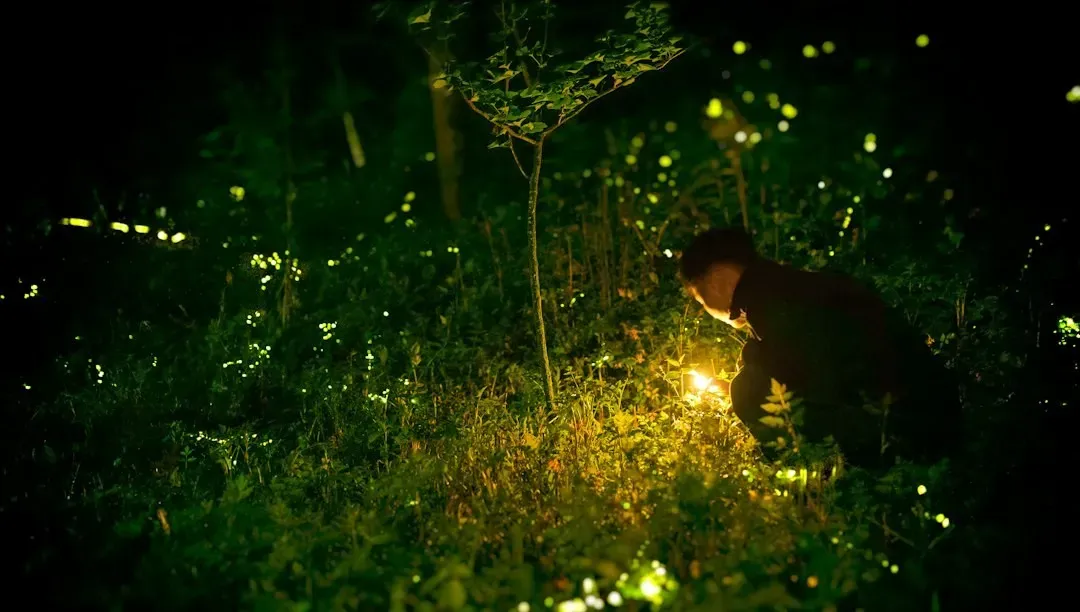
Isao Takahata’s animated film for Studio Ghibli follows two siblings, Seita and Setsuko, trying to survive in Japan near the end of World War II. It opens with Seita’s death, so viewers know the outcome from the start. Knowing doesn’t soften what comes.
Partner offer

Setsuko dies of malnutrition, and Seita cremates her himself. The film is based on a semi-autobiographical short story by Akiyuki Nosaka. Many critics regard it as one of the most powerful anti-war films ever made, animated or otherwise.
Million Dollar Baby (2004)


Clint Eastwood’s boxing drama won four Academy Awards, including Best Picture and Best Director. Hilary Swank plays Maggie Fitzgerald, a determined fighter, and Eastwood plays her trainer, Frankie Dunn. A dirty punch in a title fight leaves Maggie paralyzed.
The final act turns into an intimate moral dilemma rather than a sports story. Frankie’s decision about Maggie’s wishes divided audiences and sparked public debate. Its power comes from how personal the choice feels for both characters.
Brokeback Mountain (2005)


Ang Lee’s drama about two ranch hands, played by Heath Ledger and Jake Gyllenhaal, spans two decades. It is adapted from an Annie Proulx short story. Lee won the Academy Award for Best Director, and the film took three Oscars overall.
The ending arrives with Ennis alone in his trailer, looking at two shirts hung together in a closet. Very little is said. The restraint turns a small domestic image into a statement about love that never had room to exist.
Toy Story 3 (2010)

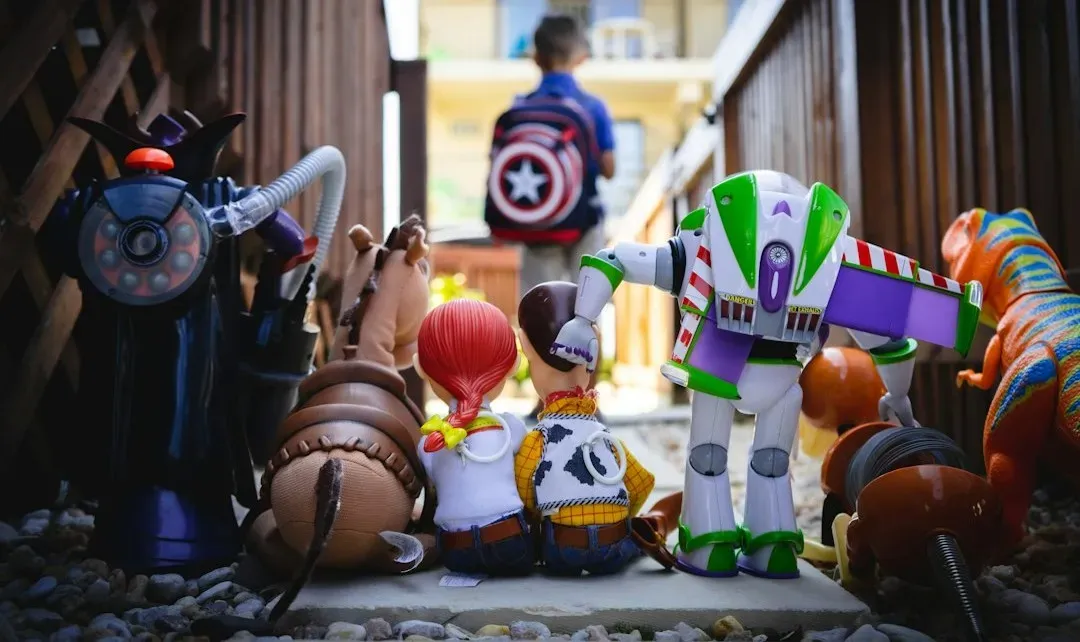
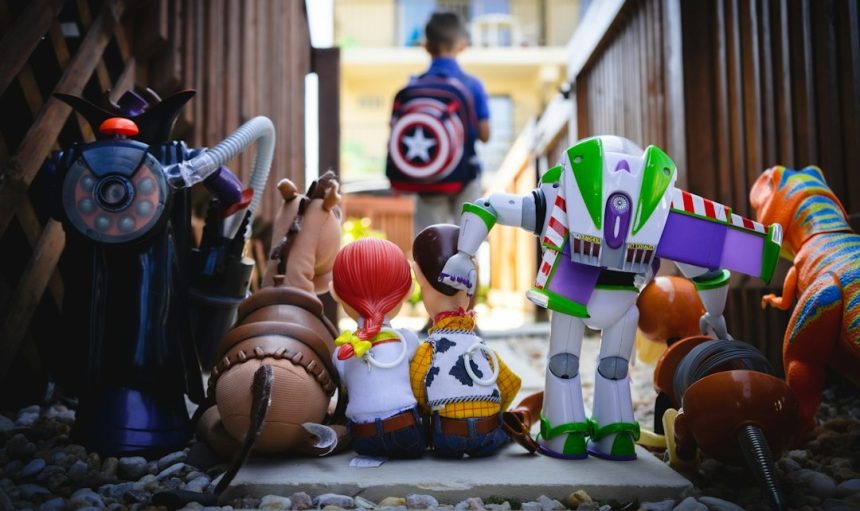
Few people expected a children’s sequel to bring adults to tears. In the incinerator scene, the toys join hands as they slide toward the flames, apparently accepting their fate. The moment is brief and sincere, and it’s quickly resolved.
The real emotional payoff comes later, when Andy, heading to college, gives his toys to a young girl named Bonnie. He takes time to introduce each one. The film won the Oscar for Best Animated Feature and was also nominated for Best Picture.
Bridge to Terabithia (2007)


Based on Katherine Paterson’s 1977 novel, the film follows Jess and Leslie, two outsiders who create an imaginary kingdom in the woods. Many viewers expected a fantasy adventure from the marketing. Instead, Leslie dies in a freak accident while trying to reach their hideaway alone.
Jess’s grief is shown through anger and confusion before he finds a way to honor her. He builds a bridge and brings his younger sister into the kingdom. The book’s author wrote it after her son’s friend was killed, which gives the story its honest weight.
Together, these nine endings show how a film can leave a lasting mark through a single image, whether that’s a rifle, a pair of shirts, or a child’s toys passed along.
Partner offer
Planning a trip to Vegas?
Compare hotel rates and show tickets on VEGAS.com.