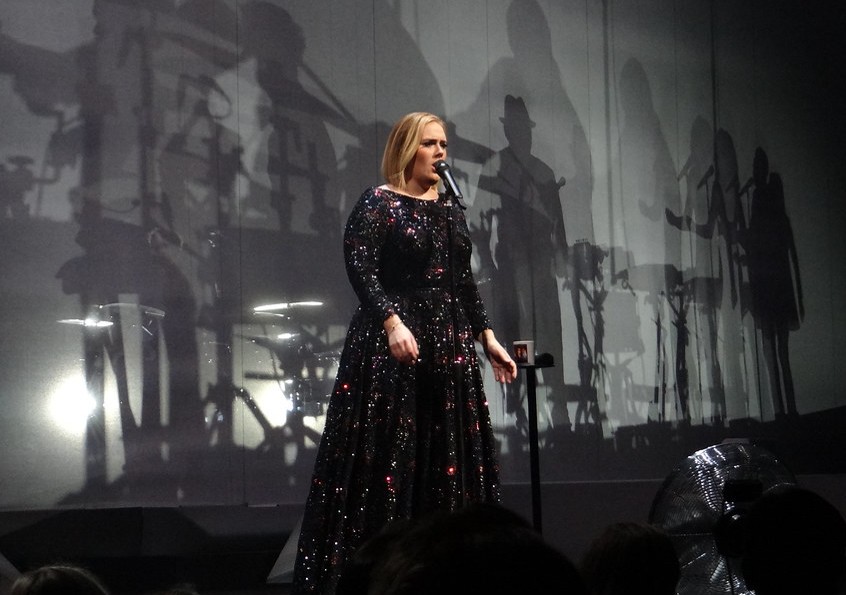
A voice is one of the most fragile instruments in the world. Two small folds of tissue, averaging barely two centimeters in length, stand between a singer and complete silence. Those tiny structures carry the ability to fill an entire opera house with sound, yet unlike a violinist who can replace their instrument, a vocalist only has those two tiny cords. When they fail, everything can collapse with alarming speed.
Performing can be a grueling profession that places significant strain on the vocal cords, causing nodules or polyps due to overuse, and in other cases, vocal cord hemorrhage. Some singers recover fully. Others are never quite the same. A handful lose their careers entirely. These nine stories show just how sudden and devastating that loss can be.
1. Julie Andrews – The Botched Surgery That Ended a Legendary Voice
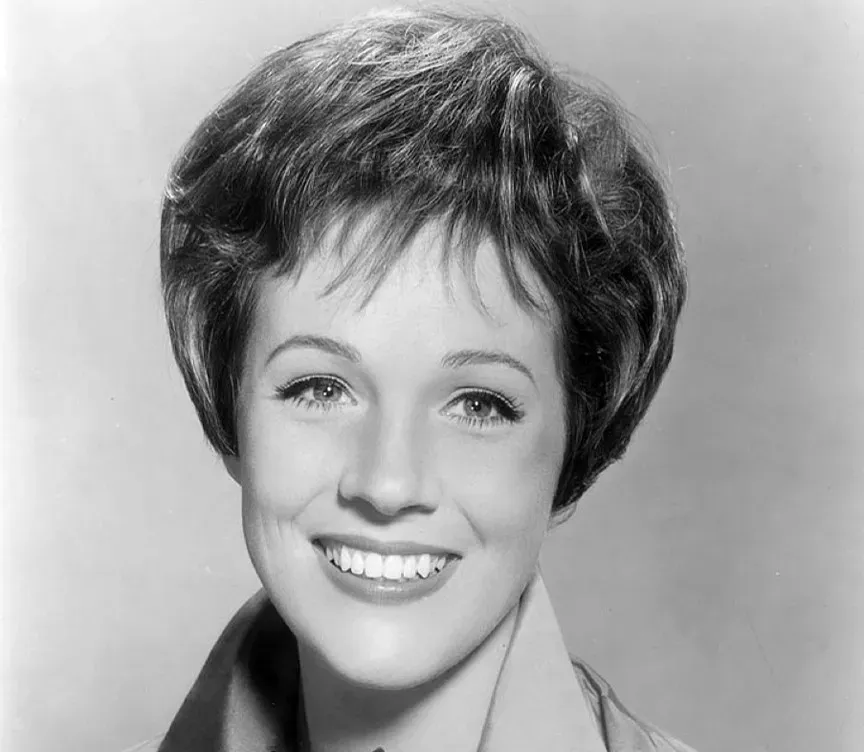
Known for possessing one of the purest soprano voices in popular music during the 1950s and 1960s, Julie Andrews rocketed to fame in 1956 with her starring role as Eliza Doolittle on Broadway’s “My Fair Lady” and took her stardom even further with legendary performances in “Mary Poppins” and “The Sound of Music.” She seemed untouchable, her four-octave range a kind of theatrical miracle. Then came a routine procedure that changed everything.
Doctors diagnosed the problem as nodules on Andrews’ vocal cords, and while she hadn’t abused her voice in the way many singers from her era had done, a botched throat operation left her with a noticeable rasp and a greatly diminished vocal range. The surgery ultimately left her vocal cords with scars and the need for voice therapy. The subsequent lawsuit alleged the operation “ruined her ability to sing and precluded her from practicing her profession as a musical performer” and that there was “no reason to perform surgery of any kind” in the first place.
2. Steven Tyler – A Fractured Larynx and the End of Aerosmith on Tour
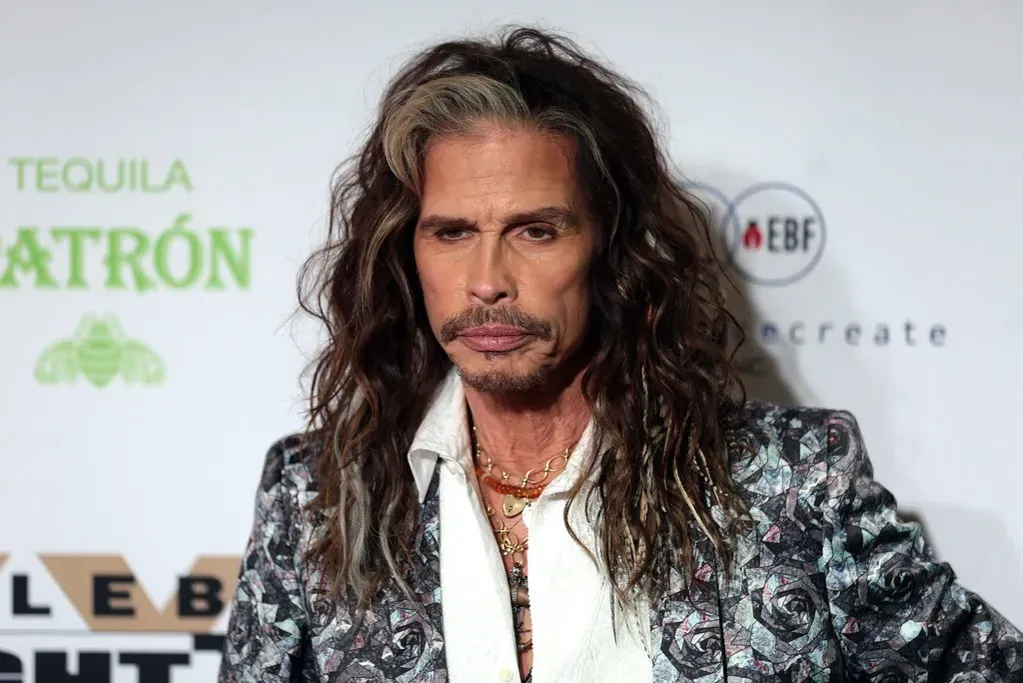
After rocking the world for more than 50 years, Aerosmith finally had to call it quits as a touring act in 2024 because front man Steven Tyler was no longer able to sing. Tyler fractured his larynx while the band was on tour in 2023. For a vocalist who had built a career on high-octane screams and raw power, the injury was essentially a death sentence for performing.
The potentially life-threatening injury damaged Tyler’s vocal cords, and he was never able to regain his singing ability even after surgery. A fractured larynx ultimately led to Tyler’s decision to retire, as his voice was not expected to make a full recovery. The gradual wear from years of performing had contributed too, the culmination of which took place during one specific performance, resulting in canceled shows and the band’s decision to stop touring once and for all.
3. John Mayer – Two Surgeries and Months of Enforced Silence

In early fall 2011, Mayer had just been diagnosed with a severe tissue inflammation on his vocal cords known as a granuloma – and even more crushingly, he’d received the news just after he’d nearly completed what would become his acclaimed fifth solo album. Discovery of the granuloma delayed the release of the album until May 2012, and forced him to cancel its accompanying tour. The timing could not have been worse.
The granuloma returned, and in March 2012, Mayer announced he had been forced to cancel his tour and refrain from all singing indefinitely. Even so, “Born and Raised” was released as scheduled and entered the Billboard 200 chart at number one. Fearing his vocal cords had been permanently damaged and trying to come to terms with a possible future as a session musician, Mayer sought help from the UCLA Voice Center. Otolaryngologist Dr. Gerald Berke paralyzed his vocal cords with a series of high-dose Botox injections, hoping they would allow the granuloma to heal. His vocal rest extended to several months during which he was unable even to speak.
4. Céline Dion – Stiff Person Syndrome and the Fight to Sing Again
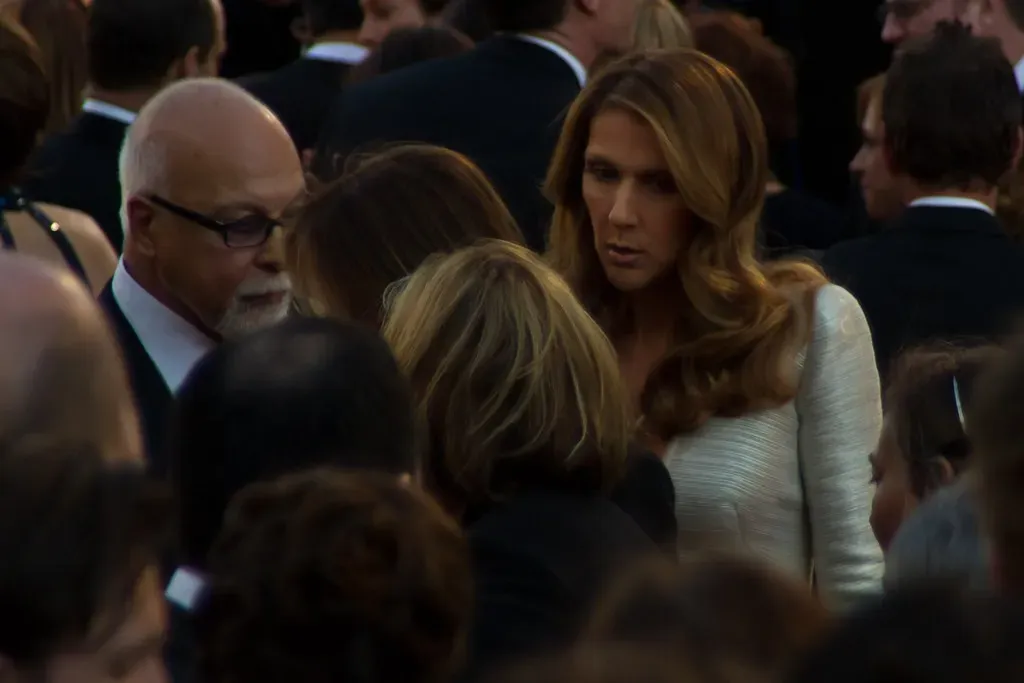
In 2022, Dion announced that she had been diagnosed with stiff person syndrome, a rare neurological disorder that causes muscle spasms and impacts her ability to sing. At the time, she canceled all of her upcoming performances as she navigated the early days of her diagnosis. Stiff Person Syndrome affects about one in a million people and is often misdiagnosed because of its overlap with other conditions. For Dion, who had been performing since childhood, the diagnosis was life-altering.
The condition is rare and incurable, and severely impacts mobility and the ability to sing. She cancelled the remaining dates of her tour the following year. In 2024, she made a rare appearance at the Grammy Awards where she received a standing ovation, and that same year she made a stage comeback at the Paris Olympics, singing Edith Piaf’s “Hymne À L’Amour” from the Eiffel Tower. Her return was met with disbelief and deep emotion from fans worldwide.
5. Adele – A Hemorrhage in the Middle of a Live Broadcast
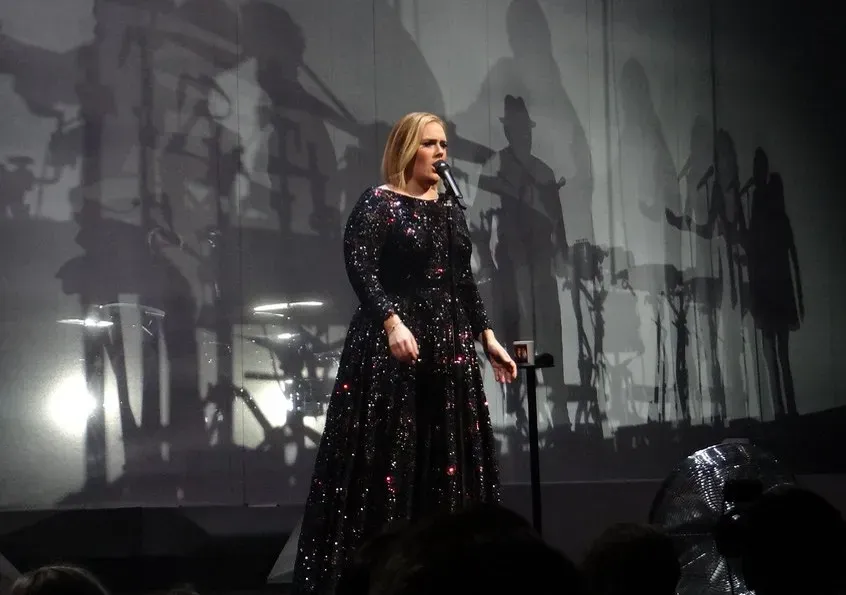
After a particularly challenging performance, Adele found herself struggling harder than usual when performing. A trip to her doctor confirmed that her vocal cords had sustained damage, and she was forced to cancel upcoming shows. That was only the beginning. She then performed live on a French radio program which led to her vocal cords hemorrhaging, and the result was microsurgery to remove a polyp.
Partner offer
In 2011, Adele required vocal node surgery, which silenced her for weeks and meant the cancellation of a concert tour. The timing aligned with one of the most commercially successful periods of her career, making the forced silence all the more jarring. She ultimately recovered and returned, but the episode illustrated how quickly a live performance can go very wrong, even at the top of the industry.
6. Rod Stewart – Nine Months Without a Voice After Thyroid Cancer Surgery
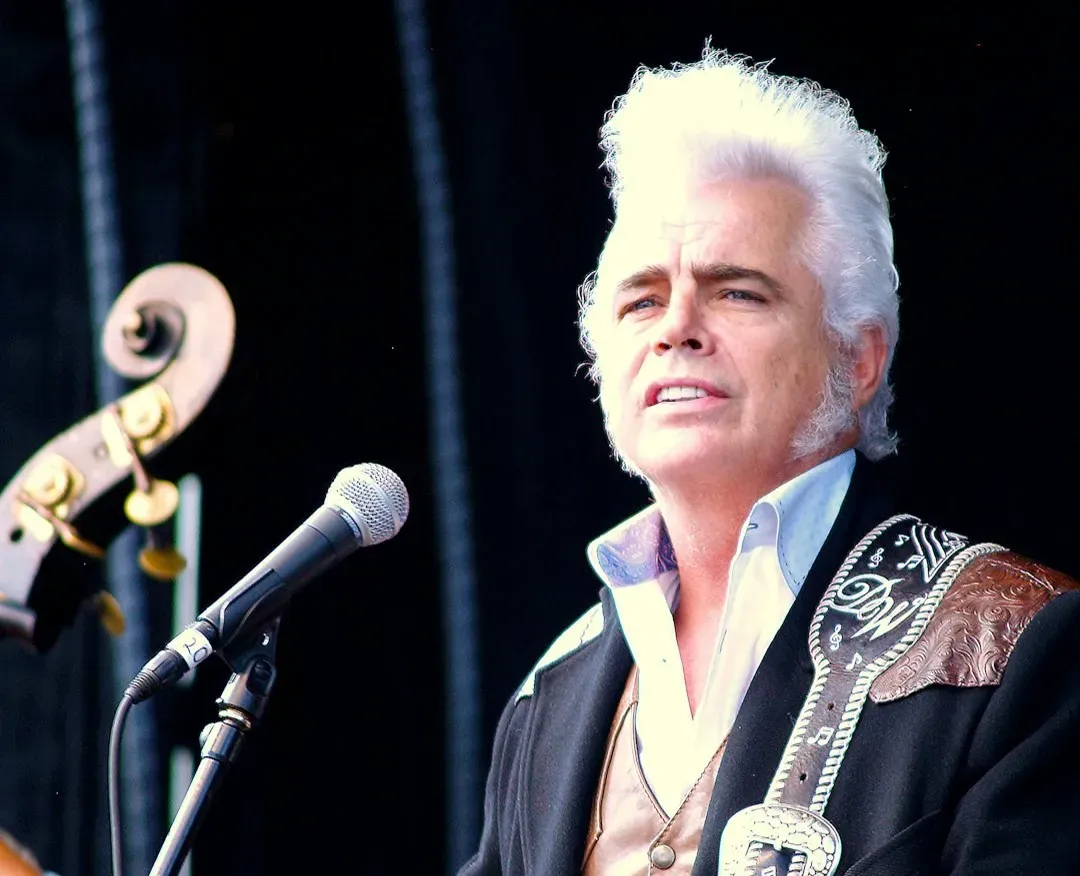
Stewart spent nine months without his voice after doctors removed a cancerous thyroid growth. Since the surgery required his doctors to cut through his throat muscles, he was without his voice for the better part of a year. For a singer whose raspy, emotionally raw style had made him one of rock’s most distinctive voices, the experience was devastating.
Stewart was determined to keep singing, which further exacerbated the injury and slowed the healing process. His fans might appreciate his tenacity, but his voice sustained additional strain as a result. The fact that he did return to performing at all remains a remarkable story of persistence, though those close to him acknowledged the voice that came back was not entirely the same one that had left.
7. Ian Anderson (Jethro Tull) – Ignored Medical Advice and Paid the Price
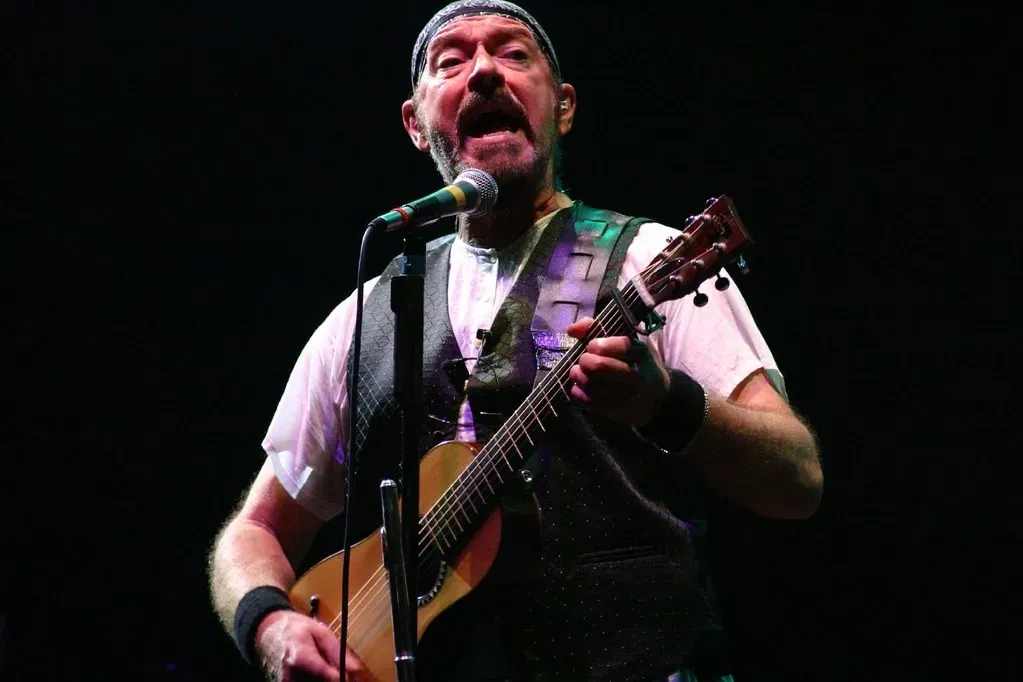
During the early years of Jethro Tull, vocalist Ian Anderson was known for having one of the more powerful and emotive voices in rock. By the late 1970s, though, he was beginning to exhibit some noticeable hoarseness in live shows. Anderson’s throat issues climaxed as Tull set out to tour in support of the 1984 album “Under Wraps,” which featured some of the most challenging vocal material ever recorded by the band. Anderson had difficulty performing the new songs and was told by doctors that he needed to pause the tour and rest his voice.
Anderson pressed forward anyway, causing permanent damage to his voice in the process. On the next Jethro Tull album, the character of Anderson’s voice had changed completely. It’s one of the clearest documented examples in rock history of what happens when a singer ignores a direct medical warning and keeps performing through serious vocal damage. Anderson continued making music, but the voice he had was simply not the one audiences remembered from the band’s peak years.
8. Elton John – Nodule Surgery That Changed His Voice Forever
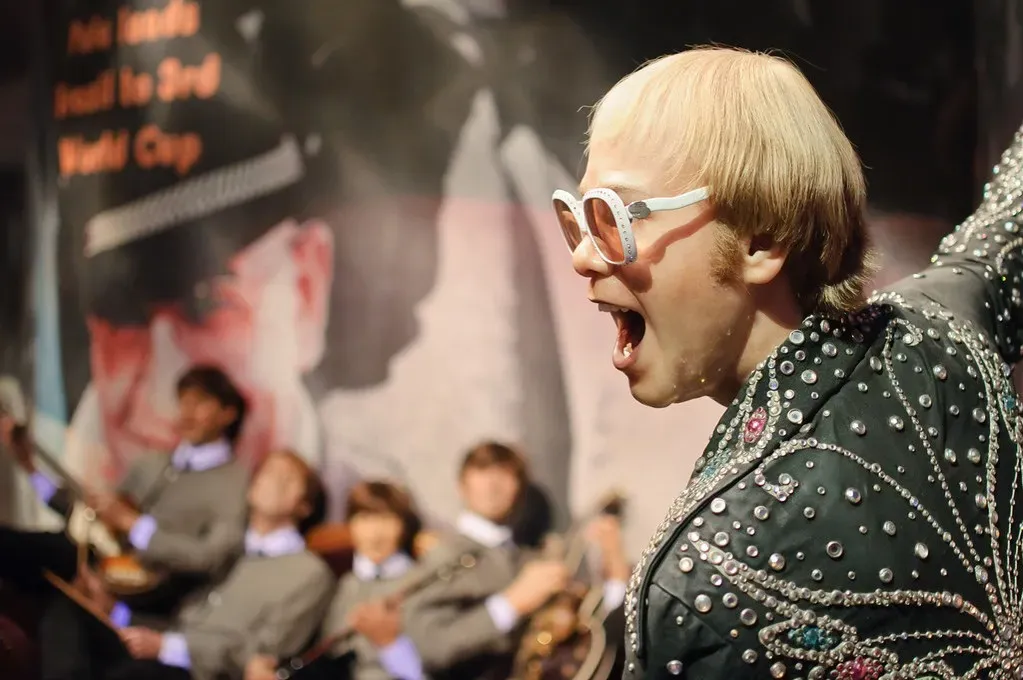
A grueling 15-month tour in 1987 left Elton John needing nodule surgery, which left him with a noticeably deeper and richer singing voice. Fans had to wait a year before the singer was able to record and perform again. John had developed vocal nodules after touring extensively during the mid-eighties and required surgery to remove them from his larynx.
John’s case was a bit different, however, as the famous piano man was pleasantly surprised by how he could now achieve a lower, deeper, and more resonant register, albeit at the cost of some upper high notes. The trade-off was real. Fans who had followed his work from the 1970s could hear the difference clearly. He adapted brilliantly, but the voice he had in his prime was effectively gone, replaced by something different rather than something better.
9. Mariah Carey – Nodules, Overuse, and a Voice That Never Fully Returned

Since childhood, Mariah Carey had developed vocal cord nodules that shaped her voice and propelled her to stardom. Natural remedies and techniques helped her manage the nodules for four years, but her vocal cords couldn’t keep up with her constant singing, which is why her vocals aren’t as strong as they were in the 1990s when her career was at its height. The whistle register that once defined her sound became increasingly unreliable in live performances.
Straining the voice can lead to the development of vocal nodules, a form of scarring on the vocal cords caused by strenuous or abusive voice practices. Professional singers on extended tours with tight schedules run a substantial risk of damaging their voices unless they rest the vocal cords and get enough sleep and proper diet. Carey’s case became a very public illustration of that risk. Her voice at its peak was widely considered one of the most technically impressive in pop history, which made the gradual decline, clearly audible in live footage from the 2000s onward, all the more striking to witness.
The voice is irreplaceable in a way no other instrument is. These nine singers, each at different points of their careers, discovered that reality in the most difficult way possible. Some fought back, others adapted, and a few simply had to let go of what had once come so naturally to them. What their stories share is a quiet reminder of just how quickly something built over a lifetime can be silenced.
Partner offer
Planning a trip to Vegas?
Compare hotel rates and show tickets on VEGAS.com.