



The music world loves a front person. The voice on the radio, the face on the poster, the name everyone knows. What gets talked about far less often is how many of those same voices were quietly reshaping the industry from a completely different angle, not from the spotlight, but from the writing room, the mixing desk, or the producer’s chair.
Some of the most consequential figures in modern music history built their deepest legacy out of public view. Their songs carried other people’s names, their production choices defined entire genres, and their influence spread through the work of artists who never once mentioned where the real blueprint came from. These are nine of them.
Carole King: The Songwriter America Didn’t Know It Had


Carole King represents something rare in popular music: an artist whose influence was already monumental before most listeners ever knew her name. Long before Tapestry, she had quietly shaped the sound of American pop from behind the scenes, writing songs that defined the emotional language of an entire generation. She wrote or co-wrote 118 songs that charted on the Billboard Hot 100 during the latter half of the 20th century, establishing her as the most successful female songwriter on the UK singles charts from 1962 to 2005.
The Brill Building system forced King to master the mechanics of songwriting early: structure, hook placement, melodic simplicity, and lyrical universality. Writing alongside her husband and lyric partner Gerry Goffin, she learned how to tailor songs to specific artists and audiences, often completing multiple compositions in a single day. It was a training ground that sharpened her instincts and gave her a technical foundation few singer-songwriters of her era possessed. She later transitioned to a solo performing career in the 1970s, with the critically acclaimed Tapestry topping the U.S. album chart for 15 weeks and staying on the charts for over six years.
Brian Wilson: The Studio as a Musical Instrument


In December 1964, while touring with the Beach Boys, Wilson suffered a nervous breakdown, marking a turning point that prompted him to stop touring and instead concentrate solely on songwriting and producing. He began experimenting in the studio to move the group’s sound beyond its happy-go-lucky surf music aesthetic. The result was Pet Sounds, shaped by the musical sensibilities of songwriter and producer Brian Wilson, whose collection of carefully crafted pocket pop symphonies was unlike anything the Beach Boys or any band had done before. It brought about seismic changes to the landscape of pop music with its unusual sonics, novel textures, and structural innovations.
Wilson contributed to the development of many music genres and movements, including the California sound, art pop, psychedelia, chamber pop, progressive music, punk, and sunshine pop. Since the 1980s, his influence extended further into post-punk, indie rock, emo, dream pop, and chillwave. Paul McCartney once said that no one is truly educated musically until they’ve heard Pet Sounds, and as a group, the Beatles certainly were educated by that album, going on to make Sgt. Pepper’s Lonely Hearts Club Band after being inspired by it.
Linda Perry: From 4 Non Blondes to Hit Factory


Linda Perry rose to prominence as the lead singer and songwriter for the music group 4 Non Blondes, but she went on to become a genius producer responsible for songs like “Get the Party Started” by P!nk, and made contributions to albums by A-list artists like Adele and Alicia Keys. Her ability to channel raw emotion into powerful songs made her a go-to collaborator, most notably crafting the soaring ballad “Beautiful” for Christina Aguilera. Her songwriting is deeply personal and relatable, often exploring themes of vulnerability, strength, and empowerment, and her production style complements this emotional depth, creating music that feels both intimate and anthemic.
In 2015, Perry was inducted into the Songwriters Hall of Fame, and she holds a total of four Grammy nominations, including one for Song of the Year. Her transition from recognizable vocalist to the invisible architect behind other people’s biggest records is one of the most dramatic creative pivots in recent pop history. Beyond her commercial success, Linda Perry is known for her passion and integrity, always pushing artists to be true to themselves, and her influence extends beyond just the notes and beats, helping shape the stories and voices behind the music.
Isaac Hayes: Architect Before the Spotlight Found Him

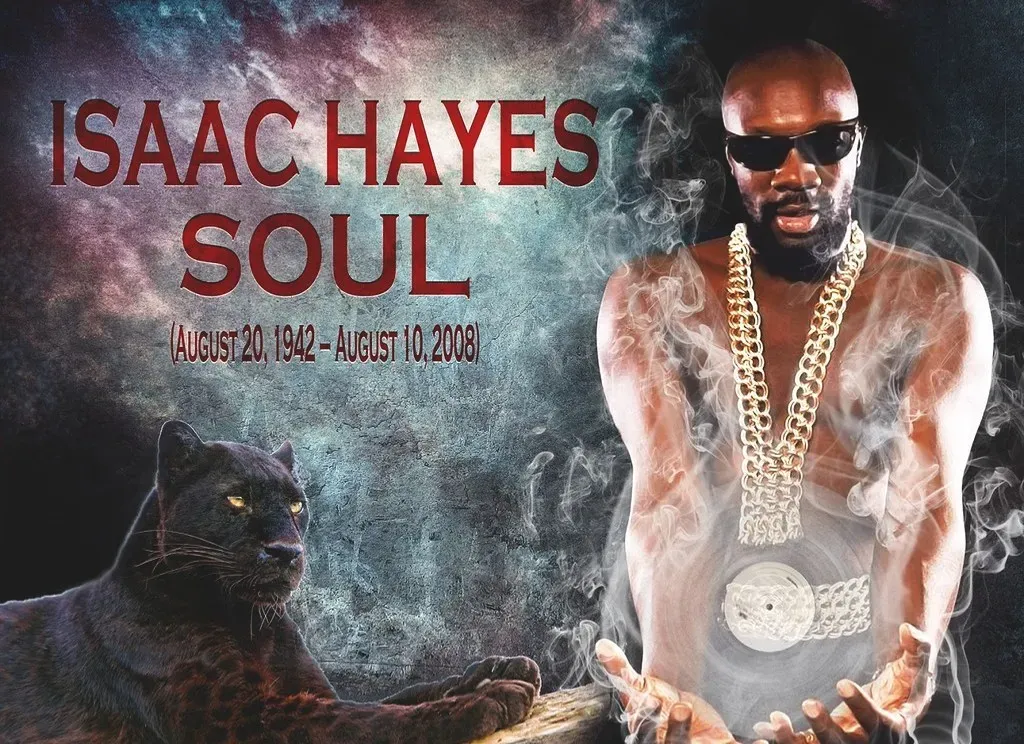
At Stax Records, Hayes and his writing partner David Porter formed an in-house songwriting team whose collaboration yielded 30 R&B chart hits between 1966 and 1971. Sometimes Hayes played keyboards on songs they’d written together, or Porter sang backup. They were the songwriting masterminds behind Sam and Dave, writing “Soul Man,” “I Thank You,” “Hold On! I’m Comin'” and other classic duets.
Isaac Hayes was a producer, actor, musician, and entertainer who wrote numerous albums and soundtracks for TV shows and movies, becoming one of the most important figures of soul music for his unique style in live performances. The team fell apart once Hayes became a hot-buttered soul star in his own right, but they were inducted into the Songwriters Hall of Fame together in 2005, three years before Hayes’ death. The fact that Hayes spent years as an invisible co-author before becoming a solo icon makes his story one of the most compelling double lives in soul music.
Ne-Yo: Hits Before His Own Name Was Known


Before Ne-Yo was producing his own hit songs, it was his songwriting abilities that helped him gain recognition in the music industry. In addition to being the brains behind hits like Mario’s “Let Me Love You” and Marques Houston’s “That Girl,” he also wrote songs for Teedra Moses, Christina Milian, B2K, and Mary J. Blige. His instinct for melody and emotional directness was evident long before audiences put a face to his name.
Ne-Yo’s years working in the background gave him a craftsman’s understanding of what makes a song connect with a wide audience. Songwriters are typically paid through publishing and royalties rather than appearance fees, and their income can be substantial while remaining invisible to the general public. That invisibility was Ne-Yo’s reality for years. When his solo career eventually arrived, it carried the precision of someone who had spent a long time studying what worked from a very deliberate distance.
Sia: Writing Hits for Others While Building Her Own Voice


For Sia, going through label woes as a solo artist led her to turn her creativity into writing songs for other artists. Before she saw mainstream success for her own music, she was the pen behind hits for artists like Rihanna and David Guetta. Her songwriting during this period was commercially precise and emotionally direct, exactly the kind of work that rarely gets the byline it deserves.
What makes Sia’s behind-the-scenes chapter particularly interesting is how deliberately she separated her two identities. She was a functioning hitmaker for the pop mainstream while simultaneously developing a solo voice that was anything but mainstream. Many hit-making producers, arrangers and writers shape musical trends without public celebrity, and for a period that lasted several years, Sia was one of the most effective of them. The anonymity, it turned out, was its own kind of creative freedom.
Frank Ocean: Songwriting Roots in Someone Else’s Catalog


Before Frank Ocean became part of the Odd Future collective and eventually broke out on his own, he lent his hand at writing songs for other artists. That early apprenticeship in pop songwriting gave him a structural understanding of the form that his later, more experimental work consistently pulls against. The tension between those two instincts is part of what makes his records feel so alive.
Ocean’s particular genius is that he absorbed the conventions of mainstream songcraft before choosing when to break them. His tenure as a behind-the-scenes writer taught him exactly what listeners expect, which meant that when he decided to subvert those expectations on records like Channel Orange, every departure felt earned. Songwriters earn publishing royalties through mechanical, performance, and sync streams, meaning that a songwriter’s long-term income can exceed the performer’s if the song is widely covered or licensed – but Ocean’s ambition was always pointed somewhere richer than the royalty statement.
Babyface: The Quiet Force Behind a Decade of R&B

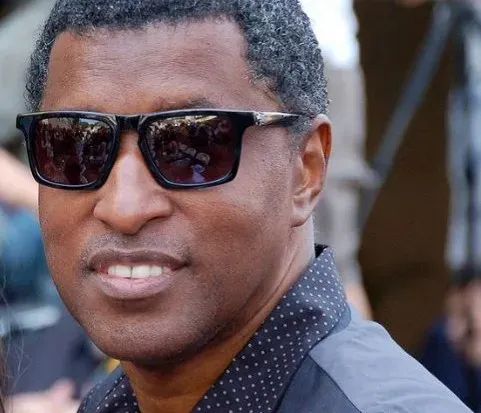
Babyface is one of the best songwriters and producers in music history, shaping the sound of R&B and pop for over three decades. Starting as a member of The Deele, he quickly rose to fame for crafting smooth, emotional ballads that spoke to millions. He has worked with almost every icon you can imagine, from Whitney Houston and Toni Braxton to Boyz II Men and Madonna, making him a cornerstone of modern music.
A master of R&B production, Babyface has written and produced for the biggest names in music. His smooth, polished production style helped define the sound of contemporary R&B in the ’90s, earning him numerous Grammy Awards and solidifying his place as an industry titan. What’s striking about his career is how consistently his influence ran beneath the surface. The artists performing his songs were the ones audiences recognized. Babyface was the architecture underneath all of it.
Victoria Monét: A Decade of Writing Before the World Caught On


Victoria Monét catapulted her career with the release of her debut album Jaguar II and one of 2023’s biggest hit songs, “On My Mama.” However, Monét had been releasing music and writing songs for other artists for nearly a decade. Throughout her songwriting career, she wrote songs such as Chloe x Halle’s “Do It,” Brandy’s “Rather Be,” Chris Brown’s “Drunk Texting,” and Ariana Grande’s “Thank U, Next.”
Monét’s story is perhaps the most current illustration of how the behind-the-scenes path can shape an artist more completely than early fame ever could. She arrived as a solo performer already knowing how hits are built, what makes a hook land, and how to serve a song rather than fight it. Songwriters who want public recognition can build a performer persona, release their own recordings, perform live, or cultivate a presence to shift attention from behind the scenes to front-facing fame – and Monét’s timing, when it finally came, felt less like a debut than a long-overdue introduction.
The pattern across all nine of these artists is worth sitting with. In every case, the years spent writing for others or shaping music from behind a mixing board didn’t delay their influence – it deepened it. Visibility and impact are rarely the same thing in music, and these nine careers make that case quietly but unmistakably.


