Every artist who has ever signed a contract knows the fine print can turn friendship into resentment fast. Long before social media made public feuds easy, musicians had one reliable outlet for airing grievances against the suits who controlled their careers: the song itself. Some of the most memorable tracks in rock, punk, and hip hop history were written as direct shots at the very companies that released them, often slipped onto the same albums the labels were paying for. What follows is a look at nine songs where the mockery wasn’t subtle at all. These are tracks built specifically around anger, sarcasm, or outright ridicule aimed at record labels and the executives who ran them.
1. John Fogerty – “Vanz Kant Danz”

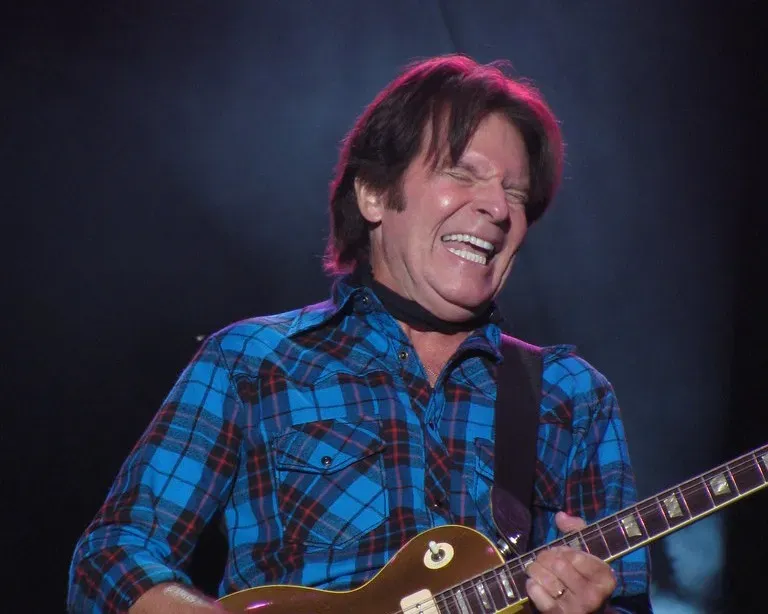
Few label disputes in music history got as personal as the one between John Fogerty and Fantasy Records owner Saul Zaentz. “Vanz Kant Danz” was the workaround title to the song John Fogerty wrote condemning Fantasy Records owner Saul Zaentz, originally called “Zanz Kant Danz” as Fogerty protested Zaentz’s ownership of the publishing rights to the Creedence Clearwater Revival catalog. The song appeared on his 1985 comeback album Centerfield, closing out a record that otherwise celebrated his return to solo success.
Fogerty didn’t get to keep his original jab for long. Fogerty altered the title and lyrics of the song to avoid a defamation lawsuit by Zaentz. The feud didn’t fully resolve for decades, since it lasted until 2004 when Fantasy Records was bought out by Concord Records, which restored Fogerty’s rights to his CCR material, and Concord eventually sold Fogerty his catalog outright in 2023.
2. The Clash – “Complete Control”


The Clash didn’t wait long to turn on their own label. “Complete Control” was written in response to CBS releasing the song “Remote Control” as a single without the band’s consent while they were touring Europe. The band felt the label had gone behind their backs to squeeze more money out of an album they thought didn’t need another single.
The title itself came from an unlikely source. It came from a conversation the Clash’s manager Bernie Rhodes had with Sex Pistols manager Malcolm McLaren, after which Joe Strummer noted that Bernie wanted “complete control” over the group. Wikipedia describes the finished track as a polemic on record companies, managers, and the state of punk music itself, with Stereogum calling it an extraordinary airing of grievances about a young band’s first experience with corporate culture.
3. Sex Pistols – “E.M.I.”

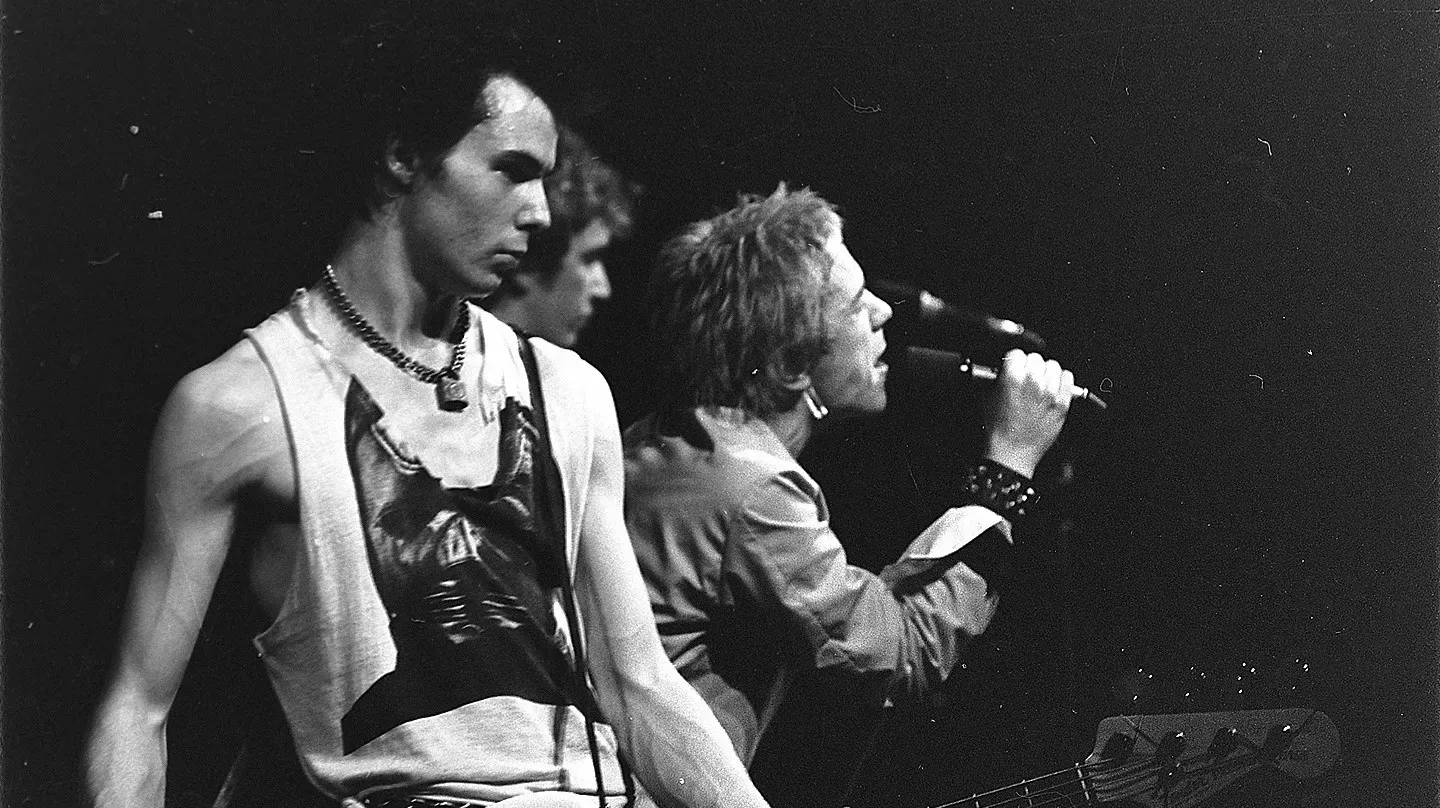
Getting dropped by a major label after only a few months apparently leaves a mark. The song was written after the group’s contract with EMI had been terminated on 6 January 1977 after only three months, following the publicity storm caused by their appearance on the Today programme in December 1976. That single television incident had cost the band their deal and made them tabloid fixtures overnight.
The song’s target and intent were never in question. The track mocks the label for wanting to cash in on the growing punk phenomenon and sign the band, only to drop them when the group’s antics damaged the label’s reputation. According to Grokipedia’s research on the recording, guitarist Steve Jones later said the song was simply “taking the piss out of them,” while John Lydon described EMI as a disaster that never understood the band.
4. George Michael – “Freedom! ’90”

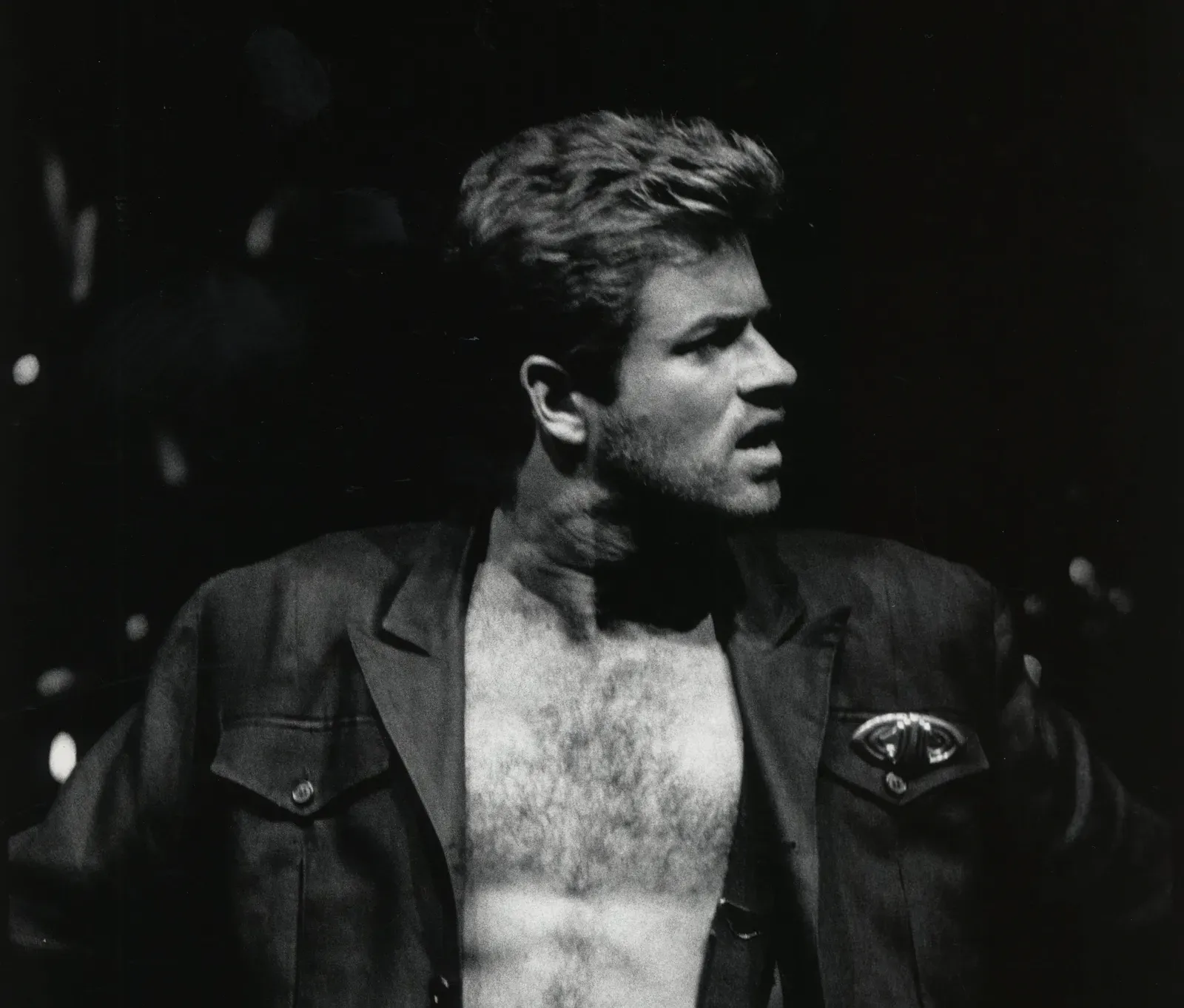
By 1990, George Michael was done playing the pop idol his label wanted. Wikipedia notes that the song refers to Michael’s past success with Wham! while also showing a new side of himself, someone more cynical about the music business than ever before. He was pushing back against years of image management by Sony and Columbia.
His refusal went beyond lyrics. He declined to appear in his own music video, letting supermodels lip sync instead, a move widely read as a rejection of the packaged pop star persona his label had built around him. As one retrospective put it, he reused the title of one of his biggest pop hits with Wham! and proceeded to write a completely different type of song, setting out his own artistic manifesto.
5. Graham Parker and the Rumour – “Mercury Poisoning”


Graham Parker’s frustration with Mercury Records became one of the era’s sharpest label takedowns, released as a defiant B-side in 1979. Music writers covering angry label songs have consistently placed the track alongside other classic industry complaints from that decade. It fits a familiar story from the era, common in rock songs and especially frequent in the 1970s, of well-established bands feeling let down by their label’s handling of their careers.
Parker aimed the song squarely at what he saw as Mercury’s failure to properly promote his work, comparing the label’s slow-moving machinery to something outdated and out of touch. The track became something of a template for the genre, a bitter, funny, thinly veiled complaint dressed up as a rock song rather than a lawsuit.
6. Nick Lowe – “I Love My Label”

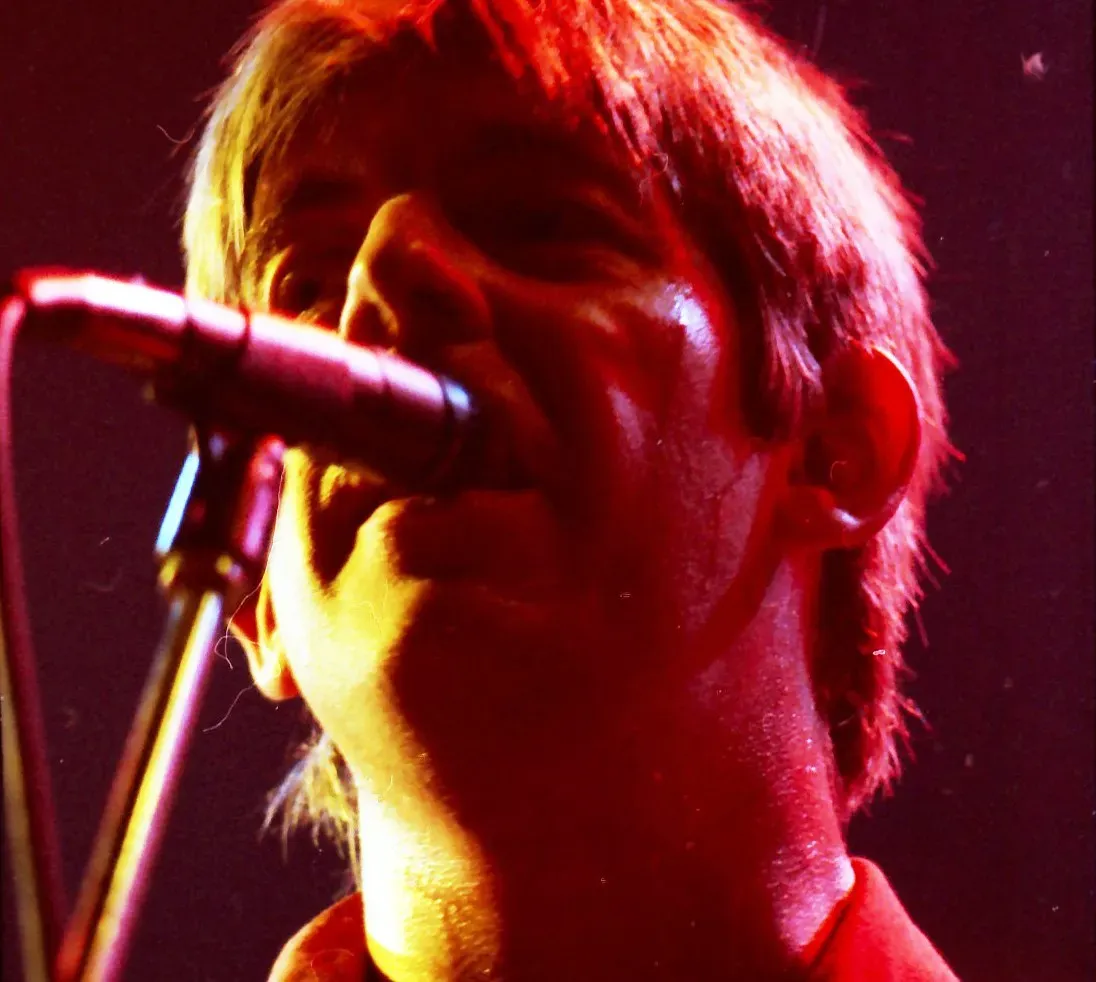
Sarcasm has always been one of the sharpest tools against a corporate target, and Nick Lowe leaned into it fully. Nick Lowe had sarcasm dripping on “I Love My Label.” The title alone signals the joke before the first verse even starts.
Written during the pub rock and early punk period of the late 1970s, the song fits a broader pattern of British artists using irony rather than outrage to needle their labels. Rather than shouting about grievances, Lowe’s approach was to sound almost too enthusiastic about a relationship that clearly wasn’t working, letting the gap between tone and reality do the mocking for him.
7. Macklemore & Ryan Lewis – “Jimmy Iovine”


Independent success gave Macklemore and Ryan Lewis the freedom to write directly about the industry gatekeepers who never signed them. The track from The Heist album is named after the famed label executive Jimmy Iovine, addressing the pair’s path to making it without a major deal behind them. At the time, Iovine ran Interscope Records and was one of the most powerful figures in the business.
The song became a kind of anthem for artists who built careers outside the traditional label system. It doubled as commentary on an entire generation of executives who controlled access to radio and distribution, using one recognizable name to represent a much larger structure the duo felt shut out of.
8. GZA – “Labels”

Few songs have gone after the record industry with this much sustained precision. According to a breakdown of the track, basically everything in the entire song is a shot at a label, referencing over 40 of them by name. GZA built each line around wordplay tied to a specific label’s name, turning the entire track into an extended, cleverly disguised insult.
The Wu-Tang Clan member’s approach was less about one specific grievance and more about indicting the entire system at once. By weaving dozens of label names into clever double meanings throughout the verses, GZA managed to make a broad critique of the industry feel like a puzzle box for careful listeners rather than a straightforward rant.
9. Against Me! – “Unprotected Sex with Multiple Partners”


Against Me! built a reputation on resisting the major label machine even after signing with one. The band commented on being stuck on the label treadmill through this track. The title itself works as a metaphor for jumping between deals and expectations without much say in the outcome.
The song reflects a tension familiar to punk bands that grew popular enough to attract major label interest but never fully trusted the arrangement. It captures the discomfort of a band caught between wanting wider reach and resenting the compromises that came bundled with it.