Theater has always been more than just entertainment. It’s a place where voices break through the noise, where stories we’ve never heard get told for the first time. Right now, in the middle of what some call a golden age of playwriting, festivals across the country are making space for emerging writers to find their footing. These aren’t vanity showcases or pay-to-play schemes. They’re serious programs where new get resources, mentorship, and most importantly, an audience willing to listen.
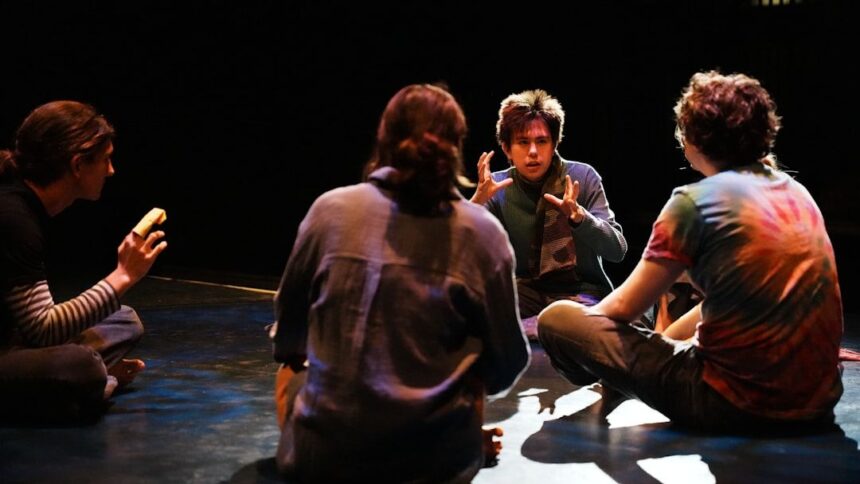
What makes these festivals different from traditional theater productions is the emphasis on process over polish. Writers get to hear their work performed by professional actors, receive feedback from industry leaders, and revise in real time. It’s messy, exhilarating work.
Eugene O’Neill Theater Center National Conference
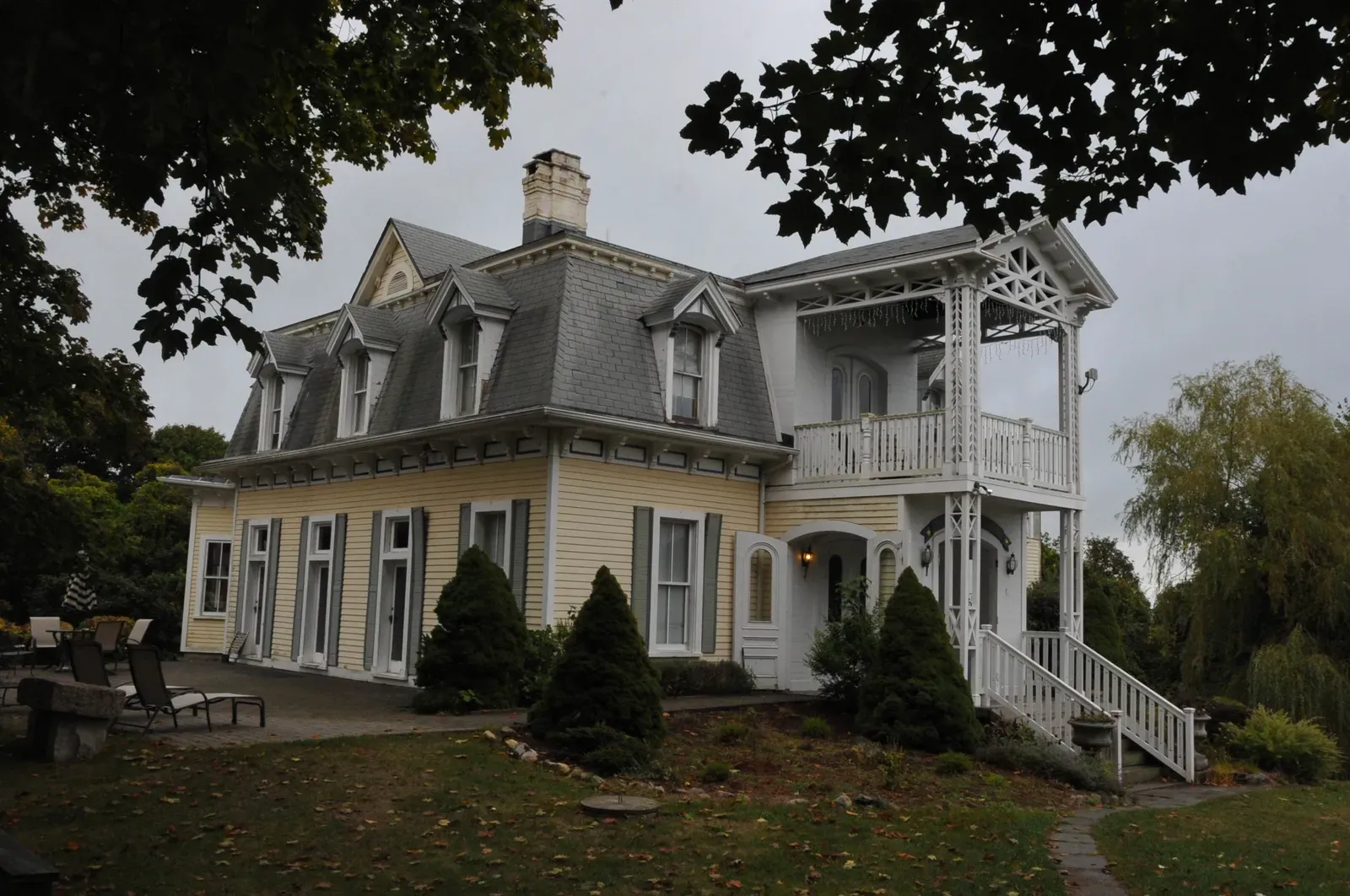
Founded in 1964, the National Conference at the Eugene O’Neill Theater Center is the country’s premier program for new play development. This isn’t just hype. Every summer, a select number of unproduced works are selected from a pool of 1,000+ submissions for a workshop on the O’Neill’s campus in beautiful Waterford, Connecticut.
Each play is matched with a team of industry-leading directors, dramaturgs, and actors for an intensive week-long rehearsal period, culminating in two public, script-in-hand readings. Selected receive a multi-week residency at the O’Neill’s ninety-acre seaside property, including full room and board in dormitory-style accommodations, as well as a stipend. The National Conference celebrated its 60th anniversary in summer 2024.
Bay Area Festival
The Bay Area Festival is one of the oldest and most successful new play festivals for new works in their developmental stages in the United States, established in 1976 by Robert Woodruff. Here’s the thing about longevity. Programs that survive nearly five decades do so because they actually work.
It has offered over 500 exceptional, gifted and diverse emerging national writers a showcase for their newest work within an intensive creative crucible. Alumni include Pulitzer Prize winners Nilo Cruz and Annie Baker, MacArthur Award winners Anna Deavere Smith and Sam Hunter, and Glickman award winners Peter Nachtrieb, Liz Duffy Adams, Aaron Loeb, Chris Chen, Lauren Yee, and Marcus Gardley. The festival provides with two readings of their play over the course of two weeks, with each reading preceded by a week of rehearsal where the playwright works with a director, dramaturg, and actors.
Ojai Conference
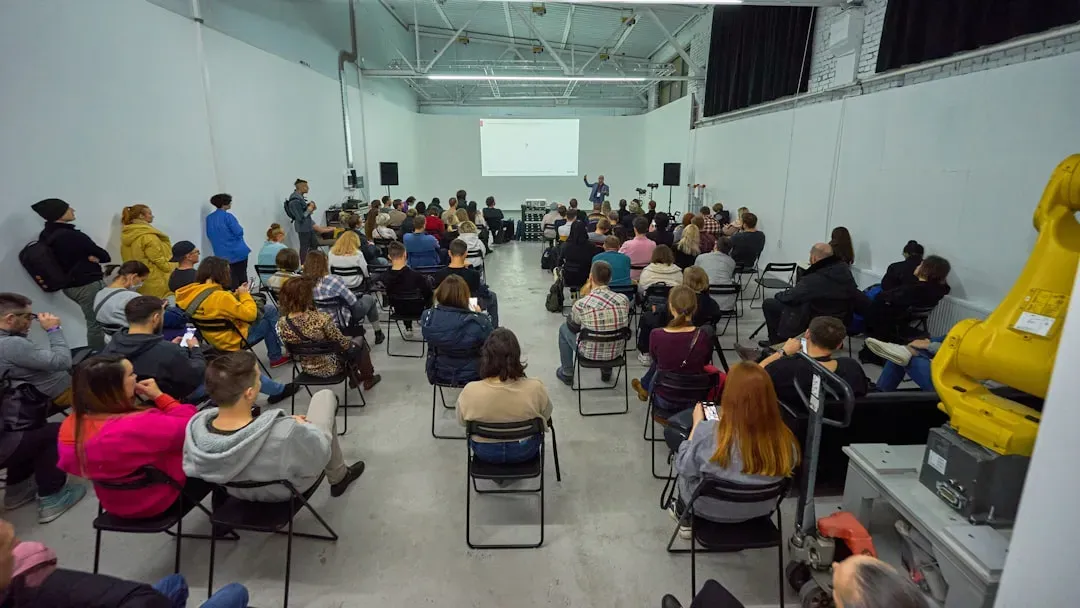
The Ojai Conference is recognized as one of the leading new play development programs in the country. Nestled in gorgeous Ojai, California, this program offers something that big city festivals can’t replicate: isolation that breeds focus. In 2025, received a two-week workshop to develop their new plays, culminating with a public performance of their work at the New Works Festival, held from July 31 to August 3.
The conference provides unique resources and a nurturing, productive environment for theater artists to develop new work and realize new stories for the American theater. The 2026 Summer Conference and New Works Festival will take place July 19 through August 2, 2026.
Humana Festival of New American Plays
The Humana Festival of New American Plays is one of the most prestigious events in American theater, standing out for its commitment to showcasing new and innovative works, offering the opportunity to have their plays fully produced as part of the festival. This is a big deal. Most festivals offer readings or workshops, but Humana goes all the way to full production.
Held in Louisville, Kentucky, the festival has been instrumental in launching the careers of many writers who have gone on to achieve national acclaim. For , it is an invaluable platform that provides exposure, critical feedback, and the chance to connect with theater professionals from across the country.
New South Young Festival
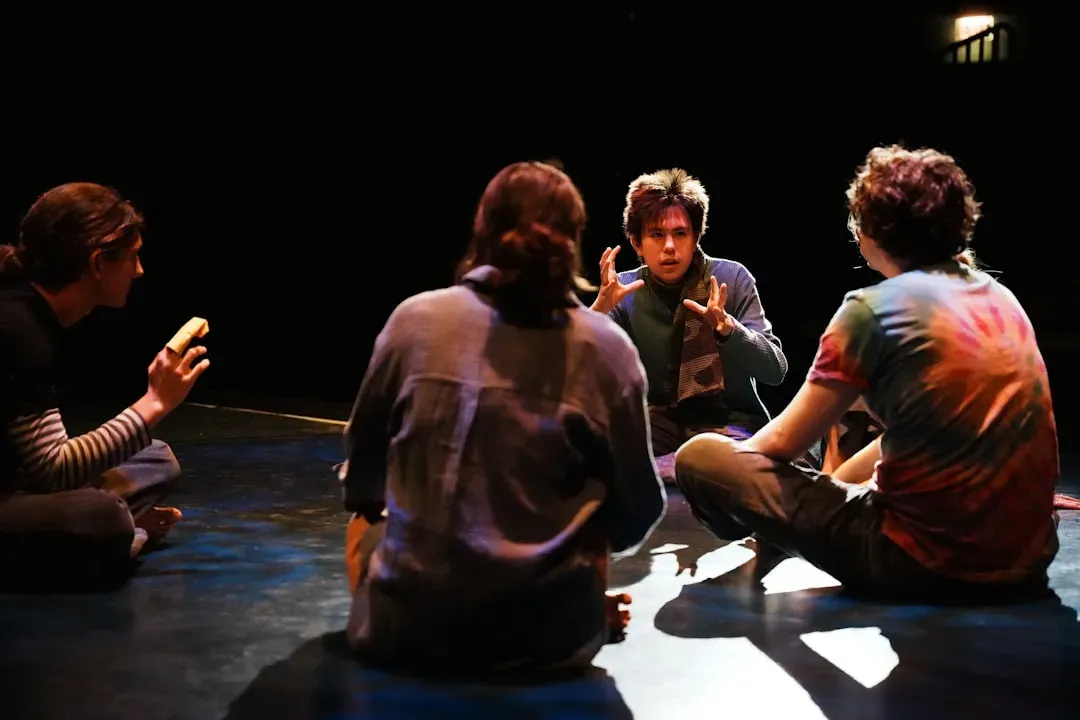
Students from high school through college are invited to submit completed one-act plays for consideration in Horizon Theatre Company’s New South Young Festival Contest. Starting young matters. The writers who get professional support early often become the most confident voices in the room later on.
Between 20 and 25 are selected to participate in the festival at Horizon Theatre in the trendy Little Five Points area of Atlanta, where this week-long festival is free and includes playwriting workshops, seminars, and rehearsals with professional theatre actors, directors, and . The festival usually receives roughly seven to ten dozen submissions each year. A typical day lasts from morning until evening, with daily classes, seminars, and writing workshops.
BIPOC Festival
Boise Contemporary Theater’s annual BIPOC Festival, founded in 2021 with assistance from the Idaho Women’s Charitable Foundation, seeks to champion emerging and mid-career from marginalized communities. Let’s be real: representation in theater has been abysmal for far too long. Festivals like this are actively working to change that.
Writers have four to five days of rehearsal to workshop their piece with a director and cast, followed by one staged reading of their work on the BCT MainStage, with travel, lodging, and a $1,000 artist stipend provided. Past BIPOC Festival include Juan José Alfonso, Stephanie Kyung Sun Walters, Debra Ann Byrd, Jeanne Sakata, Vinecia Coleman, Jason Tseng, and Novid Parsi, among others.
The Distillery New Works Festival
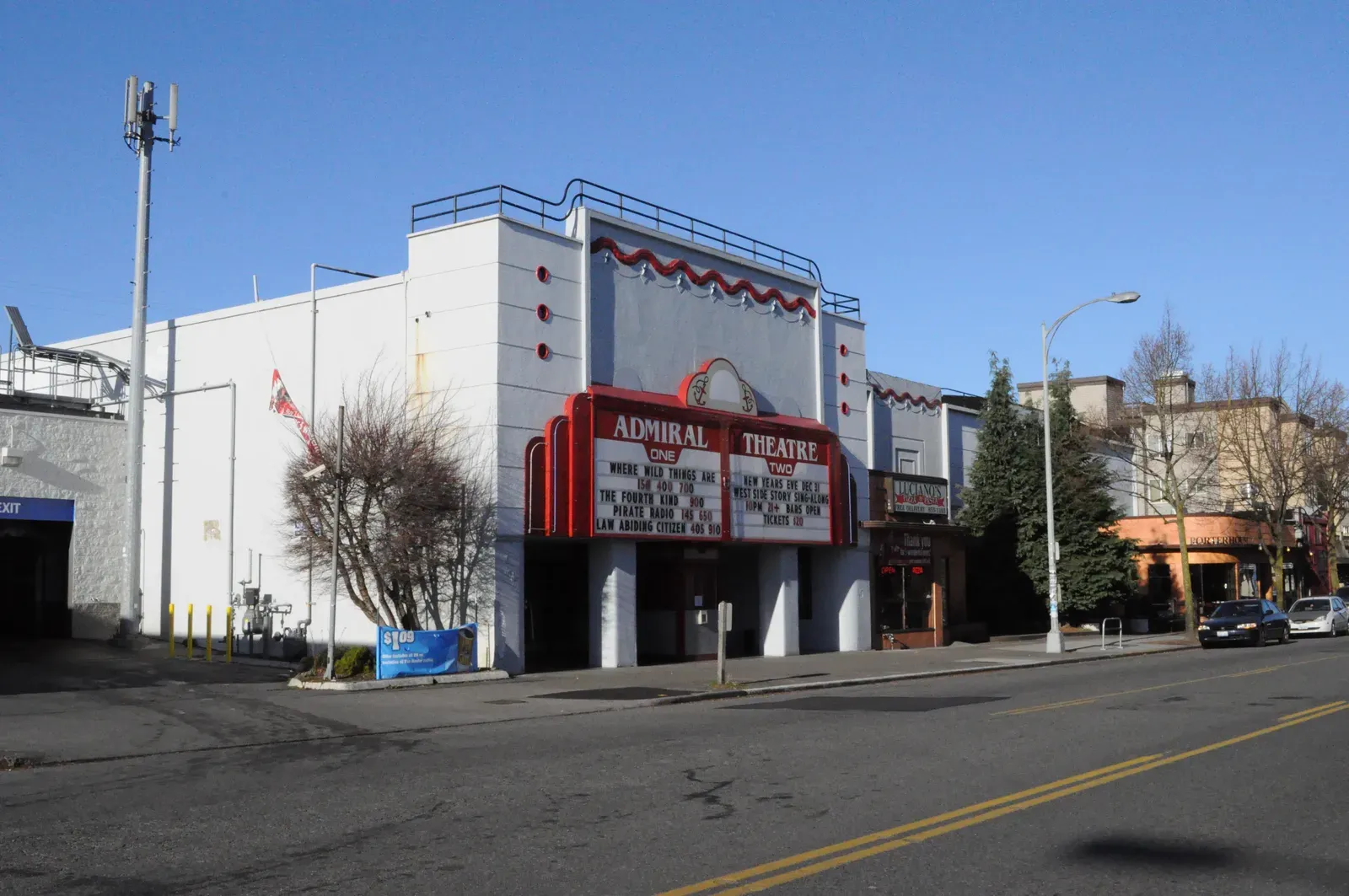
The Distillery New Works Festival is a celebration of emerging theater and an opportunity for to gain valuable feedback on new work. Hosted by Seattle Public Theater, this program takes a feminist lens to new play development, which honestly feels overdue.
Each play in the festival receives a live reading by a cast of professional actors, allowing it to live and breathe off the page, with the readings concluding with a discussion of the play with the playwright. Last year the festival received approximately 750 submissions and included seven plays in the final festival. from out of the area receive a travel stipend.
Pacific Festival
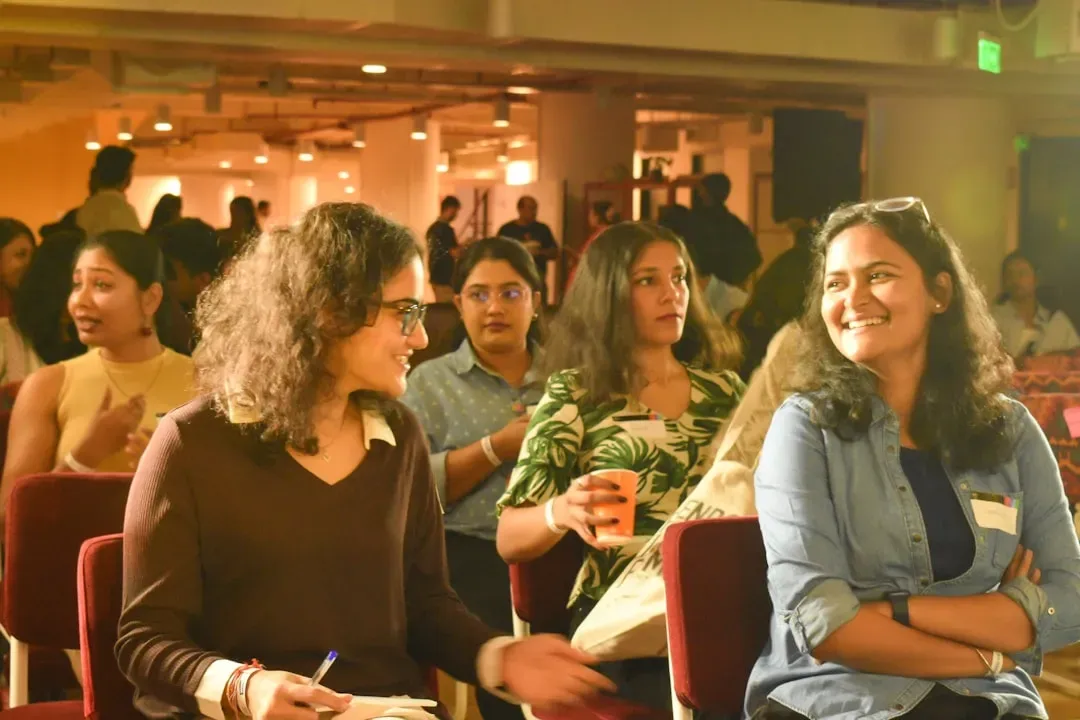
Since its inception, the Pacific Festival has introduced more than 165 plays to nationwide audiences, including Lucas Hnath’s A Doll’s House Part 2, Qui Nguyen’s Vietgone, Julia Cho’s The Language Archive, Amy Freed’s The Beard of Avon, Lynn Nottage’s Intimate Apparel, and Lauren Yee’s Cambodian Rock Band. That roster alone proves the festival’s track record.
The festival is part of South Coast Repertory’s new-play development program, The Lab@SCR, and for the 28th festival scheduled for May 1 through 3, 2026, the theater is considering materials from many sources, including commissioned works and scripts submitted for development.
Alley All New Festival
The Alley All New Reading Series provides a key developmental step for while allowing Houston audiences to discover exciting new plays before they receive world premiere productions, comprised of a variety of public and in-house programs designed to support and cater to the needs of each new project, producing world premieres, commissioning new plays, and supporting year-round.
Alley Theatre has partnered with Ucross, a prestigious artist residency program in rural Wyoming, to give the gift of uninterrupted time for concentrated work, with Artistic Director Rob Melrose bringing a group of writers to Ucross for ten days each year to work on projects in development. All Alley All New workshops and readings are free and open to the public.
Trustus ‘ Festival
The Trustus ‘ Festival began at Trustus Theatre in 1988, accepting submissions nationally from seeking to develop their script for a full main stage production at Trustus Theatre. Past winners include David Lindsay-Abaire, Jon Tuttle, Deborah Breevort, Stephen Belber, Andrea Lepcico, and Sarah Hammond.
Trustus Theatre selects one new play annually as the winner, with submissions being non-musical plays that have small casts of six actors or less and modest design needs, with the festival welcoming experimental works. The festival prefers scripts that have not been produced, so that Trustus’ production has World Premiere status.
Theater festivals like these are doing more than just staging new plays. They’re building ecosystems where emerging voices can thrive, experiment, and sometimes fail without catastrophic consequences. Every playwright who makes it through one of these programs walks away with something invaluable: proof that their voice matters. The industry notices when festivals consistently produce work that moves on to major productions, awards, and lasting cultural impact. Did you notice how many of your favorite plays might have started at one of these festivals?