Radio used to be a job done by hand. Someone chose the record, cued it, talked over the intro and hoped the timing worked out. Today a good deal of that work happens in the background of an app.
Streaming didn’t erase radio, though. Broadcast stations still reach large audiences, and many DJs still do parts of this work. What changed is how many of these tasks now happen automatically, and for whom.
Choosing Every Song by Hand

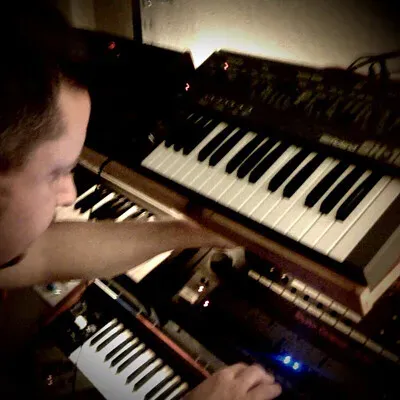
Traditional DJs picked tracks based on instinct, station format and what the music director approved. A DJ might build a set around the time of day, the weather or a feeling in the room. Each choice was a small editorial decision.
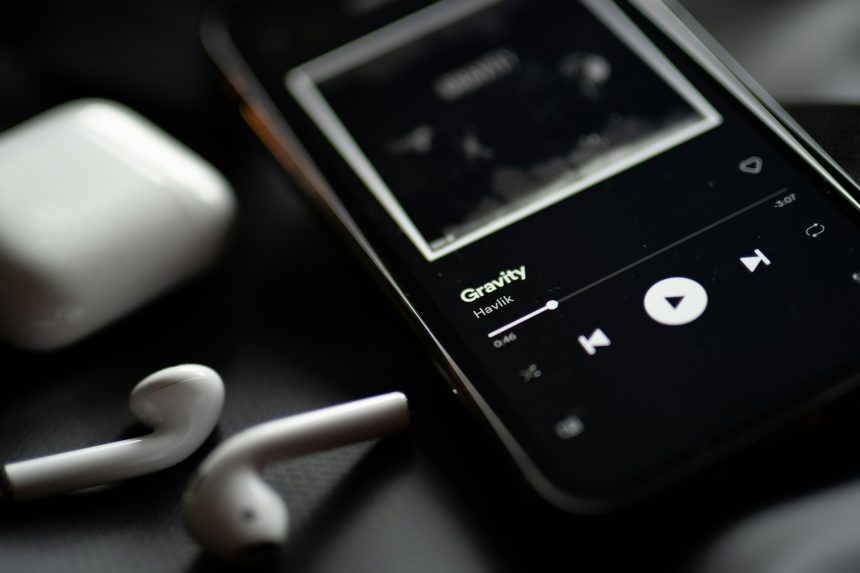
Streaming services now generate playlists from listening data. Spotify’s personalized features, such as Discover Weekly and Daily Mix, rely on what each listener has played, skipped and saved. The selection is made for one person, not for a whole city.
Taking Listener Requests by Phone


Request lines were once a staple of the evening shift. Listeners called in, asked for a song, and sometimes added a dedication. A DJ could fit the request in if it matched the format.
Now people simply search and press play. The wait, the busy signal and the chance of being turned down have all disappeared. Some stations still run request segments, but they’ve become more of a social touch than a necessity.
Introducing New Music to the Public

For decades, radio was how most listeners first heard a new song. Labels courted DJs and programmers because airplay could make or break a single. Discovery depended on gatekeepers.
Streaming moved much of that role to algorithmic and editorial playlists. Spotify’s own artist resources describe playlist placement as a major route to being heard. Radio still matters for mainstream hits, but newcomers now often find audiences without it.
Cueing Records and Managing the Mix

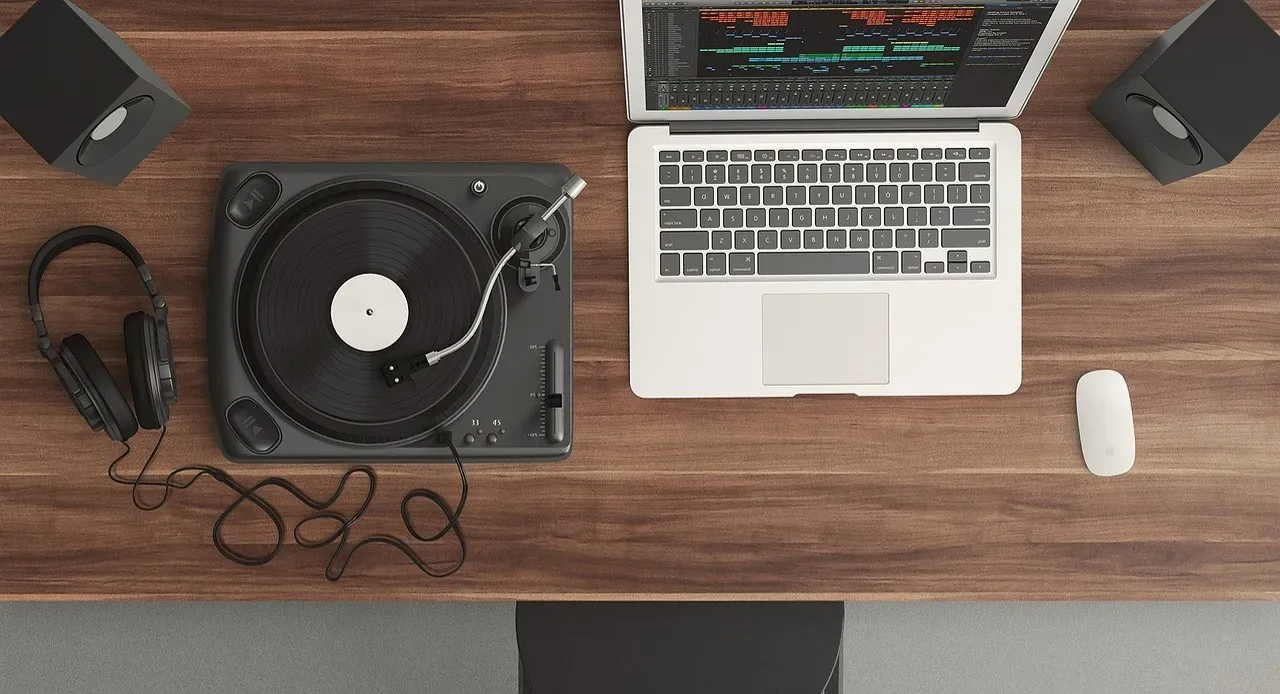
Early DJs physically cued vinyl or loaded cartridges, and a missed cue meant dead air. Skill with the equipment was part of the craft. Timing songs to land cleanly under a voice took practice.
Streaming apps handle transitions with built-in crossfade options. Spotify offers a crossfade setting in its player, so listeners can blend tracks without anyone at the controls. It isn’t artistry, but it’s consistent.
Partner offer

Keeping the Playlist Rotation Fresh

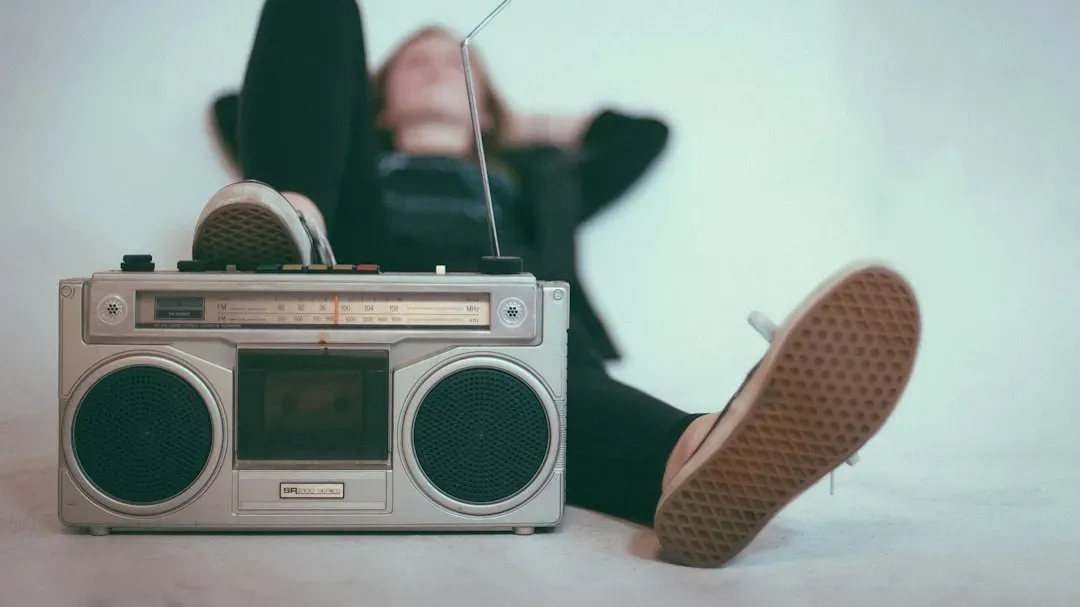
Stations managed rotations carefully, deciding how often a song aired and when to retire it. Music directors tracked what was new, what was a current hit and what was a classic. Too much repetition drove listeners away.
Personalized services handle this per listener. Shuffle, recommendation systems and mix features adjust to individual habits, so the rotation is effectively your own. A listener who tires of a song can skip it in a second.
Filling Time With Local Chatter
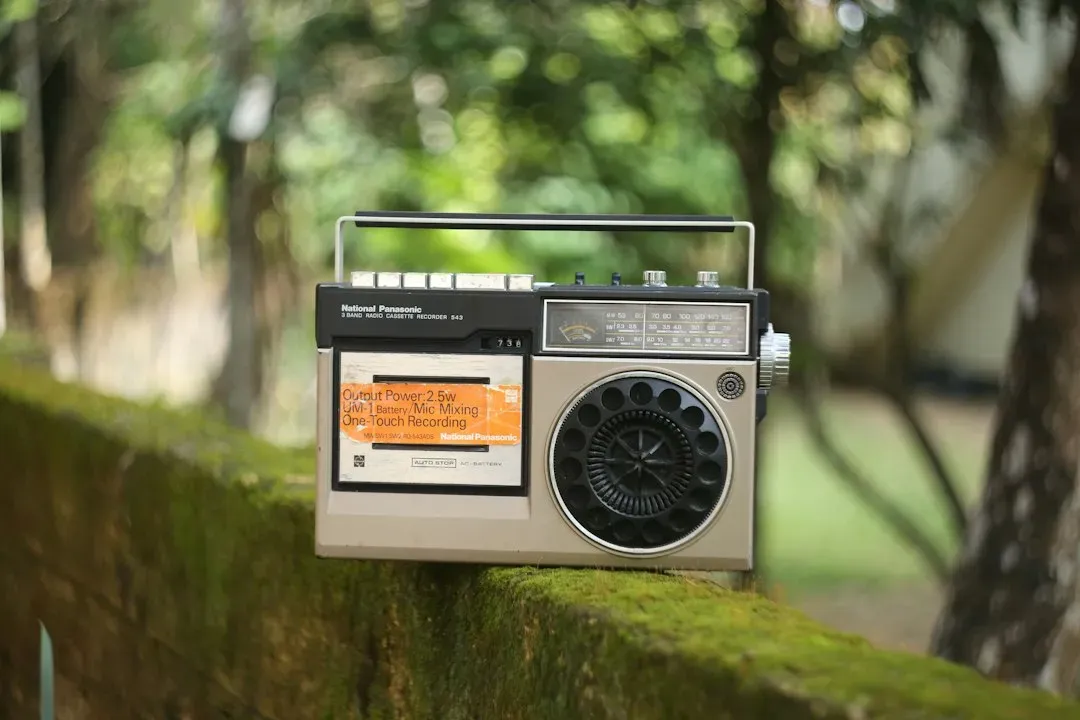
Between songs, DJs shared local news, weather, traffic and community events. That patter gave a station its personality and made listeners feel like neighbors. For many people, it was the real draw.
Streaming playlists mostly drop the talk. Apps and smart speakers can provide weather and traffic on request, which covers the practical side. The sense of a familiar voice from your town is harder to replace.
Building Mood Based Sets

A skilled DJ read the moment. Morning drive got upbeat tracks, late nights got something slower, and Friday evenings got something to match the weekend. The mood was set by a person paying attention.
Streaming platforms now offer ready-made mood and activity playlists, from focus music to workout mixes. Spotify and Apple Music both promote them prominently. They’re built from categories and listening patterns, so they feel convenient even if less personal.
Hosting Themed Shows and Countdowns
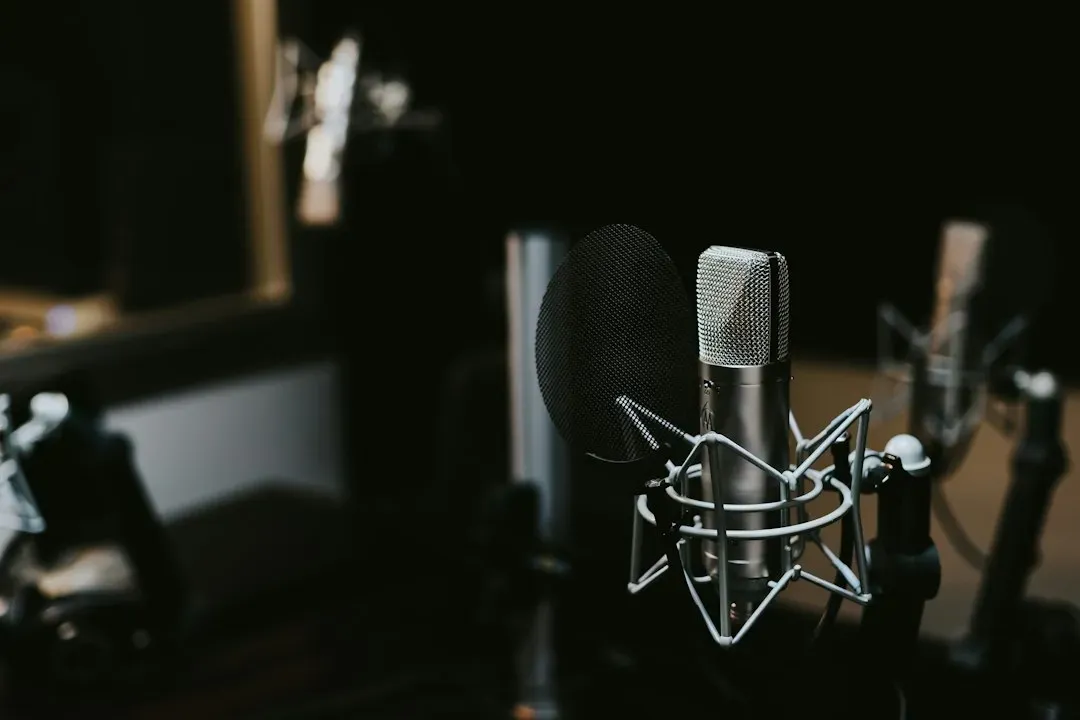
Weekly countdowns, decade nights and genre specials gave listeners something to schedule their time around. A host’s knowledge shaped the show, often with stories about the artists. Tuning in at a set hour was part of the ritual.
On demand listening broke that schedule. Playlists on streaming services can be themed by decade or genre and played whenever you like. Many broadcasters have responded by putting shows online as podcasts or replays, so the format survives in a different shape.
Giving Away Prizes and Running Contests
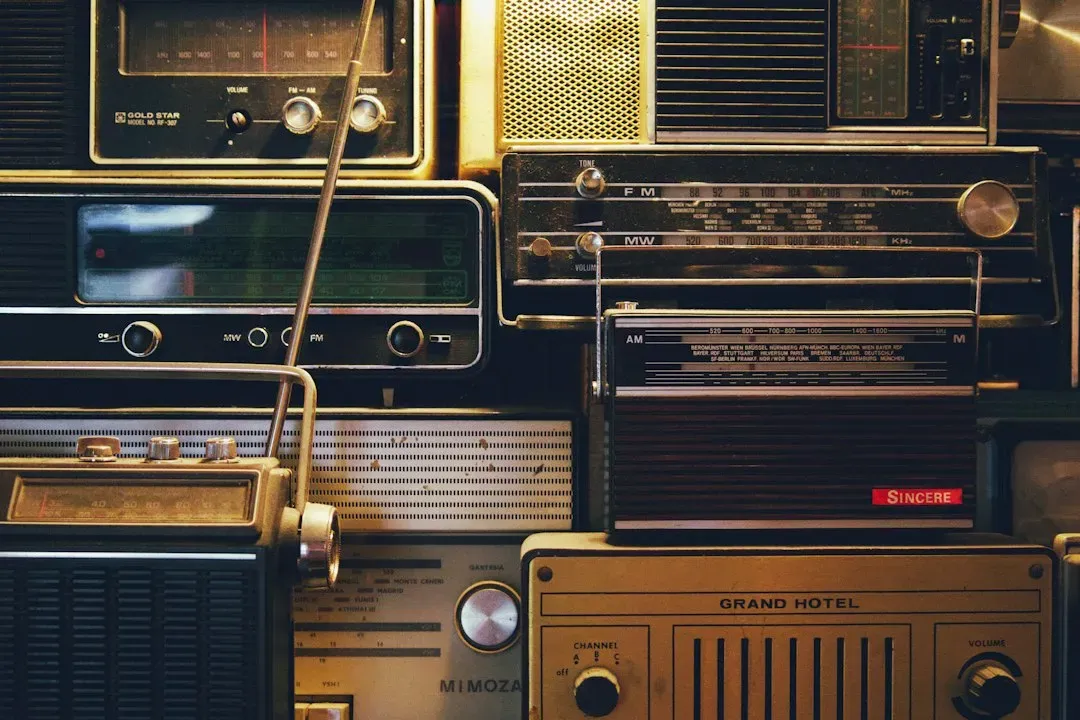
Call-in contests, ticket giveaways and trivia games kept listeners engaged and gave stations an easy way to promote events. The tenth caller became a small piece of radio folklore. It rewarded people for being tuned in at the right moment.
Streaming services tend to handle engagement through in-app features, promotions and social sharing instead. Interactive polls, shared playlists and sweepstakes exist, but they rarely carry the same live excitement. Radio stations still use contests, since live moments are one of the things broadcast does best.
Partner offer
Planning a trip to Vegas?
Compare hotel rates and show tickets on VEGAS.com.