The world has changed. Remote work isn’t just some passing trend anymore – it’s a full-blown shift in how we think about where we live and how we build our lives. No longer tethered to a physical office, professionals are asking themselves a simple question: Why stay in the overcrowded, overpriced city?
An estimated 291,400 people last year migrated from other areas into America’s small towns and rural areas, and it’s not hard to see why. The appeal is undeniable. Lower costs, real communities, and a chance to actually hear yourself think at the end of the day. Honestly, for someone working remotely, the promise of space and affordability is intoxicating. I think many of us are realizing that the “big city dream” was often just expensive stress dressed up as ambition.
Paducah, Kentucky – Art, Rivers, and Real Life
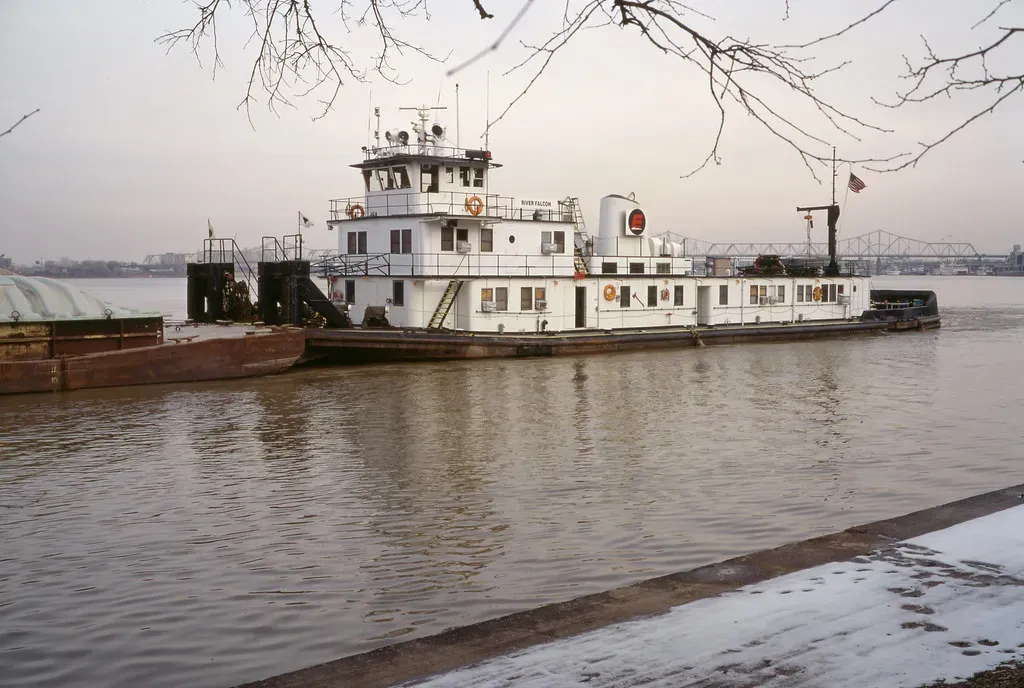
Situated at the confluence of the Ohio and Tennessee Rivers in western Kentucky, this rivertown of less than 27,000 people is known as a place where art is a way of life. Paducah has something genuinely special going on. It’s not trying to be the next trendy hotspot. It just is what it is: authentic, creative, and refreshingly unpretentious.
The median home price in the area is $280,000, which feels downright reasonable when you compare it to what you’d pay for a shoebox apartment in most cities. You’ll also find excellent healthcare services and a downtown packed with local restaurants, shops, and art galleries. For remote workers craving community and culture without the chaos, Paducah delivers.
Brevard, North Carolina – Mountain Magic and Waterfalls
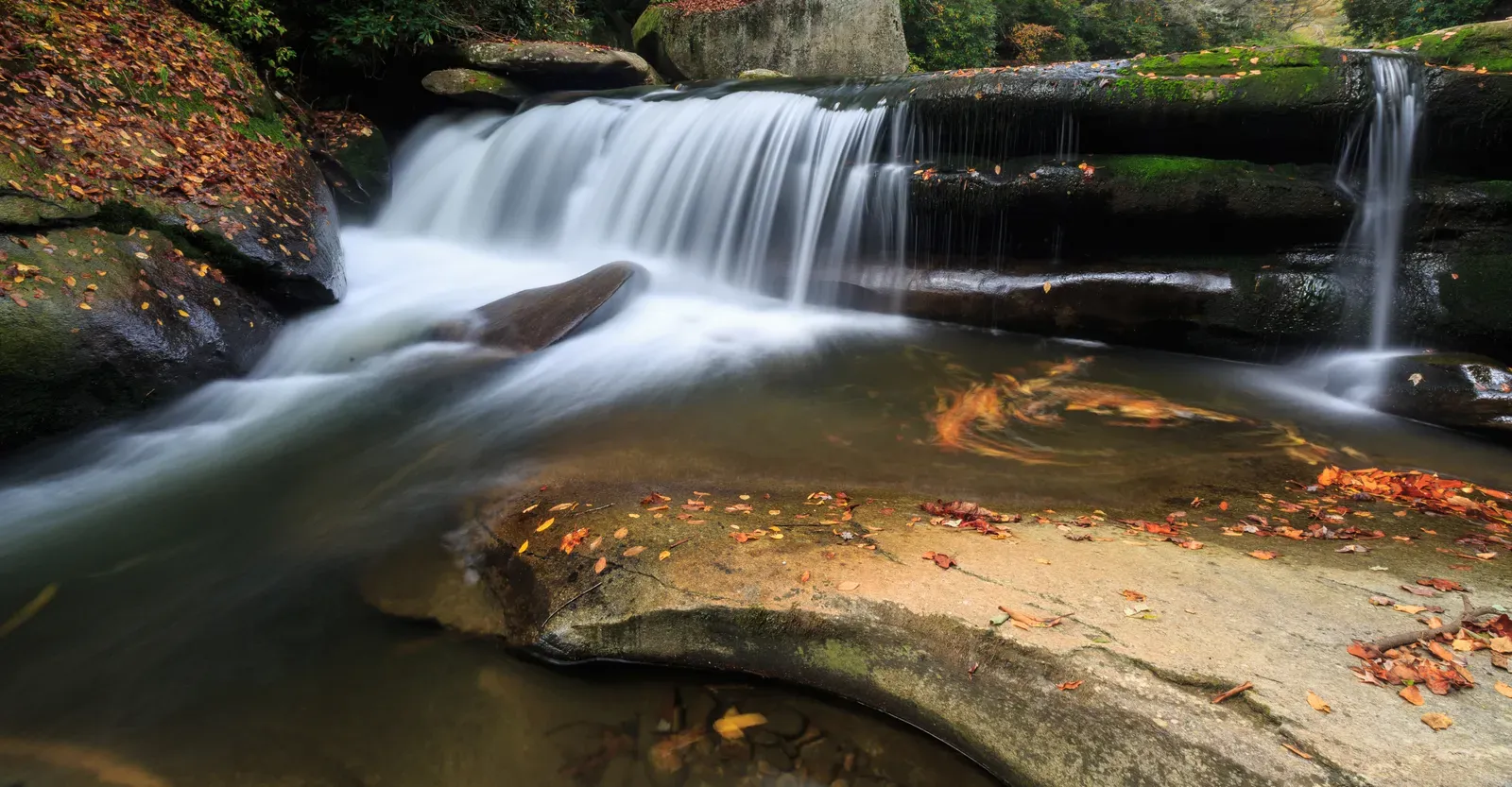
Here’s the thing about Brevard: it’s gorgeous. Really, truly, take-your-breath-away kind of gorgeous. Named one of the “50 Best Places to Live in the U.S.” by Money Magazine in 2024, this small mountain town offers remote professionals an outdoor playground right at their doorstep.
Think waterfalls, hiking trails, and mountain biking. Brevard offers an outdoor enthusiasts’ paradise without sacrificing connectivity. The internet is solid – crucial for anyone working from home – yet you’re never more than a short drive from pristine nature. It’s hard to say for sure, but I’d bet the quality of life here rivals anywhere in the country, especially if you value fresh air over nightlife.
Livingston, Montana – Big Sky, Big Dreams
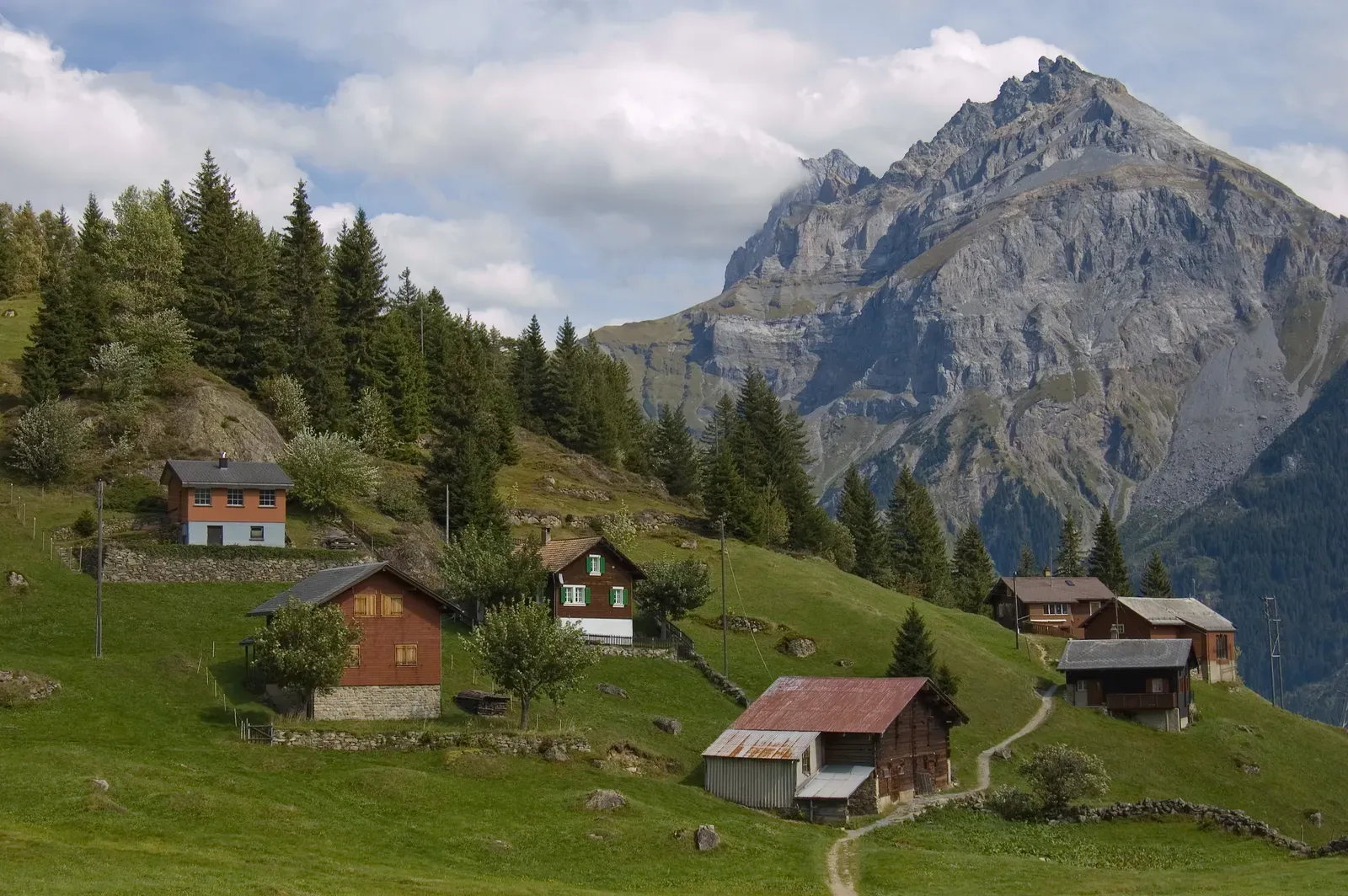
If wide-open spaces call to you, Livingston should be on your radar. Named one of the “6 Most Beautiful Small Towns in Montana” by World Atlas in 2024, Livingston’s stunning natural beauty and thriving arts scene make it a haven for creative remote workers.
This town has an edge. It’s rugged, yes, but also cultured. Artists, writers, and photographers have long been drawn here, creating a surprisingly vibrant creative community in the shadow of the mountains. The winters are real, though. You’ll need to be comfortable with snow and cold if you’re planning to put down roots here.
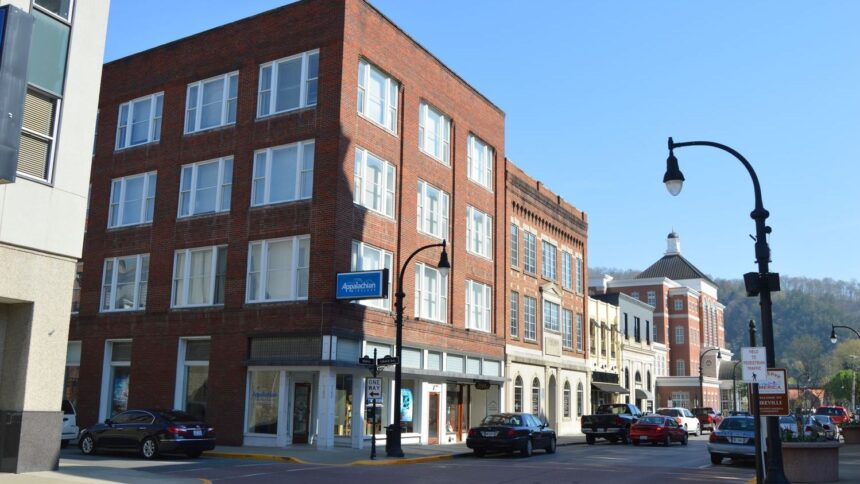
Pikeville, Kentucky – A Hidden Gem in Appalachia
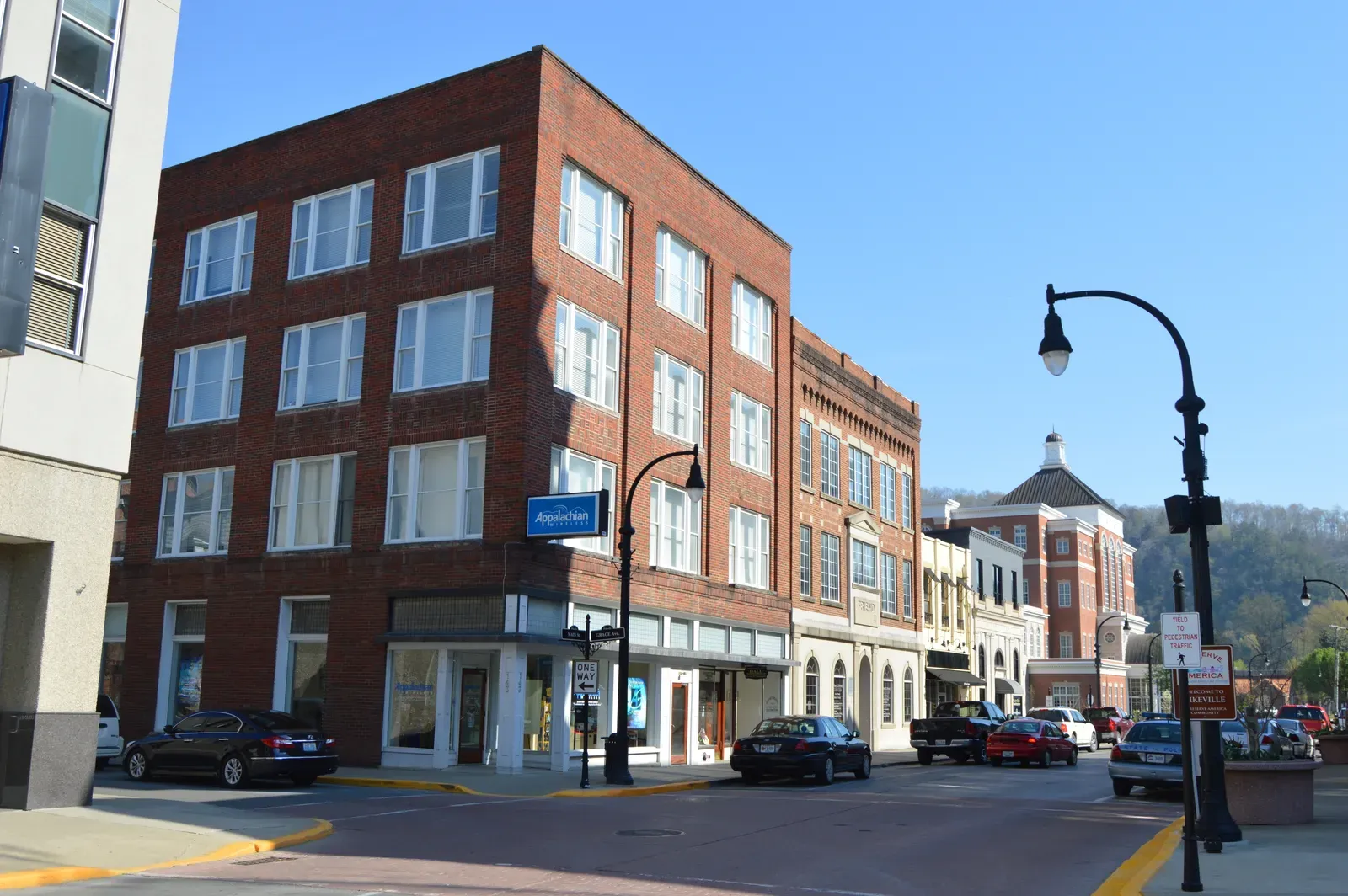
Don’t sleep on Pikeville. Named one of “America’s Most Welcoming Places in 2024”, Pikeville’s commitment to education and economic development makes it a standout choice for remote workers, especially those with families.
Let’s be real: Appalachia doesn’t always get the respect it deserves. Pikeville is proving the doubters wrong with strong schools, a welcoming attitude, and genuine efforts to attract young professionals. Pikeville High School was named as one of four high schools in Kentucky to receive a “College Success Award” from Greatschools.org in 2022, which speaks volumes about the community’s priorities.
Mayfield, Kentucky – Small Town, Big Incentives
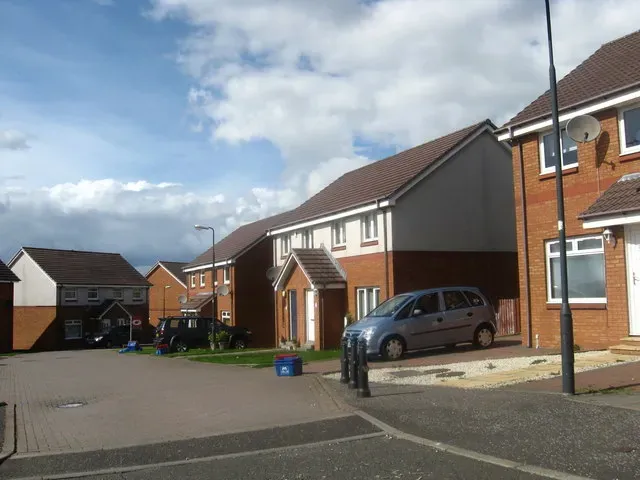
Mayfield’s friendly atmosphere and low housing costs make it an excellent destination for remote workers, especially with relocation incentives of up to $8,800. You read that right – some towns will actually pay you to move there. Mayfield is one of them.
This is a tight-knit community where people know their neighbors. It might not have the flash of bigger cities, yet that’s precisely the appeal. You can actually afford to buy a house. You can walk downtown without fighting crowds. Life just moves at a different pace here, and for remote workers burned out from the grind, that might be exactly what the doctor ordered.
Jackson, Michigan – Halfway Between Two Giants
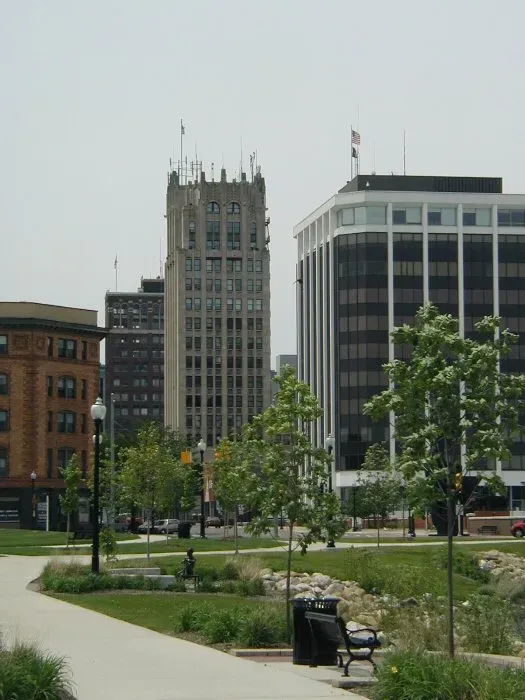
Located halfway between Detroit and Chicago, Jackson is buzzing with music, art, breweries, wineries, food, festivals, nature and history. Jackson offers something rare: the energy and amenities of a much larger city, without the corresponding cost or congestion.
Jackson has many safe residential areas with a variety of homes from urban condos to suburban neighborhoods available at a median price of $170,000. That affordability, combined with Jackson’s “100 Homes Program” offering up to $25,000 in downpayment assistance, makes it incredibly attractive for remote workers ready to become homeowners. The blend of urban convenience and small-town charm is hard to beat.
New Haven, Indiana – Quiet Comfort Near the City
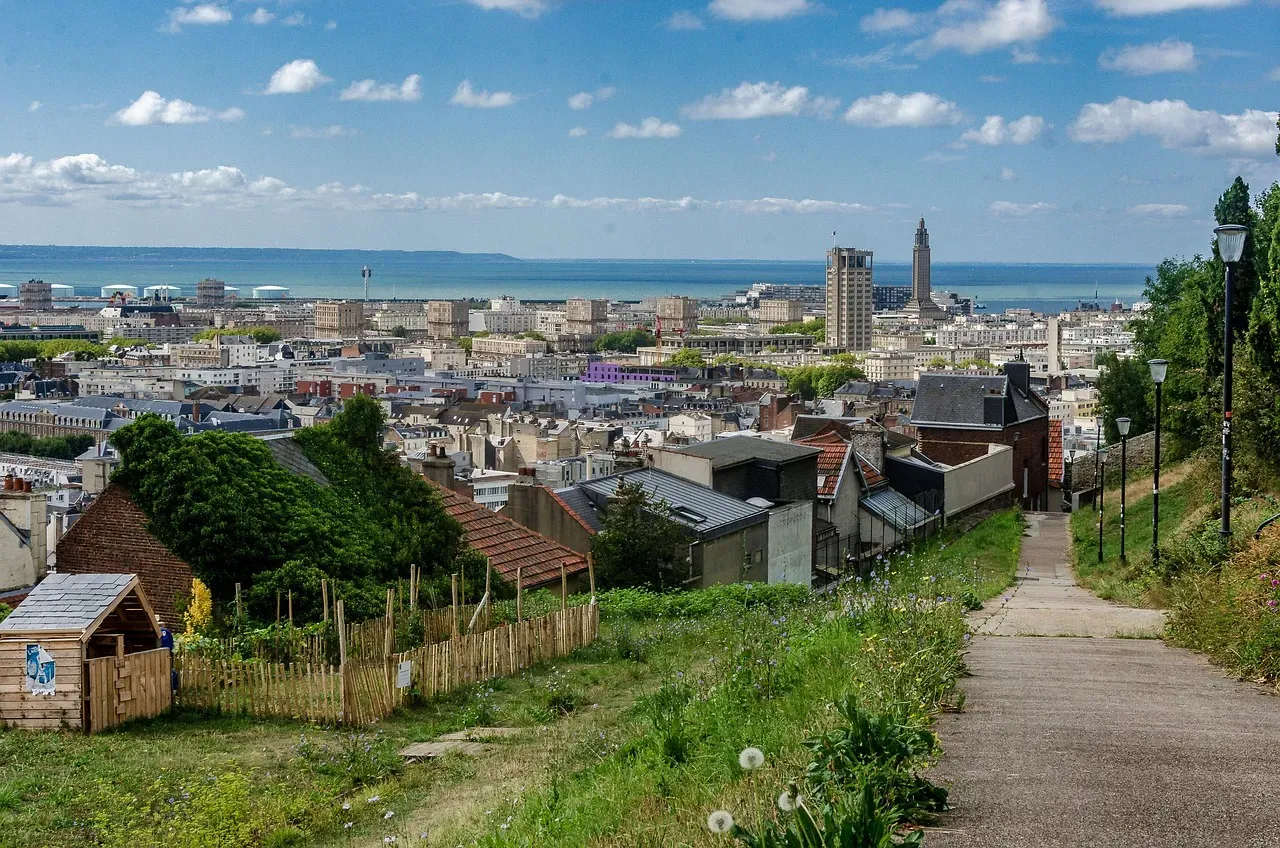
Located just outside Fort Wayne, New Haven provides a quiet, family-friendly atmosphere with incentives averaging $5,000, making it an attractive option for remote workers seeking affordable housing, reliable internet, and easy access to urban amenities.
Sometimes you want the best of both worlds. New Haven delivers that. You get the peace and affordability of small-town living, yet you’re close enough to Fort Wayne to grab whatever big-city amenities you need. It’s particularly great for families or anyone who wants a solid internet connection without sacrificing suburban tranquility.
Tell City, Indiana – History Meets the Ohio River
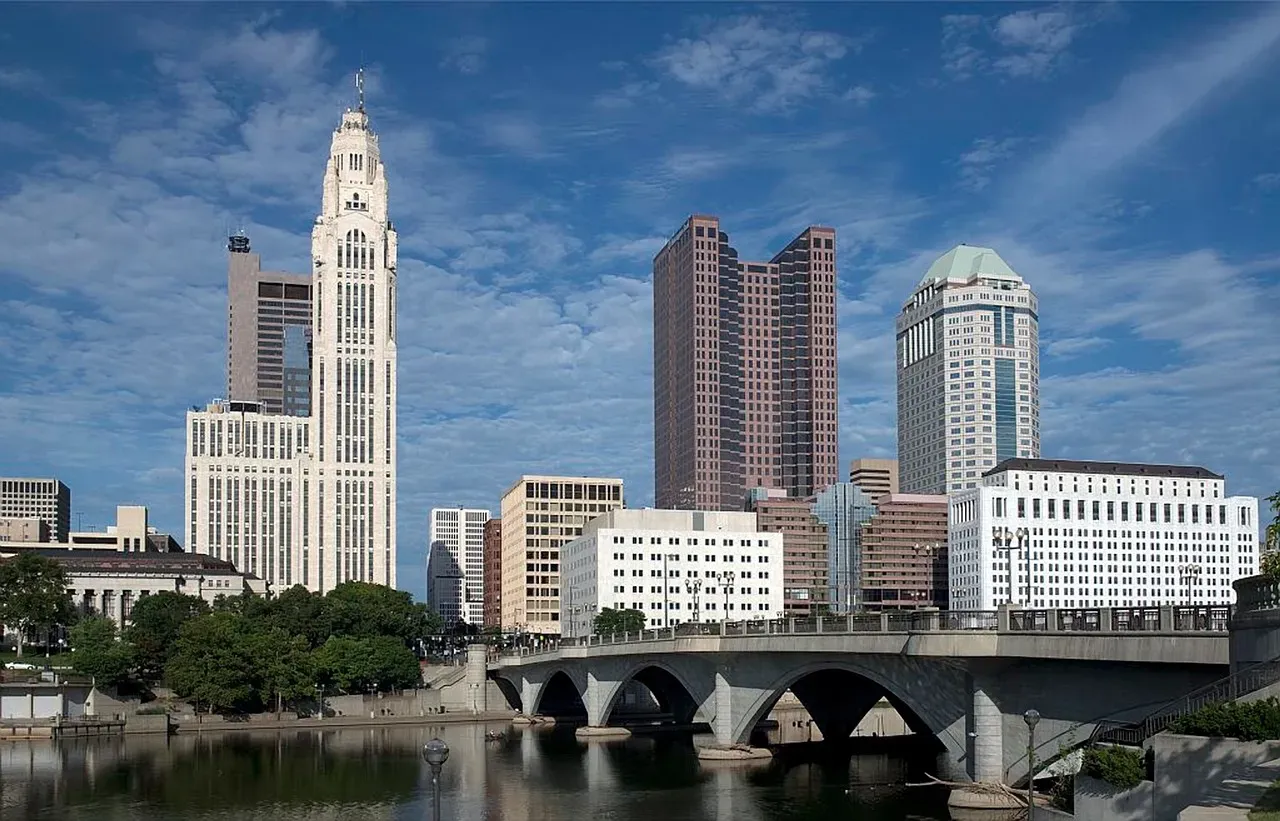
Tell City’s rich history and scenic location on the Ohio River make it a unique destination for remote workers looking for inspiration in their surroundings. There’s something about living near water that just feels restorative. Tell City offers that, along with genuine affordability.
Perry County was also named one of America’s Most Welcoming Places in 2024. This isn’t just marketing speak – the community genuinely wants newcomers. With affordable housing and a low cost of living, Tell City is the perfect place to call home. If you’re seeking a quieter life with character and charm, this riverside town checks those boxes.
Traveler’s Rest, South Carolina – Greenville’s Charming Neighbor
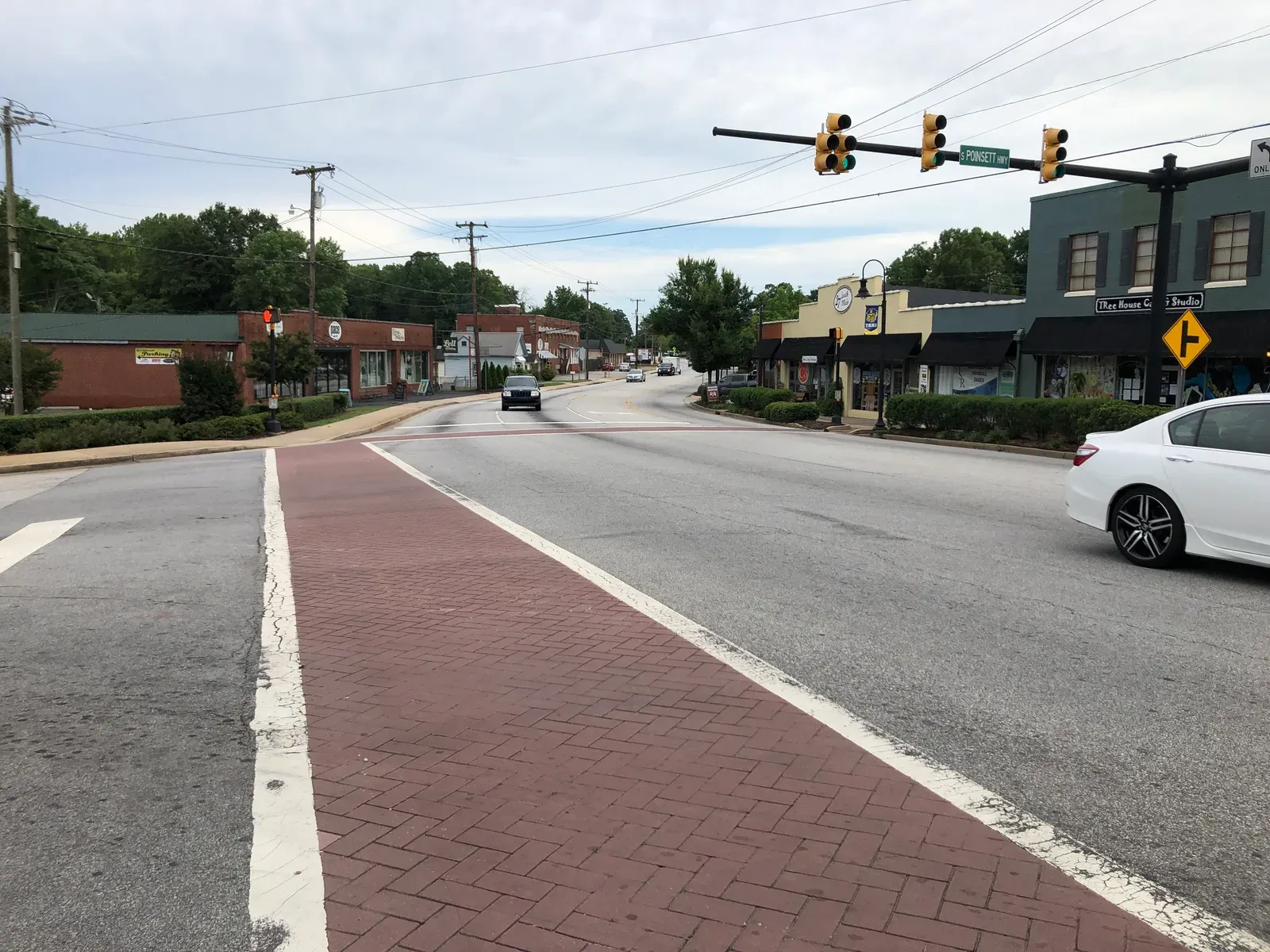
Named one of the “15 Best U.S. Small Towns for a Summer Vacation” by Travel + Leisure Magazine in 2024, this picturesque town offers easy access to outdoor recreation while maintaining strong connectivity for remote work. Traveler’s Rest sits in the shadow of the Blue Ridge Mountains and benefits from proximity to Greenville’s amenities.
The name says it all, doesn’t it? This is a place designed for rest, for slowing down, for actually enjoying life beyond the laptop screen. Yet the internet infrastructure is solid, proving you don’t have to sacrifice productivity for peace. The town offers trails, waterfalls, and a growing food scene that punches well above its weight class.
Why These Towns Matter Now More Than Ever
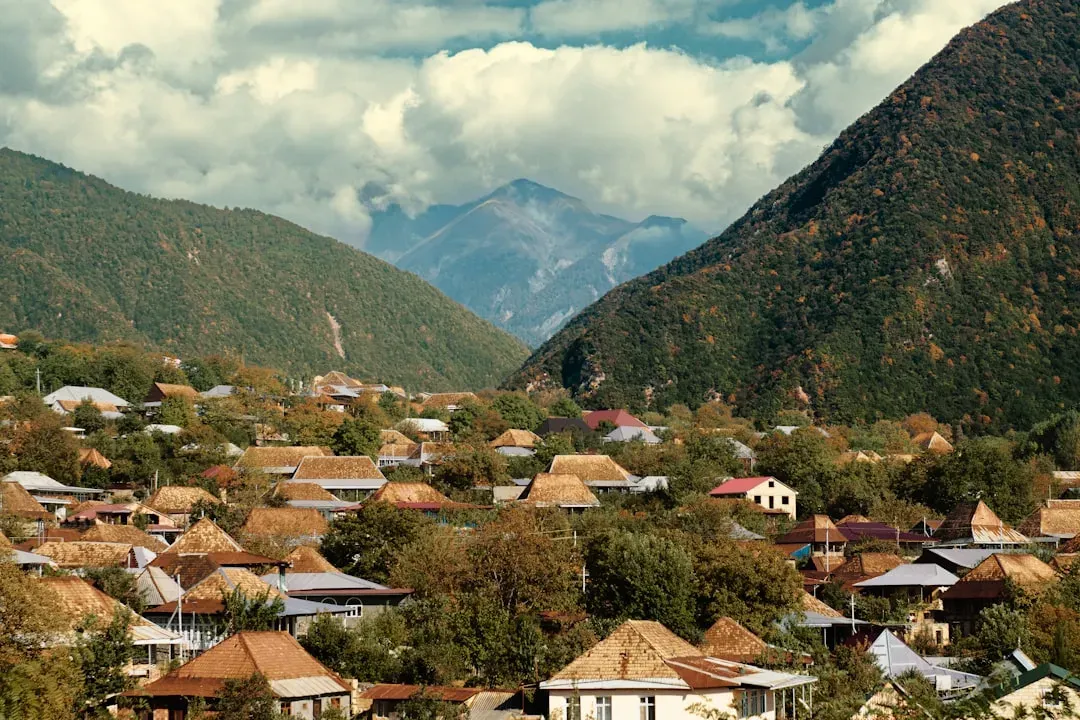
Here’s what strikes me about this whole movement. Migration from large metro areas and counties to smaller metro areas and rural counties has continued, with migration out of counties with more than one million residents remaining nearly twice as high as before the pandemic. This isn’t a temporary blip. People are making permanent decisions about where and how they want to live.
100 Mbps will support multiple devices and is more than sufficient for working remotely, and most of these small towns now offer that level of connectivity. The infrastructure that once kept professionals chained to urban centers has finally reached these places. Meanwhile, Starbucks has closed hundreds of underperforming urban shops since 2020 and has opened hundreds of locations in small towns across the country that are attracting new residents. Even corporate America is following the people.
What’s really happening here is a recalibration of values. Cost of living matters. Community matters. Space to breathe matters. These nine towns represent a different vision of the American dream – one that’s quieter, more affordable, and frankly, more human-scaled. For remote workers with the freedom to choose, these places aren’t just alternatives. They’re upgrades.
So what do you think? Would you trade your city life for small-town charm? Sometimes the best opportunities are hiding in the places we least expect to look.