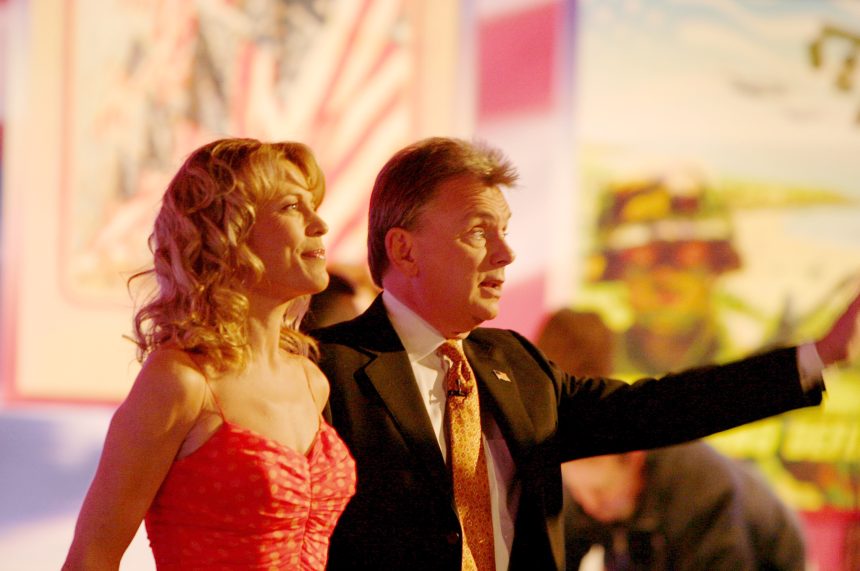
Radio teaches a few things quickly. You learn to fill dead air, read a mood through a microphone, and make one listener feel like the only person in the room. Those skills carry over well to television, which is why so many familiar faces began behind a mic.
The nine hosts below made that jump in different ways. Some went from local stations to game shows, others to late night or national countdowns. A few have died or retired, but their careers still show how often the path from radio to TV has worked.
1. Ryan Seacrest

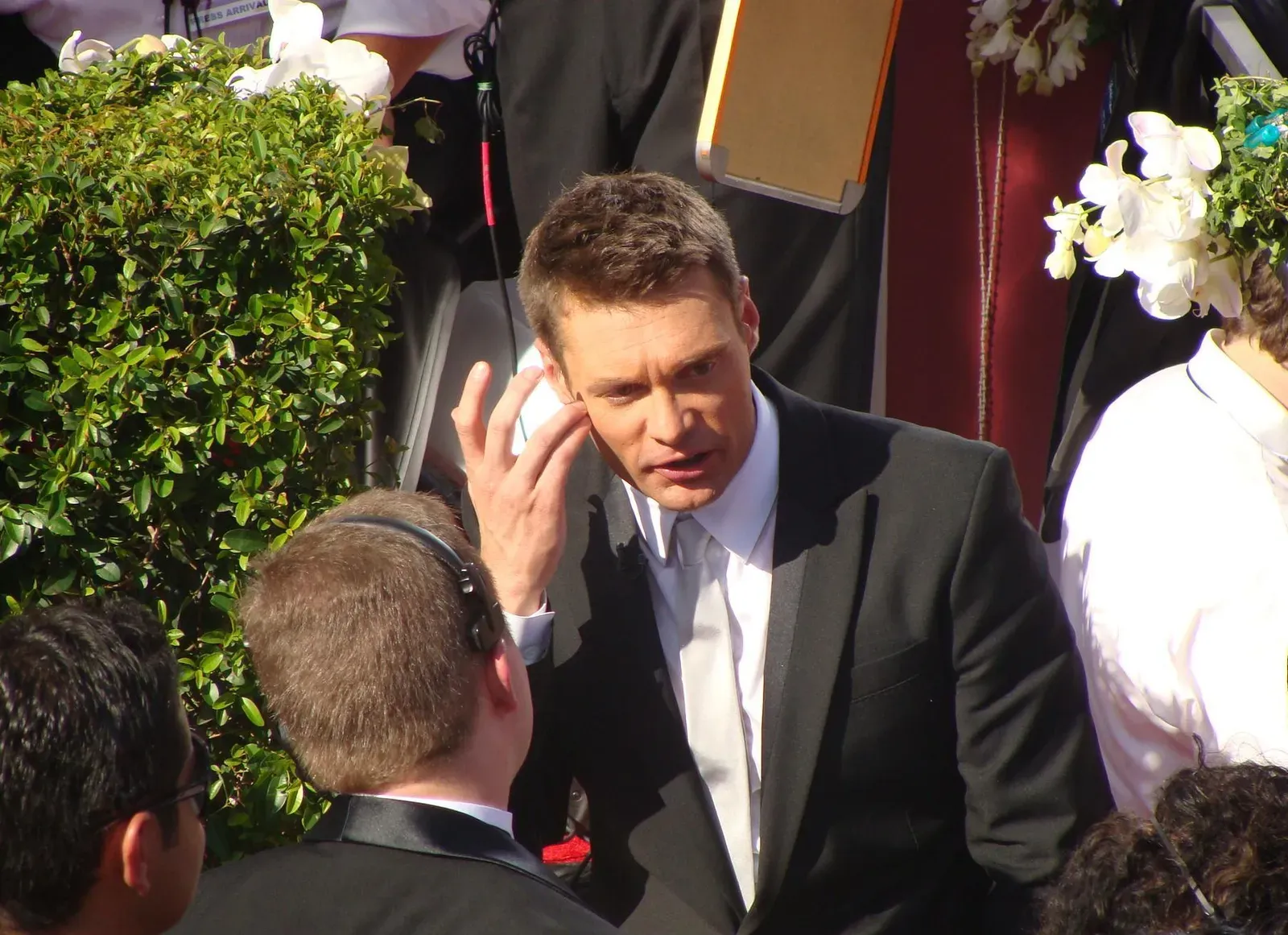
Ryan Seacrest began in radio as a teenager, working at WSTR in his hometown of Atlanta. He later moved to Los Angeles and built a national radio profile with a long run on KIIS-FM and syndicated shows. His smooth, quick delivery suited live broadcasting, and TV producers noticed.
He became the face of American Idol and a fixture of New Year’s Eve television. In 2024 he took over Wheel of Fortune from Pat Sajak, which gave his radio-to-TV story a fresh chapter. Few hosts have carried both media for as long.
2. Dick Clark


Dick Clark started in radio in upstate New York, then moved to WFIL in Philadelphia. There he took over the local TV dance show Bandstand in the mid-1950s. His radio experience helped him talk easily about music and connect with young audiences.
The show went national on ABC in 1957 as American Bandstand and ran for decades. Clark also became closely tied to New Year’s Rockin’ Eve. He died in 2012, and he’s still widely remembered as a pioneer of music television.
3. Casey Kasem

Casey Kasem worked as a radio disc jockey before he became one of the most recognizable voices in America. In 1970 he co-created and began hosting American Top 40, a weekly countdown that spread across stations nationwide. His warm, conversational delivery became the show’s trademark.
He also moved onto television, hosting the countdown series America’s Top 10 in the 1980s and early 1990s. Many people also know him as the voice of Shaggy in Scooby-Doo. Kasem died in 2014, but his countdown style still shapes music programming.
4. Pat Sajak

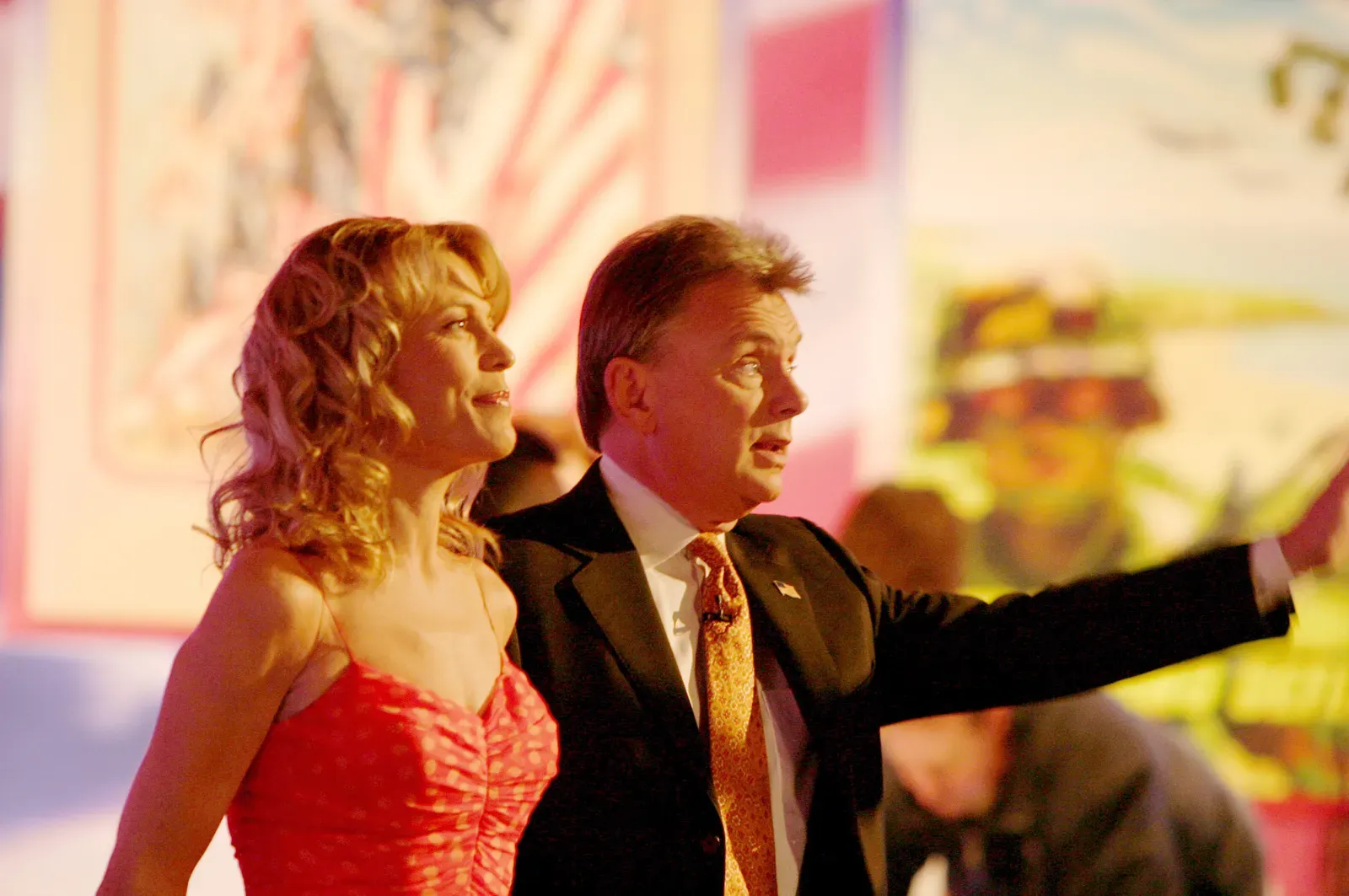
Pat Sajak’s path to Wheel of Fortune included a stint as a disc jockey on Armed Forces Radio in Vietnam. After military service he worked in Nashville as a weatherman, which led to a job on local television in Los Angeles. His relaxed, joking manner owed something to those early broadcasting jobs.
He hosted the syndicated version of Wheel of Fortune from 1983 until he stepped down in 2024. That’s more than four decades in the same chair. His handoff to Ryan Seacrest linked two hosts who both have radio in their backgrounds.
5. Bob Barker

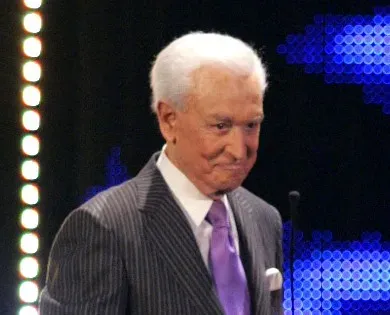
Before he became a daytime TV icon, Bob Barker hosted a radio program in California. That led to Truth or Consequences, which he took over in the 1950s. Radio taught him to work with live audience participation, a skill he’d use for decades.
Partner offer

He hosted The Price Is Right from 1972 until retiring in 2007, and he won many Daytime Emmy Awards along the way. His easy rapport with contestants made the show feel unscripted. Barker died in 2023 at the age of 99.
6. Larry King

Larry King got his start in Miami radio in the late 1950s, where he worked as a local disc jockey and interviewer. He then built a reputation for relaxed, curious conversation with guests of all kinds. That approach later became his signature.
Larry King Live debuted on CNN in 1985 and ran until 2010. It became one of cable news’s best known interview programs. King died in January 2021, and his career is a clear example of radio instincts working on television.
7. Rick Dees

Rick Dees was a radio personality first, and his novelty song Disco Duck became a hit in 1976. He later became a major presence on Los Angeles radio and created the syndicated countdown Rick Dees Weekly Top 40. His fast, jokey style made him a natural for wider audiences.
On television, Dees hosted the music series Solid Gold for a time in the 1980s. That show let him use the same pop music knowledge he’d built on air. His career shows how a DJ’s following can open doors in TV.
8. Wendy Williams

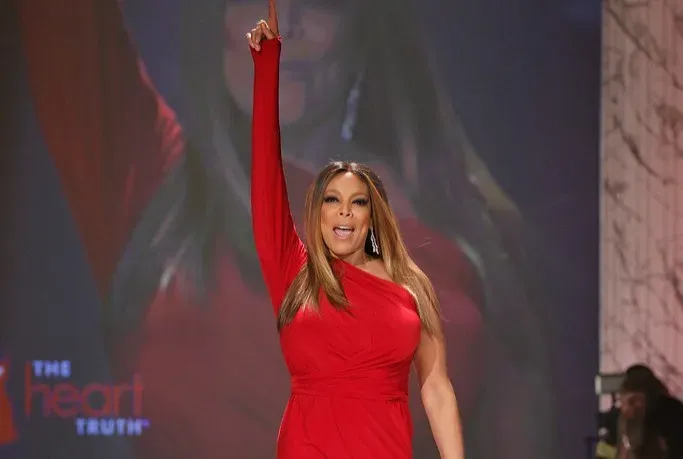
Wendy Williams became a star in New York radio, where her celebrity gossip and blunt opinions drew a loyal audience. Her radio persona was the foundation for what came next. She brought the same direct, conversational voice to daytime television.
The Wendy Williams Show launched in 2008 and ran until 2022. Her catchphrase-heavy “How you doin’?” greeting became a pop culture staple. The show’s success came largely from a personality that listeners already knew from the radio.
9. Jimmy Kimmel

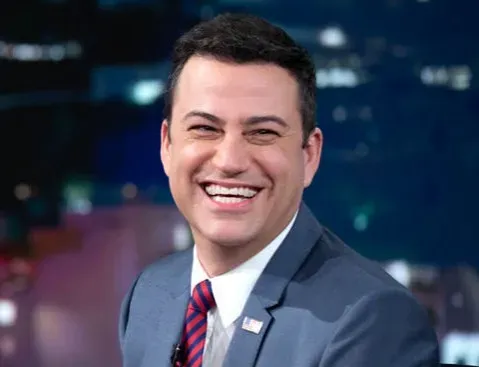
Jimmy Kimmel worked in radio before he made it to television, including time on morning shows in several cities. He later gained attention on Los Angeles radio, where his comedic banter was already well developed. That background in live, improvised talk helped him on camera.
He co-hosted The Man Show on Comedy Central and then launched Jimmy Kimmel Live! on ABC in 2003. He has also hosted the Academy Awards several times. His quick, conversational style still reflects those early radio years.
Taken together, these nine hosts show that radio is a real training ground for television. The medium rewards personality, timing, and the ability to talk naturally to an unseen audience. Those are exactly the traits that make a TV host feel like company.
Not every DJ makes the leap, of course. The ones who do tend to bring their voice and instincts with them rather than reinvent themselves. Next time you watch a game show or a talk show, listen closely, and you might hear a radio veteran at work.
Partner offer
Planning a trip to Vegas?
Compare hotel rates and show tickets on VEGAS.com.