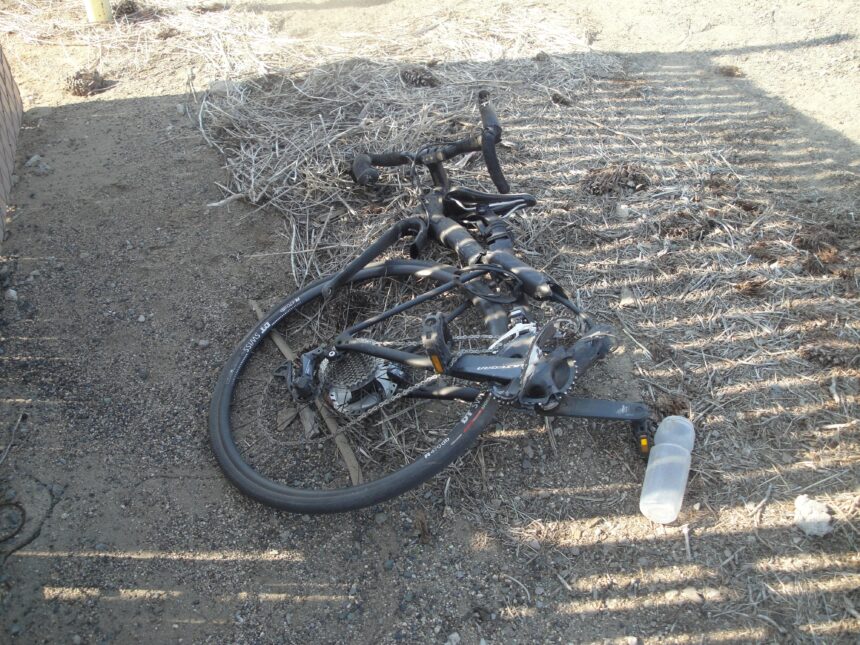
A bicyclist was tragically killed in a collision on Saturday afternoon along a well-traveled route just south of Reno. Authorities responded to the scene where the fatal crash occurred, prompting an investigation into the circumstances surrounding the incident. This popular corridor, frequently used by cyclists and motorists alike, was temporarily closed as emergency crews conducted their work. Further details, including the identities of those involved and contributing factors, are pending as officials continue their inquiry.
Partner offer
Bicyclist Dies in Collision on Heavily Traveled Reno Route
Emergency responders arrived promptly on Saturday afternoon after reports of a serious collision involving a bicyclist on a heavily used corridor south of Reno. According to initial statements from law enforcement, the accident occurred near a curve known for high traffic levels, where visibility is often compromised during certain hours. Despite efforts to stabilize the victim on the scene, the bicyclist was pronounced deceased shortly thereafter. Authorities have not yet released the identity of the deceased as family notifications are underway.
Local officials are urging all drivers and cyclists to exercise increased caution on this route. The area has seen growing traffic volume with recent residential developments attracting more commuters. To highlight key safety reminders, the following precautions are emphasized:
- Wear high-visibility clothing and use reflective gear during low light conditions.
- Maintain lower speeds in high-traffic or narrow lane sections.
- Observe all traffic signals carefully and avoid distractions.
| Key Route Statistics | Data |
|---|---|
| Average Daily Traffic | 15,000 vehicles |
| Reported Accidents (2024 YTD) | 12 incidents |
| Dedicated Bike Lanes | None currently |
Safety Concerns Arise Over Road Conditions and Visibility
The crash has renewed calls from community members and safety advocates who emphasize the urgent need for improvements along the popular cycling route south of Reno. Many highlighted the poor road conditions that have plagued the corridor for months, pointing to uneven pavement, potholes, and faded lane markings that contribute to hazardous riding environments for cyclists. Additionally, limited street lighting and dense roadside vegetation have significantly impaired visibility, particularly during dawn and dusk hours.
Local authorities have been urged to consider immediate measures such as:
- Resurfacing worn sections of the roadway to eliminate hazards
- Installing reflective signage and refreshed lane demarcation
- Improving street lighting to enhance visibility for both drivers and cyclists
- Clearing roadside brush to increase sight lines and reduce blind spots
Tables comparing safety metrics for the affected area illustrate a rising trend in near-miss incidents and reported cyclist injuries over the past year.
| Month | Reported Incidents | Near-Misses |
|---|---|---|
| January | 3 | 7 |
| April | 5 | 11 |
| July | 8 | 15 |
| September | 9 | 18 |
Community Demands Improved Bike Lanes and Traffic Calming Measures
In the wake of the tragic accident, local residents and bicycling advocates have rallied to urge city officials to implement urgent safety upgrades along the popular cycling corridor. Calls for enhanced bike lanes featuring physical barriers and clearer markings are growing louder, aiming to provide a safer, dedicated space for cyclists separated from vehicle traffic. Community members also emphasize the need for traffic calming measures such as reduced speed limits, speed bumps, and improved signage, particularly in high-traffic and residential areas notorious for close calls.
The community’s requests are backed by data highlighting increased bike usage and several near-miss incidents reported over the past year. Advocates propose a phased approach that prioritizes the most dangerous segments first, followed by broader improvements county-wide. Below is a brief overview of proposed traffic calming interventions and their expected benefits:
| Measure | Description | Expected Benefit |
|---|---|---|
| Physical Bike Lanes | Protected lanes separated by barriers | Reduces vehicle-bike collisions |
| Speed Bumps | Raised sections to slow vehicles | Lowers average traffic speeds |
| Improved Signage | Clearer warnings and road markings | Increases driver awareness of cyclists |
| Reduced Speed Limits | Lower posted limits on key routes | Decreases crash severity |
Authorities Urge Caution for Drivers and Cyclists on Popular Roads
The recent tragedy has spotlighted the inherent dangers faced by both cyclists and motorists on the frequently traveled routes south of Reno. Officials emphasize the importance of vigilance and mutual respect, as these roads see a high volume of diverse traffic, including recreational cyclists, daily commuters, and vehicles. Drivers are urged to maintain safe speeds and increase their awareness, especially near curves and intersections commonly used by cyclists.
To enhance safety and reduce the risk of accidents, authorities recommend the following precautions:
- Maintain a minimum 3-foot distance when passing cyclists.
- Reduce distractions such as mobile devices to stay focused on the road.
- Wear visible, high-contrast clothing when cycling during low-light conditions.
- Use designated bike lanes where available and obey all traffic signals.
| Safety Measure | Recommended Action |
|---|---|
| Visibility | Use reflective gear and bike lights |
| Speed | Driver speed limits and cyclist pace |
| Lane Use | Stay within designated bike lanes |
| Attention | Avoid distractions while driving or cycling |
To Conclude
The investigation into the fatal crash remains ongoing, with authorities urging all road users to exercise heightened caution on the busy routes south of Reno. As the community mourns the loss of the bicyclist, officials continue to emphasize the importance of roadway safety measures to prevent similar tragedies in the future. Further updates will be provided as more information becomes available.
Partner offer
Planning a trip to Vegas?
Compare hotel rates and show tickets on VEGAS.com.