There’s something unsettling about the idea that someone else gets to decide what you’re allowed to read. It’s a thought that might have felt distant a few years ago, like something from a different era entirely. Yet in 2025, book censorship has surged to levels never before seen in the lifetime of any living American. We’re not talking about a few dusty volumes tucked away in storage. PEN America has documented nearly 23,000 book bans in public schools nationwide since 2021, a staggering figure that continues to climb.
In 2025, book censorship in the United States is rampant and common, with so many books systematically removed from school libraries across the country. The targets? Often classics that have shaped American literature for decades.
George Orwell’s 1984 Still Hits Different
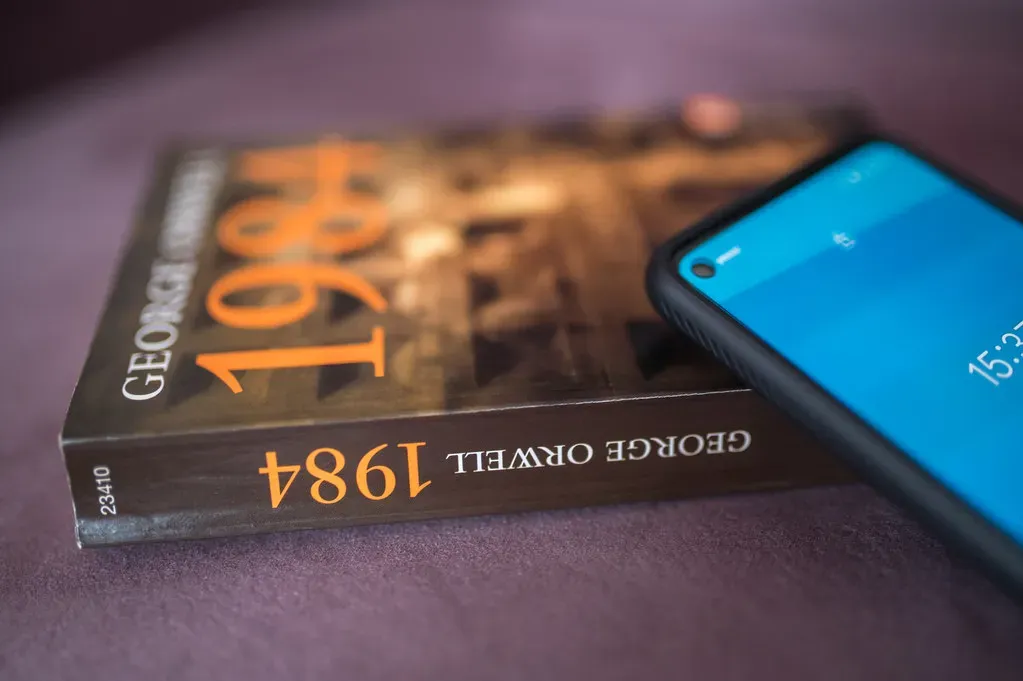
Here’s the thing about 1984. For all time, the most frequently banned book is 1984 by George Orwell. The irony isn’t lost on anyone. A book about government surveillance and thought control keeps getting banned by the very institutions that should champion free thought. The theme of Banned Books Week 2025 is “Censorship Is So 1984 – Read for Your Rights”, acknowledging how relevant Orwell’s dystopian vision remains today.
Published in 1949, this novel introduced us to Big Brother and Newspeak, concepts that feel eerily prescient when we look at modern surveillance technology and the manipulation of language in political discourse. When you read about Winston Smith’s struggle against a totalitarian regime that rewrites history and polices thought itself, it’s hard not to see reflections of our current debates about misinformation, digital privacy, and who controls the narrative.
The uncomfortable truth is that 1984 gets challenged precisely because it forces readers to question authority. It makes us ask who benefits when certain ideas are suppressed, when history is rewritten, when language itself becomes a tool of control. That discomfort? That’s exactly why we need this book now more than ever.
To Kill A Mockingbird Faces Fire From All Sides
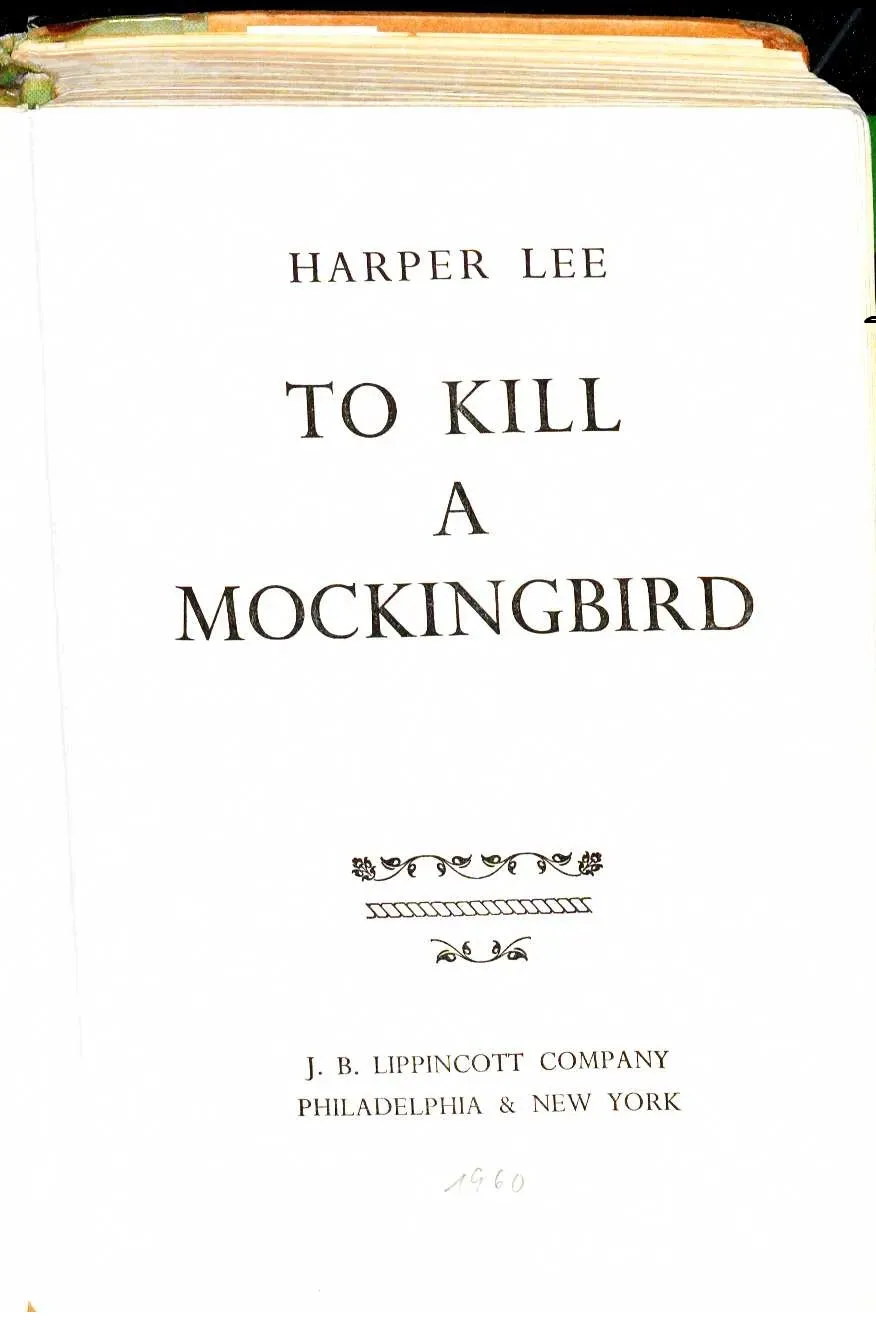
Harper Lee’s Pulitzer Prize-winning novel has become one of the most frequently challenged books in the U.S. since its publication in 1960. What’s fascinating, though, is how the reasons for banning it have shifted dramatically over the decades. The book was initially banned for being too sympathetic to Black characters, while now it’s being challenged for being too sympathetic to white characters, showing how the pendulum of censorship swings based on whoever holds power.
Despite its popularity and winning the Pulitzer Prize, To Kill a Mockingbird was banned in one Washington school as recently as 2023. Students have shared discomfort with the way the novel about racial injustice portrays Black people, with one Black teen saying the book misrepresented him and other African Americans. The debate around this classic reveals something crucial about our moment in history.
Set in the Depression-era South, Lee’s novel follows lawyer Atticus Finch defending a Black man falsely accused of rape. When published in 1960, it captured the tensions of the Civil Rights Movement, and today it remains evergreen in discussions about systemic racism and injustice. Rather than shying away from this book, we should be using it as a springboard for honest conversations about race, justice, and how literature itself can be both flawed and valuable.
The Handmaid’s Tale Predicted Our Debates
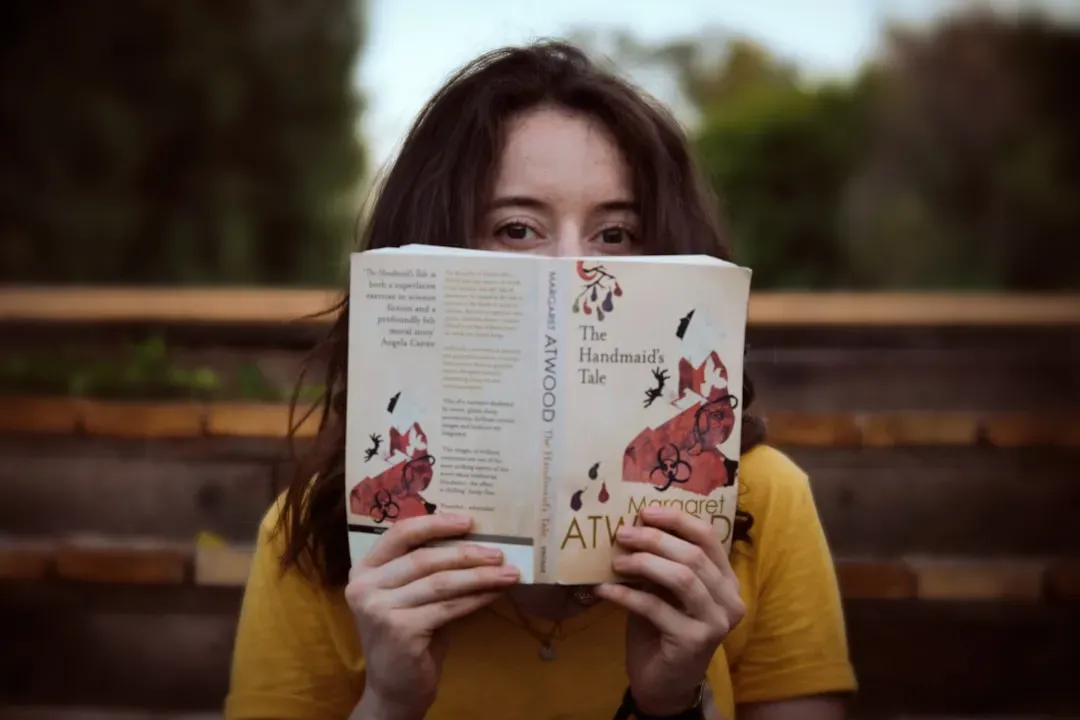
Margaret Atwood’s 1985 dystopian novel about a theocratic regime that strips women of their rights has seen a resurgence in both popularity and controversy. The novel has been impacted by book bans from Captain Underpants to Roots, from The Handmaid’s Tale to the Merriam-Webster dictionary, placing it squarely in the crosshairs of modern censorship efforts.
The story follows Offred, a woman forced into reproductive servitude in the Republic of Gilead, where fertile women become property of the state. Atwood has repeatedly stated something that should chill us all: everything in her novel has happened somewhere in history. She didn’t invent any of the horrors, just combined them. Maybe that’s what makes people so uncomfortable when they encounter this book.
In 2025, with ongoing debates about reproductive rights, bodily autonomy, and the role of religion in government, The Handmaid’s Tale reads less like speculative fiction and more like a warning we should have heeded. The novel challenges us to consider how quickly freedoms can be stripped away when we become complacent. That’s precisely the kind of thinking that makes certain groups nervous.
The Bluest Eye Tells Uncomfortable Truths
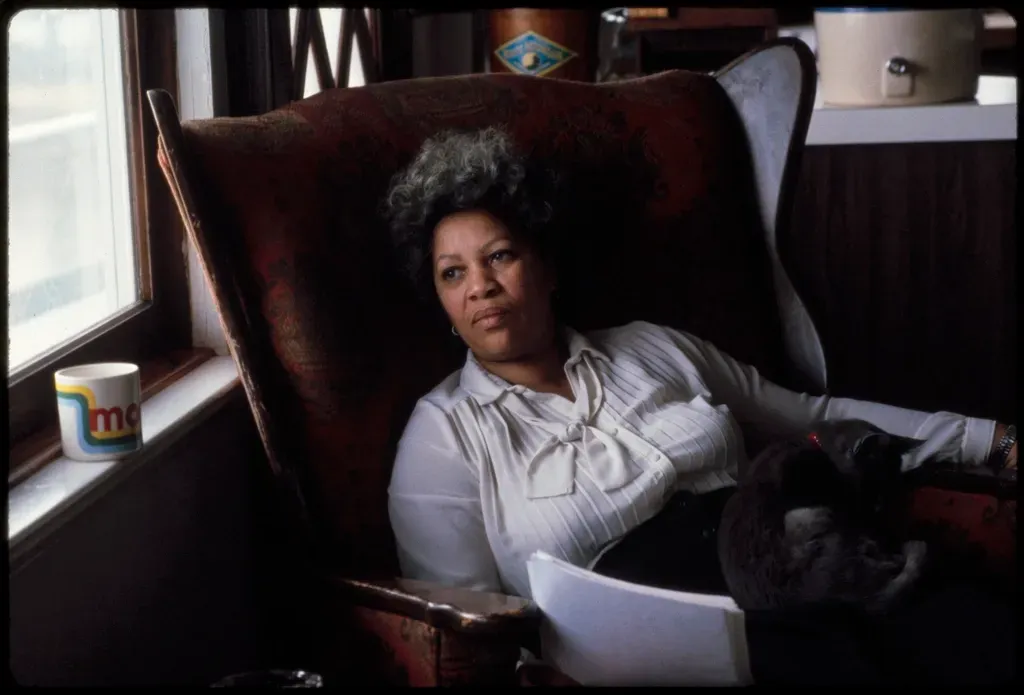
Toni Morrison’s first novel, published in 1970, remains one of her most recognized works and one of the most frequently banned. Though it was Morrison’s first novel, “The Bluest Eye” is likely her most recognized, landing Morrison squarely in the camp of famous banned books with its story lines of sex, racism, child abuse and incest. The book centers on Pecola Breedlove, a young Black girl who longs for blue eyes, believing that whiteness equals beauty and acceptance.
In recent years, groups in Florida and other states have challenged the book based on newly passed laws meant to keep certain sexually explicit books out of public schools. Yet dismissing this novel as merely “explicit” misses the entire point of Morrison’s searing examination of how racism and internalized self-hatred destroy innocence. The discomfort readers feel isn’t gratuitous. It’s intentional, necessary, and deeply meaningful.
Morrison forces us to confront the psychological damage inflicted by a society that elevates one standard of beauty while denigrating others. In an era where conversations about colorism, representation, and the lasting impacts of racism remain urgent, The Bluest Eye provides crucial insight into how oppression operates on the most intimate, destructive levels. We need this discomfort. We need to sit with it.
The Catcher In The Rye Never Stops Being Controversial
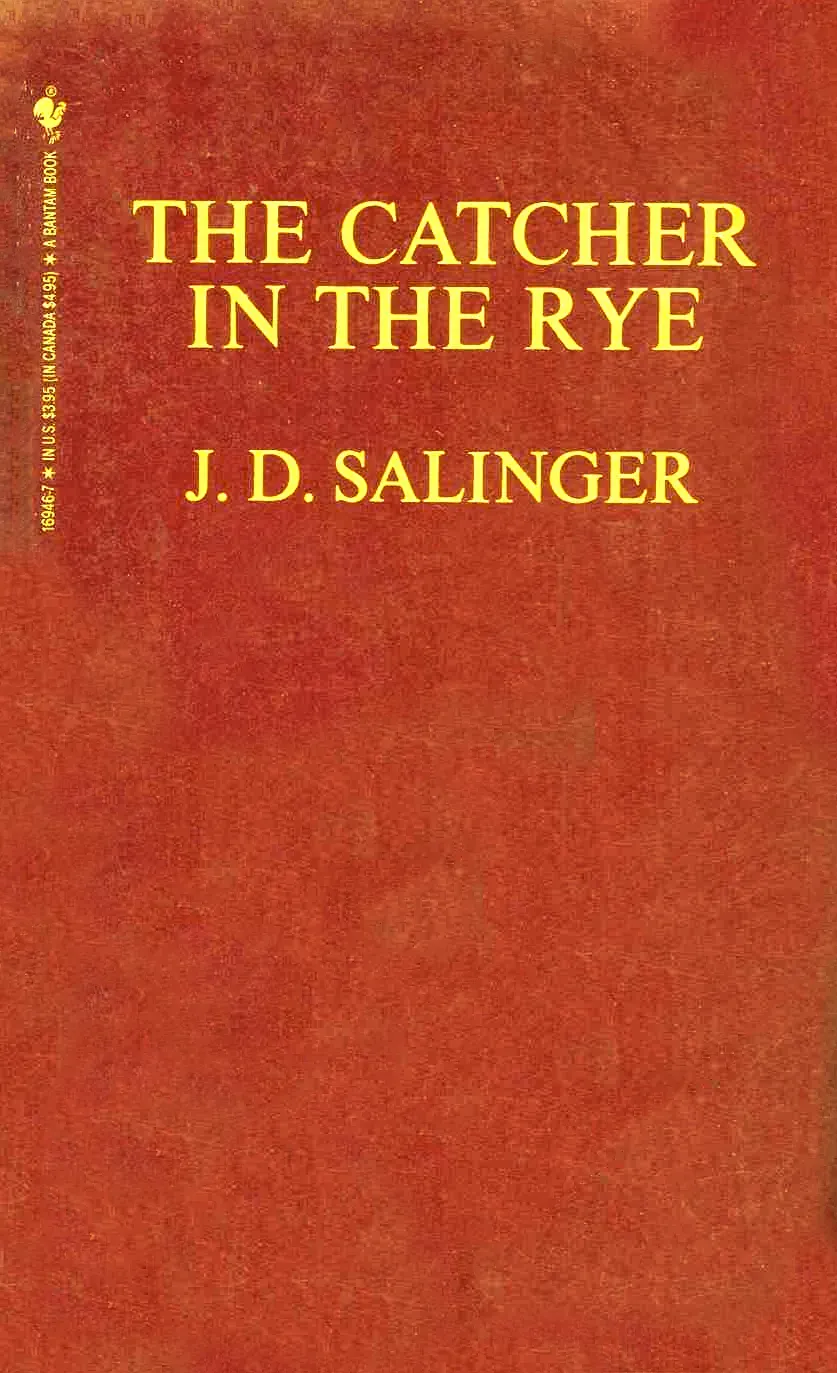
J.D. Salinger’s novel has been banned and challenged since its publication, making it one of the most enduring targets of censorship in American literature. Holden Caulfield’s voice, profane and cynical and achingly vulnerable, has resonated with generations of teenagers who feel alienated from the adult world around them.
Published in 1951, the novel follows Holden’s few days wandering New York City after being expelled from prep school, grappling with grief, mental health struggles, and the phoniness he perceives everywhere. Since the 1990s, challenges have cited “use of the F-word,” “profanity,” and “sexual references,” with one school superintendent removing it to “get it out of the way so that we didn’t have that polarization over a book”.
Here’s what strikes me about ongoing attempts to ban this book. Teenagers are still struggling with mental health, still feeling disconnected, still searching for authenticity in a world that often feels fake. Holden’s story validates those feelings in a way that sanitized, approved literature simply cannot. Removing this book doesn’t protect young readers. It just isolates them further, suggesting their real experiences and emotions are too dangerous to acknowledge.
Of Mice And Men Faces Challenges Despite Legacy
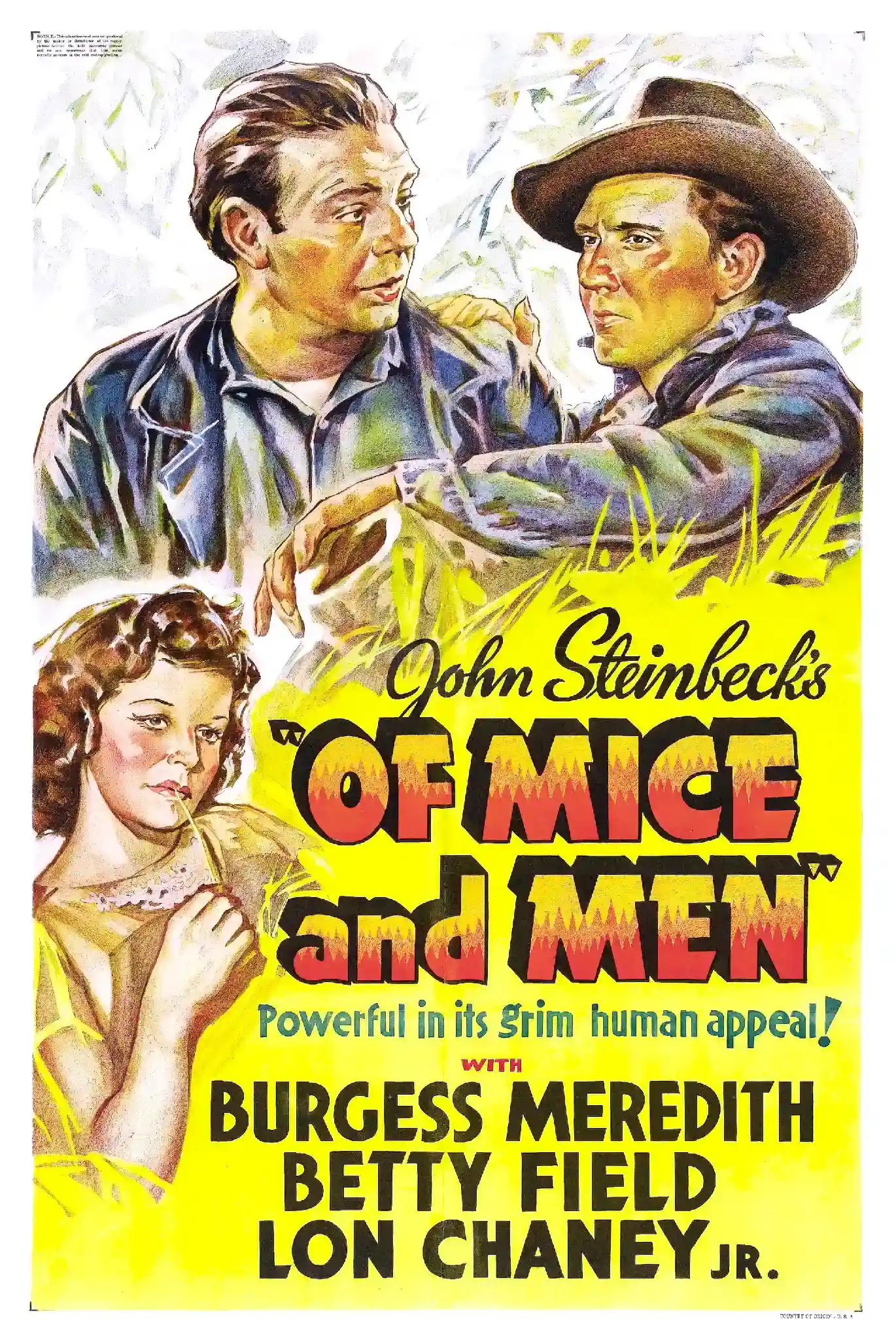
John Steinbeck’s 1937 novella about two migrant workers during the Great Depression continues to face censorship attempts in 2025. The novella appears on lists of frequently challenged books considered classic literature, typically targeted for its use of racial slurs, violence, and depiction of disability.
The story of George Milton and Lennie Small, two drifters dreaming of owning their own land, exposes the harsh realities of poverty, exploitation, and the American Dream’s dark underbelly. In Tennessee in 1989, it was challenged because “Steinbeck is known to have had an anti-business attitude” and was “very questionable as to his patriotism,” while in Alabama it was deemed “morbid and depressing”.
The tragedy at the novella’s conclusion forces readers to confront impossible moral choices and the ways society discards its most vulnerable members. Steinbeck’s unflinching portrayal of class struggle and economic injustice feels particularly relevant as wealth inequality continues to widen. Honestly, maybe that’s exactly why some want this book removed from classrooms.
The Adventures Of Huckleberry Finn Sparks Ongoing Debate
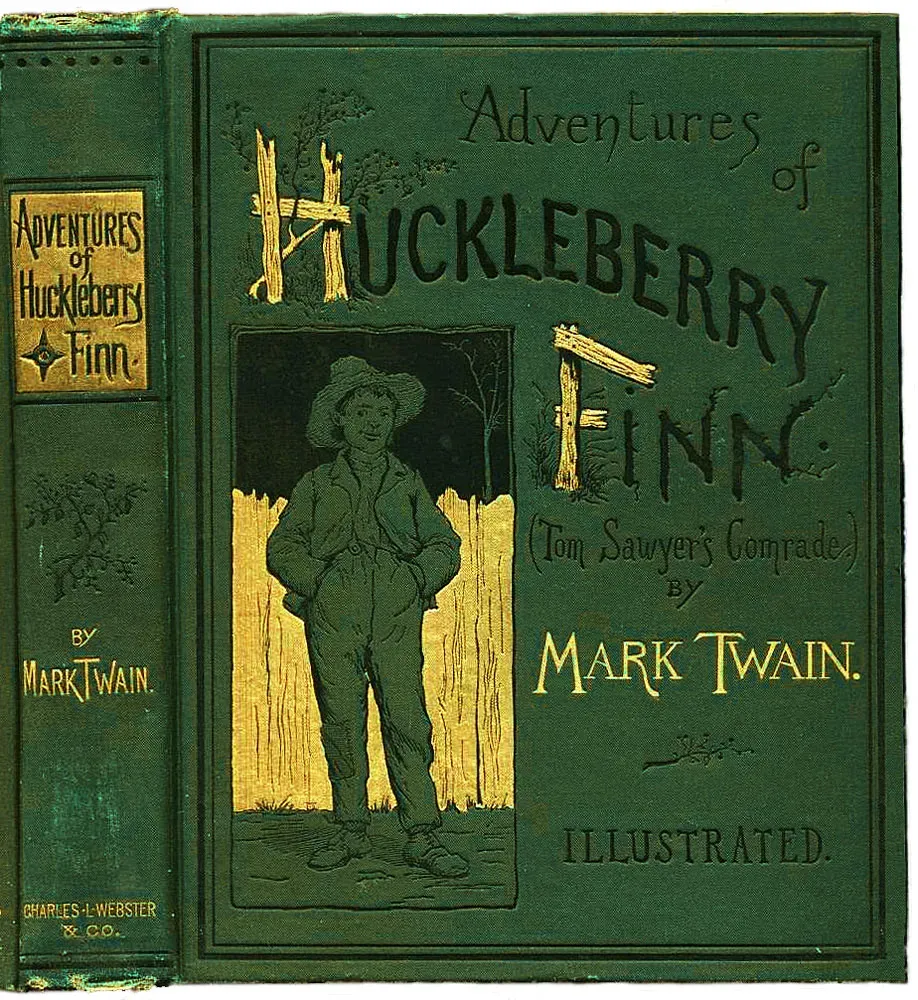
Mark Twain’s 1885 masterpiece has found itself in a decades-long battle that would’ve shocked even its rebellious protagonist. The novel, considered one of the great American classics, continues to be challenged primarily for its extensive use of racial slurs, despite scholars arguing that Twain’s satire was actually critiquing racism.
The book contains racialized language, yet maintains a place in classrooms around the country, creating ongoing tension between historical context and contemporary sensitivity. The story follows Huck’s journey down the Mississippi River with Jim, an enslaved man seeking freedom, and in many ways serves as a devastating critique of antebellum Southern society.
The question isn’t whether the language is offensive. It absolutely is. The real question is whether we benefit more from engaging critically with this flawed but important text, understanding its historical context and Twain’s satirical intent, or from removing it entirely. I think banning it means losing an opportunity to discuss how racism was embedded in American culture and how literature both reflected and challenged those attitudes.
The Color Purple Gets Challenged For Truth-Telling
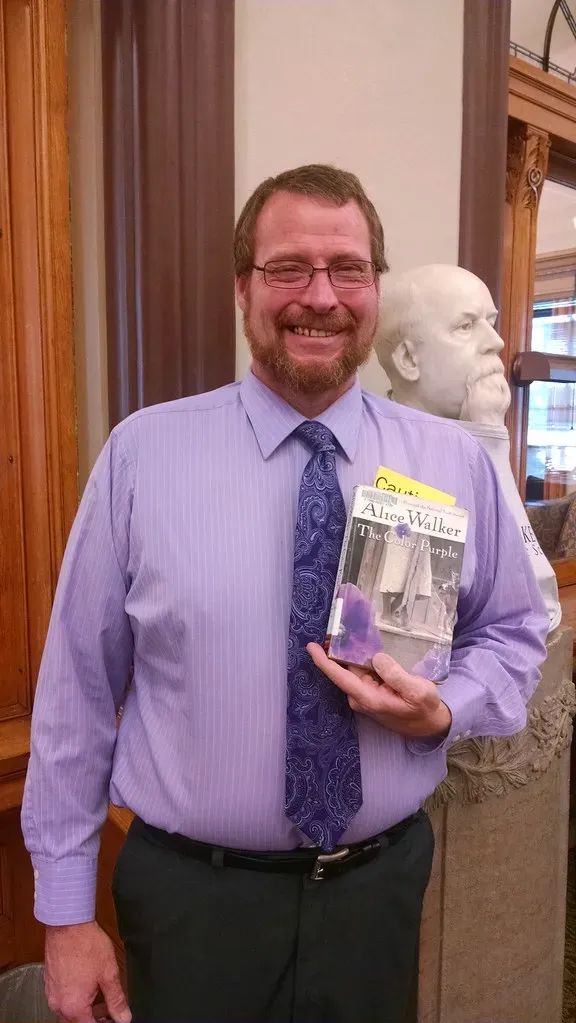
Alice Walker’s 1982 epistolary novel won the Pulitzer Prize and National Book Award, yet it remains one of the most frequently challenged books in America. The Color Purple appears among frequently challenged classic literature, typically targeted for sexual content, violence, and its frank portrayal of abuse within Black families and communities.
The story follows Celie, a Black woman in rural Georgia who endures horrific abuse but ultimately finds her voice and independence through relationships with other women. Walker’s unflinching examination of domestic violence, sexuality, racism, and patriarchy makes many readers deeply uncomfortable. The novel doesn’t present sanitized suffering or easy redemption. It shows the messy, painful reality of survival and the hard-won journey toward self-love.
Let’s be real. The discomfort this book provokes often stems from its refusal to protect white comfort or perpetuate myths about Black families. Walker tells a story about Black women’s resilience and the complex ways oppression operates along intersecting lines of race, gender, and class. That kind of truth-telling has always made certain people nervous. In 2025, as conversations about intersectionality and representation continue to evolve, The Color Purple remains essential reading.
Their Eyes Were Watching God Celebrates Black Womanhood
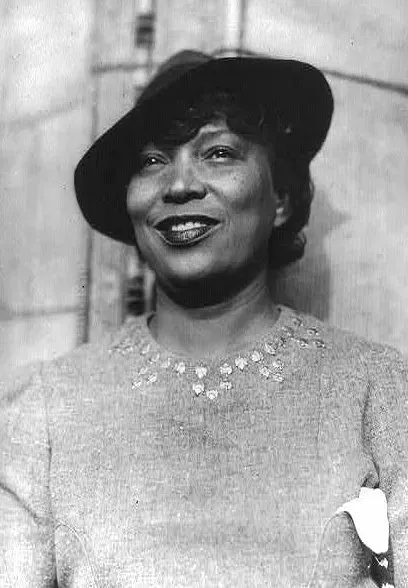
Zora Neale Hurston’s novel has been frequently banned for its inclusion of sexual relationships, violence and exploration of race and gender, telling the story of Janie Crawford, a Black woman on a journey of self-discovery through three marriages in early 20th-century Florida.
This is a seminal work of literature for its portrayal of a Southern Black woman navigating femininity, written in 1937 with Hurston ahead of her time for emphasizing themes of self-empowerment, freedom and resilience. The novel’s use of Black vernacular, its frank discussions of sexuality, and Janie’s ultimate rejection of societal expectations have made it a frequent target of censorship.
Today, the novel’s exploration of identity, autonomy and the intersectionality of race and gender continues to resonate as discussions about agency are examined in both historical and modern contexts. Hurston’s celebration of Black culture, language, and female desire was revolutionary in 1937 and remains powerful today. The attempt to ban this book reflects ongoing discomfort with Black women claiming narrative authority over their own stories and desires.
Why These Classics Matter More Than Ever
During the 2023-2024 school year, more than 10,000 instances of book bans were recorded in schools nationwide, with the vast majority targeting books about race, LGBTQ+ identities, and challenging historical narratives. Pressure groups and government entities initiated 72% of demands to censor books in school and public libraries, while parents only accounted for 16% of demands, revealing that this isn’t actually a grassroots parents’ movement but an organized political campaign.
These classic books face censorship precisely because they remain relevant, because they challenge power structures, because they make us uncomfortable in ways that can lead to growth and change. The themes that lead to their banning are exactly what make them essential. We’re not protecting young readers by shielding them from difficult ideas. We’re abandoning them to figure out a complex world without the guidance of stories that have helped generations navigate similar challenges.
Banning books is a way of erasing stories, identities, experiences, and peoples and reshaping understandings of the past. When we remove these classics from shelves, we’re not just losing individual titles. We’re losing the opportunity for critical thinking, for empathy, for understanding that the world is complicated and messy and worth engaging with fully. The freedom to read isn’t just about books. It’s about the freedom to think, to question, to grow.
So what do you think? Have you read any of these banned classics? Did they change how you see the world? These conversations matter now more than ever.