Picture a world where every story matters, where filmmakers from every corner of the globe can share their vision. The landscape of cinema today is changing faster than ever before, with festivals stepping up to amplify voices that were once sidelined. In an industry that has historically favored certain perspectives, these festivals serve as crucial platforms for change.
From queer narratives to stories told by women of color, from Indigenous filmmakers to tales from the Global South, the festival circuit has become a battleground for representation and authenticity. These gatherings aren’t just about red carpets and applause. They’re about opportunity, visibility, and the chance to reshape what we see on screens everywhere. Let’s explore the festivals leading this transformation.
Sundance Film Festival: Setting the Diversity Benchmark
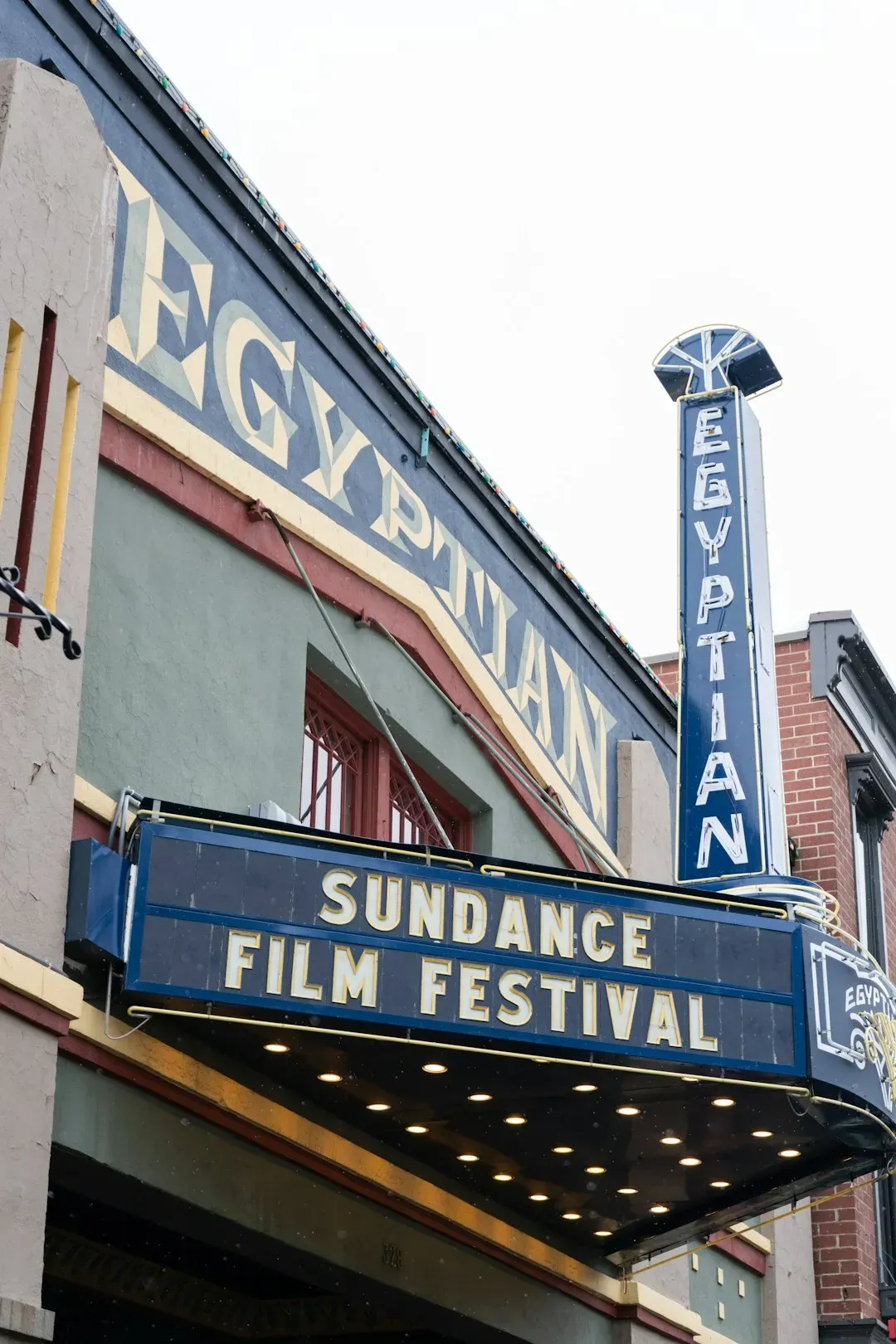
If you’re looking for a festival that walks the talk on diversity, Sundance consistently delivers. For the 2025 festival, nearly half of the 85 films selected through submissions were directed by one or more people who identify as women, while nearly half were directed by filmmakers who identify as people of color, and roughly one-third were directed by LGBTQ+ filmmakers. Those aren’t just numbers on paper – they represent real shifts in who gets to tell stories at one of the world’s most prestigious festivals.
The 2025 Short Film Program selected 57 short films from over 11,000 submissions, representing 28 countries and territories with remarkable diversity of styles and perspectives. The festival’s commitment runs deeper than programming choices too. Of those who voluntarily shared their backgrounds through Sundance’s artist support programs, 62 percent identify as artists of color, 53 percent are women, and 40 percent identify as LGBTQIA.
Here’s the thing – Sundance doesn’t just accept diverse films and call it a day. The institute provides year-round support through labs, grants, and fellowships, creating sustainable pathways for underrepresented filmmakers. It’s this infrastructure that separates window dressing from genuine change.
Toronto International Film Festival: Amplifying Indigenous and Underrepresented Voices
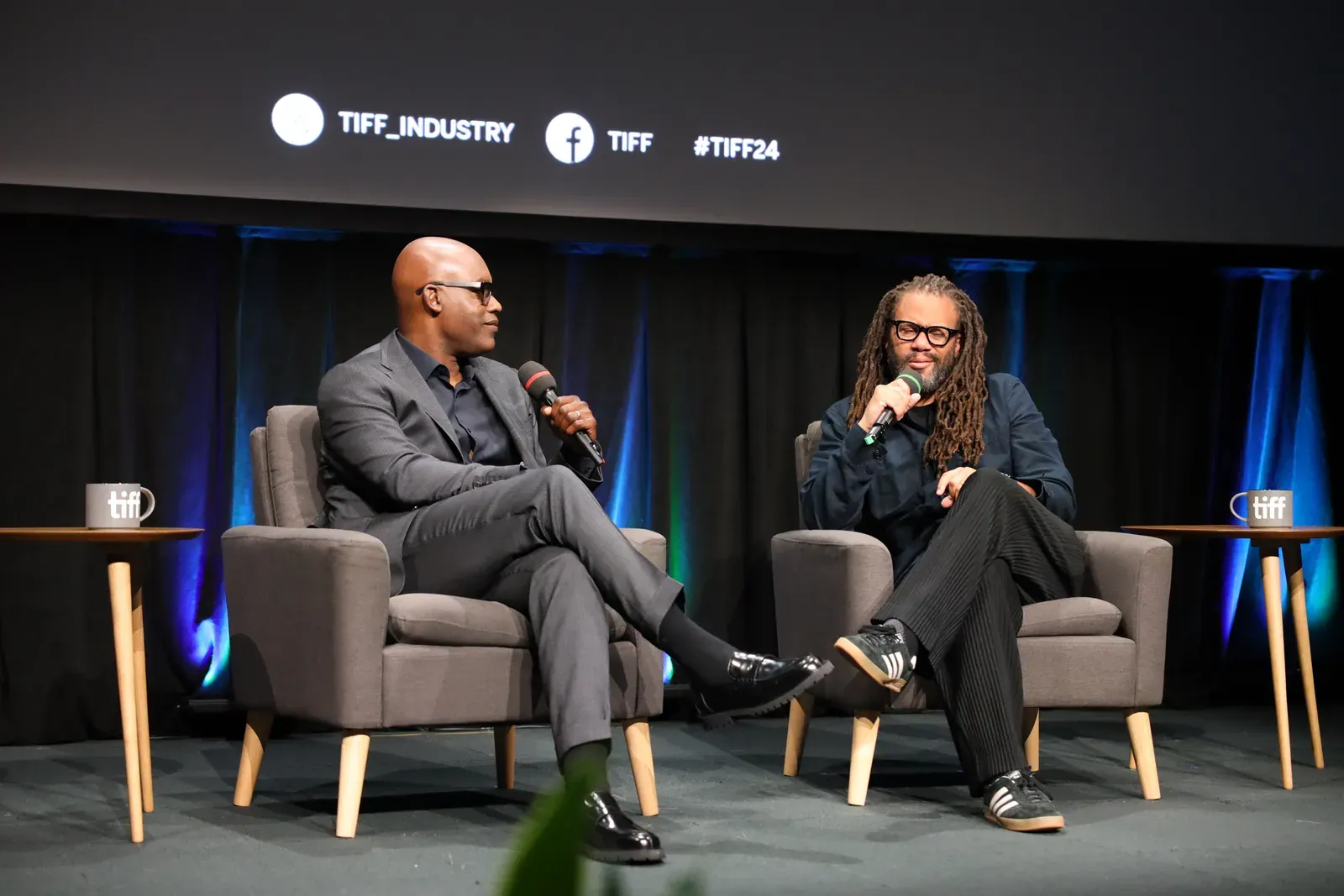
TIFF 2024 continued its trend of showcasing diverse voices, including a greater emphasis on indigenous and underrepresented filmmakers. The scale of this festival is staggering. The 2024 edition screened 211 feature films, 61 short films, and eight series from 73 countries, welcoming more than 700,000 attendees and accrediting over 4,400 international industry delegates.
What makes TIFF particularly effective is its massive public reach. With hundreds of thousands of attendees, the festival introduces diverse narratives to audiences who might never encounter them otherwise. Research showed that across three years, Tribeca, Sundance, and SXSW were the top performers for programming women directors, while Toronto led festivals for programming stories by women directors of color.
The festival’s Discovery and Wavelengths sections have become known for championing new talent from all backgrounds. When nearly a million people pass through a festival, every film programmed carries weight.
Tribeca Festival: Supporting Underrepresented Storytellers With Real Money
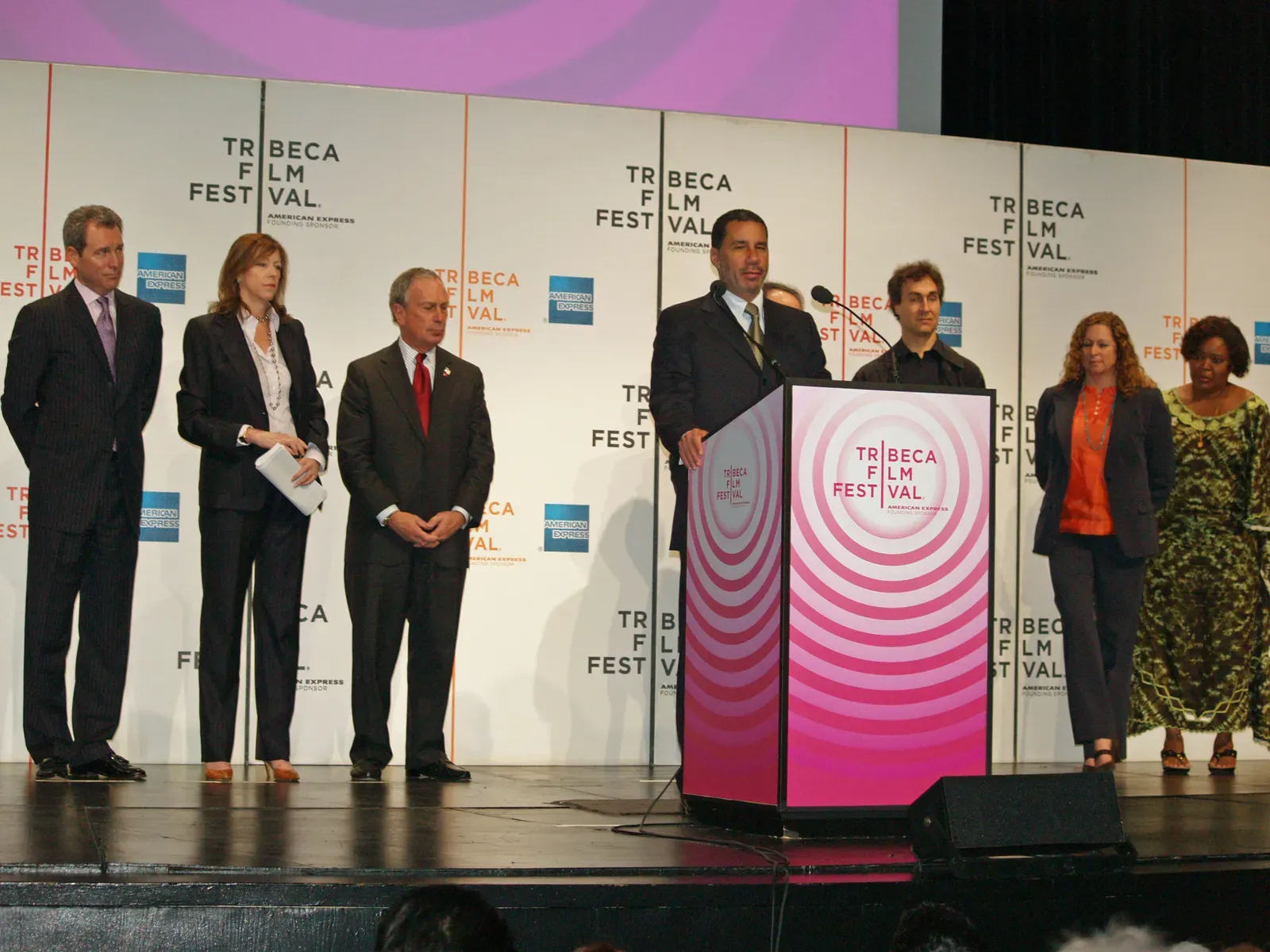
Tribeca puts its money where its mouth is, literally. The AT&T Untold Stories competition winner receives $1 million to take their pitch from an idea to a full-length feature film that will premiere at the next year’s festival, specifically seeking to provide funding and mentorship to underrepresented filmmakers.
Moving the Spotlight, created in partnership with Mazda, gives emerging underrepresented filmmakers with no formal studio backing a once-in-a-lifetime shot at Tribeca. That’s not symbolic support – that’s life-changing opportunity. For the 2024 festival, half of the competition films were directed by women, and over a third of feature films were directed by BIPOC filmmakers.
Let’s be real: access to funding remains one of the biggest barriers for filmmakers from marginalized communities. When festivals create these financial pathways, they’re not just celebrating diversity – they’re actively creating it.
Berlin International Film Festival: Championing Global South and Marginalized Groups
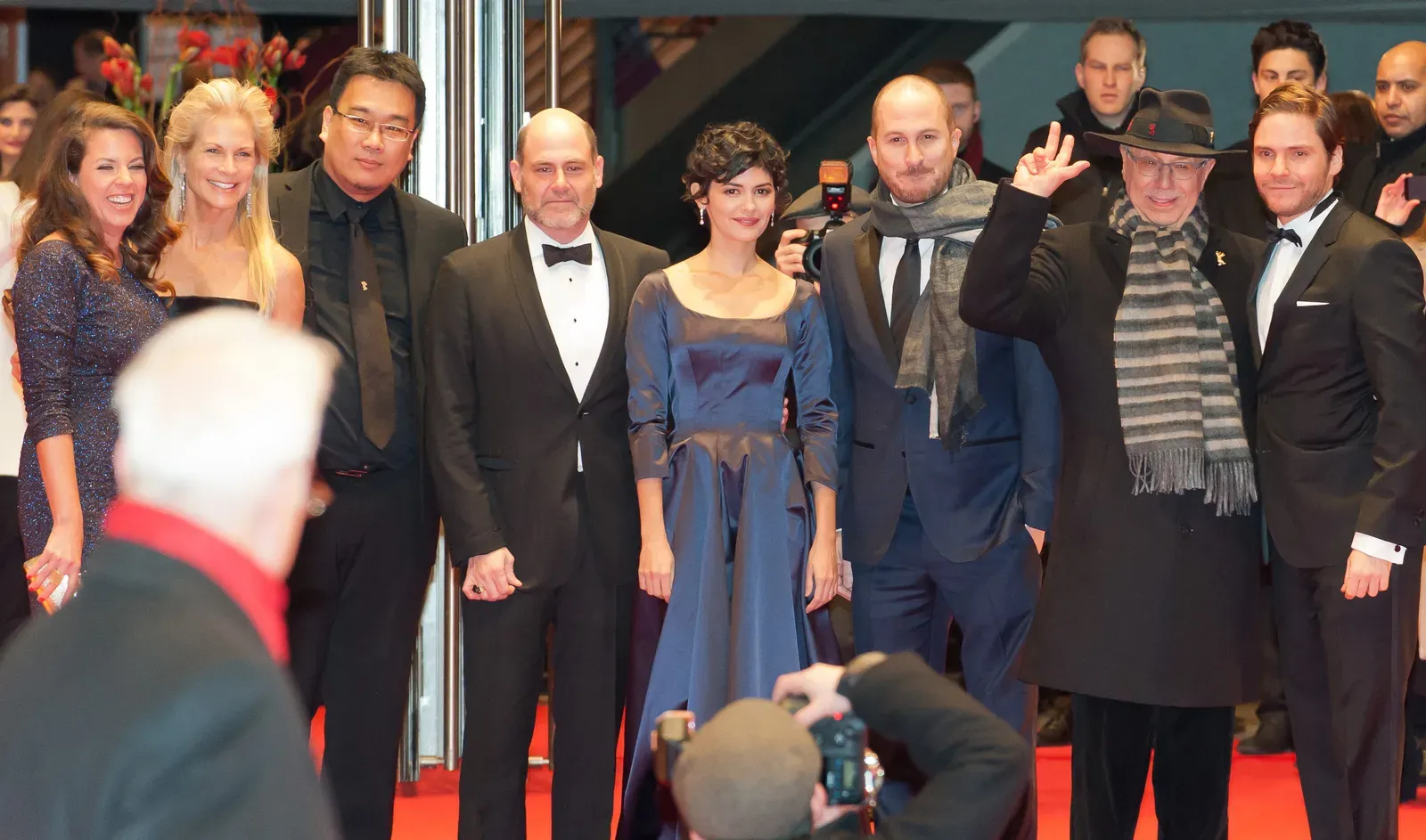
The Berlinale has long been a platform for political and socially conscious cinema. In 2024, the festival furthered its reputation with films tackling global issues such as climate change, migration, and human rights, amplifying voices of filmmakers who challenge the status quo.
The European Film Market’s Equity and Inclusion Pathways aims to integrate producers and filmmakers from marginalised groups and the Global South into the international film industry, addressing systemic barriers faced by underrepresented groups. The World Cinema Fund goes even further. It aims to develop and support cinema in regions with weak film infrastructure while fostering cultural diversity, and supports films that could not be made without extra funding.
Berlinale Talents 2025 welcomed 201 selected filmmakers representing 62 countries, selected from 3,836 applications from 123 countries. The festival’s structural approach to diversity means it’s building long-term change, not just programming a few token selections.
Los Angeles Latino International Film Festival: Celebrating Latino Cinema
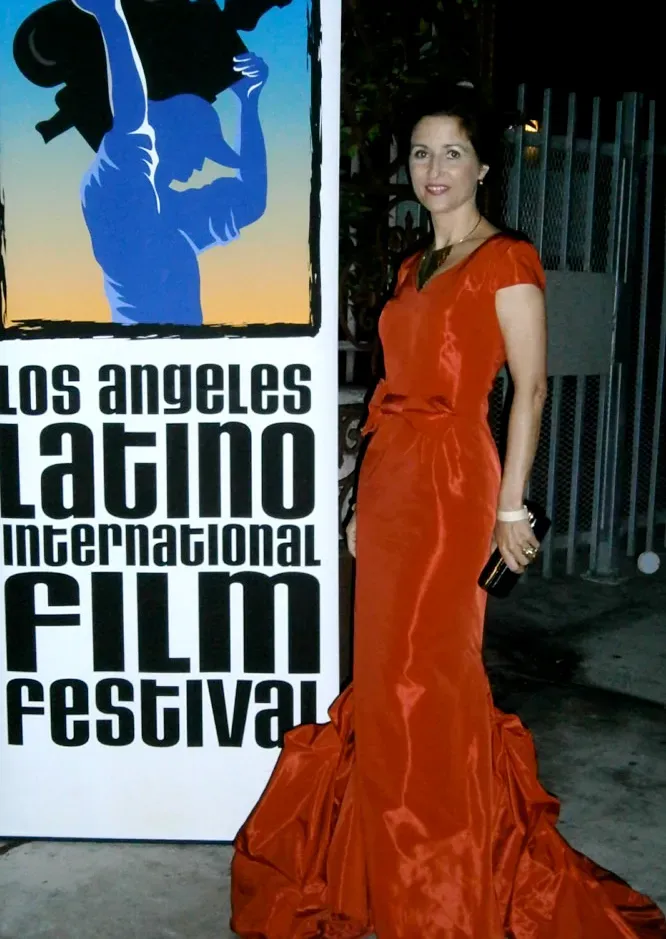
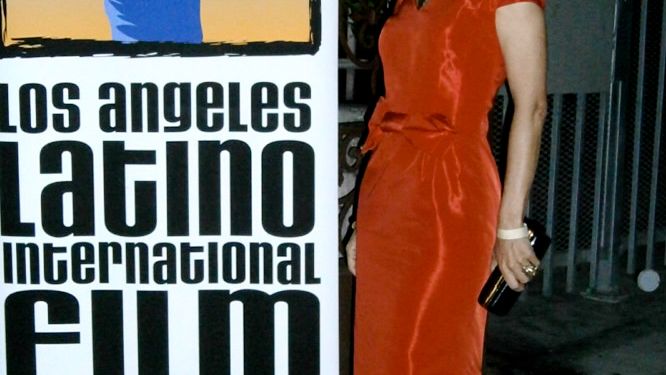
LALIFF is a premier platform dedicated to championing Latino filmmakers, elevating their work and facilitating growth, with a special focus on U.S. Latino filmmakers. The festival has become a crucial space in an industry where Latino representation behind the camera remains stubbornly low.
LALIFF 2026 celebrates its 25th edition, and is now in its second year as an Academy Award–qualifying festival, offering winners of Best U.S. Latino Live Action Short and Best U.S. Latino Animated Short categories eligibility for Oscar consideration. That Oscar-qualifying status matters enormously – it transforms the festival from a celebration into a genuine launching pad for careers.
The festival’s market and creative forum focuses on financing, equity, co-production, and content creation, creating business opportunities alongside cultural celebration. It’s one thing to screen diverse films; it’s another to help those filmmakers build sustainable careers.
BlackStar Film Festival: Centering Black, Brown, and Indigenous Communities
The 2024 BlackStar Film Festival celebrates voices from the Black, Brown and Indigenous Communities. What sets BlackStar apart is its commitment to accessibility that goes beyond typical festival offerings. The festival rolls out the red carpet for inclusivity, going above and beyond to welcome audiences who might be physically challenged or have difficulty experiencing the festival, with staff taking extreme measures to make programming accessible to a wide range of people.
Honestly, how many festivals actually implement mask requirements to protect immunocompromised attendees? How many offer robust online streaming options not just as a pandemic response, but as a permanent accessibility feature? BlackStar does. The festival’s Philadelphia Filmmaker Award provides substantial support to local creators, with recent winners receiving significant funding for their next projects.
Frameline Film Festival: The World’s Longest-Running LGBTQ+ Film Festival
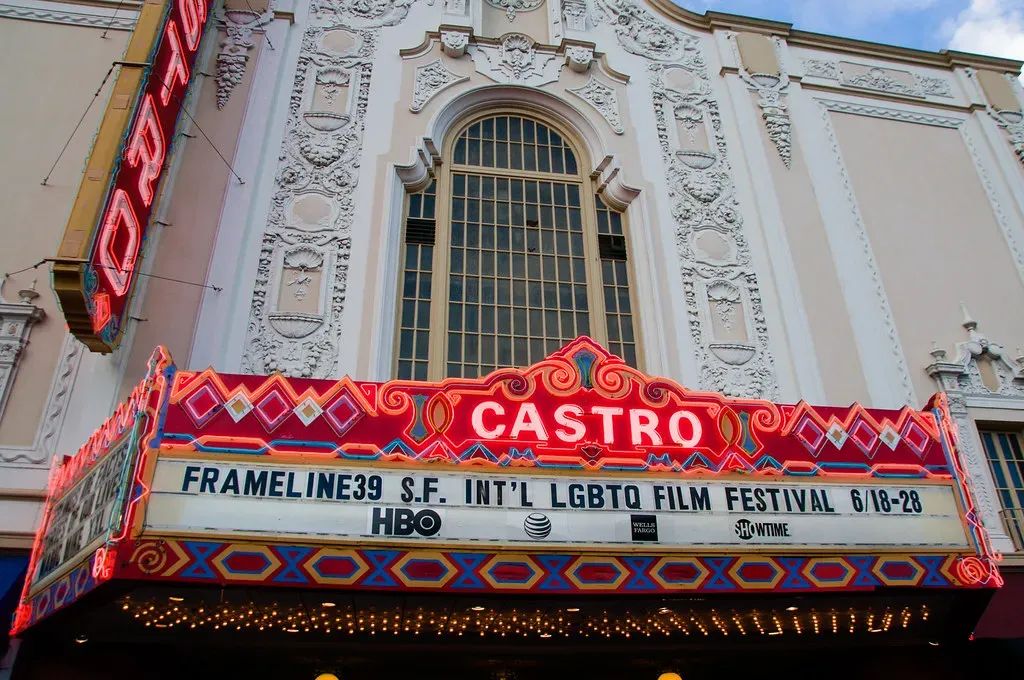
In 2023, Frameline was ranked number 8 in USA Today’s Readers Choice poll of the 10 Best Film Festivals in the US. Frameline is also a BAFTA Qualifying Festival, allowing films presented there to be considered for BAFTA awards, making it a significant platform for filmmakers.
Scheduled for June 19-29, 2024, the festival’s mission is to change the world through the power of queer cinema. That’s not hyperbole when you consider how visibility transforms lives. For decades, Frameline has provided crucial representation when mainstream cinema largely ignored or caricatured LGBTQ+ experiences.
The festival attracts a global audience of filmmakers, critics, and fans, creating community alongside cinematic celebration. In a political climate where LGBTQ+ rights face increasing attacks, these spaces become even more vital.
Outfest Los Angeles: Championing LGBTQ+ Stories Across the Spectrum
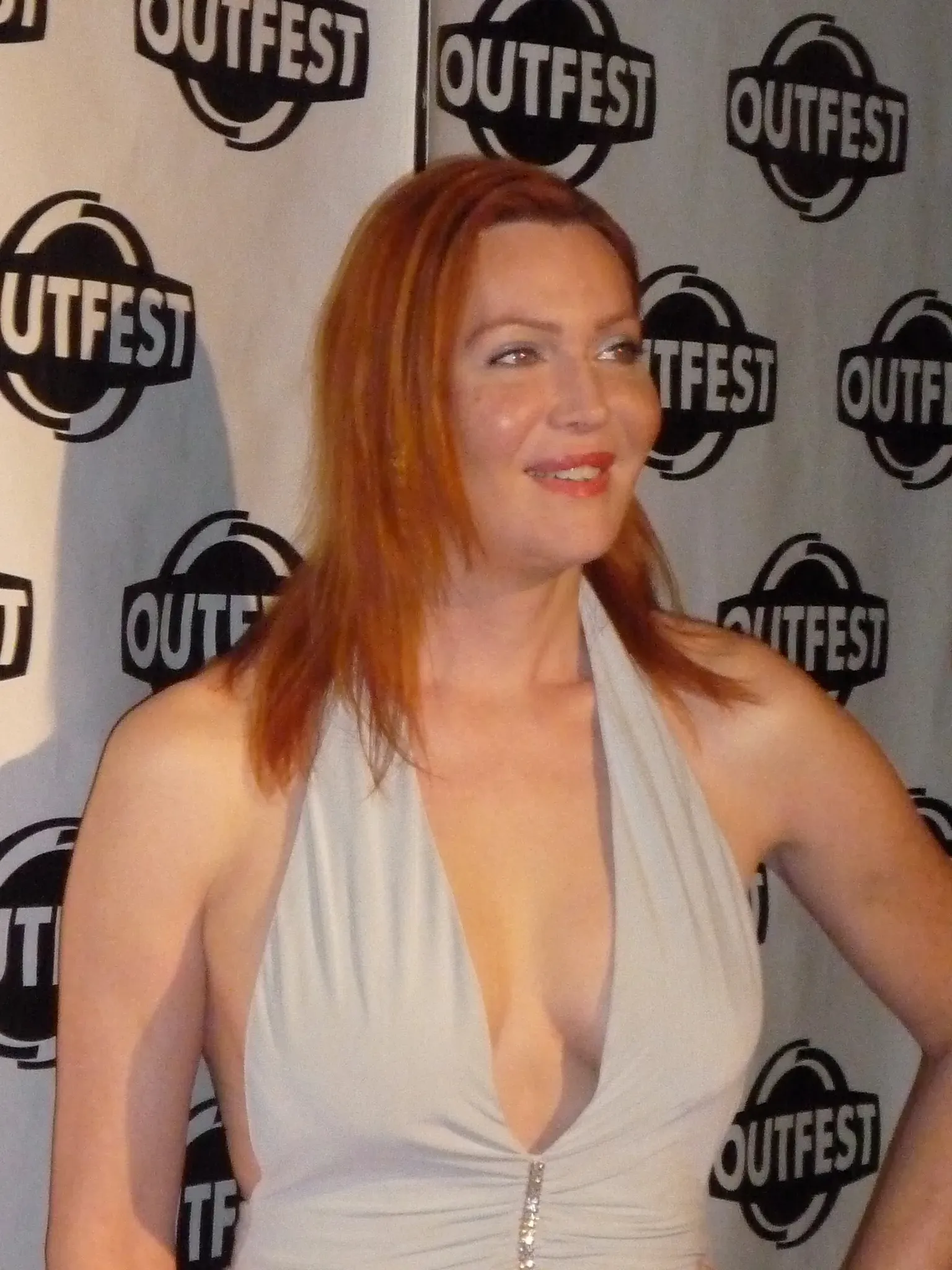
Outfest Los Angeles champions the stories and voices of the LGBTQ+ community through cinema, beginning its journey in 1982 and blossoming into a key platform for LGBTQ+ filmmakers. The event is recognized for showcasing an impressive array of films and documentaries that explore the diverse experiences within the LGBTQ+ spectrum.
The diversity within LGBTQ+ communities often gets flattened in mainstream representation. Outfest works to showcase the full range of queer experiences across race, class, gender identity, and nationality. The festival provides a dynamic environment fostering meaningful discussions and connections, with programming that goes far beyond just screening films.
NewFest: Supporting Emerging LGBTQ+ Filmmakers

The 2025 recipients of the New Voices Filmmaker Grant include MG Evangelista, Shuli Huang, Farah Jabir, and Kevin Xian Ming Yu. The New Voices initiative supports emerging LGBTQ+ filmmakers with funding to create new work, plus mentorship and networking.
Emerging filmmakers face brutal barriers to entry – lack of funding, no industry connections, and limited access to mentorship. NewFest’s New Voices program addresses all three simultaneously. It’s hard to overstate how transformative that kind of support can be at the beginning of a career.
The festival recognizes that diverse voices need more than just a screening slot. They need resources, guidance, and networks to build sustainable careers in an industry that wasn’t built with them in mind.
Seattle International Film Festival: Showcasing Global Perspectives
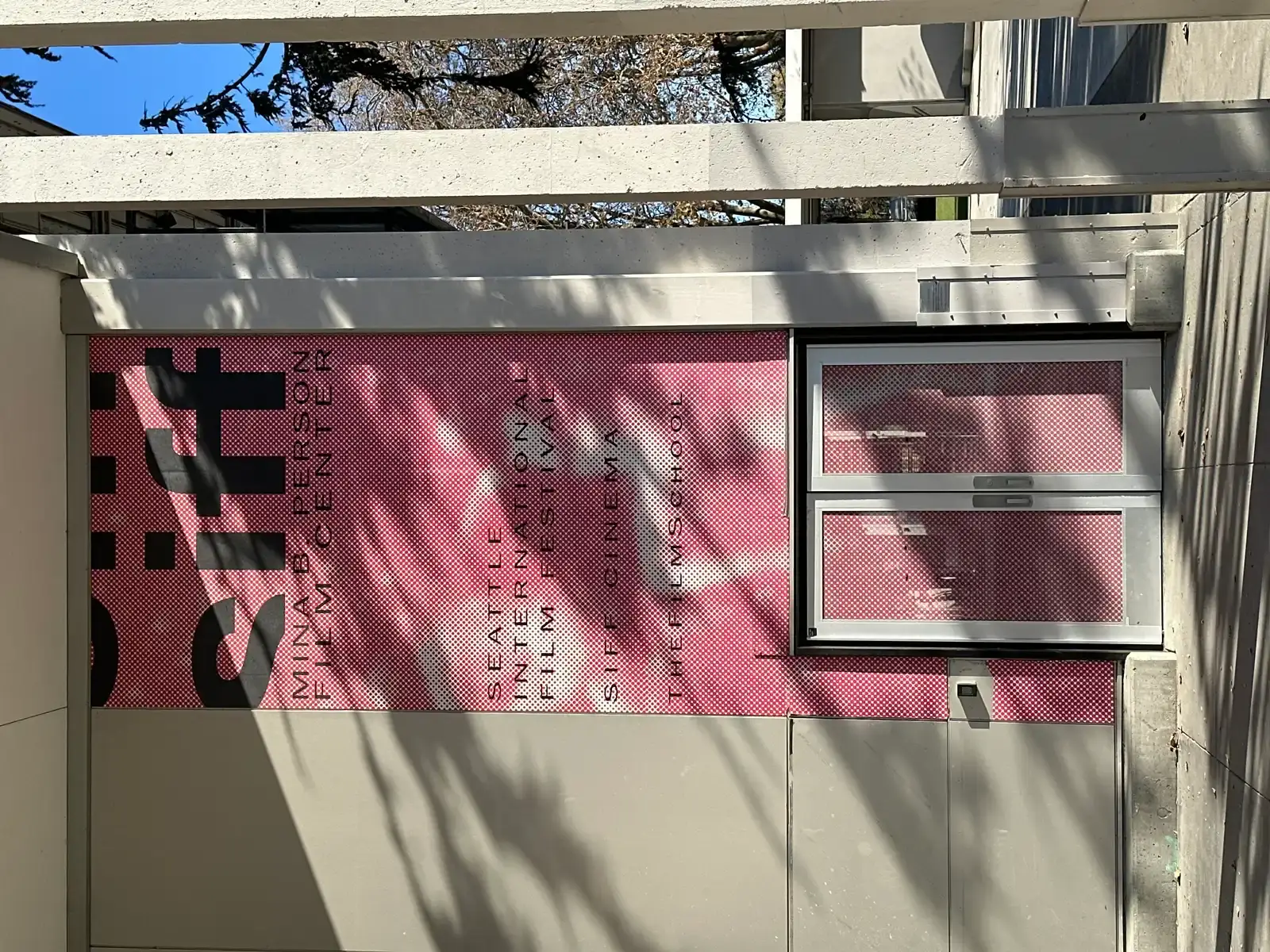
The Seattle International Film Festival, founded in 1976, has grown into one of the most highly attended film festivals in North America. SIFF’s focus on diversity is evident in its programming, screening films from a multitude of countries and offering perspectives from different cultures.
The festival’s reach extends beyond the screening room. SIFF’s year-round programming and educational initiatives help build sustained engagement with international cinema. Research on festival diversity showed that Seattle was among the top three festivals for programming stories by women directors of color, demonstrating real commitment beyond marketing language.
Palm Springs International Film Festival: Highlighting Different Cultures and Social Issues
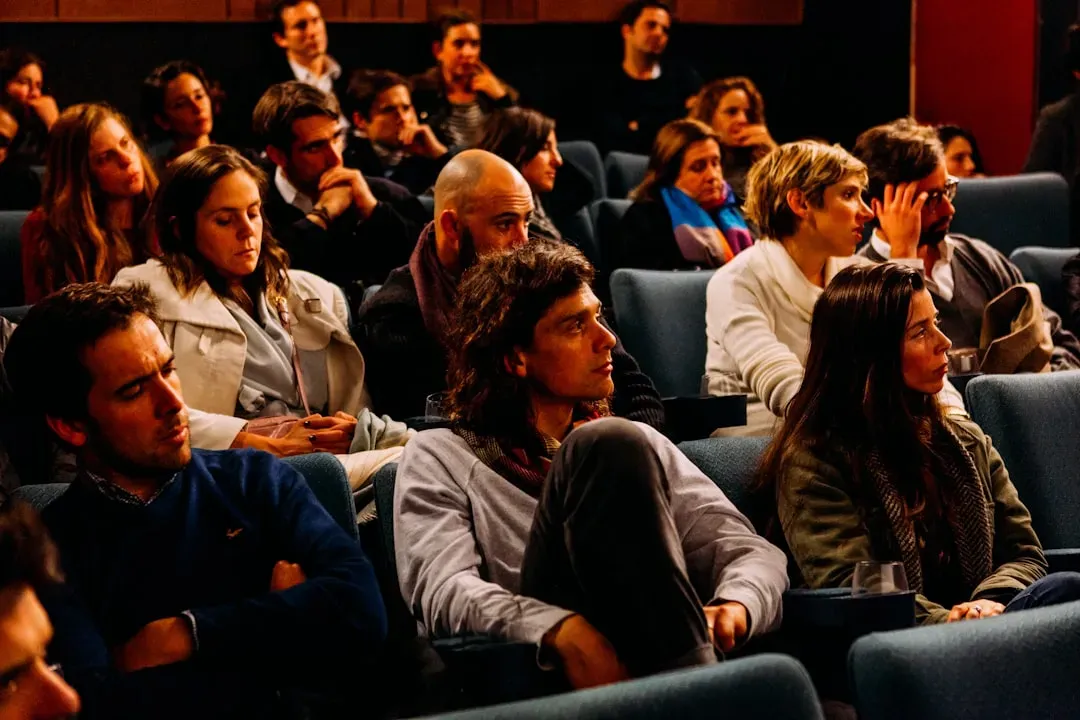
The Palm Springs International Film Festival is a beacon for showcasing diverse and inclusive films, attracting filmmakers and audiences from around the globe, and stands out for its focus on films that highlight different cultures, perspectives, and social issues.
At the 2023 event, the festival featured 134 films from 64 countries, underscoring its commitment to presenting a wide array of voices and experiences. That geographical spread matters – American and European stories still dominate global cinema, making festivals that actively seek out stories from underrepresented regions crucial for a truly diverse film landscape.
Tribeca’s Viewpoints Section: Boundary-Pushing Independent Voices
Viewpoints is dedicated to discovering the most boundary-pushing, rule-breaking new voices in independent film, and starting in 2024, films selected in the Viewpoints section were presented in competition. Moving from a non-competitive to competitive section represents a significant elevation in prestige and opportunity.
This section specifically targets filmmakers who take risks, who challenge conventions, who refuse to make films that look like everything else. It’s where you find the future of cinema before anyone else recognizes it. The festival’s expansion of eligibility criteria for 2025 demonstrates ongoing evolution in how it defines and supports emerging voices.
Film Festivals and Programming Diversity: The Numbers That Matter
Let’s talk about what actually moves the needle. Research found that the presence of diverse programming staff matters significantly – when no women of color worked as programmers, only 4% of directors were women of color, but as the number of women of color on the programming team increased, so did the number of films selected.
Sundance achieved 50/50 gender parity in submissions, while Cannes implemented a gender-balanced selection committee after its 2018 pledge. Despite identified gender inequalities, the festival landscape has been changing for the better, with the share of films with women in creative roles increasing from roughly one-quarter to one-third in 2021.
Progress isn’t linear, and it’s not fast enough. However, the data shows that intentional efforts – diverse programming teams, inclusion initiatives, financial support – actually work. Festivals that commit resources and restructure their operations see real results. Those that just issue statements without backing them up don’t.
The film festivals leading on diversity aren’t doing it perfectly, but they’re doing it seriously. They’re putting money behind their commitments, restructuring their operations, and measuring their progress. From Sundance’s comprehensive support programs to Tribeca’s million-dollar grants, from BlackStar’s accessibility initiatives to Berlin’s Global South focus, these festivals prove that representation isn’t just about good intentions. It’s about structural change, sustained commitment, and recognizing that cinema is richer when everyone gets to tell their stories. What stories are we still missing from festival lineups?