Apple Watch Series 10: When Elegance Goes Digital
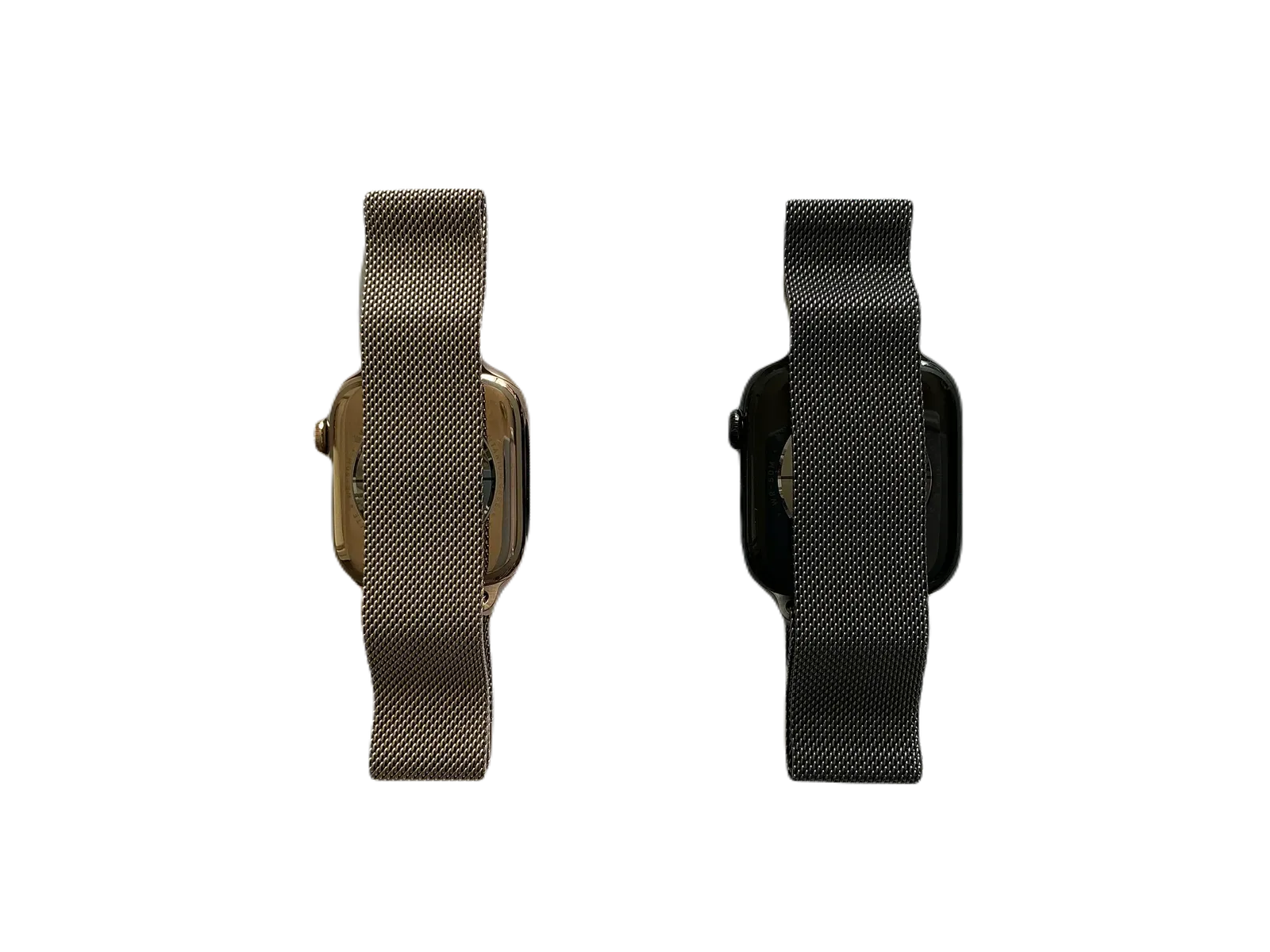
With the Milanese Loop band attached to the titanium case, as well as the watch’s cascading screen and the beautiful Reflections watch face, the Apple Watch Series 10 feels genuinely luxurious and special. Here’s the thing about this particular watch, it doesn’t just track your steps and heart rate. It becomes part of your personal style narrative. The thinner design compared to previous models means it sits more comfortably under shirt cuffs, which honestly matters more than you might think when you’re trying to look professional. Battery life remains a sticking point, though, requiring daily charging unlike some competitors.
Apple refined the display to cascade toward the edges, creating this almost borderless illusion that catches light beautifully. It’s hard to explain until you see it in person, but there’s something distinctly premium about how the screen appears to float. The health tracking features have become so advanced that medical professionals are starting to take notice, particularly for heart rhythm monitoring and sleep analysis.
Samsung Galaxy Ring: Invisible Tech on Your Finger
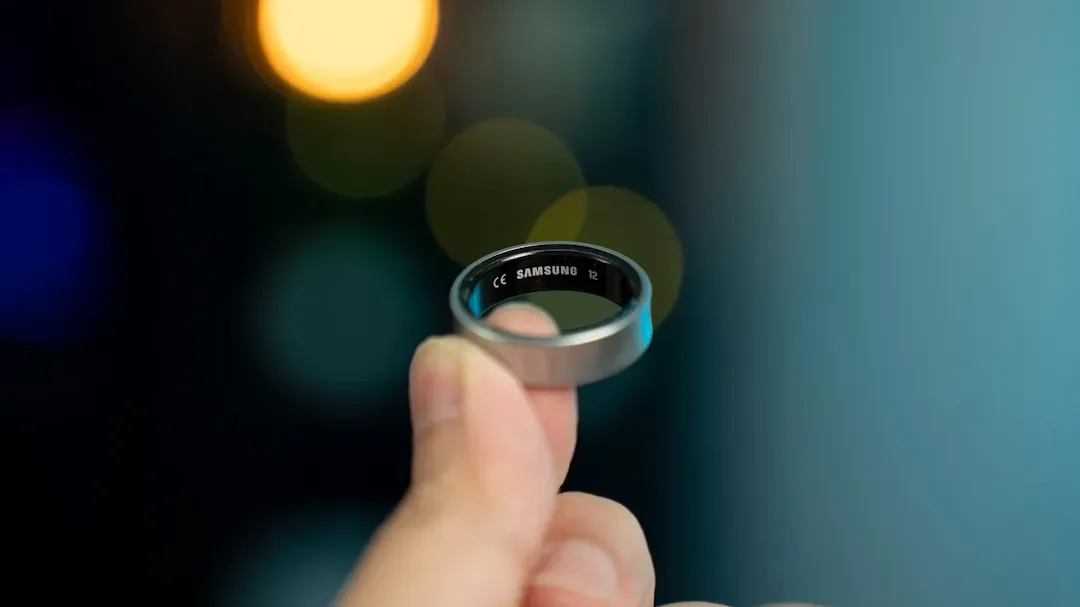
For incredibly accurate tracking, give the discreet Samsung Galaxy Ring a try. Sleep monitoring and heart rate tracking are excellent and data is presented on Samsung Health in a clear and accessible way. Think about it, you’re essentially wearing a miniature health lab that nobody notices. At 2.6mm thick, it’s slimmer than the Oura Ring 4 which is 2.88mm. That difference might sound negligible on paper, but your finger definitely feels it.
The Samsung Galaxy Ring retails for $399, which makes it the more expensive of the two, as the Oura Ring 4 starts at $349. To use the Oura Ring 4, you’ll also need to be an Oura Member, which’ll set you back $5.99 per month. So in the first year of use, the Oura Ring will actually cost more, as you don’t need a subscription to use any of the Galaxy Ring’s features. Let’s be real, that subscription model can be a dealbreaker for some people. The Galaxy Ring works exclusively with Android devices, which limits its audience but makes the integration seamless for Samsung phone users.
In the last full year of data, 2023, IDC recorded Global Ring sales of 880,000 units, with Oura representing 80% and Ultrahuman in second with 12%. We are forecasting this to rise to 1.7 million in 2024 and 3.2 million in 2028, equating to a year-over-year growth rate of 29.5%. Smart rings represent one of the fastest growing categories in wearables right now.
Oura Ring 4: The Health Whisperer
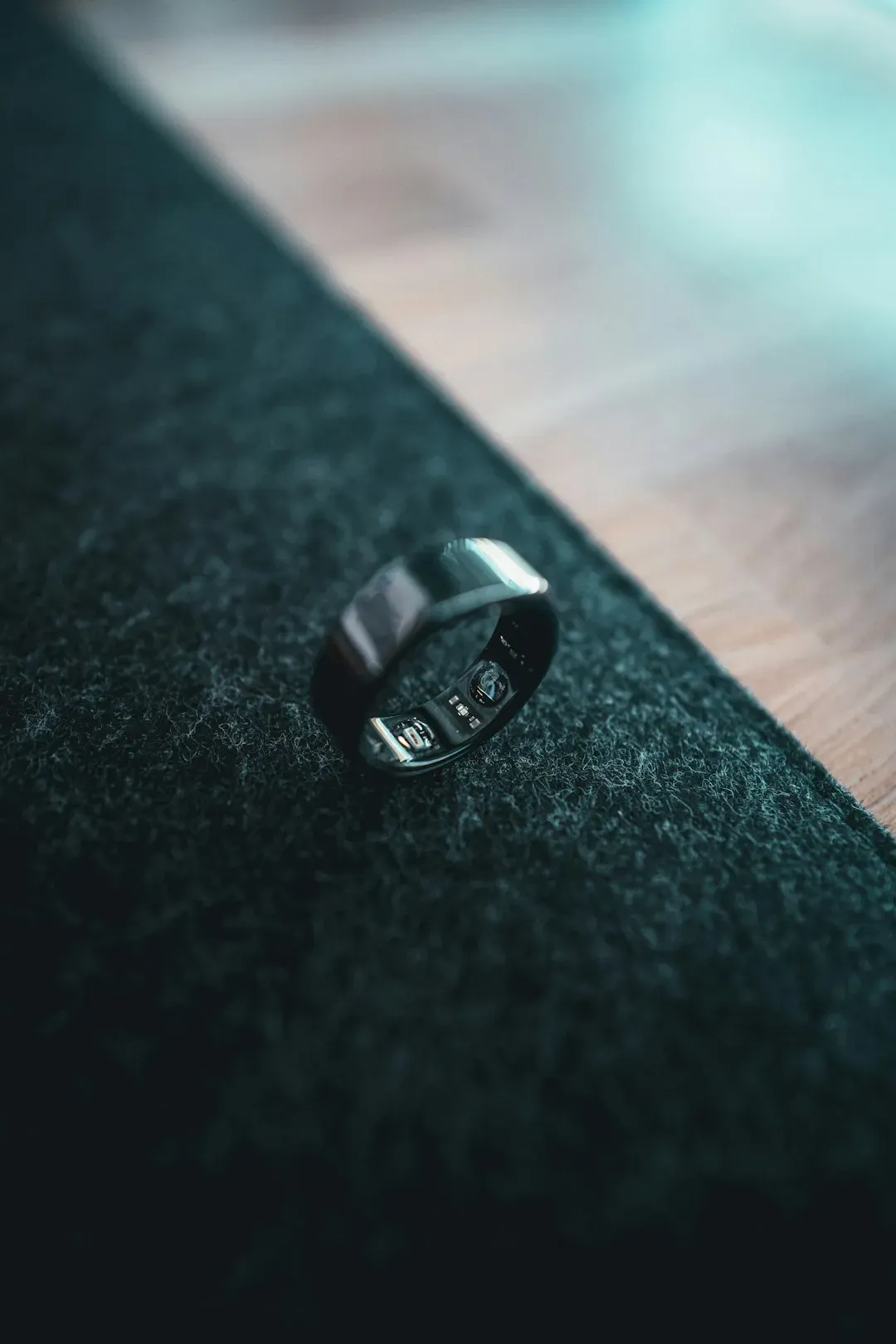
For a second year in a row, the Oura Ring 4 takes the win for best smart ring, and how can you deny that?? It truly is the best smart ring out there, and with added features, your quality of life can be improved so much more. I know it sounds crazy, but this little piece of titanium has genuinely changed how millions of people think about sleep. The fourth generation brought improved sensors that sit more flush against your skin, reducing those annoying gaps that plagued earlier models.
Ultimately, the Oura Ring has iOS compatibility up its sleeve, and its health insights are a level above the Samsung Galaxy Ring (especially for women), with better accuracy. That said, the ongoing subscription will tempt Android users to Samsung. Oura absolutely dominates when it comes to menstrual cycle tracking and detailed sleep stage analysis. The app redesign in late 2024 made everything more intuitive, though some long-time users initially resisted the change.
Meta Ray-Ban Smart Glasses: Looking Cool While Being Smart
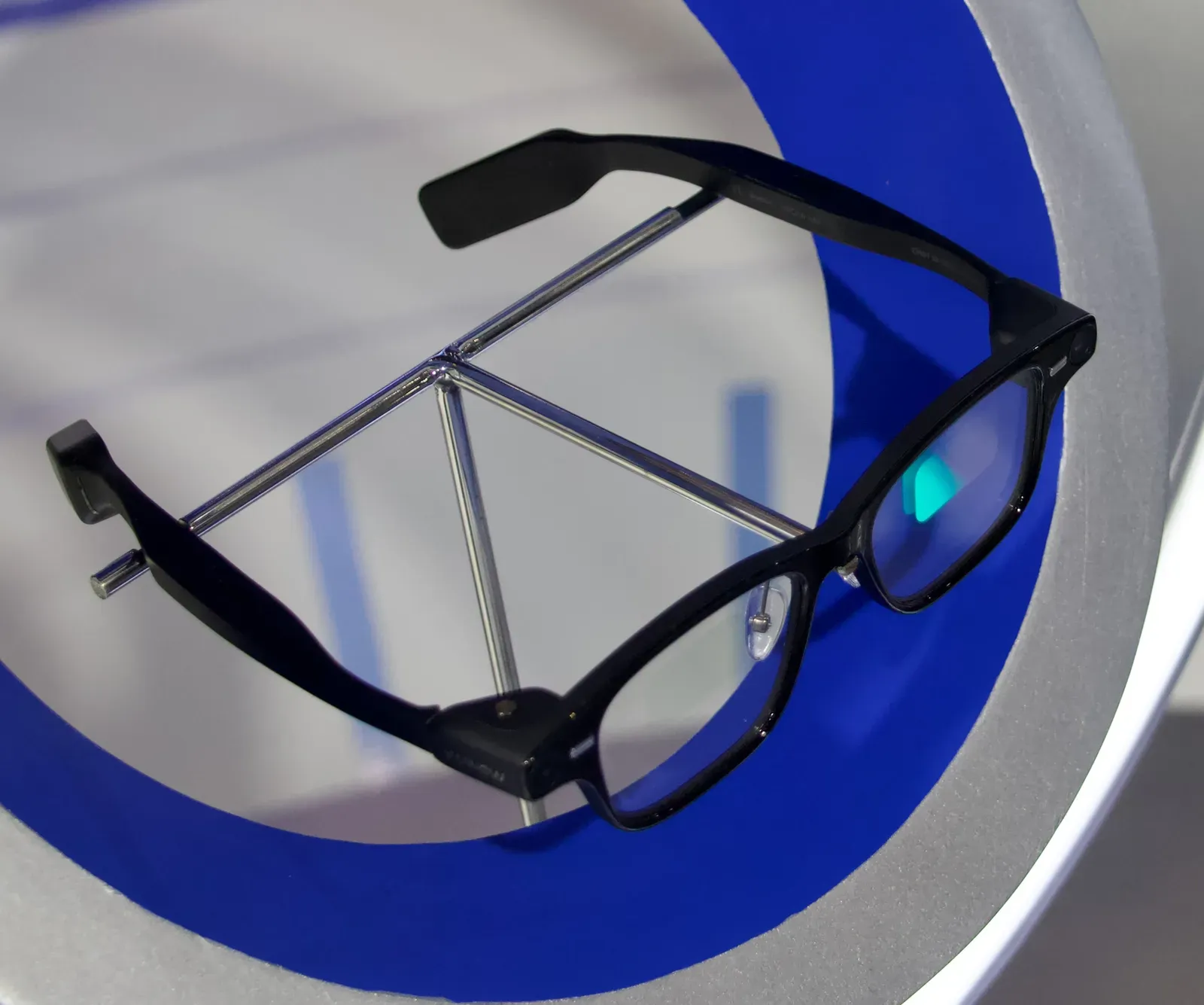
Meta announced them on September 27, 2023. They use a Qualcomm Snapdragon AR1 Gen1 processor, upgrade of the cameras to 12 MP, improved audio, livestreaming to Facebook and Instagram, and Meta AI. These glasses prove that smart eyewear doesn’t have to look ridiculous. Wearing them feels completely natural because they’re based on the iconic Wayfarer frames that have been stylish since the 1950s.
Meta sold 2 million Ray-Ban smart glasses since late 2023 and is scaling to 10 million units annually, validating consumer appetite for discreet eyewear. Google’s USD 150 million partnership with Warby Parker expands style options, lowering the fashion barrier to adoption. The fact that major players are investing this heavily tells you something significant is happening. You can take photos hands-free, listen to music through surprisingly decent speakers built into the arms, and even get AI assistance for translating text or identifying objects.
The most surprising and exciting utility that I’ve found in Meta’s Ray-Ban glasses is as a Bluetooth speaker. A Spotify integration, Meta’s voice assistant, and surprisingly quality audio all combine to make a more-than-pleasant listening experience. Arguably, the best part of that listening experience is that you can listen to your audio of choice while also listening to your surroundings, much like open-air earbuds made by Bose or Nothing.
Garmin Fenix 8: The Adventurer’s Companion
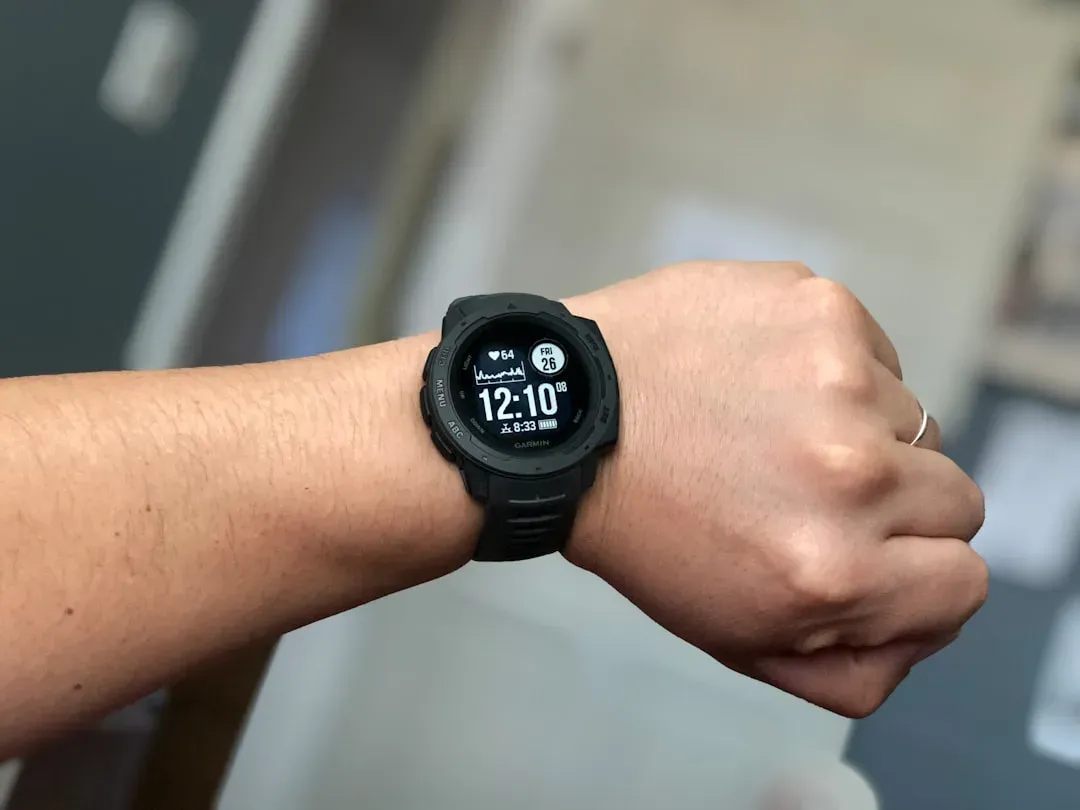
If you’re looking to track every activity, stretch the limits of wrist-bound battery life, and integrate your fitness watch into your daily routine, the Garmin fenix 8 ($1,100-1,200) is the device to do it with. For one, a depth sensor that operates down to 40 m and performs as an EN13319-certified dive computer. There’s also a new speaker and microphone, leaning into the realm of smartwatches and providing access to voice assistants. This watch is basically indestructible, which makes the premium price point easier to stomach.
Garmin has carved out this interesting space where serious athletes and outdoor enthusiasts won’t even consider other brands. The fenix 8 features topographic maps that actually prove useful when you’re miles from civilization, plus solar charging capabilities on certain models that extend battery life to absurd lengths. You’re looking at weeks of use on a single charge with moderate GPS usage.
Apple Watch Ultra 3: Extreme Tech for Everyday Heroes
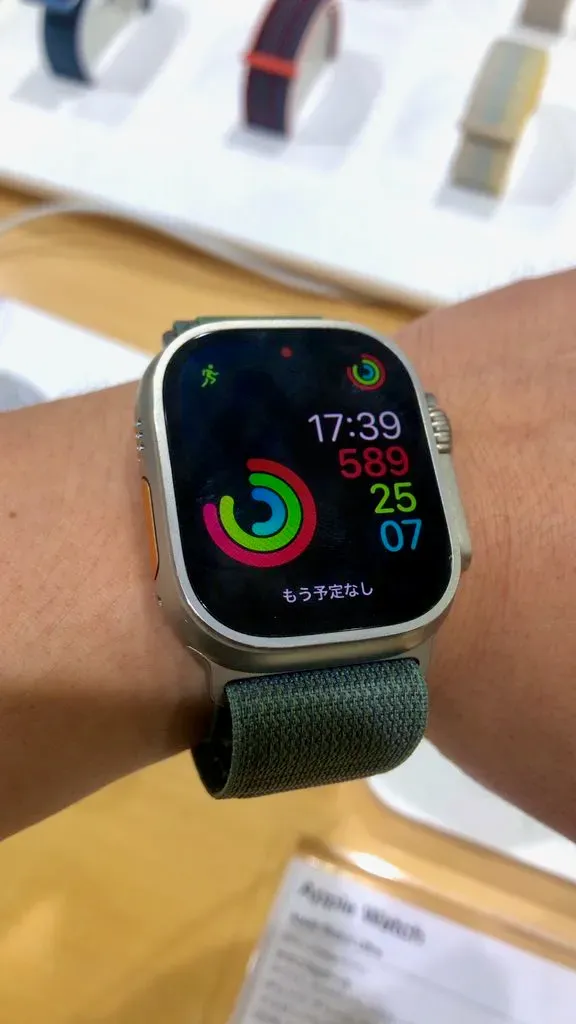
The Apple Watch Ultra 3 inherits its crown from the Apple Watch Ultra 2 as the ultimate smartwatch. First up, the biggest changes are the satellite connectivity and 5G, the boosted battery life at 42 hours, and the new Wrist Flick gesture joining the Double Tap. Its sumptuous LTPO3 OLED display commands up to 3,000 nits of brightness, now with smaller bezels for a larger surface area. That brightness level means you can actually read the screen in direct sunlight, which sounds basic but plenty of smartwatches still struggle with this.
It’s more rugged than the previous model, featuring a large, durable aerospace-grade titanium body built for outdoor adventure. It’s water-rated up to 100m and boasts dual-frequency GPS. It offers much more accurate tracking in tough environments (like densely populated cities, mountain terrain, and forests) – great for trail runners and climbers. The target audience clearly skews toward people who want the best of everything, regardless of whether they’ll actually dive to 100 meters or climb a mountain.
Fitbit Charge 6: Affordable Reliability
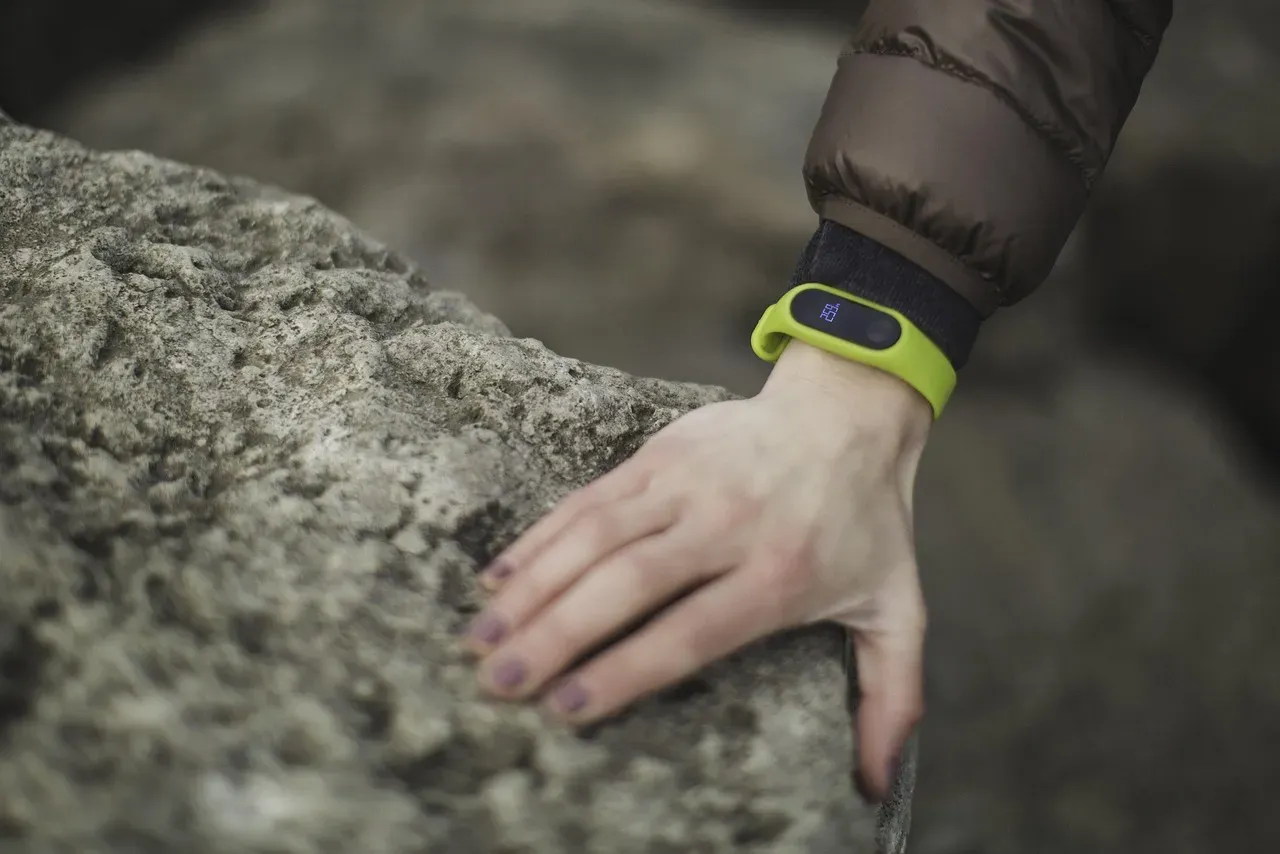
Adorning the wrists of workout enthusiasts everywhere, the Fitbit Charge 6 ($150) takes the crown for the best fitness tracker. The sixth iteration is less expensive than the fifth when it was introduced and features a few useful upgrades. It also has a slightly curved AMOLED touchscreen, and the battery life lasts up to 7 days – the perfect tracker to wear all week. Honestly, this is the sweet spot for most people who just want solid tracking without breaking the bank.
Google’s acquisition of Fitbit brought some uncertainty, but the Charge 6 proves they’re still committed to the fitness tracker category. The reintroduction of the physical side button addressed one of the biggest complaints from the Charge 5. Integration with Google Maps and YouTube Music adds functionality that competing trackers can’t match at this price point.
Whoop 4.0: The Recovery Obsessive’s Dream
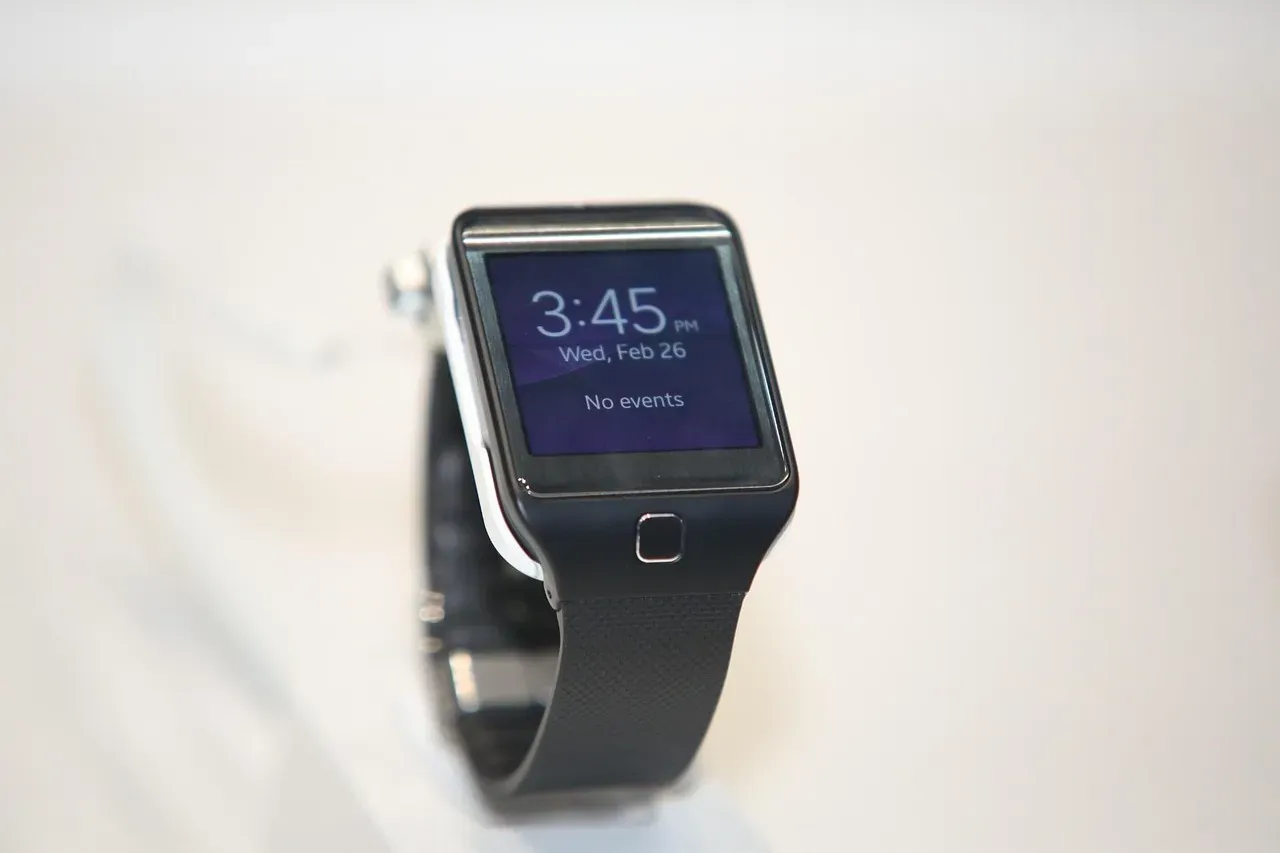
Our resident fitness trainer and ‘bio-hacker’ put the Whoop Band ($239) to the test for an entire year before rendering our verdict, and we’re sold. This low-key wearable isn’t quite all the watch that the rest of our suggestions are, but it also has a different purpose: recovery. Aimed at monitoring a few simple metrics and comparing them against your ‘stress’ level, the Whoop Band is a tool developed that athletes can use in training programs. There’s no screen whatsoever, which feels almost radical in today’s notification-obsessed world.
The Whoop 5.0 earns top marks for our battery score, though it may be a bit of a technicality to claim this. The onboard battery in the tracker lasts an average of 14 to 15 days, but a wearable battery pack clips onto the device to enable on-the-go charging. What this really equates to is no downtime or missed data while your device charges. Professional athletes from nearly every major sport wear Whoop, which tells you something about its credibility in the performance tracking space. The subscription model might irritate casual users, though.
Garmin Lily 2: Petite Power
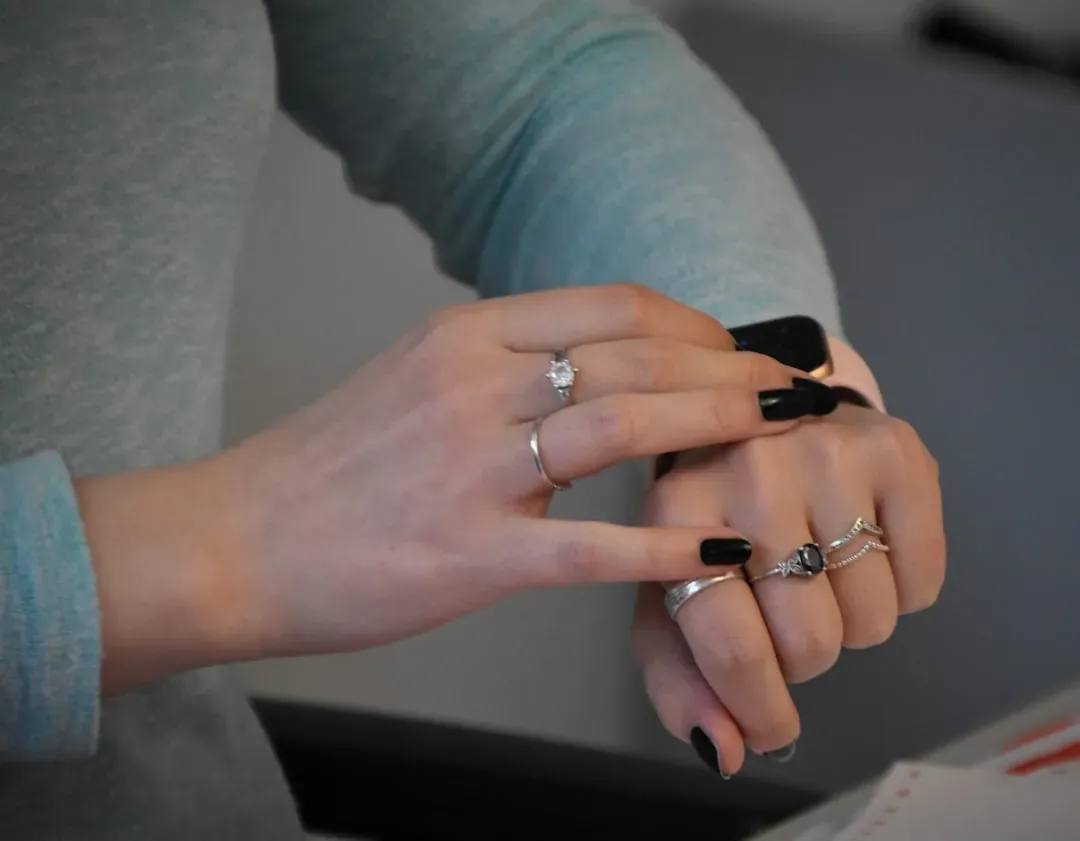
That’s true of the newly announced Garmin Lily 2 which boasts a “petite, fashionable” smartwatch design – coming in at just 20.6g – and a hidden display that shows a patterned background until tapped. It’s also plenty useful with connected GPS – although no built-in GPS, which would have been a huge upgrade for runners and cyclists over the original Garmin Lily – as well as five days of battery life, sleep scores, menstrual cycle tracking, and a pulse oximeter for checking your blood oxygen levels. This watch directly addresses the complaint that most smartwatches look too masculine or bulky on smaller wrists.
The patterned lens face when inactive means it resembles a traditional jewelry piece rather than screaming “tech gadget.” That hidden display feature demonstrates how wearable technology is finally understanding that not everyone wants their devices to be conversation starters. It blends in, which for many users is exactly the point.
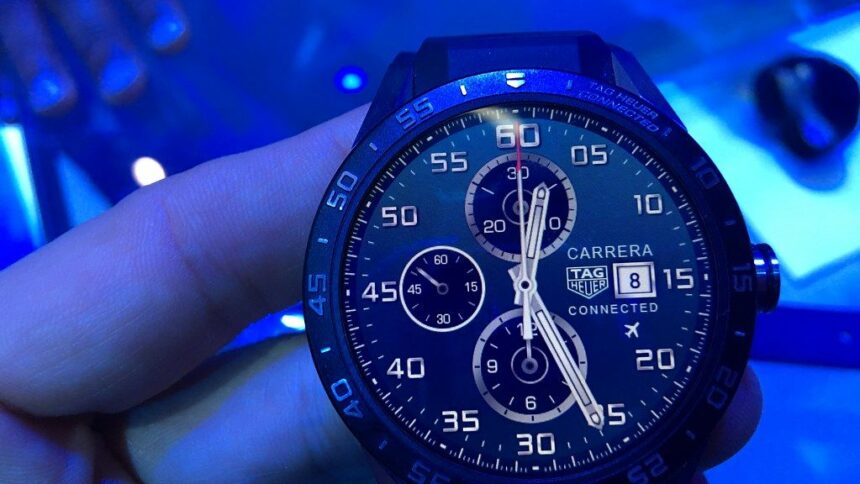
TAG Heuer Connected Calibre E4: Swiss Precision Meets Silicon Valley
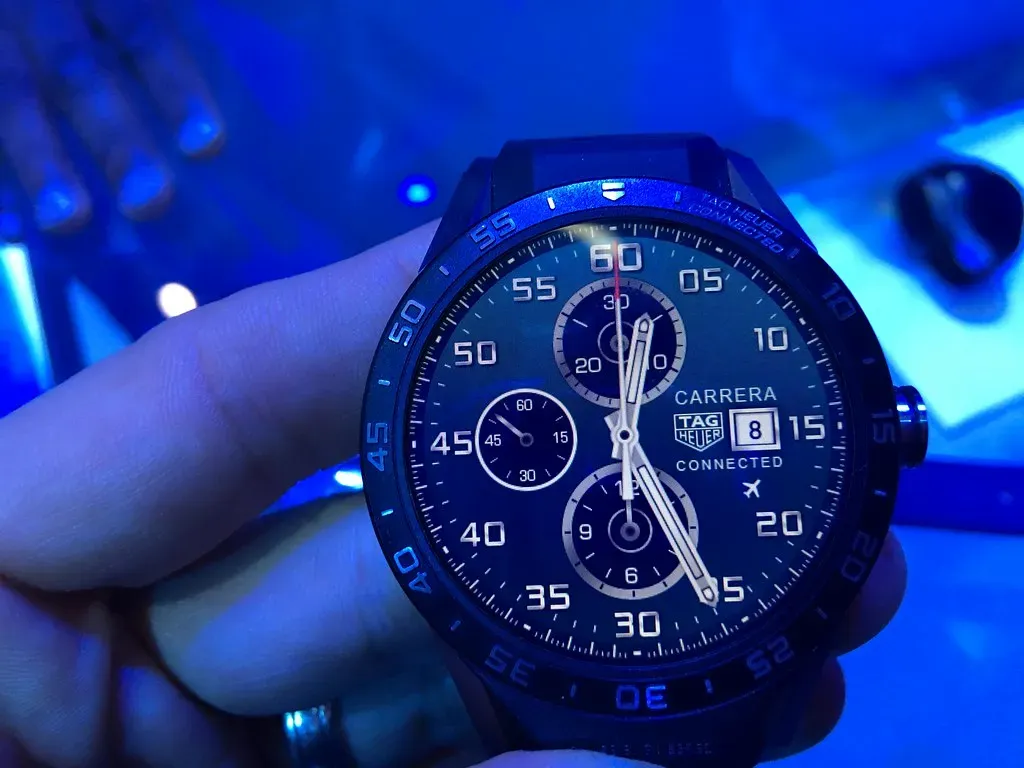
As the runner-up, the Tag Heuer Connected Calibre E4 brings a robust mix of luxurious design and cutting-edge features. Sporting a 45mm stainless steel case with a ceramic bezel and a high-resolution 1.39-inch AMOLED display, it exudes both elegance and functionality. With Tag Heuer’s bespoke activity tracking app and support for Wear OS 3, it transitions seamlessly from casual to formal settings. Priced at $2,050, this smartwatch is a brilliant fusion of traditional watchmaking and modern tech. Let’s be honest, you’re paying for the brand heritage here as much as the technology.
Traditional watch collectors initially scoffed at TAG Heuer entering the smartwatch market, but the Connected line has earned respect by maintaining the brand’s aesthetic DNA. It doesn’t try to reinvent what a luxury watch should look like, it just adds smart capabilities to that established formula. The modular design even allows you to swap the smart module for a traditional mechanical movement down the line.
Montblanc Summit 3: Luxury That Thinks
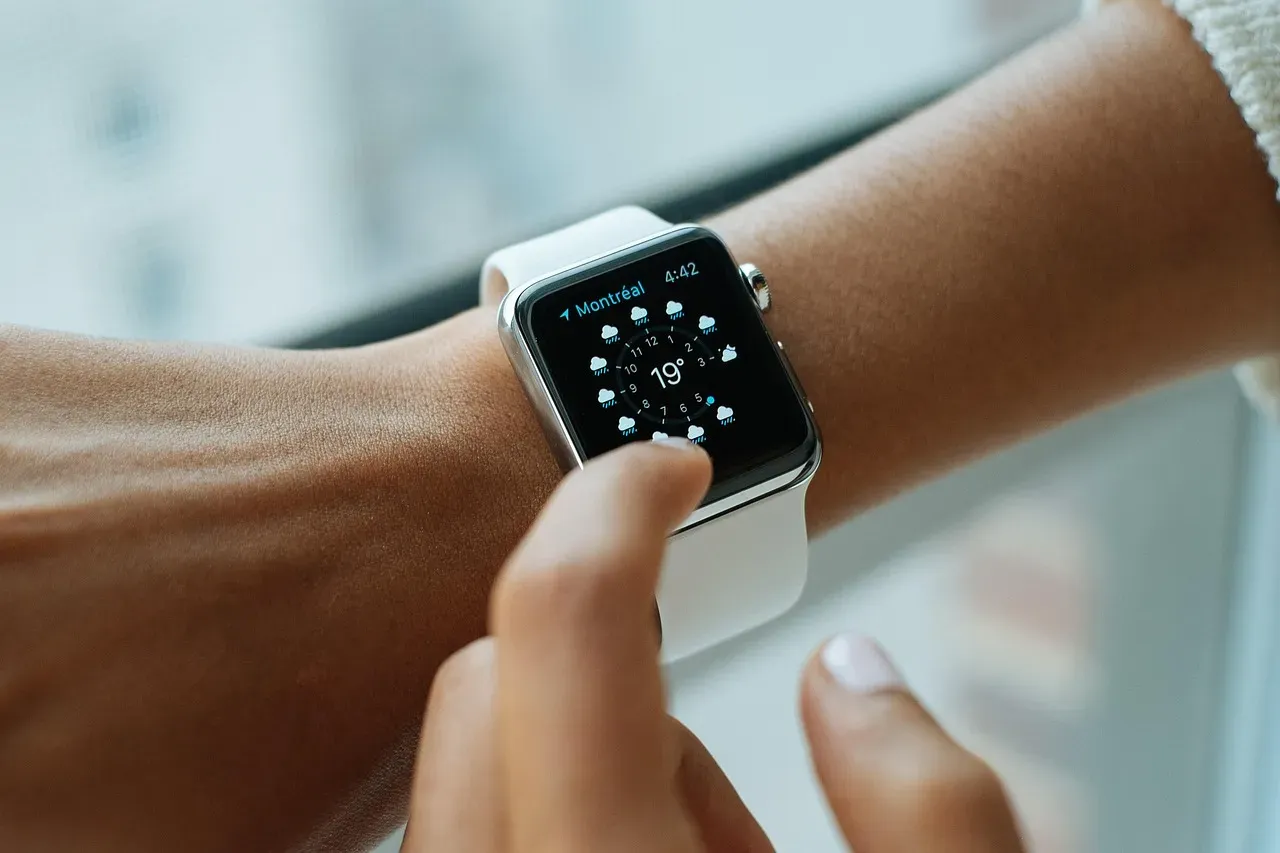
The Montblanc Summit 3 is our top choice for luxury smartwatches in 2024, offering an exceptional blend of craftsmanship, advanced technology, and timeless elegance. Montblanc brought the same attention to detail they apply to their legendary pens and leather goods to this smartwatch. The sapphire crystal display and carefully selected materials elevate it beyond typical tech accessories.
In 2024, the VERTU GRAND WATCH smartwatch Ceramic exemplifies how smartwatches are redefining luxury by seamlessly merging elegance with cutting-edge technology. These devices serve as both status symbols and functional tools, appealing to those who value sophistication and utility. The luxury smartwatch category demonstrates that wearable technology has transcended its purely functional origins to become genuine fashion statements. You’re essentially wearing your values regarding both technology and style.
Xiaomi Smart Band 9: Budget Champion
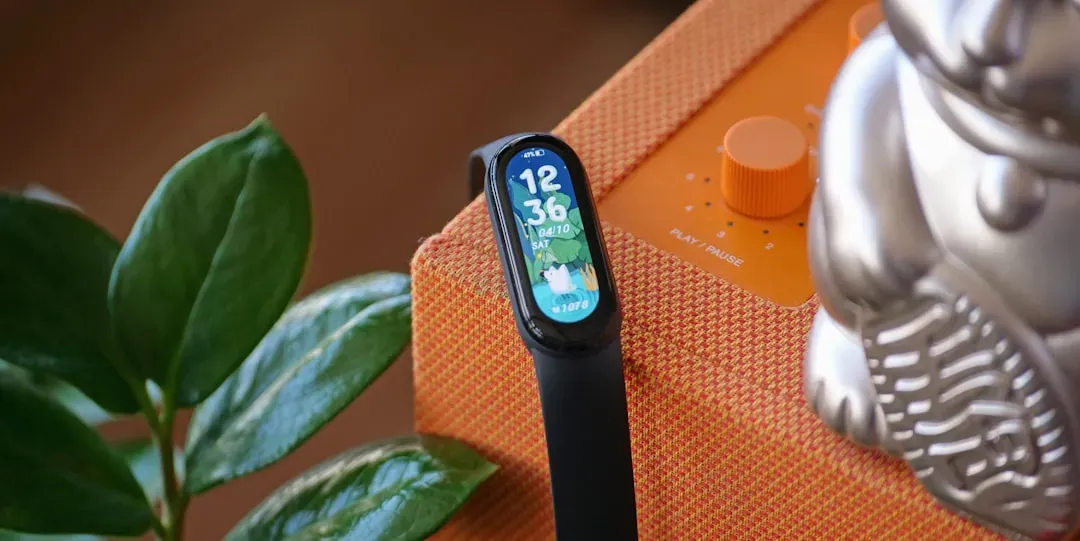
Xiaomi remains king of the cheap fitness trackers with its new Smart Band 9 for 2024. Building on the success of the 8 and the 8 Pro, the 9 sports the same excellent low pricing and ease of use as its forebears. For a very reasonable price, you get a 1.62-inch AMOLED display, there’s no GPS, but you do get 21 days of battery life, meaning you can get three weeks on a single charge. That display refreshes at 60Hz and features 1200 nits of max brightness, a big upgrade over the previous models that makes it easier to read and see. That battery life is genuinely impressive when flagship smartwatches struggle to make it through two days.
Xiaomi essentially democratized fitness tracking by proving you don’t need to spend hundreds of dollars for accurate step counting and heart rate monitoring. The Smart Band 9 represents the pinnacle of value engineering, cutting costs in areas that don’t significantly impact user experience while maintaining quality where it matters most.
Meta Ray-Ban Display: The Future Just Arrived
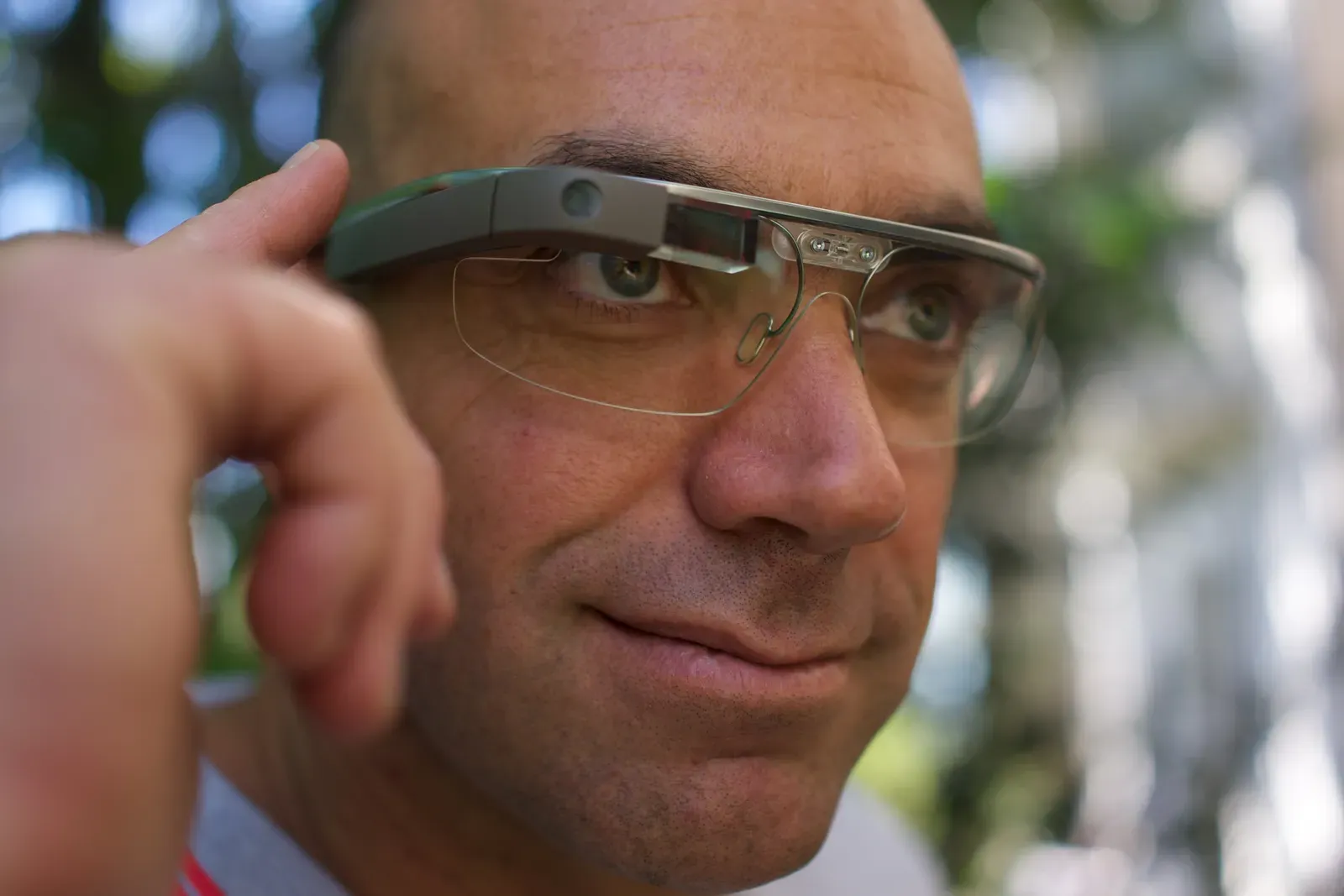
Meta unveiled “Meta Ray-Ban Display,” its first pair of AI smart glasses with a built-in augmented reality (AR) display at Meta Connect. CEO Mark Zuckerberg announced the new product, called Meta Ray-Ban Display, onstage – which will launch on September 30 for $799. They are equipped with a 12-megapixel camera and a full-colour high-resolution display built into one lens, allowing users to view calls and messages. This represents the first consumer-ready smart glasses with an actual display that doesn’t look completely absurd.
The new glasses have a small digital display screen in the right lens for basic tasks such as notifications, messages, and Meta AI prompts. The display also functions as a viewfinder when taking photos. The Meta Ray-Ban Display glasses include built-in audio, up to six hours of battery life, and come bundled with the new neural wristband, which translates hand gestures into commands such as replying to texts or answering calls. That neural wristband component feels like science fiction made real, interpreting electrical signals from your muscles to control the glasses hands-free.