The street where food meets festival magic is changing faster than you can say “fusion taco.” Gone are the days when a basic hotdog and a warm beer defined your festival eating experience. Today’s festival cuisine scene reads like a love letter written by Michelin-starred chefs to street vendors, and honestly, it’s hard to say who’s winning.
The global street food market reached USD 249.55 billion in 2024 and is projected to grow at an 8.5% annual rate, proving this isn’t just a fleeting trend. Let’s be real, gourmet street food at festivals represents something deeper than just clever marketing. It’s culinary democracy with a side of innovation.
Plant-Based Takes Center Stage
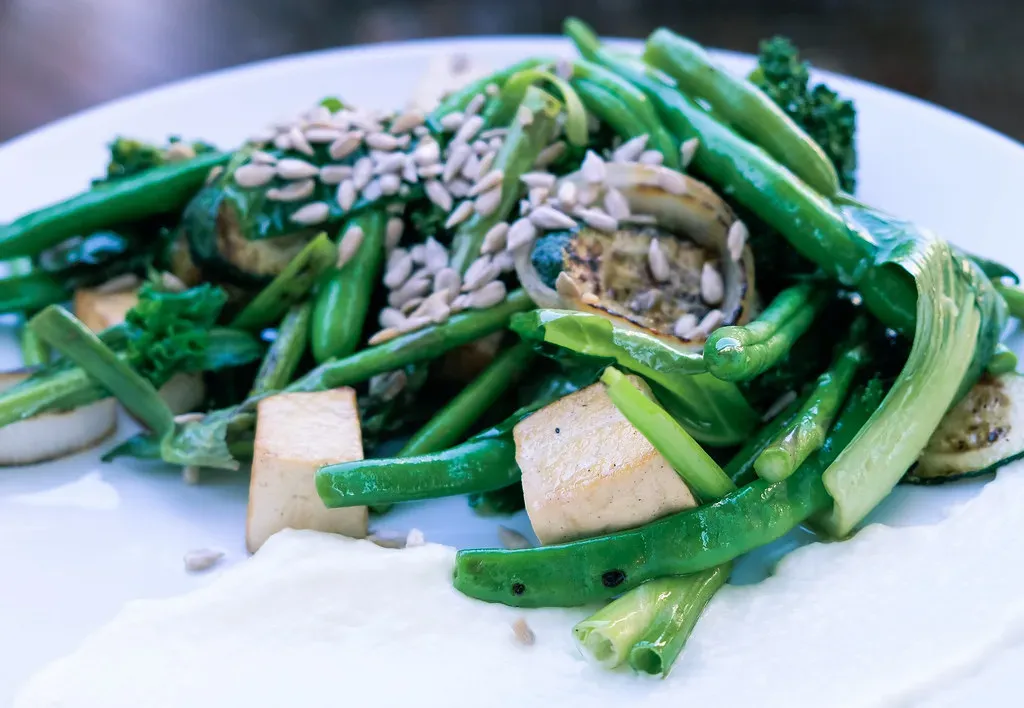
In 2024, plant-based eating reached new heights at food festivals, with vegan options becoming the main attraction rather than an afterthought. This isn’t your grandmother’s veggie burger anymore. Roughly eleven percent of dishes consumed at analyzed festivals in 2024 were reportedly vegetarian or vegan, reflecting a genuine shift in what festival-goers crave.
The numbers tell an even more dramatic story. Twenty percent of festivals reportedly went fully vegetarian or vegan in 2024, up from just eight percent the previous year. Think about that jump for a second. Demand for Latin-inspired plant-based products reportedly grew by roughly a quarter in the past year, showcasing how international flavors are merging with plant-forward thinking. Festival vendors now craft dishes like vegan chorizo tacos and dairy-free mac and cheese that make you forget you’re eating plants at all.
Global Fusion Creates Culinary Chaos (In The Best Way)
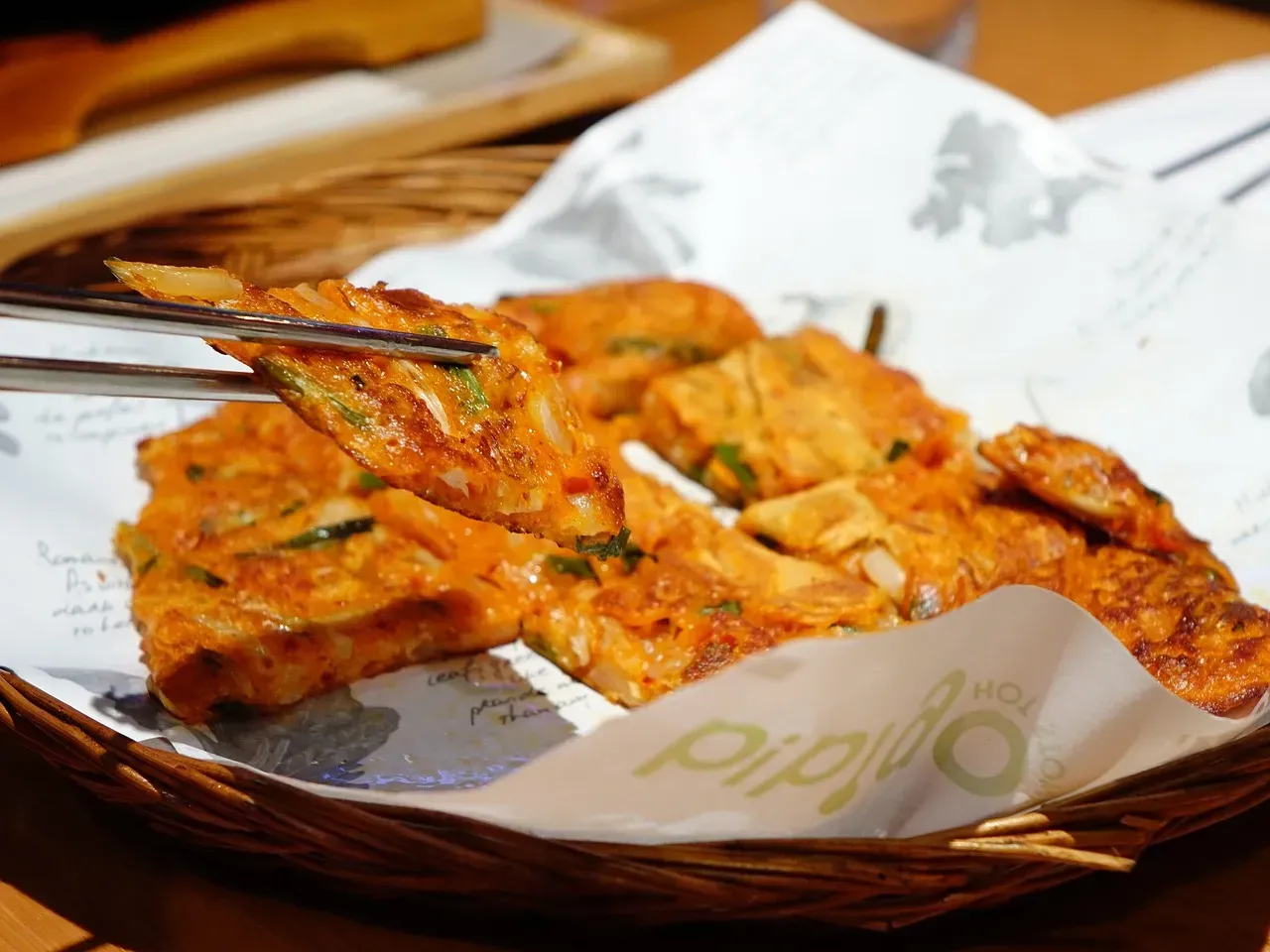
Street food mash-ups are taking center stage in 2025, as inventive chefs blend beloved dishes from different cultures into tantalizing creations like crunchy tacos filled with savory takoyaki. I know it sounds crazy, mixing Japanese and Mexican traditions in one bite, but that’s exactly the point. Hybrid or fusion foods combine elements from different cuisines to create unique dishes, and this trend remains popular due to its novelty and exciting flavor combinations.
From fragrant Middle Eastern spices to robust Southeast Asian street food flavors, exotic spices like sumac, harissa, and gochujang are enlivening everyday dishes. Festival kitchens have become experimental laboratories where Korean tacos share space with Thai pizzas. Food trucks serve as multicultural hubs in 2025, showcasing an array of flavors and traditions where diners can savor pho from one truck while enjoying empanadas from another, celebrating the beauty of culinary diversity. This cultural crossroads doesn’t just feed people – it tells stories through food.
Artisanal Quality Meets Street Accessibility
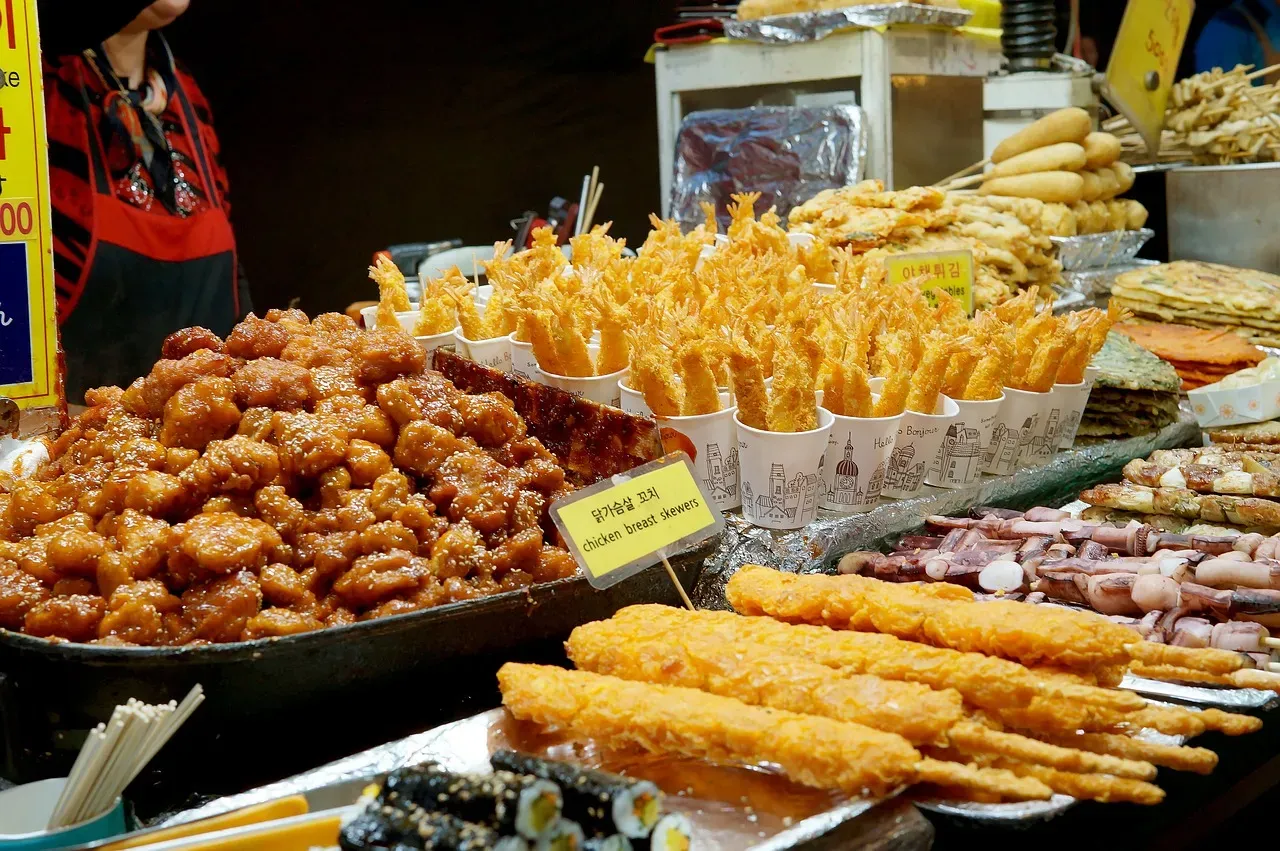
Many contemporary street food vendors have embraced gourmet techniques, using high-quality ingredients and creative fusions to elevate classic dishes. The difference between a regular burger and a gourmet festival burger isn’t just the Instagram potential. The gourmet street food market combines the convenience and accessibility of street food with high-quality ingredients and culinary expertise, with vendors known for unique and creative offerings ranging from fusion dishes to international flavors.
Over 400 vendors reportedly participated in the Food Network South Beach Wine & Food Festival, serving everything from artisanal cheeses and rare wines to craft cocktails and gourmet street food. The global luxury food market size was reportedly valued at roughly USD 194 billion in 2024 and is projected to reach over USD 700 billion by 2033, demonstrating serious investment in premium ingredients. Festival-goers now expect small-batch hot sauces, handcrafted cheeses, and locally sourced organic ingredients from their mobile food vendors.
Sustainability Becomes Non-Negotiable
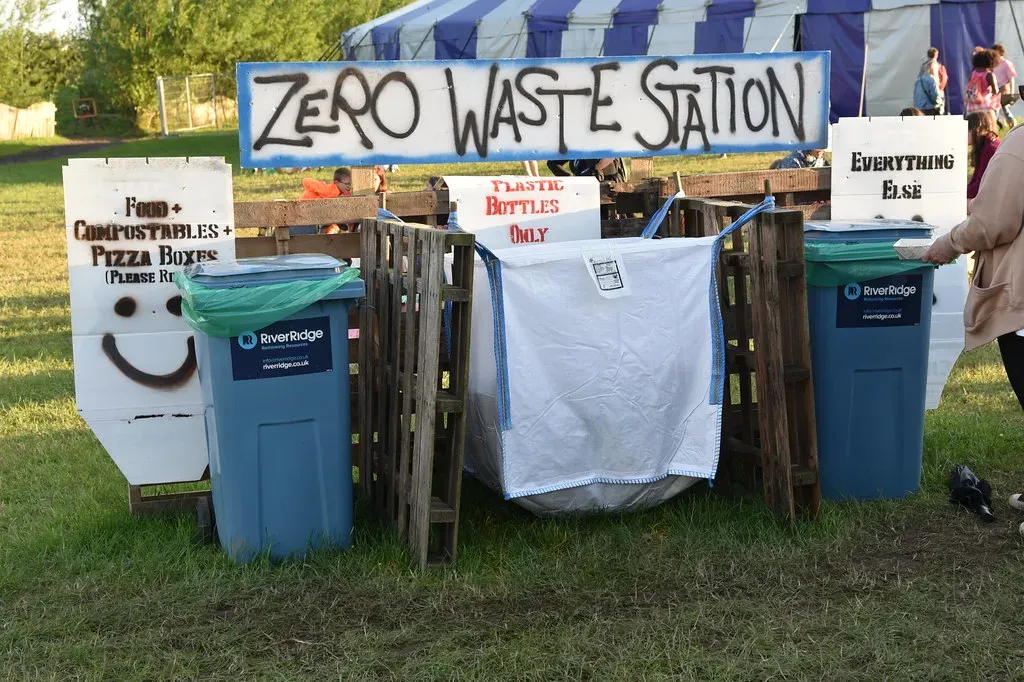
In 2024, sustainability moved from being a trend to a standard, with festivals embracing eco-friendly initiatives to reduce their environmental impact while educating attendees about green practices. This isn’t greenwashing – it’s fundamental transformation. Festivals adopted reusable utensils, biodegradable packaging, and food-waste composting, while sourcing ingredients from nearby farms to lower carbon footprints while celebrating regional produce.
The average site recycling rate reportedly rose to roughly half in 2024, up from about thirty-eight percent in 2022. Zero-waste events have become selling points rather than afterthoughts. Sustainability is now a necessity for food festivals moving forward, not just a feel-good factor. Some festivals even power operations with renewable energy and serve exclusively plant-based menus, proving environmental consciousness and culinary excellence can coexist beautifully.
Tech-Enhanced Experiences Streamline Everything
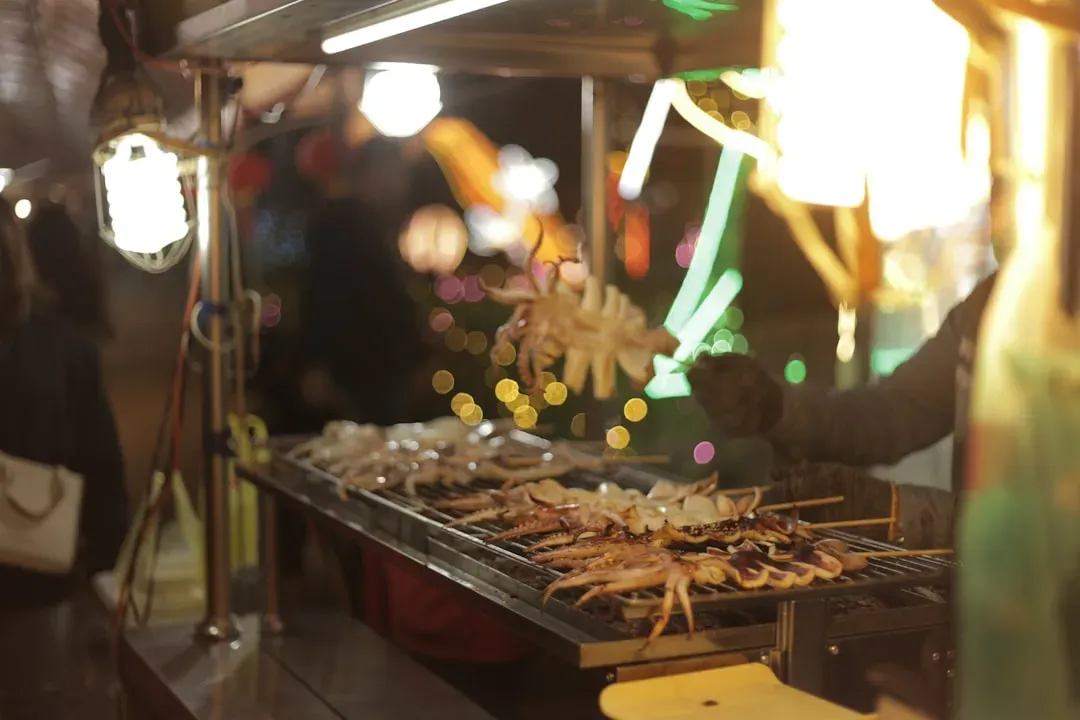
Technology played a significant role in shaping food festivals in 2024, from how people navigated events to how they shared their experiences, with digital innovation proving key. The days of standing in endless lines with crumpled cash are fading fast. Festival apps provided real-time updates, digital menus, and cashless payment options, while social media platforms, especially TikTok, influenced festival offerings with viral food trends.
The cashless system, reportedly adopted by eighty percent of major French contemporary music festivals, can reportedly reduce waiting time at bars by roughly thirty percent. These technological improvements don’t just speed things up. Digital advancements not only improved the attendee experience but also allowed festivals to reach a wider audience through digital engagement. QR codes for menus, contactless payments, and real-time inventory tracking mean vendors can focus on cooking rather than fumbling with change.
Festival cuisine has evolved from an obligatory pit stop between bands into a legitimate reason people buy tickets. The food truck market in the United States is experiencing significant growth due to the increasing popularity of gourmet street food, and festivals represent the perfect testing ground for culinary innovation. These five trends aren’t just changing what we eat at festivals – they’re redefining what festivals mean in our cultural landscape. Whether you’re a devoted foodie or just someone who appreciates a really good meal, the gourmet street food revolution at festivals offers something genuinely exciting. What surprised you most about these transformations?