Cashless Transactions Take Over the Concert Floor

Walk into just about any major concert venue today and you’ll notice something missing. Cash. Live Nation events in Europe have deployed wristbands with chips for payments since 2022, and the trend has swept across North America with incredible speed. Honestly, it’s hard to remember the last time I saw someone fumble with bills at a festival bar.
Venues now operate with credit and debit acceptance at all points of sale, offering Cash to Card kiosks for those who prefer physical currency. The shift eliminates long lines, reduces theft risk for vendors, and gives organizers real-time sales data they never had before.
This isn’t just about convenience. It’s about control and insight into what fans actually want, when they want it, and how much they’re willing to spend.
RFID Wristbands Replace Paper Tickets

Since 2011, the live music industry has adopted RFID technology inside concert wristbands to improve fan experiences, increase security, and open up new revenue streams. These smart bands do far more than grant entry. They track movement, enable cashless purchases, and even connect to social media accounts for instant sharing.
Think about it this way: you register your wristband once online, link your payment method, and never dig through your bag again. RFID wristbands allow fans to scan and walk right into the party, eliminating the need for paper wristbands each day and making entry faster.
Event organizers use these bands to prevent unauthorized entry, speed up food and merchandise lines, and monitor entry flow and crowd density in real time. The band you wear becomes both your wallet and your access pass, all in one waterproof package.
LED Walls and Projection Mapping Elevate Visual Spectacle
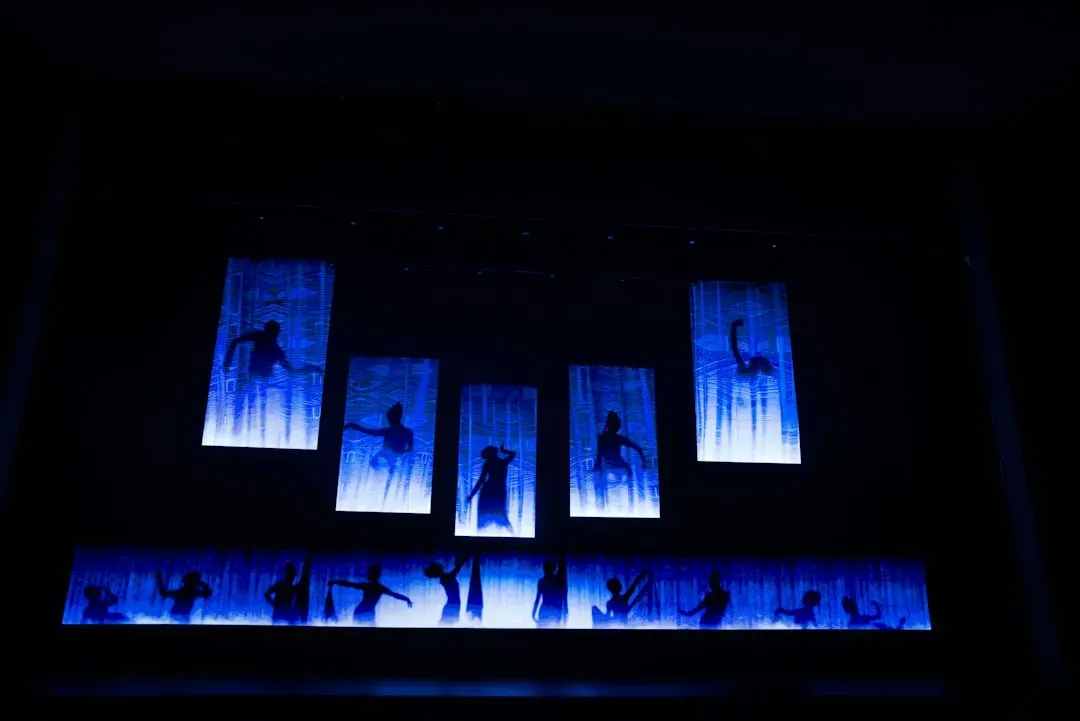
Let’s be real, concerts are no longer just about sound. The visuals have become equally mesmerizing. Major tours now invest heavily in LED walls, augmented visuals, and projection mapping to create immersive environments that feel almost otherworldly.
These aren’t your standard backdrop screens. Artists can wrap entire stages in dynamic, responsive visuals that react to every beat, lyric, and movement. I think this shift reflects what fans now expect: a multisensory experience that photos and videos can’t fully capture.
The technology allows performers to transport audiences to different worlds without leaving the venue. It’s theatrical, it’s bold, and it’s become a signature element of blockbuster tours worldwide.
Livestreaming Opens Concerts to Global Audiences
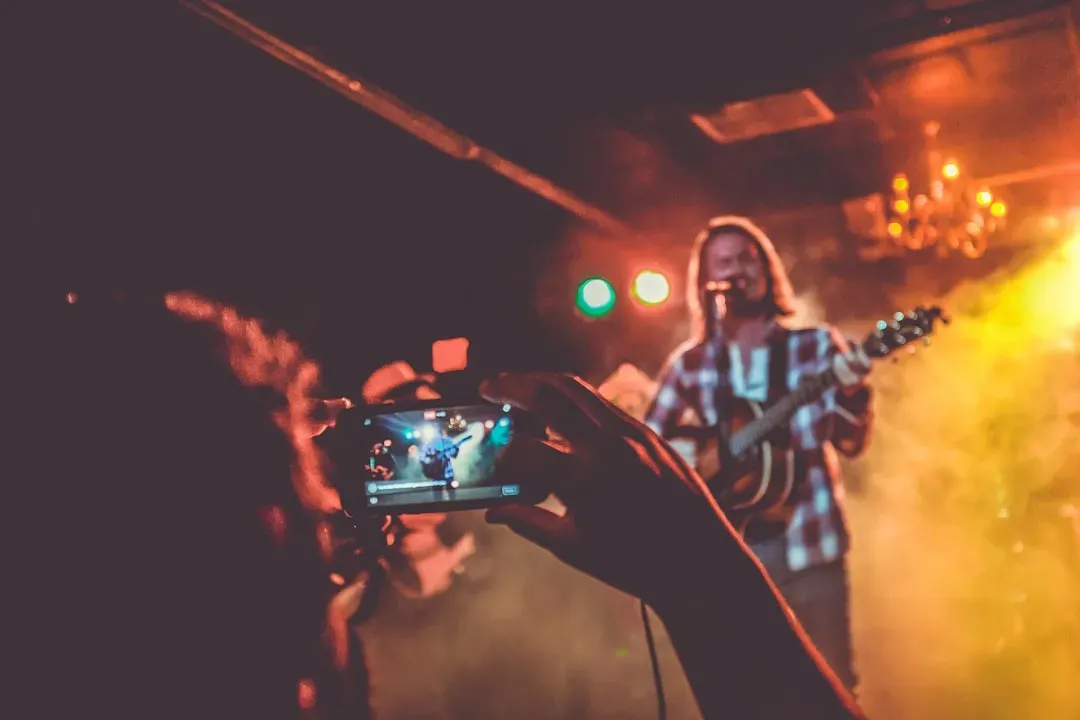
Global subscriptions to over-the-top video services will rise to 2.1 billion in 2028 from 1.6 billion in 2023, and by 2028 advertising will account for about 28% of OTT global streaming revenues. Concerts have found their place in this digital shift, offering fans who can’t attend in person a way to participate remotely.
PwC confirmed that livestreamed concerts remain a secondary but meaningful revenue stream, especially for international fans. The technology isn’t replacing the live experience. Instead, it’s expanding access and creating new monetization opportunities through pay-per-view models and ad-supported streams.
For artists, this means reaching millions beyond venue capacity limits. For fans, it means never missing a performance, no matter where they live.
High-Speed Connectivity Powers Real-Time Engagement
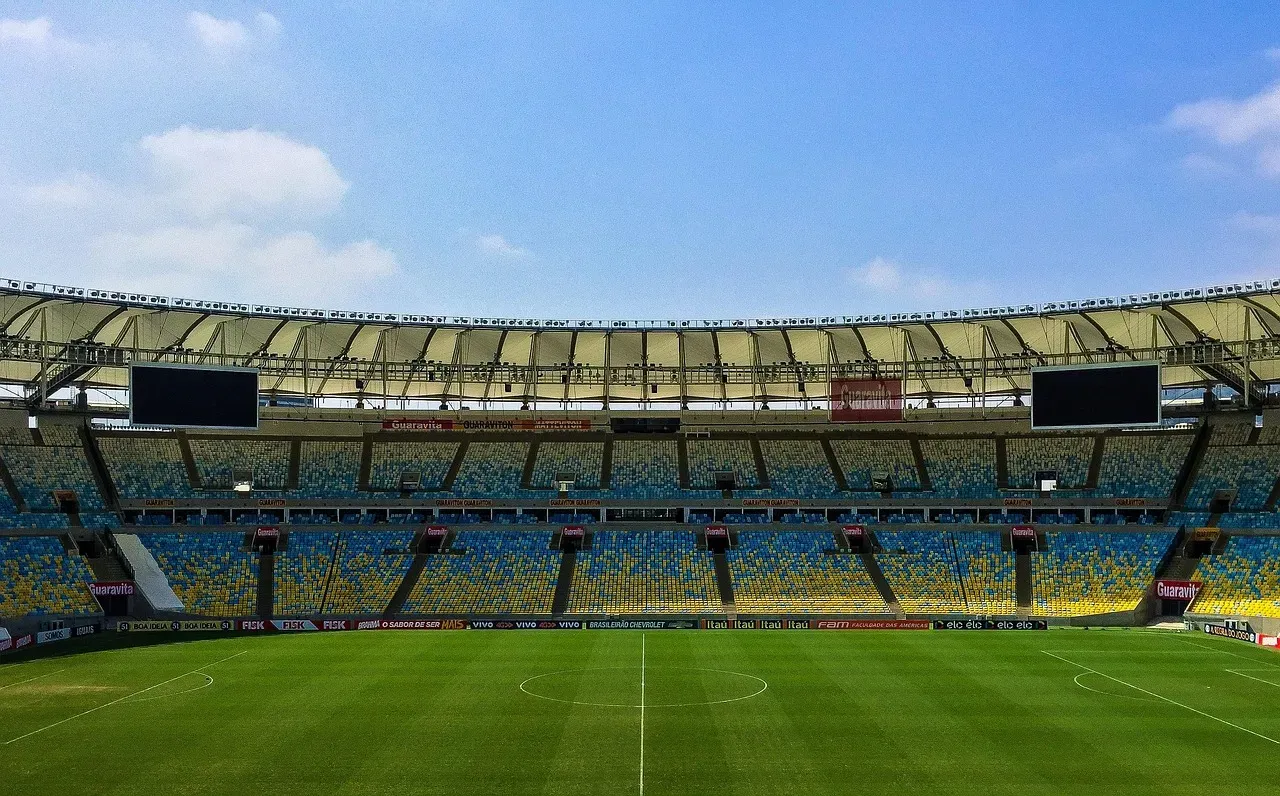
Arena venues are seeing a 67 percent growth in data usage year over year, and fans who face connectivity issues at event venues are three times more likely to switch within six months. Venue operators get this. They’ve invested heavily in 5G and high-density Wi-Fi to support mobile engagement and real-time services.
Venues are deploying private 5G networks to connect thousands of IoT devices throughout stadiums, bridging the gap by offering 5G speeds and enhanced security with mobile capabilities. This infrastructure supports everything from mobile ticketing to instant replays on personal devices.
The days of dead zones and buffering are fading fast. Now, fans can share clips, order food, and stay connected without frustration, all while the show goes on around them.
Smart Waste Tracking and Energy Monitoring Promote Sustainability
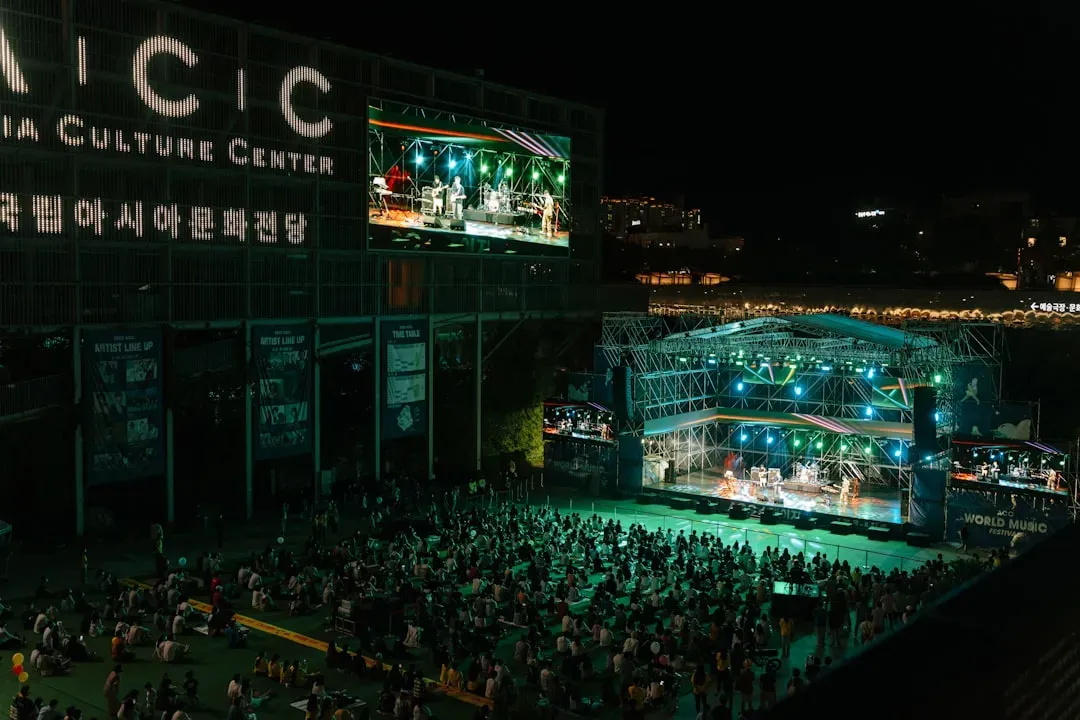
Concerts generate massive amounts of waste and consume staggering energy. Organizers are finally addressing this with technology designed to track and reduce environmental impact.
A Greener Festival reported in 2024 that energy-monitoring systems and smart waste tracking are increasingly used at major concerts. These systems identify inefficiencies, measure carbon footprints, and help festivals meet sustainability goals without sacrificing the fan experience.
Some events now operate with solar power, real-time waste sorting guided by sensors, and carbon offset programs tied directly to ticket sales. It’s not perfect yet, but the industry is moving in the right direction.
Dynamic Pricing Adjusts Ticket Costs in Real Time

Love it or hate it, dynamic pricing has become a defining feature of concert ticketing. Algorithms adjust prices based on demand, artist popularity, and even weather forecasts. Billboard and other outlets have covered how this technology maximizes revenue for artists and promoters while sparking debate among fans.
The system mirrors airline pricing: buy early and save, or wait and risk paying double. Critics argue it punishes dedicated fans, while supporters say it reflects true market value and prevents scalping.
Either way, technology has fundamentally changed how tickets are priced and sold. Transparency remains a sticking point, as many fans still feel blindsided by fluctuating costs.
Holographic Performances Blur the Line Between Real and Virtual

Hologram concerts have evolved from novelty to legitimate performance format. Artists who have passed away now “perform” alongside living musicians through projected holograms that look startlingly lifelike.
Beyond tribute acts, some living artists use holographic technology to appear in multiple cities simultaneously, maximizing their reach without the physical toll of touring. The tech relies on advanced projection, motion capture, and spatial audio to create convincing three-dimensional images.
It raises fascinating questions about authenticity and what it means to attend a “live” show. Still, audiences are buying tickets, and the technology continues improving each year.
AI Personalizes Concert Recommendations and Setlists

Artificial intelligence now plays a behind-the-scenes role in shaping concert experiences. Platforms use AI to recommend shows based on listening history, location, and past attendance patterns. Some artists even experiment with AI-assisted setlist creation, analyzing audience demographics and preferences before each performance.
The result feels more tailored. Fans discover concerts they might have missed, and performers can gauge what songs will resonate most with specific crowds. It’s data-driven, sure, but it’s also surprisingly effective at connecting artists with the right audiences.
As AI tools become more sophisticated, we’ll likely see even deeper personalization, from customized merchandise offers to individualized viewing angles via app-controlled cameras.
Biometric Entry Systems Speed Up Security Checks
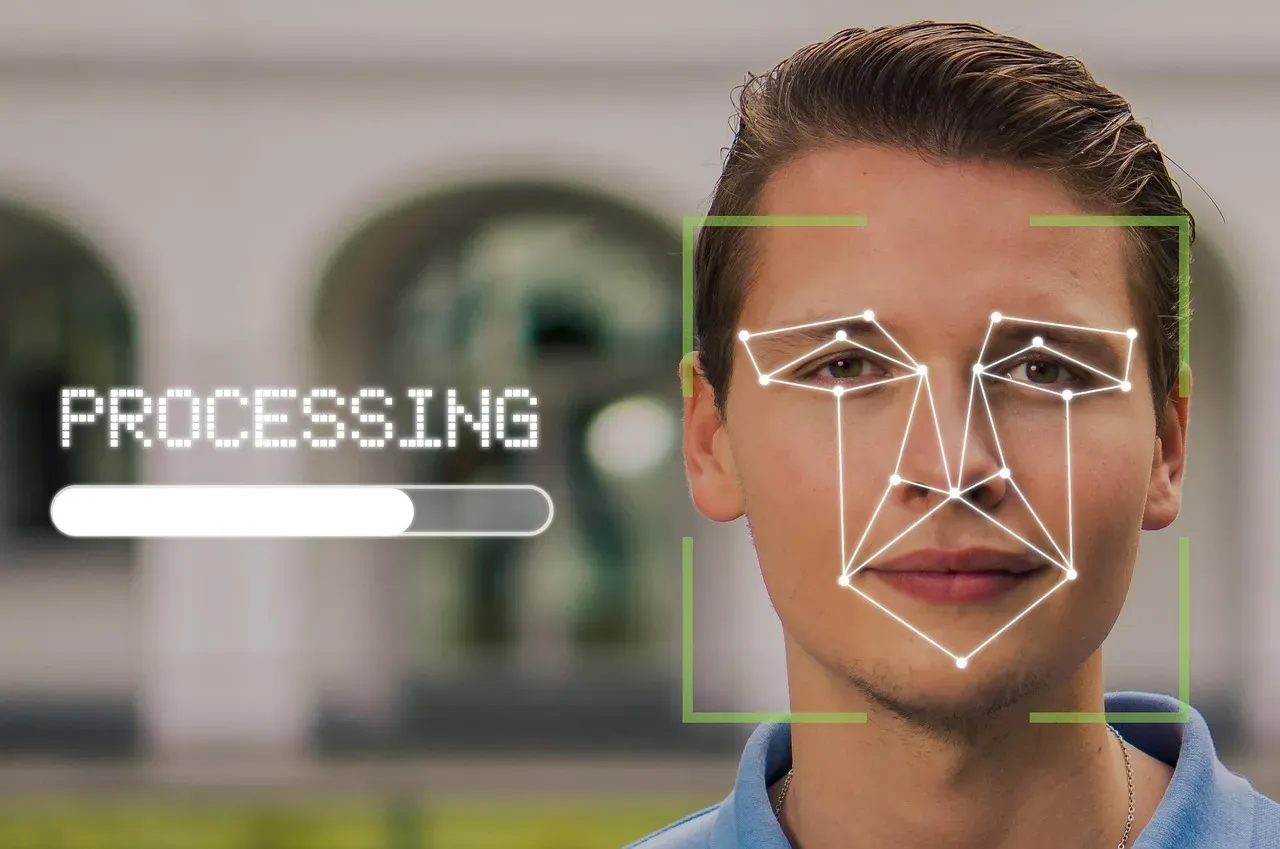
Security remains a top concern at large-scale events. Biometric entry systems, including facial recognition and fingerprint scanning, are being tested and deployed to speed up entry while maintaining safety. These systems can verify identity in seconds, reducing bottlenecks at venue gates.
Privacy advocates have raised concerns about data storage and surveillance, and the conversation is far from settled. Venues argue the technology enhances safety and improves the fan experience by cutting wait times. Critics worry about misuse and the erosion of anonymity.
The technology exists and works efficiently. Whether it becomes standard practice depends on how venues address legitimate privacy concerns and earn public trust.