Something’s shifted in the way we gather for music. Over the past few years, festivals have morphed into something beyond just concerts with great lineups. They’re becoming spaces where community, technology, and culture collide in ways that feel more intentional, more immersive, and honestly, more transformative than ever before.
The landscape of music festival events is evolving rapidly, shaped by shifting consumer preferences and technological advancements. Let’s be real, gone are the days when showing up, watching a few bands, and heading home felt like enough. Now, these gatherings are being redesigned from the ground up to offer something deeper – connection, exploration, and experiences that linger long after the last encore.
The Economic Powerhouse Behind the Music
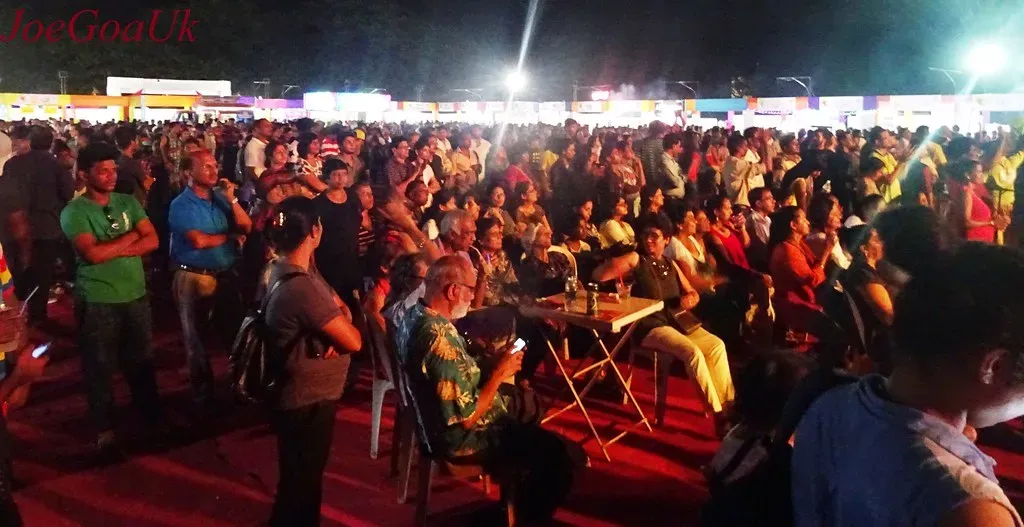
Music festivals aren’t just cultural moments anymore. They’re economic engines that fuel entire regions. Summerfest in Milwaukee holds the Guinness World Record for the largest annual music festival attendance in the US with over 800,000 visitors yearly. Think about that for a second – nearly a million people converging on one city for music.
The ripple effects are massive. Hotels fill up, restaurants get slammed, local vendors thrive. Summerfest alone generated over $280 million in economic impact in 2023 according to Milwaukee Journal Sentinel Economic Reports. The music festival market saw growth from $2.57 billion in 2024 to $3.04 billion in 2025, indicating a compound annual growth rate of 18.1%. These aren’t just parties – they’re strategic investments in local economies and cultural infrastructure.
Building Communities That Extend Beyond the Festival Grounds
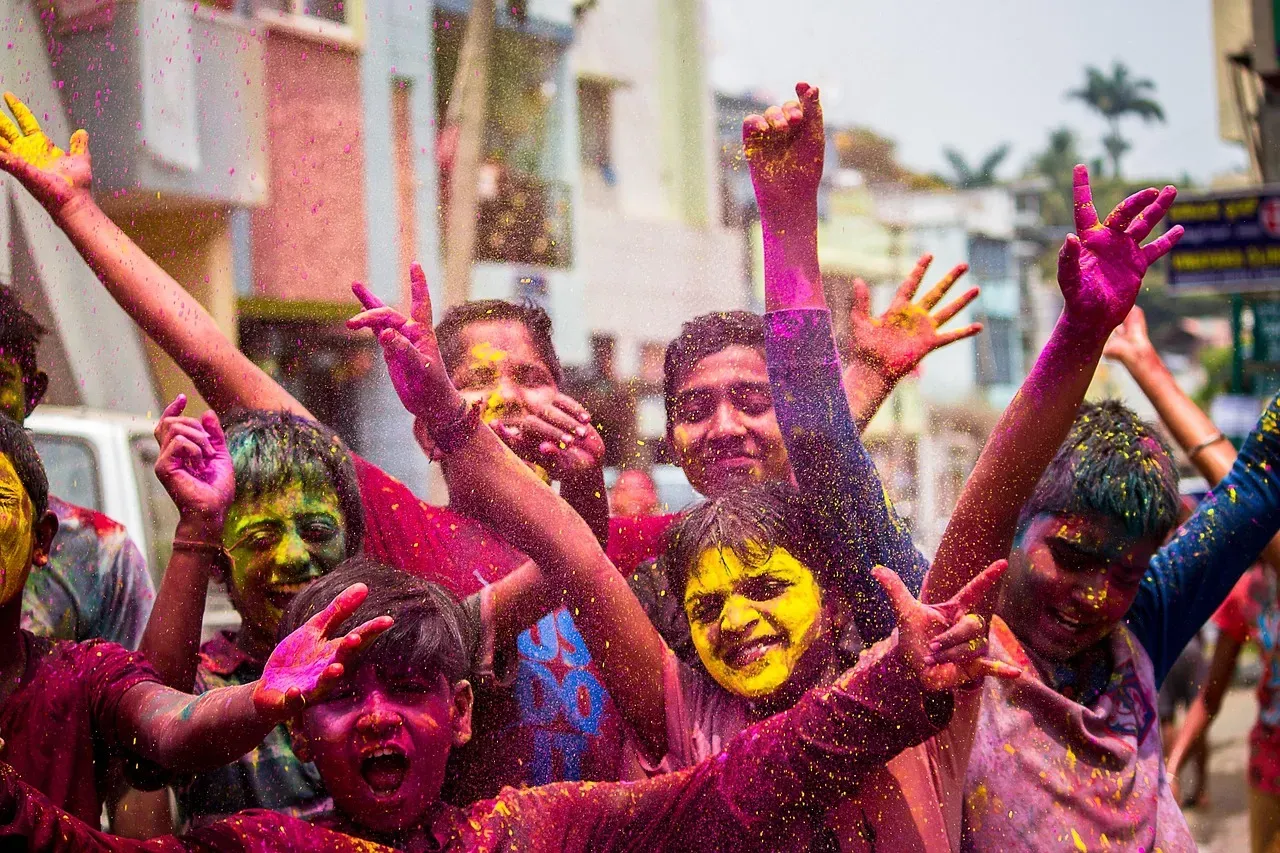
Here’s where it gets interesting. Festivals used to be ephemeral – you went, you experienced it, and then it was over. Not anymore. Digital platforms like Spotify and TikTok have turned festivals into year-round communities. According to 2024 trend reports from Spotify and TikTok, festival hashtags and collaborative playlists boost fan engagement throughout the entire year, not just during the event itself.
People are connecting over shared lineups months before the gates even open. They’re building friendships, planning meetups, creating content. Roughly three quarters of festival attendees say they have made new friends at festivals. The social fabric of these gatherings now stretches far beyond the physical space, creating bonds that matter.
Immersive Experiences That Go Way Beyond Music
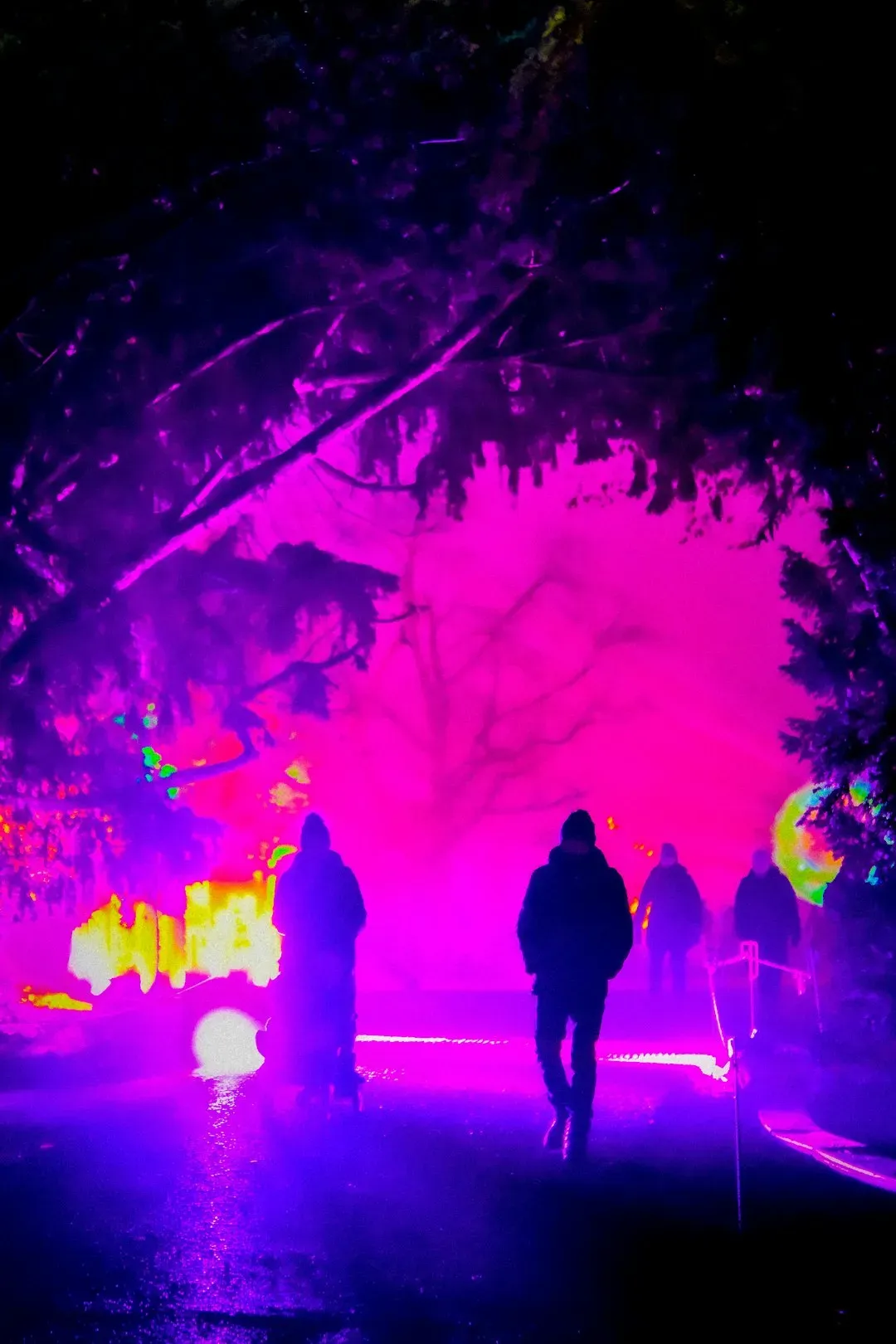
If you’ve been to a major festival recently, you’ve probably noticed the shift. Art installations, VR lounges, interactive sculptures – these aren’t just decorative afterthoughts. They’re central to the experience. Festivals now diversify offerings by expanding beyond music to include art installations, wellness activities, and interactive experiences, while implementing virtual reality and augmented reality elements to enhance the festival experience.
By 2025, many festivals had fully embraced this approach according to Music Festival Industry Reports. Coachella introduced an AR-enhanced stage show called “The Antarctic,” which used projection mapping technology to create an immersive, 360-degree experience, and VR can be used to create interactive art installations designed to reflect the festival’s theme. These additions encourage attendees to explore, wander, and discover – transforming passive listening into active participation.
Hybrid Events Blur the Lines Between Physical and Virtual
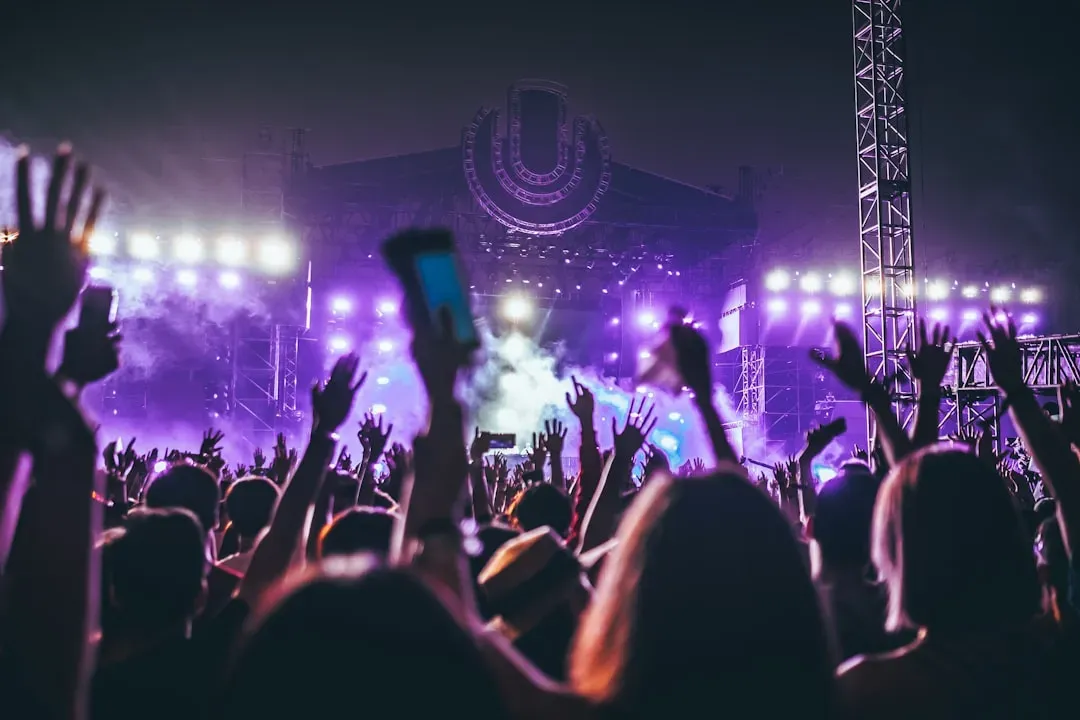
The pandemic forced a reckoning, and what emerged was something unexpectedly powerful: hybrid festival formats. Festivals now offer both in-person and virtual attendance options, expanding reach and accessibility. Coachella and Lollapalooza began livestreaming portions of their sets between 2023 and 2025, as reported by Billboard Festival Coverage.
I know it sounds crazy, but this isn’t a compromise – it’s an expansion. Fans who can’t afford tickets or travel can still feel part of the moment. During one virtual event, 10,000 people watched through VR headsets and more than 4 million tuned in as Beatport streamed the event on YouTube. Festivals are no longer bound by geography. They’re becoming global conversations.
Mental Well-Being and Social Connection Take Center Stage
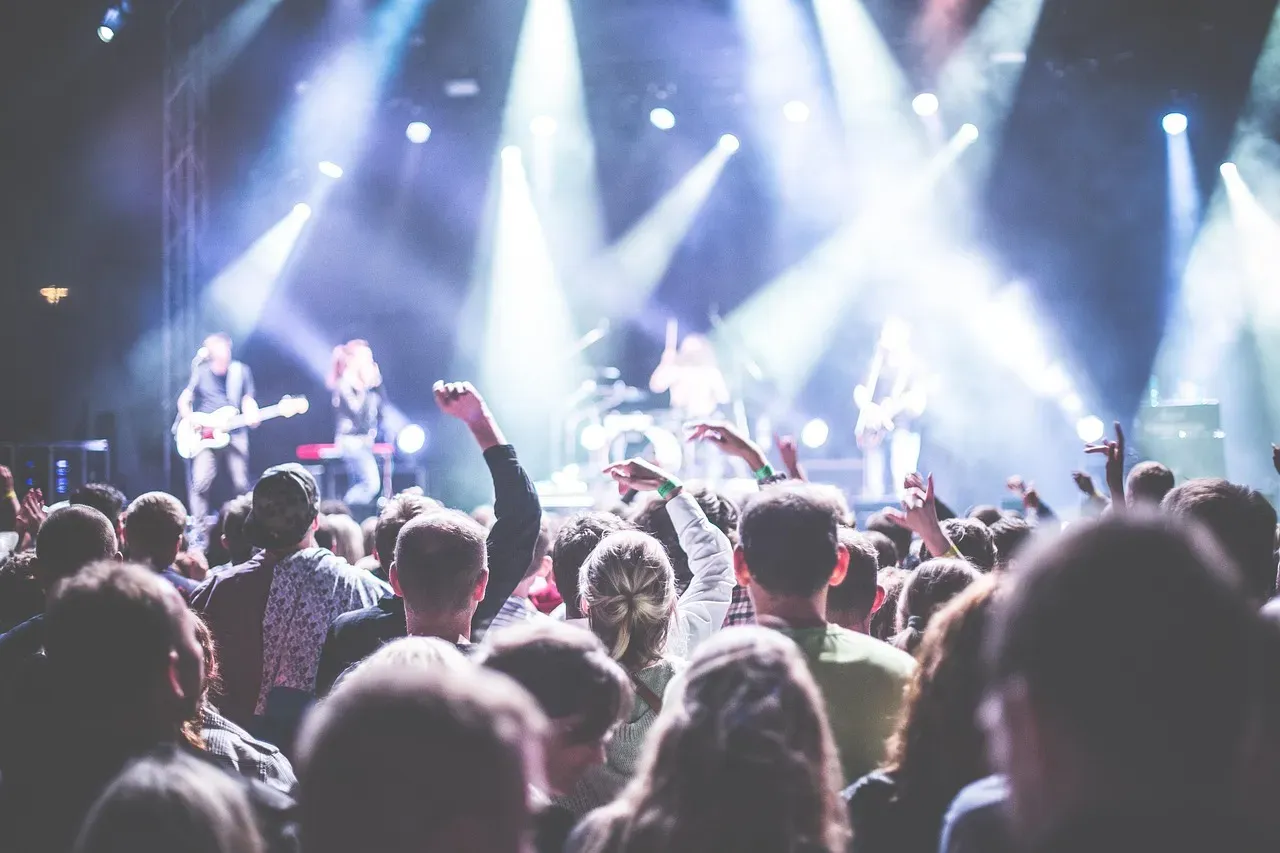
Let’s talk about something that doesn’t get enough attention: the emotional impact of these gatherings. A 2025 study in the Journal of Event and Festival Management found that attendees report higher levels of social connection and mental well-being after multi-day music festivals. That’s not anecdotal – it’s measurable.
Over three quarters of festival-goers in Germany reported that attending festivals positively impacts their mental health. Festivals are becoming sanctuaries from the stress and isolation of modern life. Wellness activities and mental health support are becoming integral parts of music festivals, catering to attendees’ holistic needs. It’s hard to say for sure, but maybe we’re witnessing a cultural shift where prioritize emotional nourishment as much as entertainment.
Sustainability as a Core Value, Not an Afterthought
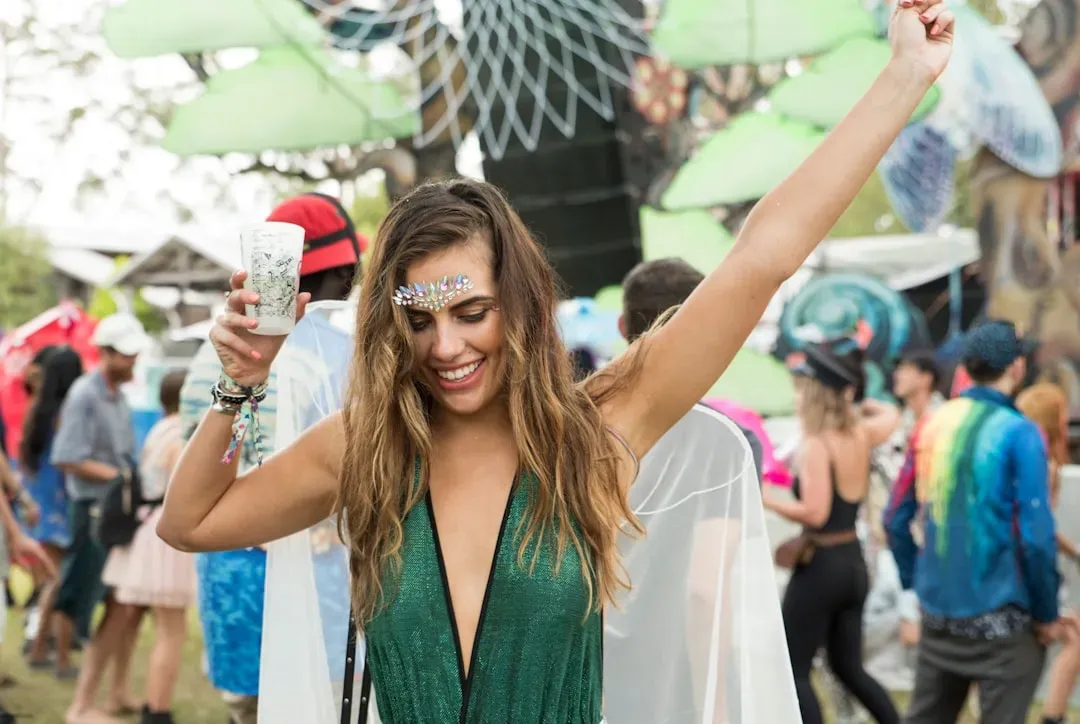
Roughly three fifths of festivals adopted eco-friendly initiatives in 2023, focusing on sustainability and reducing carbon footprint. Attendees aren’t just asking for greener festivals – they’re demanding them. Sustainability initiatives and eco-friendly practices are increasingly important, with around two thirds of attendees favouring nature-connected events.
From water refill stations cutting plastic waste to carbon offset programs, festivals are being redesigned with the planet in mind. Water refill stations have reduced single-use plastic bottle usage by roughly two fifths at participating festivals. This isn’t just marketing – it’s a fundamental reimagining of what it means to gather responsibly. The days of throwaway culture at festivals are fading fast, and that feels like progress.
What started as simple gatherings around live music has evolved into something far more complex and meaningful. In 2024, the JamBase database records 2,184 music festivals – a testament to the revival and expansion of live music post-pandemic, with the flourishing demonstrated by 45,522 artists gracing stages worldwide. These aren’t just numbers. They represent millions of people choosing to come together, to connect, to experience something beyond their everyday lives.
Music festivals are redefining what can be – economically powerful, technologically innovative, emotionally restorative, and environmentally conscious. They’re becoming blueprints for how we might gather in the future, blending the physical and digital, the individual and collective, the celebration and the cause. What do you think about this transformation? Have you noticed these shifts at festivals you’ve attended?