The Stage Crew: Masters of the Impossible
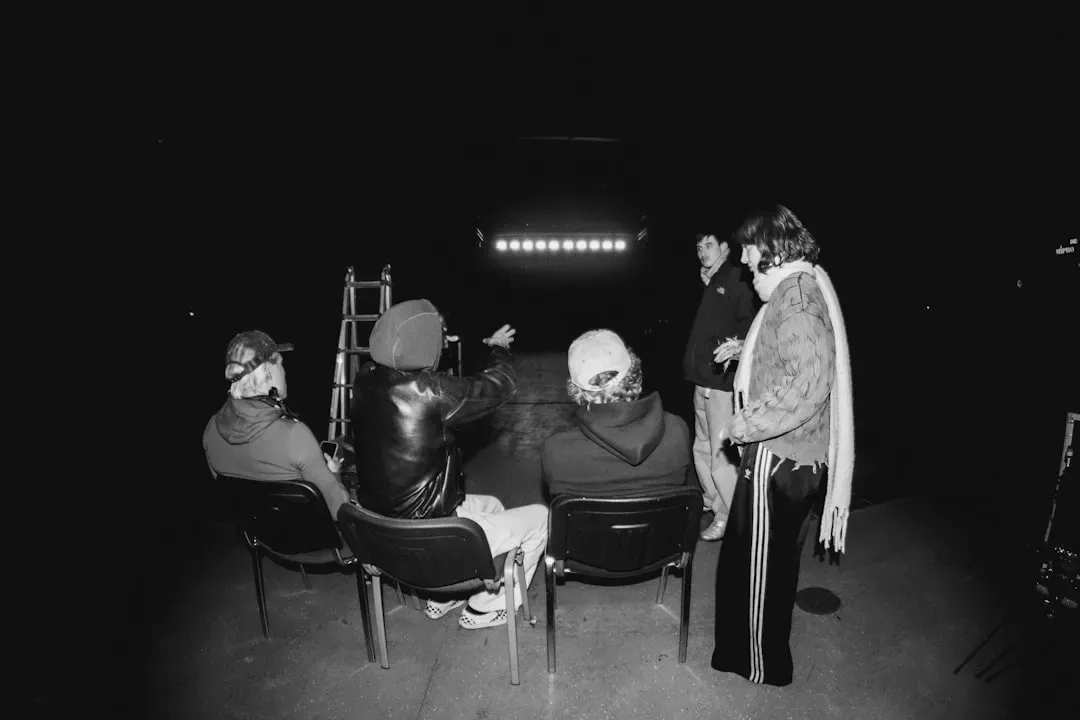
Stage crew members form the undisputed backbone of the production team, responsible for loading in and out of shows, constructing and maintaining scenery, and running show plots. These workers often operate in complete darkness before dawn and long after the final encore has ended. On festivals there will often be two or three stage techs that deal with the fast turnarounds. The pressure to execute flawless transitions between acts demands precision and experience. Stage techs should be organized and provide faultless patching and changeovers.
Sound Engineers: Architects of the Auditory Experience
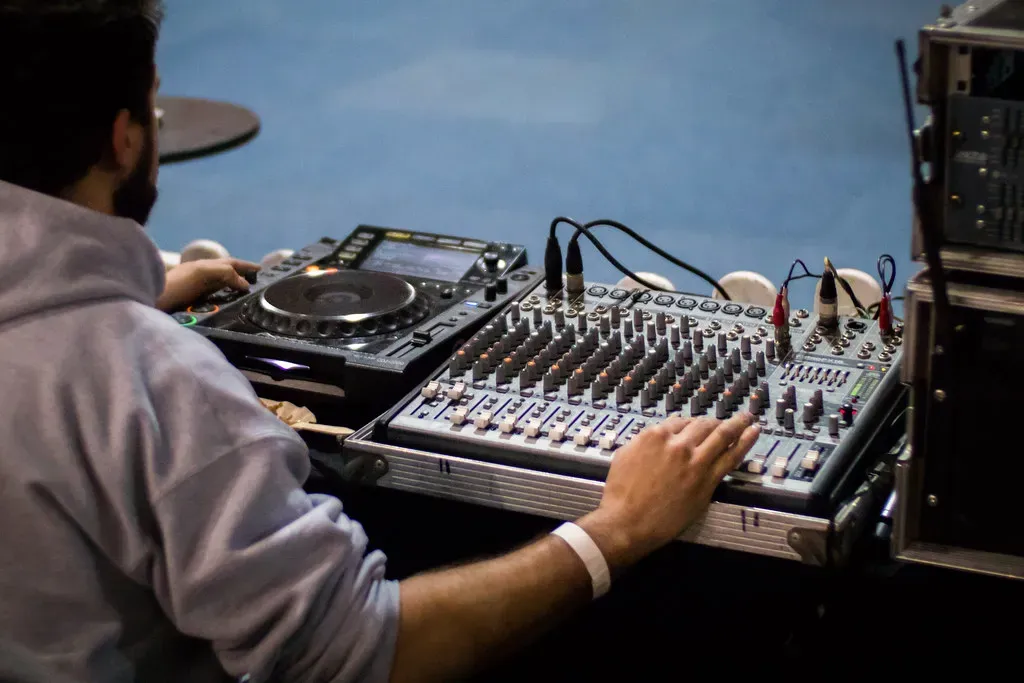
System engineers are responsible for installing the sound system and setting eq and time alignment, and should have solid technical education and hands on experience and knowledge. There is a high demand for experienced system engineers. The complexity of this role extends beyond mere technical competence. Their responsibilities include setting up the technical equipment needed for amplifying, enhancing, recording, and mixing live sound, and they also maintain the equipment throughout the event and then tear down after.
Security Teams: The Invisible Shield
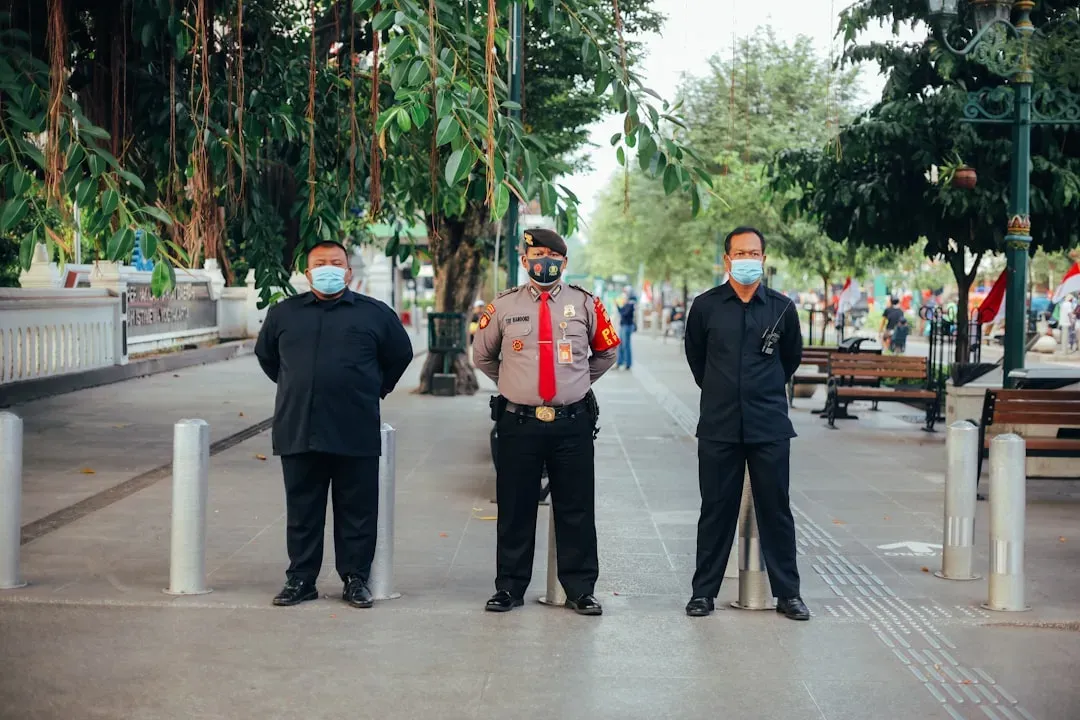
In 2022, nearly 35% of festival organizers reported security-related incidents. Security personnel work tirelessly to create safe environments where attendees can focus solely on the music. Major music festivals of 50,000+ attendees often involve hundreds of security personnel divided into teams, with multiple agencies coordinating efforts, and the famous Glastonbury Festival employs a multi-tier security operation that includes professional security firms, on-site police and emergency services, and teams of volunteer stewards. Patrol units typically work in pairs or small groups, especially after dark or in less crowded areas, to enhance safety and effectiveness, and communication is constant as guards radio in their status and any observations as they move through their assigned routes.
Medical Staff: Frontline Healthcare Warriors

Established at Glastonbury Festival in 1979, Festival Medical Services is now one of the UK’s most experienced and respected event medical providers, with 1,500 volunteer clinicians and support staff delivering high-quality on-site care, reducing pressure on local NHS services, and they partner with Ambulance Services and NHS hospitals to prevent local service overload and ensure the best patient outcomes. Medical staff are trained to respond quickly to emergencies, including injuries, heat-related illnesses, and drug overdoses, and they assess the situation, provide immediate care, and determine if further medical intervention is necessary. The work these teams perform often goes unnoticed until someone desperately needs them.
The Production Team: Coordinating Chaos Into Symphony
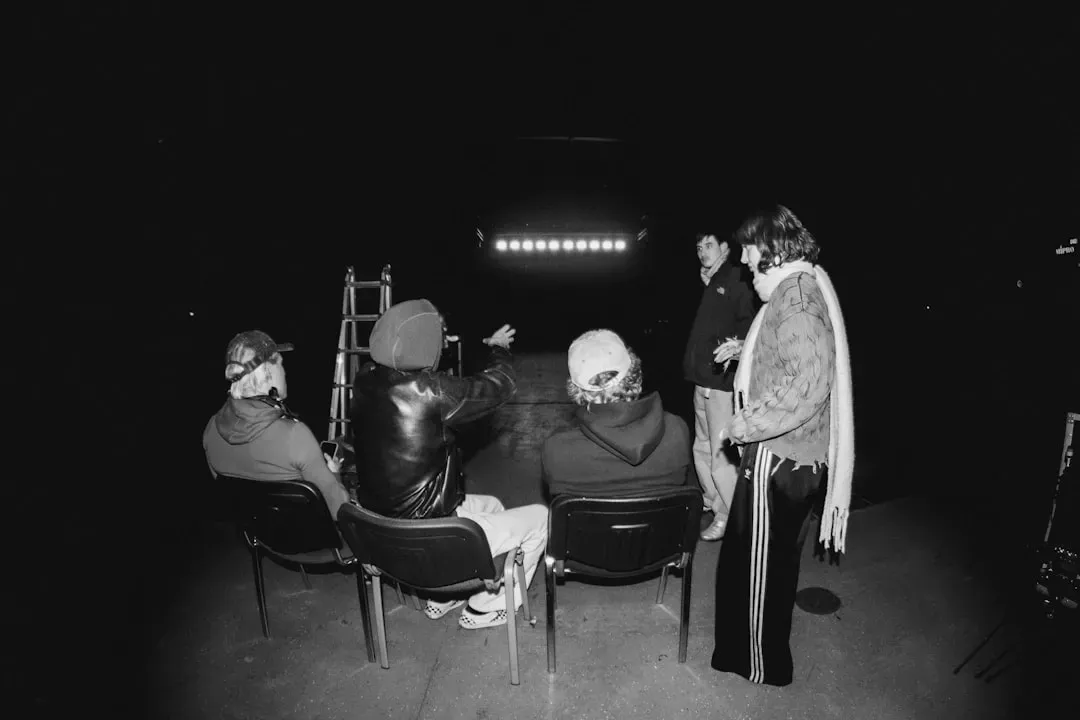
The production office will have responsibility for procuring and delivering equipment as well as negotiating with suppliers on price and contracts, and this could include anything from the stage backline equipment to toilet facilities and perimeter fencing. The production office must coordinate with all other festival functions to ensure smooth and efficient running of the event, and they work closely with on-site technical engineers for any equipment installation and ensure that any health and safety regulations are complied with. The hours are punishing and the stakes impossibly high. A team of people including a stage manager, production manager, venue rep, promoter rep, tour manager, hospitality manager, artist relations manager and office manager all work together with the artist at various levels of scope, and for smaller events, many of these roles can be combined.
The Volunteer Army: Passion Made Visible
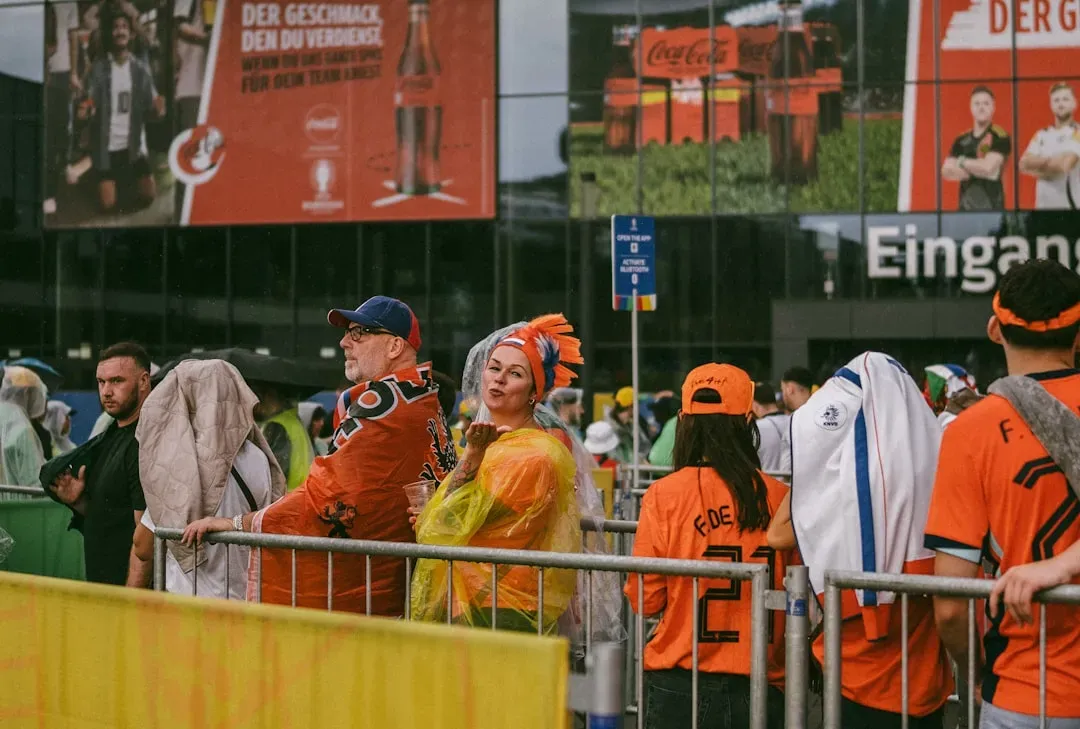
In Australia, 26% of festival staff are unpaid volunteers. Sometimes for the sake of being part of a festival, sometimes in exchange for a ticket but hundreds of enthusiastic volunteers are always necessary to keep the festival rolling. Volunteers have long been the unsung heroes of festivals, handling ticket scanning, info booths, clean-up, and more in exchange for a free pass or the love of the event. These individuals sacrifice sleep and comfort for the opportunity to be part of something larger than themselves.
The Harsh Realities Behind Festival Work

A 2024 report from not-for-profit organisation CrewCare surveyed 292 members and found 45% of crew reported working excessive hours, while 53% said their hours prevented a healthy work-life balance, and it found 47% of respondents relied on income earned outside the industry just to make ends meet. At one major U.S. festival in 2025, insufficient gate and traffic staff contributed to huge entry bottlenecks with some attendees stuck 12 hours. According to the Event Industry Council, a striking 89% of event professionals say staffing shortages directly impacted their events in 2024–2025, and with nearly nine in ten event organizers feeling the effects of understaffing, investing in competitive compensation has become crucial to attract talent in 2026’s tight labor market.
The next time you stand in a crowd watching your favorite artist perform, take a moment to consider the hundreds of invisible hands that made that moment possible. These workers arrive days before you do and leave days after you’ve gone home, often working sixteen-hour shifts in extreme conditions. They’re the reason the sound is perfect, the stage transitions are seamless, and you get home safely. Without them, there would be no festival magic at all.