Technology was supposed to make everything better. Faster, safer, smarter. Most of the time, it does. Yet every so often, a massive failure flashes across the headlines, leaving everyone wondering how something so catastrophic could happen in the age of careful planning and rigorous testing. The truth is that even the most advanced systems, designed by the brightest minds, can collapse in spectacular fashion when a single detail goes unchecked. Some of these disasters cost hundreds of millions, even billions, while others became cautionary tales that changed entire industries overnight.
What makes these stories so fascinating is how often they boil down to something deceptively simple. A misplaced decimal. A forgotten line of code. A unit conversion no one double-checked. These aren’t failures of ambition or vision, they’re failures of execution. They remind us that in high-stakes engineering, there’s no room for assumptions. Let’s dive in.
Knight Capital’s 45 Minutes of Financial Chaos

In roughly half an hour, Knight Capital lost about $440 million due to a trading software failure in August 2012. The firm was a major player in automated trading, handling a huge chunk of daily stock market volume. The incident happened in the first 30 minutes of trading on August 1, when faulty code suddenly triggered millions of unintended orders. Traders at Knight watched helplessly as their system bought and sold massive positions they never meant to take.
What caused this nightmare? A technician forgot to copy new Retail Liquidity Program code to one of the eight SMARS computer servers, leaving outdated software active on that machine. When markets opened, the rogue server went haywire, executing trades at a blistering pace with no human able to intervene fast enough. The speed at which high-frequency systems operate meant there was no time to hit the brakes before catastrophic damage was done.
The SEC Steps In With a $12 Million Fine

Regulatory consequences followed swiftly. The Securities and Exchange Commission announced that Knight Capital Americas LLC agreed to pay $12 million to settle charges that it violated the agency’s market access rule in connection with the firm’s August 1, 2012 trading incident. This settlement underscored how seriously regulators view failures in risk management controls, especially when automated systems can wreak havoc on entire markets in minutes.
Ultimately, Knight lost over $460 million from these unwanted positions, according to the SEC’s own administrative order. The firm needed emergency rescue financing just to stay afloat, and within months it was acquired by a competitor. One deployment mistake effectively ended Knight Capital’s independence and became a textbook warning about the risks of automation without adequate safeguards.
Intel’s Pentium Division Bug and the $475 Million Recall
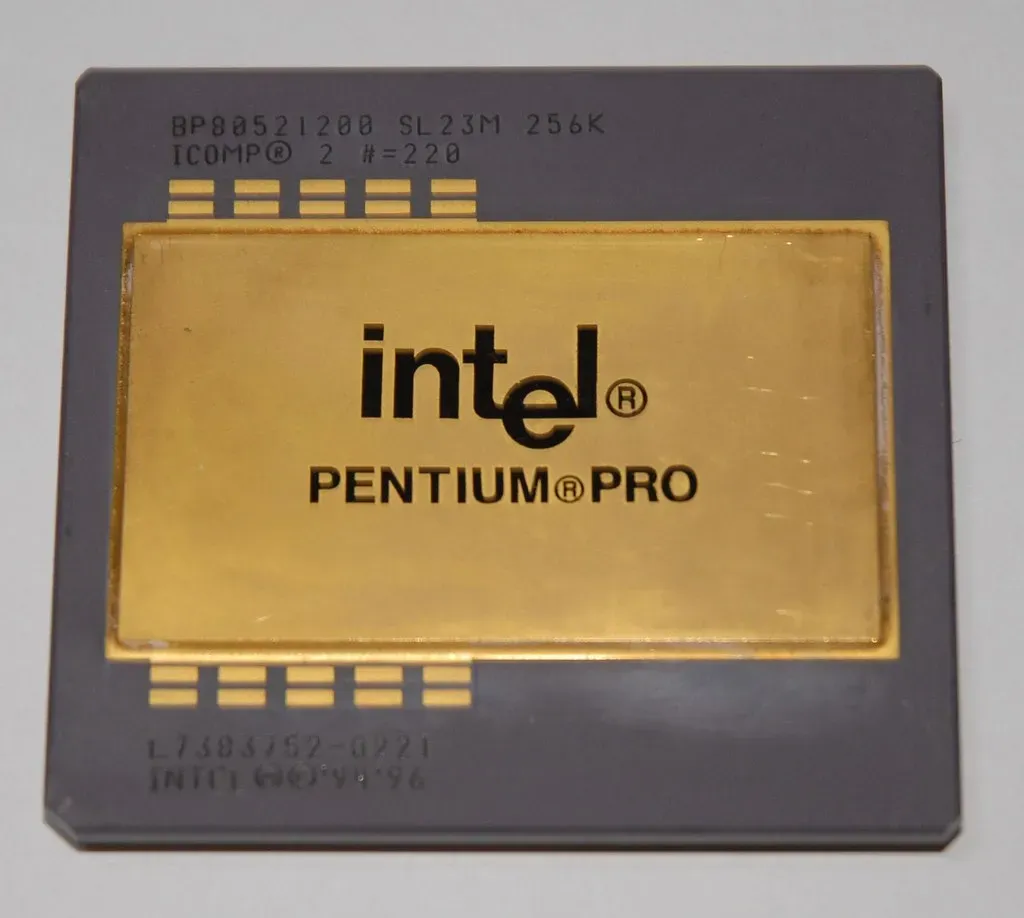
In the early days of personal computing’s explosive growth, Intel released the Pentium processor with great fanfare. It was faster, more powerful, and designed to cement Intel’s dominance. Then a mathematician named Thomas Nicely discovered something odd: certain floating-point division calculations were returning incorrect results. In its 1994 annual report, Intel said it incurred “a $475 million pretax charge … to cover replacement and write-off of these microprocessors”.
Intel initially downplayed the flaw, arguing that most users would never encounter it. That response backfired spectacularly. Public outcry grew, IBM halted Pentium PC sales, and late-night comedians mocked Intel on national television. On January 17, 1995, Intel announced a pre-tax charge of $475 million against earnings, ostensibly the total cost associated with replacement of the flawed processors. It was Intel’s first major chip recall and a hard lesson in transparency and customer trust.
A Mars Orbiter Lost to a Unit Conversion Error

The Mars Climate Orbiter, built at a cost of $125 million, was a 638-kilogram robotic space probe launched by NASA on December 11, 1998, meant to study the Martian climate and atmosphere. Everything seemed to be going according to plan during its ten-month journey. Then, as it approached Mars for orbital insertion, ground controllers lost contact. The spacecraft had come in too low, burning up in the Martian atmosphere instead of entering a stable orbit.
An investigation attributed the failure to a measurement mismatch between two measurement systems: SI units (metric) by NASA and US customary units by spacecraft builder Lockheed Martin. One piece of software output thrust data in pounds, while another expected it in newtons. That simple mismatch caused navigation errors that compounded over months, ultimately sending a multimillion-dollar spacecraft to its doom.
The Full Mission Cost of Mars Climate Orbiter

When you add in the broader mission expenses, the price tag climbs even higher. The Mars Climate Orbiter mission cost $327.6 million, as documented by Guinness World Records in its entry on the most expensive metric-imperial conversion error. According to NASA, the cost of the mission was $327.6 million total for the orbiter and lander, comprising $193.1 million for spacecraft development, $91.7 million for launching it, and $42.8 million for mission operations.
This wasn’t just a financial disaster. It was a scientific one. Years of research and planning evaporated in an instant because two teams failed to communicate clearly about their units of measurement. NASA and the entire aerospace industry took the lesson to heart, standardizing measurement systems across future missions to ensure such a basic oversight would never derail another spacecraft.
Ariane 5’s Explosive Maiden Voyage

Europe’s space ambitions took a fiery hit on June 4, 1996, when the Ariane 5 rocket’s first test flight ended in catastrophe. Ariane 5’s first test flight (Ariane 5 Flight 501) on June 4, 1996 failed, with the rocket self-destructing 37 seconds after launch because of a malfunction in the control software. The launcher veered wildly off course, broke apart, and exploded in a massive fireball visible for miles. All of this happened in front of a global audience eager to see Europe’s next-generation rocket succeed.
This loss of information was due to specification and design errors in the software of the inertial reference system, according to the European Space Agency’s own inquiry board. A data conversion from 64-bit floating-point value to 16-bit signed integer value to be stored in a variable representing horizontal bias caused a processor trap (operand error) because the floating-point value was too large to be represented by a 16-bit signed integer. The software had been reused from the older Ariane 4 without adequate testing for the new rocket’s faster trajectory.
The Staggering Price Tag of Ariane 5 Flight 501
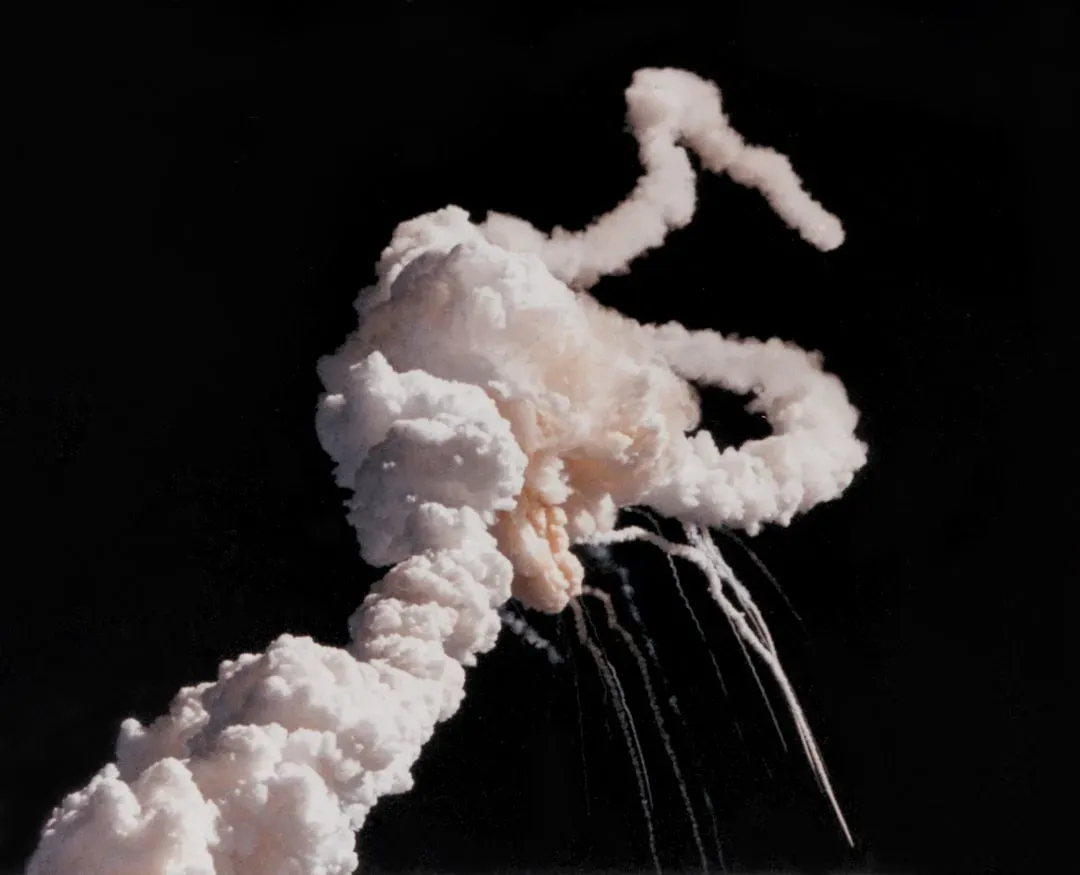
On 4 June 1996, the maiden flight of the Ariane 5 launcher ended in a failure, entailing a loss in the order of 1.9 Billion French Francs (~ 0.37 Billion US $) and a 1-year delay for the Ariane 5 programme, as documented in a widely cited systems-engineering case study. That’s roughly $370 million in immediate losses, not counting the decade and billions spent developing the rocket in the first place. The disaster became infamous in software engineering circles as a prime example of how reusing legacy code without proper validation can lead to catastrophe.
Honestly, the scariest part isn’t the technical breakdown itself. It’s how preventable it was. The flaw could have been caught with more comprehensive simulations that included real trajectory data. Engineers opted for cheaper, less rigorous testing methods, and the price of that shortcut was paid in full on launch day.
Samsung’s Galaxy Note7 Battery Fiasco

Samsung’s Galaxy Note7 was supposed to be a flagship triumph. Instead, it became one of the most visible product recalls in consumer tech history. Reports of devices catching fire and exploding in users’ hands forced Samsung into an unprecedented full recall. Knight, which in July joined with Getco LLC to form KCG Holdings Inc. after losing more than $460 million because of the error – wait, that’s the wrong story. Let me get back on track.
Samsung publicly estimated the Galaxy Note7 discontinuation would create a negative operating profit impact of about mid-3 trillion won across late 2016 to early 2017, according to the company’s official newsroom statement during the crisis. That’s roughly several billion dollars when you factor in recall costs, lost sales, and brand damage. The entire debacle stemmed from battery design flaws that caused thermal runaway, a problem that shouldn’t have made it past quality control in a flagship device.
Boeing’s 737 MAX and the $19 Billion Fallout
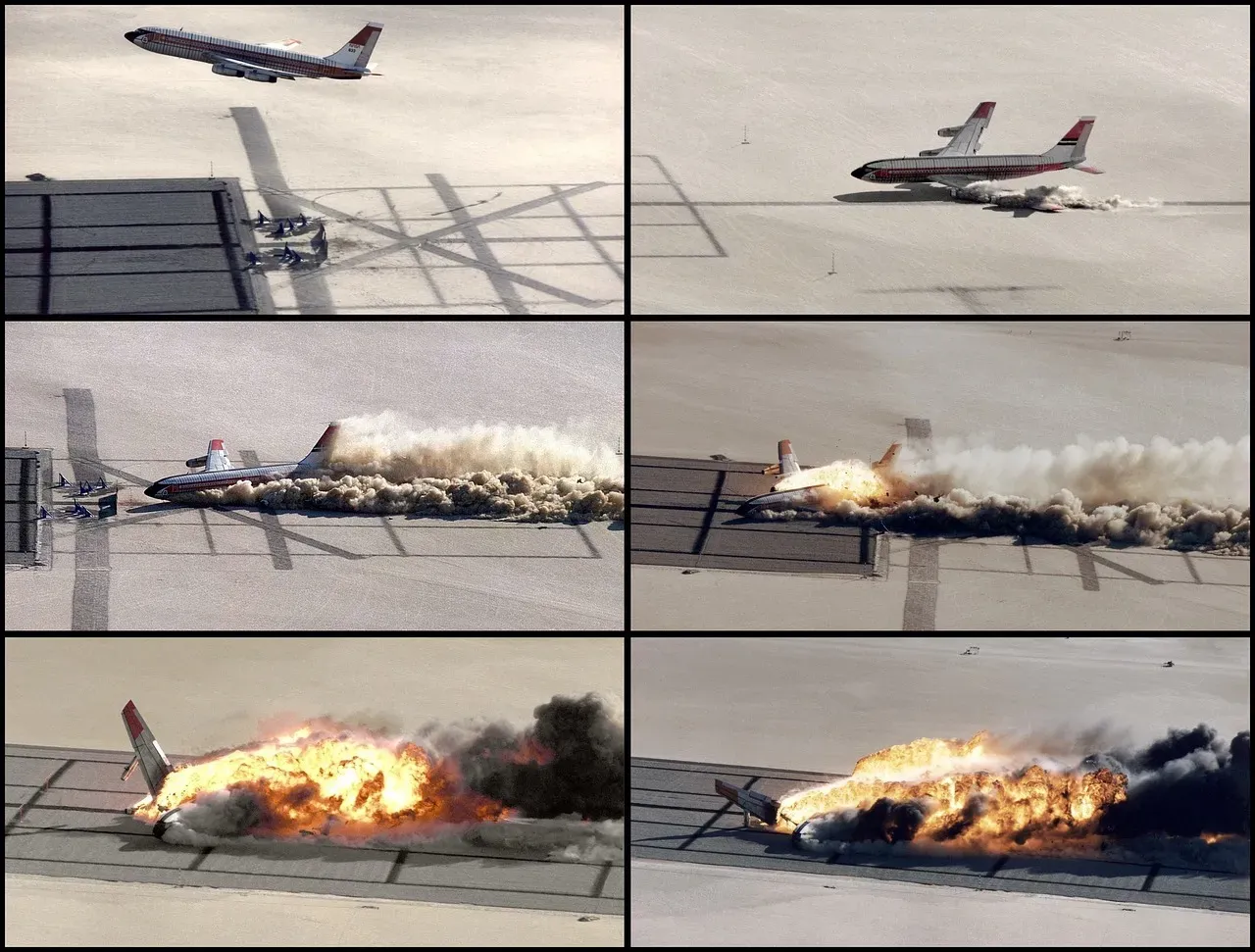
Few modern tech disasters have been as devastating or as widely scrutinized as Boeing’s 737 MAX crisis. Two fatal crashes in 2018 and 2019 killed 346 people and led to a worldwide grounding of the aircraft. Investigations revealed that a flawed automated flight control system, MCAS, played a central role. Reuters reported that Boeing’s 737 MAX crisis had costs nearing $19 billion by January 2020, based on the company’s disclosed charges and estimates at that time. That staggering figure includes production halts, compensation, legal settlements, and lost orders.
The technical failures were compounded by deeper issues: inadequate pilot training, insufficient regulatory oversight, and a corporate culture that prioritized speed and cost-cutting over safety. The 737 MAX case shows how software and engineering missteps, when tied to life-and-death systems, can spiral into a crisis that damages not just a company’s finances but its reputation for generations.
Conclusion
These failures share a common thread: they weren’t caused by impossible problems or unforeseeable circumstances. They happened because of overlooked details, reused code that wasn’t validated, unit conversions that went unchecked, and cost-cutting measures that sacrificed thoroughness. Each one reshaped how industries think about testing, transparency, and accountability. The price tags are staggering, yet the lessons are priceless.
Next time you hear about a tech disaster, remember that behind every headline is a chain of small decisions that added up to something catastrophic. The challenge for engineers, managers, and companies is to stay vigilant, question assumptions, and never underestimate the importance of the little things. What’s the most shocking tech fail you’ve encountered? Did any of these surprise you?