Music shapes us. It defines movements, sparks revolutions, and captures moments that words alone cannot express. Some songs transcend their era and become woven into the national fabric, influencing generations and shifting culture. Here are ten tracks that changed America forever, though whether you agree with this list might spark some heated debate.
The Star-Spangled Banner – Francis Scott Key
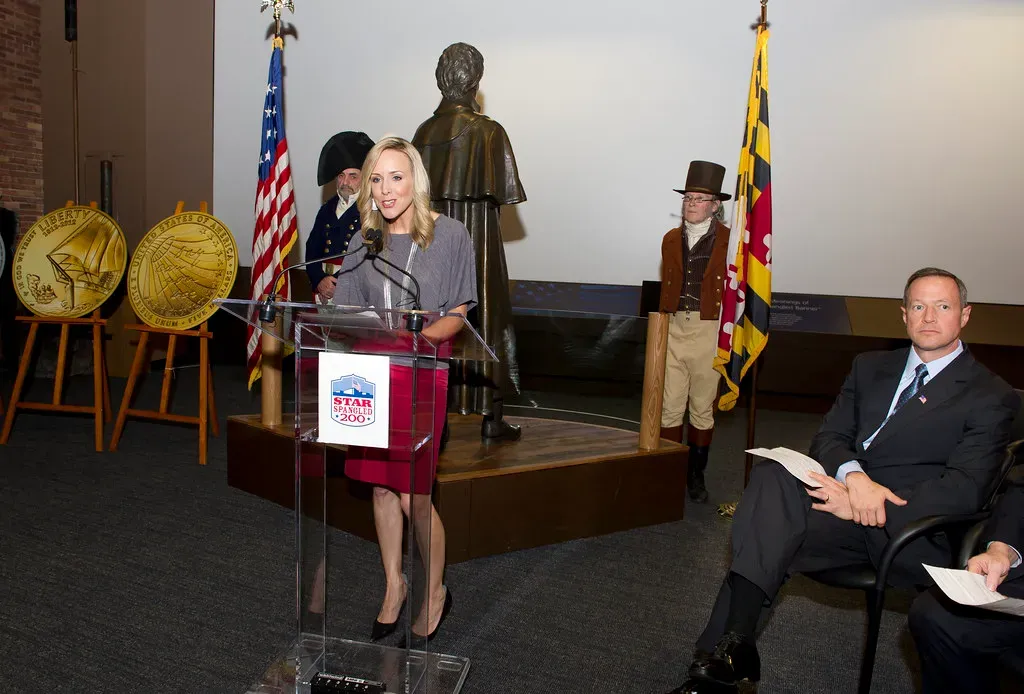
On September 14, 1814, U.S. soldiers at Baltimore’s Fort McHenry raised a huge American flag to celebrate a crucial victory over British forces during the War of 1812, and the sight of those broad stripes and bright stars inspired Francis Scott Key to write a song that eventually became the United States national anthem. What many don’t realize is that Congress passed the bill making it the national anthem, and President Herbert Hoover signed it into law in 1931, meaning it took over a century for the song to achieve its official status. Key’s song became especially popular and a powerful expression of patriotism during the Civil War, with its emotional description of the enduring national flag, which had become the symbol of the still-new nation. A recent poll reports that two-thirds of Americans do not know all the words to the first verse of their own national anthem, which is somewhat ironic considering how frequently we hear it.
Strange Fruit – Billie Holiday
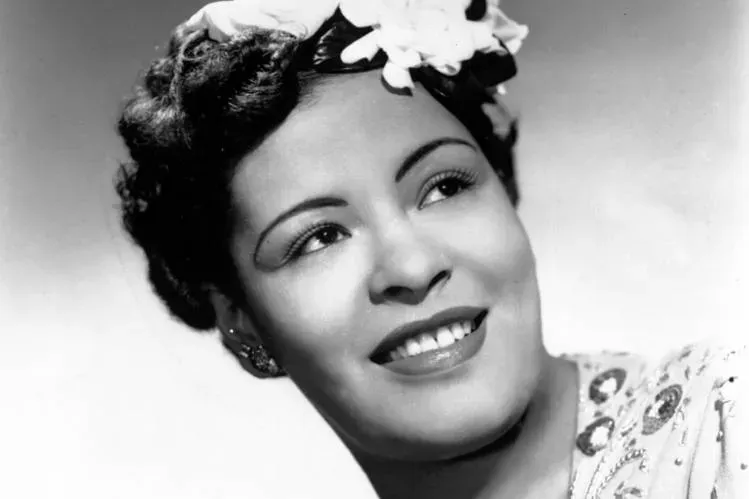
Few songs possess the haunting power of this 1939 recording. The song was written and composed by Abel Meeropol and recorded by Billie Holiday in 1939, with lyrics drawn from a poem by Meeropol published in 1937, protesting the lynching of African Americans with lyrics that compare the victims to the fruit of trees. The song was described as a declaration of war and the beginning of the civil rights movement by Atlantic Records co-founder Ahmet Ertegun.
This was really the first time that, at least in popular music, such a powerful anti-racist stance had been assumed, and it is difficult today to express the risk Billie Holiday took to record the song. Strange Fruit became one of Holiday’s biggest hits and was named song of the century by Time magazine in 1999, and in 2002, the song was added to the Library of Congress’ National Recording Registry for its cultural and historical significance.
Like a Rolling Stone – Bob Dylan
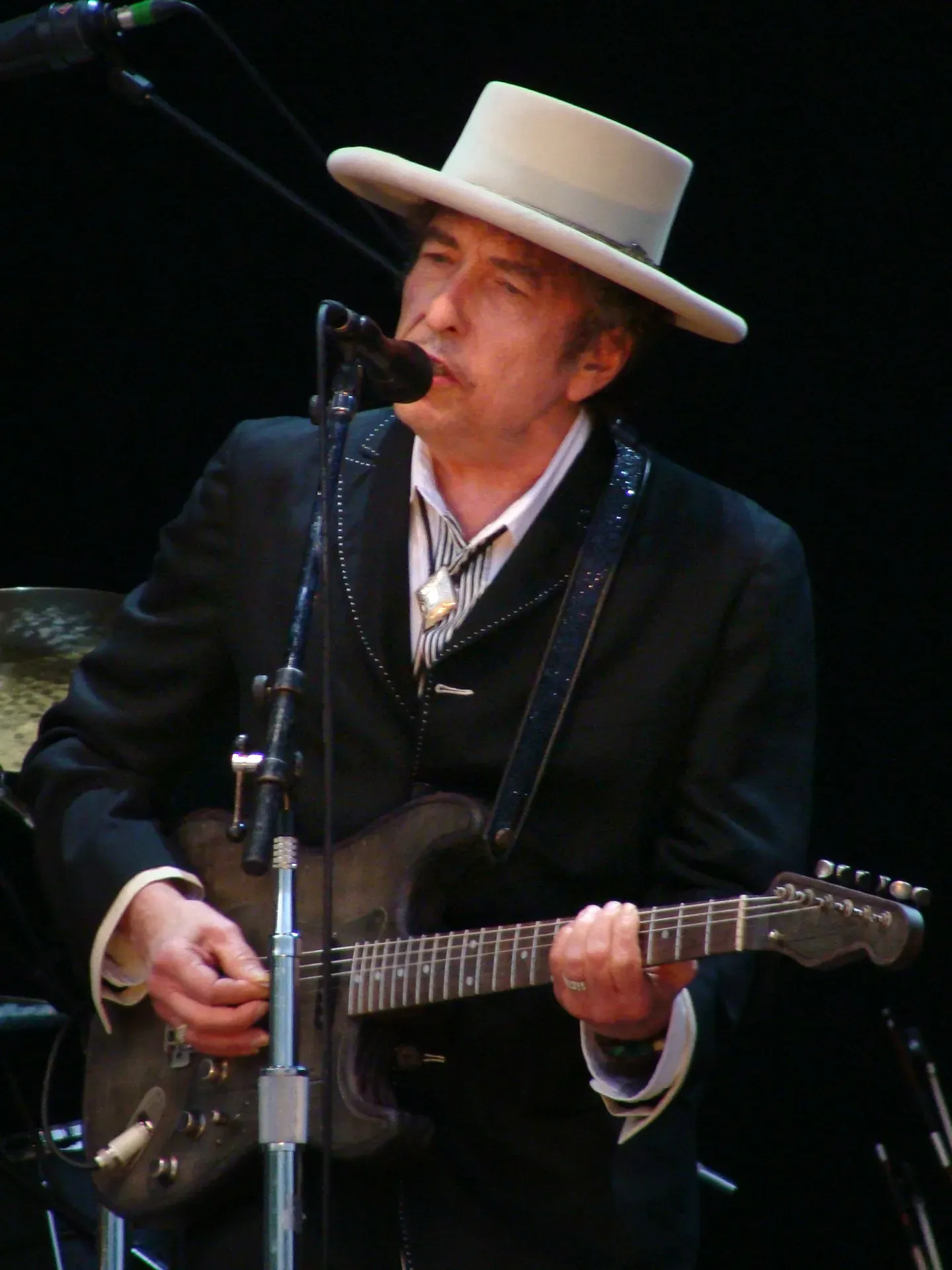
The song by Bob Dylan was released on July 20, 1965, by Columbia Records, with confrontational lyrics that originated in an extended piece of verse Dylan wrote in June 1965 when he returned exhausted from a grueling tour of England, and was recorded as the opening track for the album Highway 61 Revisited. Let’s be real, this six-minute track changed everything about what popular music could be.
The most important impact of Like A Rolling Stone was not commercial but creative, as Rolling Stone magazine wrote in 2004 in naming it the greatest song of all time, stating Dylan transformed popular song with the content and ambition of the track. Bruce Springsteen, who first heard the song when he was 15 years old, said the snare shot sounded like somebody’d kicked open the door to your mind, noting that Dylan had the vision and talent to make a pop song so that it contained the whole world, invented a new way a pop singer could sound, broke through the limitations of what a recording could achieve, and changed the face of rock’n’roll forever.
Respect – Aretha Franklin
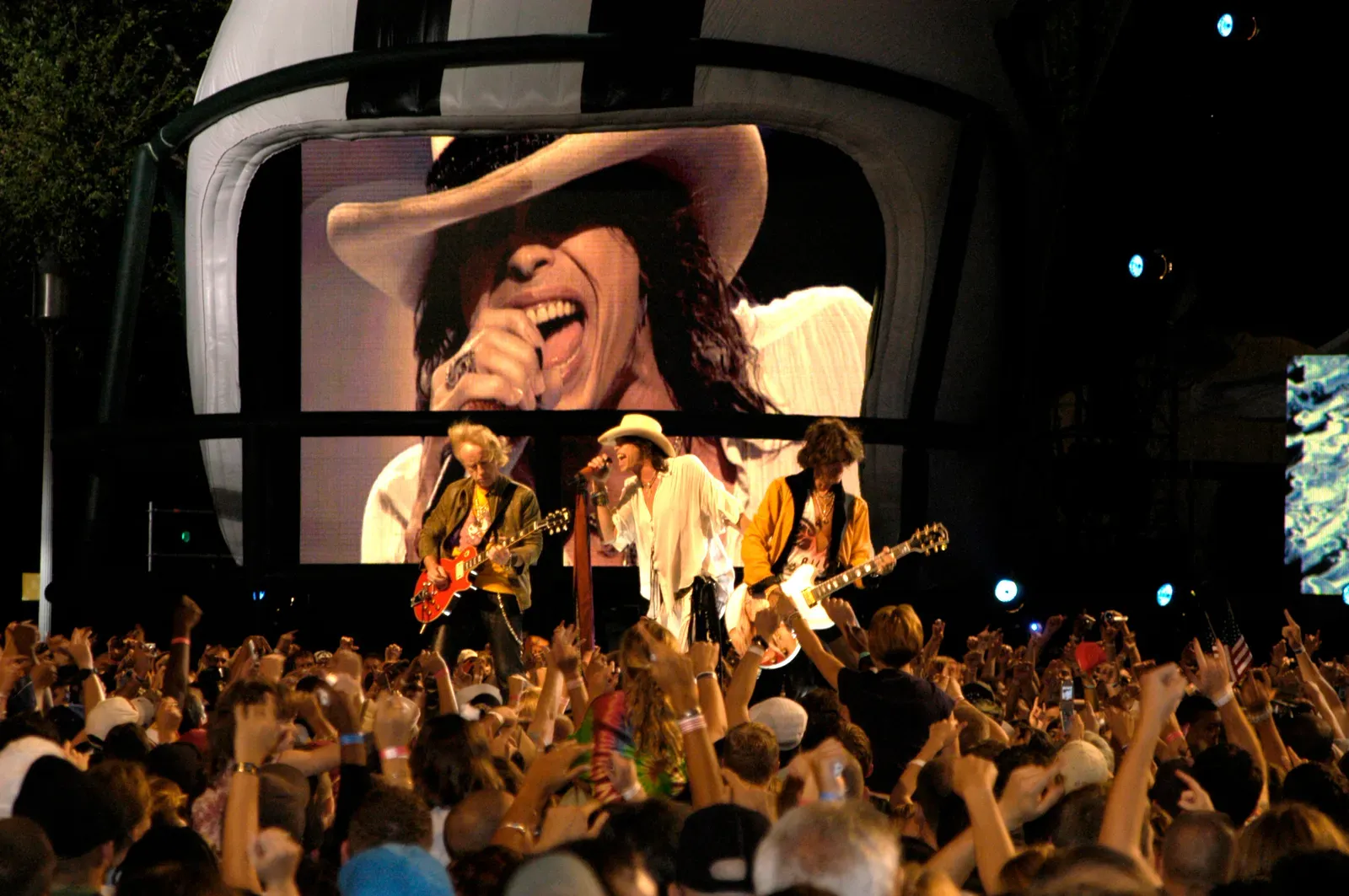
When the then-24-year-old released her rendition of Respect in April 1967, audiences immediately grasped onto the confidence and independent spirit that the song’s empowering sass elicited, and within weeks it flew to No. 1 on the Billboard charts where it reigned for 12 weeks, but more importantly, it quickly became a rallying cry that marginalized groups – especially the civil rights and women’s rights movements – adopted as an anthem.
Originally an Otis Redding song about a working man demanding respect from his wife, Franklin completely flipped the narrative. After Aretha reshaped it, the song took on a universality the original never had, and it is a credit to her genius she was able to do so much with it. In 2021, when The 500 Greatest Songs Of All Time was updated again, Franklin’s cover of Respect was moved up to number 1. The iconic spelling out of R-E-S-P-E-C-T and the addition of her sisters on backup vocals transformed a decent song into an eternal anthem. Producer Wexler said in a Rolling Stone interview that Franklin’s song was global in its influence, with overtones of the civil rights movement and gender equality, and was an appeal for dignity.
A Change Is Gonna Come – Sam Cooke
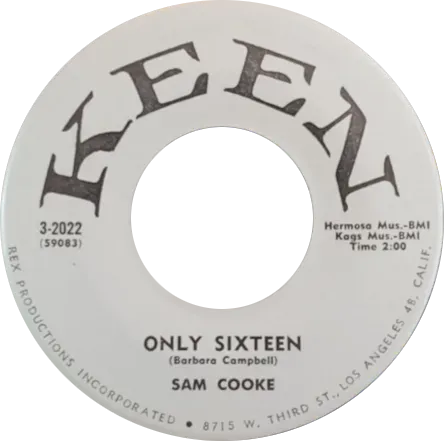
Sam Cooke’s A Change Is Gonna Come is a powerful ballad that emerged during the Civil Rights Movement, with the song’s hopeful message and emotional delivery making it a rallying cry for those fighting for equality, and Cooke’s personal experiences with racism inspired the lyrics, making it a deeply personal and impactful song. This song sung by Sam Cooke in 1964 was all about the Civil Rights Movement, capturing an aura of hopefulness, and Cooke used his powerful vocals to sing for equality and inspire future generations to continue this pursuit.
Honestly, it’s hard to listen to this without feeling something profound. When Cooke heard Bob Dylan’s Blowin’ in the Wind, he became determined to write something similar, and some of the lyrics were inspired by an incident where Cooke and his friends were arrested for disturbing the peace after they were denied room at a motel in Louisiana. The song speaks to patience and perseverance in the face of injustice, qualities America desperately needed during that turbulent era.
What’s Going On – Marvin Gaye
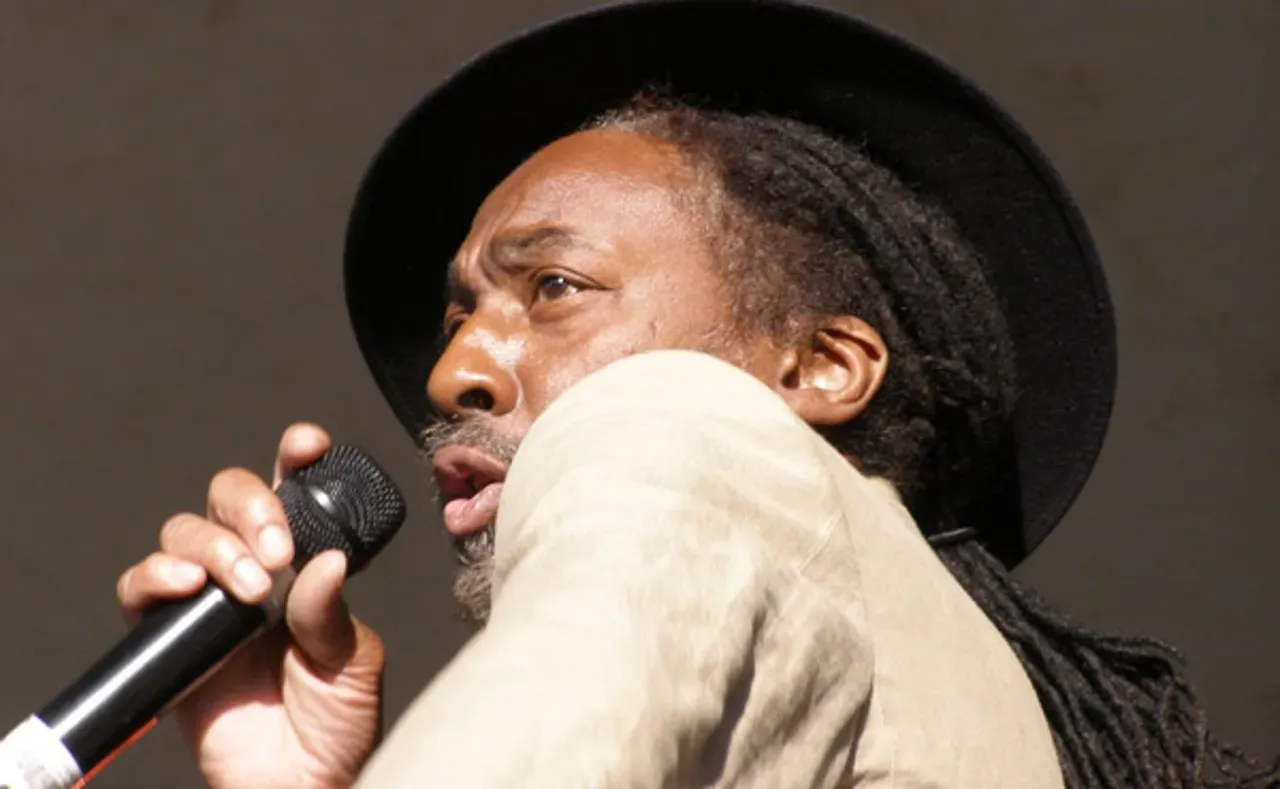
Marvin Gaye’s What’s Going On is a poignant commentary on societal issues such as war, poverty, and injustice, and released in 1971, the song’s smooth melody and thought-provoking lyrics resonate with listeners, urging reflection and action. The track arrived during Vietnam War protests and urban unrest, offering a gentle yet powerful plea for understanding rather than confrontation.
Gaye’s introspective approach to songwriting challenged the status quo, influencing artists to address social issues in their work, and the song’s timeless relevance underscores its impact as a cultural and musical milestone, remaining a powerful reminder of the need for empathy and change. This 1971 song essentially captured a question that was on everyone’s mind, offering poignant commentary on social issues and bringing topics like war and poverty to the forefront, as America is all about fighting for freedom and the liberty to pursue one’s dreams.
This Land Is Your Land – Woody Guthrie
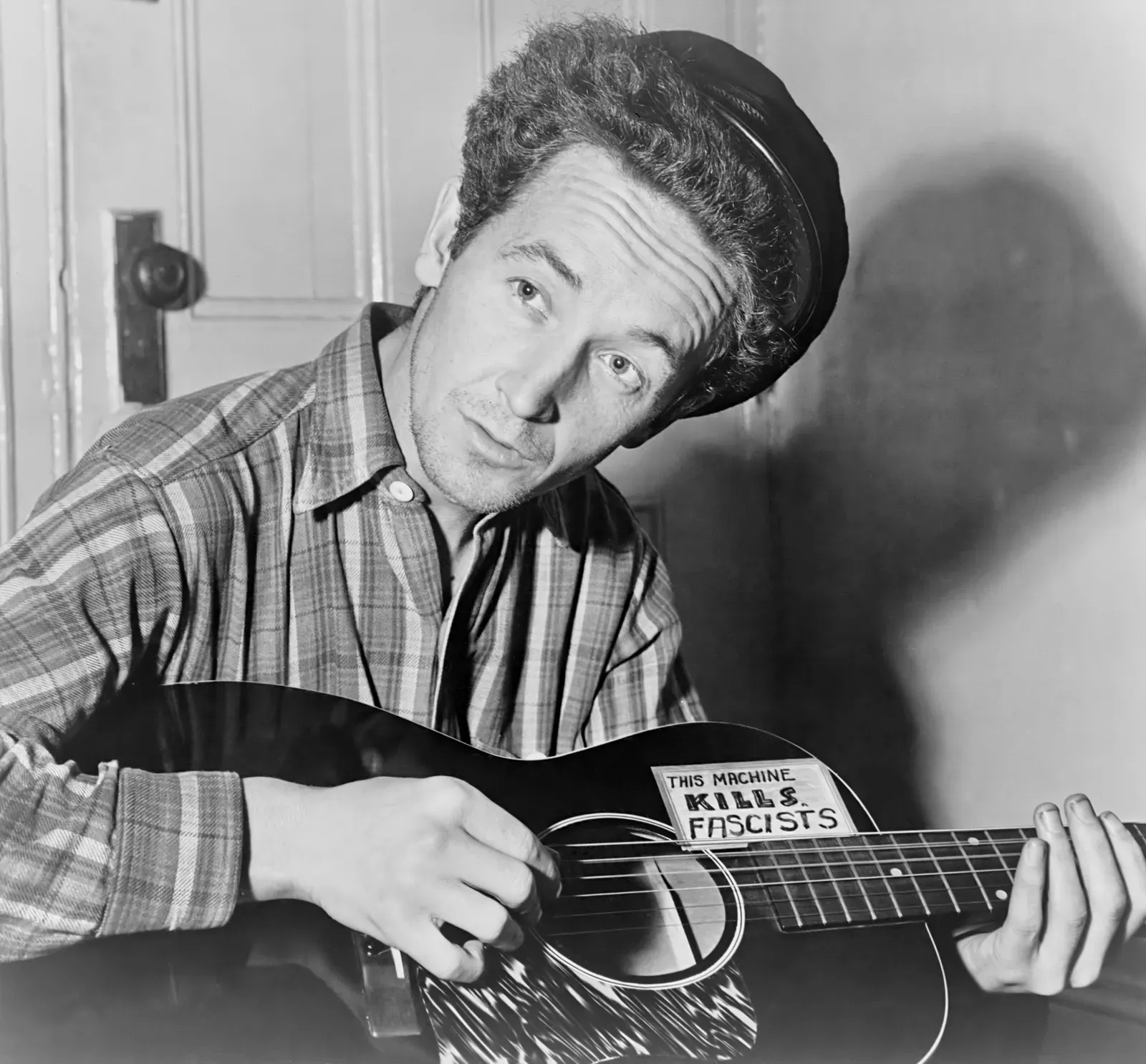
Many Americans mistakenly believe this is just another patriotic sing-along, but Guthrie’s folk anthem contains verses that critique inequality and challenge the notion of American perfection. Written in 1940, the song has become synonymous with American identity, though often the more radical verses get omitted from school performances. This Land Is Your Land described the vast beauty of the American country.
Guthrie’s message of shared ownership and community resonates today, reminding listeners of the power of music to foster change, and its enduring legacy is a testament to its universal appeal and significance. The song walks a fascinating line between celebration and protest, which is probably why it has survived across so many different American contexts.
Johnny B. Goode – Chuck Berry
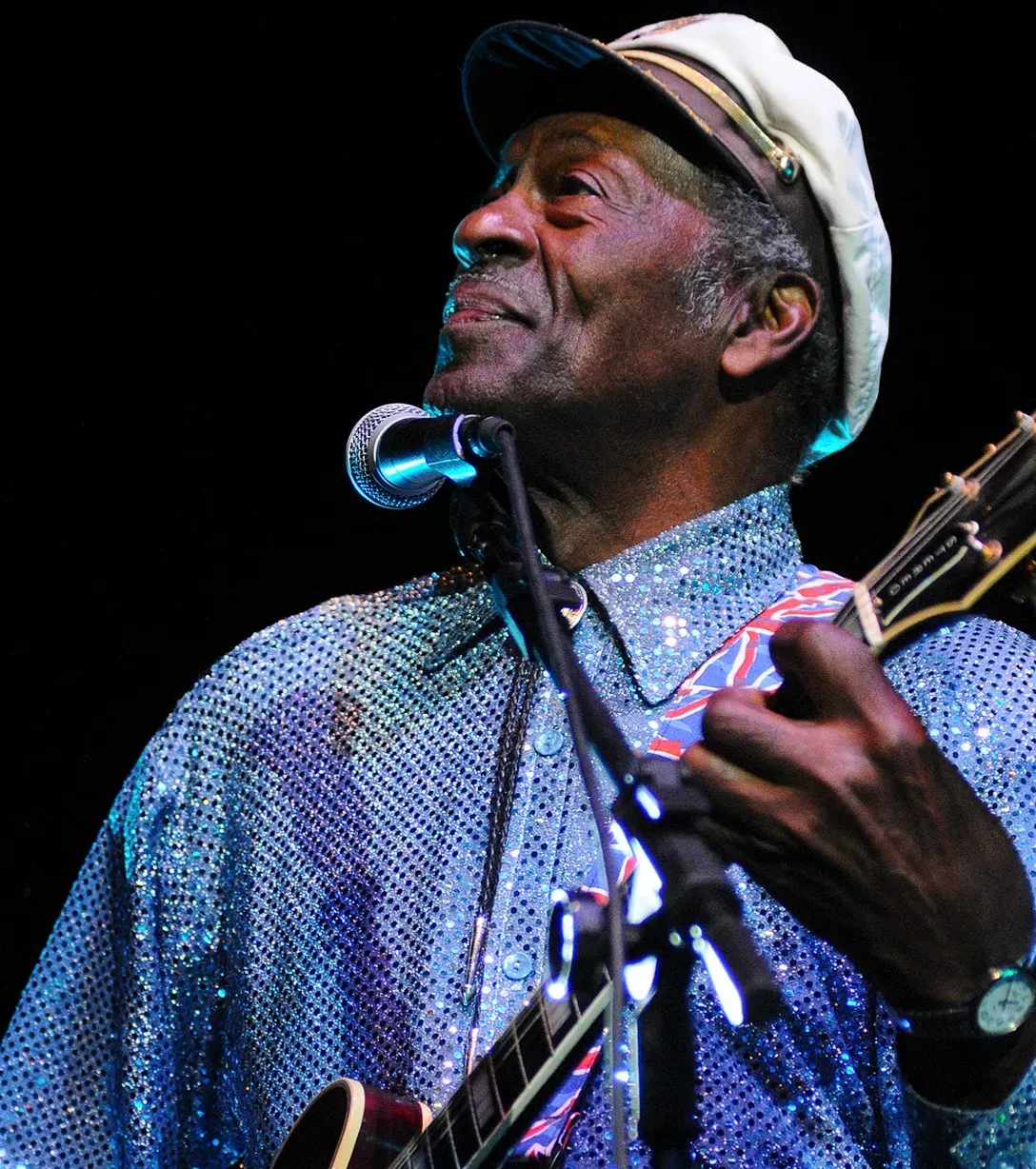
Chuck Berry’s Johnny B. Goode is often hailed as the archetype of rock guitar and storytelling, and released in 1958, the song tells the tale of a young guitar prodigy with dreams of stardom, with Berry’s groundbreaking guitar riffs and narrative style inspiring generations of musicians and solidifying his status as a rock pioneer.
The song’s vibrant energy and catchy tune resonate with audiences, making it a timeless classic, and its influence extends beyond rock, shaping the course of popular music and culture, remaining an enduring anthem of aspiration and musical innovation. The track became a blueprint for countless rock songs that followed, and its inclusion on the Voyager Golden Record sent to space proves its status as quintessentially American.
Hound Dog – Elvis Presley
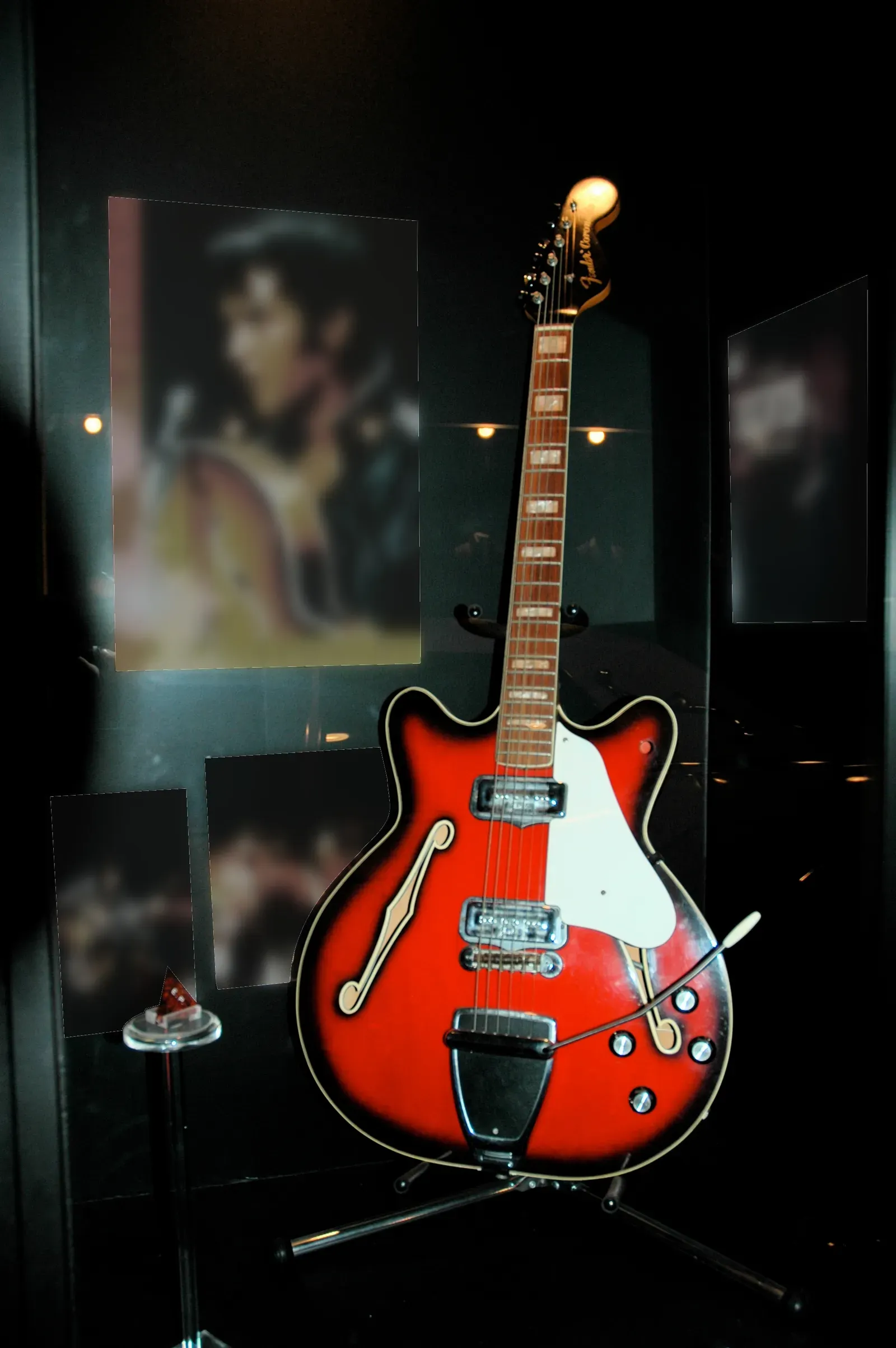
Elvis Presley’s rendition of Hound Dog became a cornerstone of the rock ‘n’ roll revolution, as originally recorded by Big Mama Thornton, Presley’s version brought the genre’s rebellious spirit to the forefront, and with its infectious beat and charismatic delivery, the song catapulted Elvis to global fame.
The song topped the charts for 11 weeks and has been covered by numerous artists over the years, and the impact of Hound Dog on American music is undeniable, as it helped to establish rock ‘n’ roll as a dominant genre. Hound Dog not only challenged musical norms but also broke racial barriers, influencing countless artists across genres, encapsulating the energy and dynamism of rock ‘n’ roll and remaining a symbol of cultural transformation and youthful exuberance. It’s worth noting the complicated cultural appropriation involved, but the song’s influence on American music remains undeniable.
I Want to Hold Your Hand – The Beatles
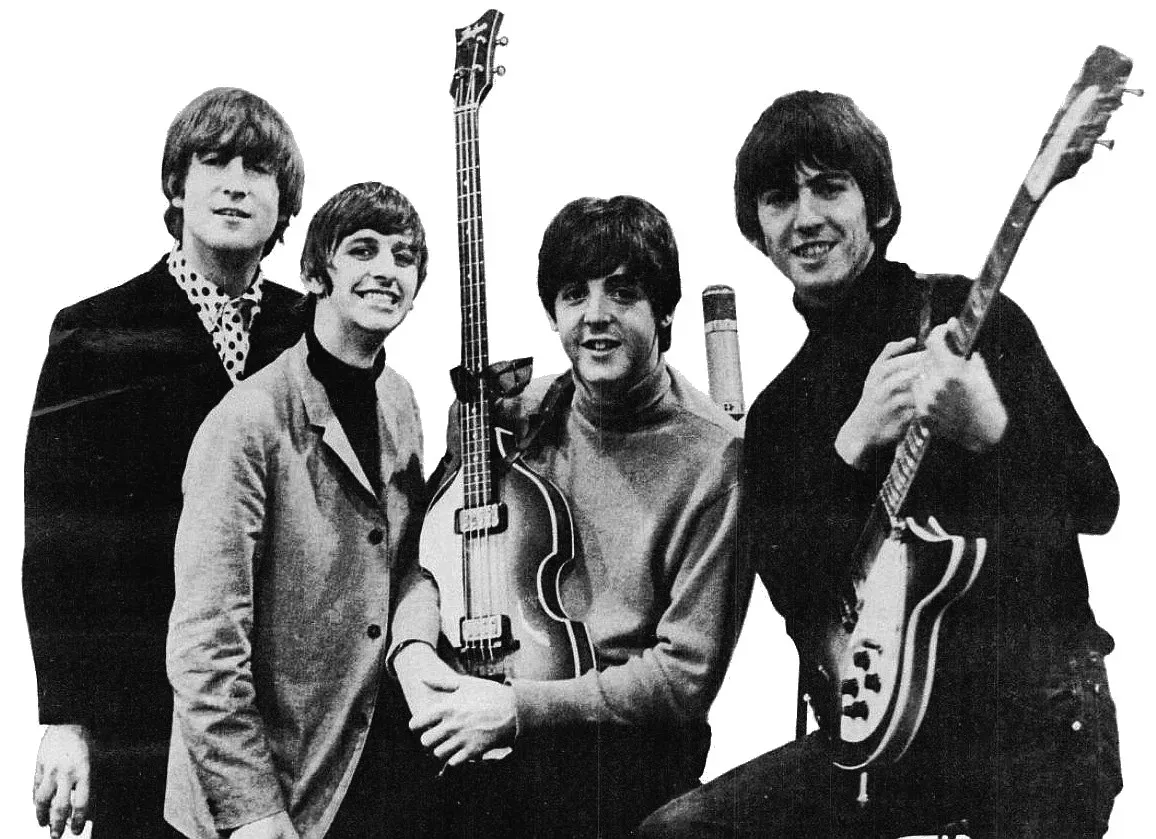
The Beatles’ I Want to Hold Your Hand marked the beginning of the British Invasion in American music, and its infectious melody and upbeat lyrics captured the hearts of millions, leading to a cultural phenomenon. The band went on to appear on the Ed Sullivan Show, drawing 70 million viewers in February 1964 – the most in the history of TV at that time.
The song topped the charts in the U.S. and helped to solidify The Beatles’ status as global icons, and the impact of this song on American pop music is profound, as it opened the door for other British bands to gain popularity in the U.S. The track represents a seismic shift in American popular culture, proving that music could unite people across continents and redefine what teenagers wanted from their entertainment.
These ten songs represent different facets of the American experience. From patriotic pride to civil rights struggle, from rock rebellion to feminist awakening, they’ve soundtracked the nation’s evolution. Whether you agree with every selection or want to argue passionately for different choices, that debate itself proves music’s power to move us. What songs would make your list? The conversation never really ends, and maybe that’s the point.