Kinder Surprise Eggs – The Chocolate Treat America Can’t Have
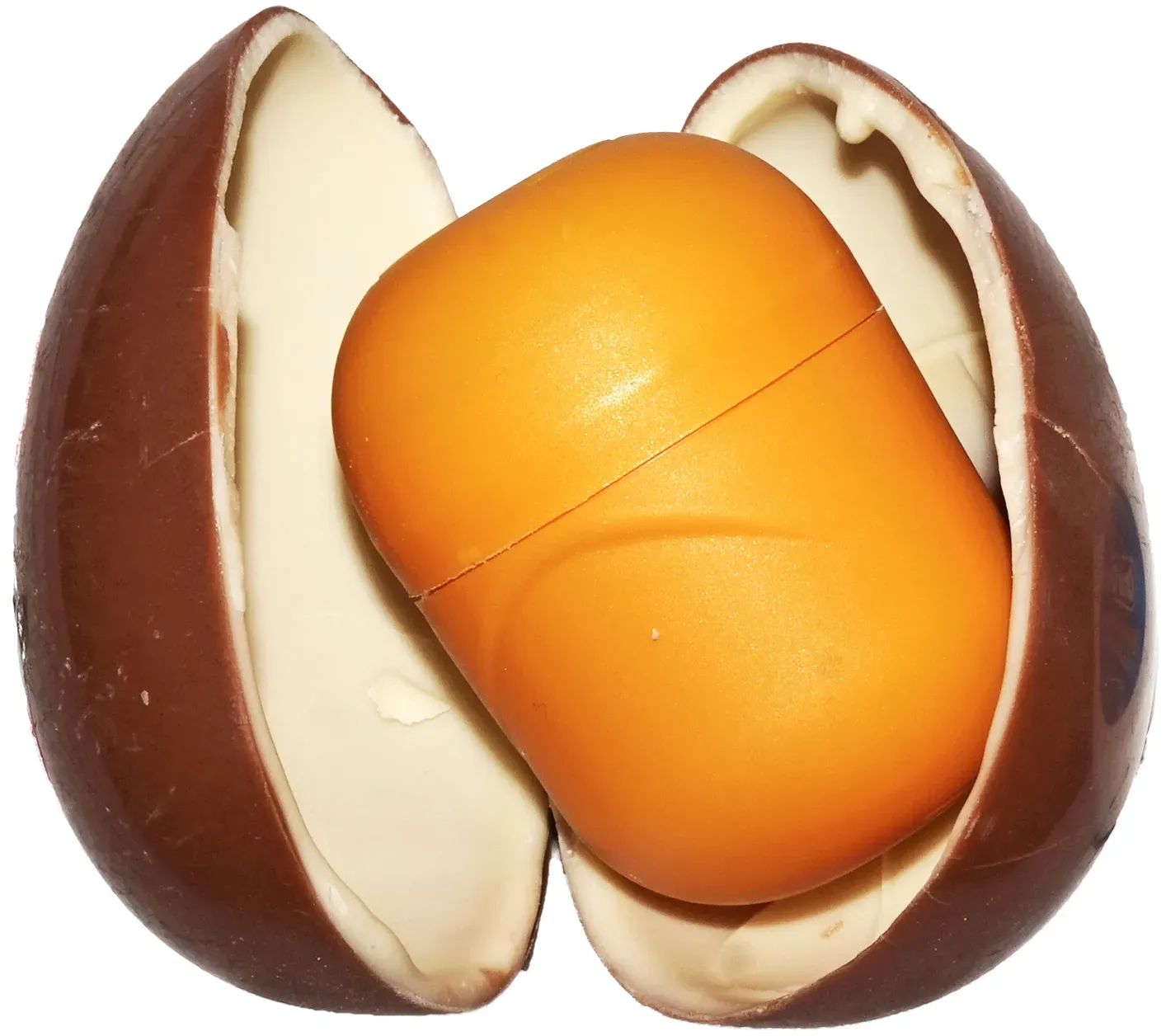
Kinder Surprise eggs remain illegal in the United States due to safety concerns regarding the miniature plastic prizes inside. These little treats are banned in the United States because, in 1938, a law was passed prohibiting the sale of confectionary items containing “non-nutritive objects,” and the Kinder Surprise’s plastic capsule, which holds the toy, is considered just that. In 2011, border control seized 60,000 Kinder Surprise eggs.
The ban has created a unique black market for this chocolate egg. An estimated 10 children have died choking on Kinder Surprise toys in the nearly five decades the eggs have been sold. A fine for a single Kinder Surprise egg can be as much as $2,500, making it a costly mistake for those unaware of the law. To work around this, Ferrero introduced Kinder Joy in the American market, keeping the toy and chocolate in separate compartments.
Red Dye No. 3 – A Colorful Controversy Finally Ending
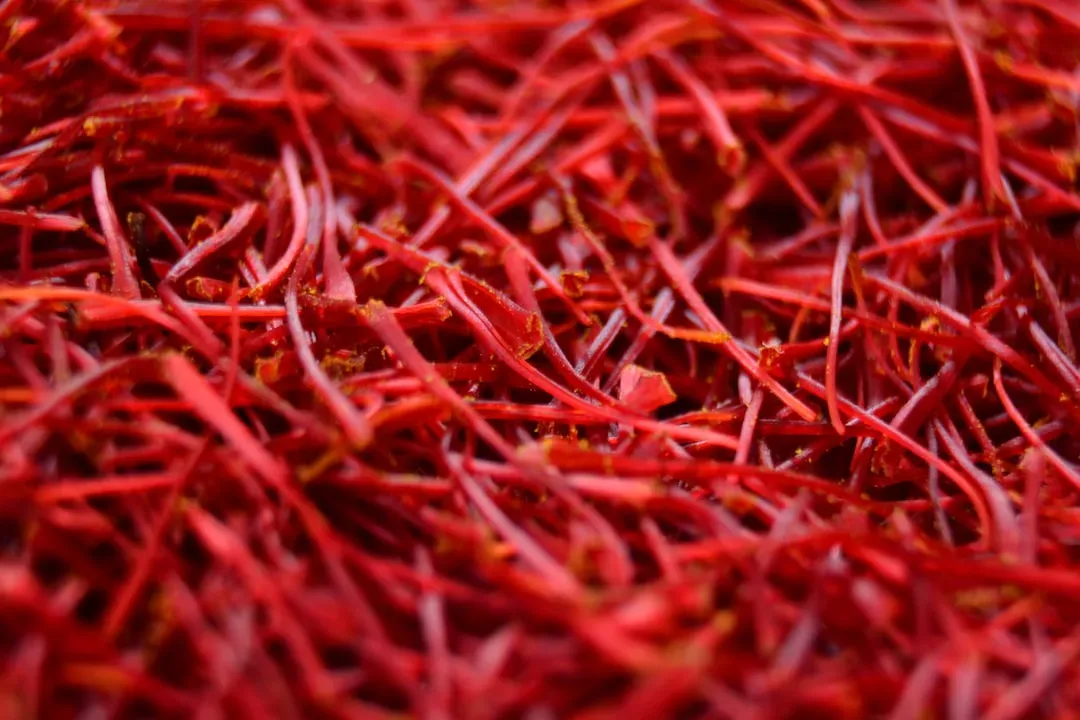
In 2025, the FDA finally announced that it’s banning the controversial food dye Red No. 3, a petroleum-based colorant that has been used in thousands of products, from snack cakes to candy corn. Let’s be real, this ban was a long time coming. Studies pointed out that the food dye can cause thyroid tumors and potentially contribute to neurodegenerative diseases like Alzheimer’s disease.
The additive is a known carcinogen that was banned from use in cosmetics in the 1990s, but still remained in thousands of foods in America until January 2025, when the US Food and Drug Administration signed a ban on red dye No. 3, which will come into effect in 2027. Pink and purple Peeps will soon need new formulas.
Haggis – Scotland’s National Dish Americans Can’t Taste
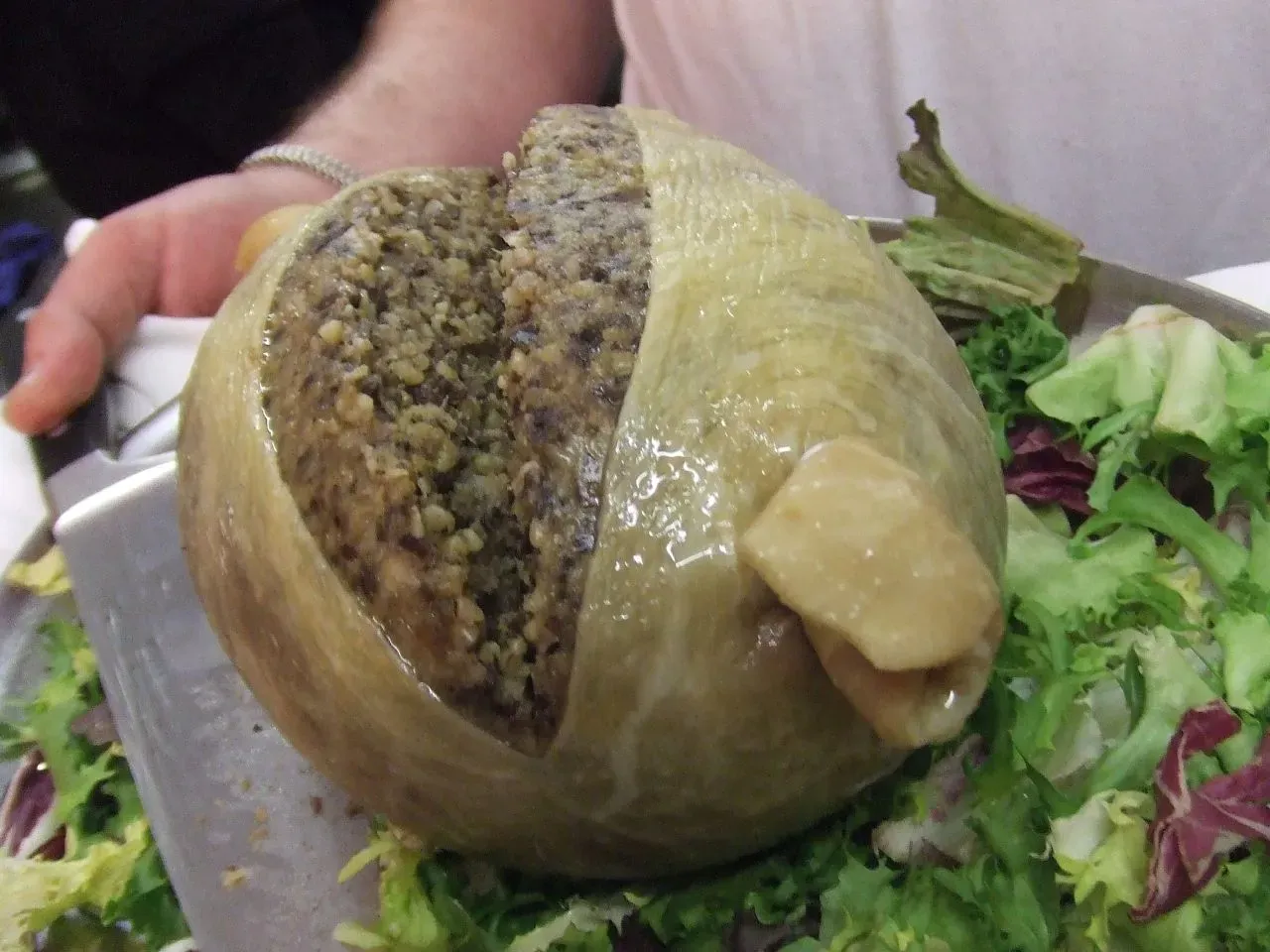
Scotland’s haggis has been banned in the United States for over 50 years for containing the lungs of a sheep, as the USDA ruled that livestock lungs are unfit for human consumption due to the risk of stomach fluid contamination since the 1970s. Fluids from other parts of the body, like stomach acids, end up trapped in the lungs, due to an acid-reflux-like reaction. Honestly, it’s hard to say for sure whether this makes complete sense given that the Scottish seem just fine eating it.
As of 2025, Scottish producers are exploring new lung-free recipes to finally bring their national dish to America. Still, many traditionalists argue that haggis without lungs isn’t truly authentic. The question remains why exactly this particular organ is singled out when hearts, livers, and stomachs get a pass.
Foie Gras – Luxury With A Dark Side
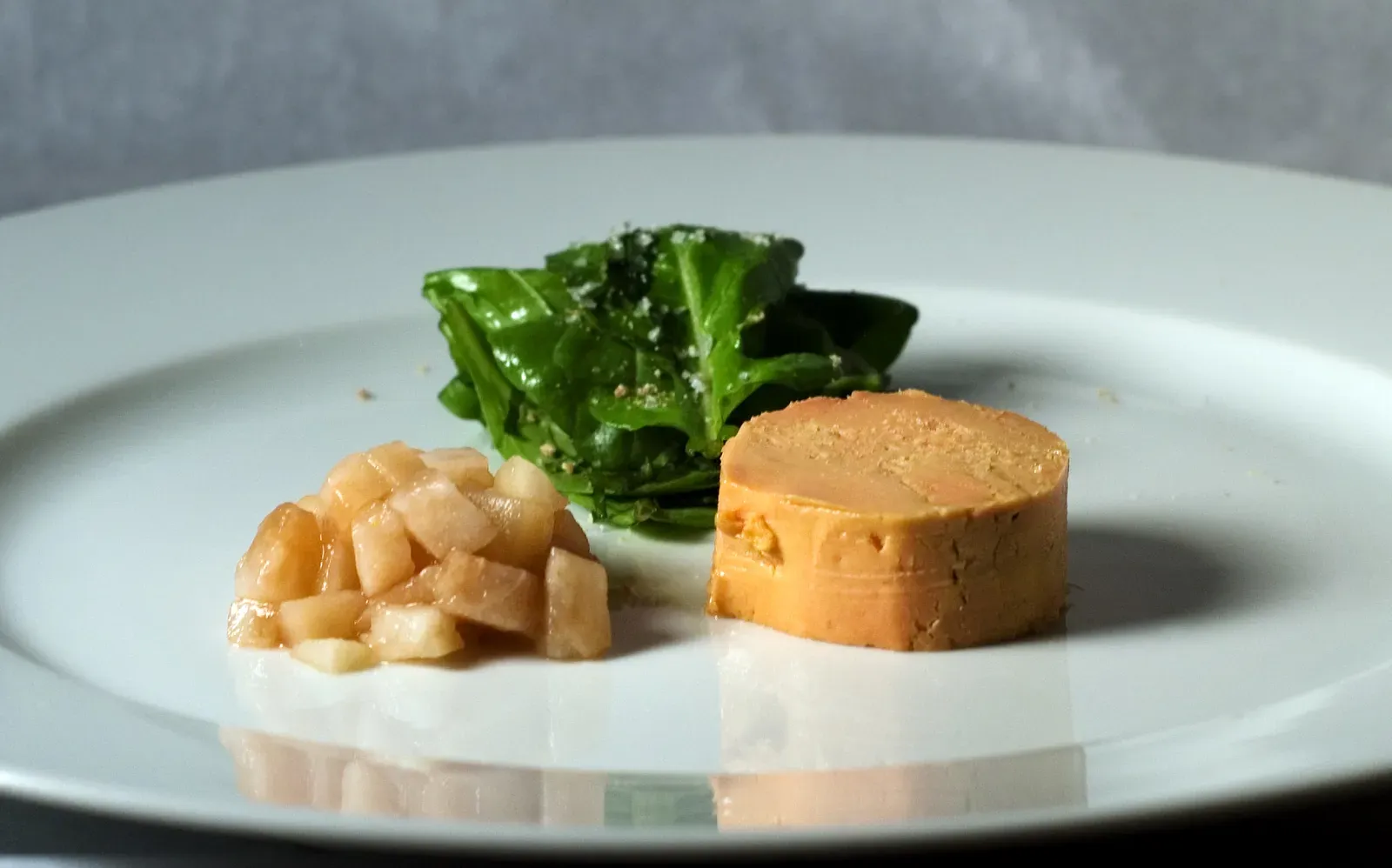
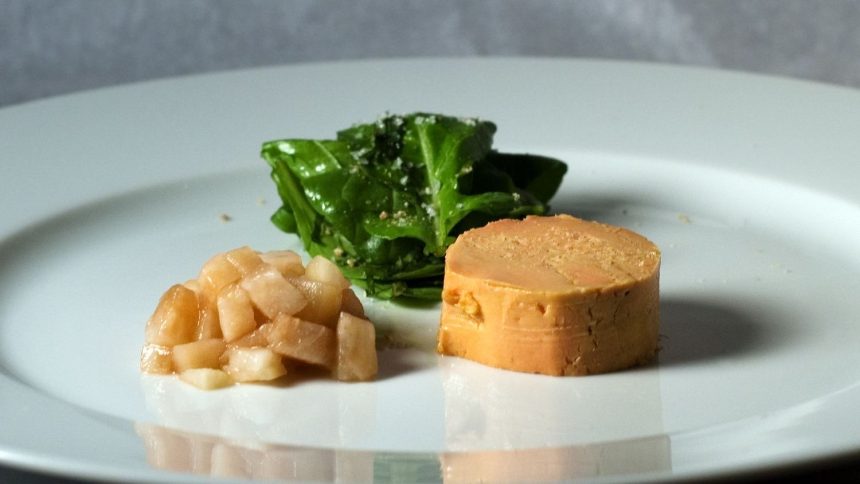
California remains the only state in the U.S. where foie gras is banned, after the state passed a law prohibiting the sale and production of foie gras in 2004, and the law took effect in 2012. Foie gras is essentially the diseased livers of ducks or geese who are force-fed via pipes shoved down their throats, with gruesome injuries occurring to the necks and beaks of some of the birds.
On 21st June 2024, the New York Supreme Court ruled against New York City’s ban on foie gras, so restaurants in New York City can continue to serve this infamous food made from diseased livers of force-fed ducks and geese. Countries including Denmark, Germany, Norway, and the United Kingdom have made the decision to ban foie gras. Meanwhile, the vast majority of American diners can still freely order this controversial item at upscale restaurants.
Raw Milk and Unpasteurized Cheese – Europe’s Treasure, America’s Fear
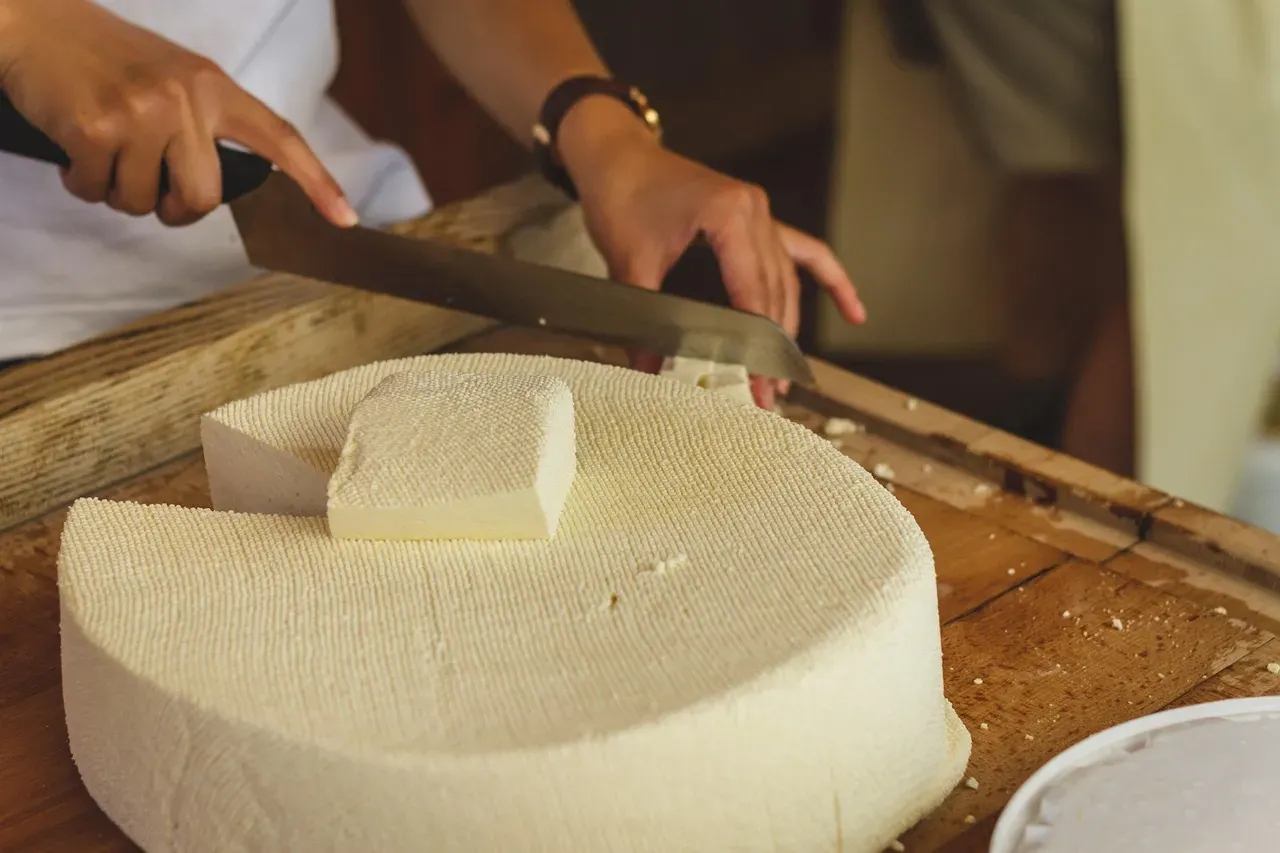
In 1987, the U.S. Food and Drug Administration banned the sale of raw milk intended for human consumption across state borders. In the U.S., the sale of raw milk cheese has been outlawed since 1949, unless the cheese has been aged for at least 60 days. In 1991 Health Canada banned the sale of raw milk in this country.
Here’s the thing, though. It is legally permitted to sell raw unpasteurized milk in all European Union countries, except Scotland, and in the EU, all raw milk products are considered legal and considered safe for human consumption and can be sold without any price, variety or quantity restrictions. Canada is currently the only G7 country that completely prohibits its private sale and distribution.
Brominated Vegetable Oil (BVO) – The Soda Ingredient That’s Finally Out
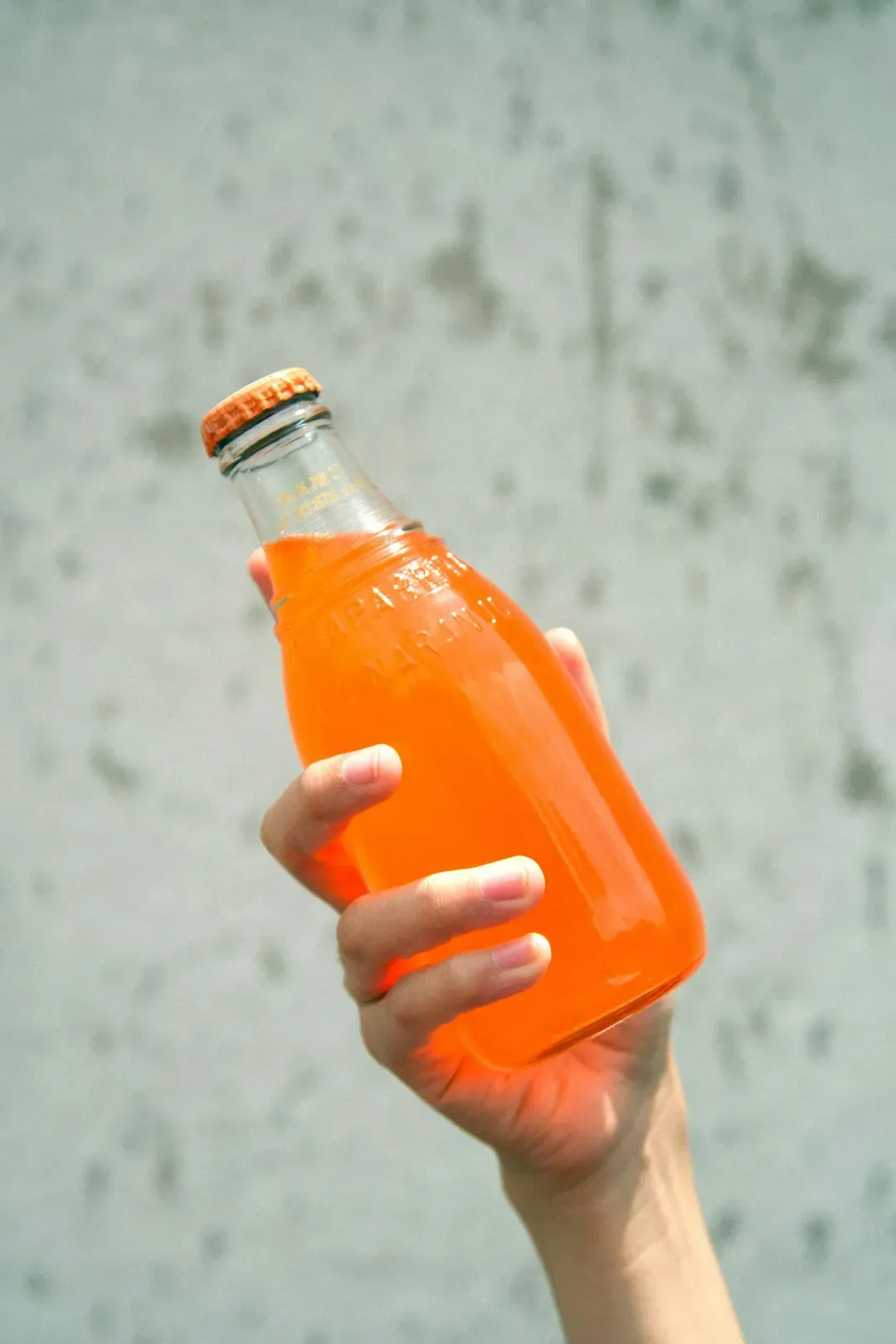
In August 2024, the FDA banned BVO after new studies revealed potential adverse health effects, as long-term exposure to BVO harms the nervous system, causing fatigue, headaches, and memory loss. For decades, this vegetable oil modified with bromine prevented citrus flavoring from separating in sodas like Mountain Dew.
From August 2025, Mountain Dew will be increasingly hard to find in Canada. Animal studies have found that brominated vegetable oil can lead to issues with the heart, thyroid, and liver, as well as potential bromism, which has symptoms including memory loss and ataxia. The fact that the FDA took so long to ban something linked to these health problems raises questions about regulatory priorities.
Titanium Dioxide – The Whitening Agent Under Fire
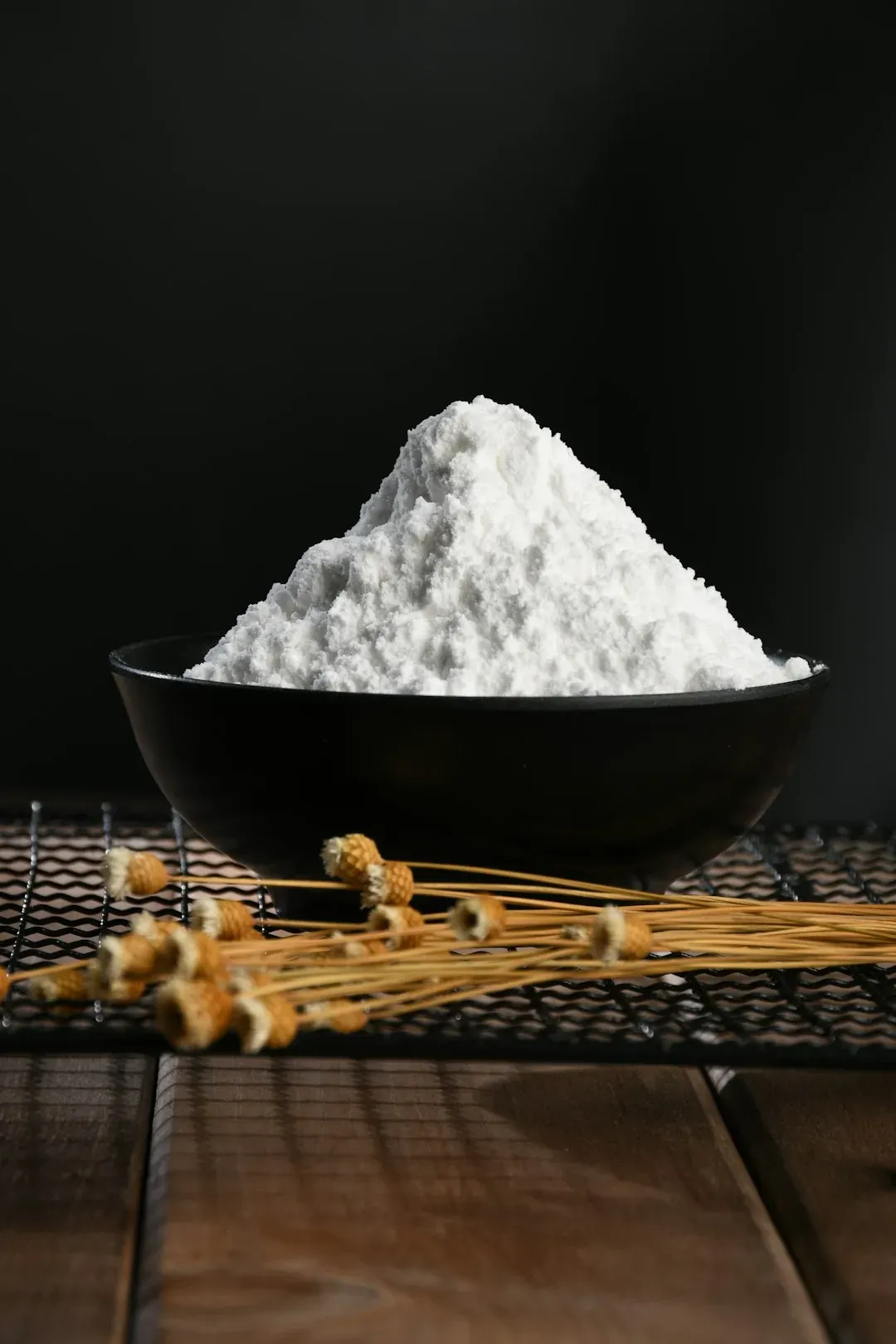
The European Commission banned the food additive titanium dioxide, also known as E171, in 2022, following an assessment by the European Food Safety Authority which could not rule out the risk that the additive could have a carcinogenic effect on humans. The European Commission banned titanium dioxide as a food additive in the European Union in 2022 after The European Food Safety Authority found there is a possibility titanium dioxide in food can cause DNA or chromosomal damage.
This ingredient made Skittles bright and appealing. In 2023, California took matters into its own hands to ban Skittles for its use of titanium dioxide and other food additives. The United States still allows this whitening agent in numerous foods despite Europe’s concerns about its safety.
Samyang Spicy Noodles – Too Hot For Denmark
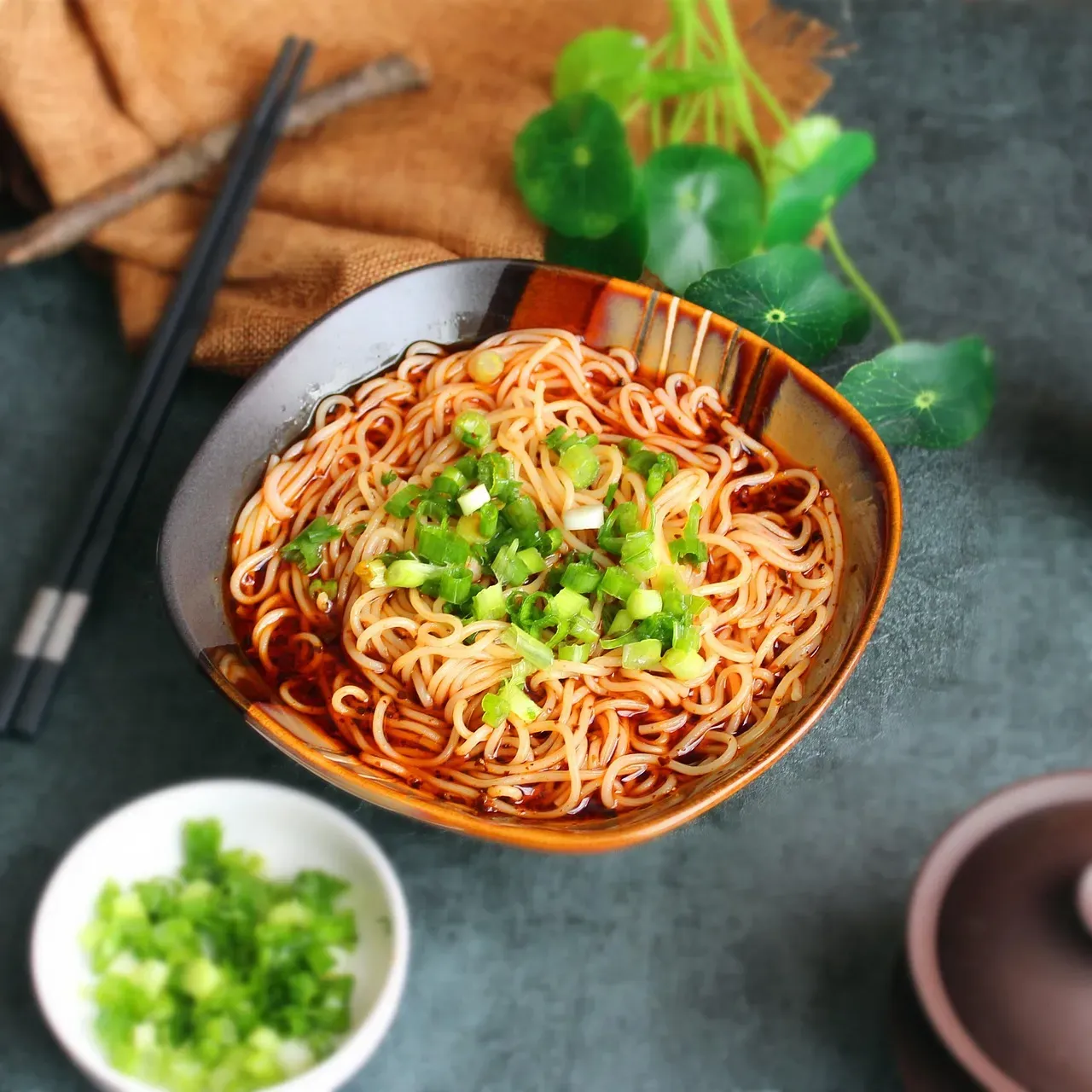
Danish fans of spicy instant noodles were left with empty bowls in June 2024 when authorities deemed one brand too spicy, as the offending noodles were Samyang’s packets of Hot Chicken Stew, 2x Spicy & Hot Chicken and Buldak 3x Spicy & Hot Chicken, with the Danish Veterinary and Food Administration saying the levels of capsaicin in just one serving were so high that they pose a risk of the consumer developing acute poisoning.
I know it sounds crazy, but Denmark literally banned noodles for being too spicy. This seems like an incredibly extreme measure when warning labels would suffice. The capsaicin levels were deemed dangerous enough to warrant a complete ban rather than letting consumers make their own informed decisions.
Chlorinated Chicken – An American Standard, A European No-Go
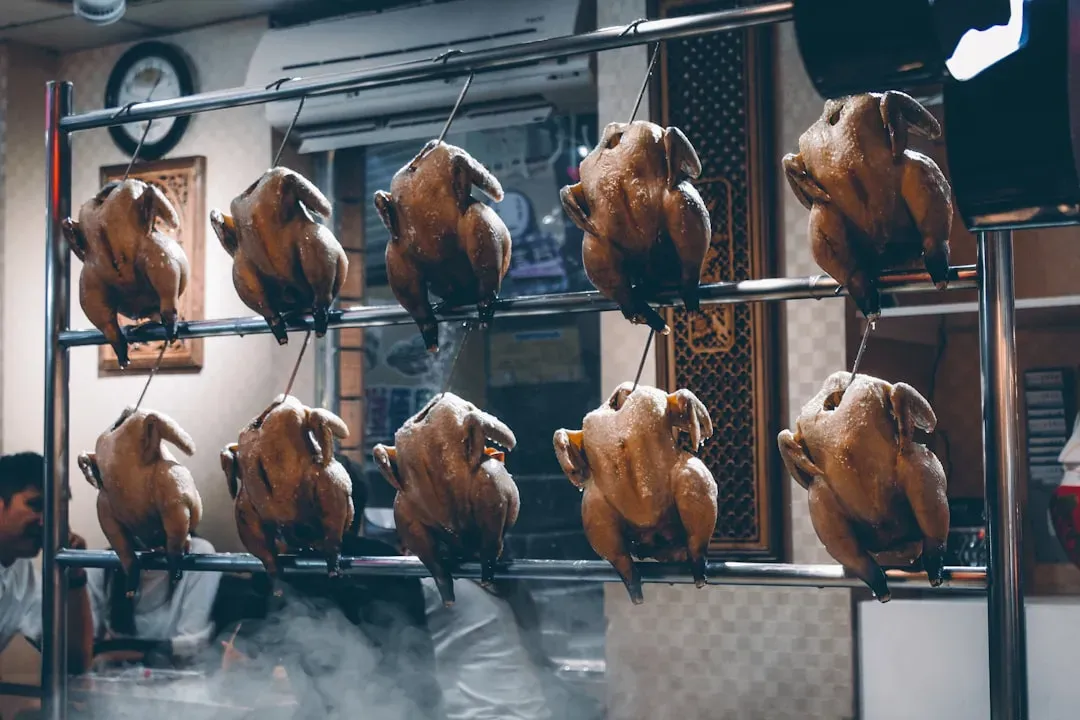
In the US, it’s common practice to wash chickens in chlorine to remove harmful bacteria, but in the EU, the use of chlorine and other disinfectants used for washing poultry has been banned since 1997 to ensure that food hygiene standards were consistently high throughout the farming and production processes. The European approach focuses on prevention rather than chemical treatments at the end.
The divide here highlights fundamentally different philosophies about food safety. America relies on end-stage chemical washes while Europe demands better conditions throughout the entire production chain. Neither system is perfect, but the contrasting approaches reveal how cultural attitudes shape food regulation.
US Pork With Ractopamine – China, Russia, and the EU Say No
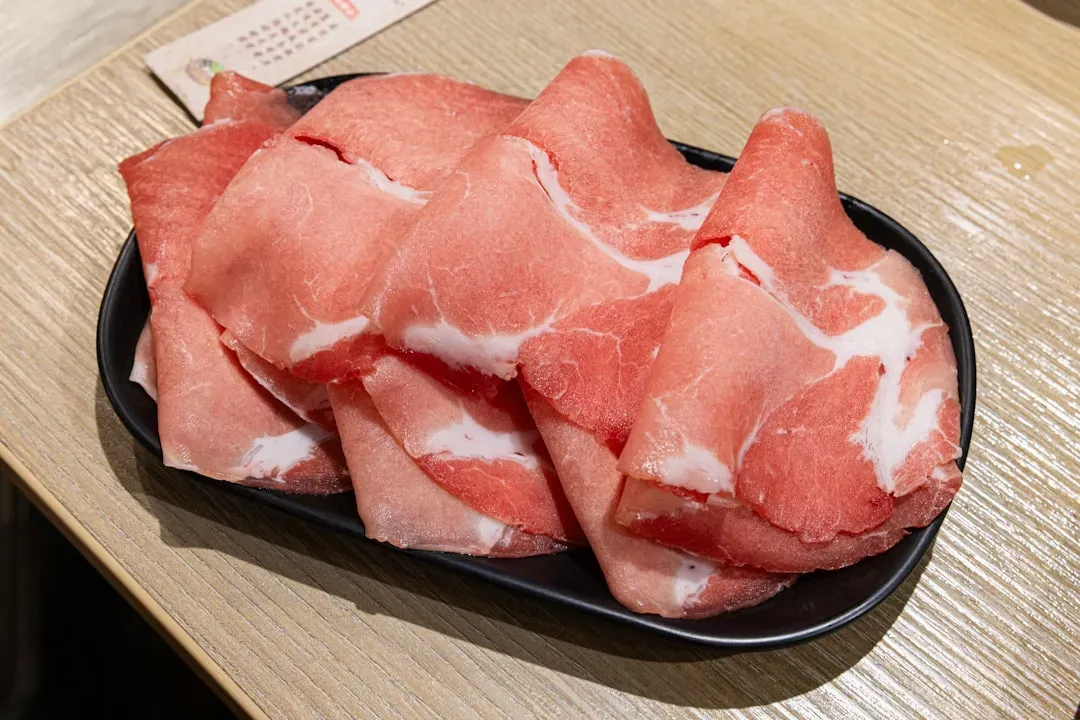
Ractopamine is an animal feed additive used in U.S. pigs that is linked to several major health issues in humans and animals, and US pork is banned in China, Russia, and the EU. This growth-promoting drug helps produce leaner meat but at what cost to consumer health?
The fact that major economies refuse American pork due to this additive should give us pause. Roughly a third of the world’s largest markets have rejected this practice, yet it continues in American agriculture. The drug remains legal domestically despite widespread international rejection.