World War I: The War That Shattered Empires
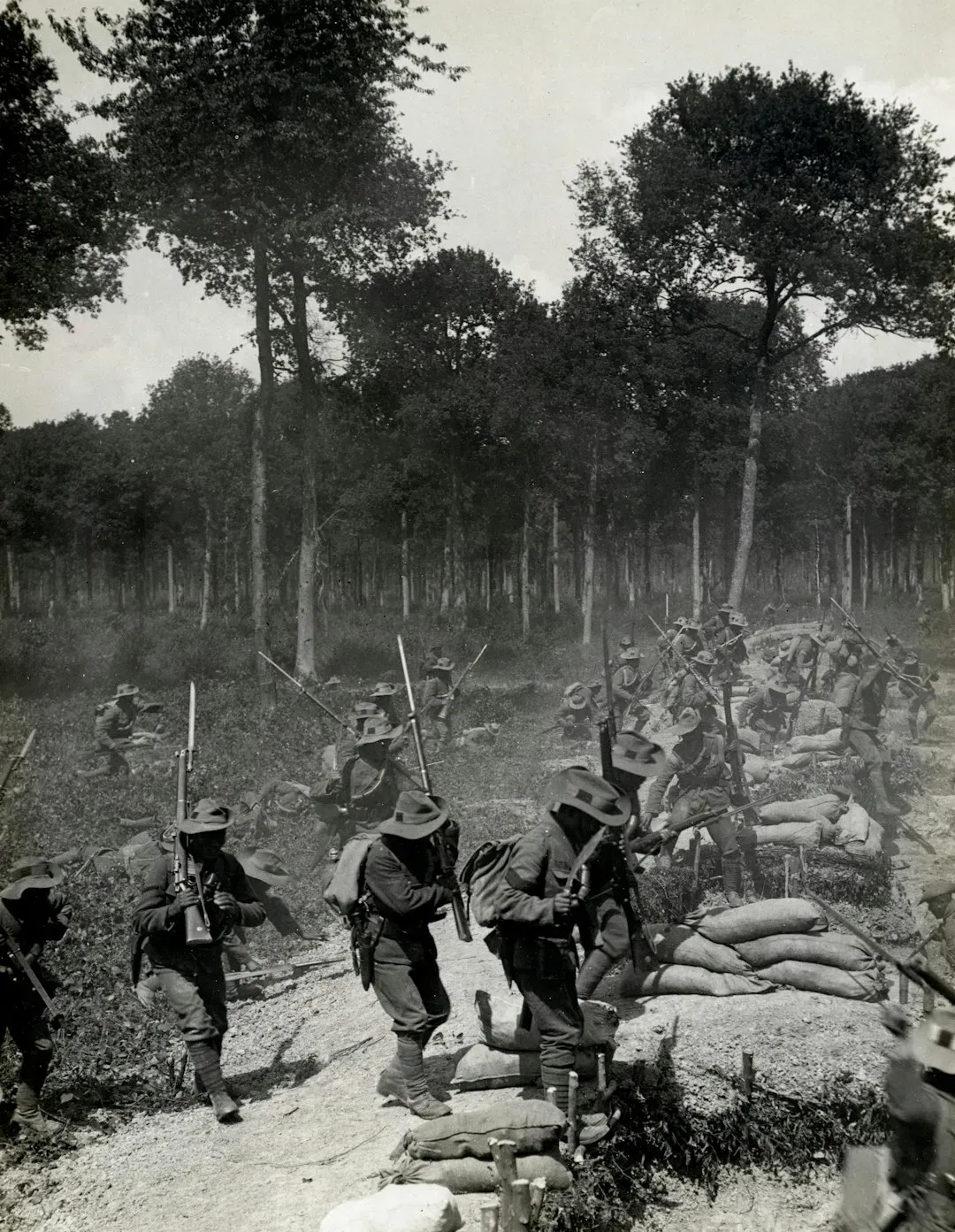
The First World War transformed everything we knew about conflict and human civilization. Nearly 15 million soldiers and civilians combined lost their lives in a conflict that mobilized more than 65 million soldiers worldwide. The scale of destruction was unprecedented, honestly, it’s hard to wrap your mind around those numbers when you think about individual human lives.
Some 8,500,000 soldiers died as a result of wounds or disease, with artillery inflicting the greatest number of casualties and wounds, followed by small arms. Civilian deaths attributable to the war numbered around 13,000,000, largely caused by starvation, exposure, disease, military encounters, and massacres. The conflict didn’t just kill millions – it destroyed four great empires and redrawed the map of Europe entirely.
The Great Depression: Economic Collapse That Changed Everything
The Great Depression was a severe global economic downturn from 1929 to 1939, characterized by high rates of unemployment and poverty, drastic reductions in industrial production and international trade, and widespread bank and business failures. This wasn’t just another recession. It was economic devastation on a scale the modern world had never experienced.
At the height of the Depression in 1933, nearly 25 percent of the nation’s total work force – 12,830,000 people – were unemployed, and wage income for workers who kept their jobs fell by over 42 percent between 1929 and 1933. International trade fell by more than 50 percent, unemployment in some countries rose as high as 33 percent, and crop prices fell by up to 60 percent. Families split apart, people went hungry, and the economic chaos paved the way for political extremism across the globe.
World War II: The Deadliest Conflict in Human History
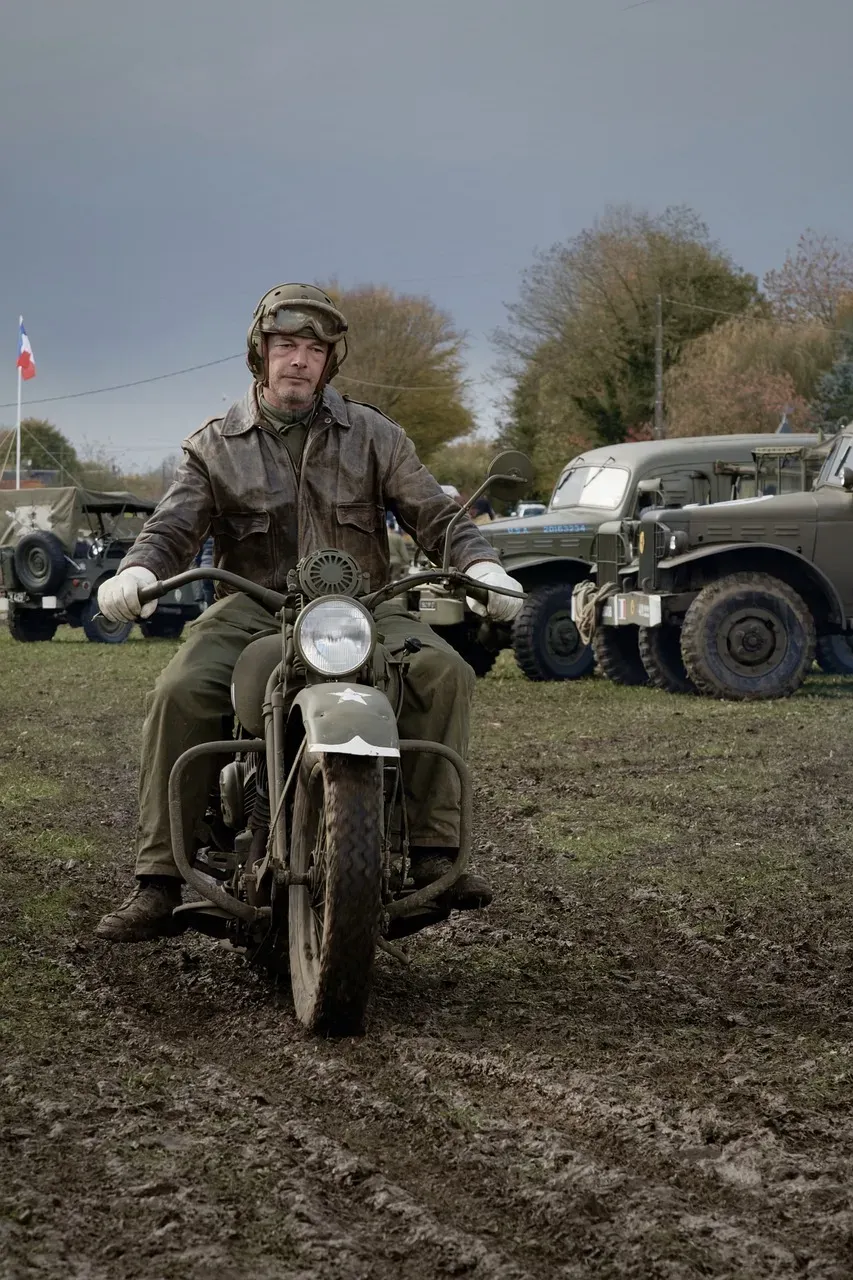
World War II was the deadliest military conflict in history, with an estimated total of 60 to 75 million deaths caused by the conflict, including those who died from deprivation, famine and disease. Let’s be real, these numbers are so staggering that they lose meaning unless we remember each one represents a human being with hopes and dreams.
The Soviet Union lost around 27 million people during the war, including 8.7 million military and 19 million civilians, representing the most military deaths of any nation by a large margin. Of the total deaths, approximately 85 percent were on the Allied side, and Nazi Germany systematically killed over 11 million people as part of a deliberate program of extermination, including 6 million Jews. The conflict reshaped global politics, created the United Nations, and set the stage for decades of Cold War tension.
The Atomic Age: Hiroshima and Nagasaki
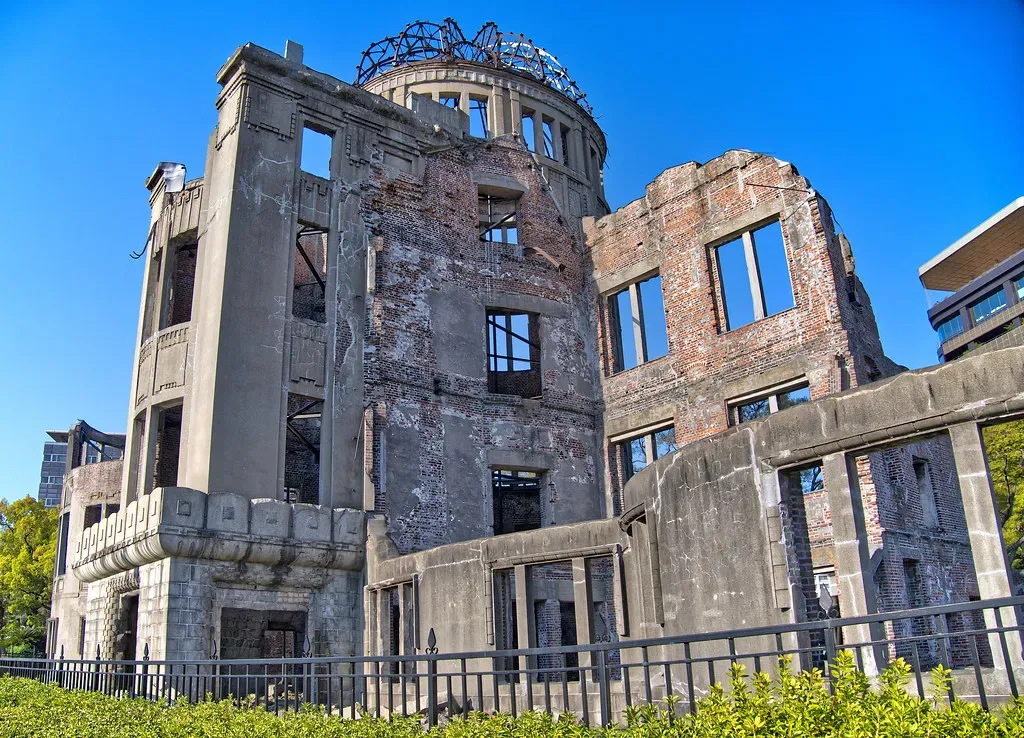
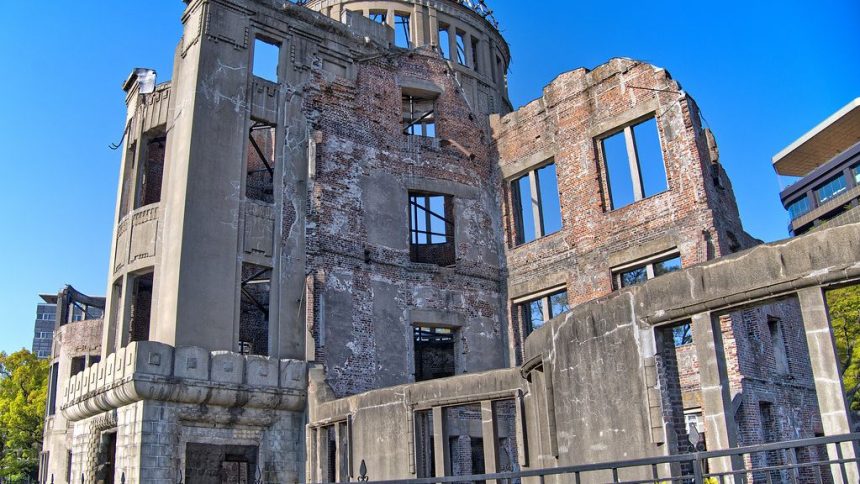
On 6 and 9 August 1945, the United States detonated two atomic bombs over the Japanese cities of Hiroshima and Nagasaki, killing 150,000 to 246,000 people, most of whom were civilians, and these remain the only uses of nuclear weapons in an armed conflict. These two moments changed warfare forever and introduced humanity to the possibility of its own extinction.
The total deaths following exposure to the bomb by the end of 1945 totalled 140,000 in Hiroshima and 70,000 in Nagasaki. The ever-present threat of a nuclear option in the superpower stand-offs of the Cold War defined global politics after 1945, and Hiroshima and Nagasaki raised the spectre of Mutual Assured Destruction that has haunted the world into our present times. The nuclear genie was out of the bottle, and humanity had to learn to live with weapons capable of destroying civilization itself.
The Cold War: Decades of Global Tension

The Cold War wasn’t a traditional war with battlefields and armies clashing directly. It was something more insidious – a global ideological struggle between two superpowers that dominated nearly half a century of human history. The Cold War was a rivalry that saw the world’s two remaining superpowers after World War II, the United States and the Soviet Union, fight for political, economic, and nuclear superiority.
This conflict shaped everything from technological development to cultural movements. The space race, proxy wars across Asia, Africa, and Latin America, nuclear arms buildups that threatened mutual destruction – all emerged from this fundamental struggle. The fall of the Berlin Wall in 1989 symbolized the end of this era, though its effects continue to influence international relations in 2026.
The Space Race: Humanity Reaches Beyond Earth
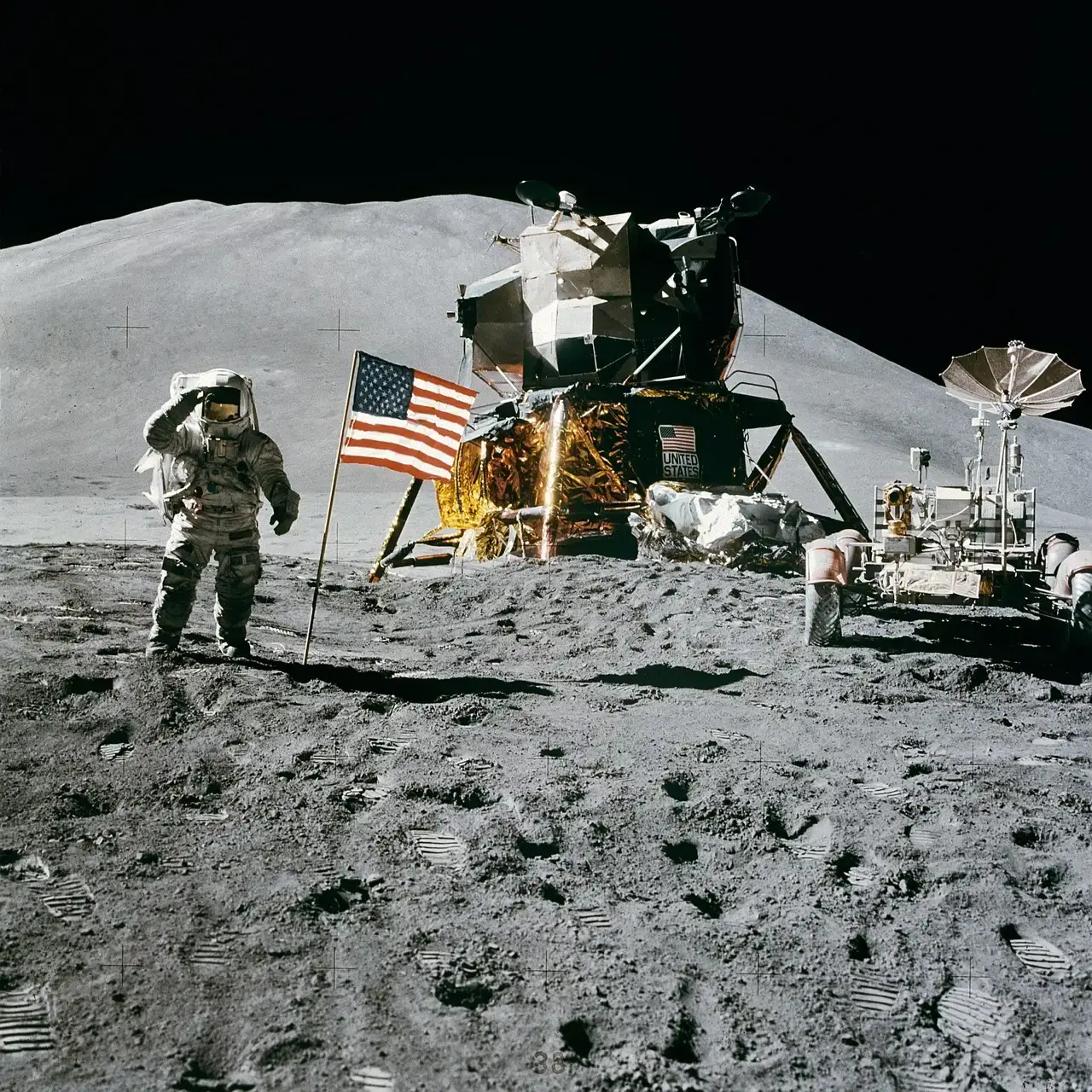
The 1969 moon landing represented one of humanity’s most extraordinary achievements. What started as Cold War competition between superpowers became a defining moment in human history – the first time our species set foot on another celestial body. Think about that for a second: humans actually left Earth and walked on the moon.
The Cold War led to the space race and the creation of space-based rockets, fundamentally changing our understanding of what was possible. The technological innovations required for space exploration filtered down into countless civilian applications, from satellite communications to computer miniaturization. More than that, seeing Earth from space changed our perspective on our place in the universe and the fragility of our planet.
The Holocaust: Industrialized Genocide
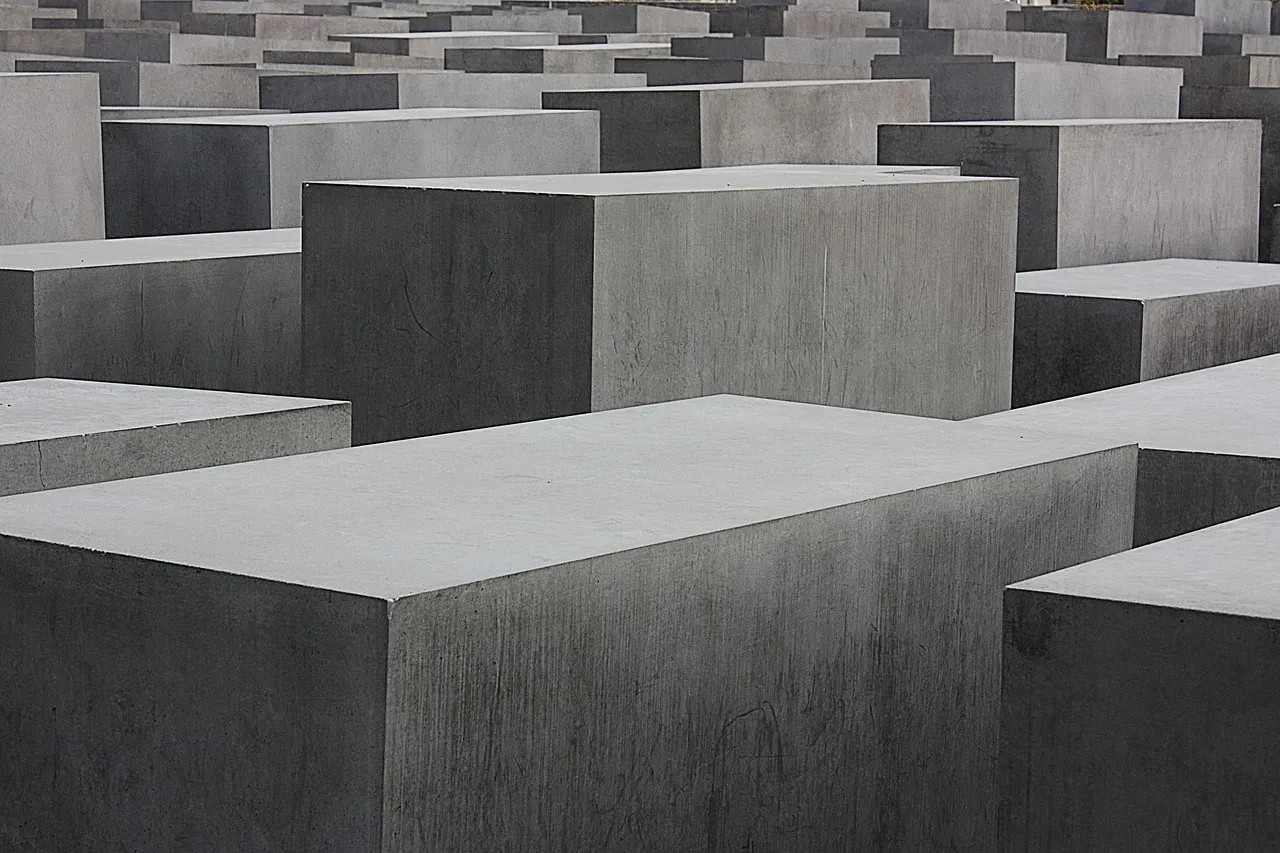
The Holocaust was a genocide in which approximately six million Jews were killed by the Nazi regime and its collaborators, with some historians including an additional five million non-Jewish victims of Nazi mass murders, bringing the total to approximately eleven million. This systematic attempt to exterminate entire populations based on race and ideology represents one of the darkest chapters in human history.
The Holocaust revealed the terrifying potential for organized evil in modern industrial societies. The world responded by creating new international laws against genocide and crimes against humanity. Holocaust survivors’ testimonies have served as crucial warnings about the dangers of hatred, prejudice, and authoritarian regimes. The phrase “Never Again” became both a memorial and a commitment, though sadly, genocides have occurred since.
The Civil Rights Movement: Fighting for Equality
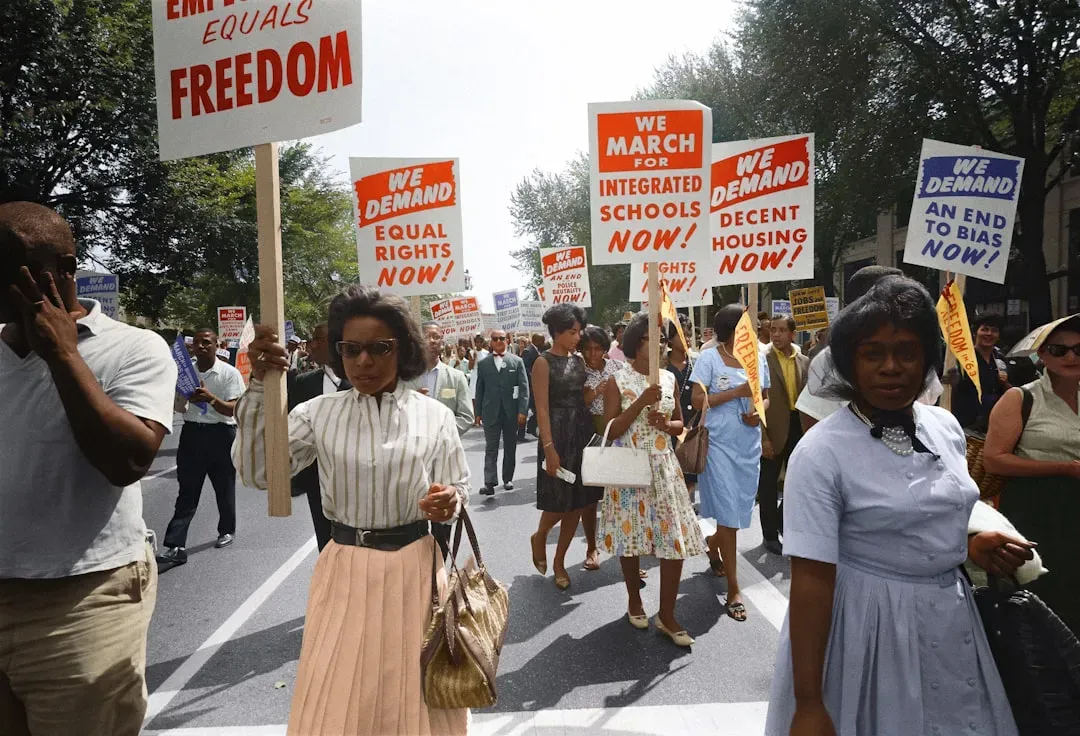
The American Civil Rights Movement of the 1950s and 1960s fundamentally challenged racial segregation and discrimination that had persisted for centuries. Some observers argue that the Civil Rights Act of 1964 was the most important civil rights legislation in U.S. history, pushed through by President Lyndon Johnson who declared it one of his highest priorities after assuming the presidency.
This movement didn’t just change laws – it transformed society and inspired similar struggles for equality worldwide. From Rosa Parks refusing to give up her bus seat to Martin Luther King Jr.’s powerful speeches, these acts of courage resonated globally. The movement demonstrated that dedicated citizens could challenge entrenched systems of oppression and win, though the fight for true equality continues in 2026.
The Fall of the Soviet Union: End of an Empire
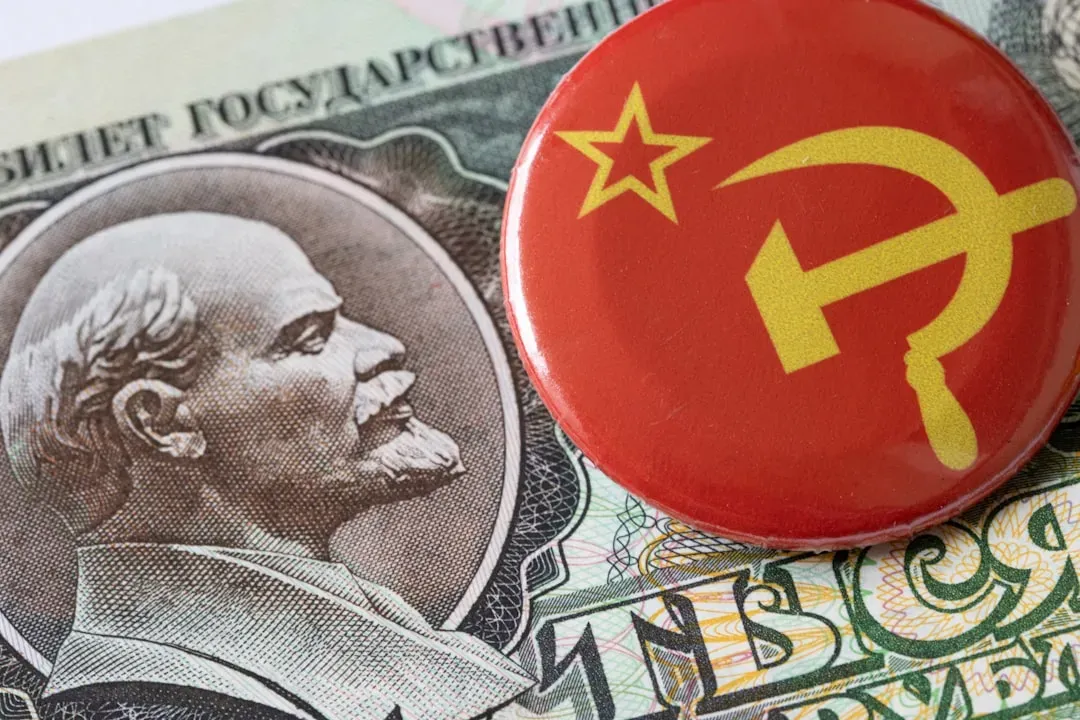
When the Soviet Union collapsed in 1991, it marked the end of one of history’s most significant geopolitical structures. This wasn’t just a government change – it was the dissolution of a superpower that had shaped global politics for seven decades. Fifteen new independent nations emerged from the ruins of the Soviet empire.
The collapse happened remarkably quickly and relatively peacefully, though the transition proved chaotic and difficult for millions of people. The world suddenly shifted from a bipolar Cold War structure to American unipolarity, fundamentally altering international relations. Former Soviet states faced the massive challenge of transitioning from planned economies to market systems, with varying degrees of success and struggle that continue to this day.
The Internet Revolution: Connecting the World

The World Wide Web was created in the late 20th century, fundamentally transforming how humans communicate, work, learn, and interact. What started as a military and academic network became the most significant communication revolution since the printing press. I know it sounds crazy, but just consider how different life was before instant global communication.
The internet democratized access to information, enabled new forms of commerce and social interaction, and created entirely new industries. It connected people across continents in real-time, made the world’s knowledge accessible to anyone with a connection, and changed every aspect of modern life. By 2026, the internet has become so integral to society that it’s difficult to imagine functioning without it. The digital revolution continues to accelerate, raising new questions about privacy, security, and what it means to be human in an increasingly connected world.
Reflections on a Transformative Century

The 20th century witnessed more change than perhaps any other period in human history. We went from horse-drawn carriages to space travel, from regional conflicts to global wars, from isolated communities to instant worldwide communication. The events that shaped this era – from devastating wars to technological breakthroughs – continue to influence our lives in 2026.
These ten moments represent turning points that fundamentally altered human civilization. They brought unimaginable suffering through wars and genocides, yet also demonstrated humanity’s capacity for innovation, resilience, and progress. Understanding these events helps us comprehend how we arrived at our present moment and what challenges we still face. What do you think about these world-changing events? Which one do you believe had the greatest impact on shaping our modern world?