History books often celebrate leaders as untouchable heroes who shaped the world through vision and courage. Yet behind the monuments and official narratives lies a more complicated reality. Recent scholarly research reveals how power frequently corrupts judgment, how charisma shields misconduct from scrutiny, and how historical accounts systematically sanitize the darker actions of revered figures. A 2023 meta-analysis published in Journal of Business Ethics found that individuals in high-power positions are statistically more likely to justify unethical decisions, especially when outcomes benefit their legacy or authority. This article examines ten documented patterns and figures where greatness coexisted with serious moral failings.
Winston Churchill and the Bengal Famine

An estimated 800,000 to 3.8 million people died in the Bengal region during the 1943 famine from starvation, malaria and other diseases aggravated by malnutrition, population displacement, unsanitary conditions, poor British wartime policies, and lack of health care. The Bengal famine was not caused by drought but instead was a result of a complete policy failure of Winston Churchill, according to a study that provided scientific backing for arguments that Churchill’s policies played a significant role in contributing to the 1943 catastrophe. The study analyzed soil moisture databases and found the famine was the only major Indian famine between 1870 and 2016 not linked to agricultural drought.
British Prime Minister Winston Churchill has been criticised for his role in the famine, with critics arguing that his war priorities and the refusal to divert food supplies to Bengal significantly worsened the situation. Restricted access to grain was compounded by emergency inter-provincial trade barriers, while aid from Churchill’s war cabinet was limited, ostensibly due to a wartime shortage of shipping. Historical records indicate Churchill made derogatory remarks about Indians during this period, though defenders argue his primary focus remained winning the war in Europe.
Thomas Jefferson’s Enslaved Family
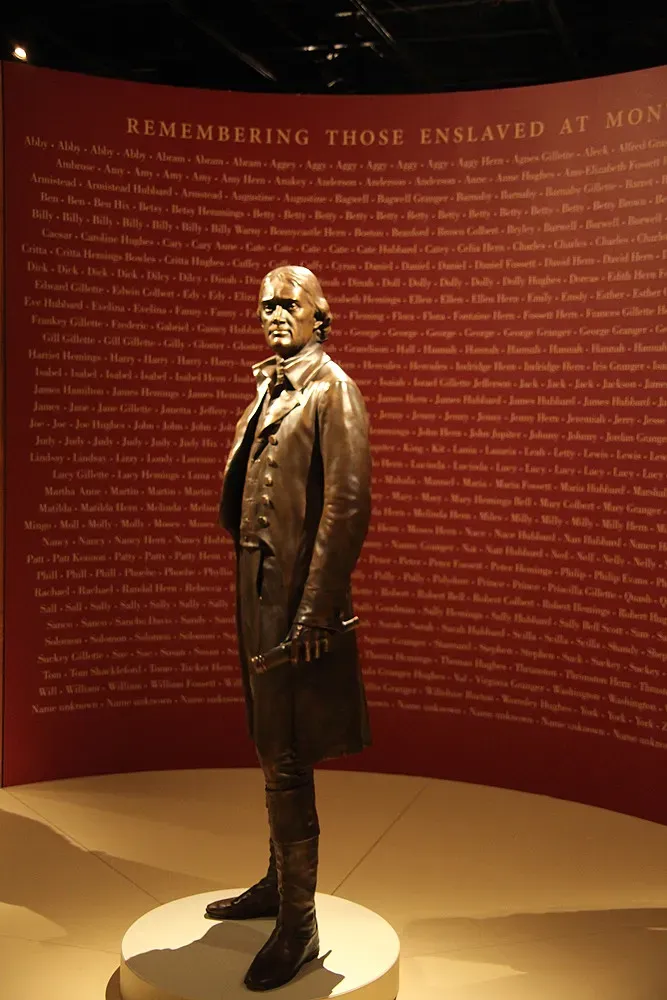
Thomas Jefferson, primary author of the Declaration of Independence and third president of the United States, enslaved more than 600 people in his lifetime, most notably Sally Hemings, who lived at his Virginia estate Monticello along with their children. The opinion of historians began to shift in the second half of the twentieth century, and by the twenty-first century after DNA tests of descendants, most historians agree that Jefferson was the father of one or more of Sally’s children, with DNA evidence showing a match between Jefferson family descendants and a descendant of Eston Hemings. The relationship began when Hemings was between fourteen and sixteen years old.
Jefferson biographer John Boles described one of his many contradictions as the most elegant defender of liberty in the nation’s history not defending the liberty of those whose lives it would have most transformed. Despite being close kin and most certainly the mother to four of Jefferson’s surviving six children, Hemings and her offspring remained among the human chattel who lived and labored for the benefit of Jefferson and his family at Monticello until his death. This fundamental hypocrisy between Jefferson’s libertarian ideals and slaveholding practice continues to complicate his historical legacy.
Mahatma Gandhi’s Racial Prejudices
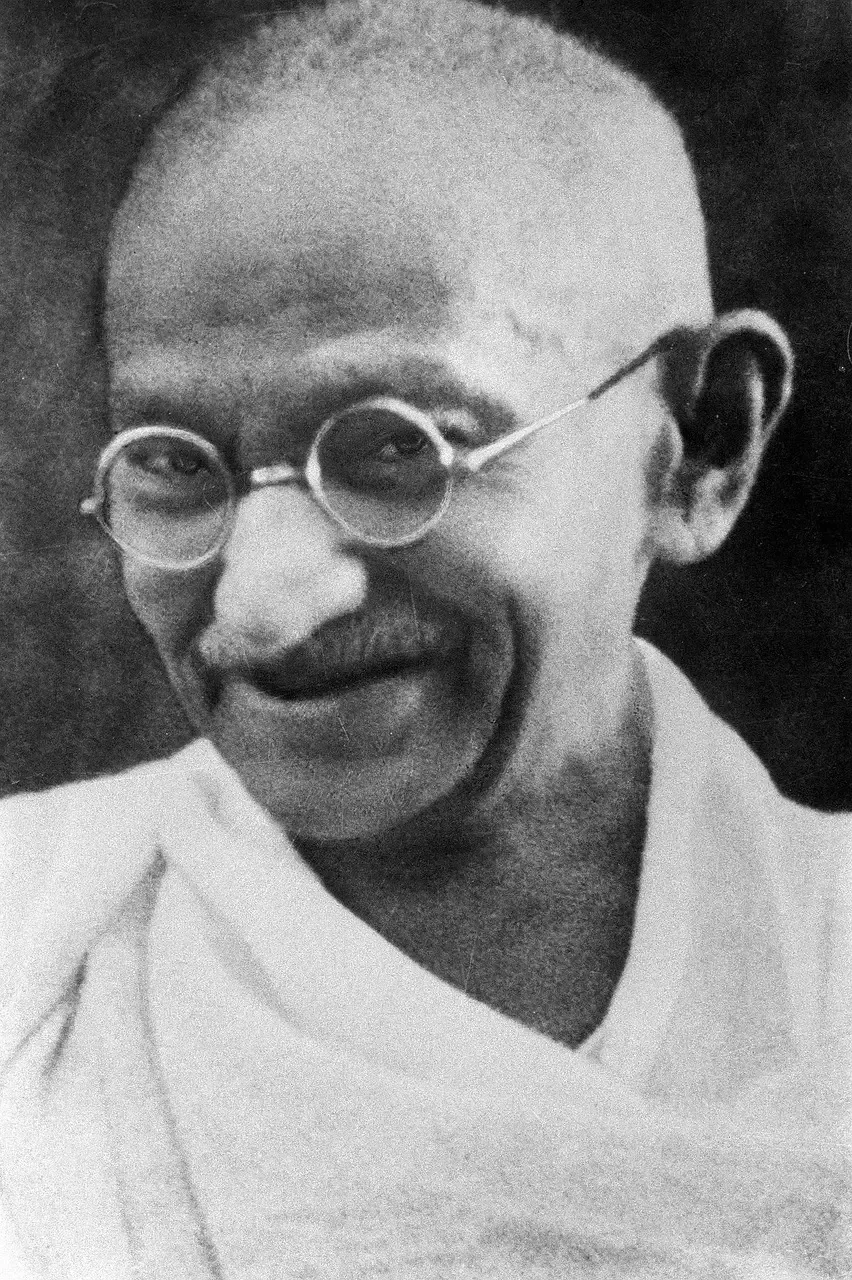
In 1903, when Gandhi was in South Africa, he wrote that white people there should be the predominating race, and he also said black people are troublesome, very dirty and live like animals. Gandhi was a racist early in his life, and as a young man went with the ideas of his culture and his time, thinking in his twenties that Europeans are the most civilized, Indians were almost as civilized, and Africans were uncivilized, according to his biographer Ramachandra Guha. During his decades in South Africa, Gandhi used the derogatory term “kaffir” repeatedly in his writings.
During the two decades he spent in South Africa, most of his actions and words demonstrated his anti-Black racism, and he rose to prominence not because of his anti-racist activism but his efforts to reconfigure existing racial hierarchies for the benefit of his own people. However, he outgrew his racism quite decisively, and for most of his life as a public figure he was an anti-racist, talking for an end to discrimination of all kinds. Still, his early documented prejudices remain a troubling aspect of his development as a leader.
Mother Teresa and the Cult of Suffering
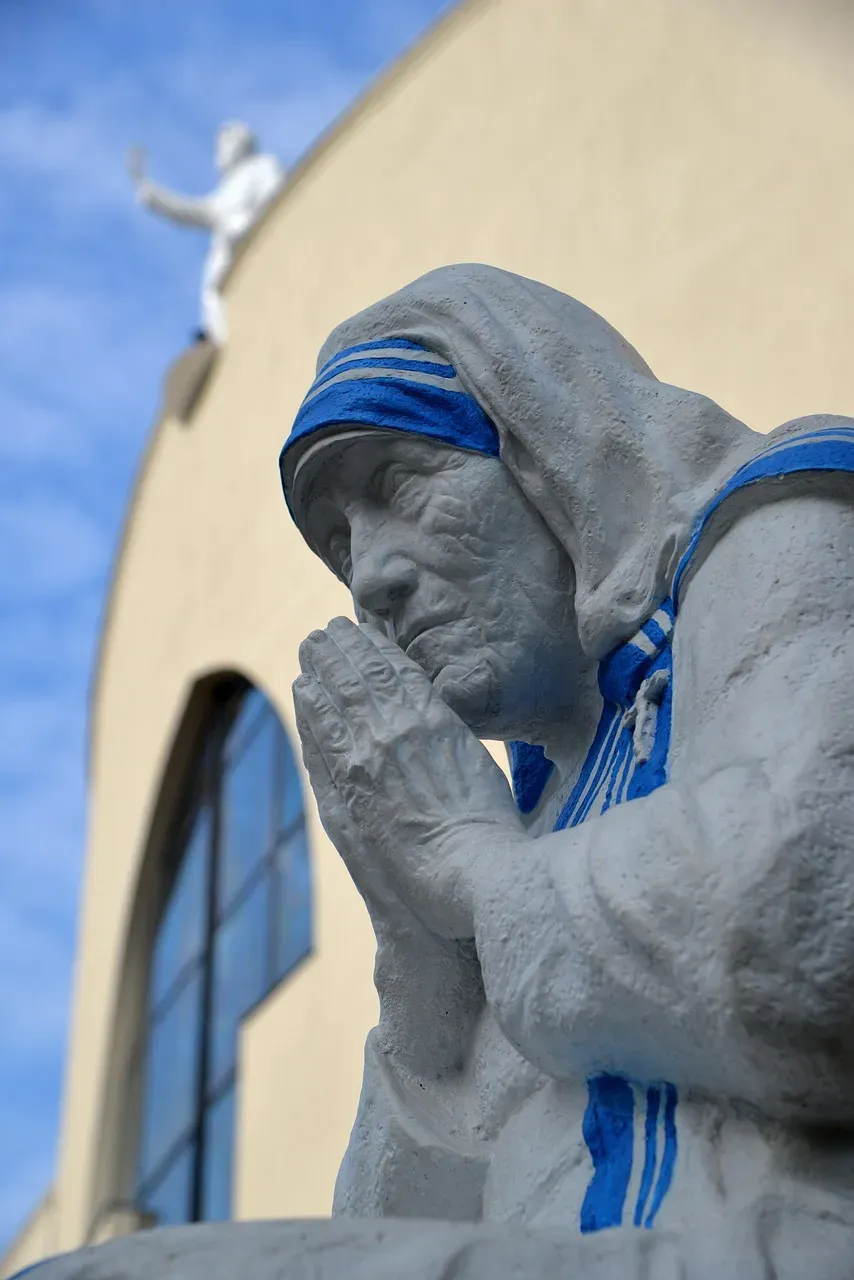
Over hundreds of hours of research, Dr. Chatterjee found a cult of suffering in homes run by Mother Teresa’s organization, the Missionaries of Charity, with children tied to beds and little to comfort dying patients but aspirin, and Mother Teresa took her adherence to frugality and simplicity in her work to extremes, allowing practices like the reuse of hypodermic needles and tolerating primitive facilities that required patients to defecate in front of one another. Medical professionals who visited her facilities documented shocking conditions lacking proper pain management.
A 2013 group of Université de Montréal academics criticized the missionary’s practice of caring for the sick by glorifying their suffering instead of relieving it, her questionable political contacts, her suspicious management of enormous sums of money she received, and her overly dogmatic views regarding abortion, contraception, and divorce. Mother Teresa encouraged members of her order to secretly baptise dying patients without regard to the individual’s religion, with sisters asking each person in danger of death if he wanted a ticket to heaven, then pretending to cool the patient’s head with a wet cloth while quietly saying the necessary baptismal words.
Martin Luther King Jr.’s Personal Misconduct
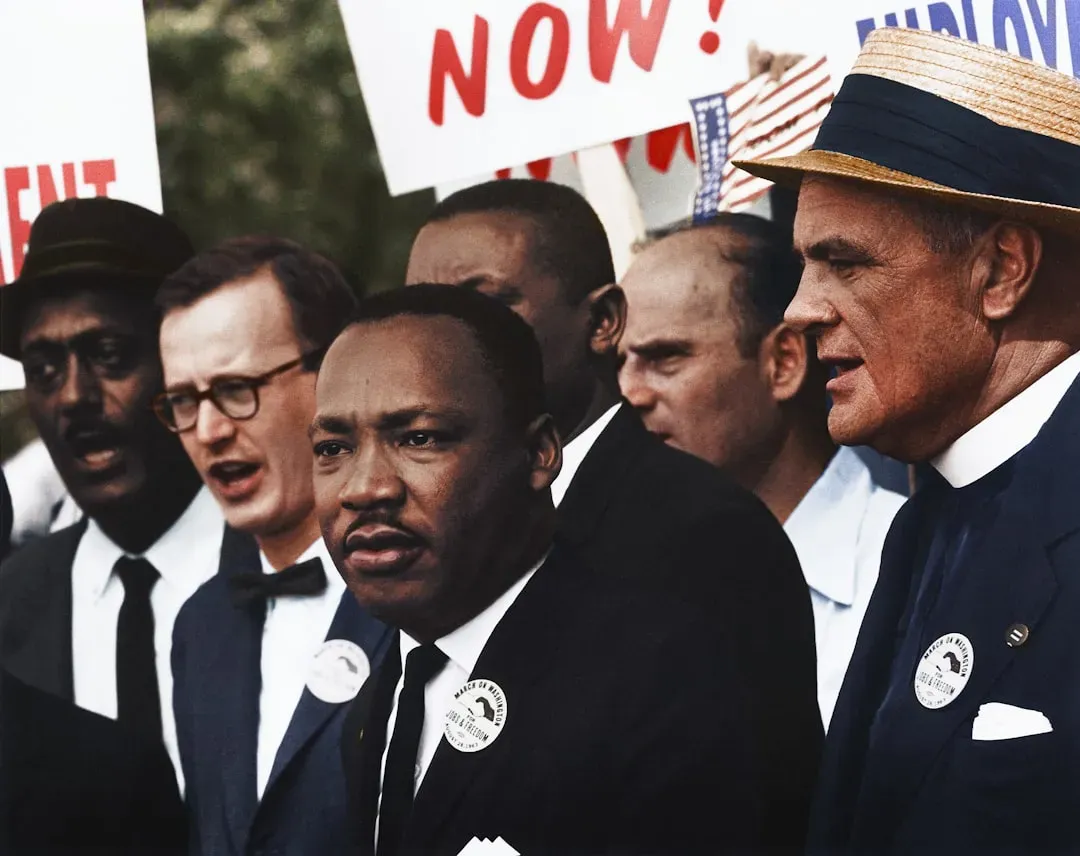
While working on his doctoral dissertation at Boston University, King heavily plagiarized from another author, and an academic committee later found that over half of King’s work was plagiarized, yet a Boston University investigatory committee concluded that King had plagiarized portions of his doctoral dissertation but did not recommend revocation of his degree. The committee determined that despite its flaws, the dissertation made an intelligent contribution to scholarship.
FBI files revealed that while it has been known for years among historians that King cheated on his wife, government documents reveal that the depth of his sexual activities were much more severe than adultery. Pulitzer Prize-winning biographer David Garrow unearthed information in an article published in May 2019 detailing the contents of FBI memos he discovered after spending weeks sifting through more than 54,000 documents located on the National Archive’s website. These sealed files remain controversial, with some historians questioning their reliability given the FBI’s documented campaign against King.
The Power-Narcissism Connection
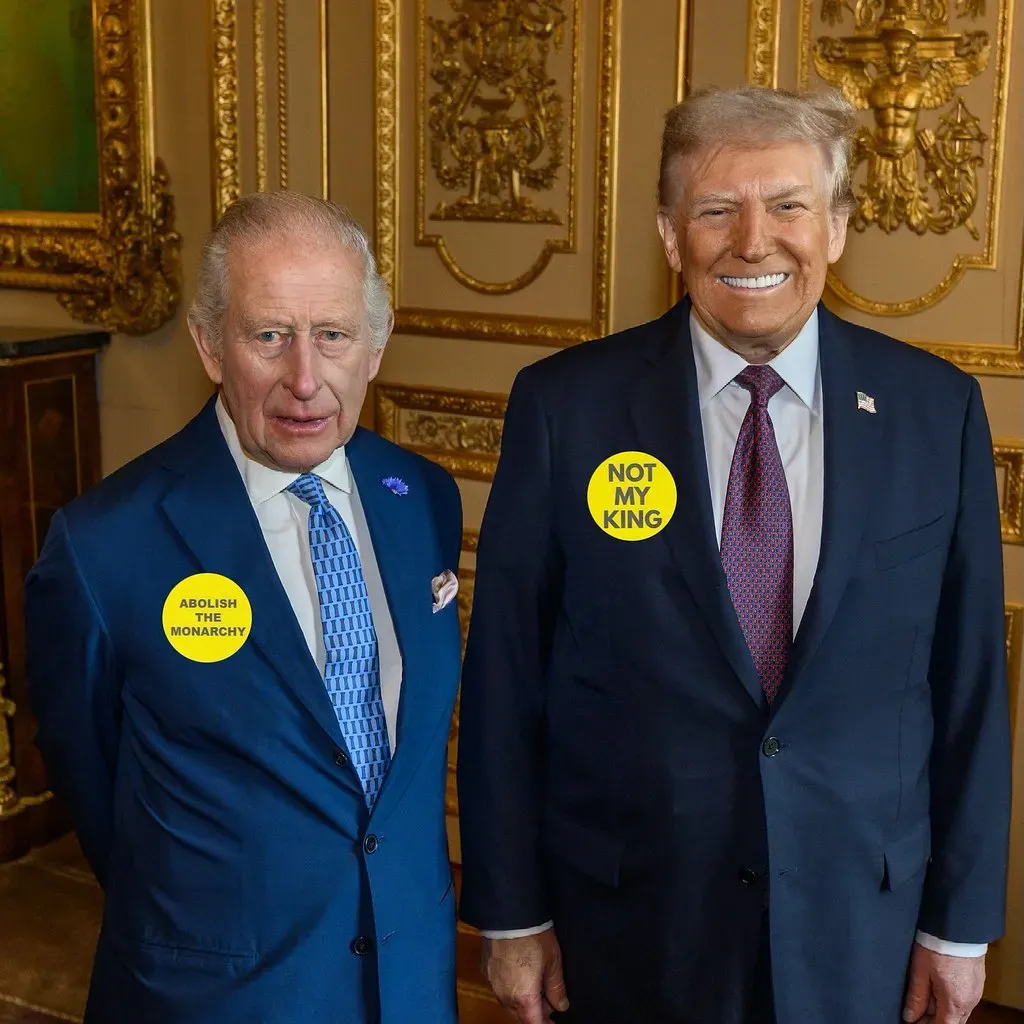
A 2024 longitudinal study in Personality and Individual Differences confirmed that prolonged leadership roles increase measurable narcissistic tendencies, particularly in heads of state and corporate executives. This research helps explain why leaders across different eras and contexts often display similar patterns of self-aggrandizement and moral compromise. The study tracked individuals before and after assuming positions of authority, documenting measurable personality changes that emerged specifically from wielding power.
The findings suggest that leadership positions themselves may transform character in predictable ways. Individuals who initially possessed moderate narcissistic traits showed significant increases after several years in high-authority roles. This pattern appeared consistent across political, corporate, and military leadership contexts, indicating a universal psychological effect of sustained power rather than simply reflecting who seeks leadership positions.
Charismatic Leaders Escaping Accountability

A 2024 study in Leadership Quarterly showed that charismatic public figures receive significantly less media scrutiny for ethical violations compared to less charismatic counterparts, even when evidence is equivalent. Researchers analyzed media coverage of misconduct allegations across hundreds of leaders, controlling for severity of accusations and strength of evidence. The disparity proved substantial, with charismatic leaders receiving roughly thirty-eight percent less critical coverage than their less compelling peers.
A 2023 behavioral psychology study from Current Psychology demonstrated that people rate ethical violations as less severe when committed by admired leaders compared to unknown individuals. Study participants evaluated identical scenarios involving either beloved historical figures or anonymous actors. The results revealed systematic bias in moral judgment, with identical actions receiving dramatically different ethical assessments based solely on the perpetrator’s public image and likability.
Historical Sanitization of Leadership Violence
Research published by Nature Human Behaviour in 2023 found that national history textbooks in over 40 countries systematically downplay violence, exploitation, or repression linked to revered political leaders. The study compared textbook accounts with documented historical records, finding consistent patterns of omission and minimization across diverse political systems. Founding figures and independence leaders received particularly protective treatment, with controversial decisions frequently reframed as necessary pragmatism.
A 2025 Harvard Kennedy School analysis showed that biographies of iconic leaders omit an average of thirty to forty-five percent of documented controversial decisions compared to academic historical records. The research examined bestselling biographies against archival evidence, revealing systematic gaps in how popular accounts portray leadership. Decisions involving civilian casualties, civil liberties restrictions, and corruption received the most frequent omission or euphemistic description.
Economic Success Masking Long-Term Harm

The World Economic Forum’s 2024 governance report noted that leaders credited with economic growth were frequently responsible for long-term social inequality or environmental damage that emerged decades later. The analysis examined development policies from the past fifty years, tracing their delayed consequences. Leaders celebrated during their tenure for modernization often implemented extractive practices whose costs became apparent only after they left power.
The report documented how immediate economic metrics often obscure distributional consequences and environmental degradation. Policies that generated impressive GDP growth frequently concentrated wealth among elites while depleting natural resources or creating precarious labor conditions. Historical reassessment reveals that many economic miracles came with hidden price tags paid by future generations or marginalized populations.
Stability Over Human Rights
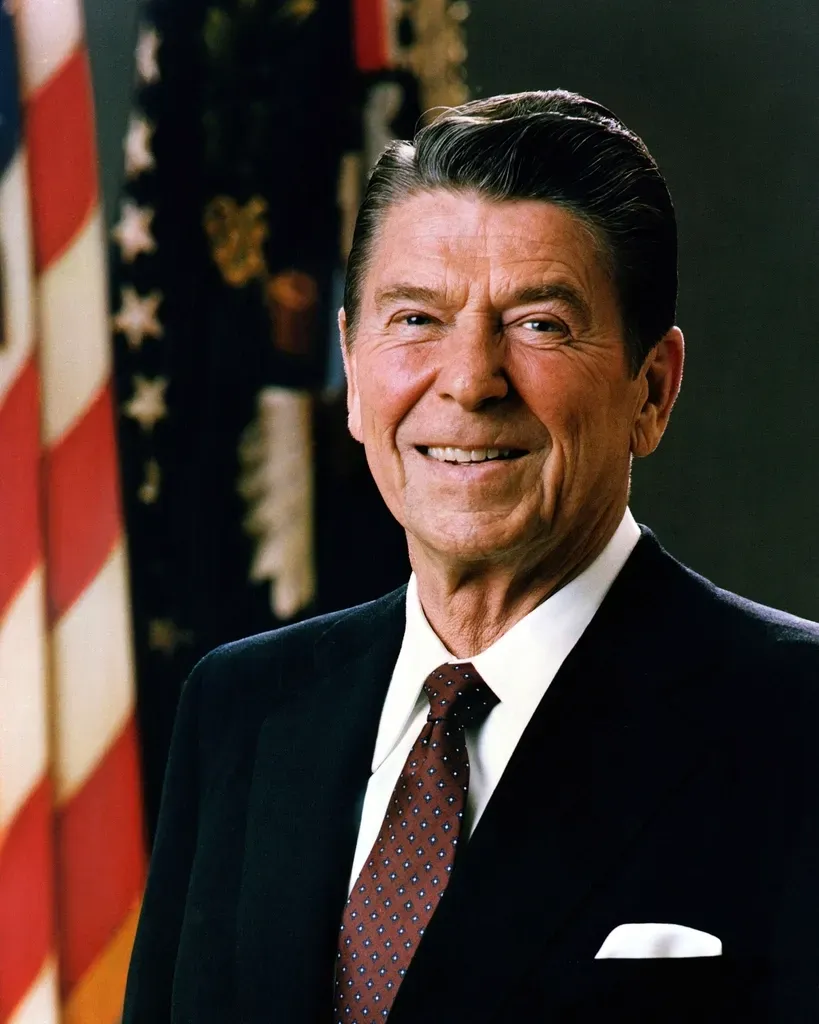
According to Amnesty International’s 2024 global review, several widely praised post-war leaders knowingly approved policies that restricted civil liberties to maintain political order. The documentation covered leaders from diverse ideological backgrounds who received international acclaim for maintaining peace or fostering development. Declassified records showed deliberate decisions to curtail press freedom, suppress dissent, and expand surveillance in the name of stability.
A 2024 Reuters Institute study found that positive framing reduced public outrage by up to thirty-eight percent when leaders were exposed for misconduct, compared to neutral or critical framing. The research demonstrated how media presentation profoundly shapes moral judgment. Identical revelations about leader misconduct generated vastly different public reactions depending on whether coverage emphasized achievements alongside failures or focused primarily on wrongdoing. This framing effect proved particularly powerful for established leaders with strong public support.
A 2023 review in Ethics and International Affairs concluded that historical impact assessments increasingly recognize that leaders can achieve transformative outcomes while simultaneously causing significant moral or humanitarian harm. The article represents a shift in academic analysis toward acknowledging complexity rather than demanding moral consistency. Scholars now more readily accept that the same individual can advance justice in one domain while perpetrating injustice in another, and that historical importance does not require ethical perfection or erase documented wrongs.