Fahrenheit 451: The Ironic Victim of Censorship
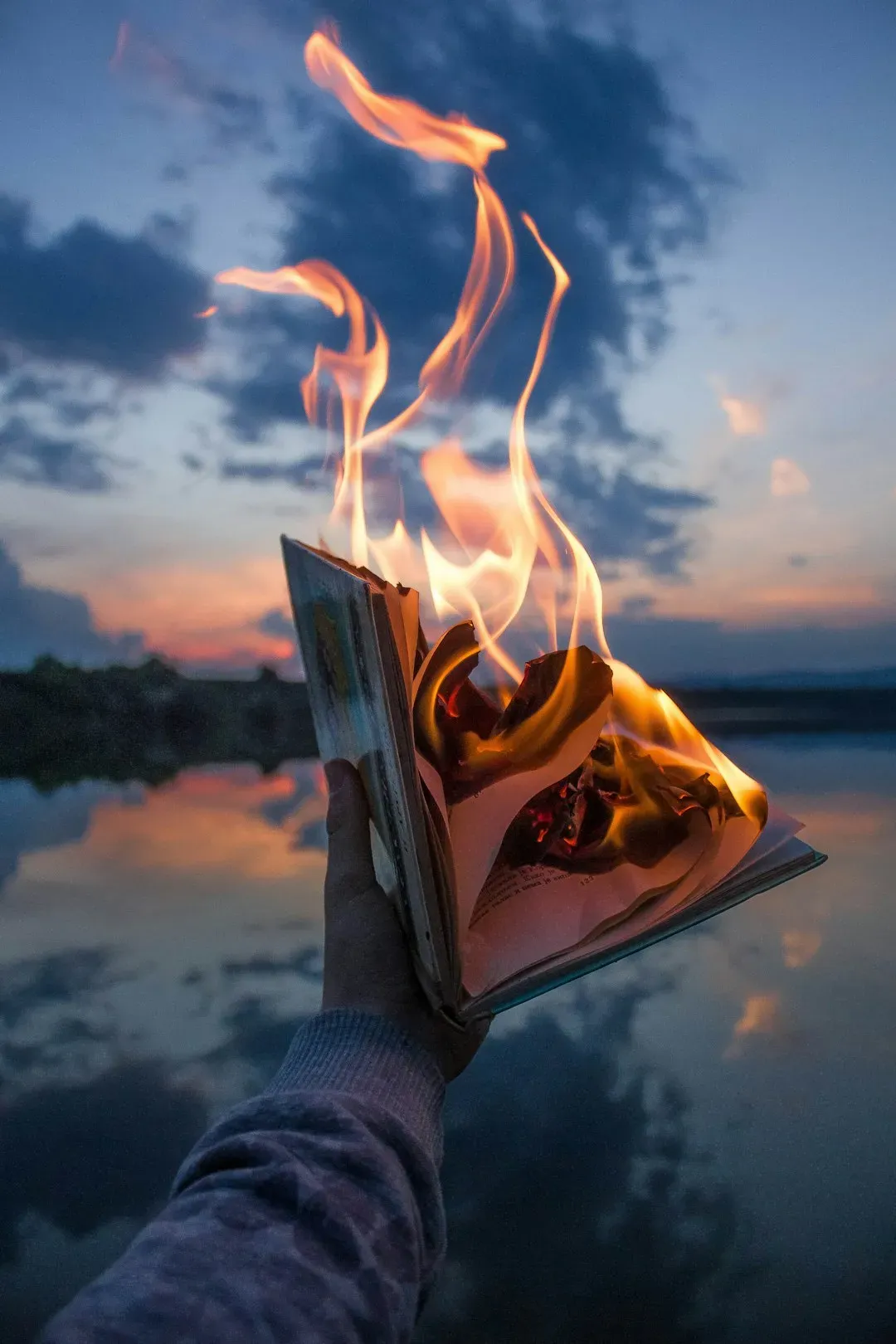
Ray Bradbury’s dystopian novel about book burning faced its own censorship when its publisher, Ballantine Books, released an expurgated edition in 1967, censoring words like “hell,” “damn,” and “abortion” and modifying seventy-five passages. By 1973, only the censored version was available, and this continued until 1979 when Bradbury demanded the original be restored. In 1987, the novel was classified as “third tier” by Florida’s Bay County School Board for “a lot of vulgarity,” leading to student protests and a media stir that eventually forced the board to abandon its censorship system.
George Orwell’s 1984: Banned for Being Too Accurate
First published in 1949, the novel was initially banned in Russia and the USSR under Stalin for its anti-communist views, then years later in 1981, Jackson County, Florida banned it for being “pro-communist” and for “explicit social content.” With escalating book ban attempts in the U.S., Orwell’s cautionary tale now serves as the theme for the 2025 Banned Books Week, reminding us that censorship efforts persist today. The political discomfort it creates on both sides of the spectrum reveals how dangerous certain truths remain.
The Catcher in the Rye: Teenage Rebellion Under Fire
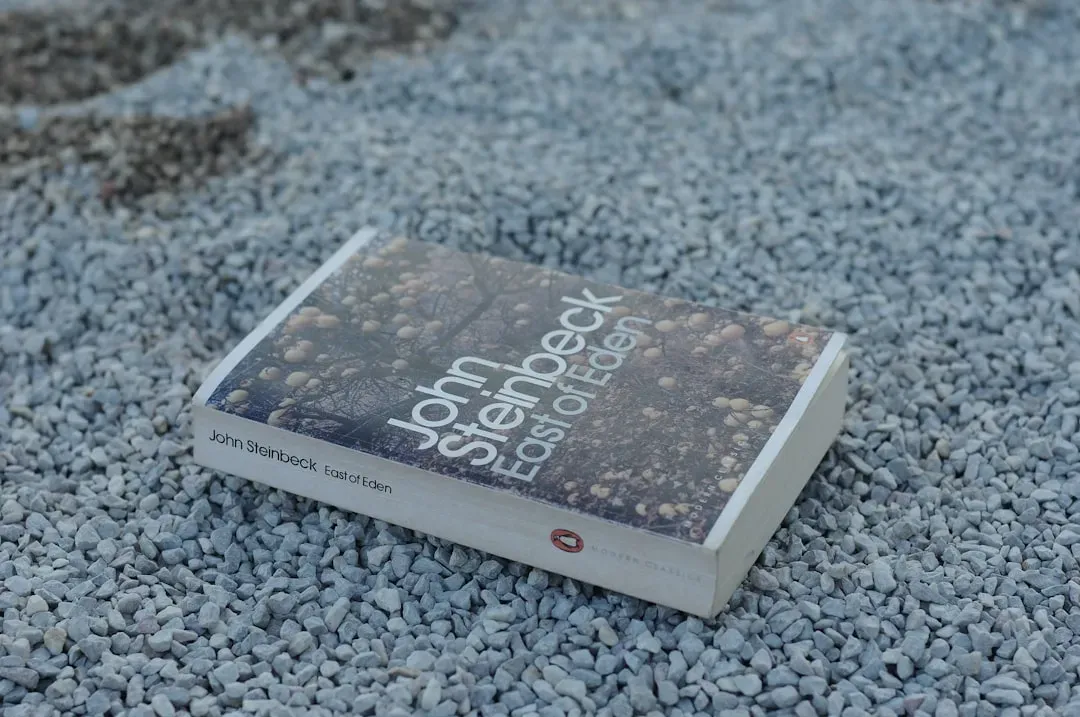
Between 1961 and 1982, J.D. Salinger’s novel was the most censored book in high schools and libraries in the United States. According to the American Library Association, the book was the tenth most frequently challenged from 1990 to 1999, and although off the list for three years, it reappeared in 2009. Challenged repeatedly because of complaints about sex, violence, and profanity, the book has remained a staple of American literature curricula.
To Kill a Mockingbird: Fighting Racism While Being Called Racist
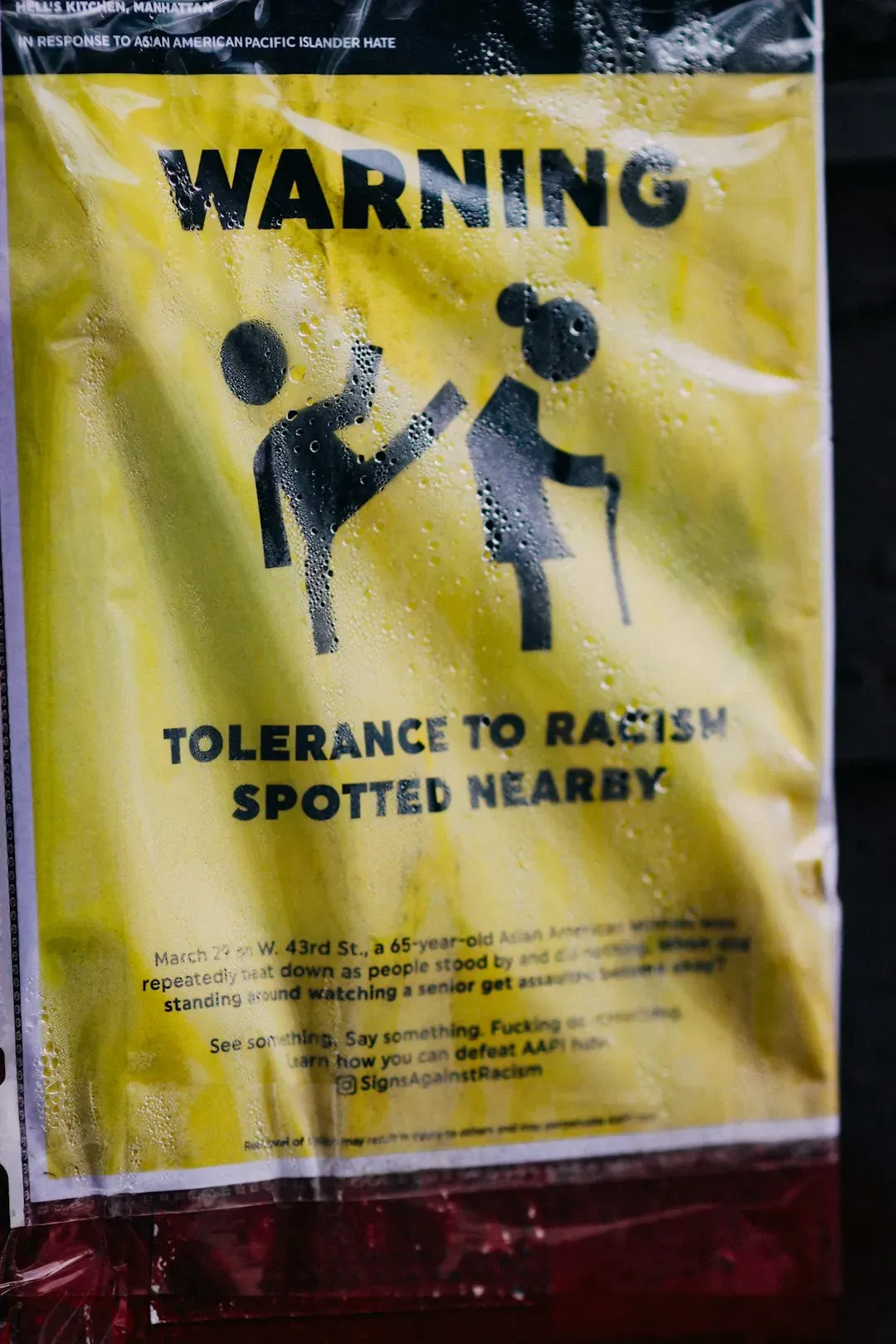
Harper Lee’s masterpiece about racial injustice in the American South has become one of the most paradoxically banned books of recent years. PEN America found over 3,300 instances of book bans during the 2022-2023 school year, representing a 33 percent increase from the previous year. The novel has been challenged both for its use of racial slurs and for allegedly promoting a “white savior” narrative, creating controversy from multiple directions yet remaining essential to anti-racism education.
Nazi Book Burnings: When Literature Became Prophecy
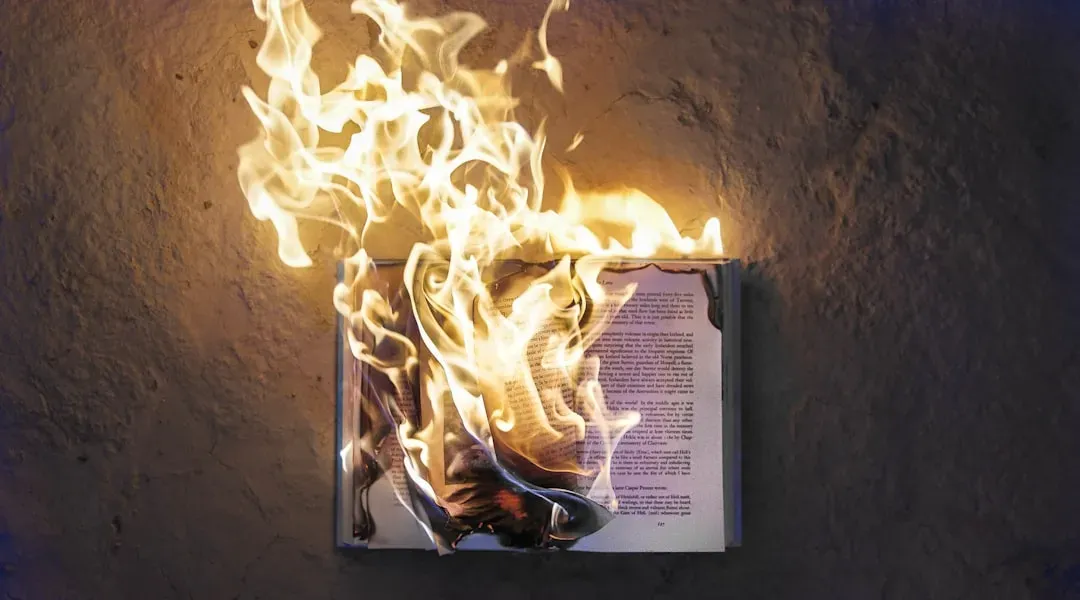
In May 1933, about three months after Hitler came to power, pro-Nazi university students burned books labeled “un-German,” including those by Jewish authors, pacifist works, and writings promoting leftist political movements like socialism and communism. Among the authors targeted were Erich Maria Remarque, Sigmund Freud, and Kurt Tucholsky. The authors whose books were burned were subsequently banned from their profession, with many forced into exile or forgotten, while others were later murdered by the Nazis.
The Handmaid’s Tale: Dystopia Becomes Reality
Margaret Atwood’s novel about a totalitarian theocracy has faced bans not just in the United States but globally. Reports confirm continued challenges through 2024, especially in regions with authoritarian governance. The book’s graphic depiction of reproductive control and religious extremism makes it a target wherever such themes hit too close to home. Its endurance speaks to how fiction often predicts reality better than any political analyst ever could.
The Digital Resistance: Technology Defeats Censorship
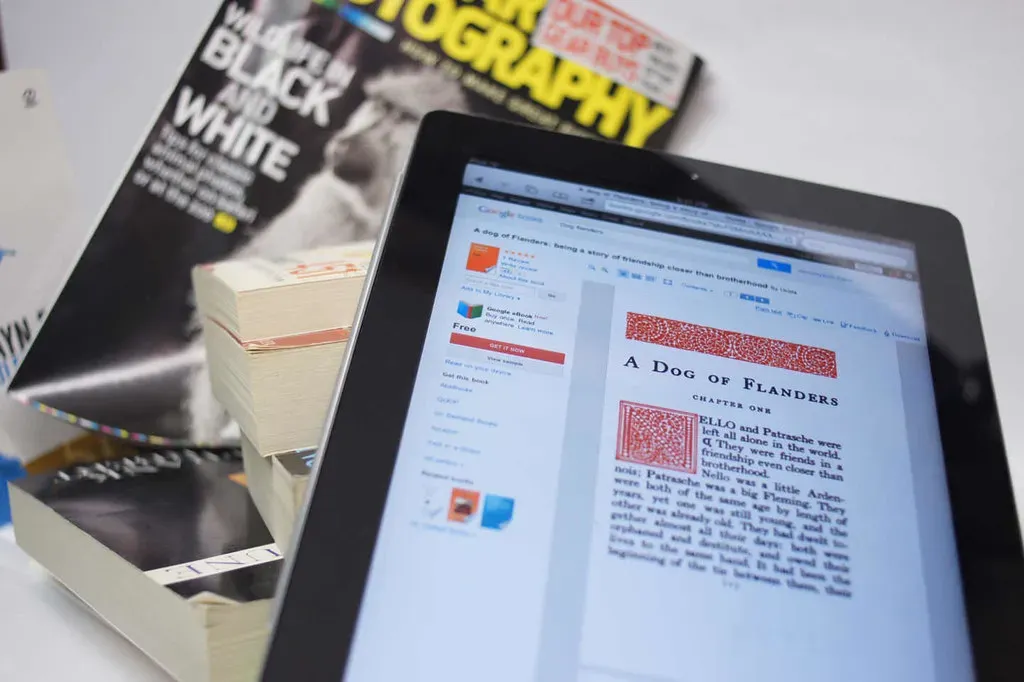
While censors work overtime to remove physical books from shelves, technology has fundamentally changed the battlefield. A 2023 study found that digital libraries and e-books have significantly reduced the effectiveness of bans, allowing challenged books to remain accessible despite institutional restrictions. Online platforms, file-sharing networks, and digital archives have created an almost impossible challenge for those seeking to erase ideas. Where twentieth-century book burnings destroyed irreplaceable texts, twenty-first-century attempts mostly just generate publicity.
The Sales Spike Phenomenon: Banning Backfires
PEN America documented 3,362 instances of individual books banned during the 2022-2023 school year, affecting 1,557 unique titles, representing a 33 percent increase from the previous year. Yet publishing industry data reported in 2024 shows that books facing bans or challenges frequently experience sales spikes, driven by public attention and resistance purchasing. The Streisand effect proves remarkably consistent: tell people they can’t read something, and suddenly everyone wants to.
Organized Campaigns: The New Face of Censorship
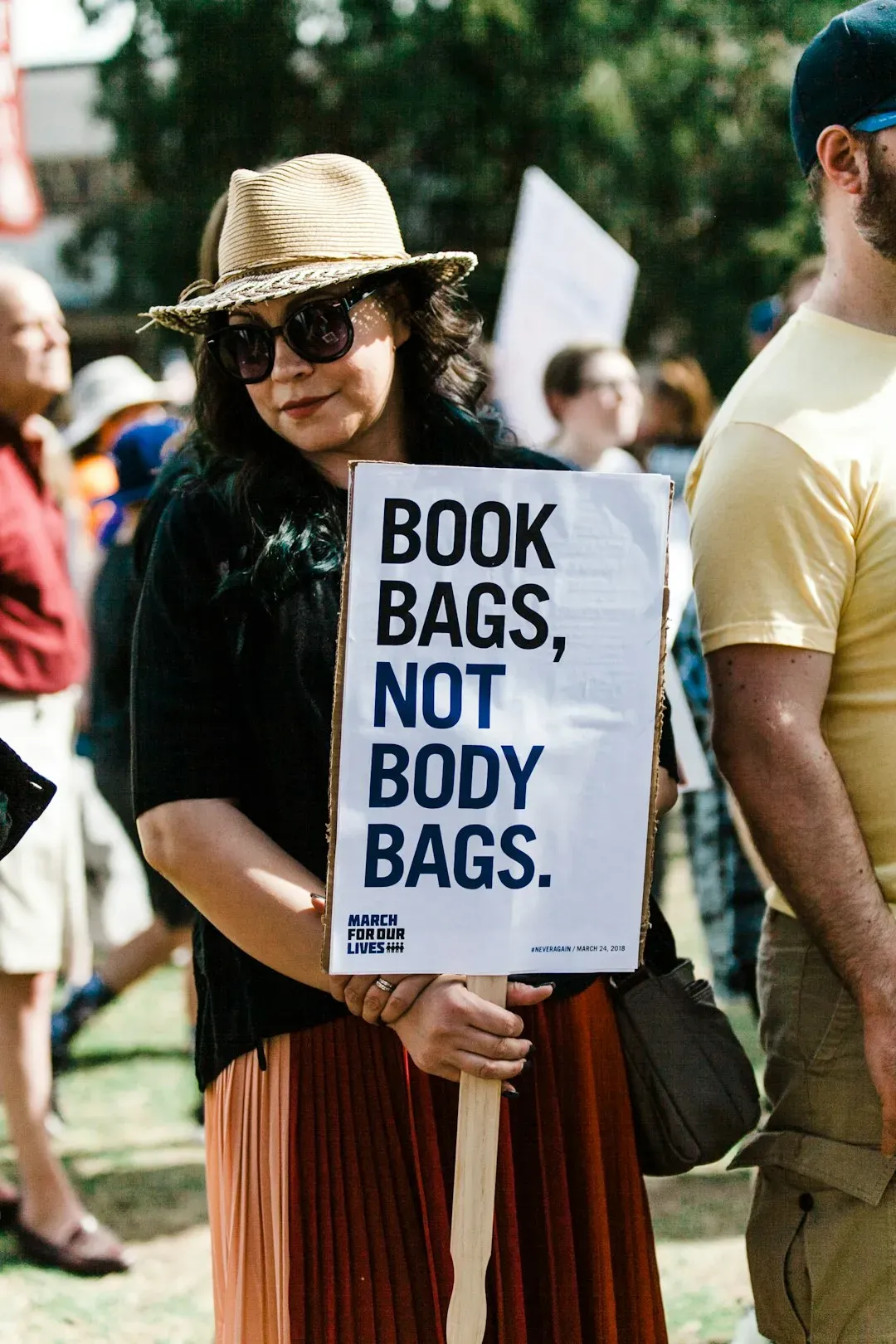
The majority of book censorship attempts now originate from organized movements, with pressure groups and government entities including elected officials, board members, and administrators initiating 72 percent of demands to censor books. The bans during 2022-2023 occurred in 33 states, with Florida leading the nation, according to PEN America’s analysis. These aren’t spontaneous parent concerns anymore but coordinated political campaigns using books as cultural battlegrounds.
Banned Books Week: Growing Resistance
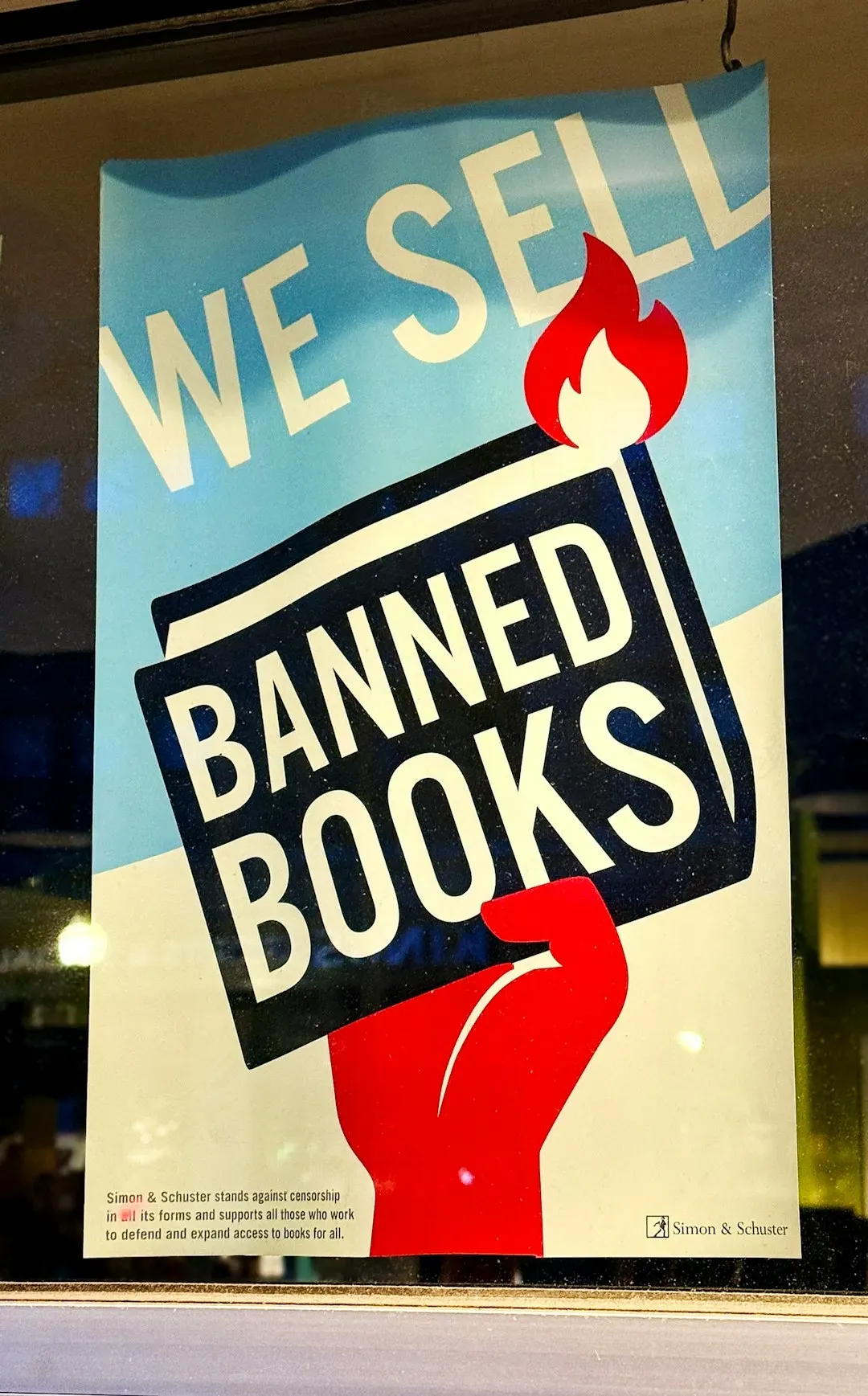
The American Library Association reported increased participation in Banned Books Week events in 2024, signaling stronger public engagement with censorship awareness and literary freedom. Established in 1982, Banned Books Week brings together the entire book community in shared support of the freedom to read. What started as a modest response to censorship has evolved into a cultural movement, with libraries, bookstores, and schools hosting read-outs, displays, and discussions. The books that authorities tried to bury have instead become symbols of resistance, proving that suppression often creates the very attention censors hoped to avoid.