History textbooks love to paint progress as a straight line. Brilliant minds, careful planning, monumental decisions. But here’s the thing: some of civilization’s biggest leaps forward happened purely by accident. A scientist spilled something. Someone forgot to clean their lab equipment. A mistake turned into a multimillion-dollar industry.
These aren’t just fun trivia facts. They’re reminders that chaos and randomness have steered humanity’s course just as much as genius and intention. From medical breakthroughs to culinary staples, the world we live in today owes a surprising debt to pure, dumb luck. Let’s dive into twelve moments where chance rewrote the rules.
1. Penicillin: The Moldy Petri Dish That Saved Millions
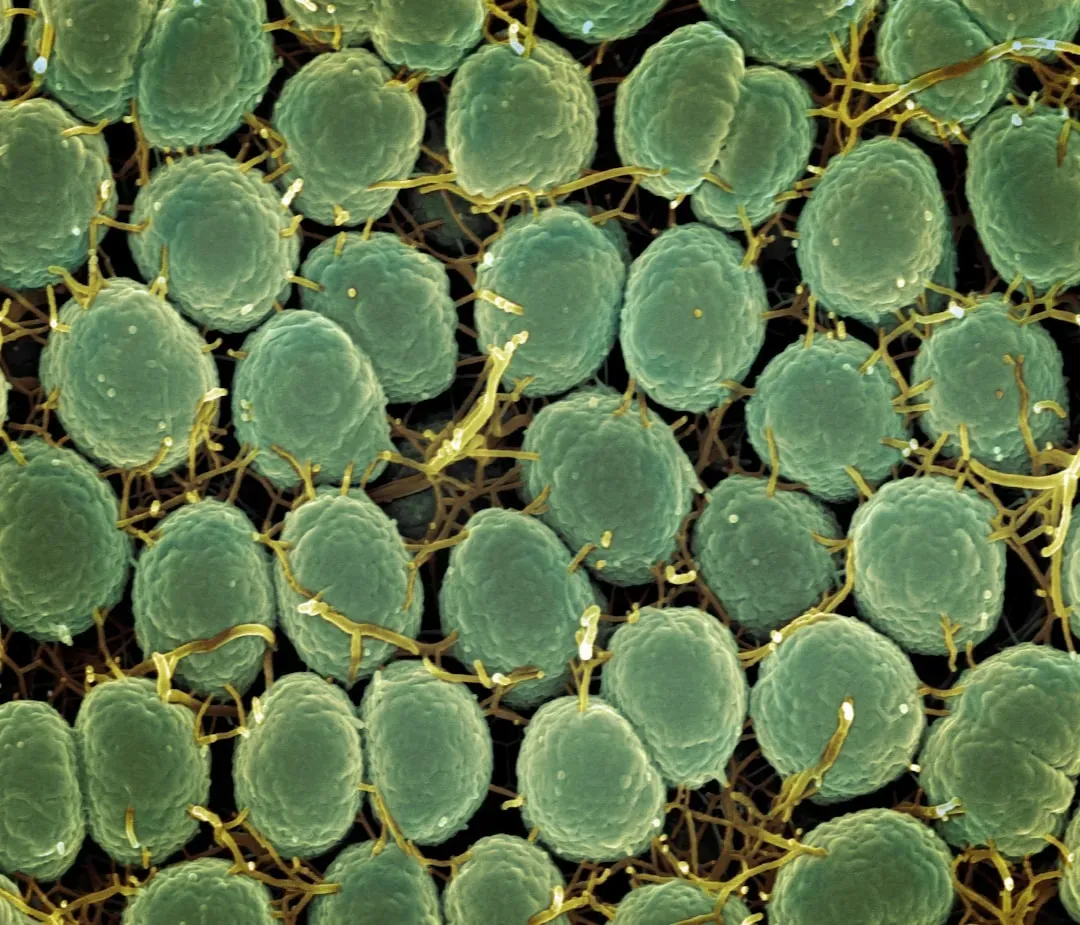
Alexander Fleming returned from vacation in 1928 to find his lab in disarray. One particular petri dish caught his eye, contaminated with mold. Most scientists would have tossed it. Fleming noticed something odd: bacteria near the mold had died. That contaminated dish became penicillin, the world’s first widely used antibiotic.
Before this accident, a simple scratch could turn deadly. Infections killed soldiers, mothers during childbirth, children with minor wounds. Fleming’s discovery didn’t just treat disease. It fundamentally changed warfare, surgery, and life expectancy across the globe.
The kicker? Fleming almost threw that dish away. He hesitated for just a moment, looked closer, and changed medicine forever. Sometimes procrastination pays off in ways you’d never expect.
2. Microwave Ovens: A Melted Chocolate Bar

Percy Spencer was working with radar technology in 1945 when he felt something strange in his pocket. The chocolate bar he’d been saving had melted into goo. Instead of shrugging it off, Spencer got curious. He placed popcorn kernels near the magnetron. They popped.
Within a few years, the microwave oven went from military labs to kitchen counters. Today it’s hard to imagine life without reheating leftovers in two minutes flat. That accidental discovery reshaped how millions of people cook, eat, and manage their time.
Spencer’s story reminds us that paying attention to small oddities can unlock huge innovations. Most people would have cursed the ruined chocolate and moved on. He saw a pattern worth investigating.
3. Viagra: The Failed Heart Medication
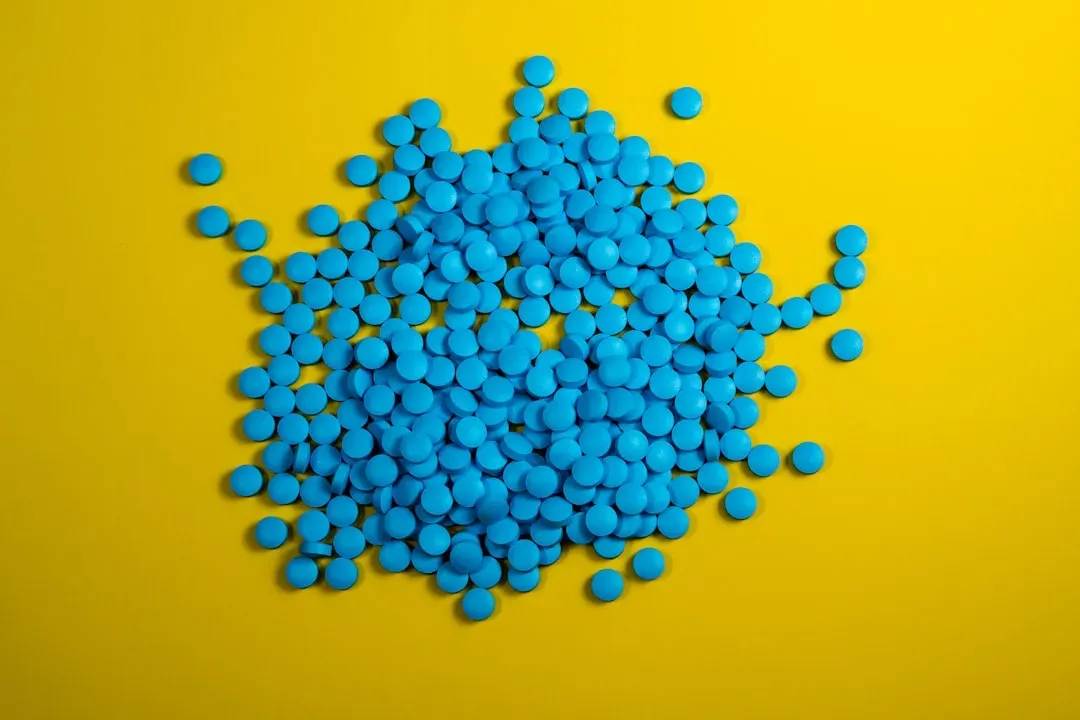
Pfizer researchers were testing a new drug for heart conditions in the early 1990s. The results were disappointing. Blood pressure didn’t improve much. But trial participants reported an unexpected side effect they were oddly reluctant to return their unused pills.
Pfizer pivoted fast. What began as a cardiovascular failure became one of the most profitable pharmaceuticals in history. Viagra transformed conversations around sexual health, erased stigmas, and generated billions in revenue. All because researchers paid attention to what wasn’t working as planned.
The lesson here feels almost too obvious. Failure in one direction doesn’t mean failure overall. Sometimes the answer you’re looking for is hiding in the results you didn’t want.
4. Champagne: A Storage Problem Gone Right

Winemakers in the Champagne region of France faced a recurring issue in the 1600s. Bottles kept exploding in their cellars. The cold winters halted fermentation, then warmer spring temperatures restarted it, creating pressure that shattered glass. It was expensive, messy, and frustrating.
Instead of giving up, they experimented with thicker bottles and better corks. The result? A sparkling wine that became synonymous with celebration, luxury, and victory. What was once a costly mistake turned into a cornerstone of French culture and economy.
Champagne proves that accidents can become assets if you’re willing to lean into the chaos rather than fight it. The bubbles that ruined their inventory became their signature.
5. Vulcanized Rubber: A Kitchen Mishap
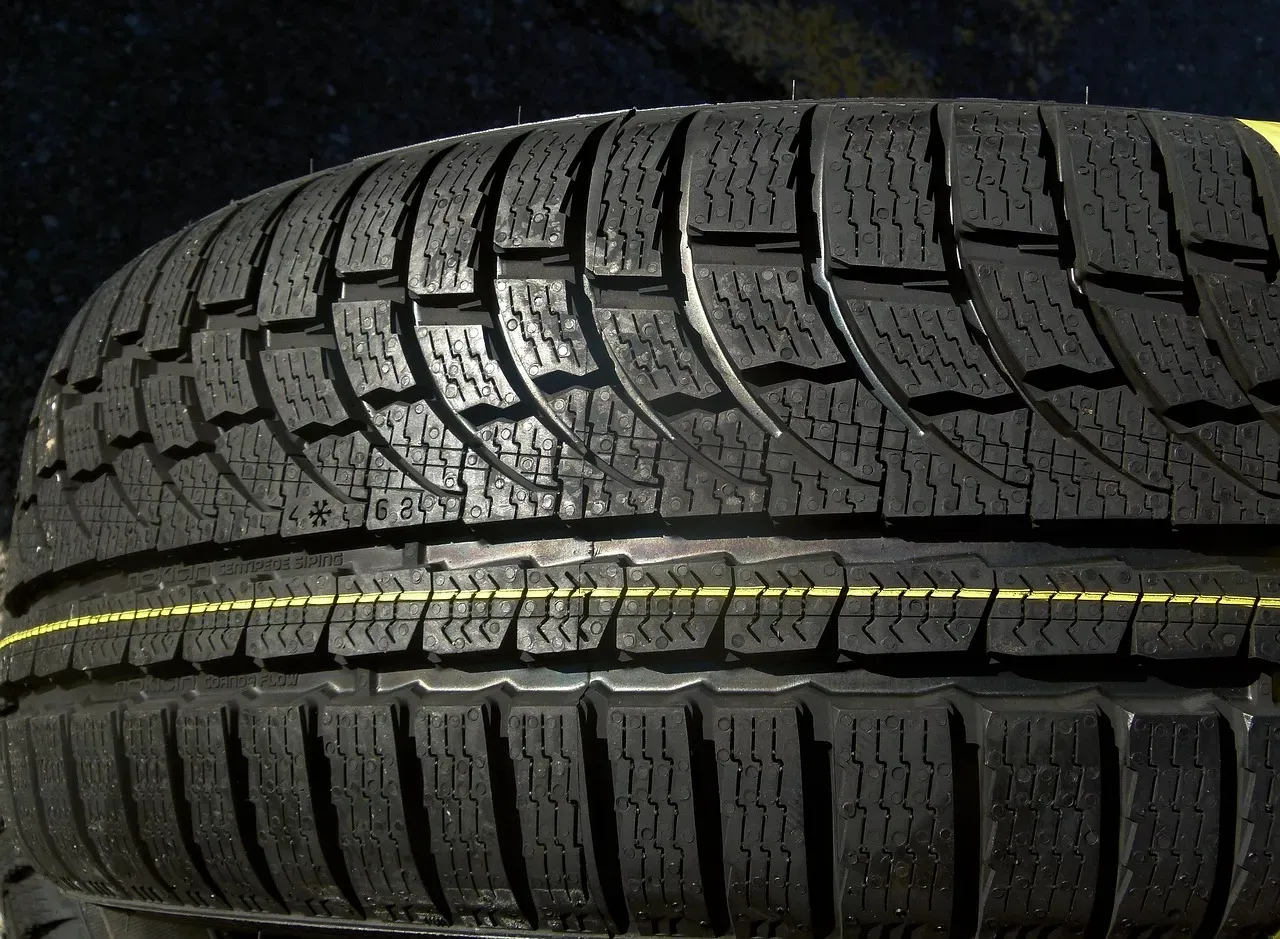
Charles Goodyear spent years trying to make rubber usable in all weather conditions. Natural rubber melted in heat and cracked in cold. In 1839, he accidentally dropped a mixture of rubber and sulfur onto a hot stove. Instead of ruining his work, the heat transformed the material into something durable and flexible.
Vulcanized rubber became essential for tires, shoes, hoses, and countless industrial applications. Without Goodyear’s clumsy moment, modern transportation would look radically different. Cars, bicycles, airplanes – they all rely on that kitchen accident.
Goodyear died broke, never fully profiting from his discovery. But his accidental innovation outlived him by generations, proving that impact and personal success don’t always align.
6. Post-It Notes: A Weak Glue Nobody Wanted
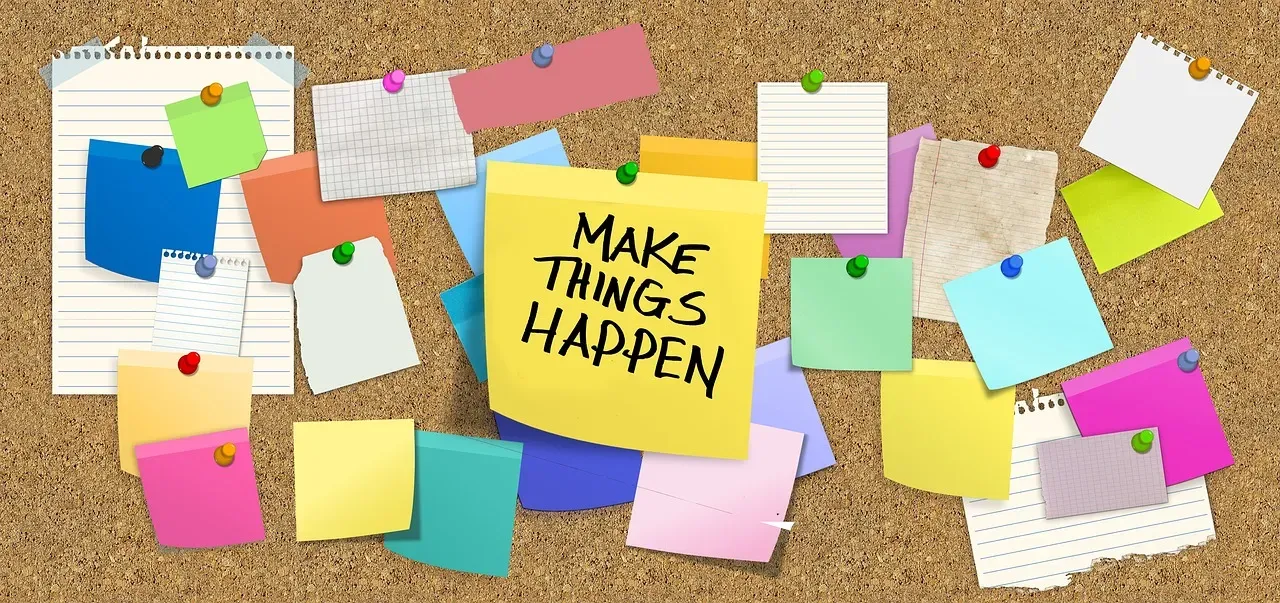
Spencer Silver, a scientist at 3M, was trying to create a super-strong adhesive in 1968. What he made instead was embarrassingly weak. It stuck to surfaces but peeled off easily, leaving no residue. His colleagues weren’t impressed. The project sat unused for years.
Then Art Fry, another 3M employee, had a problem. Bookmarks kept falling out of his hymnal during church choir practice. He remembered Silver’s “failed” glue, applied it to paper, and created the Post-It Note. Offices worldwide became dependent on those little yellow squares.
This one hits different because it took two accidents, really. A failed adhesive and a frustrated choir singer. Timing and context matter as much as the discovery itself.
7. Coca-Cola: A Headache Remedy Experiment
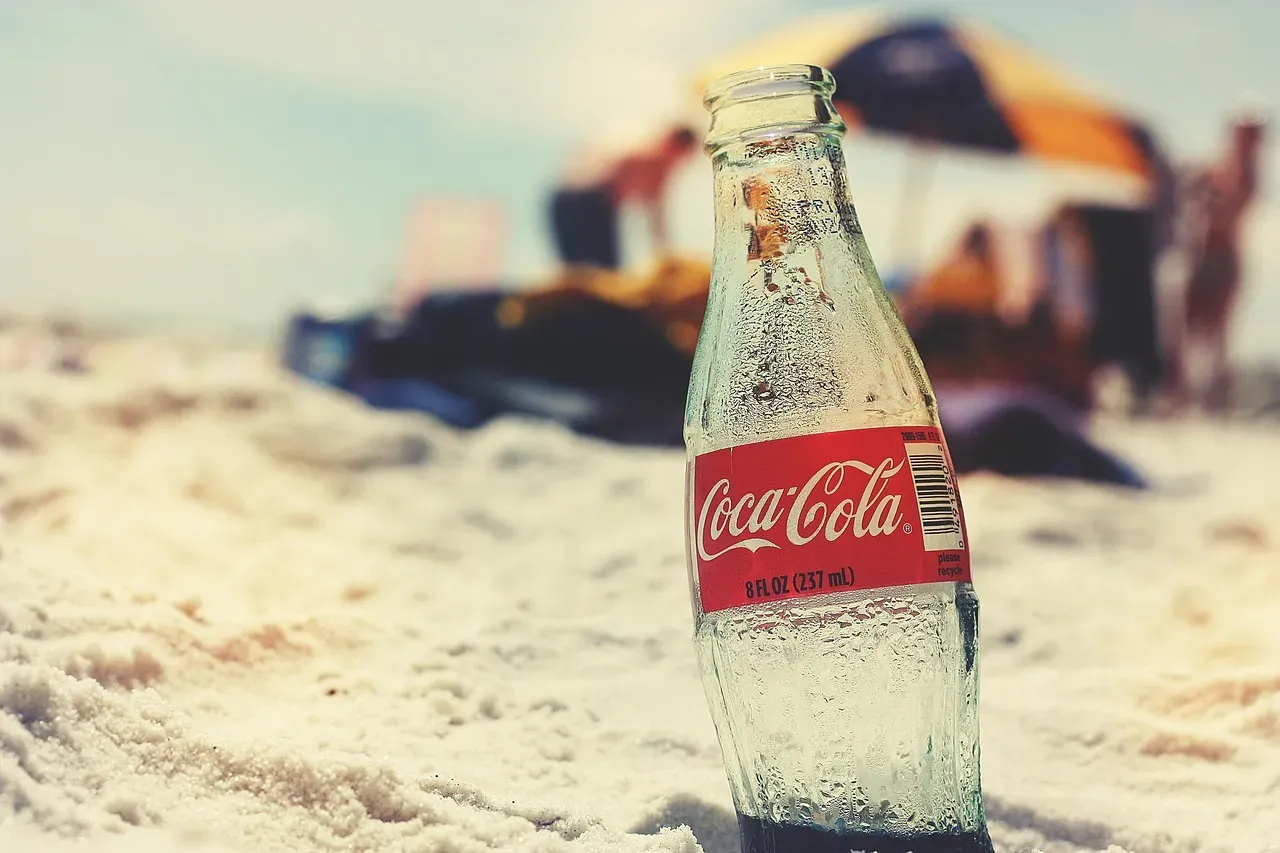
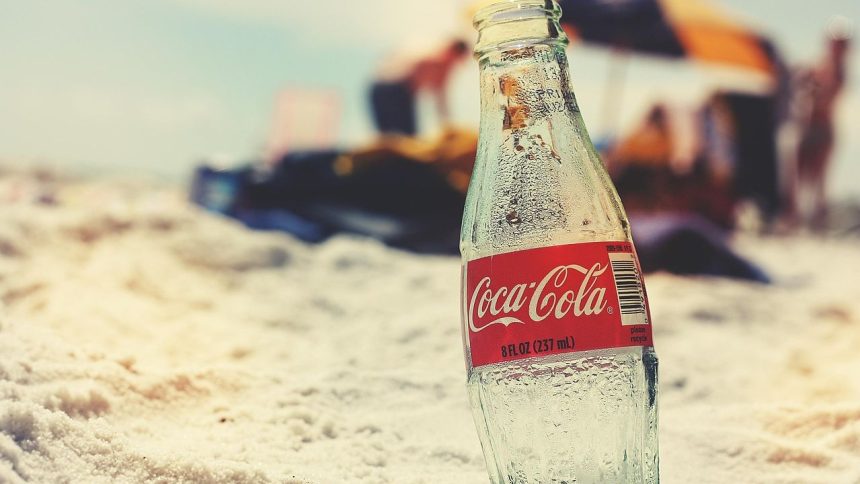
John Pemberton, a pharmacist in Atlanta, was trying to create a cure for headaches and nervousness in 1886. His concoction included coca leaves and kola nuts. He mixed it with water and thought it tasted decent. Then his assistant accidentally mixed it with carbonated water instead.
The fizzy version tasted way better. Pemberton started selling it at a local pharmacy as a fountain drink. Within decades, Coca-Cola became a global empire, worth billions. One assistant’s slip-up launched an entire industry of soft drinks.
Pemberton never lived to see the full scale of his creation. He sold the rights before his death, missing out on unimaginable wealth. But the accidental carbonation stuck around, redefining how the world drinks.
8. X-Rays: A Mysterious Glow in the Dark

Wilhelm Röntgen was experimenting with cathode rays in 1895 when he noticed something bizarre. A screen across the room glowed, even though it wasn’t connected to his equipment. He had no idea what caused it. After weeks of testing, he realized he’d discovered a new kind of ray that could pass through solid objects.
X-rays revolutionized medicine almost overnight. Doctors could see inside the human body without cutting it open. Broken bones, foreign objects, tumors – all suddenly visible. Röntgen won the first Nobel Prize in Physics for his accidental find.
He refused to patent the discovery, believing it should benefit humanity freely. That decision cost him financially but cemented his legacy as a scientist who prioritized progress over profit.
9. Saccharin: The Sweetness of Unwashed Hands
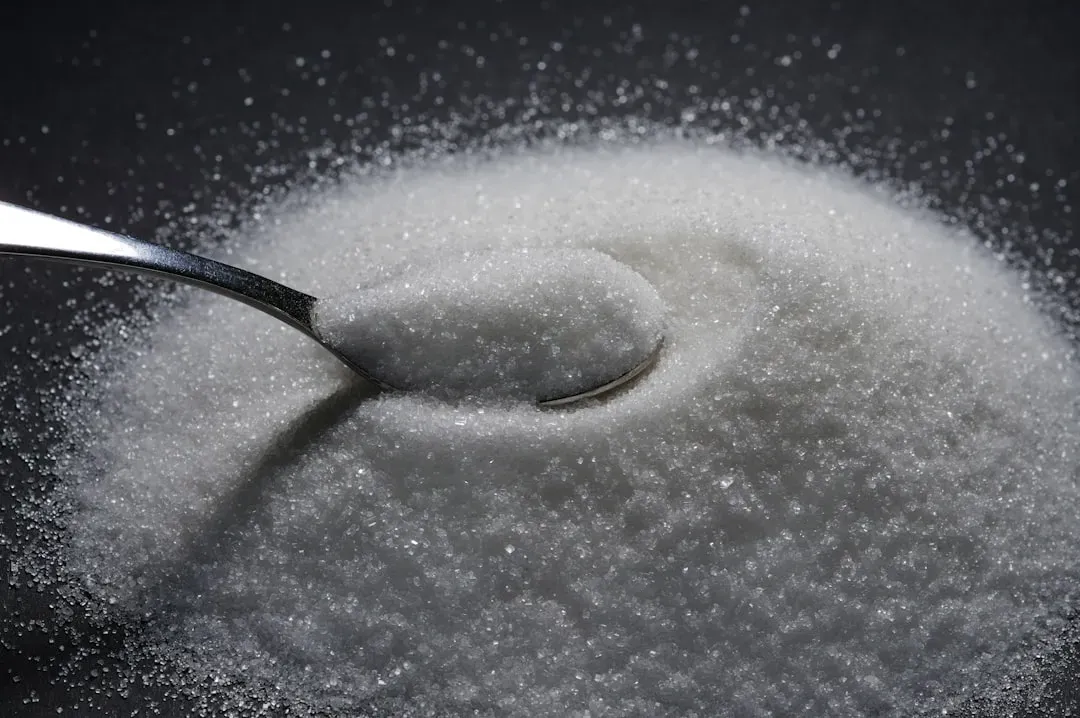
Constantin Fahlberg was working in a chemistry lab in 1879, studying coal tar derivatives. One evening, he sat down for dinner and noticed his bread tasted oddly sweet. He hadn’t washed his hands after leaving the lab. Curious, he tasted the chemicals on his fingers.
What he’d accidentally created was saccharin, the first artificial sweetener. It became a staple for people managing diabetes and those looking to cut sugar. Over a century later, artificial sweeteners dominate the food industry, generating billions annually.
Fahlberg’s lack of hygiene led to a discovery that changed diets worldwide. It’s a reminder that breakthroughs don’t always come from sterile, controlled environments. Sometimes they come from being a little careless.
10. Teflon: A Gas Leak That Stuck Around
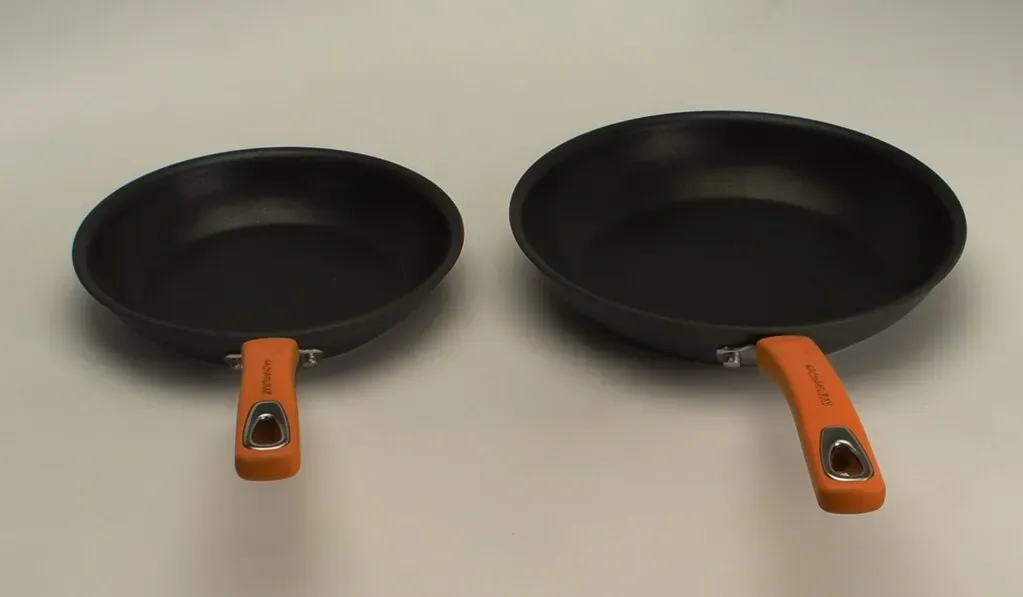
Roy Plunkett was working on refrigerants for DuPont in 1938 when a pressurized canister of gas mysteriously stopped flowing. He opened it to investigate and found a waxy, slippery substance coating the inside. The gas had polymerized into something entirely new.
Teflon became essential for non-stick cookware, space suits, and industrial applications. It resists heat, chemicals, and corrosion better than almost anything else. Plunkett’s accidental polymer is now in millions of kitchens and critical technologies worldwide.
DuPont initially struggled to find uses for it. The material seemed interesting but impractical. Decades later, it’s hard to imagine modern life without it.
11. Cornflakes: A Forgotten Wheat Experiment

John Kellogg and his brother Will were running a health sanatorium in Michigan in 1894. They were trying to create a digestible bread substitute for patients when they accidentally left boiled wheat sitting out too long. The wheat went stale. Rather than toss it, they rolled it anyway.
The result was flakes. Thin, crispy, surprisingly tasty flakes. After experimenting with corn instead of wheat, they launched a breakfast empire. Kellogg’s became a household name, and cereal transformed morning routines globally.
The brothers famously feuded over commercializing the product. John wanted it strictly for health. Will wanted profit. Will won, and breakfast was never the same.
12. Potato Chips: A Chef’s Petty Revenge
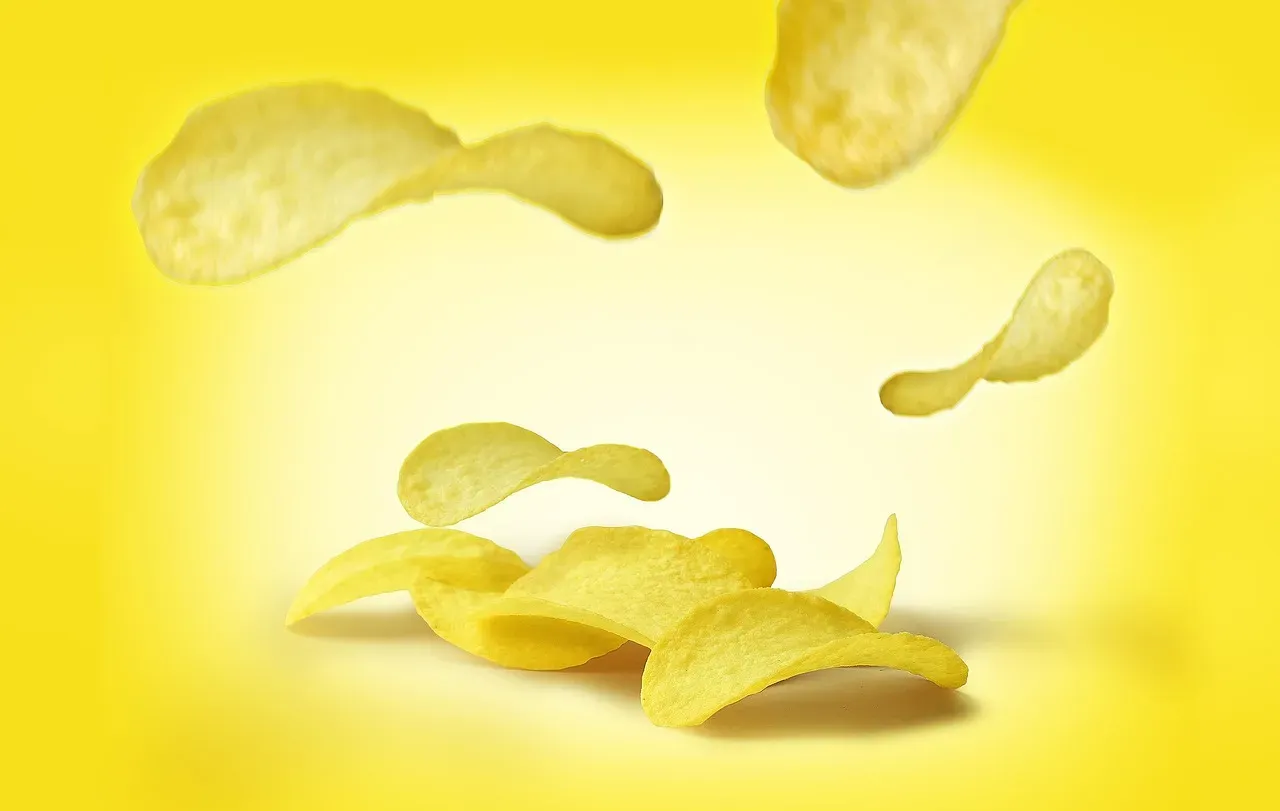
George Crum, a chef in Saratoga Springs, New York, dealt with a difficult customer in 1853. The man kept sending back his fried potatoes, complaining they were too thick and soggy. Frustrated, Crum sliced the potatoes paper-thin, fried them until they were crispy, and heavily salted them.
The customer loved them. So did everyone else. What started as a sarcastic response to a complaint became one of the most popular snacks in the world. Potato chips now generate tens of billions of dollars annually across countless brands.
Crum never patented his creation. He simply kept making them at his restaurant, where they became a local sensation before spreading nationwide. Sometimes spite creates something beautiful.
Conclusion

Civilization isn’t just built on grand visions and careful blueprints. It’s shaped by spilled chemicals, forgotten experiments, and moments of frustration that spiraled into something bigger. These twelve accidents remind us that progress often wears a disguise. It shows up as failure, inconvenience, or pure randomness before revealing its true value.
The common thread? Curiosity. Every one of these discoveries happened because someone paid attention to something unexpected. They didn’t dismiss the weird result or the ruined experiment. They asked why. What do you think the next accidental breakthrough will be? Maybe it’s already sitting in a forgotten lab notebook somewhere.