Some of the most celebrated books in literary history were written behind closed doors, away from curious eyes and skeptical critics. These weren’t just rough drafts tucked into desk drawers. We’re talking about complete masterpieces crafted in absolute secrecy, sometimes for years, before anyone knew they existed.
Why would an author hide their greatest work? The reasons vary wildly. Fear of judgment. Personal trauma too raw to share while writing. Or maybe just the need for creative freedom without outside pressure. Whatever drove them, these writers prove that sometimes the best art happens when nobody’s watching. Let’s dive into the fascinating stories of authors who kept their literary genius under wraps.
Harper Lee’s Stunning Return After Decades of Silence
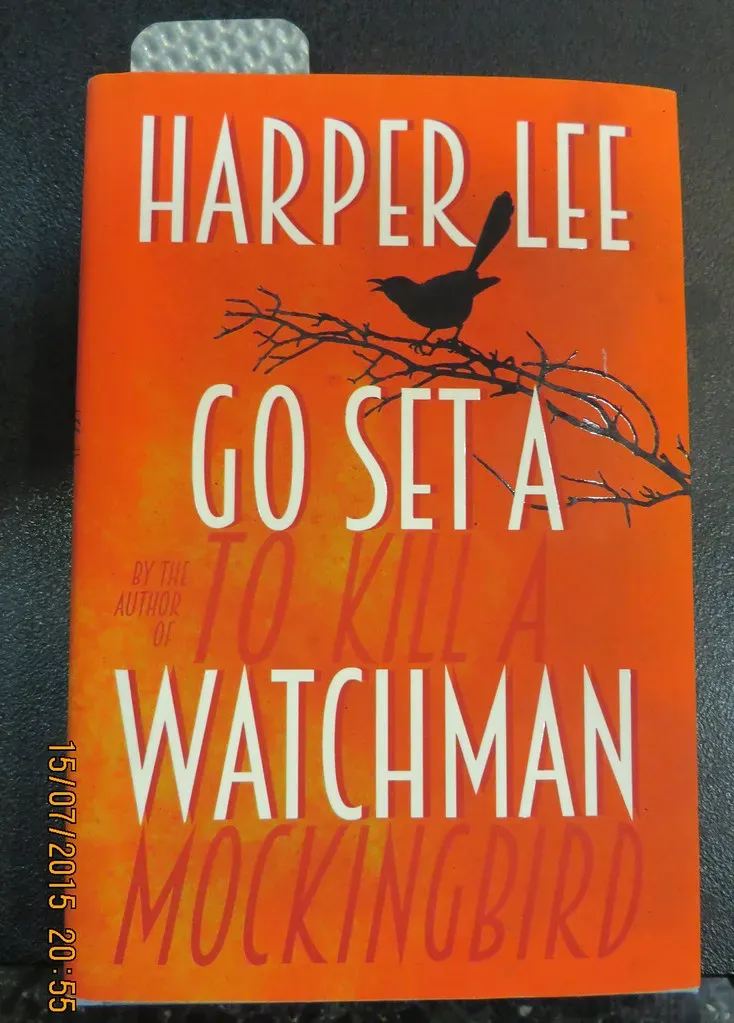
Harper Lee became a literary icon with “To Kill a Mockingbird” in 1960, then seemingly vanished from the writing world. For over fifty years, readers assumed she’d never publish again. The truth? She’d been sitting on “Go Set a Watchman” the entire time.
Written before “Mockingbird,” this manuscript stayed hidden in a safe deposit box for decades. Lee never mentioned it publicly. When it finally surfaced in 2015, the literary world went into a frenzy. Some call it a rough draft, others a standalone work, but the secrecy surrounding it remains one of publishing’s greatest mysteries.
Lee’s reluctance to discuss the manuscript fueled endless speculation. Was she protecting her legacy? Avoiding controversy about the book’s darker portrayal of Atticus Finch? We’ll probably never know the full story, but the decades-long secret certainly added to the intrigue.
Emily Dickinson’s Hidden Poetry Empire
Emily Dickinson wrote nearly 1,800 poems during her lifetime. Her family discovered most of them only after her death in 1886. She kept them tucked away in her bedroom, bound in little booklets she hand-stitched herself.
Dickinson rarely left her home in Amherst, Massachusetts, and shared her work with only a handful of trusted friends. The rest of the world had no idea she was creating some of the most innovative poetry in American literature. Her seclusion wasn’t just physical. It was creative, too.
When her sister Lavinia found the poems, she was stunned by their volume and quality. Dickinson had essentially built an entire literary legacy , revolutionizing poetic form and voice without anyone watching. That level of creative solitude takes serious commitment.
J.D. Salinger’s Vault of Unpublished Works
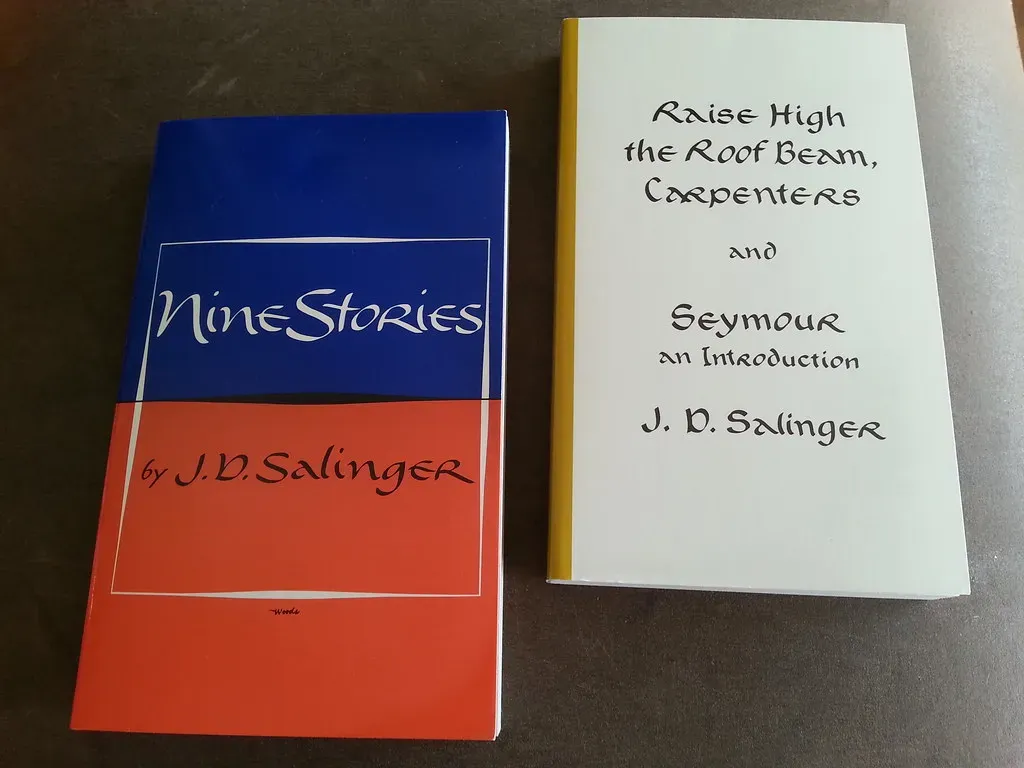
After “The Catcher in the Rye” made him famous, J.D. Salinger retreated from public life completely. He stopped publishing in 1965 but reportedly never stopped writing. According to those close to him, he wrote daily for decades, producing multiple novels and stories.
Salinger kept this work locked away, insisting it would only be published after his death. His literary estate has been notoriously tight-lipped about what exists and when it might see daylight. Some estimates suggest there could be up to ten full manuscripts waiting in the vault.
What drives a writer to create for decades without any intention of sharing it? Salinger once said he wrote for himself, not for publication. That kind of pure artistic devotion, free from commercial pressure, resulted in work we may finally get to read in the coming years.
Stieg Larsson’s Millennium Trilogy Hidden From View
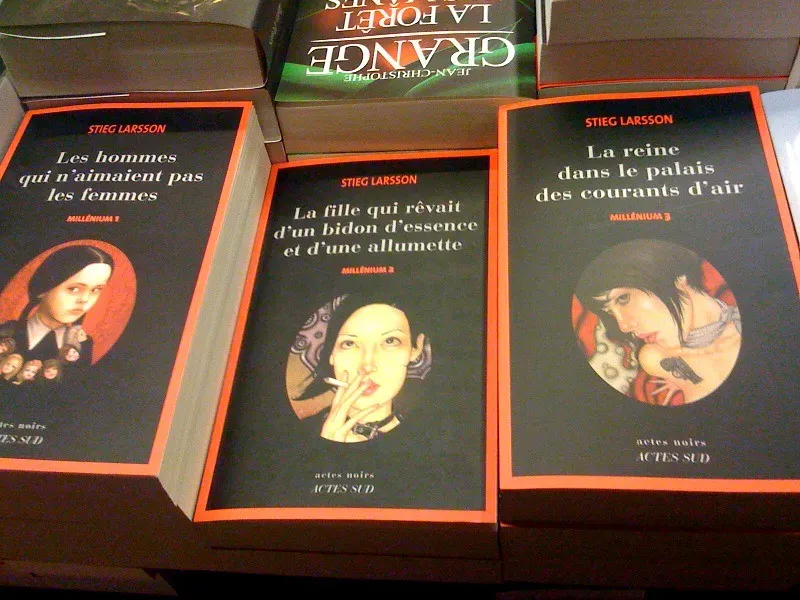
Stieg Larsson worked as a journalist by day while secretly writing his Millennium trilogy at night. He completed all three books before attempting to publish any of them. His partner knew about the project, but few others did.
Larsson sent the manuscripts to Swedish publishers in 2004. Tragically, he died of a heart attack later that year, before “The Girl with the Dragon Tattoo” became an international phenomenon. He never saw his work achieve the massive success it deserved.
The secrecy surrounding his writing wasn’t intentional mystery-building. Larsson simply wanted to finish the entire story before sharing it with the world. That dedication to completing his vision, without external input or pressure, helped create one of the most compelling thriller series of the 21st century.
Sylvia Plath’s Hidden Bell Jar

Sylvia Plath published “The Bell Jar” under the pseudonym Victoria Lucas in 1963, just weeks before her death. She kept her authorship secret from almost everyone, including many close friends. The novel drew heavily from her own experiences with mental illness and depression.
Plath worried about how the semi-autobiographical story would be received, especially by people who might recognize themselves in its pages. The secrecy gave her freedom to write honestly without immediate social consequences. Her identity as the author only became widely known after her death.
The book’s raw portrayal of mental health struggles was ahead of its time. By writing it , Plath could explore these themes without the pressure of her already-established poetic reputation. Sometimes the most powerful writing happens when we feel truly unseen.
Marcel Proust’s Marathon in Seclusion
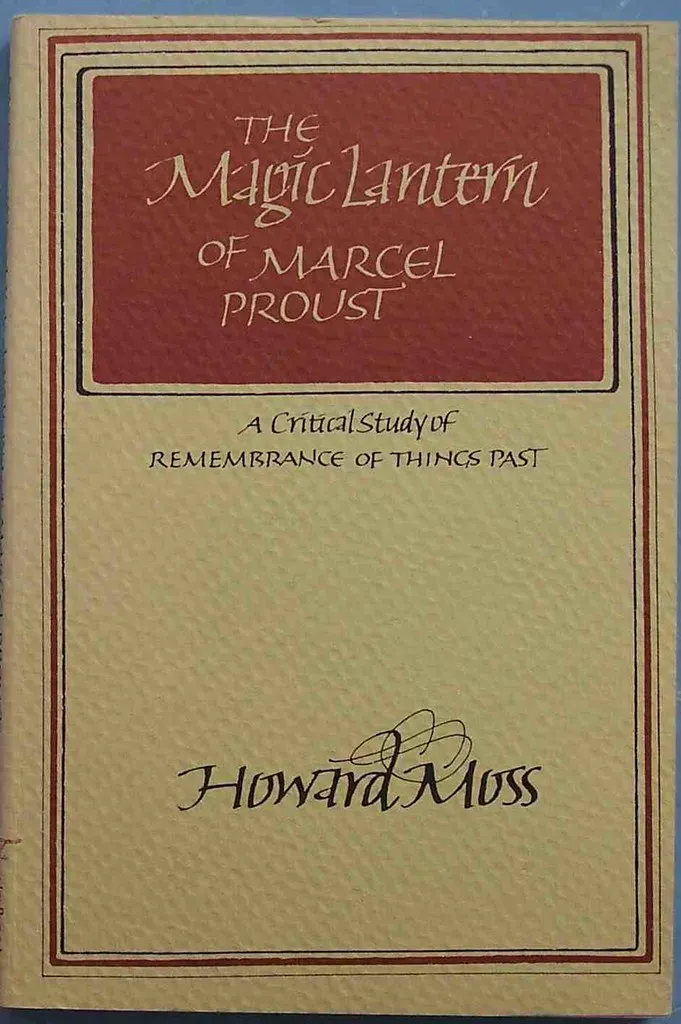
Marcel Proust spent roughly fourteen years writing “In Search of Lost Time” while essentially locked away in his cork-lined Paris bedroom. He worked mostly at night, rarely venturing out, and few people understood the scale of what he was creating.
The seven-volume masterpiece became one of the longest and most influential novels ever written. Proust’s isolation wasn’t just about avoiding distractions. It was about creating a space where memory and time could unfold on the page without interruption.
He self-published the first volume after multiple rejections, including one from André Gide who later admitted it was the biggest mistake of his editorial career. Proust’s secret labor in that sealed room produced a work that redefined what novels could do.
Franz Kafka’s Instructions to Burn Everything
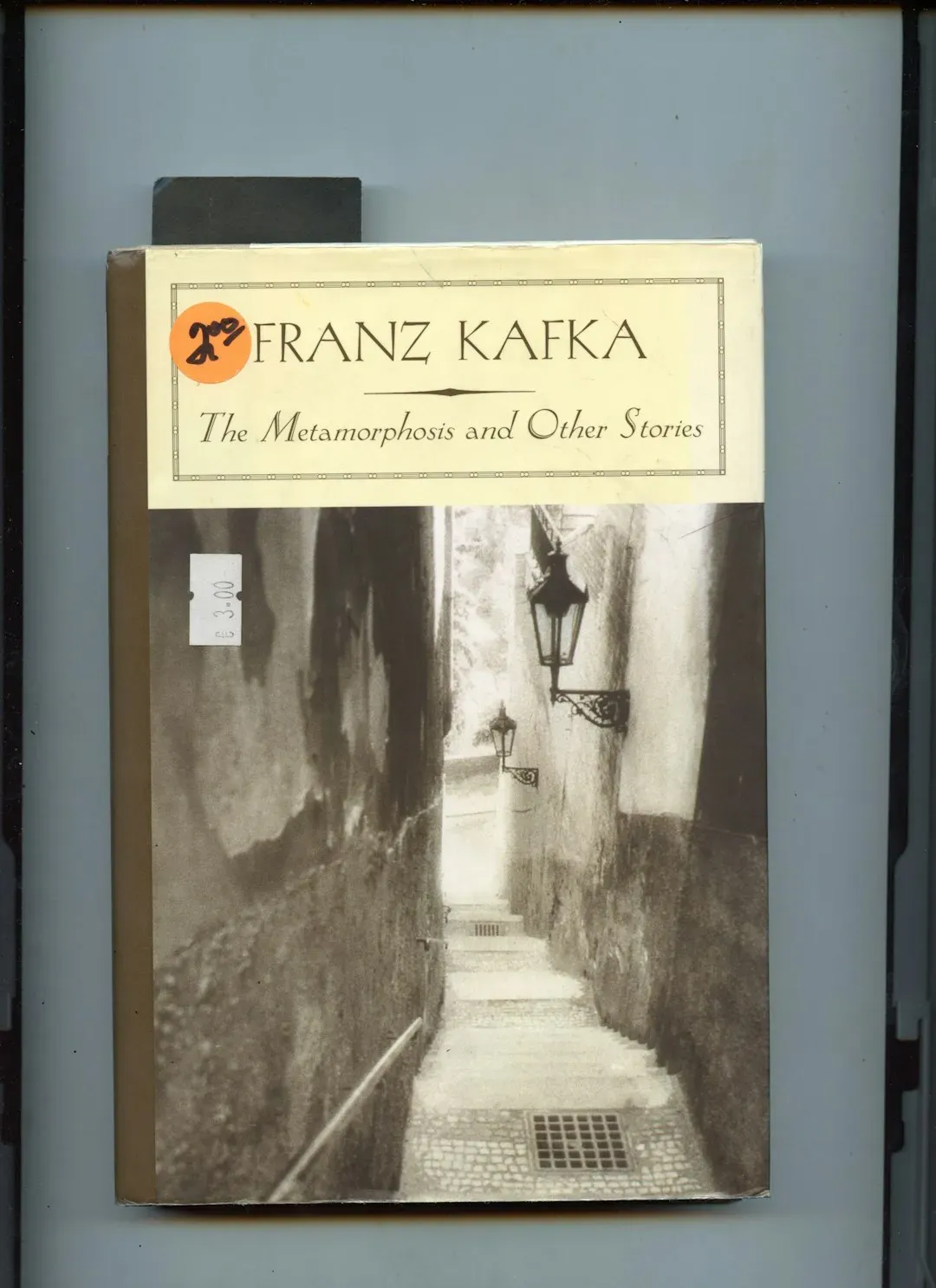
Franz Kafka asked his best friend Max Brod to destroy all his unpublished manuscripts after his death. Thankfully, Brod ignored these instructions completely. Most of Kafka’s greatest works, including “The Trial” and “The Castle,” were published posthumously against his wishes.
Kafka wrote compulsively but published little during his lifetime. He kept most of his work private, showing it only to a few trusted friends. His day job at an insurance company provided cover for his secret literary life.
The fact that Kafka wanted his masterpieces destroyed adds another layer to their mysterious quality. What kind of perfectionism makes someone want to erase their own genius? We’ll never fully understand his reasoning, but we can be grateful Brod saw what Kafka couldn’t.
Anne Frank’s Edited Diary Revelation
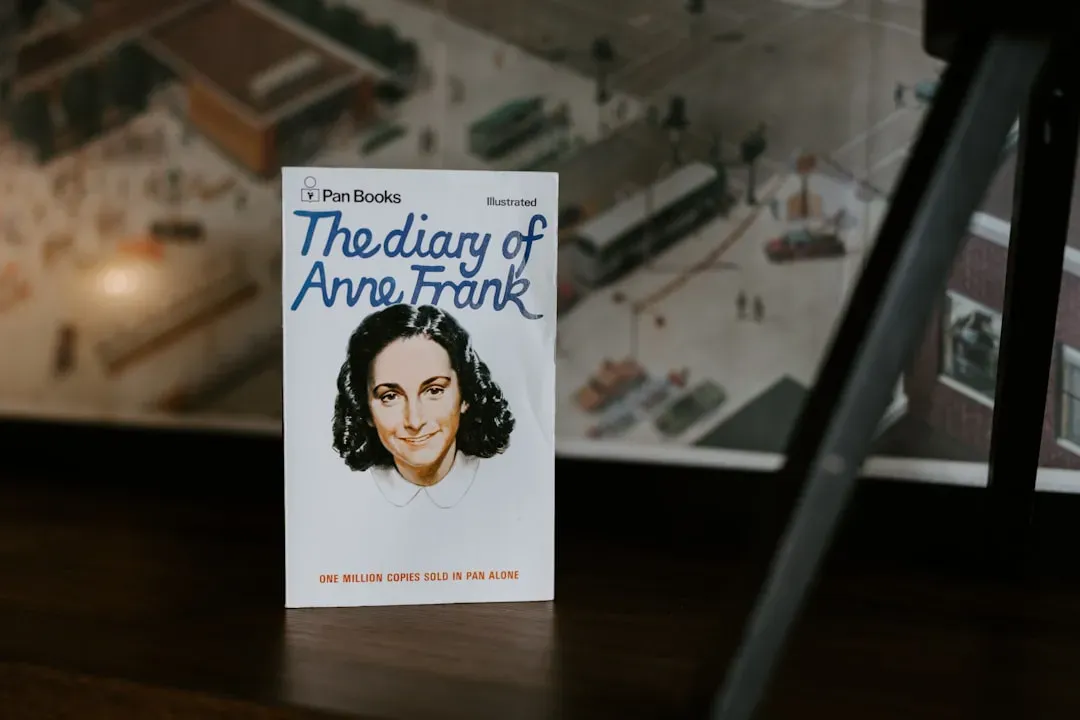
Most people know Anne Frank kept a diary while hiding from the Nazis. What’s less known is that she actually edited and revised it herself while still in hiding, creating what scholars call the “b-version.” She dreamed of becoming a published writer after the war.
Anne heard a radio broadcast encouraging people to keep wartime records for future publication. She began rewriting her diary entries, improving the prose and crafting it as a future book. This secret editorial project showed her literary ambitions extended beyond simply recording events.
Her father Otto published a version that combined both her original entries and her later edits. The diary Anne was actively shaping as literature, while in hiding and in danger, reveals a young writer intensely aware of her craft even in the most dire circumstances.
Ralph Ellison’s Unfinished Second Novel
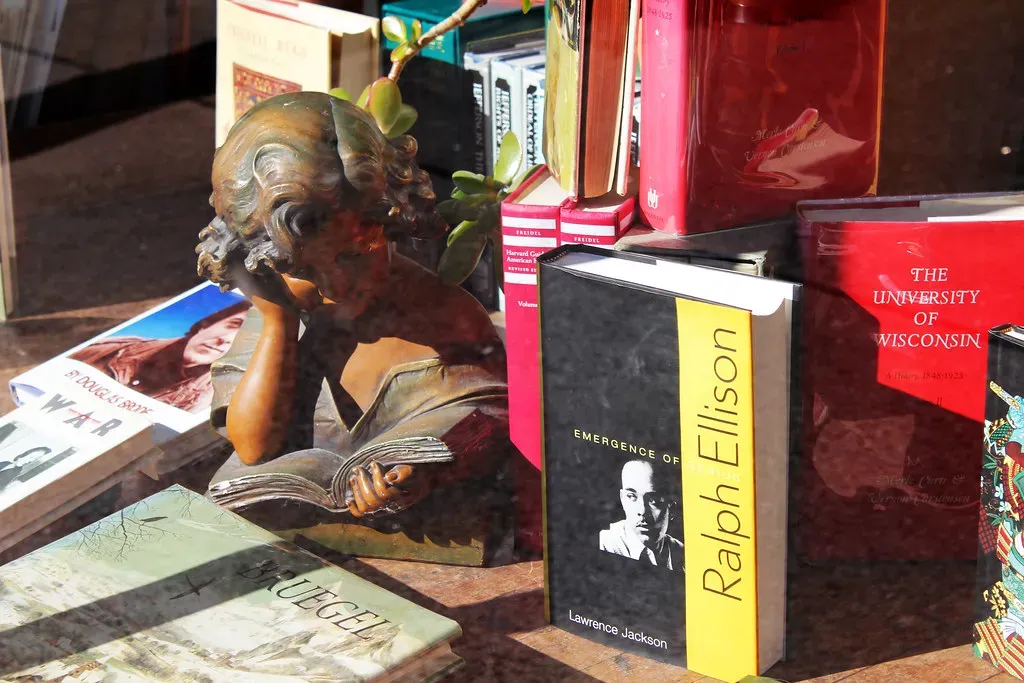
After “Invisible Man” earned Ralph Ellison legendary status in 1952, he spent the remaining forty-two years of his life working on a second novel. He never finished it and kept the manuscript intensely private, rarely discussing its progress even with close friends.
A fire in 1967 destroyed part of the manuscript, devastating Ellison and stalling the project for years. Still, he continued working on it until his death in 1994. His literary executor later published sections as “Juneteenth,” but the complete vision remains unknown.
The decades of secret work, the obsessive revision, the refusal to publish anything less than perfect – all of it speaks to the crushing pressure of following up a masterpiece. Ellison’s hidden struggle with that second novel became a kind of artistic tragedy in itself.
The Mysterious Case of Elena Ferrante
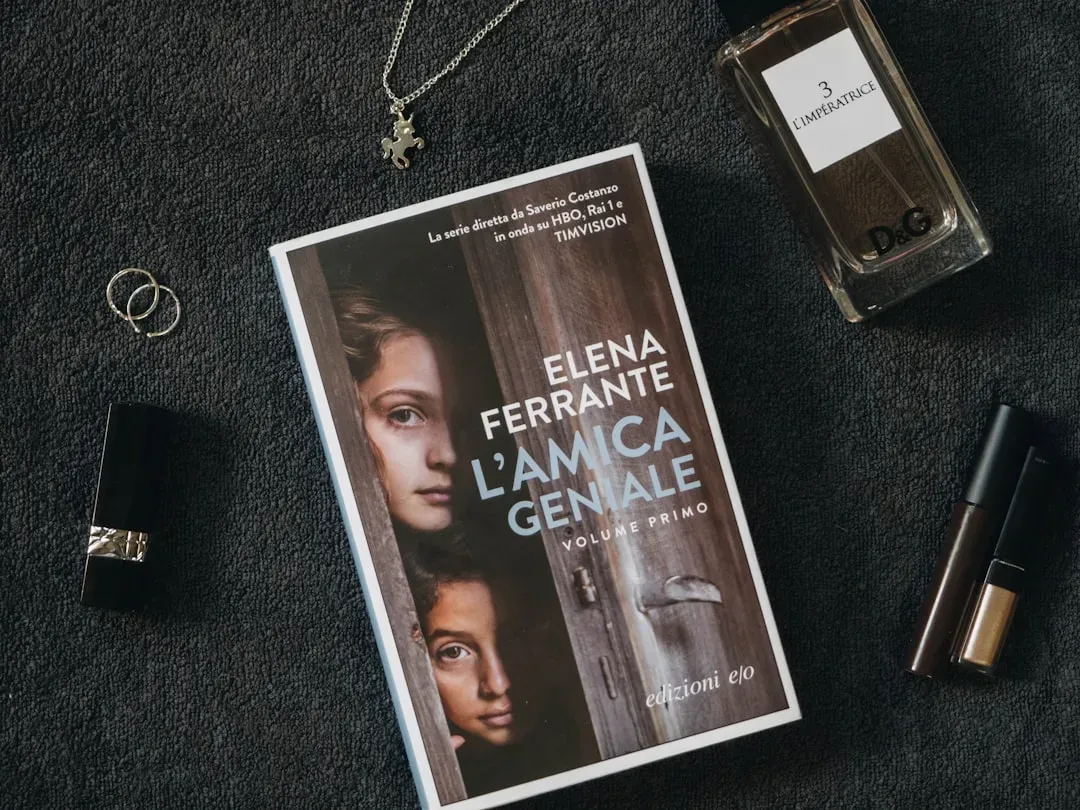
Elena Ferrante has published multiple acclaimed novels, including the Neapolitan quartet, while maintaining complete anonymity. Her true identity remains officially unknown, though journalists have tried repeatedly to unmask her. She conducts interviews only through her publisher and has never made a public appearance.
Ferrante’s secrecy isn’t about hiding finished work. It’s about erasing the author entirely so only the books exist. She’s argued that biographical details distract from the text itself. In a world obsessed with author personalities and platform-building, this approach feels radical.
Her anonymity has become part of the books’ mystique, but it also protects her creative process from external noise. Whether she’s a single person or a collective, Ferrante proves that literary success doesn’t require a public face. The work can speak entirely for itself.
Conclusion: The Power of Private Creation
These authors remind us that not all great art needs an audience while it’s being made. Sometimes the most honest, daring, and innovative work happens precisely because nobody’s watching. The pressure to perform, to meet expectations, to build a brand – all of that can suffocate creativity before it fully develops.
Writing offers a kind of freedom that’s increasingly rare. No social media updates about word counts, no early reader feedback to second-guess, no market trends to worry about. Just the writer and the page, creating something that might change the world or might never see daylight at all.
What do you think drives authors to hide their work? Would you keep your masterpiece secret, or would the need to share it be too strong? Tell us in the comments.