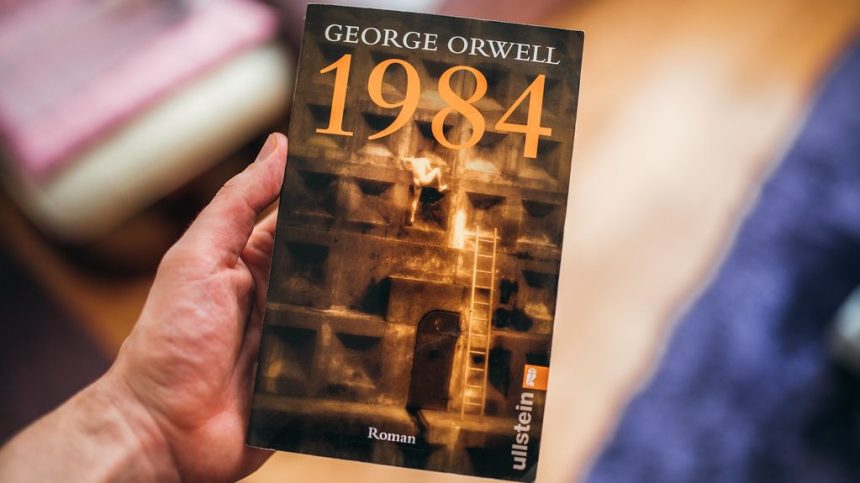
You know that feeling when you finish a book and think, “Okay, cool story”? Then years later, you pick it up again and suddenly it hits completely different. Life changes us. Our perspectives shift. What we missed at twenty makes perfect sense at thirty. Some books are like that – they grow with you, revealing layers you couldn’t possibly catch the first time around.
The truth is, we rush through books sometimes. We skim, we multitask, we read on autopilot. But certain stories demand more attention. They’re packed with details, symbolism, or just raw emotion that deserves a second look. Let’s dive into the books that truly shine when you give them another chance.
The Great Gatsby by F. Scott Fitzgerald
Most of us read this one in high school, right? Back then, it was just another assignment about some rich guy throwing parties. But come back to it as an adult, and wow, the whole thing transforms. Fitzgerald wasn’t just writing about the Roaring Twenties. He was dissecting the American Dream itself, exposing how hollow it can become when chasing the wrong things.
The symbolism hits harder when you’ve lived a little. That green light at the end of Daisy’s dock? It’s not just romantic – it’s tragic. Gatsby’s entire existence built on a fantasy, and we’ve all been there in some way. The lavish parties masking deep loneliness. The desperate attempt to rewrite the past. Second time through, you notice Nick Carraway’s subtle judgments, the moral decay beneath all that glamour.
What makes it worth revisiting is how Fitzgerald captures the gap between who we are and who we pretend to be. The prose is beautiful too, almost poetic. Lines you skipped over in school suddenly feel profound. It’s a quick read, but one that stays with you differently once you’ve experienced your own disappointments and lost dreams.
1984 by George Orwell
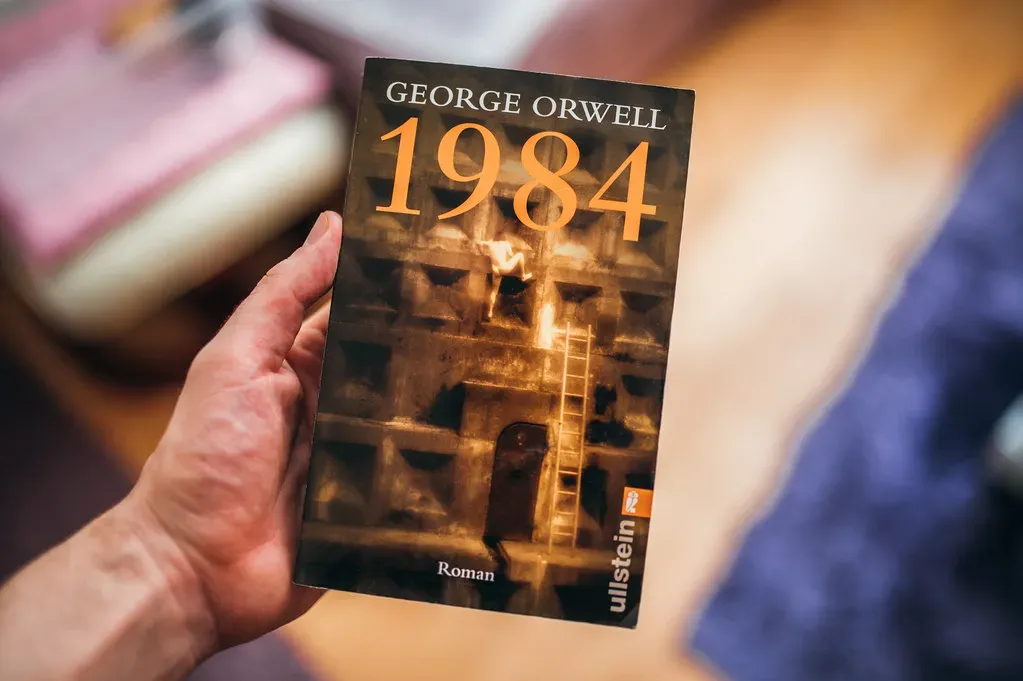
Sure, everyone knows Big Brother is watching. We throw around phrases like “thought police” and “doublethink” without really thinking about where they came from. But sitting down with 1984 again? It’s genuinely unsettling. Orwell wasn’t just imagining a dystopian future. He was warning us about patterns he saw in his own time, and honestly, some of it feels uncomfortably relevant today.
The first read, you focus on the plot, the surveillance state, the romance between Winston and Julia. Second time, you catch the subtleties. How language itself becomes a tool of control. The way truth becomes flexible when power decides what’s real. The chilling realization that freedom isn’t just about physical chains but mental ones too.
What’s fascinating is how Orwell layers the propaganda techniques. The endless war that keeps citizens distracted. The rewriting of history. The crushing of individuality until people police themselves. With age and more awareness of how media and politics actually work, the book reads less like fiction and more like a blueprint. It’s not a fun read, but it’s an important one that deepens with perspective.
Pride and Prejudice by Jane Austen
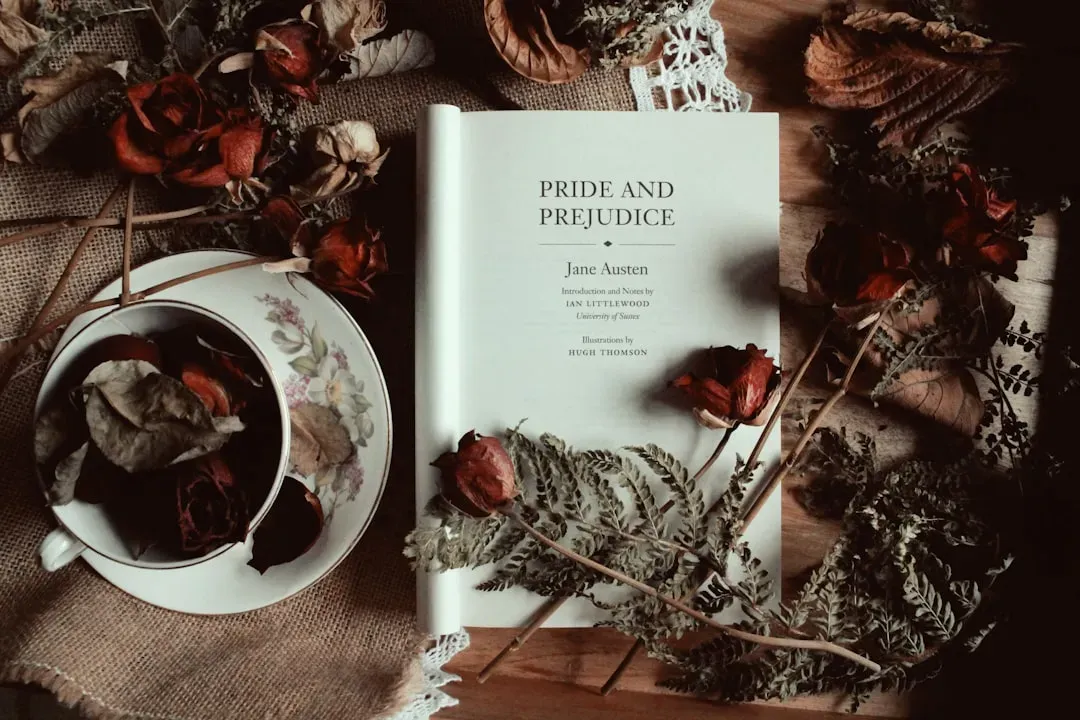
Let’s be real, Jane Austen gets dismissed as romantic fluff. But that’s such a shallow take. Pride and Prejudice is actually a sharp social commentary wrapped in witty dialogue and clever plotting. Young readers often focus on Elizabeth and Darcy’s romance. Older readers see Austen’s brilliant critique of class, marriage as economic transaction, and the limited options women faced.
Elizabeth Bennet is a fantastic character who refuses to play by society’s rules, even when it costs her. But Austen doesn’t make it simple. She shows the consequences of poor choices through Lydia, the desperation of Charlotte Lucas, the absurdity of Mr. Collins. The comedy is biting. Mrs. Bennet isn’t just annoying – she’s a woman terrified her daughters will end up penniless.
On a second read, you appreciate Austen’s craft. The way she reveals character through conversation. How she balances humor with genuine stakes. The growth of both main characters as they overcome their flaws. It’s not just about love conquering all. It’s about self-awareness, humility, and recognizing your own biases. Plus, the writing is just delightful. Austen’s sarcasm cuts deep.
To Kill a Mockingbird by Harper Lee
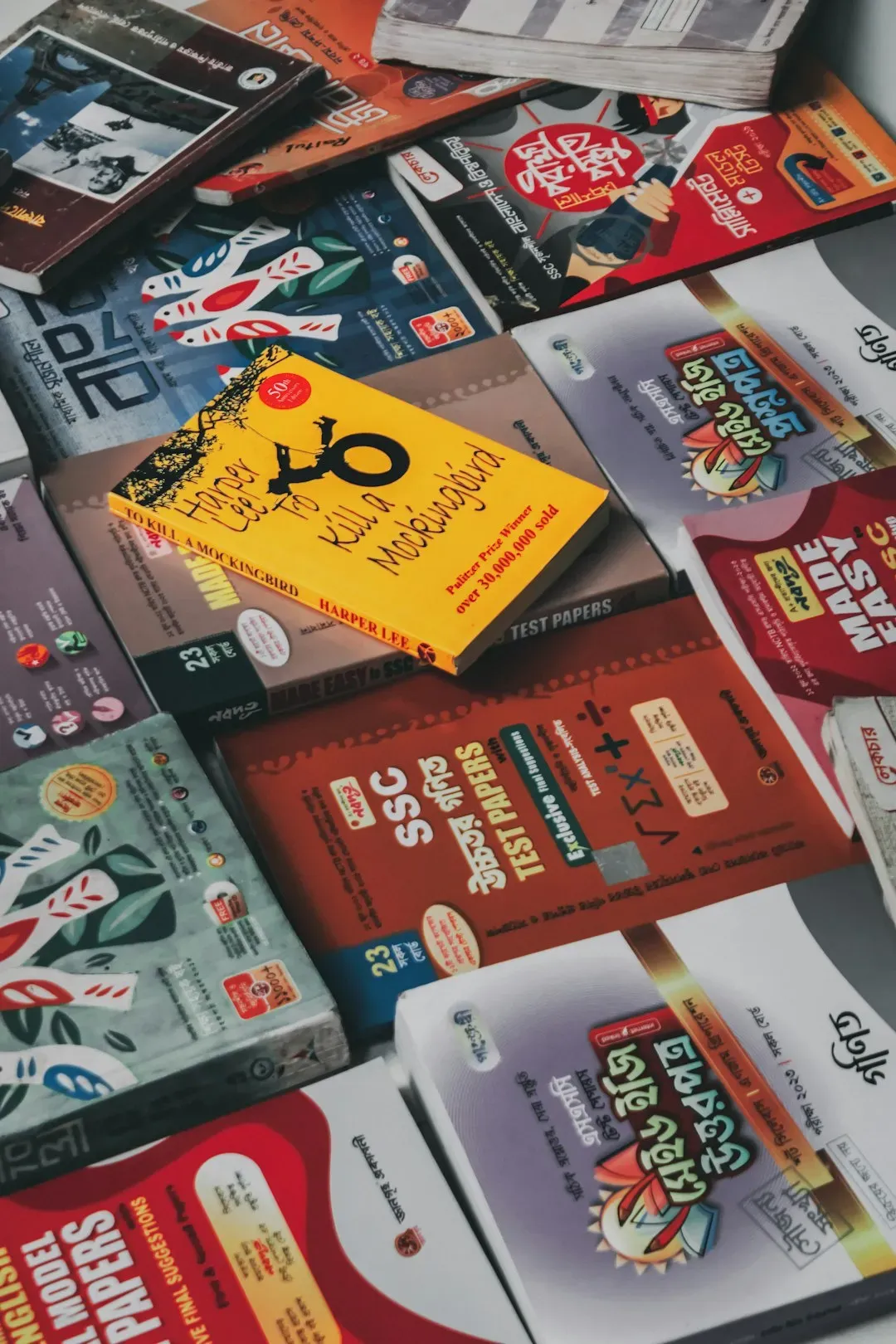
Another school assignment for many of us, but To Kill a Mockingbird deserves better than teenage indifference. Harper Lee crafted something special here – a coming-of-age story that doubles as a fierce examination of racial injustice, moral courage, and the loss of innocence. Scout’s narration seems simple at first, but there’s so much depth beneath it.
The trial of Tom Robinson is obviously central, but the real power is in the small moments. Atticus’s quiet strength. The mystery of Boo Radley. The way Scout and Jem slowly realize their town isn’t what they thought it was. As kids, we root for justice. As adults, we understand why it often fails, and that understanding makes the book even more heartbreaking.
What strikes differently on a reread is how Lee handles perspective. Scout sees the world with childhood clarity, missing social cues adults take for granted. That narrative choice forces us to question our own assumptions. Why do we accept injustice? When does silence become complicity? The book doesn’t preach, but it challenges you to be better. And in a world that still struggles with these same issues, that challenge remains urgent.
Catch-22 by Joseph Heller
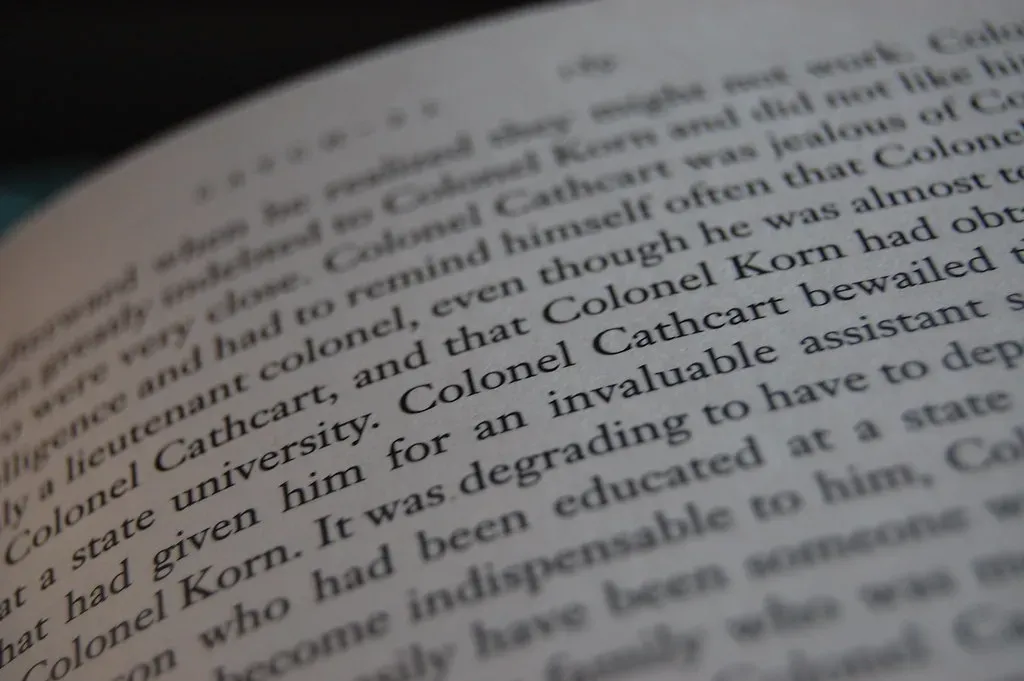
Catch-22 is weird, chaotic, and deliberately frustrating. First time through, you might wonder what the point is. The timeline jumps around. Characters behave absurdly. Nothing makes logical sense. But that’s exactly Heller’s genius – he’s capturing the insanity of war and bureaucracy through structure itself. Second read, you’re prepared for the chaos, and the brilliance shines through.
The title has become shorthand for impossible situations, but the book explores so much more. How institutions value rules over people. How profit motives corrupt everything. How sanity in an insane system looks like madness. Yossarian isn’t crazy for wanting to survive – everyone else is crazy for accepting death as routine.
What’s darkly funny is how relevant it stays. The military incompetence, the corporate greed, the endless loop of contradictory regulations. Heller writes with savage wit, and once you understand his technique, the humor lands harder. It’s satire at its finest, angry and absurd and somehow hopeful. Because recognizing the catch is the first step toward escaping it. The book rewards patience and a willingness to sit with discomfort.
Beloved by Toni Morrison

Toni Morrison doesn’t make reading easy, and Beloved is perhaps her most challenging work. The narrative is fragmented, dreamlike, haunting. It’s about slavery’s lasting trauma, the ghost of a murdered baby, and a mother’s unspeakable choice. First read, you might struggle with the structure. Second read, you realize the structure is the point – trauma doesn’t follow neat timelines.
Morrison’s prose is dense with meaning. Every image, every repeated phrase carries weight. Sethe’s story unfolds in pieces, just like memory works. The horror isn’t gratuitous but necessary, showing what slavery actually meant beyond abstract historical facts. The supernatural elements aren’t fantasy – they’re emotional truth made visible.
What makes it essential for a reread is how Morrison explores identity and freedom. What does it mean to be free when your mind still carries chains? How do you build a future when the past literally haunts you? The love story between Sethe and Paul D is tender despite everything. The community dynamics feel real. It’s a heavy book, no question. But it’s also profound and necessary, offering insights that settle deeper the second time around.
Slaughterhouse-Five by Kurt Vonnegut

Kurt Vonnegut’s time-hopping narrative about Billy Pilgrim bouncing through moments of his life seems random at first. There are aliens, war, death, and that recurring phrase “So it goes.” Young readers often find it confusing or too detached. But come back to it later, and Vonnegut’s approach makes perfect sense. He’s not being quirky – he’s showing how trauma breaks time.
Billy becomes “unstuck in time” after surviving the firebombing of Dresden, one of World War II’s most devastating events. Vonnegut was actually there, and the book is his attempt to process something unprocessable. The flat emotional tone isn’t coldness. It’s numbness, the only way to survive impossible memories. The aliens are a coping mechanism. The structure reflects a shattered mind.
Second read, you notice how carefully Vonnegut constructs Billy’s journey. How he juxtaposes mundane moments with horrific ones. How “So it goes” after every death becomes a mantra of acceptance and resignation. The anti-war message is clear but never preachy. Vonnegut understood that you can’t really explain war to people who haven’t lived it. But you can show them how it breaks you, and hope they understand why it should never happen again.
The Catcher in the Rye by J.D. Salinger
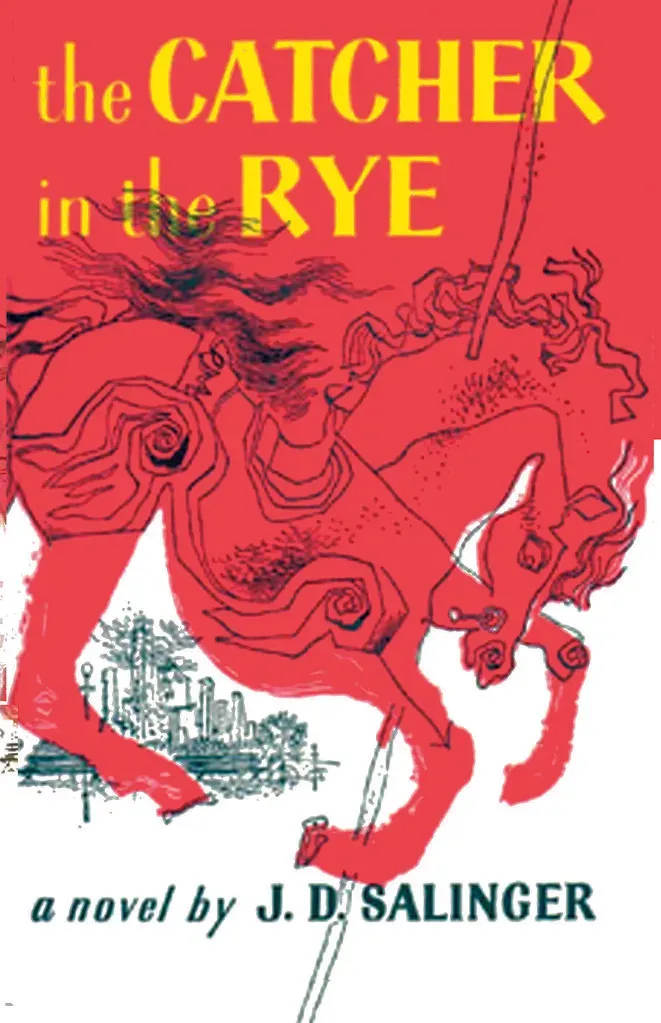
Here’s the thing about Holden Caulfield – as a teenager, you probably identified with him completely. Everyone’s a phony! The world is fake! Adulthood is selling out! Then you grow up, reread it, and think, “This kid needs therapy.” But that’s what makes the book fascinating. It works on multiple levels depending on your age and perspective.
Salinger captures teenage alienation perfectly. Holden’s voice is authentic, his pain is real, even when his judgments are unfair. He’s grieving his brother, terrified of change, desperately trying to preserve innocence in a world that keeps disappointing him. As a teen, you relate. As an adult, you recognize the mental health crisis no one addresses.
The second read reveals Salinger’s craft. How he shows Holden’s contradictions. How the “phonies” Holden criticizes are often just people doing their best. The famous line about being “the catcher in the rye” – wanting to protect children from falling off the cliff of adulthood – becomes tragic when you realize Holden can’t even protect himself. It’s a shorter book, easy to revisit, and the shift in perspective between readings is almost shocking.
Conclusion

Books aren’t static. They change because we change. The same words on the page hit completely different when you’re thirty versus when you were sixteen. Your life experiences color every story you read, adding context and depth you simply couldn’t access before. That’s why revisiting these classics isn’t about nostalgia or homework – it’s about discovery.
Maybe you’ll disagree with some choices here. Maybe your own list looks completely different. But the principle holds. Great books reward attention and patience. They layer meaning, hide details, trust readers to bring their own insights. So grab something from this list, or think about what book changed for you between readings. Give it another chance. You might be surprised by what you find. What book do you think deserves a second read? Tell us in the comments.