We tend to think of legendary warriors as perpetually battle-ready, living and breathing combat until their final days. But here’s the thing: some of history’s most formidable fighters walked away from the chaos and found something completely unexpected. Peace. They traded swords for plows, battlefields for quiet valleys, and the roar of combat for the rustle of wind through trees.
What makes a warrior hang up their armor for good? The stories might surprise you. These aren’t tales of defeat or resignation, but rather conscious choices to embrace tranquility after years of violence. Let’s dive in.
Miyamoto Musashi’s Final Retreat to a Cave
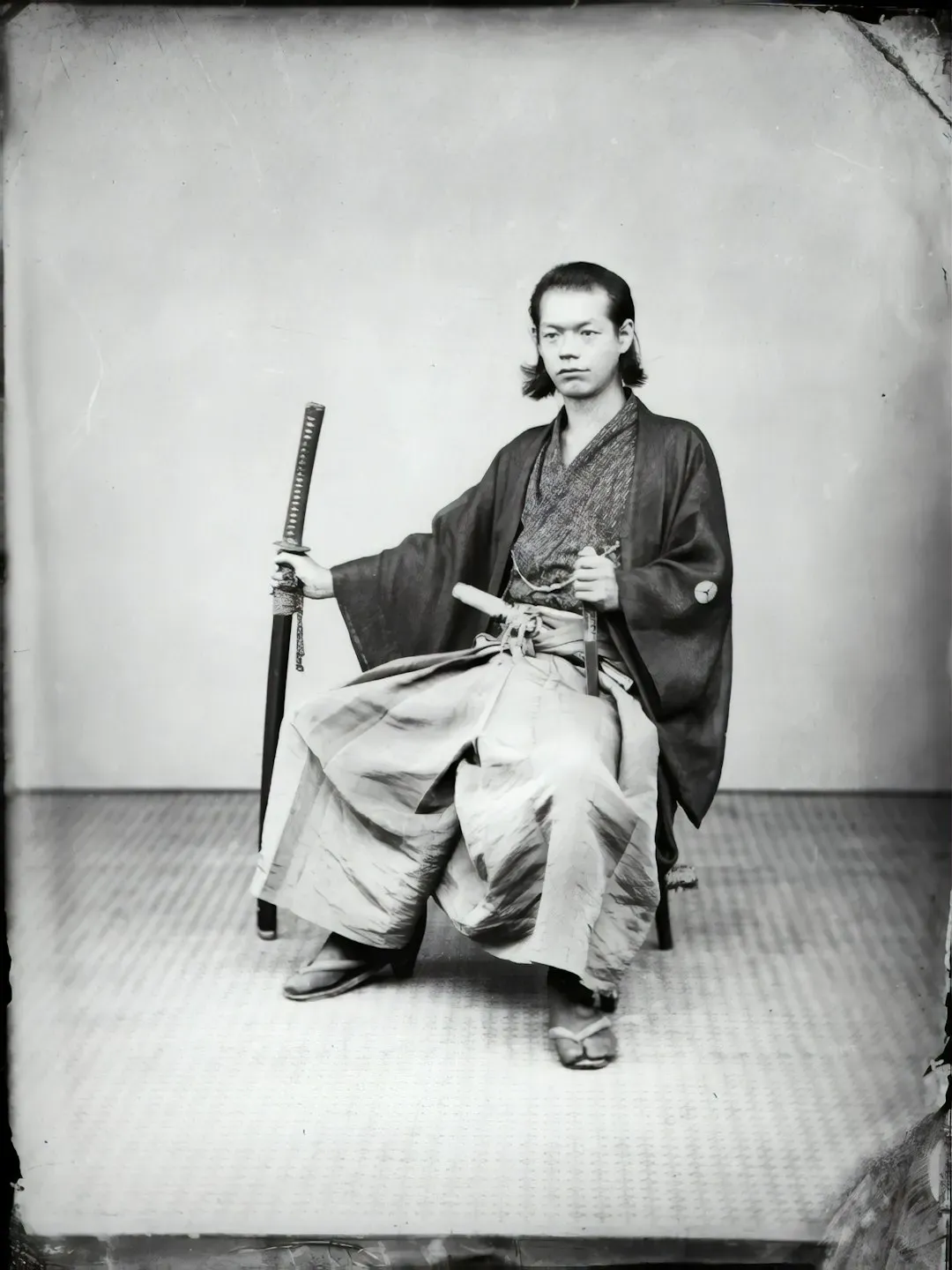
The most feared swordsman in Japanese history spent his final years alone in a cave, writing. Musashi won roughly 60 duels before he turned 30, never losing a single one. Yet by the time he reached his fifties, he’d completely abandoned combat. He retreated to Reigando Cave in Kumamoto, where he penned “The Book of Five Rings” while living on minimal provisions.
His transformation wasn’t sudden. After his last duel in 1612, Musashi gradually shifted from warrior to artist and philosopher. He painted, practiced calligraphy, and crafted wooden sculptures. The man who once killed opponents with a boat oar spent his twilight years contemplating the void. He died peacefully in 1645, surrounded by the quiet he’d chosen over glory.
Cincinnatus: From Dictator Back to Farmer
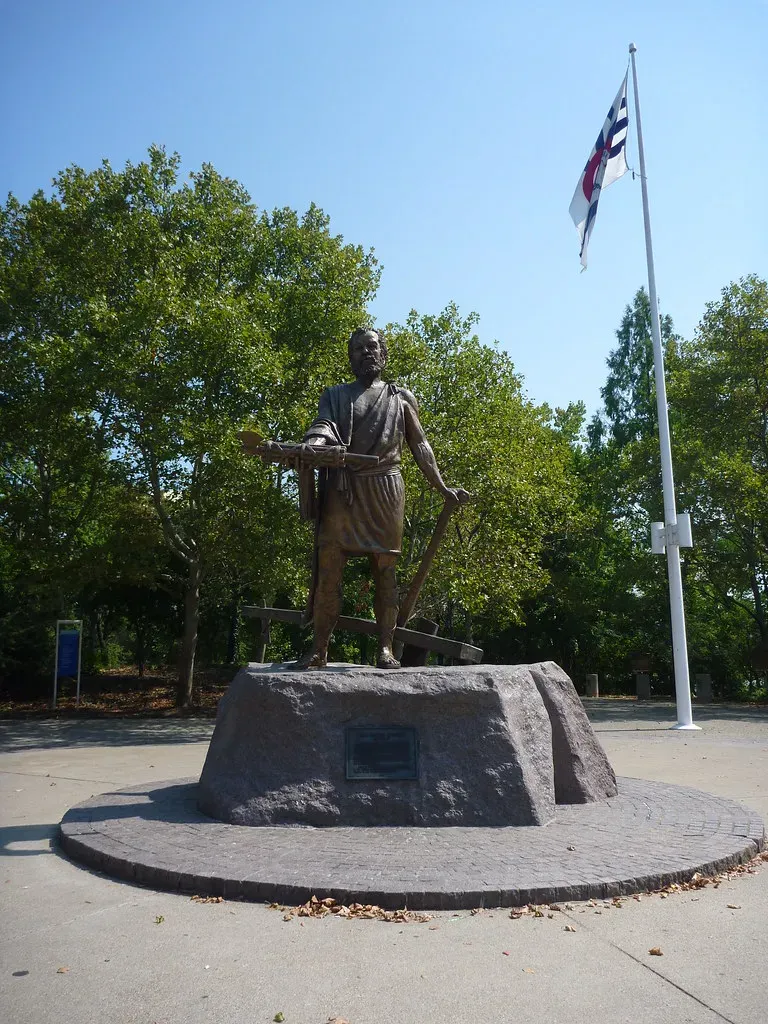
This Roman general became the gold standard for peaceful retirement. In 458 BCE, Rome faced invasion by the Aequi tribe. Messengers found Cincinnatus working his small farm, and despite holding absolute power as dictator, he defeated Rome’s enemies in just 16 days. Then he did something almost unthinkable.
He gave it all up. The power, the prestige, the control over the greatest military force of the ancient world. Cincinnatus returned to his four-acre farm and resumed plowing. No grand palace, no retinue of servants, just dirt under his fingernails and crops to tend. His story became so legendary that George Washington modeled his own retirement after it. That’s the kind of peaceful exit that echoes through millennia.
Saladin’s Simple Death in Damascus

The Muslim sultan who recaptured Jerusalem and fought Richard the Lionheart died nearly broke. Saladin spent his final months not plotting conquests but settling into a modest existence in Damascus. When he passed in 1193, his treasury contained just 47 dirhams and a single gold piece. He’d given away his fortune to the poor.
His contemporaries noted how he spent his last year studying religious texts and engaging in quiet discussions with scholars. The man who commanded armies across the Levant found contentment in scholarship and charity. His funeral was simple, attended by thousands who mourned not a conqueror but a just ruler who chose humility. Even his Crusader enemies spoke of him with respect.
Emperor Diocletian’s Cabbage Gardens
Talk about an unconventional retirement plan. Diocletian ruled the Roman Empire at its most powerful, commanding legions from Britain to Mesopotamia. In 305 CE, he shocked everyone by voluntarily stepping down. He moved to his palace in Split and focused entirely on gardening.
When former colleagues begged him to return during political chaos, Diocletian reportedly said: “If you could show the cabbage that I planted with my own hands to your emperor, he definitely wouldn’t dare suggest that I replace the peace and happiness of this place with the storms of a never-satisfied greed.” The guy literally chose vegetables over empires. His gardens became so renowned that visitors came just to see what vegetables could convince a man to walk away from absolute power.
William Marshal’s Monastery Finale
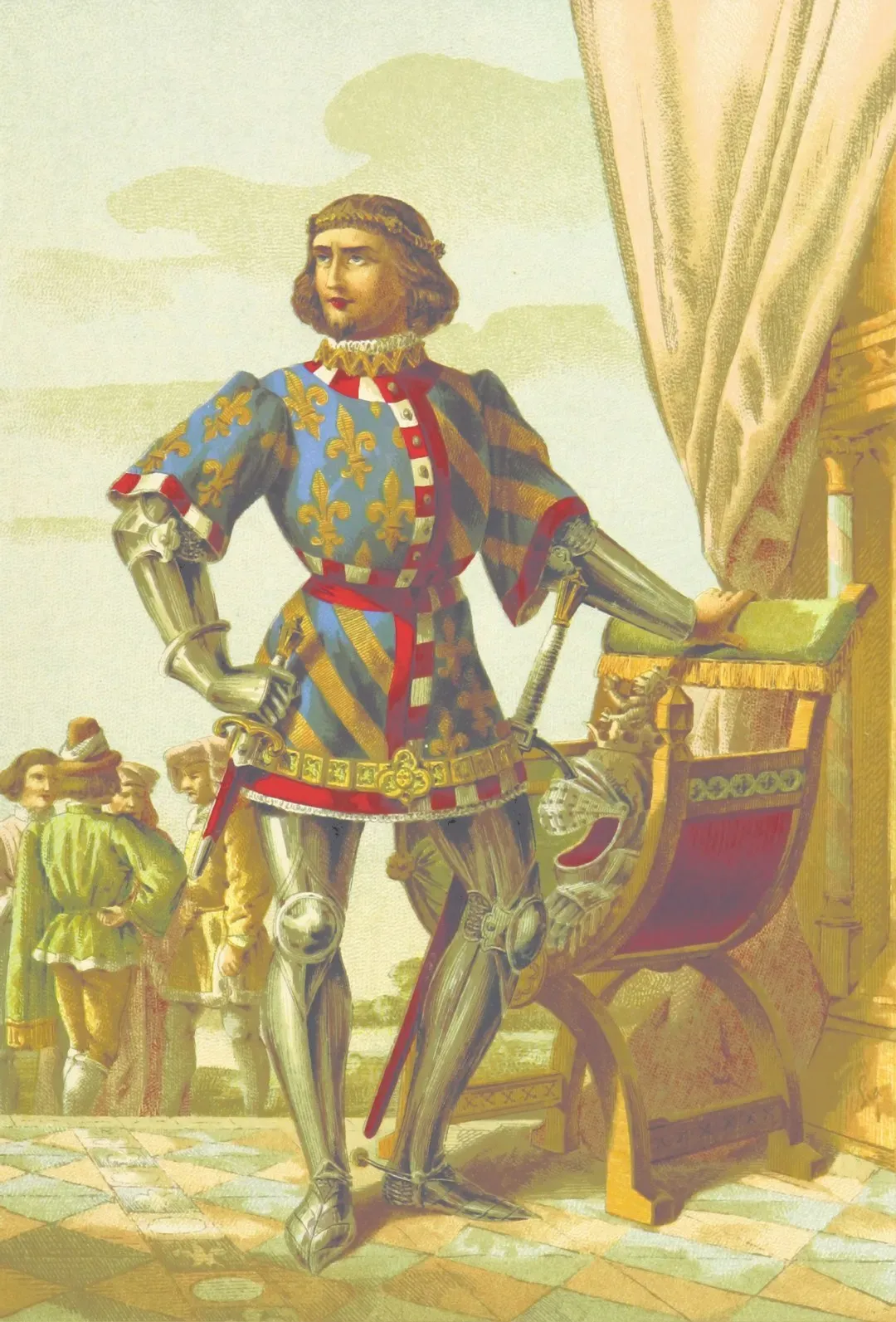
England’s greatest knight served five kings and fought in countless tournaments and battles. By his seventies, Marshal had accumulated more wealth and honor than almost any warrior in medieval history. Yet his final act was joining the Knights Templar and spending his last days in prayer at the Temple Church in London.
He died in 1219, not on a battlefield but peacefully in bed, surrounded by fellow Templars. His deathbed scene was described as serene, with Marshal giving away his possessions and seeking forgiveness for past violence. The man who’d unhorsed hundreds of opponents spent his final hours contemplating salvation rather than strategy. His tomb remains in the Temple Church, a monument to a warrior who found peace.
Tokugawa Ieyasu’s Tea Ceremony Obsession
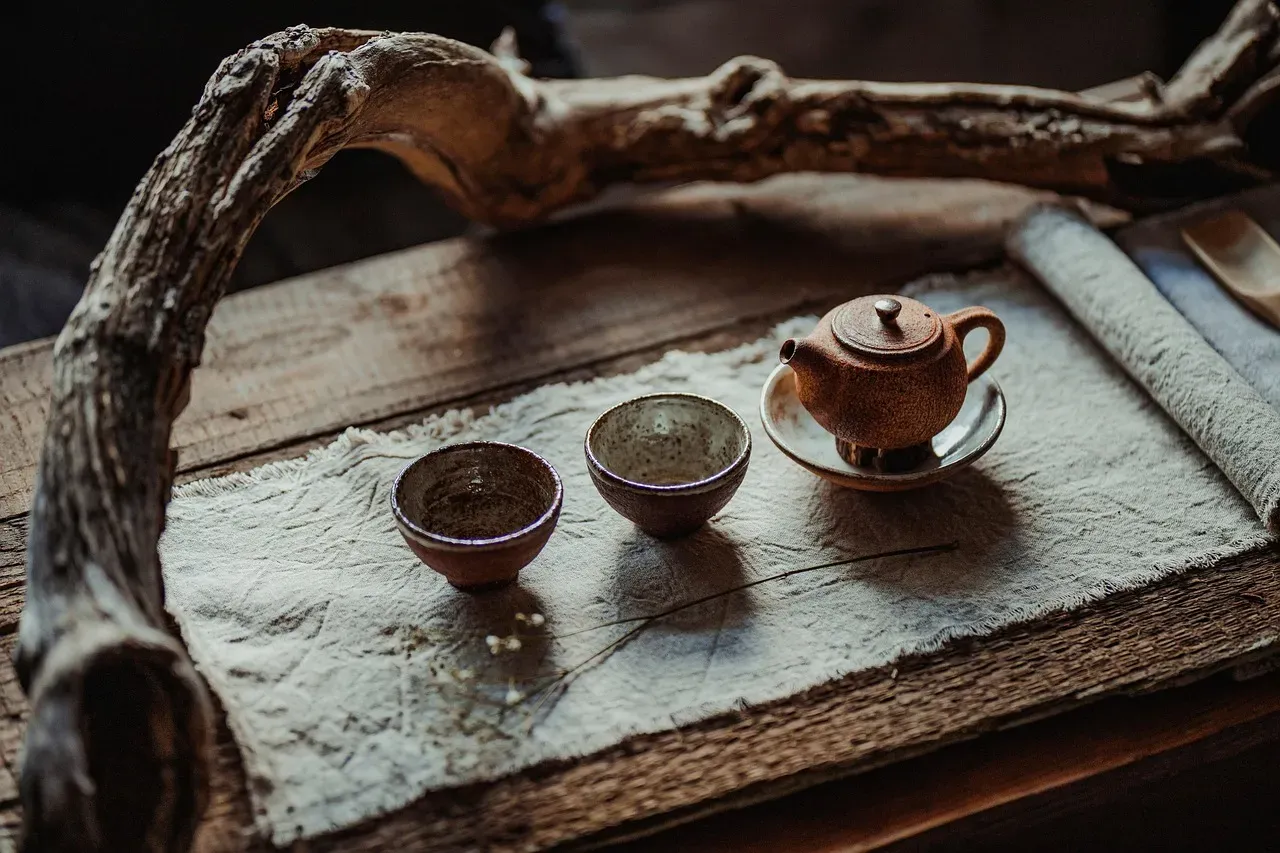
Japan’s ultimate shogun unified the country after decades of civil war. Once he’d established peace in 1603, Ieyasu surprised many by becoming deeply invested in the tea ceremony. He studied under tea masters, collected tea implements, and hosted elaborate ceremonies. The warlord who’d orchestrated military campaigns now focused on the precise angle of a tea scoop.
His later years were marked by cultural pursuits rather than conquest. Ieyasu commissioned art, sponsored Noh theater, and engaged in falconry as meditation rather than training. He died in 1616 at age 73, having spent his final decade cultivating refinement instead of battlefields. His transformation set the tone for the entire Edo period, nearly three centuries of relative peace.
Scipio Africanus in Self-Imposed Exile
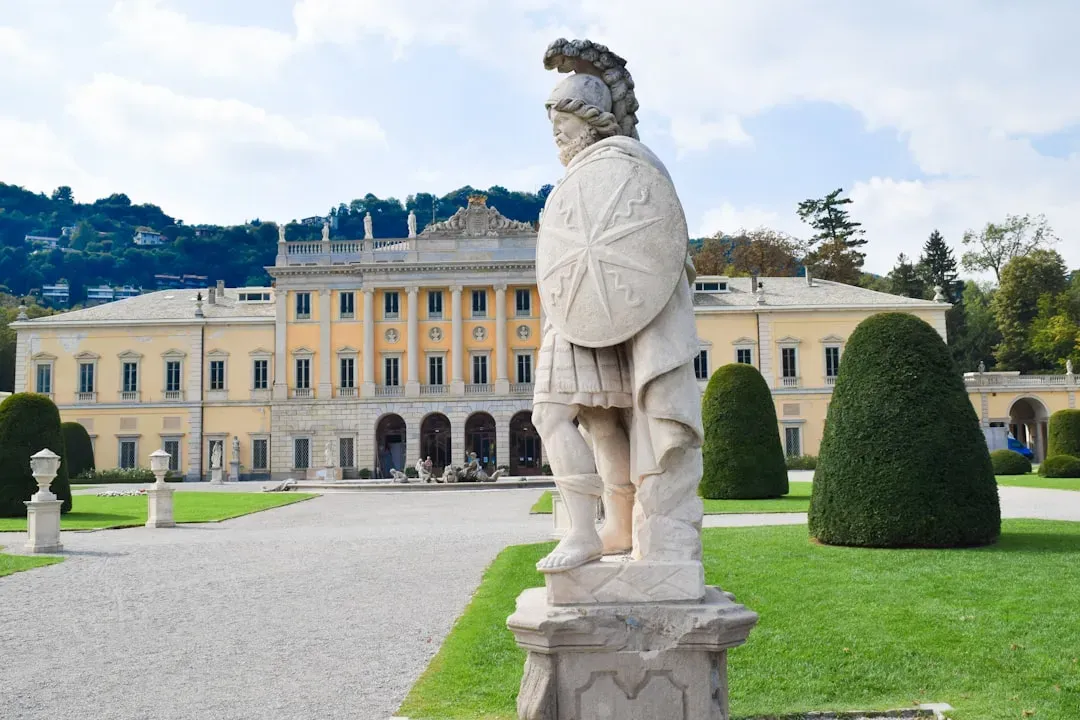
The Roman general who defeated Hannibal at Zama could have ruled Rome. Instead, facing political attacks and ingratitude from the Senate, Scipio withdrew to his country estate at Liternum. He spent his remaining years reading Greek literature, conversing with intellectuals, and pointedly ignoring Roman politics.
Legend says he requested burial at his estate rather than Rome, with an epitaph reading: “Ungrateful fatherland, you shall not even have my bones.” His peaceful retirement was a middle finger to those who’d turned on him, but also a genuine embrace of philosophy over power. He died around 183 BCE, remembered not for bitterness but for choosing tranquility over vengeance.
Robert Rogers and His Final Years on London Streets
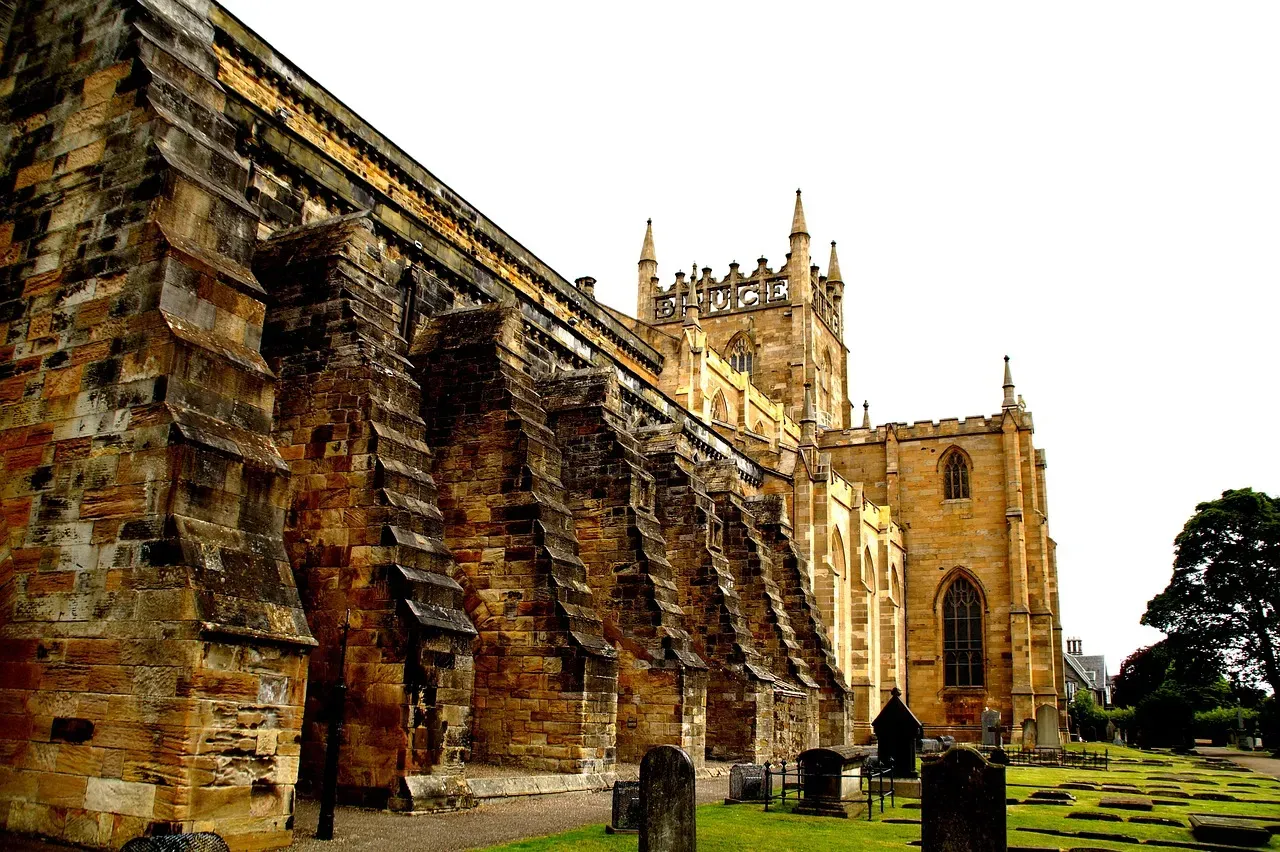
Rogers’ Rangers were legendary during the French and Indian War, masters of frontier combat and unconventional warfare. Yet Rogers ended up broke in London, living quietly and writing his memoirs. After being imprisoned for debt, he emerged to live modestly, far from the forests where he’d made his reputation.
His final years were spent in taverns sharing stories rather than leading raids. Rogers died in 1795 in relative obscurity, but those who knew him described a man at peace with his past. He’d traded the adrenaline of combat for the simple pleasure of recounting adventures to anyone who’d listen. Sometimes peace looks less like gardens and more like a warm fire and willing audience.
Conclusion: The Weight of the Sword
These warriors understood something crucial: true strength includes knowing when to stop. They’d seen enough bloodshed to recognize that peace wasn’t weakness but a different kind of courage. Whether through farming, philosophy, or faith, they found what battle could never give them.
Their stories remind us that even the fiercest among us can choose calm. Maybe that’s the ultimate victory. What do you think about it? Tell us in the comments.