Walk down the Strip on any given night and you’ll see power plays everywhere. High rollers schmoozing politicians in penthouse suites. Backroom deals between casino moguls and city council members. The spectacle of it all, the promises, the alliances that shift faster than a deck of cards. It’s theater, really. And here’s the thing: this exact same show played out over two thousand years ago in Rome, just with togas instead of Armani suits.
The Roman Republic lasted nearly five centuries before it crumbled into an empire. During that time, they perfected political maneuvering, propaganda, and the art of keeping the masses distracted while the powerful consolidated control. Sound familiar? Let’s be real, if you strip away the marble columns and Latin phrases, ancient Roman politics looks suspiciously like what we’re dealing with today. So let’s dive in.
Bread and Circuses: The Original Distraction Strategy
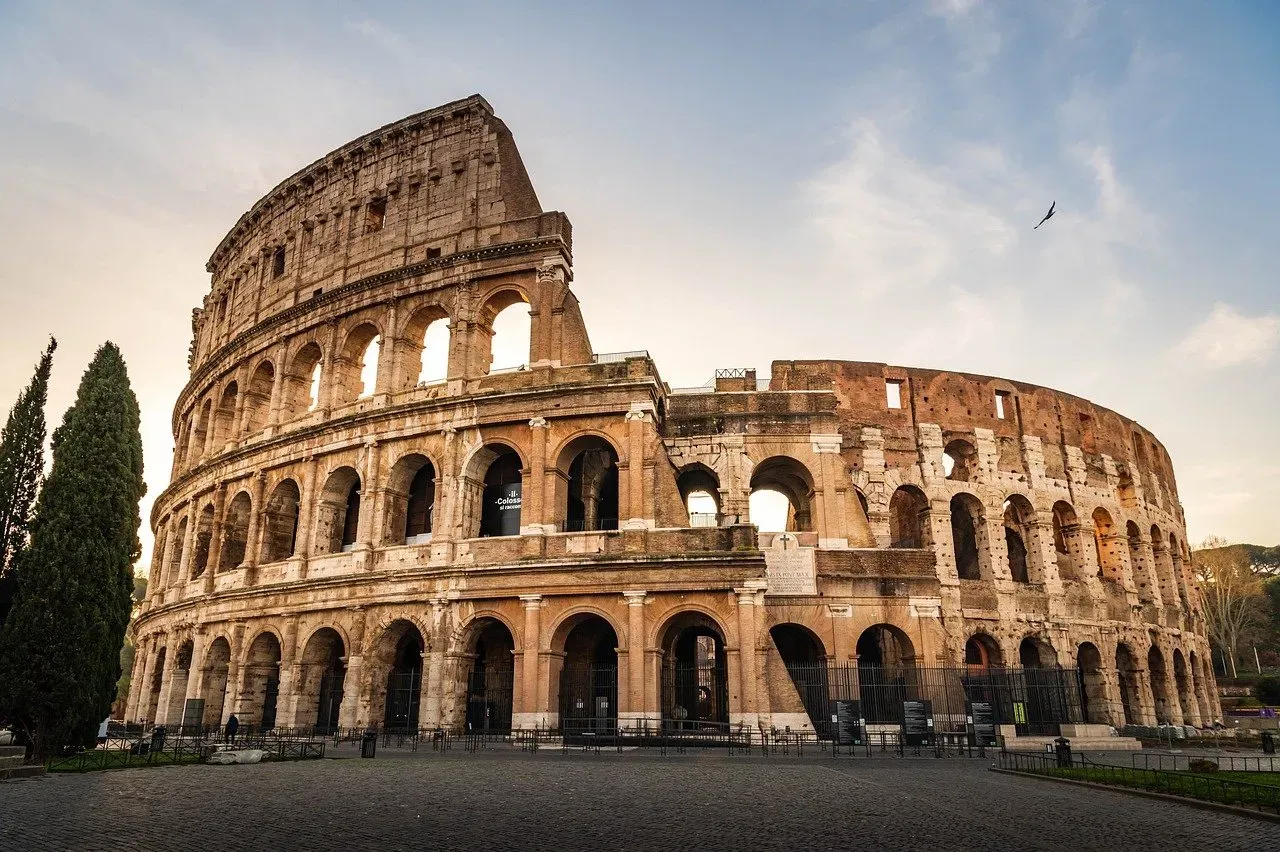
The Romans had a phrase for their most effective political tool: “panem et circenses” or bread and circuses. Keep people fed and entertained, and they won’t ask too many uncomfortable questions about what you’re doing with their tax money. The emperors threw massive gladiatorial games, chariot races, and theatrical performances while quietly consolidating power and enriching their friends.
Fast forward to today. We’ve got our own circuses, just different arenas. Sports championships, celebrity scandals, social media controversies that dominate headlines for weeks. Politicians know that a distracted public is a manageable public. When everyone’s arguing about the latest viral outrage, nobody’s paying attention to the legislation getting quietly passed at 2 AM.
In Vegas, we understand spectacle better than anyone. The casinos aren’t just selling gambling, they’re selling an experience designed to make you forget about your mortgage payment. Politicians learned from that playbook centuries before the Mirage opened its doors.
The Patron-Client System and Modern Lobbying
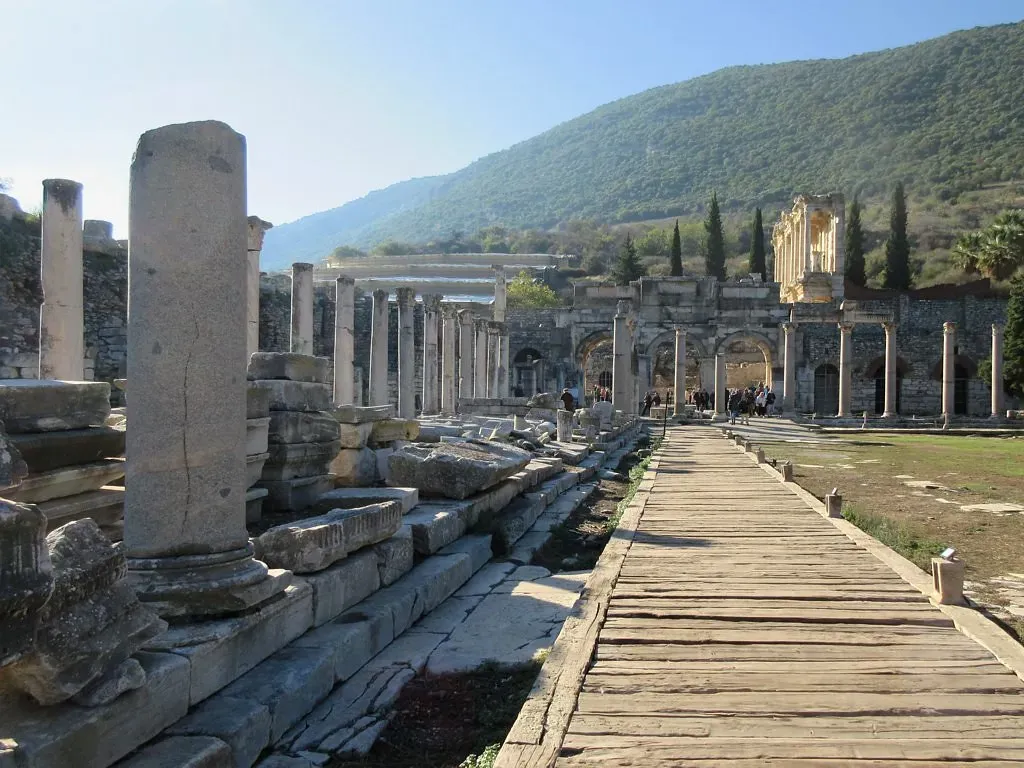
Roman politics ran on a system called “clientela.” Wealthy patrons would support less powerful clients with money, jobs, and legal protection. In return, clients provided political support, votes, and loyalty. It wasn’t corruption exactly, it was just how things worked. Everyone understood the deal.
Today we call it lobbying, but it’s the same transaction. Special interest groups funnel money to politicians through campaign contributions and speaking fees. Those politicians then vote in ways that benefit their financial backers. We’ve just added more paperwork and pretended it’s different.
The Romans at least had the honesty to admit what they were doing. A senator would openly declare himself the patron of certain groups. Now we dance around it with euphemisms about “stakeholder engagement” and “constituent services.” But when a congressman receives hundreds of thousands from the pharmaceutical industry and then votes against drug price regulations, the Roman patron-client system is alive and well.
Populism: From the Gracchi Brothers to Modern Movements

Around 133 BCE, Tiberius Gracchus became a tribune and pushed radical land reform to help poor farmers. The Senate, packed with wealthy landowners, was horrified. They eventually had him killed during a riot they probably helped instigate. His brother Gaius tried the same thing a decade later and met a similar fate.
The Gracchi brothers were populists who positioned themselves as champions of the common people against a corrupt elite. They promised to redistribute wealth and power. The establishment viewed them as dangerous demagogues threatening the natural order. Both sides had valid points and both got increasingly extreme.
This pattern repeats constantly in modern politics. Populist movements emerge promising to drain the swamp, fight the elites, or represent the forgotten working class. The establishment pushes back hard, calling them irresponsible or dangerous. The populists get more extreme in response. Violence occasionally erupts. It’s hard to say for sure where this cycle ends, but history suggests it rarely concludes peacefully.
The Cult of Personality and Political Branding
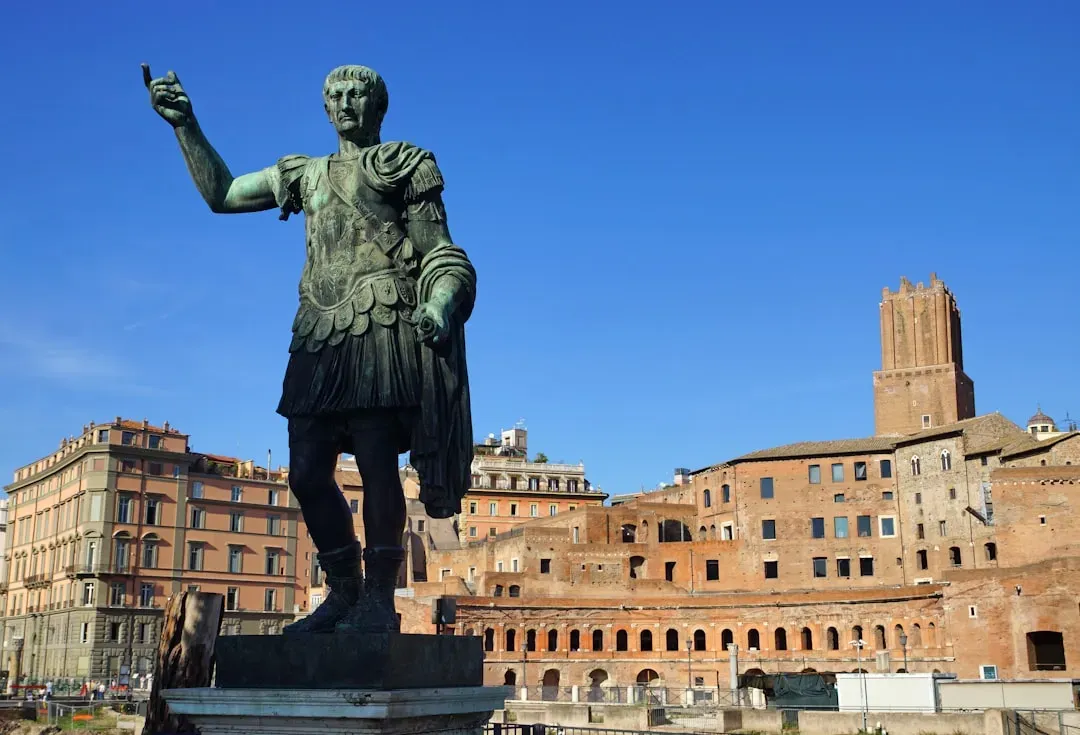
Julius Caesar understood something fundamental about human nature: people don’t follow policies, they follow personalities. He carefully crafted his public image through strategic military victories, generous public games, and brilliant propaganda. He made sure everyone knew his name and associated it with strength, generosity, and Roman greatness.
Caesar wrote his own war commentaries, essentially ancient campaign advertisements presenting himself as the hero of every story. He forgave his enemies publicly to seem magnanimous. He gave land to veterans and grain to the poor. Every action was calculated to build his personal brand.
Modern politicians do the exact same thing with social media managers and image consultants instead of war commentaries. They craft relatable personas, post carefully staged photos, and turn every policy position into a referendum on their character. We don’t vote for tax plans anymore, we vote for the person we’d rather have a beer with. Caesar would’ve had an amazing Instagram account.
Senate Gridlock and the Death of Compromise
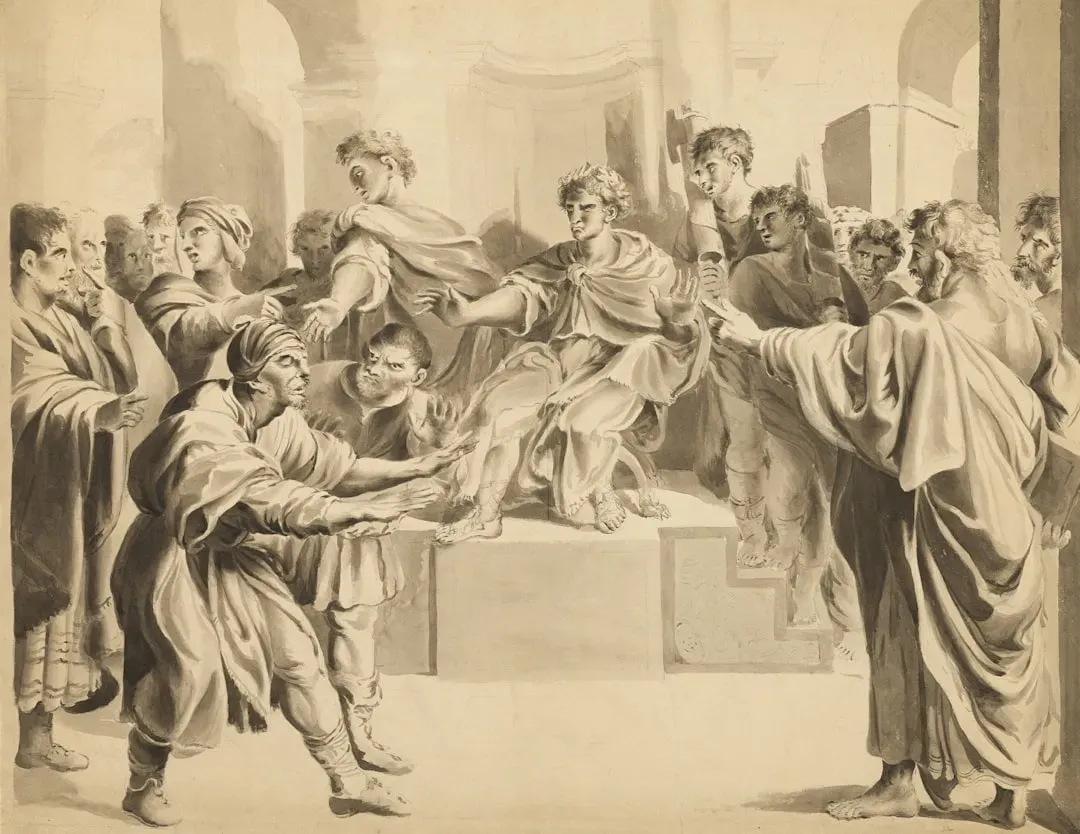
By the late Republic, the Roman Senate had become hopelessly divided into factions that refused to work together. The Optimates represented the conservative aristocracy. The Populares claimed to speak for the people. Each side viewed the other as an existential threat to Rome itself.
Compromise became impossible because no one wanted to be seen as weak or traitorous by their base. Senators used procedural tricks to block legislation they opposed. Important positions went unfilled because opposing factions refused to approve each other’s nominees. The government basically stopped functioning for years at a time.
This should sound uncomfortably familiar to anyone who’s watched Congress over the past few decades. When both sides view politics as total war rather than disagreement among fellow citizens, nothing gets done. Government shutdowns, unfilled judgeships, and legislative paralysis become the norm. Rome eventually “solved” this problem with dictatorship. Let’s hope we find a better solution.
The Erosion of Democratic Norms
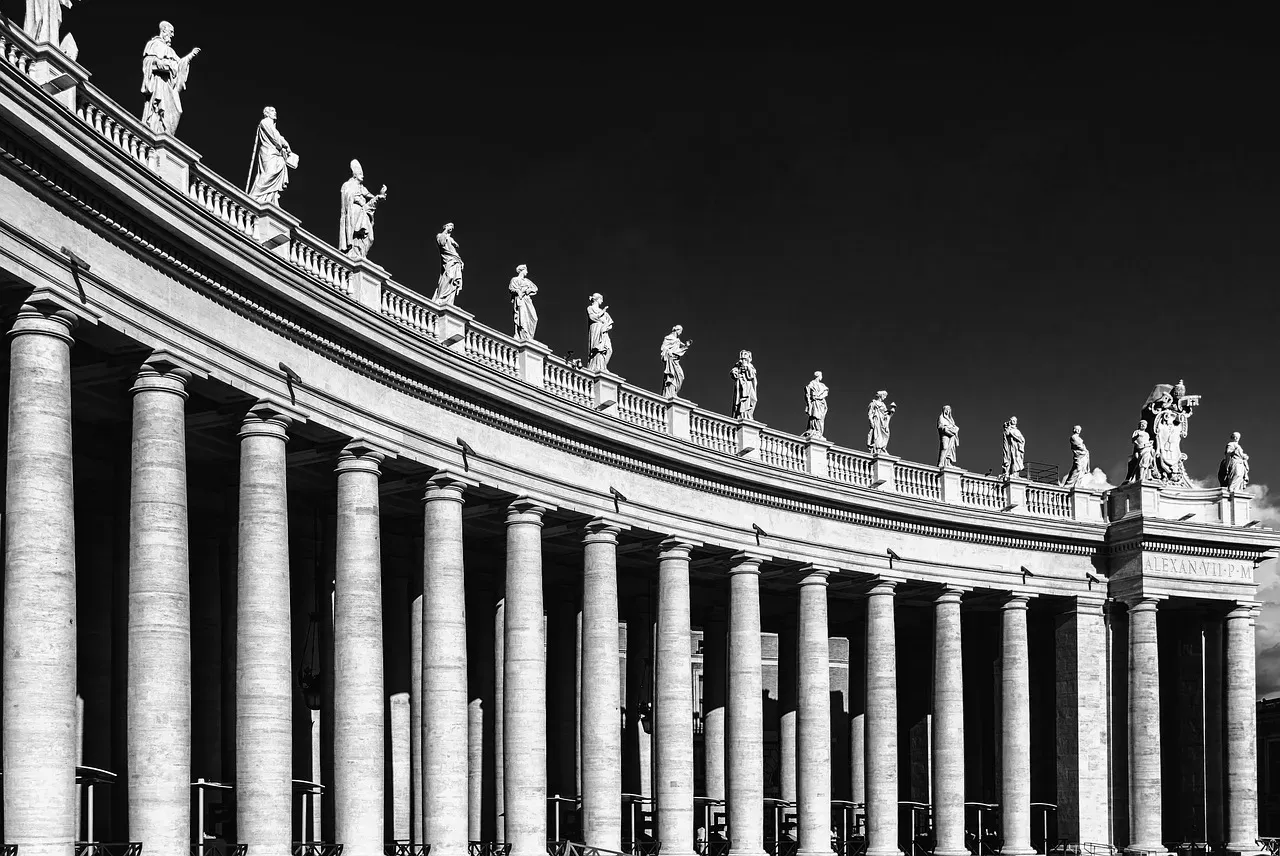
Rome didn’t become an empire overnight. It happened gradually as ambitious politicians pushed boundaries and violated unwritten rules. Sulla marched his army into Rome, something that had been unthinkable. Caesar crossed the Rubicon with his legions when tradition said military commanders must disband their armies before entering Italy. Each norm violation made the next one easier.
The Romans relied heavily on the “mos maiorum,” the customs of the ancestors. These weren’t laws but shared understandings about how politicians should behave. Once powerful people decided those traditions were inconvenient obstacles, the Republic was doomed. You can’t have democracy if the people in charge don’t respect democratic norms.
We’re seeing similar erosion today when politicians refuse to accept election results, ignore congressional subpoenas, or treat constitutional checks and balances as suggestions rather than requirements. Each violation normalizes the next. The guardrails only work if people choose to respect them.
Political Violence and the Breakdown of Civil Society

Political violence in Rome started small. A few protesters roughed up. Some vandalism. Intimidation. But it escalated quickly. By the 80s BCE, political opponents were being murdered in the streets. Sulla posted proscription lists naming thousands of enemies who could be killed for bounties. Civil war became routine.
Once violence becomes an accepted political tool, there’s no putting that genie back in the bottle. People arm themselves for protection. Militias form. Eventually you end up with competing armies and nobody cares what the Senate votes on anymore because power flows from swords, not ballots.
We’re nowhere near that point, but the warning signs flash occasionally. Political rhetoric increasingly frames opponents not as people with different views but as traitors or existential threats. When you genuinely believe the other side will destroy everything you value, violence starts seeming justified. The Romans learned this lesson the hard way.
The Power of Military Loyalty
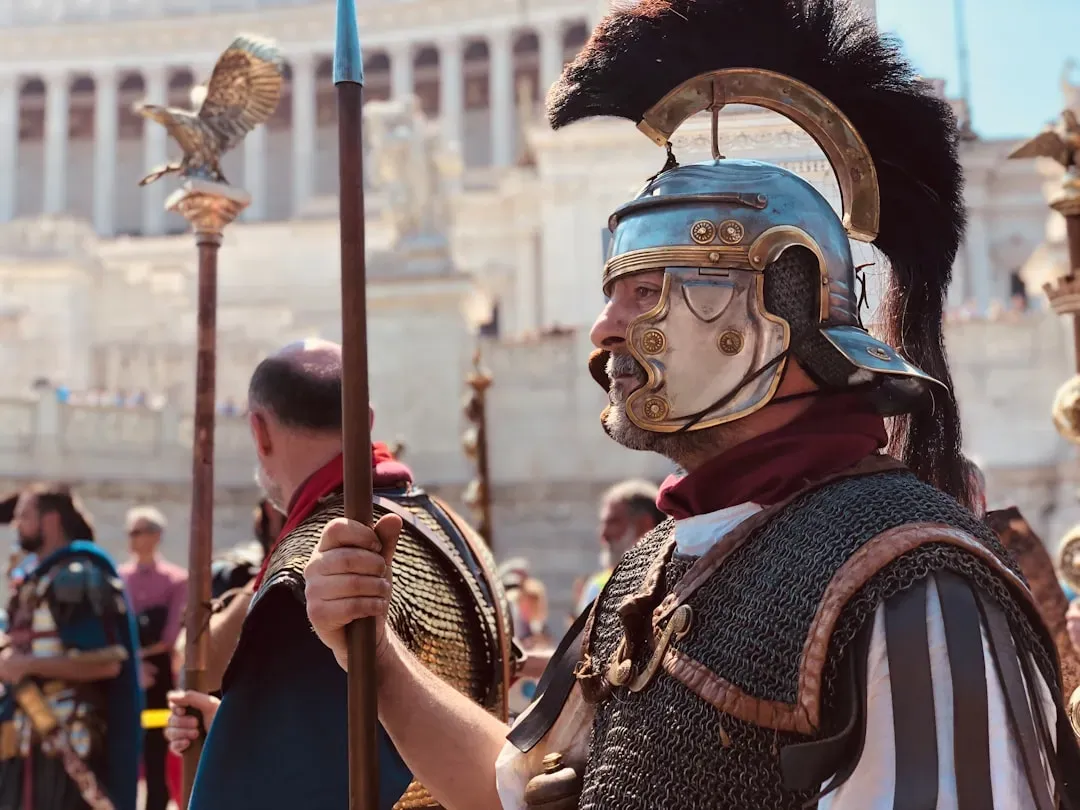
Roman generals started commanding extremely loyal armies during the late Republic. Soldiers felt more allegiance to the commander who paid them and promised them land than to the abstract concept of Rome itself. This gave ambitious generals dangerous amounts of leverage over civilian government.
Caesar, Pompey, and others essentially had private armies that would follow them anywhere, even against Rome if ordered. When political disputes arose, the general with the bigger, more loyal army usually won. Democracy can’t survive when military force determines political outcomes.
Modern democracies generally keep military loyalty focused on the constitution and civilian government rather than individual leaders. But history shows how quickly that can change if the wrong people gain influence and soldiers start believing their commander represents the “real” interests of the nation better than elected civilians.
Wealth Inequality and Social Instability

Rome’s wealth gap became staggering during the late Republic. A few families controlled enormous estates while more citizens fell into poverty. The middle class of small farmers essentially disappeared. This created a mass of desperate people vulnerable to populist promises and with nothing to lose from political instability.
Economic desperation makes people willing to support extreme solutions. When you’re struggling to feed your family while watching the elite throw parties that cost more than you’ll earn in a lifetime, revolutionary politics start looking appealing. The Roman elite ignored these warning signs until it was too late.
Wealth inequality in modern America has reached levels not seen since the Gilded Age. The parallels to Rome should make us uncomfortable. History suggests that when too much wealth concentrates at the top while the middle class struggles, political stability doesn’t last.
The Illusion of Eternal Stability
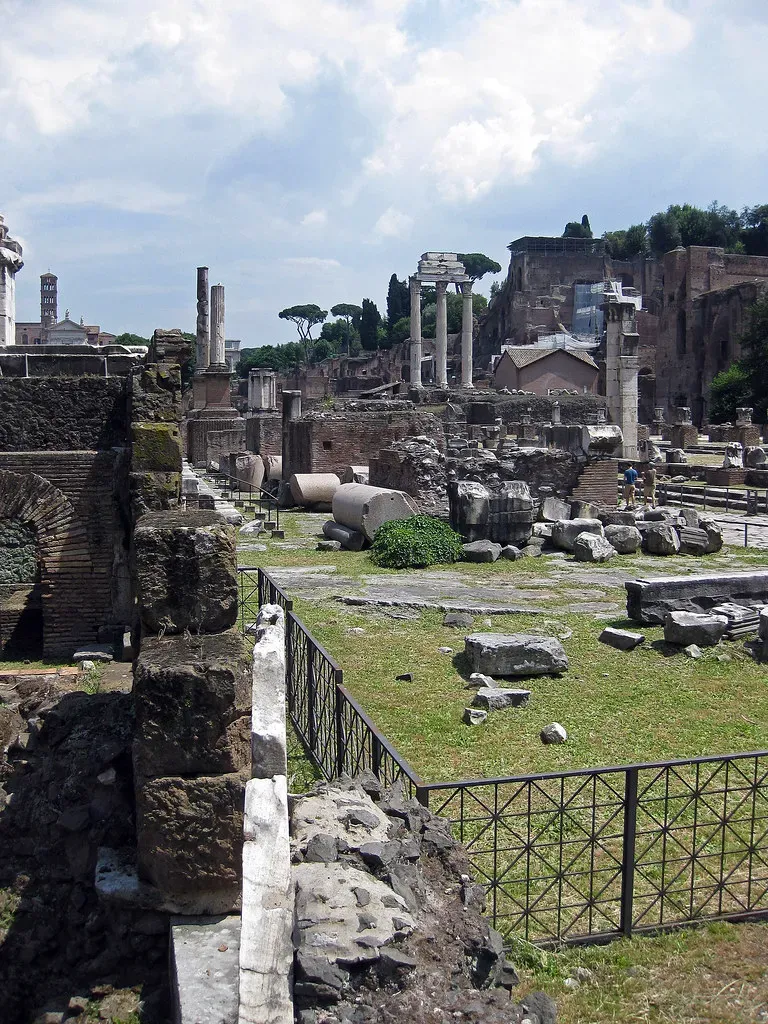
Romans in 100 BCE probably couldn’t imagine their Republic collapsing. It had survived for centuries. It seemed permanent, inevitable, too big to fail. Even as cracks appeared, most people assumed things would work themselves out because they always had before.
This complacency was dangerous. By the time enough people recognized the crisis, the institutions meant to protect democracy had been too weakened to save. The Republic died not with a bang but through a series of incremental failures that seemed manageable until suddenly they weren’t.
Americans tend to assume our system is similarly permanent. We’ve had peaceful transfers of power for over two centuries, so we assume we always will. Rome teaches us that stability is never guaranteed. Democratic institutions require constant maintenance and a shared commitment to their preservation.
Learning from Rome’s Mistakes
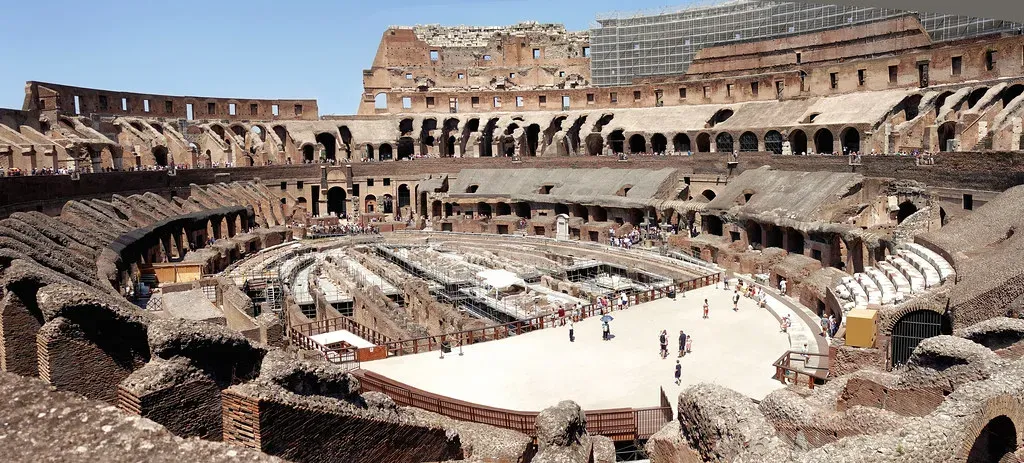
The good news is that we know how this story ended for Rome. We have the cheat sheet. We can see exactly what happens when partisan gridlock prevents compromise, when politicians violate democratic norms for short-term gain, when wealth inequality spirals out of control, and when people view political opponents as enemies rather than fellow citizens with different ideas.
Rome shows us that democracies don’t usually die from external threats. They collapse from internal rot when people prioritize their faction over the system itself. When winning becomes more important than how you win. When institutions get weaponized against political opponents.
The Romans had brilliant political structures, amazing engineering, and military might that dominated the known world. None of it saved their Republic because their political culture had become too toxic. Institutions are only as strong as the people operating them choose to make them.
Democracy requires work. It requires compromise, restraint, and a willingness to accept losses sometimes. It requires viewing your political opponents as legitimate participants in the system rather than existential threats. The Romans forgot these lessons. We’d better not.
Conclusion: History Doesn’t Repeat, But It Echoes
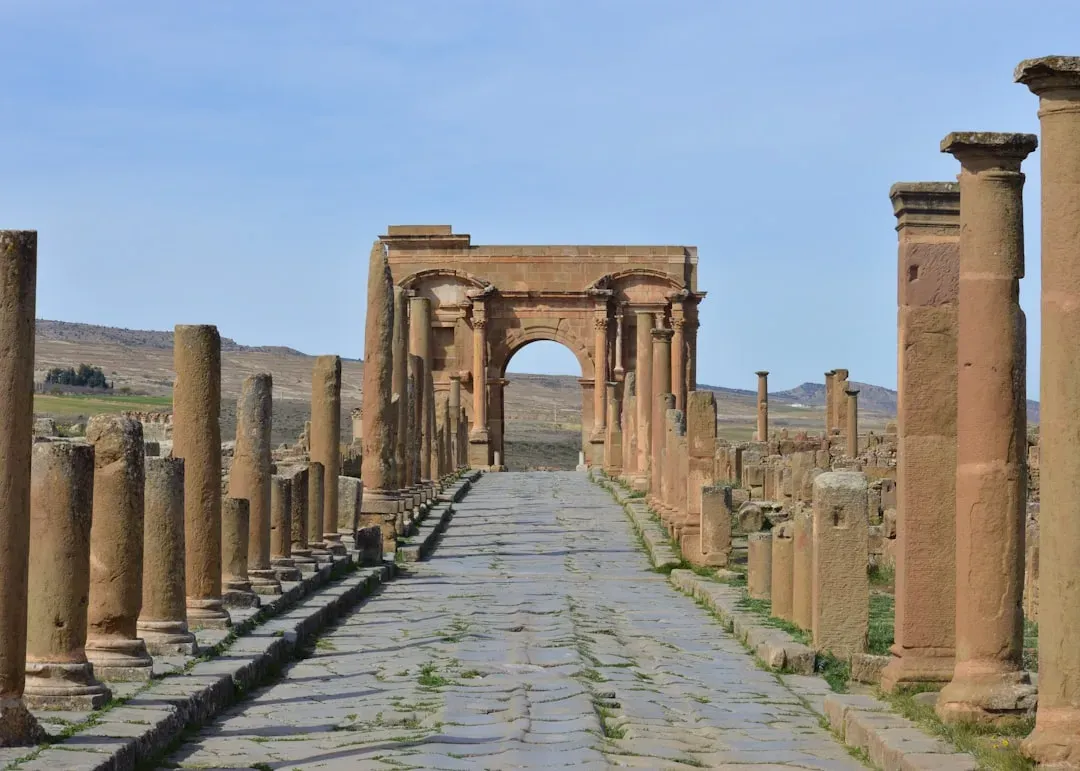
Walking through the Forum Shops at Caesars Palace, surrounded by Roman columns and classical statuary, the irony hits hard. We’ve turned Roman imagery into kitsch, decorative elements for a casino. But the political lessons from actual Rome remain deadly serious.
Every system the Romans struggled with, we’re dealing with now. Populist movements, partisan gridlock, erosion of norms, wealth inequality, the cult of personality. The technology changed but human nature stayed constant. Power still corrupts. Fear still drives people to extreme positions. Institutions still crumble when nobody defends them.
Rome’s story isn’t a prophecy of our inevitable doom. It’s a warning about what happens when people stop making democratic systems work. We can learn from their mistakes or repeat them. The choice, unlike for the Romans, is still ours to make. What do you think – are we paying attention to history’s lessons, or are we too distracted by our own modern circuses to notice the parallels? Let us know in the comments.