
We knock on wood without thinking twice. We avoid walking under ladders. We toss salt over our shoulders and cross our fingers for good luck. These little rituals feel like second nature, woven so deeply into our daily lives that we rarely stop to ask why we do them. Yet behind each superstition lies a forgotten story, a slice of history that’s been buried under centuries of repetition.
Some of these beliefs trace back to ancient civilizations, while others emerged from medieval fears or practical wisdom that got twisted over time. The truth is, most of us perform these gestures without knowing their origins. Let’s dig into the strange, surprising, and sometimes bizarre beginnings of the superstitions we still follow today.
1. Knocking on Wood
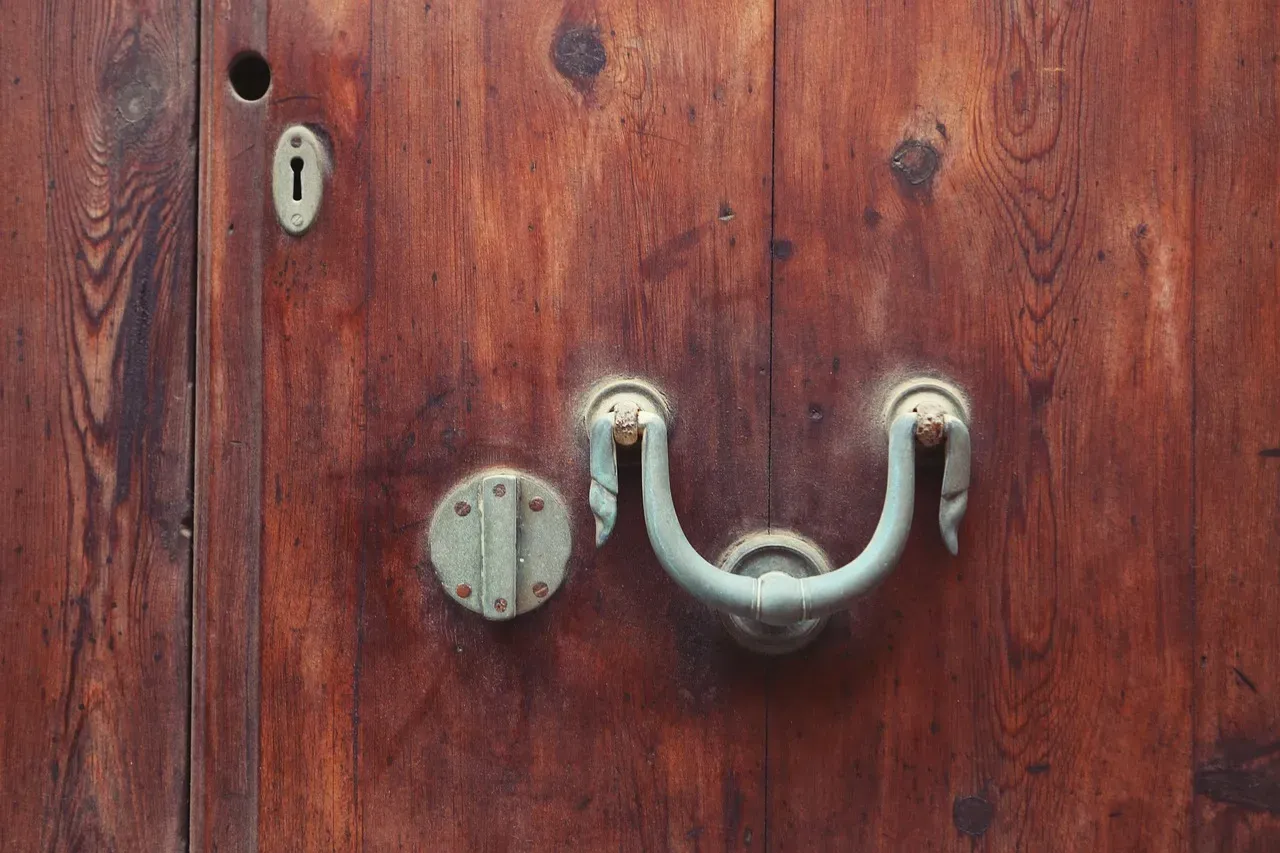
This one feels almost instinctive. You say something hopeful, then immediately rap your knuckles against the nearest wooden surface. The gesture supposedly wards off bad luck or prevents you from jinxing yourself. Most people assume it’s just an old wives’ tale, but the roots go deeper than that.
The practice likely originates from ancient pagan cultures who believed spirits lived inside trees. By knocking on wood, you were either asking the spirits for protection or thanking them for good fortune. Early Christians later adapted this, associating wood with the cross and divine protection. Either way, the superstition stuck around because it gave people a sense of control over fate.
Interestingly, the phrase “touch wood” is more common in Britain, while Americans prefer “knock on wood.” Same idea, slightly different execution. It’s one of those quirks that shows how superstitions evolve across cultures.
2. Breaking a Mirror Brings Seven Years of Bad Luck

Breaking a mirror is considered catastrophic in the world of superstitions. Seven years of misfortune sounds excessive, but the belief has ancient roots. Romans believed mirrors held pieces of a person’s soul, so shattering one meant damaging that soul. The seven-year timeline? That supposedly corresponded to how long it took for the body to renew itself.
Mirrors were also expensive and rare for centuries, so breaking one was genuinely bad news for your finances. The superstition likely grew as a way to make people more careful with valuable objects. Over time, the practical warning morphed into a supernatural curse.
Some cultures developed remedies for mirror-breaking bad luck. Burying the broken pieces under moonlight or grinding them into dust were common solutions. Whether those worked is anyone’s guess, but people clearly took the superstition seriously.
3. Walking Under a Ladder

This one actually makes some practical sense. Walking under a ladder is legitimately hazardous – tools or paint could fall on your head. But the superstition predates modern construction sites by centuries.
The belief likely stems from medieval Christianity. A ladder leaning against a wall forms a triangle, which symbolized the Holy Trinity. Walking through the triangle was seen as breaking sacred geometry and inviting the devil in. Some also thought it mimicked walking to the gallows, where ladders were used for executions.
Egyptians had their own version of this superstition. They believed walking under a ladder disturbed the spirits of the dead, who might punish you for the disrespect. Either way, avoiding ladders became a universal habit.
4. Opening an Umbrella Indoors

Opening an umbrella inside supposedly invites bad luck, though the exact consequences vary depending on who you ask. This superstition is relatively modern compared to others, emerging in the Victorian era when umbrellas became common household items.
The practical origin is obvious – opening a large umbrella indoors could knock over lamps, decorations, or injure someone nearby. But the superstition gained traction because umbrellas were originally designed to shield people from the sun, which was considered sacred in many cultures. Using one indoors was seen as an insult to the sun god.
In some versions, opening an umbrella indoors angers household spirits who protect the home. It’s one of those superstitions that blends practicality with ancient beliefs, making it oddly persistent even today.
5. Black Cats Crossing Your Path
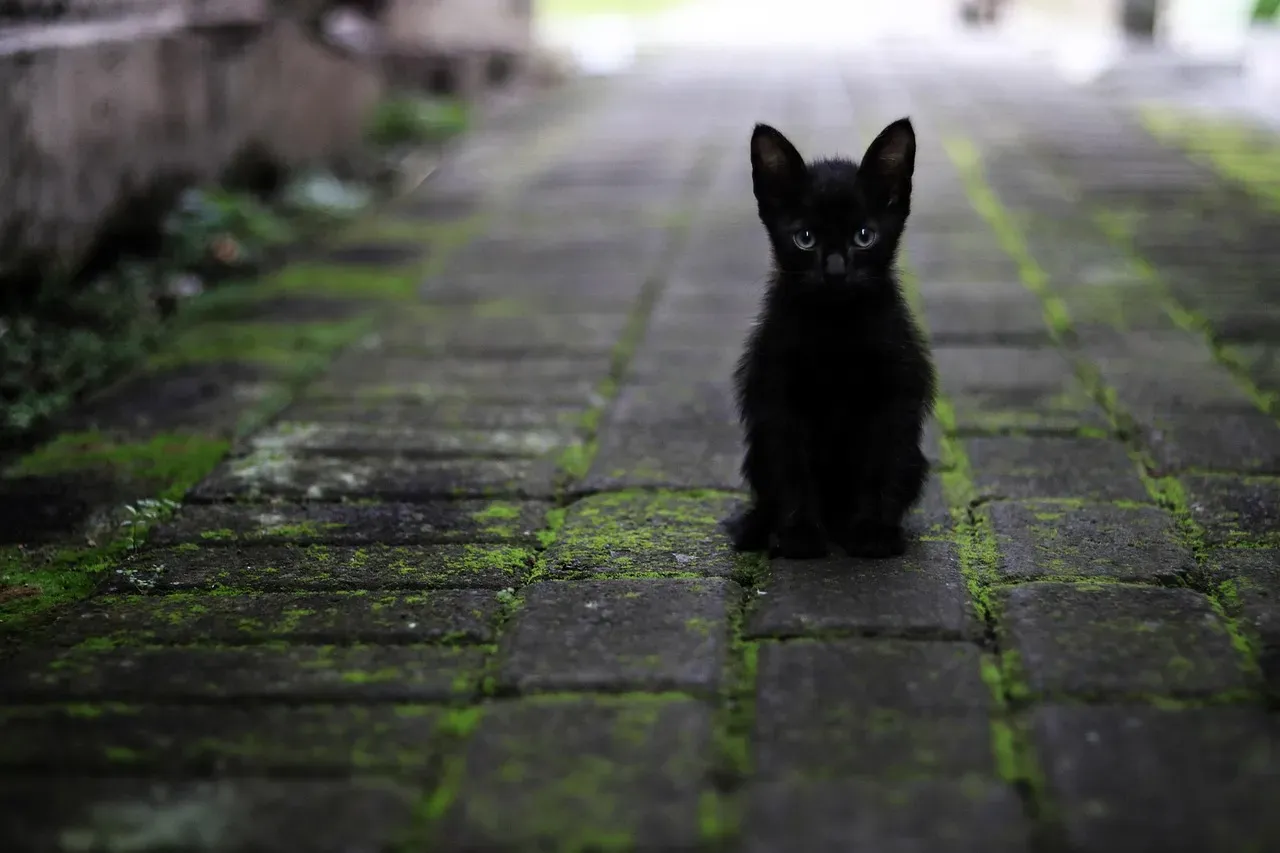
Black cats have gotten a bad rap for centuries. In medieval Europe, they were associated with witches and devil worship. People believed witches could transform into black cats to move around undetected, so seeing one meant a witch might be nearby.
The superstition intensified during the witch hunts of the 16th and 17th centuries. Black cats were often killed alongside accused witches, cementing their reputation as bad omens. Ironically, in some cultures like Japan and Scotland, black cats are considered good luck.
The superstition has softened over time, but it still affects black cats today. Animal shelters report that black cats are adopted less frequently than other colors, a lingering consequence of centuries-old fear. It’s hard to say for sure, but that’s a pretty heavy burden for an innocent animal to carry.
6. Throwing Salt Over Your Shoulder
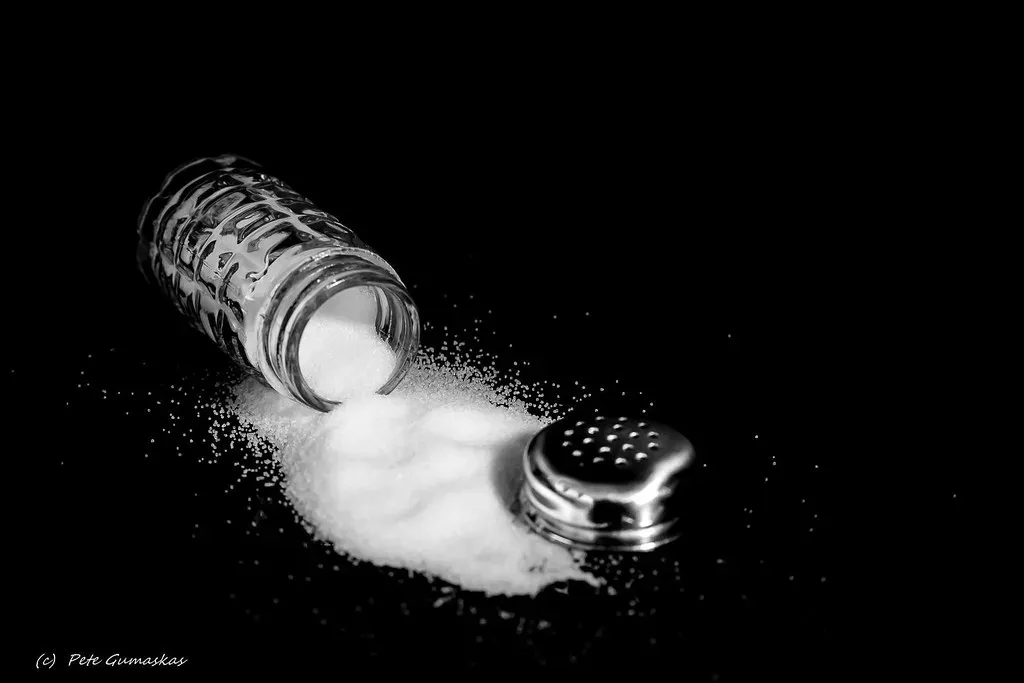
Spilling salt is considered unlucky, and the remedy involves tossing a pinch over your left shoulder. The logic behind this dates back to when salt was incredibly valuable – practically worth its weight in gold. Wasting it was genuinely bad for your finances.
The left shoulder detail comes from Christian tradition. The devil was believed to lurk behind your left shoulder, waiting for opportunities to cause mischief. Throwing salt in that direction supposedly blinded or repelled him. Leonardo da Vinci’s painting “The Last Supper” depicts Judas knocking over a salt cellar, reinforcing the association between spilled salt and betrayal.
Salt also had purifying properties in many cultures. Romans, Greeks, and Egyptians used it in religious rituals, which added to its symbolic importance. The superstition persists because it taps into both economic and spiritual anxieties.
7. Friday the 13th
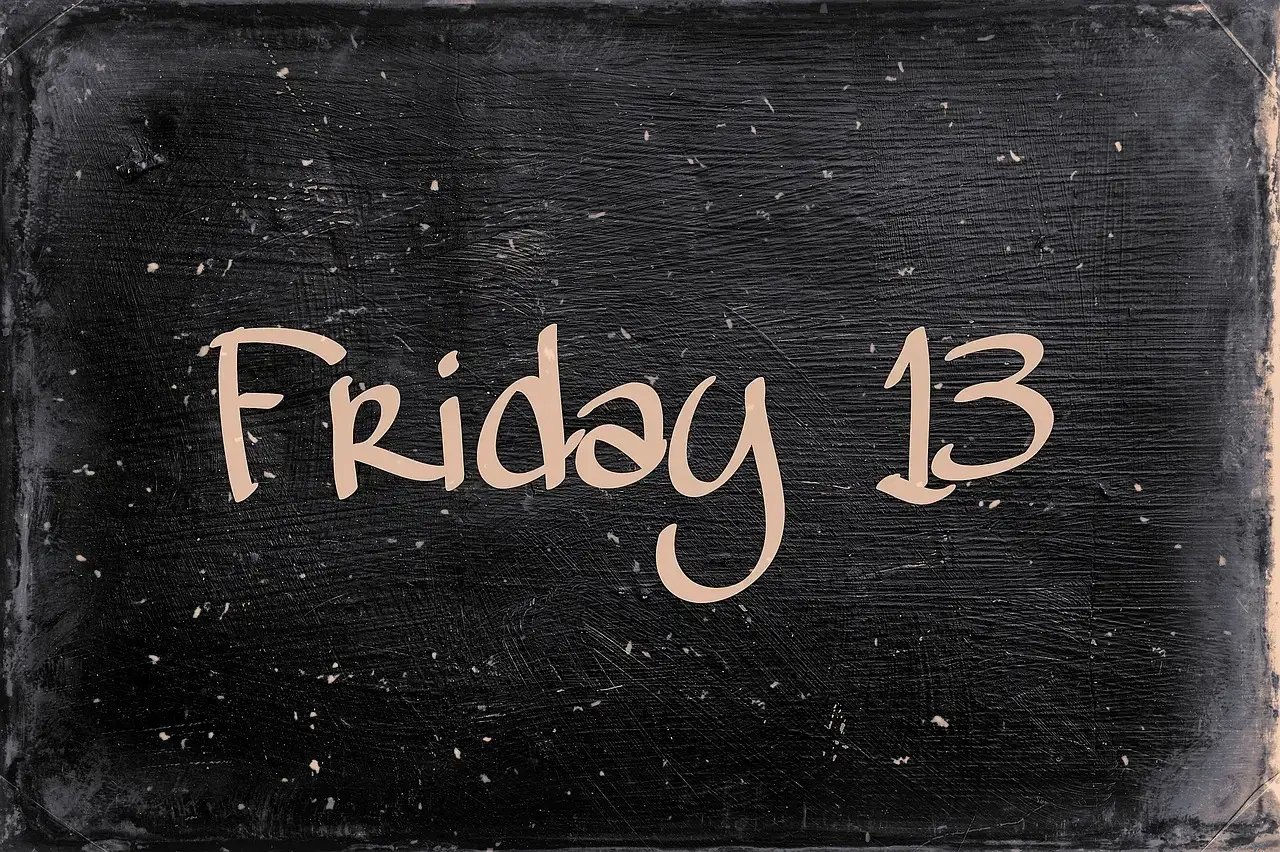
Friday the 13th is the ultimate unlucky day in Western culture. The fear is so widespread there’s even a clinical term for it – paraskevidekatriaphobia. But the origins of this superstition are surprisingly murky.
Friday has been considered unlucky since medieval times, partly because Jesus was crucified on a Friday. The number 13 has its own baggage – there were 13 people at the Last Supper, and Judas was the 13th guest. When you combine an unlucky day with an unlucky number, you get double trouble.
The modern association between Friday the 13th and bad luck solidified in the 19th and 20th centuries, partly due to popular literature and films. Some historians point to the arrest of the Knights Templar on Friday, October 13, 1307, as a possible origin, though that theory is debated. Regardless, the superstition costs businesses billions annually as people avoid major decisions on this day.
8. Saying “Bless You” After a Sneeze

This one feels polite rather than superstitious, but it has dark origins. During the bubonic plague in the 6th century, Pope Gregory I ordered people to say “God bless you” when someone sneezed because sneezing was an early symptom of the plague. Blessing the person was a way to pray for their survival.
Even earlier, ancient cultures believed sneezing expelled evil spirits or allowed them to enter the body. Saying a blessing was protection against spiritual harm. Some also thought the soul could escape through a sneeze, so a quick blessing kept it in place.
The habit stuck around long after the plague, becoming a social nicety rather than a genuine spiritual practice. But it’s a reminder that many of our everyday courtesies have eerie beginnings.
9. Beginner’s Luck
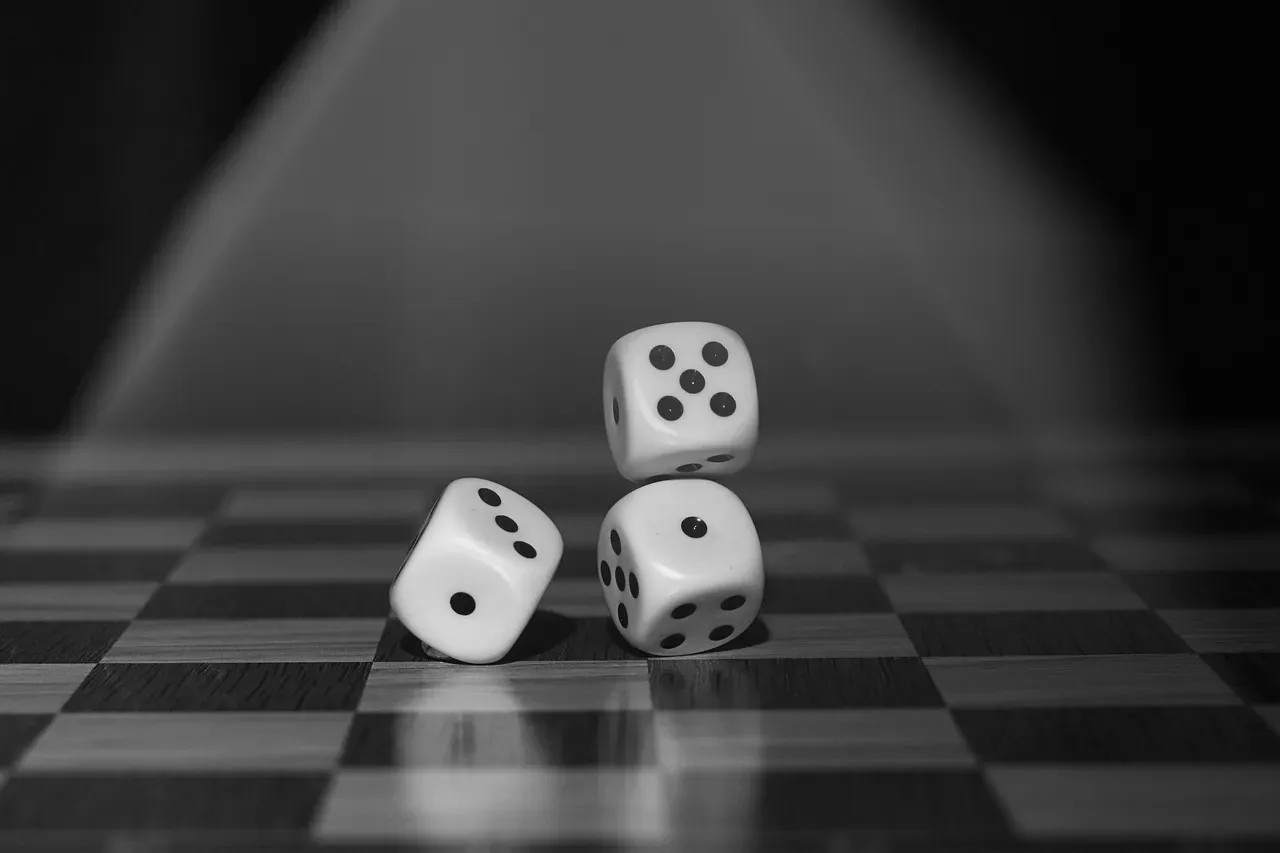
Ever notice how someone trying something for the first time often succeeds where experienced people fail? This phenomenon is so common it has its own name: beginner’s luck. But the superstition suggests it’s more than just coincidence.
Ancient Romans believed the gods favored newcomers, granting them success to encourage them to continue. In gambling culture, particularly in places like Las Vegas, beginner’s luck is taken seriously. Casinos love the idea because it keeps novice gamblers coming back, chasing that initial win.
There’s a psychological component too. Beginners often succeed because they’re not overthinking things. They lack the experience that makes veterans cautious or superstitious themselves. Still, the belief persists that luck somehow favors the uninitiated.
10. Crossing Your Fingers for Good Luck

Crossing your fingers is a universal gesture for hoping something good happens. The origins trace back to early Christianity, when making the sign of the cross was believed to invoke divine protection. People would cross their index and middle fingers to form a small cross, silently asking for God’s favor.
Before Christianity, pagans crossed fingers to trap good spirits at the intersection of the two fingers. The gesture was thought to lock in positive energy or wish fulfillment. Over time, it became a subtle way to invoke luck without being obvious about it.
Interestingly, crossing your fingers behind your back while lying supposedly negates the sin of dishonesty. It’s unclear where that variation started, but it shows how superstitions adapt to serve different purposes.
Partner offer
11. Horseshoes Bring Good Luck
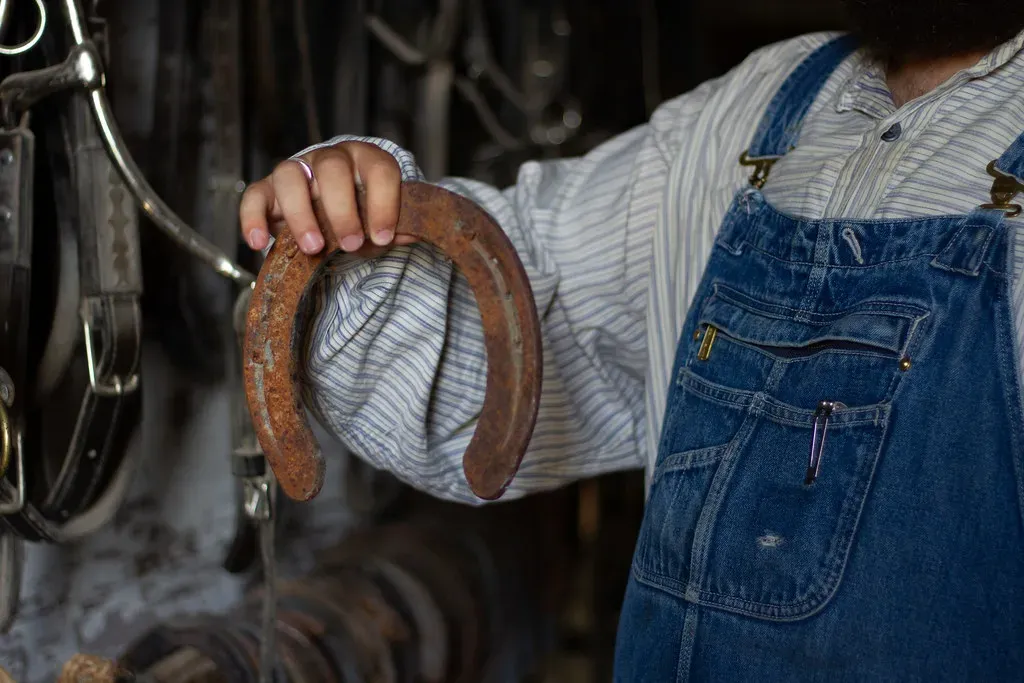
Hanging a horseshoe above a door is supposed to attract good fortune. The tradition dates back to medieval Europe, where iron was believed to repel evil spirits and witches. Horseshoes, made of iron and shaped like a crescent moon, were doubly powerful.
There’s also a legend involving Saint Dunstan, a 10th-century blacksmith who became the Archbishop of Canterbury. The devil supposedly asked Dunstan to shoe his horse, but Dunstan recognized him and nailed the shoe so painfully that the devil begged for mercy. Dunstan agreed to remove it only if the devil promised never to enter a home with a horseshoe above the door.
The debate over whether the horseshoe should hang points up or points down continues. Some say points up holds the luck in, while others argue points down lets it pour over you. Either way, the superstition endures.
12. Finding a Penny Brings Luck
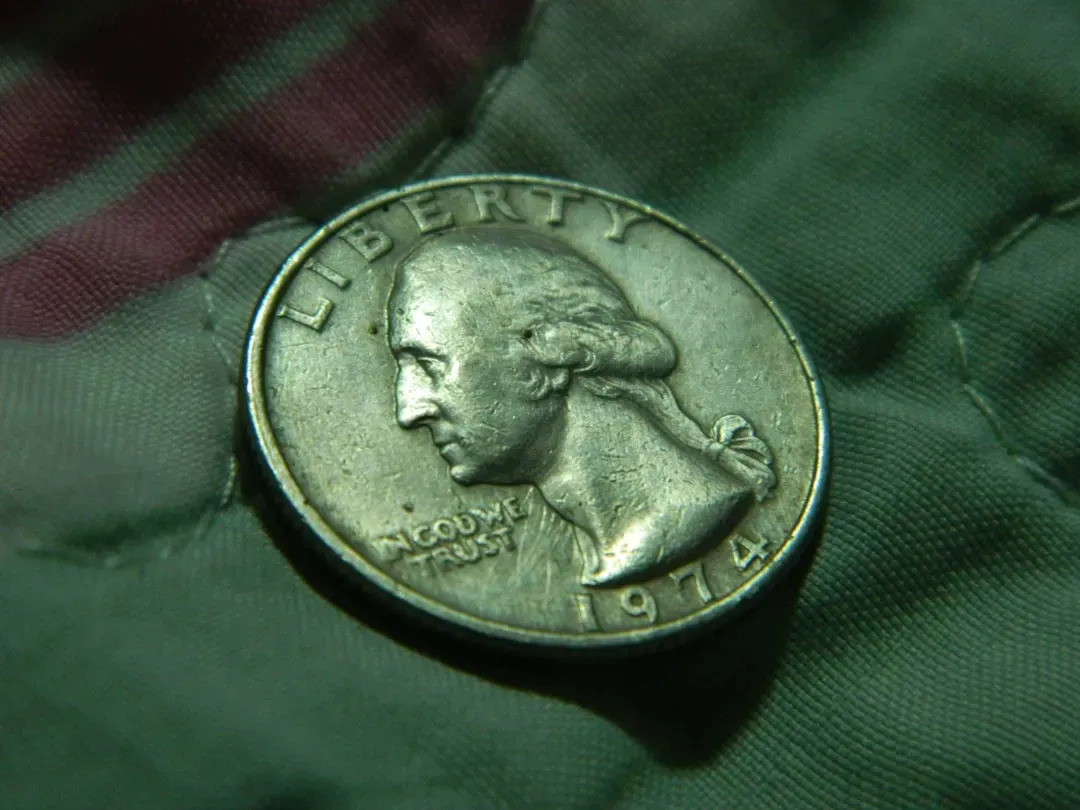
“Find a penny, pick it up, and all day long you’ll have good luck.” This cheerful rhyme has been drilled into us since childhood. The belief likely stems from ancient times when metal was rare and valuable. Finding any metal object was genuinely fortunate.
Some versions of the superstition specify that the penny must be heads up to bring luck. A tails-up penny is supposedly bad luck unless you flip it over for the next person. This detail probably emerged as a way to keep the superstition interesting and interactive.
In modern times, pennies have lost most of their value, but the superstition persists. It’s one of those small rituals that costs nothing and might make your day feel a little brighter. Why not?
13. Four-Leaf Clovers
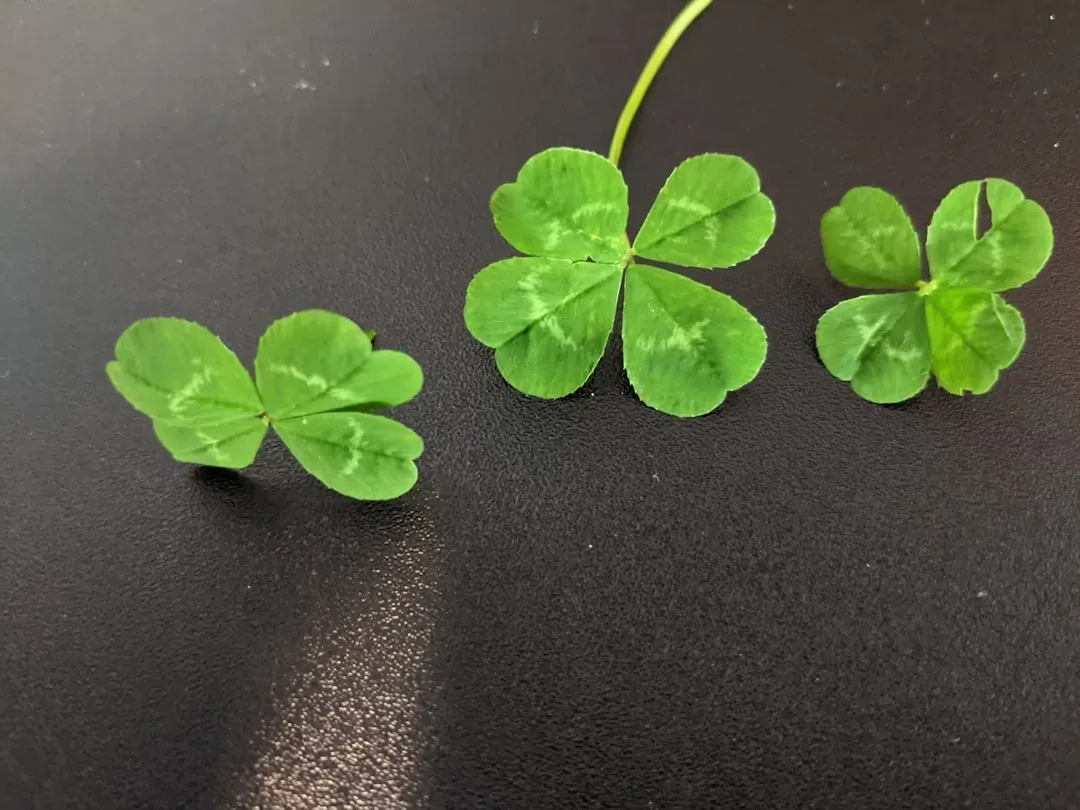
Finding a four-leaf clover is considered incredibly lucky, mostly because they’re so rare. Only about one in every several thousand clovers has four leaves instead of three. The rarity alone made them feel special, but the superstition has deeper roots.
Ancient Druids believed four-leaf clovers could ward off evil spirits and provide protection. Each leaf supposedly represented something: faith, hope, love, and luck. Christians later adopted the symbol, associating it with the cross and divine favor.
Some legends claim that Eve took a four-leaf clover with her when she was cast out of the Garden of Eden, making it a piece of paradise on Earth. Whether that’s true or not, people still press four-leaf clovers into books to preserve their luck.
14. Itchy Palms Mean Money Is Coming
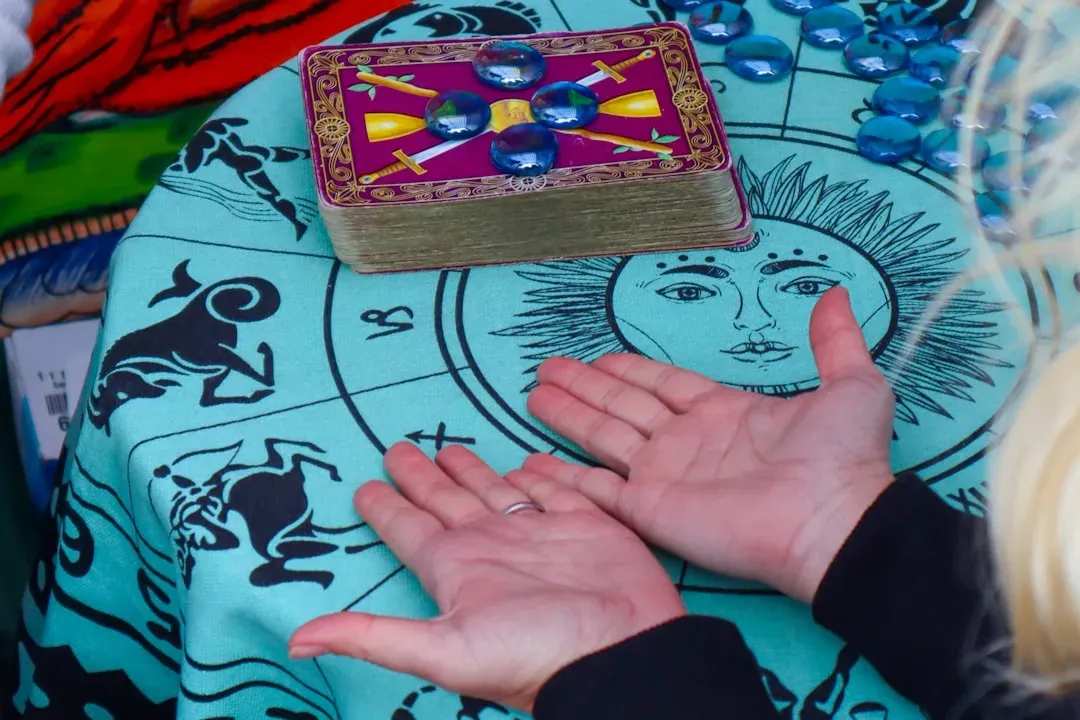
An itchy palm supposedly signals incoming money, though which palm matters varies by culture. In some traditions, an itchy right palm means you’ll receive money, while an itchy left palm means you’ll lose it. Other cultures flip this around entirely.
The superstition likely emerged from the idea that physical sensations can predict future events. In medieval Europe, people believed the body could sense changes in fortune before they happened. An itchy palm was interpreted as your hand preparing to receive or give away coins.
There’s also a Romani tradition that connects itchy palms to financial windfalls. The belief spread across Europe and eventually to the Americas, where it remains a common superstition. It’s hard to say for sure, but plenty of people still get excited when their palms start tingling.
15. Whistling Indoors or at Night

Whistling indoors is considered bad luck in many cultures, though the reasons vary. Sailors believed whistling on a ship could summon strong winds or storms, so it was strictly forbidden. The superstition spread to land, where whistling indoors was thought to attract evil spirits or financial ruin.
In Russian and Ukrainian cultures, whistling indoors is said to “whistle away” your money, leaving you broke. Some Asian cultures believe nighttime whistling attracts ghosts or disturbs the dead. These beliefs made sense in eras when people were more connected to nature and its unpredictable dangers.
Interestingly, whistling while working was often encouraged, as it kept laborers focused and in rhythm. But the moment you stepped indoors or the sun went down, the rules changed. It’s one of those superstitions that shows how context matters.
16. Don’t Let a Bird Fly Into Your House

A bird entering your home is considered a bad omen in many cultures, often signaling death or disaster. The belief likely originates from the idea that birds act as messengers between the living and the dead. If one crosses into your home, it might be delivering unwelcome news.
In some European traditions, specific birds carry different meanings. A robin or sparrow might signal minor misfortune, while a crow or raven predicts death. Owls were particularly feared because of their association with the night and the supernatural.
There’s a practical side too – birds flying indoors can cause chaos, damage property, or spread disease. The superstition may have started as a warning to keep windows and doors secured. Still, many people feel an instinctive dread when a bird flutters inside.
17. Avoiding the Number 13
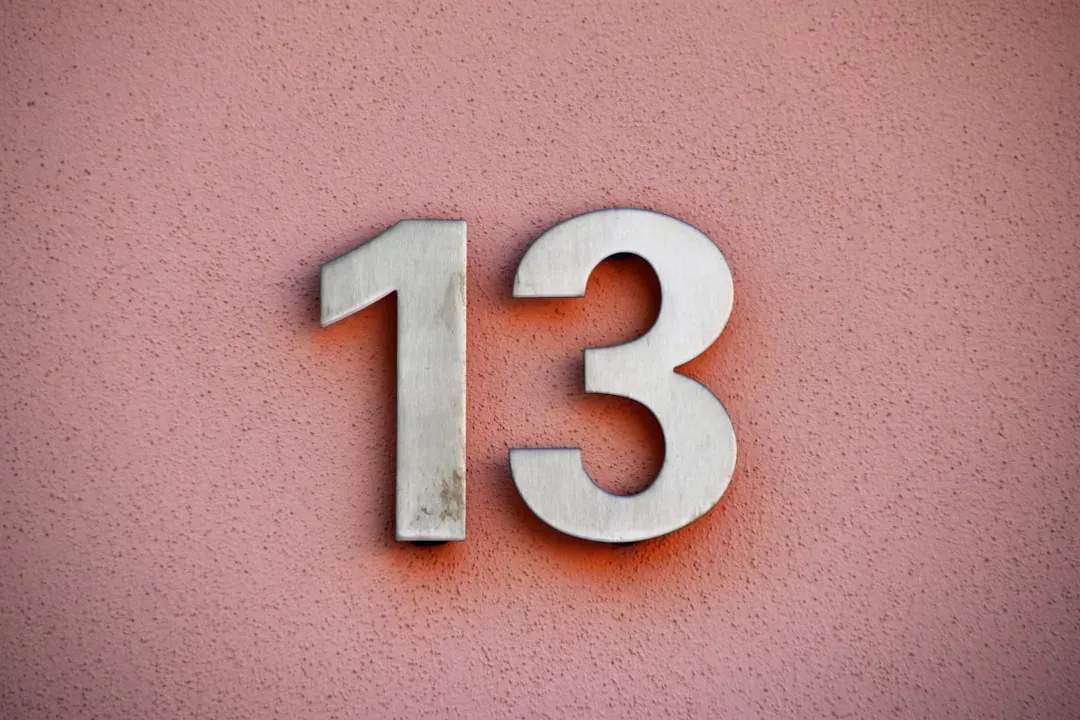
The number 13 has been unlucky in Western culture for centuries, though the reasons are tangled and contradictory. The Last Supper had 13 attendees, with Judas as the unlucky 13th guest. Norse mythology tells of a dinner party for 12 gods that was crashed by Loki, the 13th guest, leading to chaos and death.
The fear runs so deep that many buildings skip the 13th floor, jumping from 12 to 14. Airlines often omit row 13, and hotels avoid room numbers with 13. This collective avoidance costs industries millions, all because of an ancient superstition that refuses to die.
Ironically, some cultures consider 13 lucky. In Italy, 13 is associated with good fortune, while 17 is the unlucky number. It shows how arbitrary these beliefs can be, shaped entirely by cultural context.
18. Cutting Your Hair or Nails at Night
In many Asian cultures, cutting your hair or nails at night is strictly forbidden. The superstition warns that doing so invites bad luck, illness, or even death. The belief likely stems from practical concerns – cutting in dim light could lead to accidents.
Some versions of the superstition claim that hair and nails contain spiritual energy, and cutting them after dark disturbs that energy. In Japanese tradition, trimming nails at night means you won’t be present at your parents’ deathbeds, a deeply unsettling consequence.
There’s also a hygiene angle. Before modern lighting, trimming hair or nails at night meant losing small pieces in the dark, which could attract pests or cause injuries. The superstition wrapped a practical warning in supernatural dread, making it more effective.
19. A Rabbit’s Foot for Luck
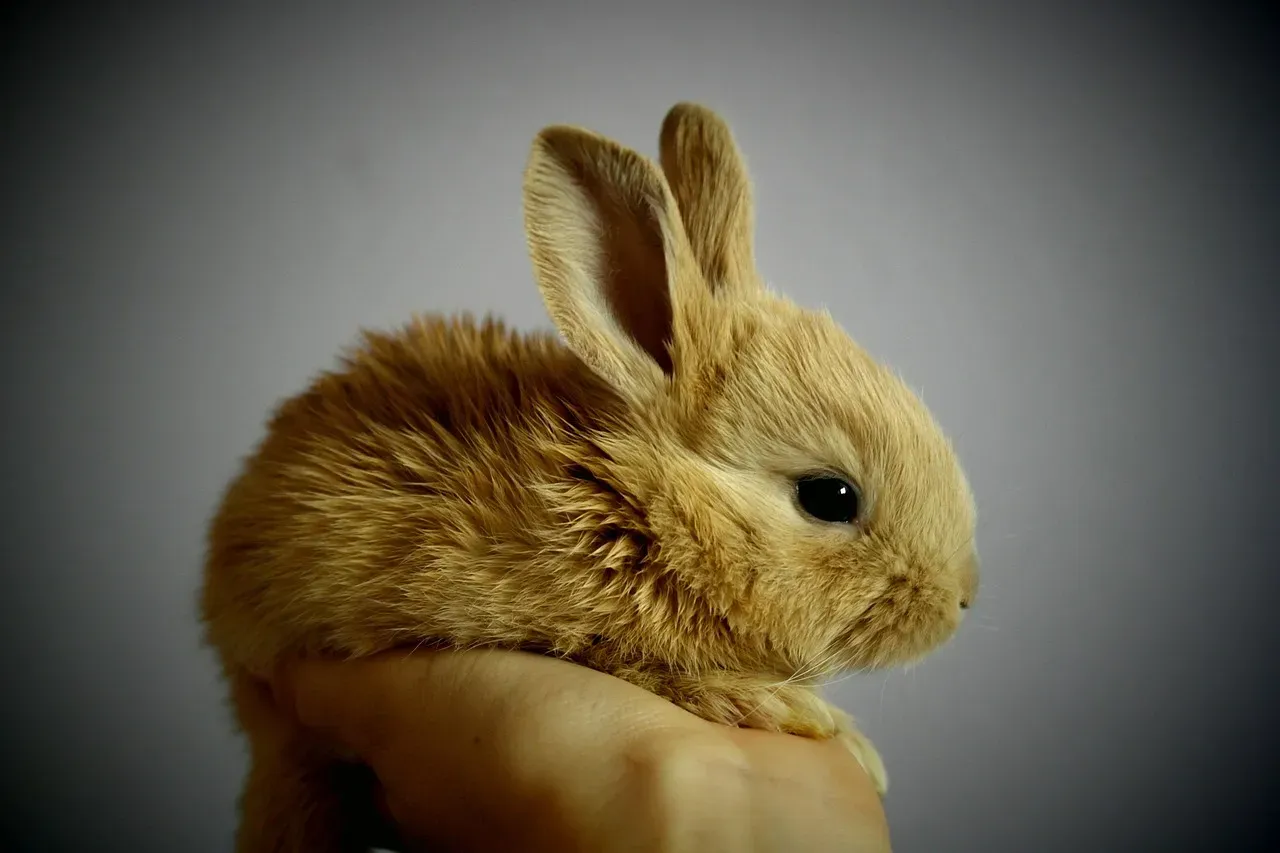
Carrying a rabbit’s foot as a lucky charm is a tradition that feels ancient, and it is. The superstition traces back to Celtic and African-American hoodoo traditions, where rabbits were seen as connected to the earth and fertility. Because rabbits are born with their eyes open, they were thought to possess special awareness of danger.
The left hind foot of a rabbit was considered the luckiest, especially if the rabbit was killed in a cemetery under a full moon. That level of specificity shows how seriously people took the superstition. Rabbits’ association with spring and rebirth also made them symbols of good fortune.
The practice became commercialized in the 19th and 20th centuries, with rabbit’s foot keychains sold as good luck charms. Whether they actually work is debatable, but the tradition remains surprisingly popular.
20. Not Gifting Knives or Scissors
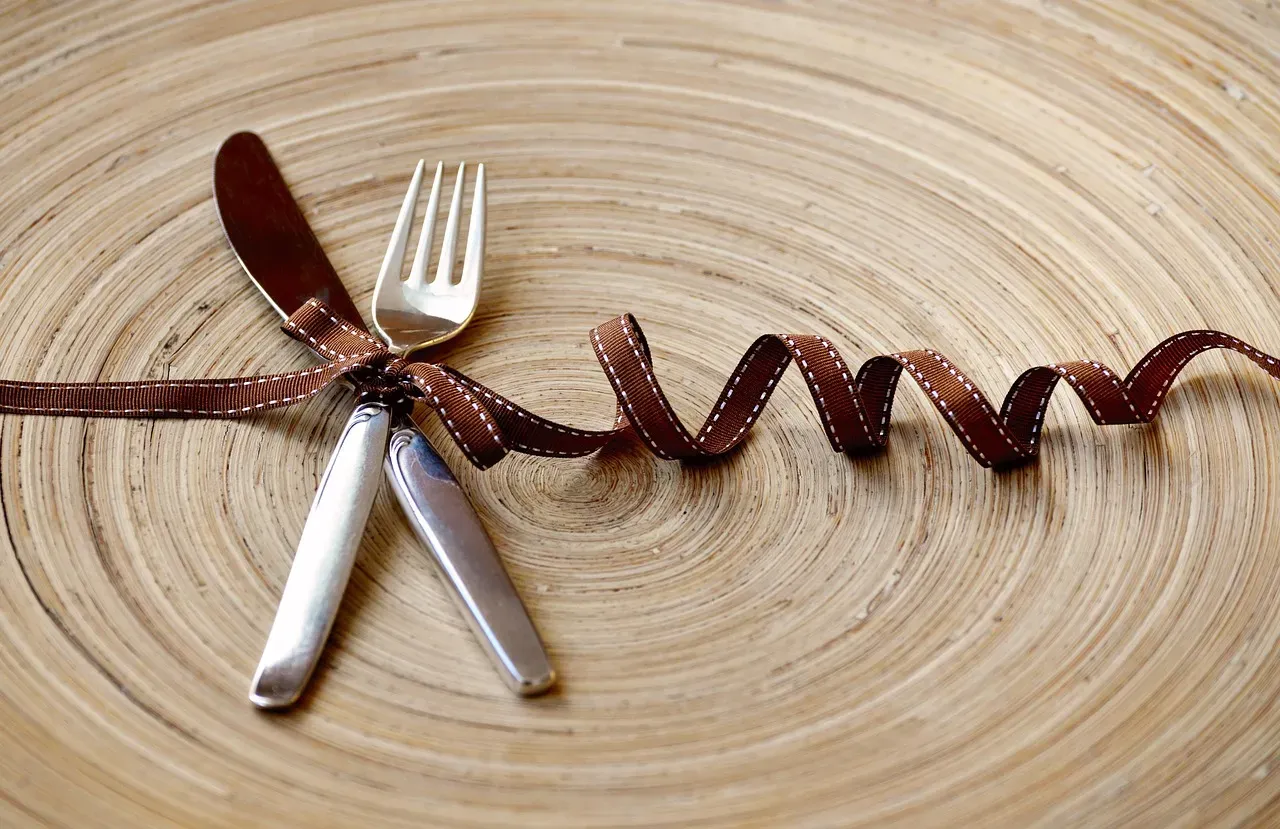
Giving someone a knife or pair of scissors as a gift is considered bad luck because it symbolizes cutting the relationship. The superstition is widespread across Europe, Asia, and the Americas, with slight variations depending on the culture.
The remedy is simple: if you receive a knife as a gift, you must give the giver a coin in return. This “purchase” supposedly neutralizes the bad luck by turning the gift into a transaction. Some people tape a penny to the knife to make it easier.
The belief likely started because sharp objects were genuinely dangerous and valuable. Giving one away could be seen as wishing harm or severing ties. Over time, the practical concern evolved into a full-fledged superstition that still influences gift-giving today.
Conclusion

Superstitions feel silly until you catch yourself following them without thinking. They’re remnants of a time when people sought control over an unpredictable world, weaving explanations from fear, hope, and observation. Some made practical sense once upon a time. Others were pure imagination, passed down until they became truth.
What’s fascinating is how many of these rituals survive in modern life, even among people who consider themselves rational. We knock on wood, avoid ladders, and cross our fingers because these gestures offer comfort in uncertainty. They’re cultural artifacts, little threads connecting us to ancestors who believed the world was full of signs and omens. Do they actually work? Probably not. But they remind us that humans have always looked for patterns, for meaning, for ways to tilt the odds in their favor. What superstitions do you still follow, even when you know better?
Partner offer
Planning a trip to Vegas?
Compare hotel rates and show tickets on VEGAS.com.