Music festivals are more than just concerts. They capture the spirit of a time, the pulse of a generation, and the cultural shifts that shape our collective memory. From fields filled with half a million dreamers to deserts alive with electronic beats, these gatherings have become landmarks in social history.
Some festivals spark movements. Others cement legacies. A few even change the way we think about what music can do for the world. Let’s be real, the ones that truly matter leave us talking for decades.
Monterey Pop Festival: The Blueprint for Everything
The Monterey Pop Festival embodied the theme of California as a focal point for the counterculture and generally is regarded as one of the beginnings of the “Summer of Love” in 1967 and became an inspiration and a template for future music festivals, including the Woodstock Festival two years later. Before this three-day gathering in June 1967, rock festivals didn’t really exist in the way we know them today.
It was the first major rock festival and was multi-racial, national and international, brought together musical talent from diverse genres, and established new rock stars as art and culture leaders. The festival caught the public’s imagination and became a catalyst for the rise of underground youth culture even as it definitively established rock as a medium worthy of adult treatment, and served notice that the counterculture constituted a mass audience.
What happened on those stages changed music history forever. Jimi Hendrix lit his guitar on fire. Janis Joplin stunned audiences with raw emotion. The Who destroyed their instruments. It’s hard to say for sure, but Monterey might have meant even more musically than Woodstock.
Woodstock: Peace, Love, and Eternal Legend
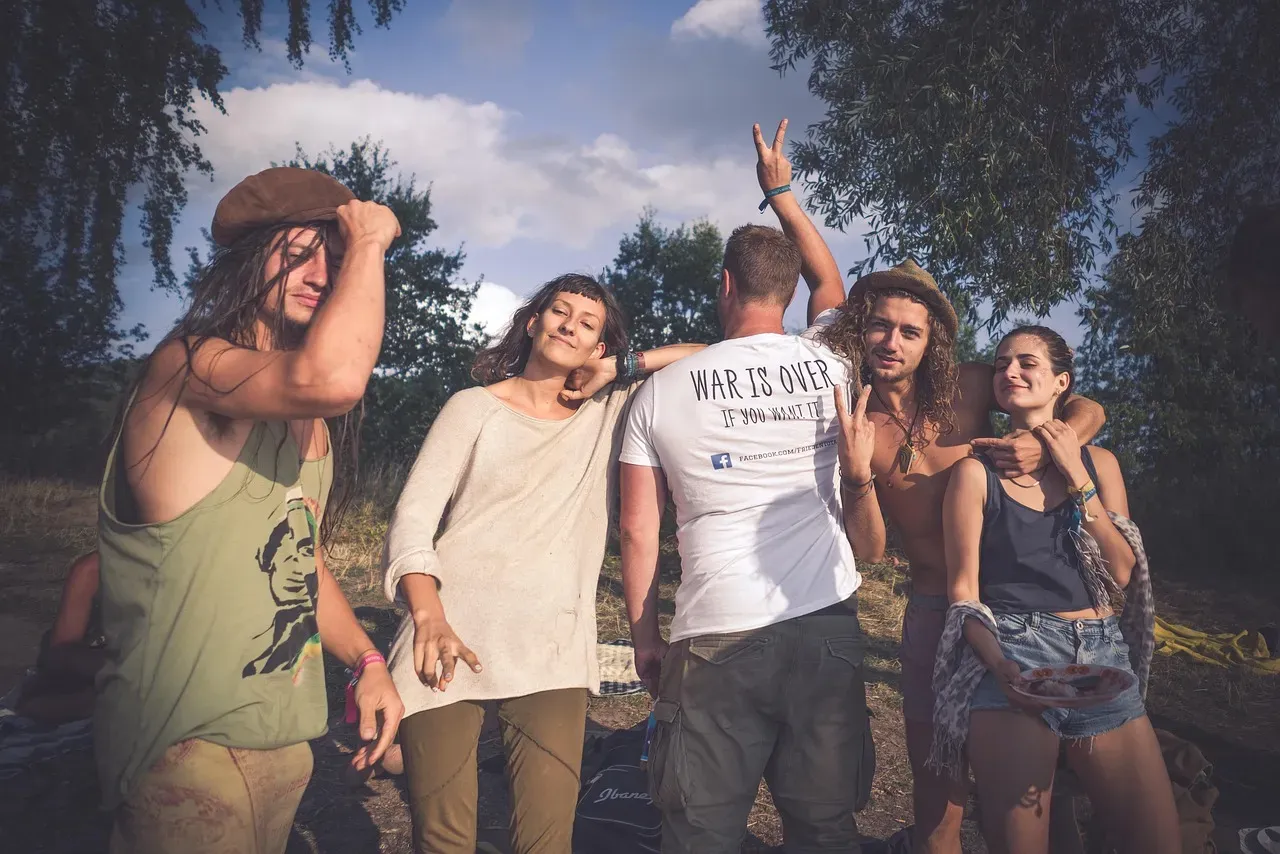
Half a million attendees gathered at a dairy farm in Bethel, New York, to hear artists including The Grateful Dead, Jefferson Airplane, The Who, Janis Joplin, and The Jimi Hendrix Experience in what is the most monumental event in music history. Woodstock became shorthand for everything the sixties represented.
This one-time event from August 15-18, 1969 attracted 400,000 people and is among the top 50 moments in history that changed the course of Rock and Roll. The festival was supposed to be a paid event but became a free concert when the crowds overwhelmed the site. That chaos turned into a symbol.
About 82 percent of those who attended Woodstock in 1969 called their experience life-changing, the highest impact of all festivals measured. Mud, rain, shortages of everything, yet somehow people remember it as transcendent. It captured a generation’s yearning for something different, something pure.
Isle of Wight Festival: Britain’s Answer to Woodstock
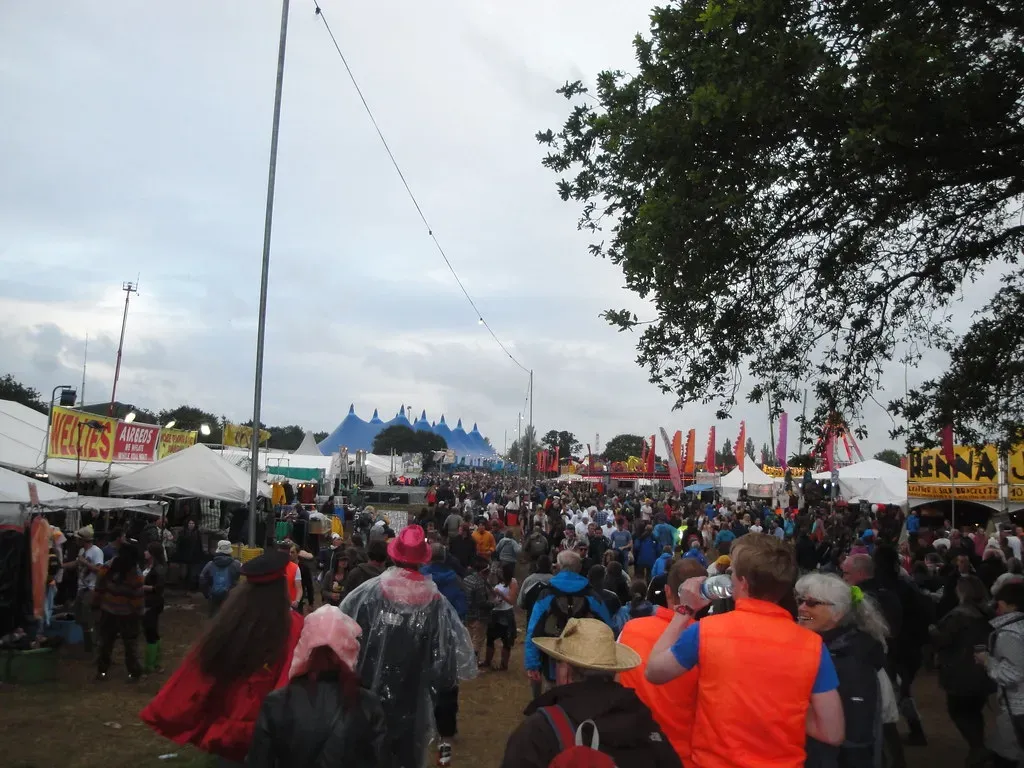
The Isle of Wight Festival emerged as the UK’s answer to Woodstock, featuring legendary performances from artists such as The Who, Joni Mitchell, and Leonard Cohen, and attracted around 600,000 attendees. For a moment in 1970, this small British island became the center of the rock universe.
The sheer size shocked organizers and locals alike. With 600,000 attendants, the 1970 Isle of Wight Festival was at the time one of the largest human gatherings in the world. That’s roughly half a million more people than the island’s usual population.
It became a symbol of the era, showcasing the growing popularity of rock music and the desire for communal experiences, and has since become a staple in the UK music scene. The festival proved rock festivals weren’t just an American phenomenon.
Glastonbury Festival: The Enduring British Institution
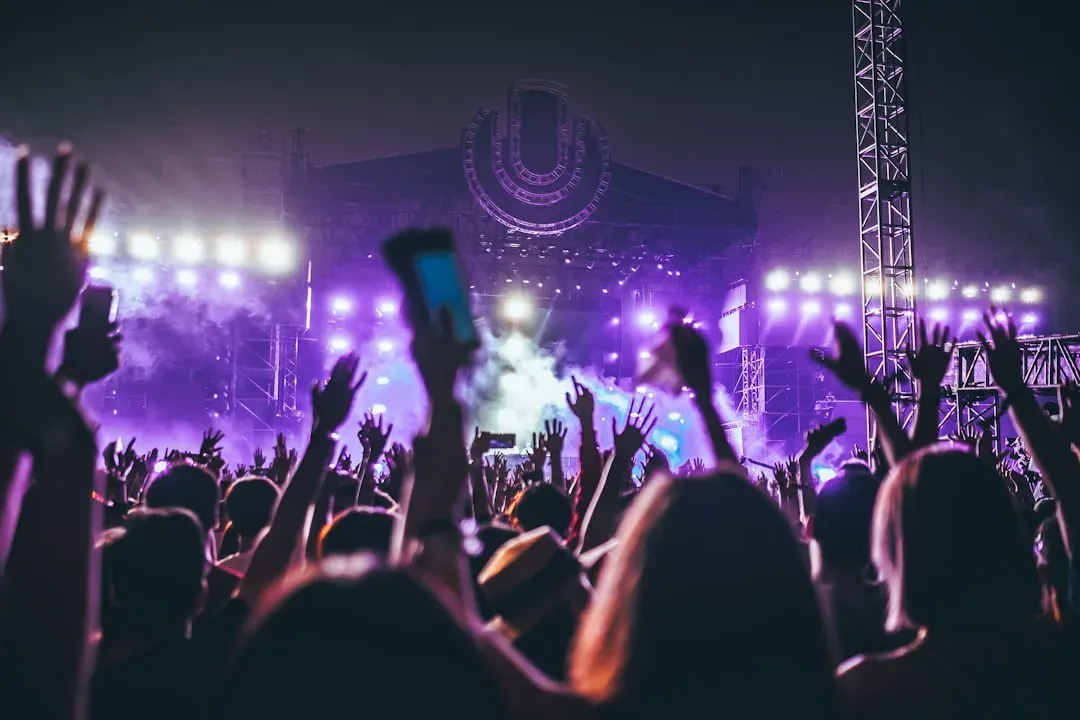
The first festival at Worthy Farm was called the Pilton Pop, Folk and Blues Festival and took place in late Summer 1970, attended by 1,500 people with admission of £1, which included free camping and free milk. From those humble beginnings grew what many consider the greatest festival on Earth.
Founded in 1970, it has grown into one of the largest and most famous music festivals in the world, known for its diverse lineup including rock, pop, electronic, and world music, and emphasizes sustainability and social activism. Glastonbury isn’t just about the music anymore.
Every year the festival makes payments of over £2m to charities including Oxfam, WaterAid and Greenpeace, supporting campaigns for a cleaner, fairer, better world. The festival has become a cultural landmark that attracts nearly a quarter of a million people annually. It’s a rite of passage for British music fans and a bucket list experience for people worldwide.
Live Aid: When Music United the World

Live Aid was a groundbreaking global concert aimed at raising funds for famine relief in Ethiopia, organized by Bob Geldof and Midge Ure, and took place simultaneously at Wembley Stadium in London and John F. Kennedy Stadium in Philadelphia. July 13, 1985 marked something unprecedented.
For 16 hours, across multiple continents, dozens of the era’s most popular bands and singers played, beamed out live to at least a billion viewers in well over a hundred countries. Queen delivered what many call the greatest live performance ever recorded. U2 found their stadium voice.
Live Aid’s impact on popular culture and activism is undeniable, creating the blueprint for the modern large-scale benefit concert and ushering in a new era of celebrity activism, inspiring Farm Aid and Global Citizen Festivals. It proved rock stars could mobilize millions for a cause. Honestly, nothing quite like it has happened since.
Lollapalooza: Alternative Rock Goes Mainstream
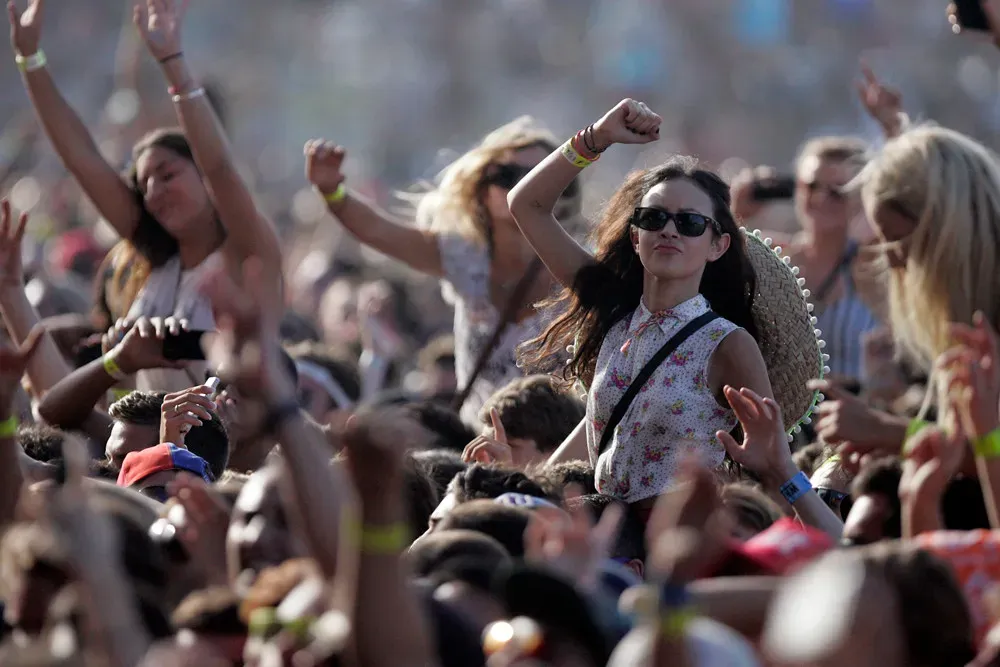
Lollapalooza was conceived and created in 1991 as a farewell tour by Perry Farrell, singer of Jane’s Addiction, and the first tour had a diverse collection of bands and was a commercial success, stopping in more than twenty cities in North America. What started as a goodbye became a revolution.
Conceived in 1991 as a farewell tour, the festival quickly became a traveling showcase for alt-rock and counterculture, with eclectic lineups including punk, metal, and hip-hop acts that helped define a generation’s musical tastes. Lollapalooza brought the underground to suburban parking lots and amphitheaters everywhere.
In 2020, Spin rated the first Lollapalooza as the best concert of the preceding 35 years. While epic festivals like Coachella and Bonnaroo have been raging since the early aughts, Lollapalooza first proved that a seemingly radical idea could grow and thrive, and incorporating a mix of rock, hip-hop, electronic, and alternative acts became a festival blueprint. Perry Farrell’s vision essentially invented the modern touring festival format.
Coachella: Instagram’s Favorite Desert Oasis
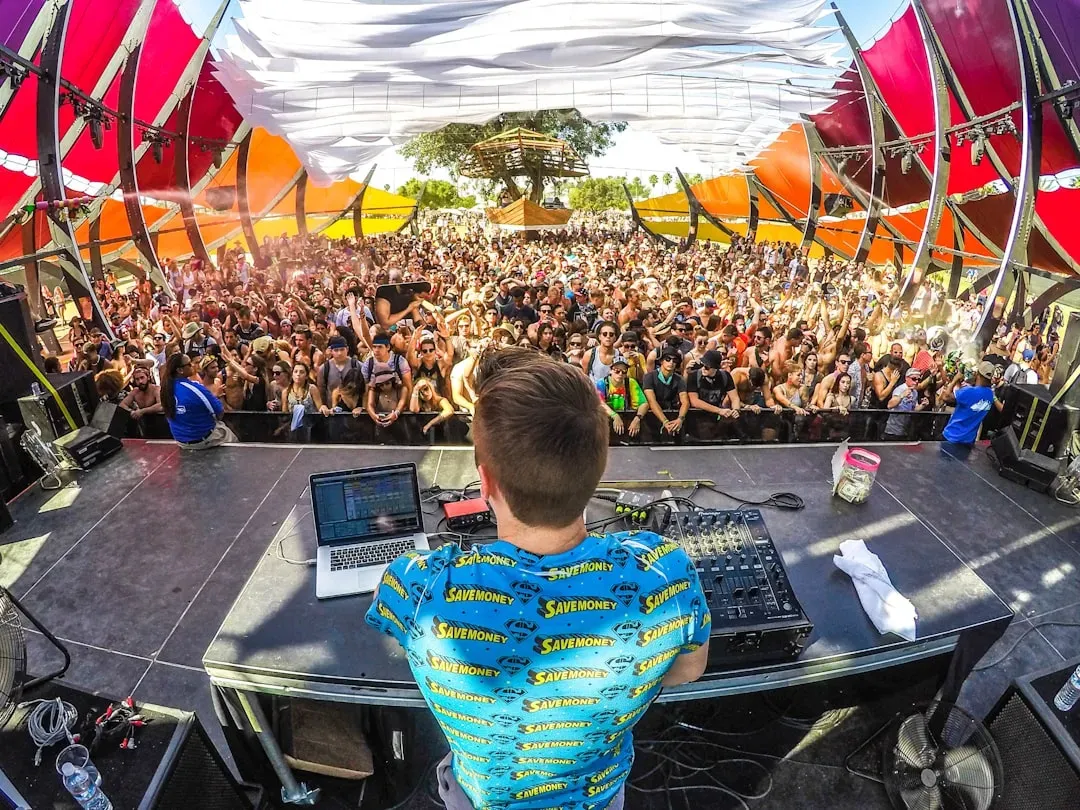
Coachella is an annual music and arts festival held at the Empire Polo Club in Indio, California, co-founded by Paul Tollett and Rick Van Santen in 1999, featuring artists from many genres including rock, pop, indie, hip hop and electronic dance music. The California desert has never been the same since.
The first event took place on October 9th and 10th, 1999 with tickets costing a meager $50, and it was nothing short of highway robbery to pay that for a festival headlined by Beck, Rage Against the Machine and Tool. Fast forward to today and those ticket prices have increased by roughly tenfold or more.
Coachella has captured the essence of millennial and Gen Z culture, becoming a hotspot where fashion meets music. It is one of the largest, most famous, and most profitable music festivals in the United States and the world. Here’s the thing: Coachella transformed festivals into lifestyle events. Art installations, celebrity sightings, influencer culture – all of it radiates from those two weekends in the desert each spring.
Bonnaroo: The American Jam Band Paradise
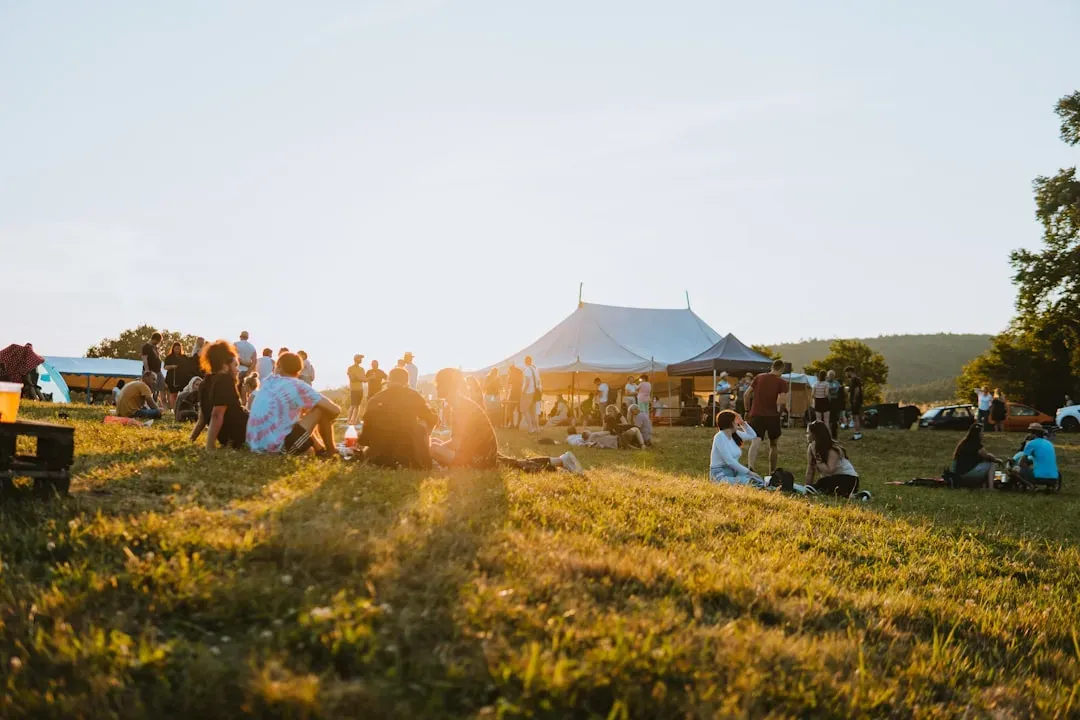
In 2003, Rolling Stone ranked Bonnaroo within the top 50 events to have influenced the history of Rock and Roll. Starting in 2002 on a Tennessee farm, Bonnaroo brought the communal festival spirit to the American South in a major way.
The festival embraced the jam band ethos while expanding into rock, hip-hop, electronic, and everything in between. What made Bonnaroo special was its willingness to book wildly diverse lineups. You could see a bluegrass legend followed by a hip-hop headliner followed by an electronic DJ.
The vibe was distinctly laid-back, Southern, and sweaty. Camping became part of the identity. Bonnaroo proved that festivals could thrive outside the coasts and create their own unique culture rooted in community and exploration.
Electric Daisy Carnival: Where EDM Found Its Home
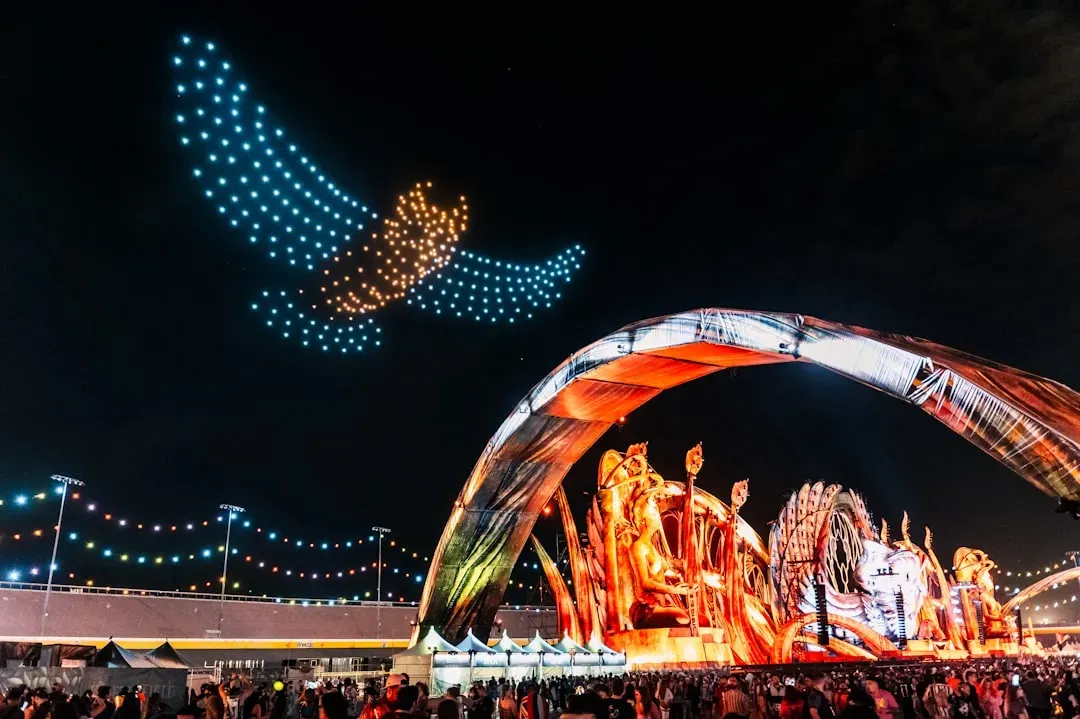
Ultra Music Festival, Electric Daisy Carnival (EDC), and Burning Man were some of the highest-rated festivals in terms of their impact. EDC transformed electronic dance music from underground raves into massive, multi-stage spectacles. Starting in Los Angeles in the late nineties, it eventually found its permanent home in Las Vegas.
EDC Las Vegas, put on by Insomniac, pulls in about 450,000 people each year and makes an impressive $143.30 million. The festival became a neon-lit wonderland of stages, art cars, carnival rides, and DJs spinning until sunrise. EDC didn’t just showcase electronic music; it created an immersive fantasy world.
For ravers and electronic music devotees, EDC represents the pinnacle of festival production. The lights, the production values, the sense of community – it redefined what dance music festivals could be. EDC proved electronic music deserved the same massive festival treatment as rock.
Burning Man: The Anti-Festival Festival
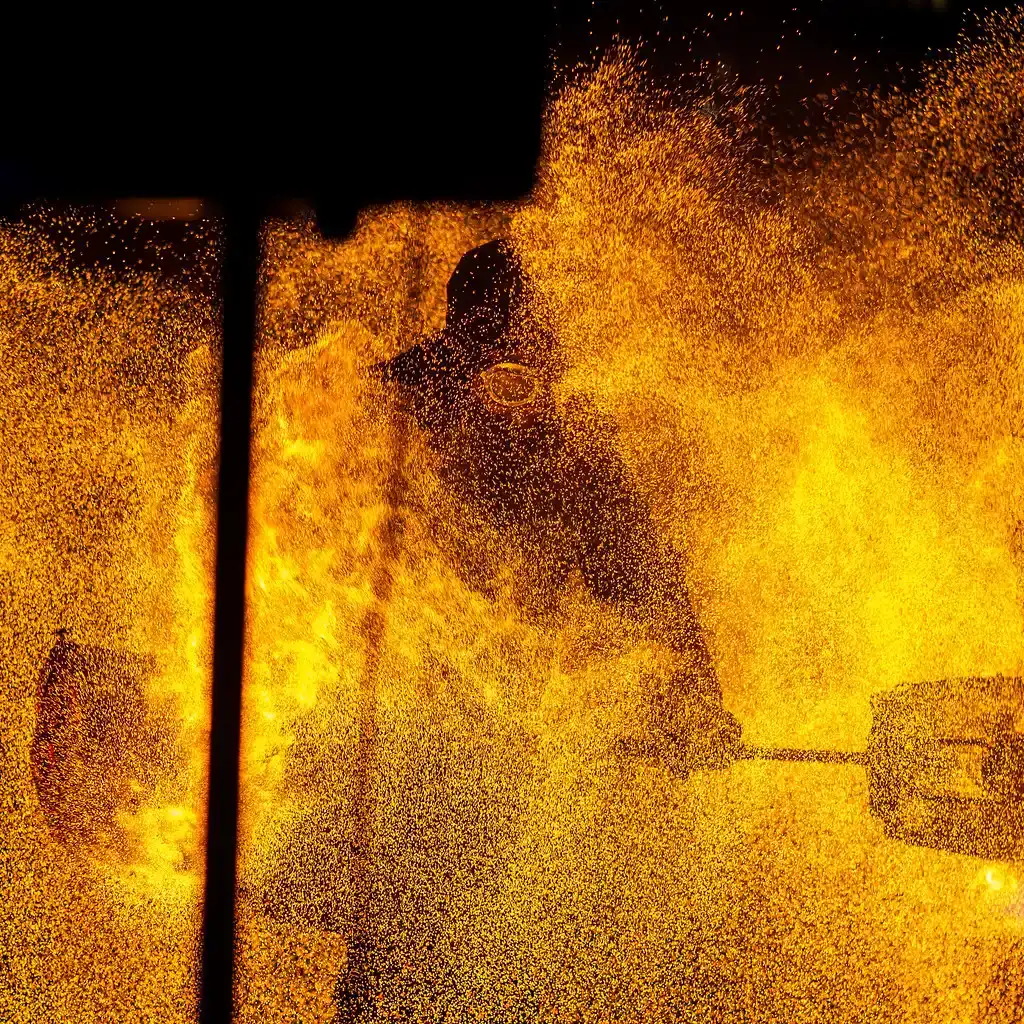
Held annually in Nevada’s Black Rock Desert, Burning Man defies conventional categorization, with participants creating a temporary city complete with art installations, themed camps, and mutant vehicles, and while music plays a significant role, it’s the ethos of community and creativity that truly sets it apart. Burning Man isn’t technically a music festival at all. Yet its influence on festival culture is undeniable.
Burning Man stood out as the most rambunctious music festival on an eight-point scale of intensity. Roughly 70,000 people descend on the desert each year to create Black Rock City, a temporary metropolis governed by radical self-expression and self-reliance.
The festival operates on a gift economy. There’s no money exchanged within the gates. Art installations tower over the playa. Theme camps throw parties. On the final night, they burn a massive wooden effigy. Burning Man inspired countless festival aesthetics and philosophies, from interactive art to participatory experiences. It challenged what a festival could even be.
The Festivals That Shaped Us All
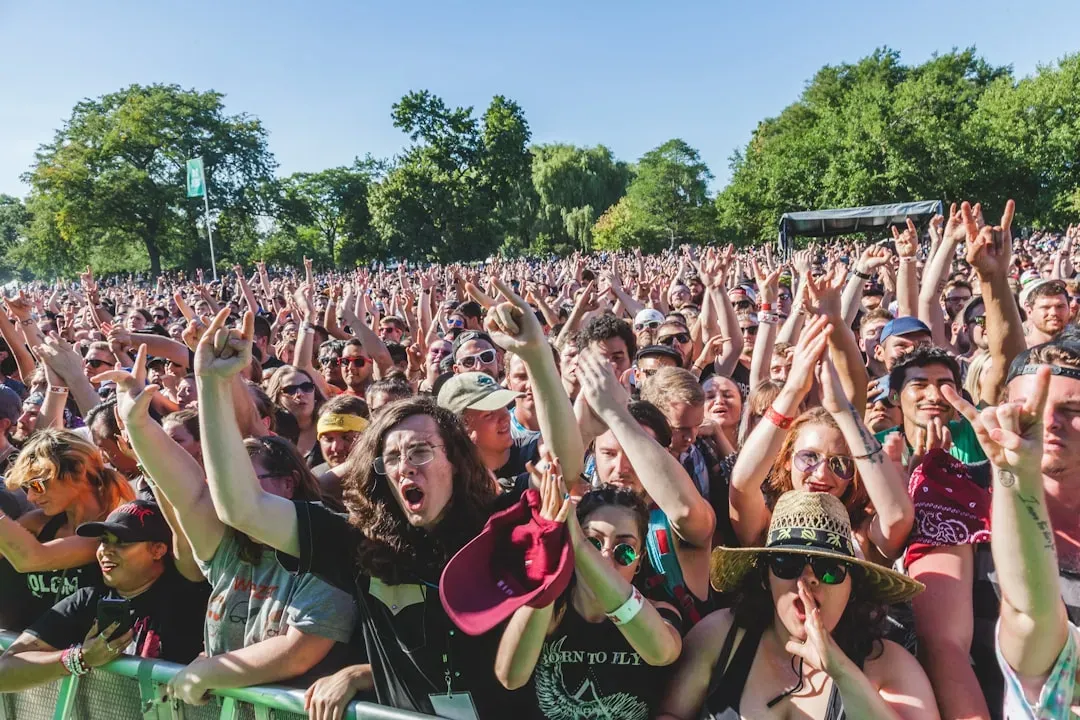
These ten festivals didn’t just host concerts. They created movements, launched careers, and became defining moments for . From Monterey’s groundbreaking blueprint to Coachella’s modern dominance, each festival reflected the values and desires of its time.
Think about it: Woodstock represented countercultural freedom. Live Aid proved music could mobilize the world for humanitarian causes. Lollapalooza brought alternative culture mainstream. Coachella made festivals into aspirational lifestyle experiences.
The festivals that truly matter do more than book great lineups. They capture lightning in a bottle, creating moments that resonate for decades. They remind us that music, at its best, brings people together in ways nothing else can. What’s your take on which festival changed music history the most?