Words have power. Sometimes, a single speech can ignite revolutions, heal divided nations, or inspire millions to dream bigger than they ever thought possible. Throughout history, leaders have stepped up to podiums, microphones, and makeshift stages to deliver messages that echoed far beyond their immediate audience. These weren’t just well-crafted sentences. They were turning points that shifted the course of human events.
What makes a speech truly unforgettable? Is it the timing, the delivery, or the raw emotion behind every word? Maybe it’s all of these things combined with a moment when the world desperately needed to hear something different. Let’s explore some of the most powerful speeches ever delivered and discover how they fundamentally changed the nations that heard them.
Martin Luther King Jr.’s “I Have a Dream” – 1963
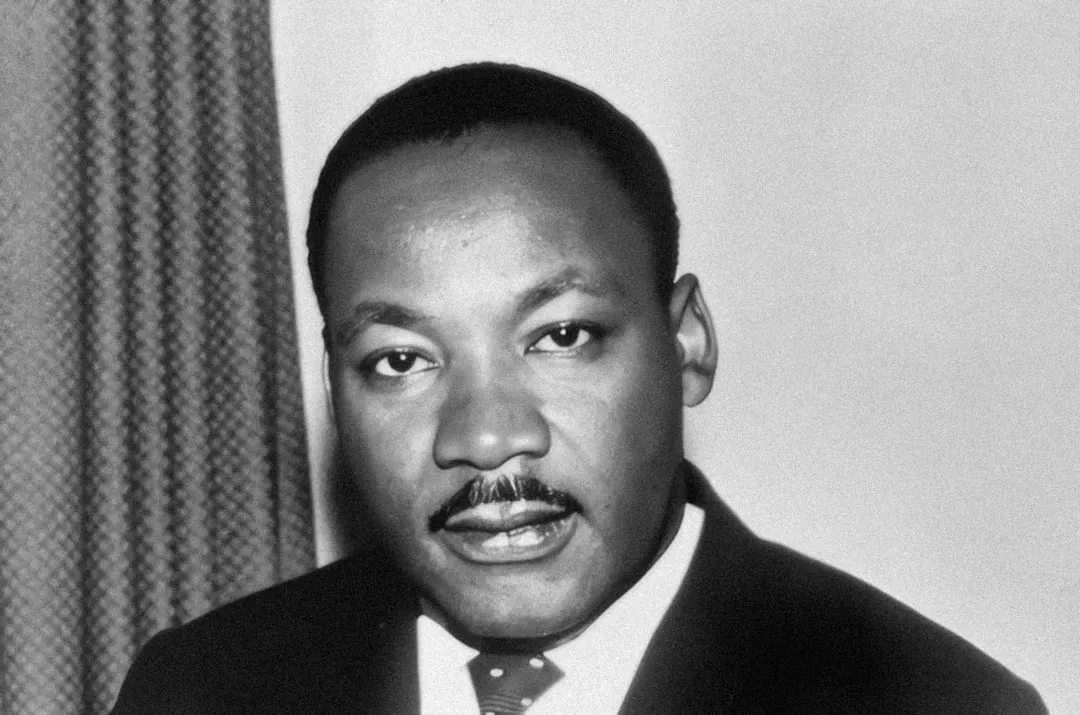
Standing before roughly a quarter million people at the Lincoln Memorial, King delivered words that would define the American civil rights movement. His vision of racial equality wasn’t just political rhetoric. It painted a vivid picture of children judged by character rather than skin color, of former slaves and slave owners sitting together at the table of brotherhood.
The speech galvanized a movement that had been building for years. Within a year, the Civil Rights Act of 1964 passed, fundamentally reshaping American society. King’s repetition of “I have a dream” created a rhythmic momentum that felt almost musical, embedding itself into the national consciousness.
What’s remarkable is how King blended biblical imagery with American founding principles. He made civil rights feel like the fulfillment of America’s promise rather than a radical departure from it. This strategic framing made it harder for opponents to dismiss the movement as un-American.
The speech continues to inspire social justice movements worldwide. Its influence extends far beyond the specific context of 1960s America, proving that truly powerful words transcend their original moment.
Winston Churchill’s “We Shall Fight on the Beaches” – 1940
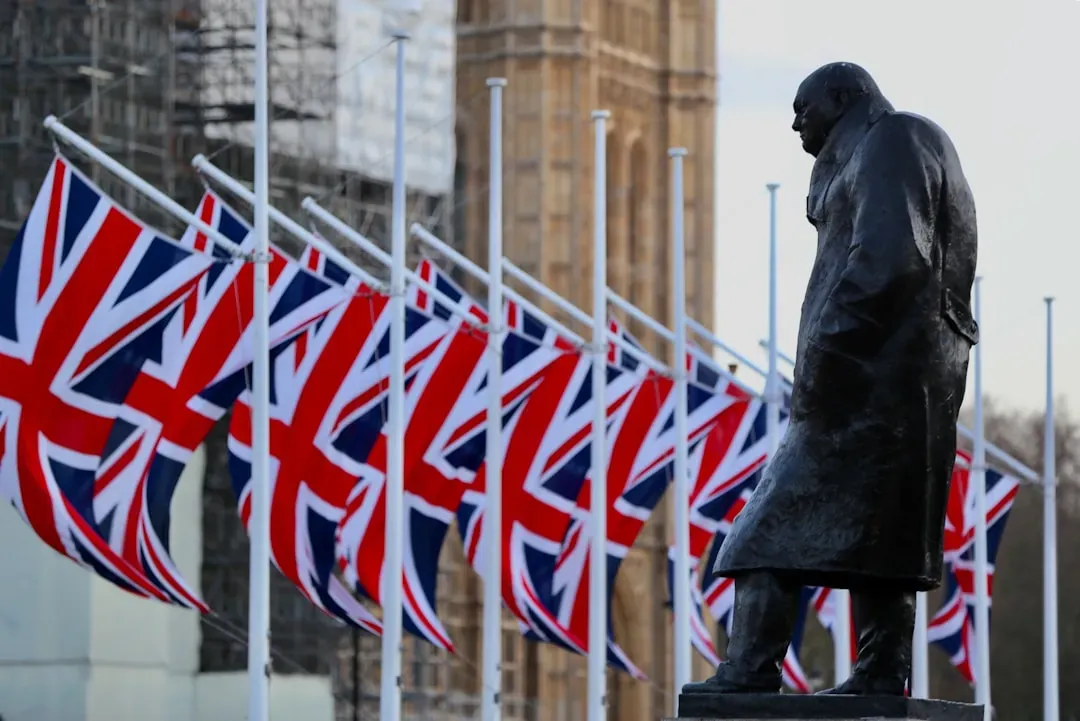
Britain stood alone against Nazi Germany. France had fallen, and invasion seemed imminent. Churchill addressed Parliament with a speech that refused to acknowledge the possibility of defeat. His defiant words rallied a nation facing its darkest hour.
The famous closing lines promised resistance on beaches, landing grounds, streets, and hills. Churchill never said “never surrender” directly to the British people in this speech, but his message was unmistakable. He transformed potential despair into stubborn determination.
Here’s the thing: Churchill understood that morale was as crucial as military strategy. British citizens needed to believe victory was possible, even when logic suggested otherwise. His gravelly voice and deliberate pacing gave weight to every syllable.
The speech worked. Britain held firm through the Blitz, and Churchill’s words became a rallying cry that sustained the nation through years of brutal warfare. It’s hard to say for sure, but many historians believe this speech was as important as any military victory in keeping Britain in the fight.
Abraham Lincoln’s Gettysburg Address – 1863
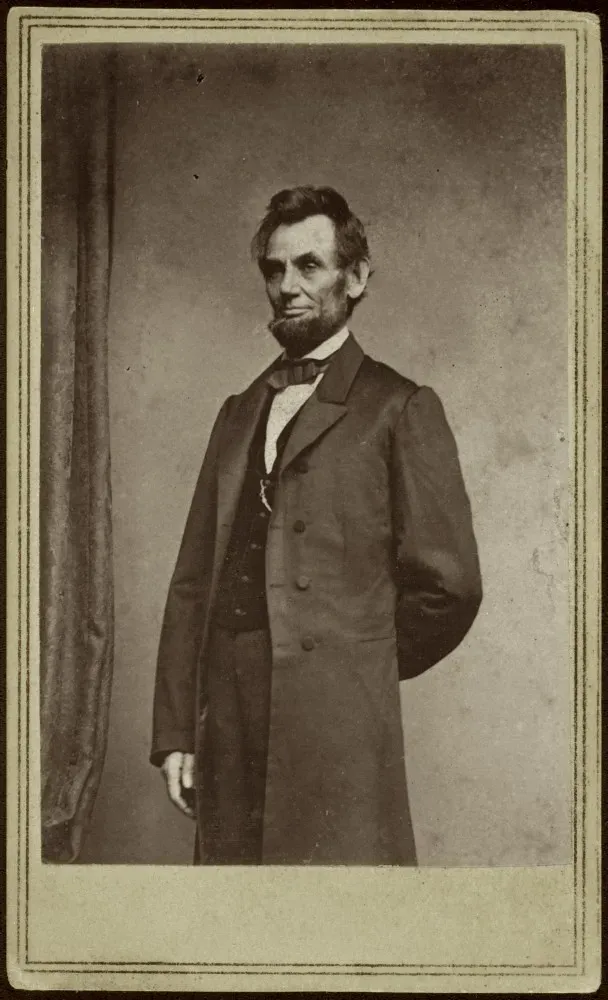
Lincoln spoke for barely two minutes. The featured speaker before him had droned on for over two hours, and Lincoln’s brief remarks almost seemed like an afterthought. Yet his 272 words redefined what the Civil War meant for America.
He reframed the conflict as a test of whether democracy itself could survive. The opening phrase “Four score and seven years ago” deliberately invoked the Declaration of Independence rather than the Constitution, grounding the war in principles of equality rather than just preserving the Union. This was a subtle but radical shift.
Lincoln promised that the dead had not died in vain, that their sacrifice would lead to “a new birth of freedom.” He transformed a bloody battlefield into sacred ground dedicated to democratic ideals. The speech elevated the war’s purpose from political disagreement to moral imperative.
Newspapers initially dismissed it as disappointingly short. Only later did people recognize its genius. Today, schoolchildren memorize these words, and the speech stands as perhaps the most quoted presidential address in American history.
Nelson Mandela’s Speech at His Trial – 1964
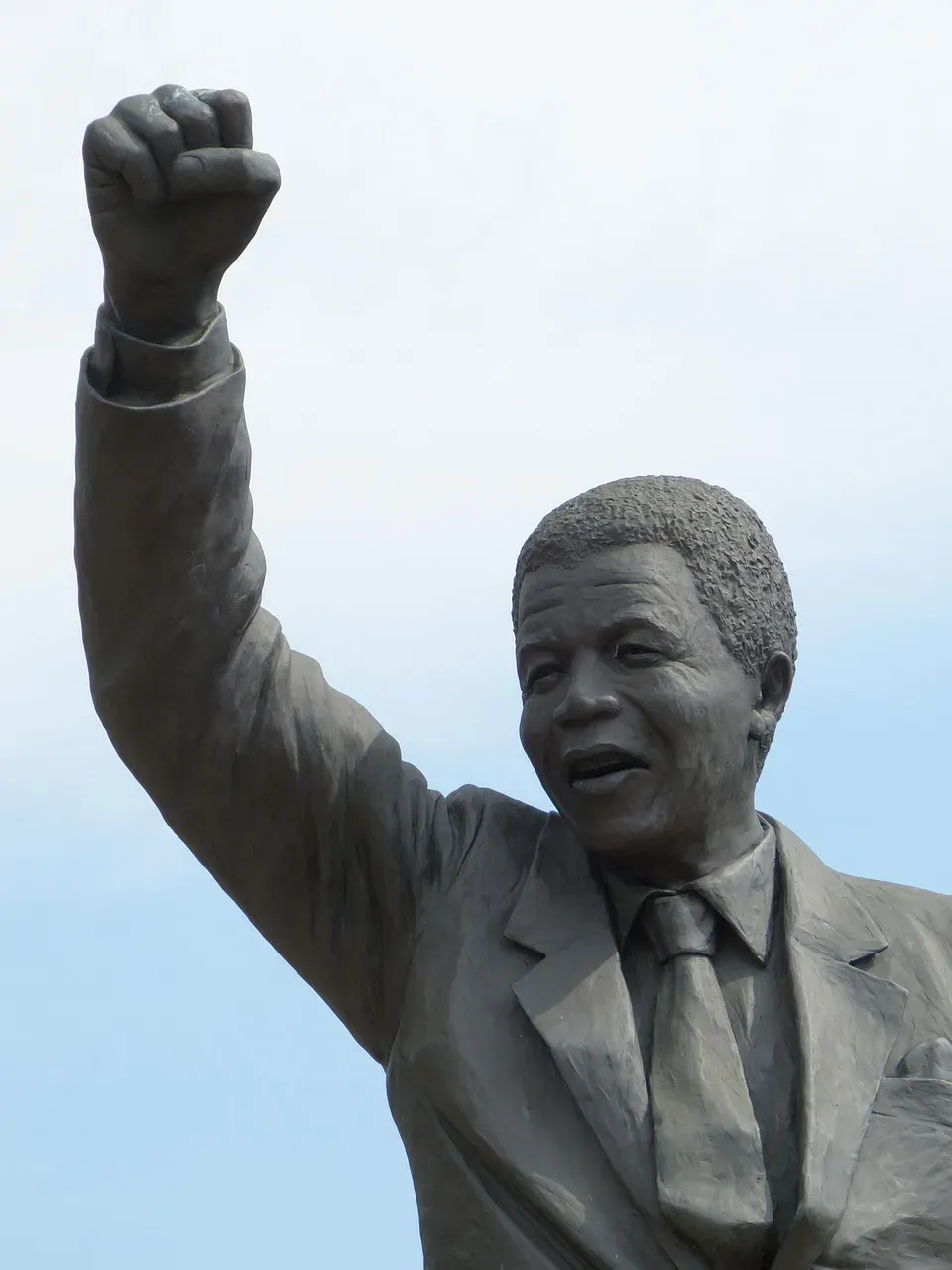
Facing the death penalty for sabotage, Mandela used his trial as a platform to explain why he had taken up arms against apartheid. He spoke for over four hours, methodically laying out the injustices that drove him to action. His closing words declared his willingness to die for the ideal of a democratic and free society.
The speech didn’t save him from prison. He would spend the next 27 years behind bars. But his words circulated globally, turning him into an international symbol of resistance against oppression. The apartheid government couldn’t silence the message even though they silenced the man.
What strikes me about this speech is Mandela’s calm rationality. He didn’t rant or rage. He simply explained, point by point, why apartheid was unsustainable and immoral. This reasoned approach made his revolutionary stance seem measured rather than extreme.
When Mandela finally walked free in 1990, those trial words had already done their work. They had built the foundation for his eventual presidency and the peaceful transition away from apartheid.
Mahatma Gandhi’s “Quit India” Speech – 1942

Gandhi addressed the All India Congress Committee with a demand for immediate British withdrawal from India. His call for nonviolent resistance launched a massive civil disobedience movement. The phrase “do or die” became the rallying cry for Indian independence.
British authorities arrested Gandhi within hours of the speech. But they couldn’t arrest the movement he had set in motion. Strikes, demonstrations, and acts of civil disobedience spread across the subcontinent. The Raj’s days were numbered from that moment forward.
Gandhi’s genius lay in making independence seem not just desirable but inevitable and morally necessary. He framed British rule as degrading to both Indians and Britons, arguing that true dignity required India’s freedom. This moral framework made compromise increasingly difficult to justify.
Within five years, India achieved independence. Gandhi’s nonviolent methods would inspire civil rights movements worldwide, proving that moral force could overcome military might.
John F. Kennedy’s Inaugural Address – 1961
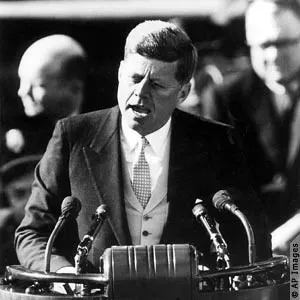
The youngest elected president took office during the height of the Cold War. Kennedy’s speech challenged Americans to be active participants in democracy rather than passive observers. His most famous line asked citizens to consider what they could do for their country rather than what their country could do for them.
This wasn’t just patriotic sentiment. Kennedy was fundamentally redefining the relationship between citizen and government. He envisioned a generation of Americans committed to public service, willing to sacrifice personal comfort for collective good.
The speech launched initiatives like the Peace Corps and inspired many young Americans to pursue careers in public service. Kennedy’s soaring rhetoric made civic engagement feel noble and exciting rather than dutiful and boring.
Looking back, the idealism seems almost naive. Yet that speech captured a moment when Americans genuinely believed they could solve any problem through determination and innovation. It reflected and reinforced a national optimism that defined the early 1960s.
Ronald Reagan’s “Tear Down This Wall” Speech – 1987
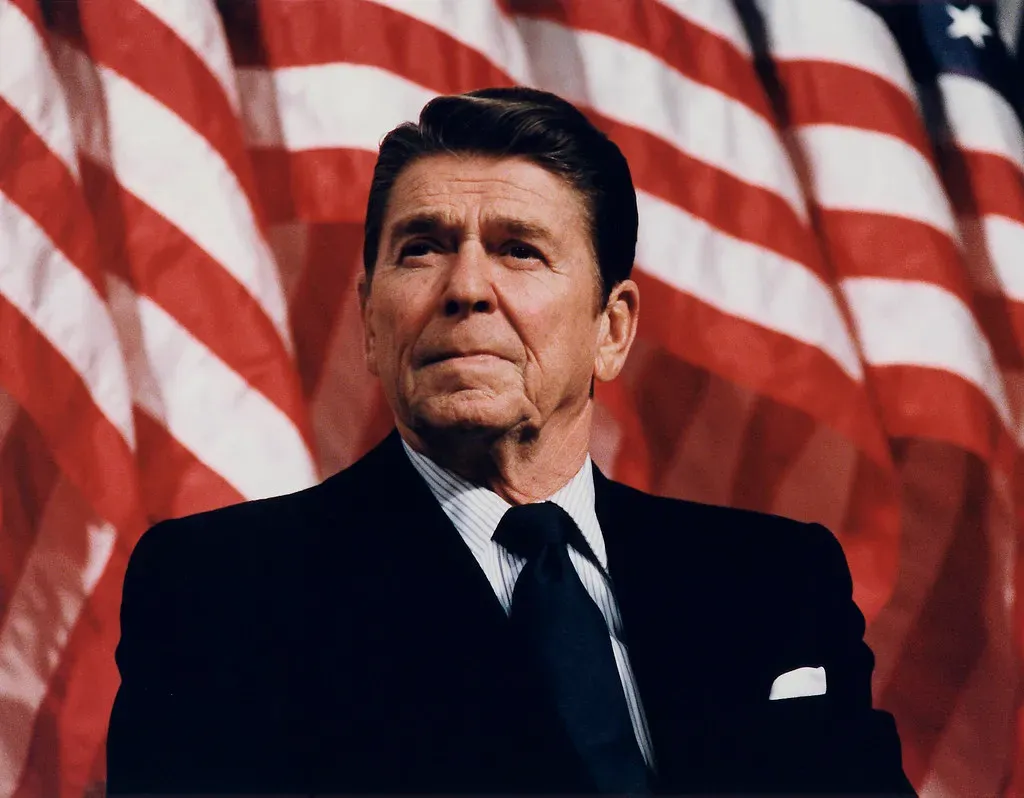
Standing at the Brandenburg Gate, Reagan directly challenged Soviet leader Gorbachev to demolish the Berlin Wall. The speech seemed almost reckless at the time. Many diplomats worried it would damage delicate East-West relations. Reagan’s advisors tried to remove the famous line from the speech multiple times.
Reagan kept it in. He understood that bold rhetoric sometimes moves history forward. Within two years, the wall fell. The Soviet Union collapsed shortly after. It’s hard to say for sure, but Reagan’s willingness to directly challenge Soviet authority may have emboldened dissidents throughout Eastern Europe.
The speech worked because it named the obvious truth that diplomatic niceties had obscured. The wall wasn’t a protective barrier. It was a prison fence keeping people trapped. Reagan’s plain speaking cut through decades of careful diplomatic language.
This address demonstrates how timing matters as much as content. Gorbachev’s reforms had already begun weakening Soviet control. Reagan’s speech accelerated a process already underway, giving courage to those dreaming of freedom.
Conclusion: Words That Echo Through Time

These speeches didn’t just reflect historical moments. They actively shaped them. Each speaker understood that the right words, delivered at the right time, could fundamentally alter how people understood their circumstances and possibilities. They transformed abstract ideas into emotional imperatives that moved millions to action.
What’s fascinating is how different their approaches were. Some relied on soaring rhetoric, others on plain speaking. Some appealed to hope, others to righteous anger. Yet all succeeded because they spoke truths their audiences desperately needed to hear.
The greatest speeches do more than inform or persuade. They give people new ways of seeing themselves and their world. They turn private frustrations into shared causes. They make the impossible feel inevitable.
What do you think makes a speech truly powerful? Tell us in the comments.