Every generation produces books that refuse to fade. Some novels arrive quietly, slip into our consciousness, and suddenly we realize we can’t stop thinking about them. They shift how we see the world. They change conversations at dinner parties. They become the books we press into friends’ hands with an urgent “you have to read this.”
We’re living through one of those rare moments right now. The past decade has given us fiction that feels different, sharper, more necessary. These aren’t just good books. They’re the ones future readers will study, debate, and return to decades from now. Let’s dive into thirteen recent novels that are quietly building their legacy.
The Overstory by Richard Powers

This sprawling environmental epic connects nine strangers through their relationships with trees. Powers weaves science, mythology, and human drama into something that feels almost spiritual. The novel took home the Pulitzer Prize, but its real achievement is making readers care deeply about non-human life.
It’s dense, occasionally challenging, and utterly absorbing. The book forces you to slow down and pay attention to the natural world in ways most modern fiction avoids. Some sections read like poetry. Others feel like urgent warnings about what we’re losing.
What makes it classic material? The ambition. Powers isn’t interested in small stories. He’s rewriting how we think about consciousness itself.
Lincoln in the Bardo by George Saunders
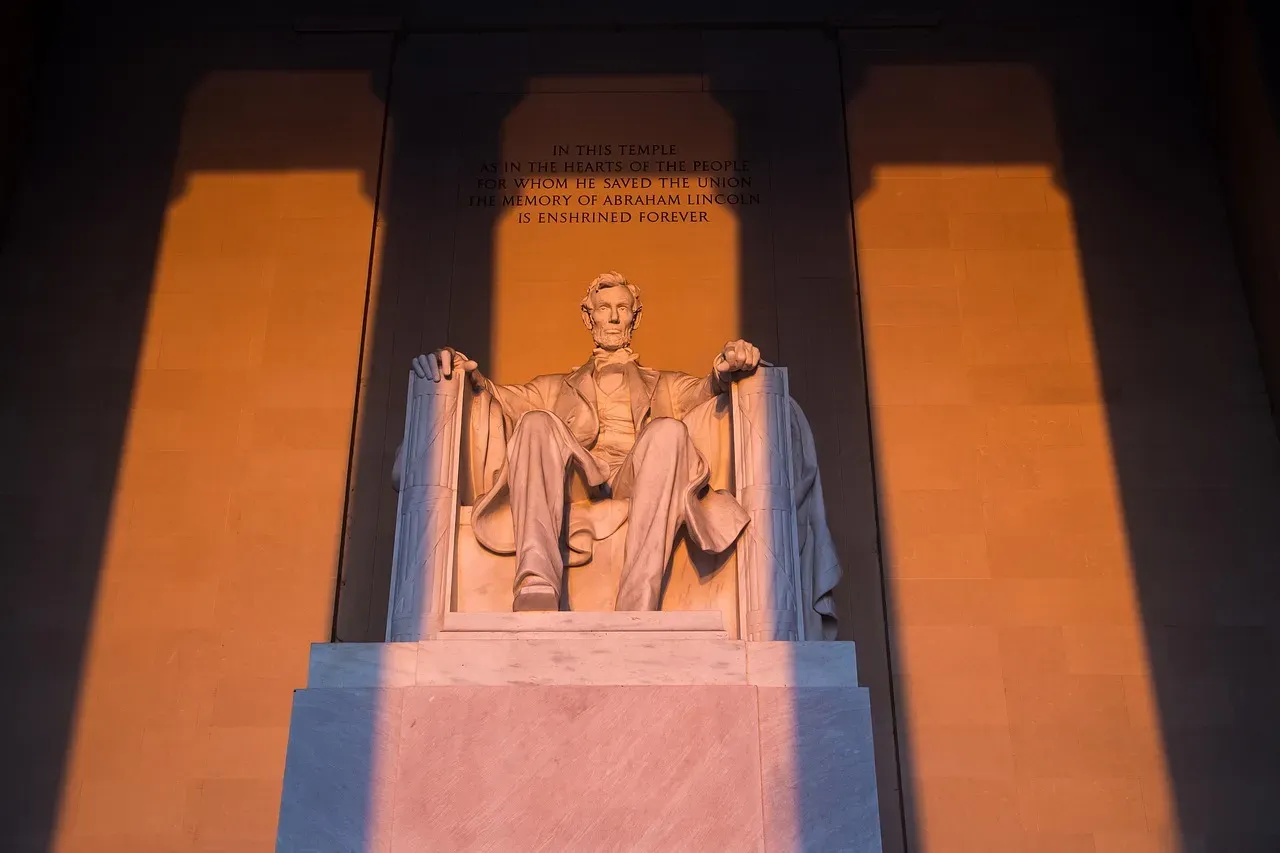
Saunders created something genuinely new here. Set in a graveyard where Abraham Lincoln grieves his dead son, the novel unfolds through hundreds of voices. Ghosts argue, observe, and slowly reveal a meditation on loss that hits harder than any straightforward narrative could.
The structure is weird. Multiple voices interrupt each other constantly. At first it feels chaotic, but then the rhythm clicks and you realize you’re reading something brilliant. Saunders took enormous risks with form and somehow pulled it off.
It won the Man Booker Prize for good reason. This is the kind of experimental fiction that becomes required reading.
A Little Life by Hanya Yanagihara

Few contemporary novels have sparked such intense reactions. This devastating story of four friends in New York focuses primarily on Jude, whose traumatic past slowly unfolds across more than seven hundred pages. It’s brutal, unflinching, and emotionally exhausting.
Critics remain divided about whether the suffering depicted crosses into exploitation. Readers either consider it a masterpiece or find it unbearable. That controversy itself suggests lasting cultural relevance. Books that make people argue this passionately don’t fade.
The prose is gorgeous even when describing terrible things. Yanagihara writes about pain with uncomfortable precision. Whether you love it or hate it, you’ll remember it.
The Underground Railroad by Colson Whitehead

Whitehead reimagines the Underground Railroad as an actual underground train system. This speculative twist on historical fiction won both the Pulitzer Prize and National Book Award. The novel balances brutal realism about slavery with magical elements that make the horror feel fresh.
Cora’s journey through different states becomes a journey through different versions of American racism. Each section operates like a standalone nightmare. The accumulation is devastating but never feels gratuitous.
This book is already taught in universities. Its influence on contemporary historical fiction is unmistakable. Whitehead found a new way into old wounds.
Normal People by Sally Rooney

Rooney became the voice of millennial disconnection with this deceptively simple love story. Connell and Marianne circle each other through high school and university, repeatedly connecting and separating. The prose is spare, almost clinical, which somehow makes the emotions hit harder.
What looks like a standard romance novel is actually a surgical examination of class, masculinity, and communication. Rooney strips away sentimentality and forces readers to confront how badly we understand each other. The dialogue is pitch-perfect.
It spawned a cultural phenomenon before Hulu adapted it. Young readers see themselves in these characters in ways that suggest this book will define its era.
The Sellout by Paul Beatty
Beatty wrote a blistering satire about race in America that somehow became the first American novel to win the Man Booker Prize. The protagonist attempts to reinstate slavery and segregation in his Los Angeles neighborhood as a form of protest. The premise is outrageous. The execution is genius.
This novel is laugh-out-loud funny and deeply uncomfortable. Beatty refuses to let anyone off the hook. He skewers liberal pieties and conservative racism with equal ferocity. The prose crackles with intelligence and rage.
Satire this sharp often ages beautifully. Decades from now, readers will study this book to understand how Americans thought about race in the early twenty-first century.
There There by Tommy Orange

Orange’s debut follows twelve characters converging on a powwow in Oakland. The novel gives voice to urban Native American experiences usually invisible in American literature. Each character carries trauma but also resilience, humor, and complexity that shatters stereotypes.
The structure is ambitious without being showy. Orange weaves these lives together until the devastating conclusion at the powwow. He writes about violence, addiction, and displacement without turning his characters into symbols or victims.
This book filled a massive gap in contemporary fiction. Its influence is already visible in newer Native American literature. Orange proved these stories deserve center stage.
Wolf Hall by Hilary Mantel
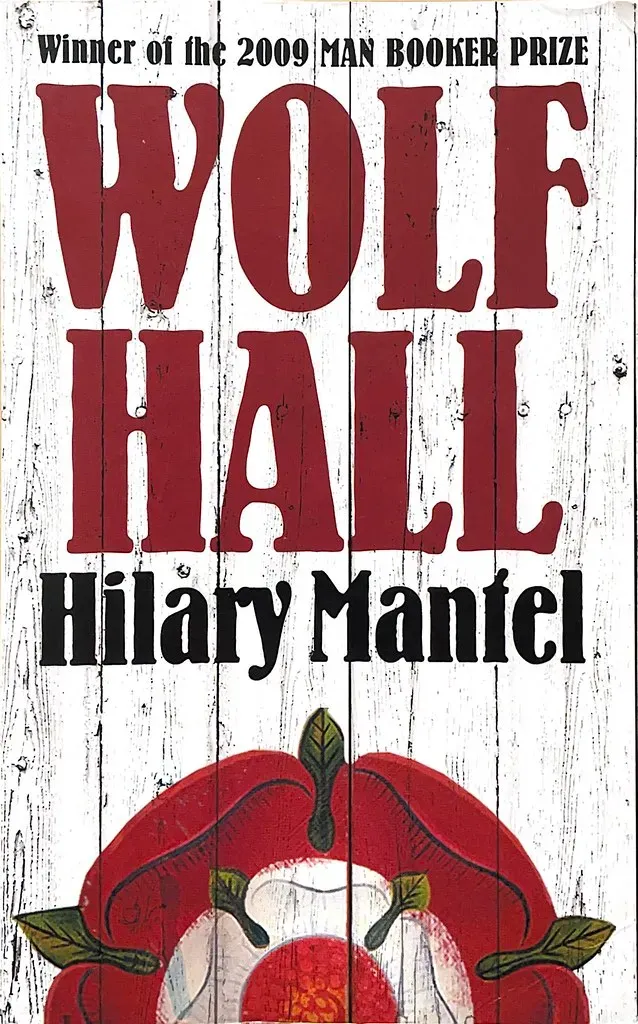
Mantel transformed historical fiction with her trilogy about Thomas Cromwell. The first volume, Wolf Hall, makes Tudor England feel immediate and strange. She uses present tense and an unusual pronoun structure that puts readers directly inside Cromwell’s calculating mind.
The prose is dense and rewards careful attention. Mantel doesn’t explain sixteenth-century politics. She assumes you’ll keep up. That respect for readers elevates the entire project. You’re not reading about history. You’re experiencing it.
Both Wolf Hall and its sequel won the Booker Prize. That’s never happened before. Mantel’s approach has influenced countless historical novelists since.
Dept. of Speculation by Jenny Offill

Offill wrote a slim novel about marriage and motherhood that feels like a punch to the chest. Told in fragments, the book follows a woman whose identity fractures under the weight of domestic life and her husband’s infidelity. The narrator refers to herself as “the wife” after her marriage cracks.
Nearly every page contains at least one perfect, devastating sentence. Offill compressed a novel’s worth of emotion into barely two hundred pages. The white space on each page does as much work as the words.
This book pioneered a style that dozens of writers have since attempted. The fragmented, lyric approach to autofiction feels distinctly of this moment while also feeling timeless.
The Nickel Boys by Colson Whitehead
Whitehead’s follow-up to The Underground Railroad won another Pulitzer Prize. Based on the true story of a Florida reform school, it follows two Black teenagers enduring systemic abuse in the Jim Crow era. The prose is leaner and harder than his previous work.
Whitehead pulls off a structural twist in the final section that recontextualizes everything that came before. It’s a gut-punch ending that elevates the entire novel. He writes about historical atrocity without exploiting it.
Two Pulitzer Prizes in four years suggests a writer whose work will endure. This novel demonstrates that The Underground Railroad wasn’t a fluke.
Circe by Madeline Miller
Miller retells Greek mythology from Circe’s perspective, transforming a minor character into a fully realized protagonist. The novel spans thousands of years but never feels rushed. Miller’s prose has a classical quality that suits the material perfectly.
What could have been a simple feminist retelling becomes something richer. Miller explores power, creativity, and what it means to be mortal among gods. Circe is neither victim nor villain but something more interesting.
The book became a massive bestseller and sparked renewed interest in mythological retellings. Miller proved that ancient stories still resonate when told with intelligence and empathy.
Sing, Unburied, Sing by Jesmyn Ward

Ward’s National Book Award winner follows a biracial boy in rural Mississippi as his family drives to pick up his white father from prison. Ghosts appear throughout the narrative, connecting contemporary suffering to historical violence. The magical realism never feels forced.
Ward writes about poverty and racism with specificity that cuts through abstraction. These are particular people in a particular place, which makes their struggles feel universal. The prose alternates between brutal and lyrical.
This is Ward’s second National Book Award. She writes about the American South with authority that few contemporary authors match. Her work will define how this region is understood by future generations.
The Ministry for the Future by Kim Stanley Robinson
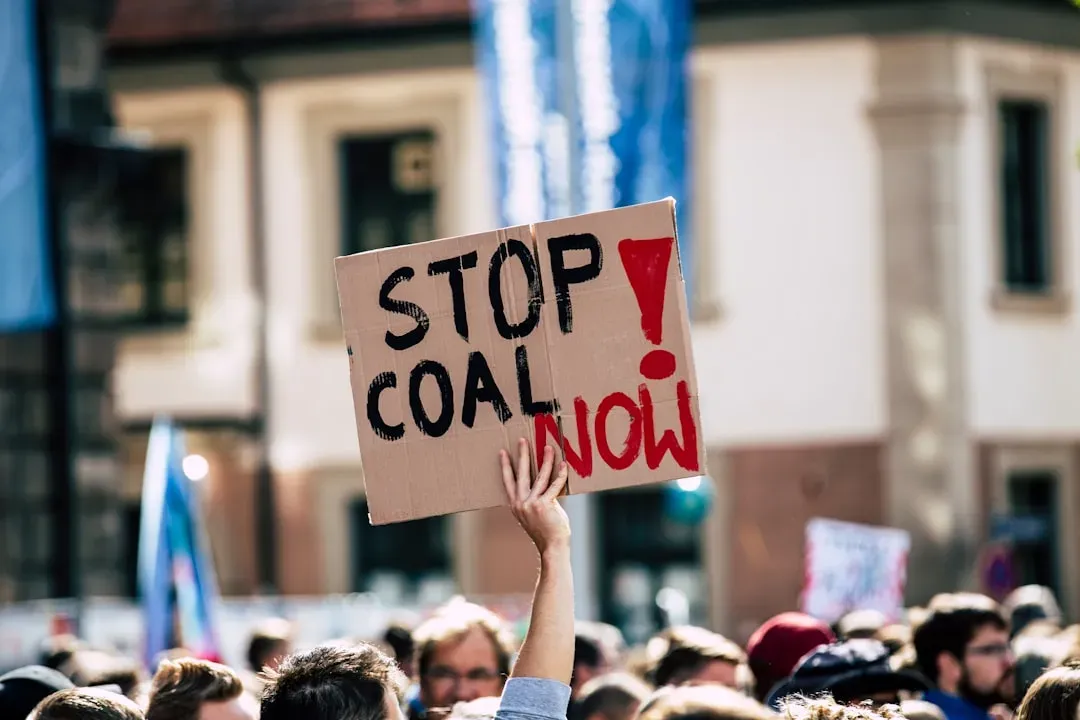
Robinson’s climate fiction masterpiece imagines the near future as humanity attempts to address environmental catastrophe. The novel uses multiple formats including fictional testimonies, policy documents, and traditional narrative. It’s ambitious science fiction that grapples with real-world problems.
Some chapters read like techno-thrillers. Others feel like economic theory. Robinson synthesizes enormous amounts of information without losing narrative drive. The book proposes actual solutions while remaining grounded in political and economic reality.
Climate change is the defining issue of our era. This novel will likely be remembered as the first to truly capture what’s at stake and what might be possible. Future readers will judge how accurately Robinson predicted our trajectory.
Conclusion

These thirteen novels represent different approaches to fiction, different styles, different concerns. What unites them is ambition and risk. Each author refused to play it safe. They tackled difficult subjects, experimented with form, and trusted readers to follow them into challenging territory.
Time will ultimately decide which books earn classic status. But these novels have already demonstrated staying power. They’re taught in universities, debated online, and recommended with the kind of passion usually reserved for old favorites. They’re changing how we think about what fiction can do.
Which of these have you read? Do you think they’ll still matter in fifty years? Tell us in the comments.