Every year, the Academy Awards ceremony in Hollywood captures global attention, with millions tuning in to see which film takes home the coveted Best Picture trophy. Yet some of cinema’s most groundbreaking works never claimed that golden statuette. These films didn’t just entertain audiences – they fundamentally changed how movies are made, watched, and remembered.
Think about the movies that shaped your understanding of cinema itself. The ones that introduced techniques now considered standard. The films that inspired entire generations of filmmakers. Surprisingly, many of them walked away from Oscar night empty-handed in the top category. Let’s explore these cinematic game-changers that proved you don’t need Academy validation to leave an eternal mark on film history.
Citizen Kane (1941)
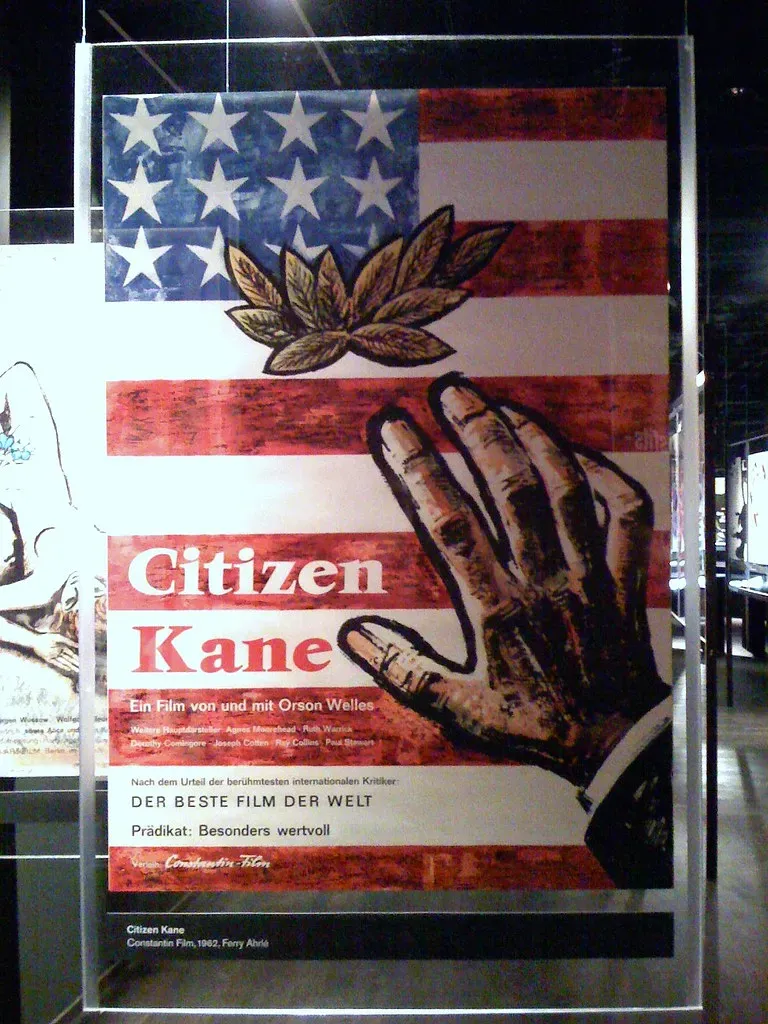
Orson Welles was only 25 when he created what many critics still call the greatest film ever made. Citizen Kane revolutionized cinematography with its deep focus technique, allowing foreground and background to remain sharp simultaneously. The film’s non-linear narrative structure was virtually unheard of in 1941, jumping through time periods to piece together the life of media tycoon Charles Foster Kane.
Despite nine Oscar nominations, it lost Best Picture to How Green Was My Valley, a film few people discuss today. The innovative use of lighting, dramatic low angles, and overlapping dialogue in Citizen Kane became foundational techniques taught in every film school. Welles didn’t just make a movie – he wrote the visual grammar that countless directors would speak for decades to come.
Here’s the thing: the Academy wasn’t ready for something this bold. Newspaper magnate William Randolph Hearst, who inspired the Kane character, launched a campaign to bury the film. That political pressure likely influenced voters more than the artistic merit on screen.
2001: A Space Odyssey (1968)

Stanley Kubrick’s science fiction masterpiece lost to Oliver!, a musical that hasn’t aged nearly as well. The film’s visual effects were so advanced that conspiracy theorists later claimed Kubrick faked the moon landing using techniques from this movie. Its depiction of artificial intelligence through HAL 9000 defined how we think about sentient computers in cinema.
The deliberate pacing and minimal dialogue confused Academy voters in 1968. Roughly about two thirds of the film unfolds without traditional conversation, relying instead on visual storytelling and classical music. This approach felt alien to audiences expecting conventional science fiction adventures.
Every space film since – from Star Wars to Interstellar – owes a debt to Kubrick’s vision. The spinning space station set to Strauss waltzes remains one of cinema’s most iconic sequences. I know it sounds crazy, but this film essentially created the blueprint for serious science fiction filmmaking.
Pulp Fiction (1994)
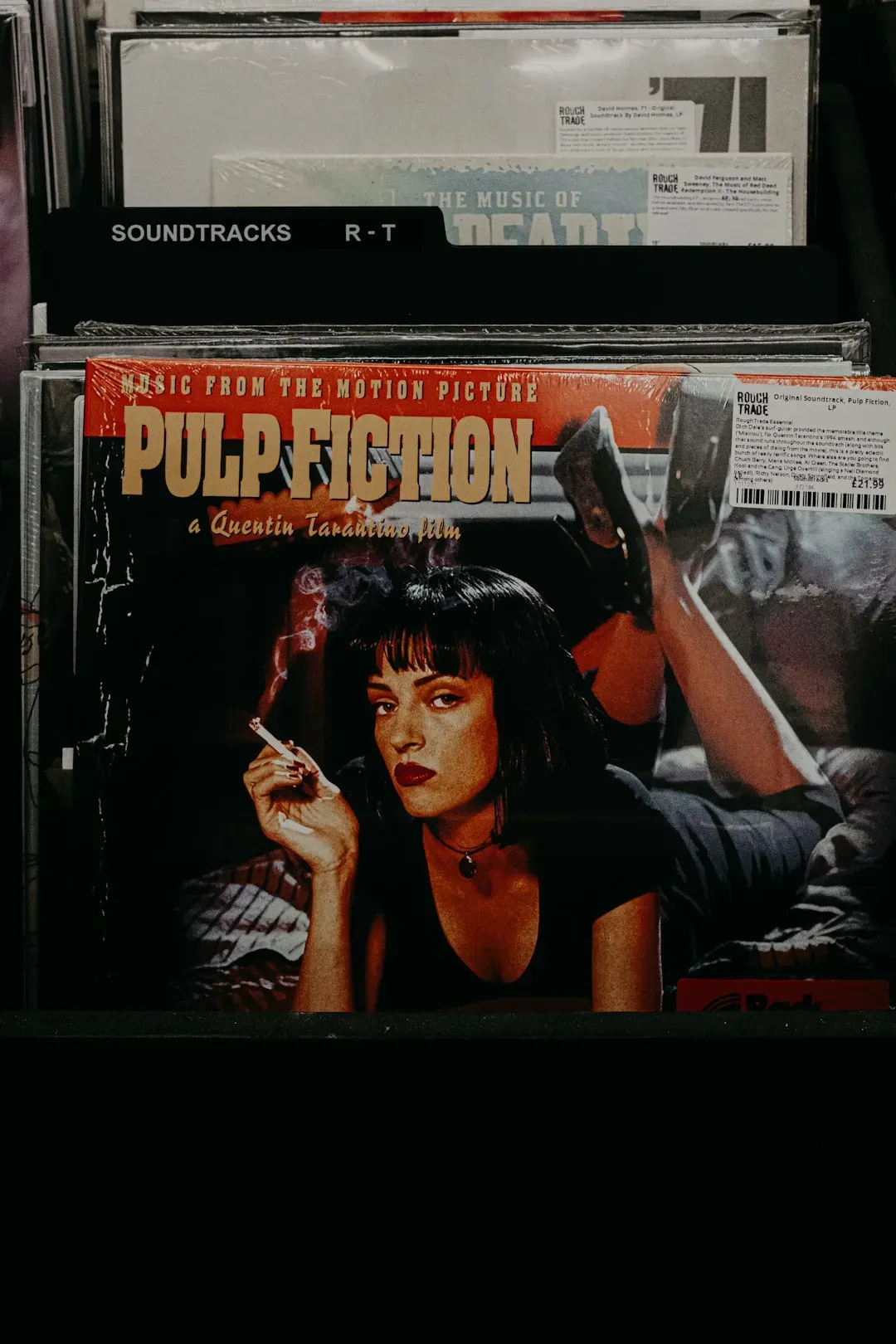
Quentin Tarantino’s second feature film changed independent cinema forever, proving that quirky, dialogue-driven films could achieve massive commercial success. Its fragmented, non-chronological structure inspired thousands of imitators throughout the late 1990s. The film lost Best Picture to Forrest Gump, which captured America’s nostalgic mood that year.
Pulp Fiction made it acceptable for characters to spend entire scenes discussing nothing plot-relevant – like the Royale with Cheese conversation. Tarantino’s distinctive dialogue style, mixing pop culture references with philosophical musings, became instantly recognizable. The soundtrack alone revived John Travolta’s career and sparked renewed interest in surf rock and soul music from the 1960s.
Let’s be real: this film’s influence on modern cinema is impossible to overstate. Every indie director who came after studied how Tarantino transformed violence into dark comedy while maintaining emotional stakes. The film demonstrated that audiences were hungry for something more challenging than standard Hollywood fare.
Singin’ in the Rain (1952)
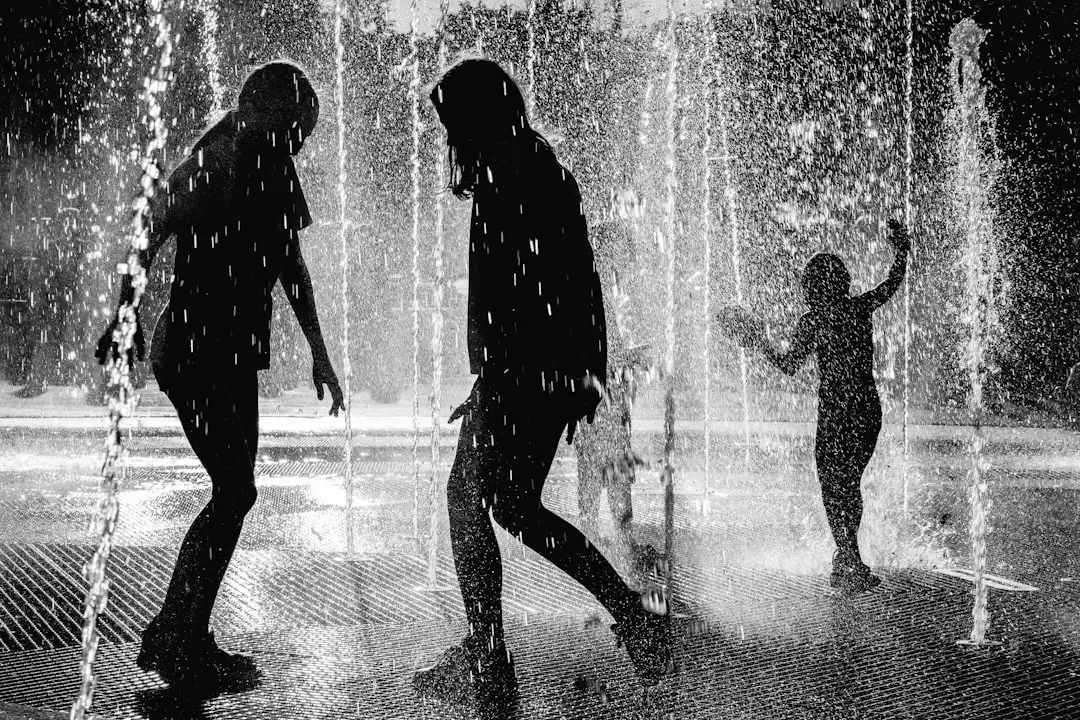
Gene Kelly’s joyous musical about Hollywood’s transition from silent films to talkies is now considered the greatest musical ever made. It lost to The Greatest Show on Earth, a Cecil B. DeMille circus drama that few modern viewers have seen. The choreography in Singin’ in the Rain set standards that Broadway and Hollywood musicals still aspire to match.
Kelly danced through that famous title sequence while actually running a 103-degree fever. The technical achievement of integrating elaborate dance numbers into the narrative flow made future musicals like West Side Story and La La Land possible. Donald O’Connor’s “Make ‘Em Laugh” sequence required so much physical exertion that he was hospitalized after filming.
The film’s meta-narrative about filmmaking itself was perhaps too clever for 1952 Academy voters. Its satirical look at Hollywood’s own history might have made industry insiders uncomfortable. Today, it regularly appears on lists of the greatest films in any genre.
Vertigo (1958)
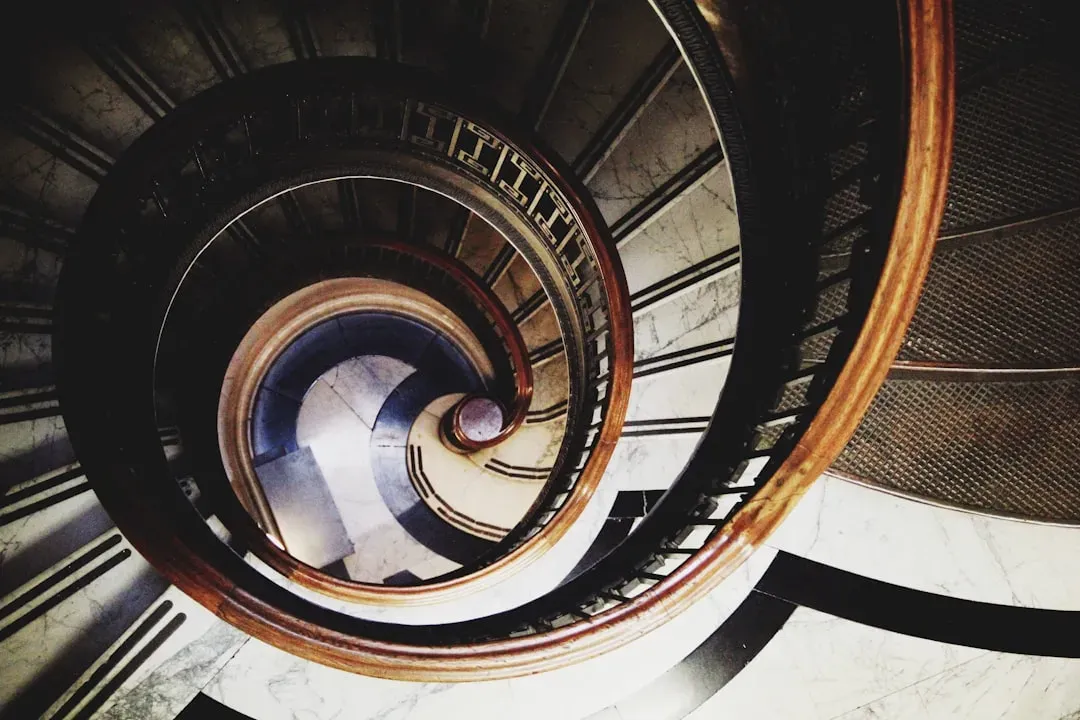
Alfred Hitchcock never won Best Picture despite creating some of cinema’s most influential thrillers. Vertigo initially received mixed reviews and lost to Gigi, another musical that hasn’t maintained the same cultural relevance. Critics initially found the film too slow and psychologically complex for mainstream audiences.
The film’s innovative spiral-zoom effect – created by simultaneously zooming in and tracking backward – became a visual shorthand for disorientation. Nearly every psychological thriller since has borrowed from Hitchcock’s exploration of obsession and identity. The dreamlike quality and unreliable narrator techniques influenced directors from Brian De Palma to Christopher Nolan.
Sight & Sound magazine’s critics poll has ranked Vertigo as the greatest film ever made in recent decades, surpassing even Citizen Kane. Hitchcock’s manipulation of audience identification with morally questionable characters changed how suspense films approached their protagonists. The twist ending structure became a template for countless movies exploring reality versus perception.
The Shawshank Redemption (1994)
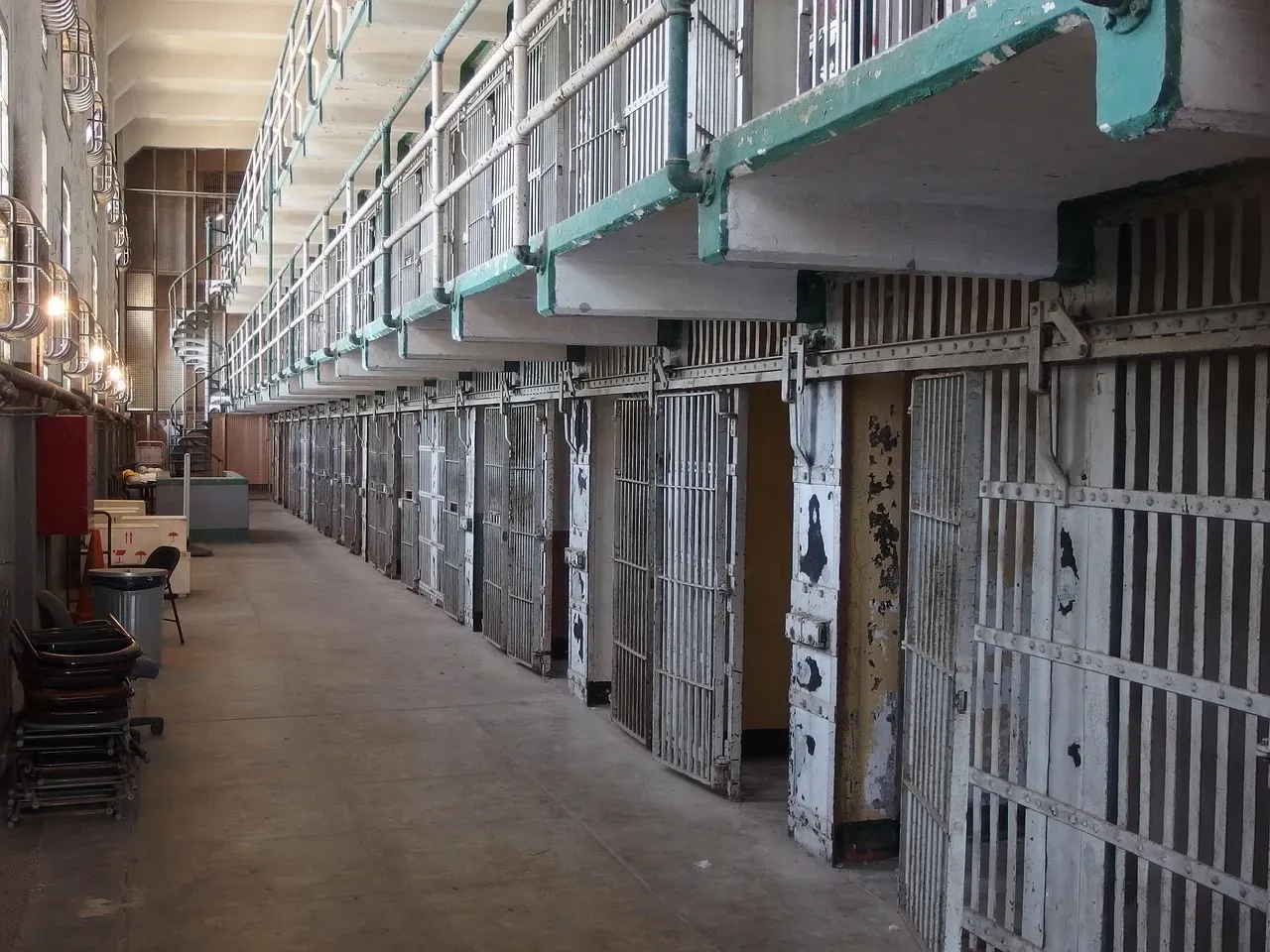
This prison drama earned seven Oscar nominations but went home empty-handed, losing Best Picture to Forrest Gump. Initially a box office disappointment, it became the most-watched film on cable television and now tops IMDb’s user-voted rankings. The film’s themes of hope and friendship resonated more deeply with audiences over time than with initial critics.
Frank Darabont’s adaptation of Stephen King’s novella demonstrated that patient storytelling could be more powerful than flashy techniques. The climactic reveal of Andy Dufresne’s escape plan remains one of cinema’s most satisfying payoffs. Morgan Freeman’s narration became the gold standard for voice-over work in film.
Something about this film connects with viewers on a profound emotional level. Its message about maintaining hope in seemingly hopeless situations feels universal. The friendship between Andy and Red offered a nuanced portrayal of masculine emotional intimacy rarely seen in mainstream cinema.
Goodfellas (1990)
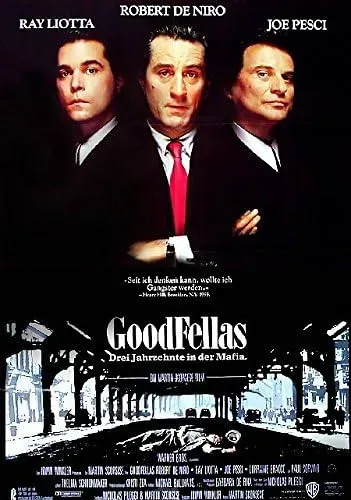
Martin Scorsese’s visceral crime epic lost to Dances with Wolves, a sweeping Western that captured the Academy’s preference for historical epics. Goodfellas revolutionized how organized crime stories are told on screen, influencing everything from The Sopranos to countless imitators. The film’s energy and pacing set new standards for biographical crime dramas.
The famous Copacabana tracking shot – following Henry and Karen through the nightclub in one continuous take – is now studied in every film school. Scorsese’s use of popular music to comment on the action rather than just accompany it changed how soundtracks function in movies. The freeze-frames and direct address to camera broke the fourth wall in ways that felt fresh and immediate.
Ray Liotta’s narration gives viewers direct access to a criminal’s mindset without glamorizing or condemning it. Joe Pesci’s “funny how?” scene remains one of the most tension-filled moments in cinema, improvised in a way that feels genuinely unpredictable. The film’s depiction of the mob’s mundane reality alongside its violence felt more authentic than previous crime films.
Apocalypse Now (1979)

Francis Ford Coppola’s hallucinatory Vietnam War epic lost to Kramer vs. Kramer, a domestic drama about divorce. The troubled production became legendary – Martin Sheen suffered a heart attack during filming, and Coppola mortgaged his home to complete it. The final product transformed how war films could approach their subject matter through surreal, psychological storytelling.
The helicopter attack sequence set to Wagner’s “Ride of the Valkyries” became an iconic representation of war’s insanity. Coppola used Conrad’s Heart of Darkness as a framework to explore America’s relationship with Vietnam. The film’s ambiguous ending and philosophical questions about violence influenced directors like Terrence Malick and Oliver Stone.
Marlon Brando’s improvised performance as Colonel Kurtz created one of cinema’s most enigmatic characters. The production’s chaos somehow fed into the film’s themes about order collapsing into madness. It’s hard to say for sure, but the Academy may have preferred a more straightforward narrative that year.
Raging Bull (1980)

This brutal boxing biopic marked another Scorsese masterpiece that lost Best Picture, this time to Ordinary People. The black-and-white cinematography was a bold artistic choice in the color-dominated 1980s. Robert De Niro’s physical transformation – gaining sixty pounds to play the older Jake LaMotta – set new standards for method acting commitment.
The fight sequences were shot unlike any boxing match before, using multiple camera speeds and angles to create visceral poetry from violence. The sound design turned punches into grotesque, amplified impacts that made audiences flinch. Scorsese’s refusal to glorify his protagonist’s toxic masculinity was perhaps too unflinching for Academy voters.
The film’s exploration of self-destruction and redemption influenced character studies for decades. Its raw emotional honesty about jealousy and insecurity made it more psychological drama than sports film. The editing techniques in the boxing scenes became textbook examples of how to shoot action with artistic purpose.
The Dark Knight (2008)
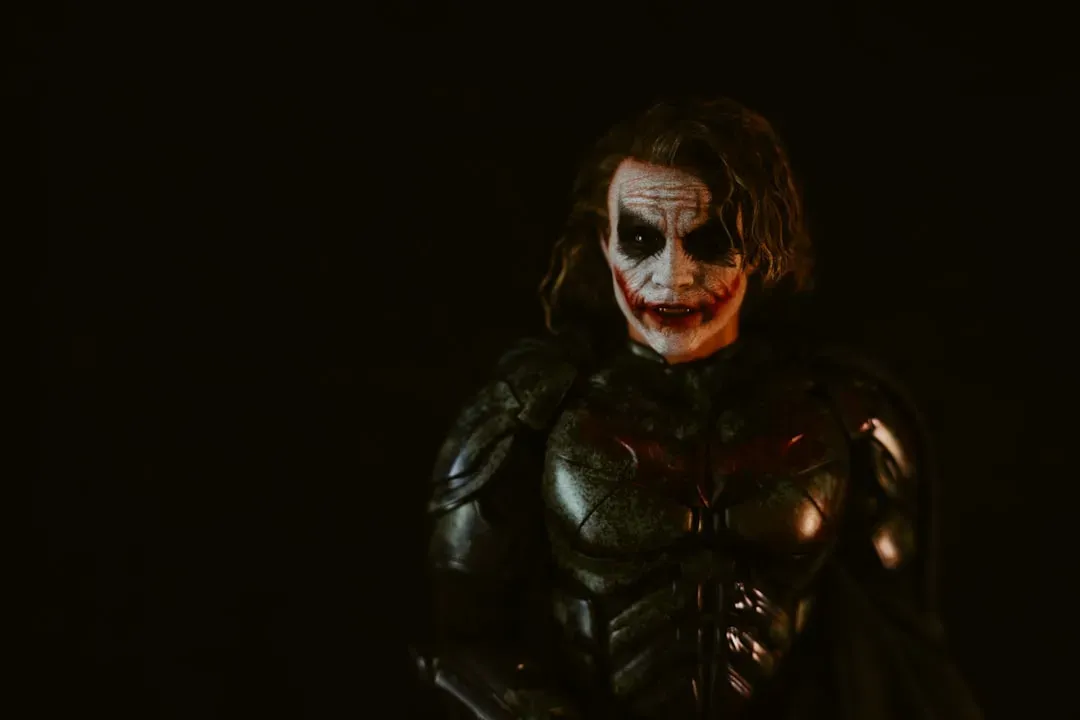
Christopher Nolan’s superhero epic wasn’t even nominated for Best Picture, losing the slot to films like The Reader. The Academy’s snub caused such backlash that they expanded the Best Picture category from five to ten nominees the following year. Heath Ledger’s posthumous Oscar for Best Supporting Actor acknowledged his transformative Joker performance but couldn’t elevate the film to the top category.
The Dark Knight proved comic book adaptations could achieve artistic and thematic depth previously reserved for prestige dramas. Nolan’s practical effects and IMAX cinematography raised the bar for blockbuster filmmaking. The moral complexity of Batman’s choices and the Joker’s philosophical challenges elevated superhero cinema beyond good-versus-evil simplicity.
Let’s be real: the Academy still harbored prejudices against genre films in 2008. The film’s exploration of post-9/11 security versus freedom debates gave it immediate cultural relevance. Its influence on the superhero genre remains massive, with nearly every subsequent comic book film trying to capture its serious tone.
Do the Right Thing (1989)

Spike Lee’s explosive examination of racial tension in Brooklyn wasn’t even nominated for Best Picture. Driving Miss Daisy won that year, a choice that looks increasingly questionable with historical distance. Lee’s film confronted American racism with an urgency and complexity that made Academy voters uncomfortable.
The vibrant color palette and dynamic cinematography turned a single block in Brooklyn into a pressure cooker of competing perspectives. The film’s refusal to provide easy answers about racial violence felt too provocative for mainstream recognition. Public Enemy’s “Fight the Power” became inseparable from the film’s revolutionary energy.
Each character represents different responses to systemic oppression, from Radio Raheem’s resistance to Mookie’s pragmatic survival. The climactic riot sequence remains one of cinema’s most powerful depictions of community rage. The film’s prescient exploration of police violence and racial justice feels painfully relevant decades later.
Blade Runner (1982)
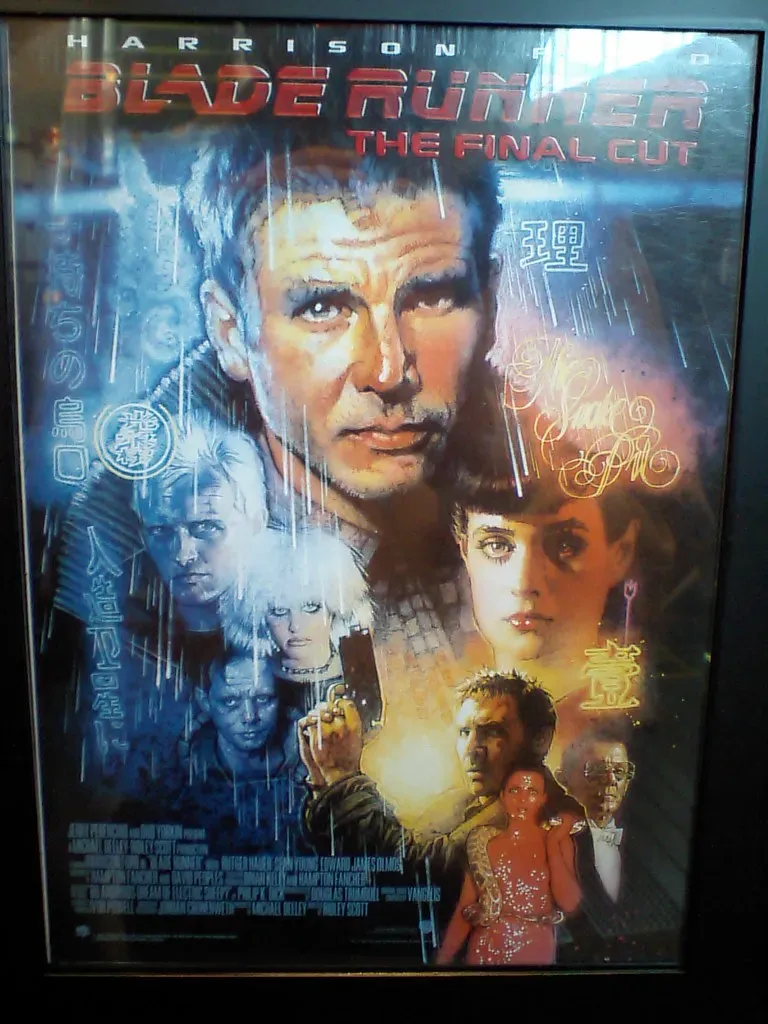
Ridley Scott’s neo-noir science fiction masterpiece wasn’t nominated for Best Picture and initially flopped at the box office. Gandhi won that year, a traditional biopic that fit the Academy’s preferences. The film’s dystopian future aesthetic influenced virtually every science fiction film made afterward, from The Matrix to countless cyberpunk stories.
The visual design created through miniatures and practical effects established what a lived-in future looks like on screen. Its philosophical questions about humanity and consciousness anticipated debates about artificial intelligence. The multiple versions released over the years sparked discussions about directorial vision versus studio interference.
Vangelis’s synthesizer score became synonymous with futuristic soundscapes. Harrison Ford’s melancholic detective work in a world of replicants added emotional depth to the technological concerns. The film’s slow burn pacing initially alienated audiences expecting Star Wars-style action but created a meditative science fiction experience that rewards repeated viewing.
Conclusion
These twelve films remind us that immediate recognition doesn’t determine lasting impact. The Academy Awards capture a specific moment’s preferences, but cinema history tells a different story. Each of these movies changed something fundamental about filmmaking – whether technique, storytelling approach, or thematic depth.
Their influence appears in countless films that followed, proving that artistic achievement outlasts award ceremonies. The directors, actors, and crews behind these works created something more valuable than trophies: they expanded what cinema could be. What’s your take on the Academy’s choices? Do you think these films deserved Best Picture, or did the right movies win those years? Let us know what you think.