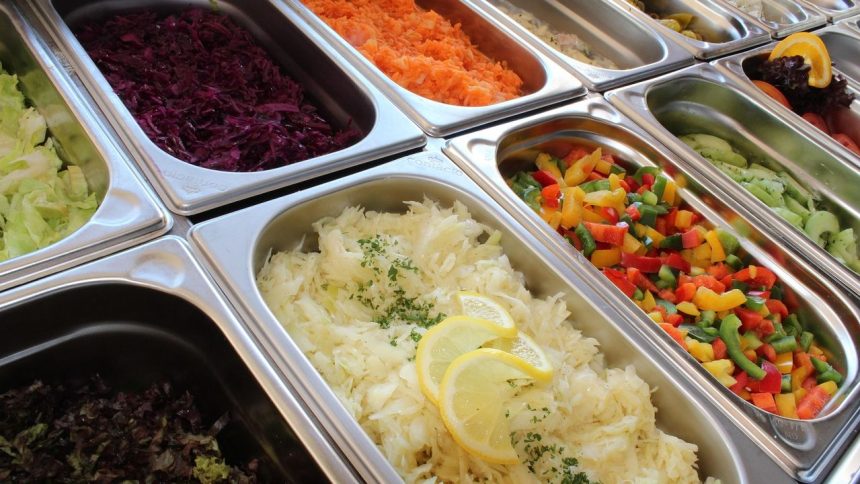
You remember when a trip to Vegas meant lining up at an endless buffet, stuffing yourself silly for about thirty bucks, then waddling back to the casino floor. Those days are fading fast. Walk the Strip now and you’ll find something very different taking shape. The all-you-can-eat temples are vanishing one by one, replaced by sleek dining rooms where a single tasting menu could cost you more than that entire weekend used to.
This isn’t just about changing tastes or fancy trends. It’s about money, plain and simple. Yet the economics driving this transformation run deeper than most people realize, weaving together wage pressures, food costs, tourism demographics, and the ruthless math of profit margins. Let’s be real: Vegas casino operators don’t make major moves based on sentiment. They follow the numbers, and right now the numbers are screaming one message loud and clear.
The Vanishing Buffet Landscape

Before the pandemic, more than fifty casino buffets operated across the Las Vegas valley, but now only thirteen remain. The Buffet at Luxor closed on March 30, 2025, leaving only eight buffets inside casinos on the Strip. That closure was just the latest casualty in a dramatic culling that shows no signs of slowing.
It’s hard to say for sure what the final count will be, but operators clearly see these spaces as better used for something else. Following the Luxor closure, only eight buffets remain inside casino properties on the Strip, half of which are operated by MGM. The fact that even budget-friendly options couldn’t survive tells you everything about the underlying economics.
Labor Costs Hit Critical Mass
Nevada’s minimum wage stands at twelve dollars per hour as of 2025, representing a substantial increase from just a few years earlier. Yet here’s the thing: most hospitality workers on the Strip earn considerably more than minimum wage to stay competitive in a tight labor market.
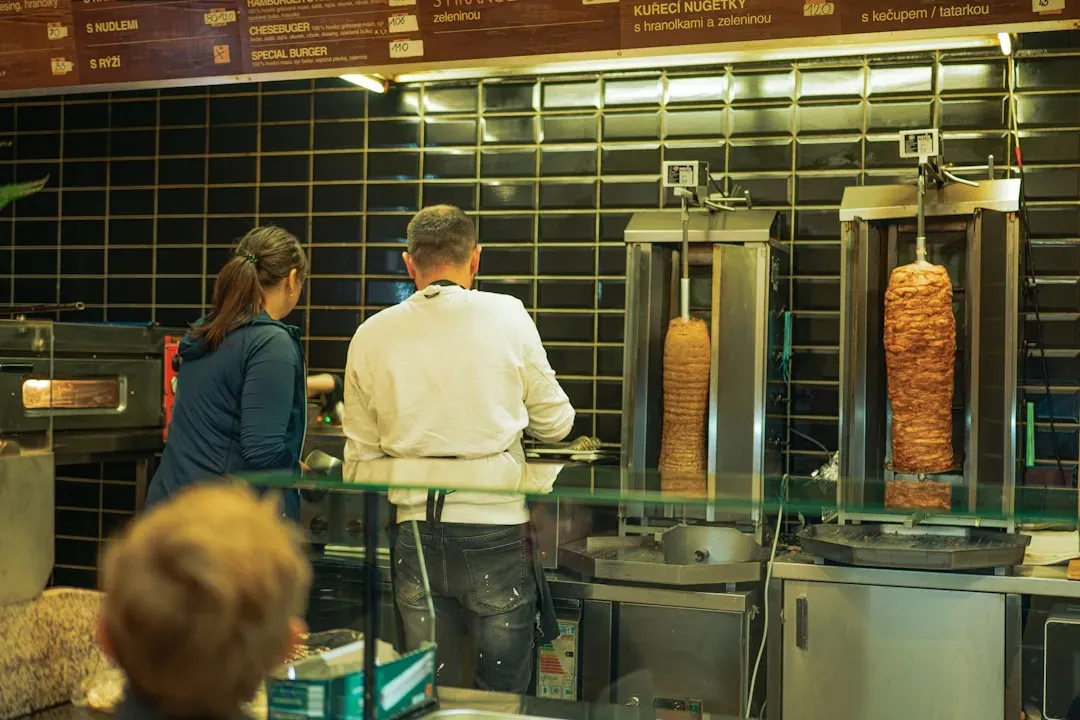
Buffets are notoriously labor-intensive operations. You need line cooks constantly replenishing dozens of stations, servers clearing plates, carving station attendants, dishwashers working overtime, and supervisors managing the chaos. All those wages add up fast when you’re trying to keep prices low enough to pack the house. In the last five years, food and labor costs for the average restaurant have each gone up roughly a third.
The post-pandemic labor shortage made things worse, forcing restaurants to pay signing bonuses and premium wages just to stay staffed. Honestly, it’s tough to blame operators for reconsidering the buffet model when their payroll jumped that dramatically.
Food Inflation Squeezes Margins to Nothing
Food-at-home prices increased by roughly five percent in 2023, while food-away-from-home prices jumped more than seven percent that year. Food-away-from-home prices increased more than seven percent in 2023 and over four percent in 2024, hitting restaurants particularly hard since their ingredient costs don’t benefit from the same economies of scale that grocery chains enjoy.
Buffets depend on volume purchasing and razor-thin per-plate costs. When wholesale prices for staples like meat, dairy, and produce surge by double digits, the math simply stops working. You can’t raise buffet prices proportionally without driving customers away, since part of the appeal is the perceived value.
Food and labor costs each account for approximately a third of restaurant sales, with other expenses representing about 29 percent, leaving restaurants with only about a five percent pre-tax profit margin. That five percent margin evaporates quickly when costs spike.
Revenue Per Square Foot Tells the Story

Casino properties obsess over revenue per square foot, and buffets have always been mediocre performers by that metric. Fine dining on the Strip often commands between two hundred and five hundred dollars per person, while buffets rarely exceeded forty dollars even at their peak.
The space occupied by a typical buffet is massive – think multiple dining zones, enormous kitchens, and endless service stations. Converting that real estate into upscale restaurants or additional gaming space generates multiples of the previous revenue. Non-gaming revenue, comprising dining, entertainment, and retail, now exceeds gaming revenue in many casinos, making every square foot count toward that balance.
Beauty & Essex in The Cosmopolitan generates around fifteen million dollars in annual sales with check averages of one hundred sixty-nine dollars. Try hitting those numbers with an all-you-can-eat model. It just doesn’t pencil out.
Tourist Demographics Shift Upscale
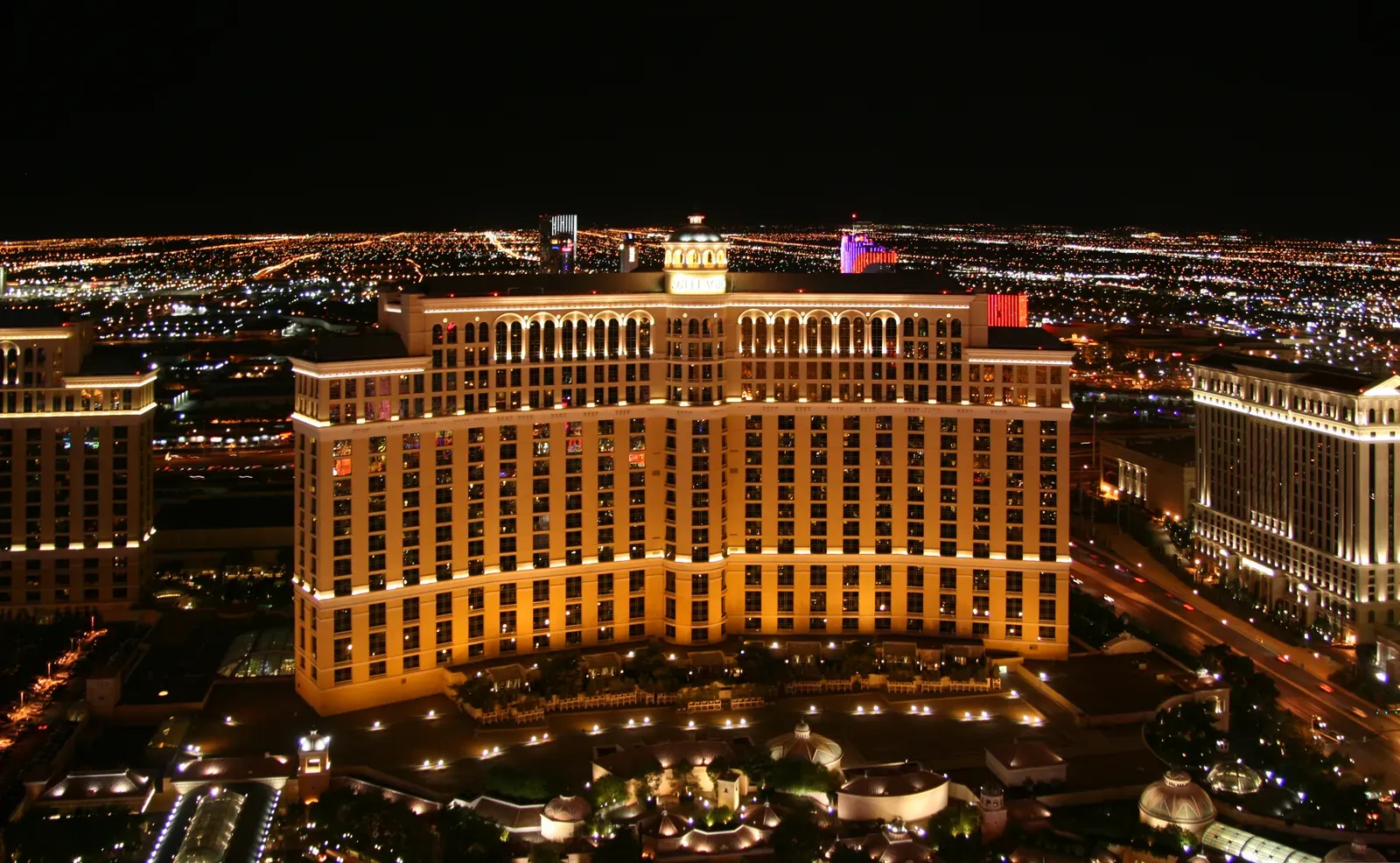
The median household income of Strip visitors reached ninety-three thousand dollars in early 2024, showing a clear trend toward more affluent tourists. Tourists spent an average of about thirteen hundred dollars per trip or three hundred thirty dollars per day in 2024, indicating visitors arrive with serious spending power.
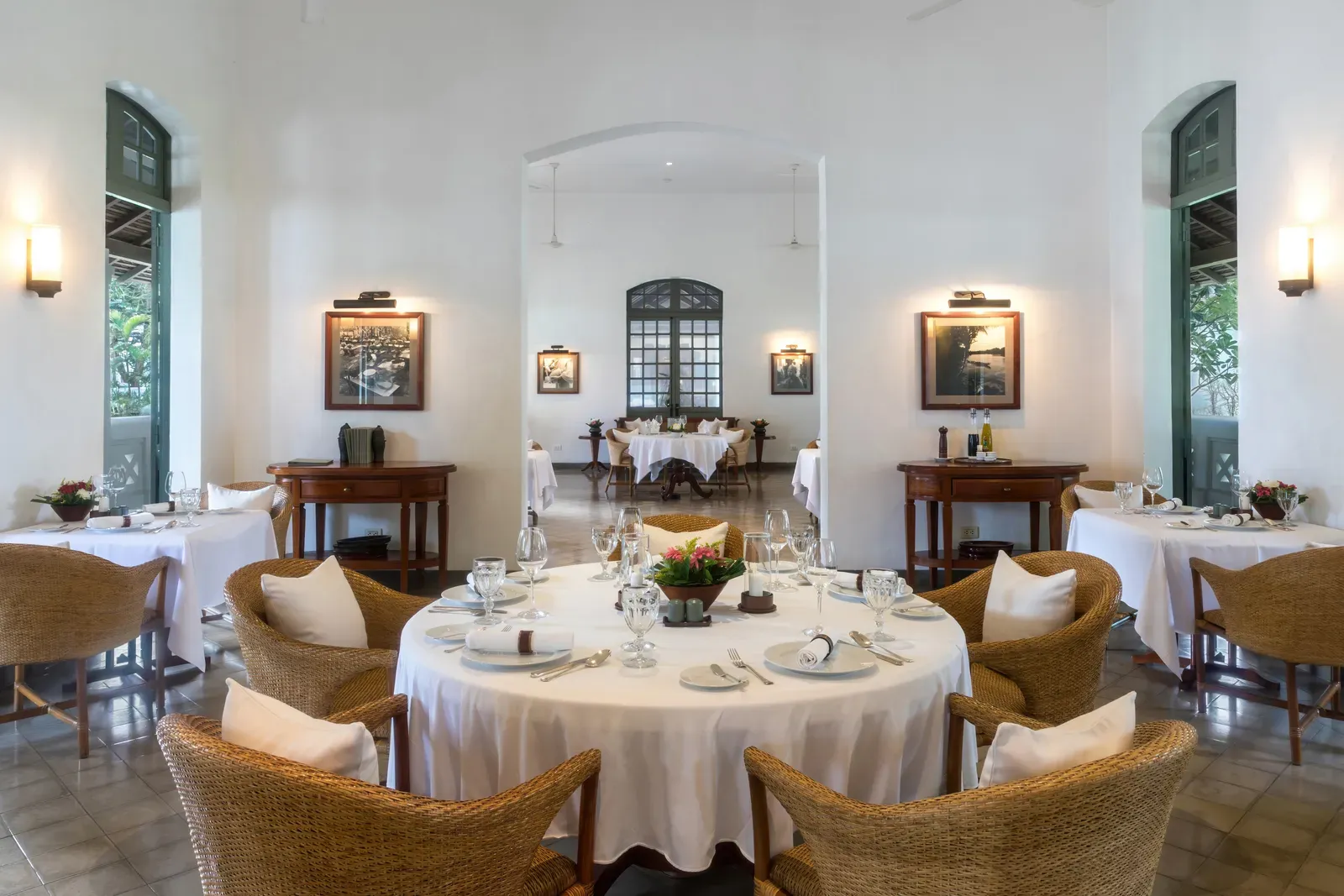
This demographic shift isn’t accidental. Vegas has deliberately repositioned itself as a luxury destination, attracting high-net-worth individuals who prioritize experience over bargain hunting. These visitors want exclusive dining encounters, not buffet lines.
Luxury suites now command between five thousand and twenty-five thousand dollars per night, with total visitor count reaching forty-one million in 2024. People paying those room rates aren’t looking to save twenty bucks at dinner.
The Celebrity Chef Economy
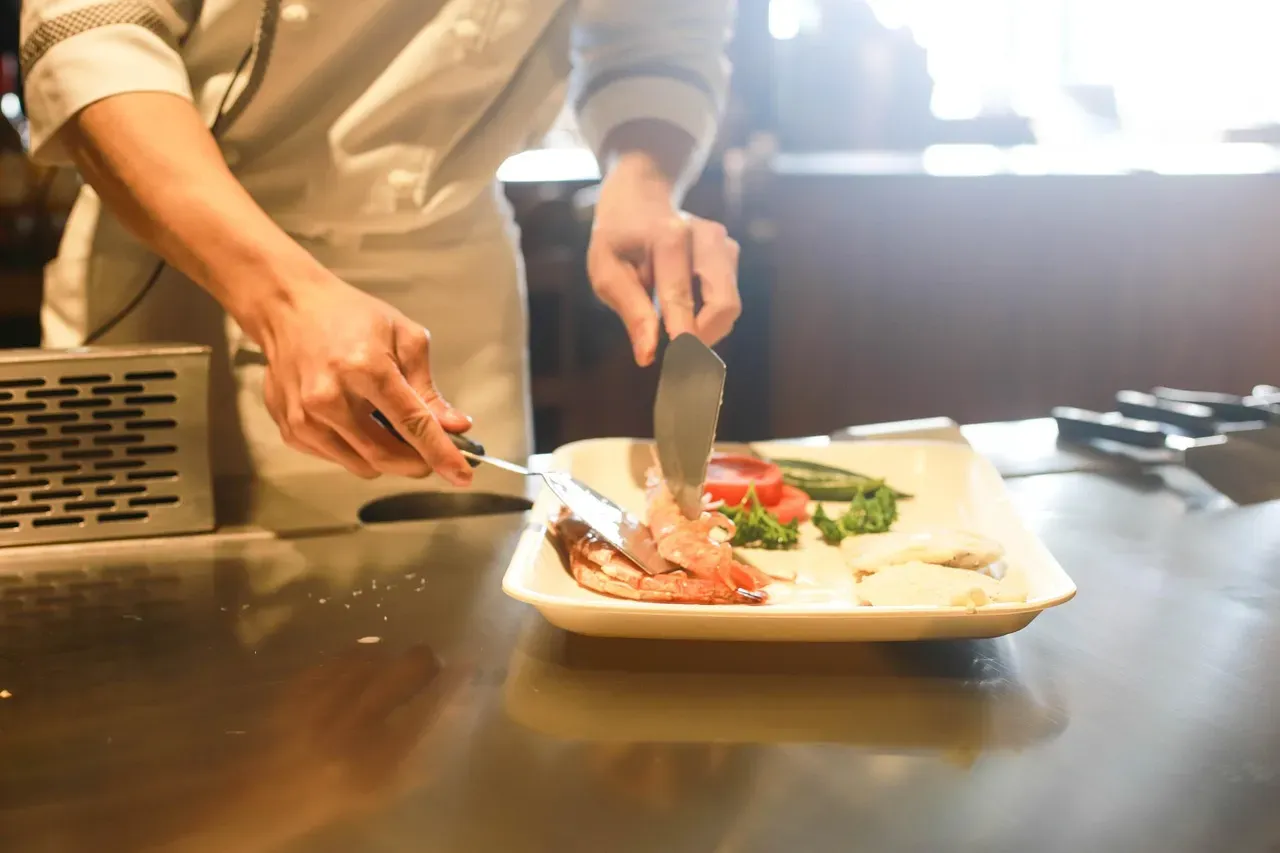
Celebrity chefs like Gordon Ramsay, José Andrés, and Nobu Matsuhisa anchor resort restaurants, bringing prestige and justifying premium prices that would be impossible in a buffet setting. These partnerships represent strategic investments in the Vegas brand itself.
Luxury tasting menus average between three hundred fifty and five hundred dollars per guest at top-tier establishments. That’s not just about food cost – it’s about celebrity cachet, theatrical presentation, and the Instagram-worthy moments that drive modern tourism marketing.
Casinos discovered they could leverage famous names to pull guests away from competitors and generate buzz that traditional dining never achieved. The buffet, no matter how good, simply can’t compete with that kind of cultural currency. Still, some longtime visitors miss the unpretentious abundance those old buffets represented.
Strategic Repositioning Away From Loss Leaders
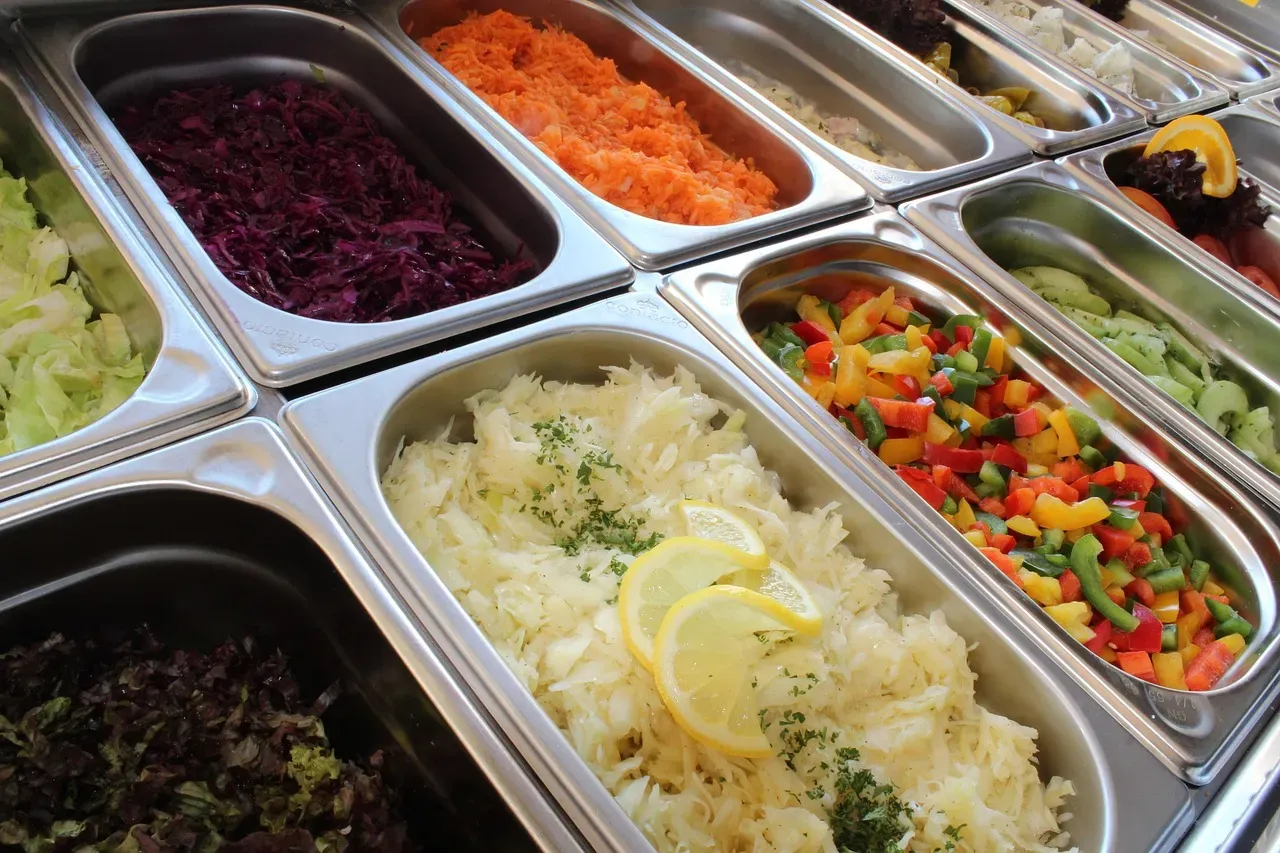
Historically, casino buffets served as loss leaders to keep gamblers inside the casinos. That model made sense when gaming dominated revenue and cheap food kept people on-site.
Casino economics have fundamentally changed. Gaming now represents a smaller share of total revenue, while dining, entertainment, and retail have become profit centers in their own right. Operators no longer need to subsidize food to drive gambling – they can make money on everything.
Gaming analysts note that eliminating buffets allows casinos to better utilize space and resources by offering venues that are both profitable and meet guest expectations. It’s a complete philosophical reversal from the Vegas playbook of previous decades.
Supply Chain Disruptions Changed the Calculation

The pandemic exposed just how fragile buffet supply chains really are. When meat processing plants shut down or shipping routes got disrupted, restaurants struggled to keep dozens of menu items stocked simultaneously.
Supply chain issues and wholesale food prices created significant challenges from 2020 through 2023, making the high-variety buffet model especially vulnerable. À la carte restaurants can pivot their menus based on available ingredients, but buffets need consistent variety to satisfy customer expectations.
Health concerns also played a role. Self-service food stations suddenly seemed risky, forcing costly modifications like requiring staff to serve guests individually – which eliminated much of the operational efficiency that made buffets viable in the first place.
Food Halls Fill the Middle Ground
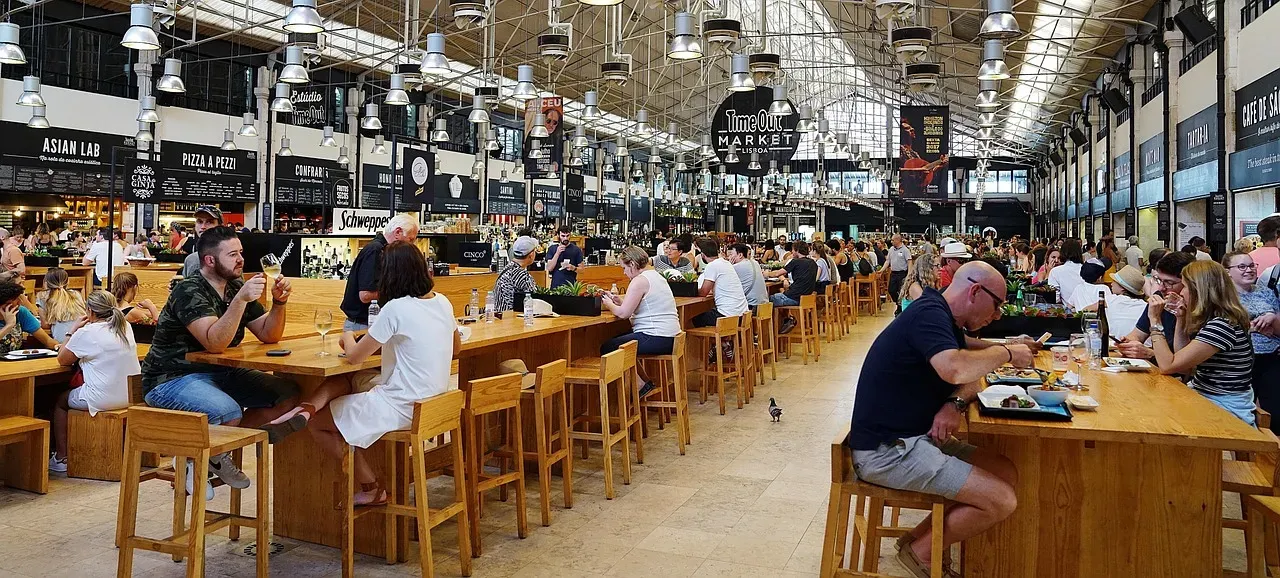
Many former buffets are being converted into food halls, new restaurants, added casino space, or remain boarded up. Food halls represent a clever compromise – they offer variety like buffets but with higher price points and better margins.
Fast-casual dining in food halls generates about one and a half billion dollars annually on the Strip, proving there’s enormous demand for accessible dining that isn’t quite white-tablecloth formal. These venues attract younger visitors who want choice and quality without the time commitment of fine dining.
The portion-controlled, order-at-the-counter model also eliminates the food waste that plagued buffets. When customers can only take what they order, restaurants aren’t throwing away pounds of uneaten food at closing time.
The Math Simply Stopped Working

Let’s be honest about the bottom line. If the average restaurant operator hadn’t raised prices over the past five years, their margin would have gone from five percent of sales pre-2020 to a pre-tax loss of nearly twenty-four percent currently, requiring price increases of nearly twenty-four percent just to maintain the previous slim margins.
Buffets couldn’t absorb those increases without losing their value proposition. Raise prices too much and customers revolt, wondering why they’re paying sixty dollars for an all-you-can-eat when they could get a quality entrée elsewhere for seventy. The economics became impossible.
MGM Resorts continuously evaluates properties to ensure they align with consumer demand and market trends, which is corporate speak for “we’re doing what makes financial sense.” The buffet era belonged to a different economic environment that simply no longer exists.
What started as a cost-cutting response to the pandemic revealed a deeper truth: buffets were already on borrowed time. Rising wages, persistent food inflation, shifting tourist demographics, and the relentless focus on revenue per square foot created a perfect storm that traditional all-you-can-eat dining couldn’t survive. The ultra-luxury pivot isn’t really about snobbery or exclusivity – it’s about mathematics. Vegas operators ran the numbers and realized they could make far more money feeding fewer people at higher prices than packing vast dining halls with budget-conscious crowds. The Strip has always been about spectacle and excess, just now that excess comes with a three-hundred-dollar price tag and a reservation you booked three months in advance.
Did you think the humble buffet would hold on longer, or does the shift to luxury dining feel like the inevitable evolution of Vegas?