Throughout musical history, countless instruments have faced extinction, victims of changing tastes, industrialization, and the passage of time. While some vanished completely, others survived by the narrowest of margins, rescued by devoted musicians and cultural preservation efforts. These remarkable instruments, once on the brink of oblivion, tell compelling stories about cultural heritage, craftsmanship, and the fragile nature of musical traditions. Today, several of these nearly-extinct instruments are experiencing remarkable revivals, allowing modern audiences to hear sounds that almost faded into silence forever.
The Hurdy Gurdy: From Medieval Courts to Near Extinction
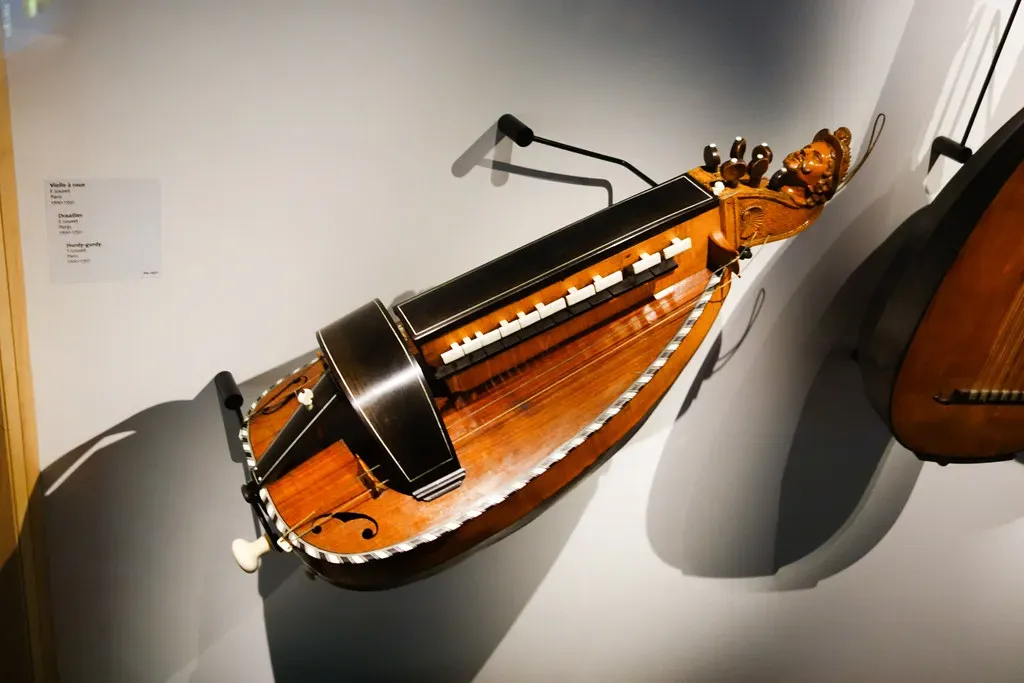
The hurdy gurdy is a string instrument that produces sound through a hand-cranked rosined wheel rubbing against strings, functioning much like a violin bow while melodies are played on a keyboard that presses tangents against the strings to change their pitch. The instrument is generally thought to have originated from fiddles in either Europe or the Middle East before the eleventh century, with the first recorded reference to fiddles in Europe appearing in the ninth century when the Persian geographer Ibn Khurradadhbih described the lira as a typical Byzantine instrument. Strongly associated with dancing, wandering minstrels, beggars, and blind musicians, the medieval hurdy gurdy was generally stigmatized, though it survived over the centuries in various lute-like designs used by peasants and nobility.
In recent decades there has been a revival of interest in the hurdy gurdy in Europe as well as in North America. In the early 1960s, France showed enormous interest in American folk songs, but when this material was digested, French musicians noted how the Irish and English were reviving their own ancient folk traditions and were reminded of their own traditional songs and instruments, rekindling interest that swept France with many new records featuring the hurdy gurdy. Fifteen years ago, one had to go to Switzerland to get a hurdy gurdy, but now there are more than fifty makers in France. Today the hurdy gurdy appears in all sorts of different music styles and there are even electric and electronic versions available to modern musicians.
The Glass Armonica: Benjamin Franklin’s Dangerous Masterpiece
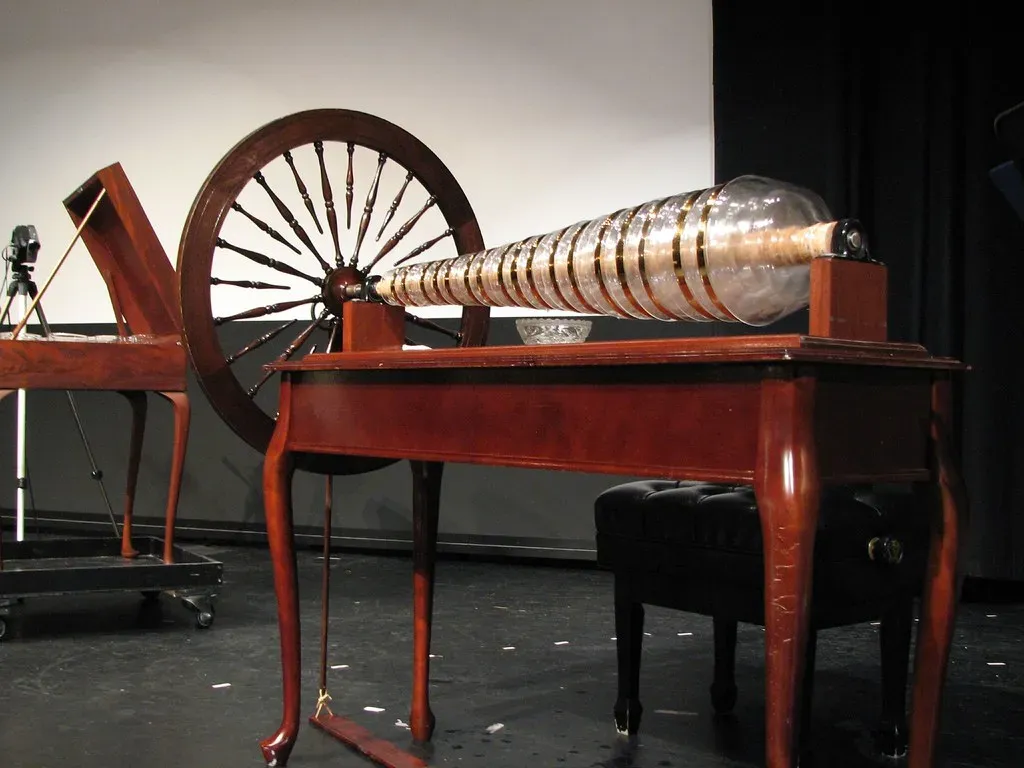
The glass harmonica, also known as the glass armonica, is a musical instrument that uses a series of glass bowls graduated in size to produce musical tones by means of friction, invented in 1761 by Benjamin Franklin. Franklin was inspired to create his glass armonica after hearing an English friend, Edward Delaval, playing a tune on wine glasses filled with water, and with typical ingenuity commissioned a London glassblower, Charles James, to create the first glass armonica made from thirty-seven glass bowls of varying thicknesses. Franklin’s instrument enjoyed its world premiere in 1762 and became hugely popular throughout Europe, inspiring compositions by celebrated musicians including Mozart.
Armonica players became both physically and mentally ill, with many complaining of muscle spasms, nervousness, fainting, cramps, dizziness, hysteria and melancholia. In 1799, doctor Anthony Willich argued that the instrument deserved to be condemned, saying it caused a great degree of nervous weakness, and in 1808, people attributed the death of armonica virtuoso Marianne Kirchgessner to the instrument’s eerie tones. Despite the lack of scientific evidence, the controversies surrounding the glass armonica led to its decline in popularity, with some towns even banning the instrument altogether, and by the 1820s it had become a relic of the past. In recent years there has been a renewed interest in the glass armonica, with musicians like Dennis James dedicating themselves to reviving this forgotten instrument through performances and recordings.
The Guqin: China’s Ancient Seven-String Treasure

The guqin is a plucked seven-string Chinese musical instrument that has been played since ancient times, traditionally favoured by scholars and literati as an instrument of great subtlety and refinement, and is sometimes referred to by the Chinese as the father of Chinese music or the instrument of the sages. The Chinese zither has existed for over three thousand years and represents China’s foremost solo musical instrument tradition, described in early literary sources and corroborated by archaeological finds, making this ancient instrument inseparable from Chinese intellectual history. Guqin playing developed as an elite art form practised by noblemen and scholars in intimate settings and was therefore never intended for public performance, and the guqin was one of the four arts that Chinese scholars were expected to master along with calligraphy, painting and an ancient form of chess.
Nowadays, there are fewer than one thousand well-trained guqin players and perhaps no more than fifty surviving masters. On November seventh, 2003, UNESCO announced that the Chinese guqin was selected as an Intangible World Cultural Heritage, and in 2006 guqin was listed in the List of National Non-material Cultural Heritage in China. Conservatories, cultural institutions, and independent scholars have worked to preserve and promote guqin music through performances, recordings, academic research and education, with young people increasingly drawn to the instrument as a symbol of cultural identity and spiritual depth.
The Theremin: Electronic Pioneer of the 1920s
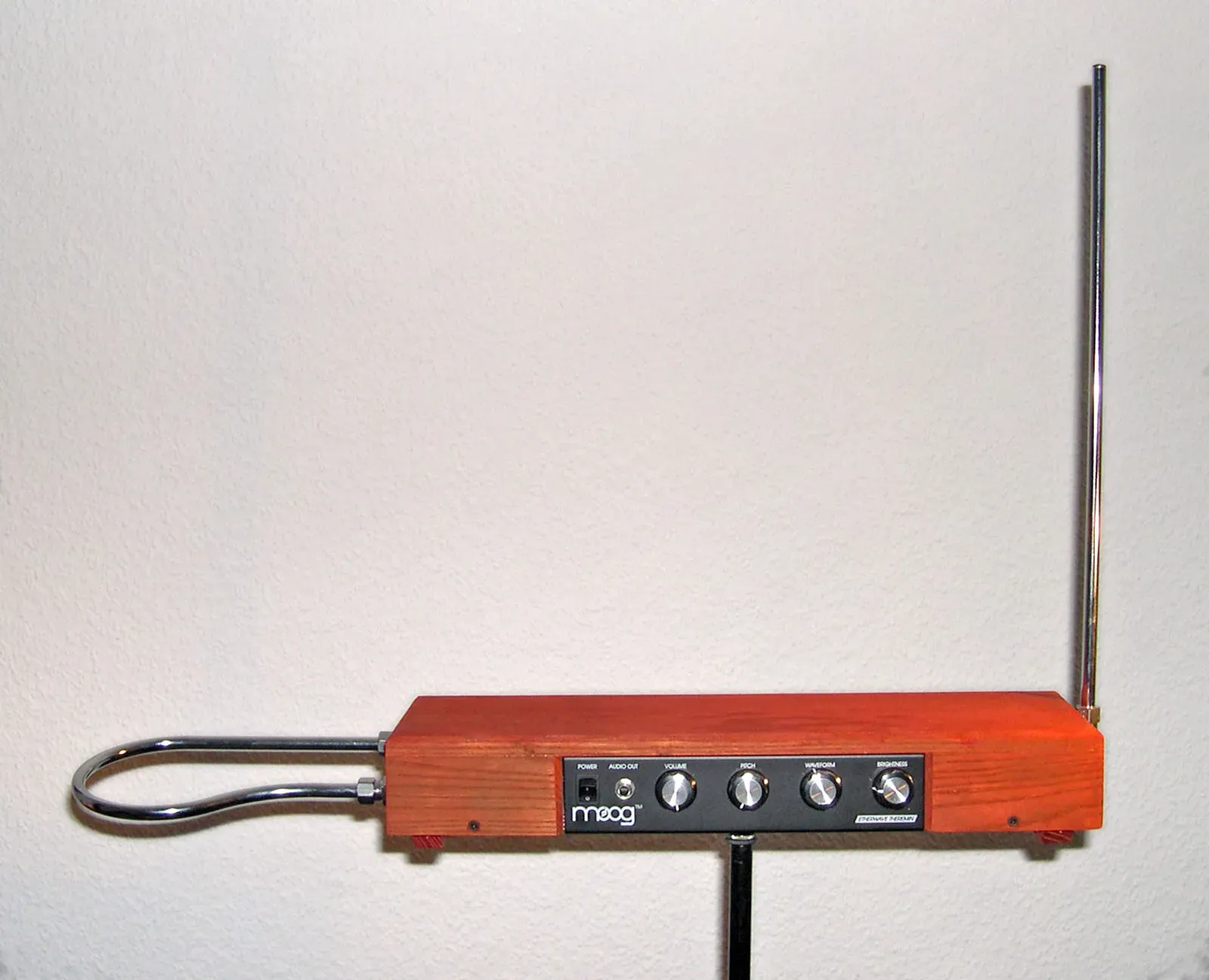
The theremin is an electronic musical instrument invented in 1920 in the Soviet Union by Leon Theremin, consisting of a box with radio tubes producing oscillations at two sound-wave frequencies above the range of hearing that together produce a lower audible frequency equal to the difference in their rates of vibration. Unlike any other instrument, the theremin is played without physical contact, with musicians moving their hands around two antennas to control pitch and volume. This unique characteristic made it seem otherworldly and contributed to its extensive use in science fiction film soundtracks throughout the twentieth century.
Upon release of the Beach Boys’ 1966 single Good Vibrations, which featured a similar-sounding Electro-Theremin, the single prompted an unexpected revival in theremins and increased the awareness of analog synthesizers. In response to requests by the band, Moog Music began producing its own brand of ribbon-controlled instruments which would mimic the sound of a theremin. The instrument found champions in rock music, with artists like Jimmy Page incorporating it into Led Zeppelin performances. Despite its remarkable innovation, the theremin remained a niche instrument that nearly disappeared from mainstream consciousness until electronic music enthusiasts rediscovered it in recent decades.
Musical Instrument Crafts Under Critical Threat

Britain has a Heritage Crafts Association which issues a Red List of Endangered Crafts. The 2019 Red List cited cricket-ball making and gold beating as extinct, sieve making as having moved from extinct to critically endangered after two people revived it in 2018, and three music instrument crafts as critically endangered: bell founding, flute making, and piano making. Other crafts for instruments associated with Western art music are listed by the Heritage Crafts Council as endangered: crafting brass instruments, free reed instruments, woodwinds, percussion instruments, and other keyboards.
Native to the Atlantic Rainforest and exclusive to Brazilian soil, the number of Paubrasilia echinata still standing today has fallen to something around ten thousand trees spaced out along the coast between Rio de Janeiro and Rio Grande do Norte states, an eighty-four percent drop in numbers over the last three generations of the trees, with the National Center for Flora Conservation escalating the species’ conservation status in 2024 from endangered to critically endangered. In the nineteenth century, the wood’s resonance, durability and flexibility were found to have the perfect balance for making bows for stringed musical instruments, placing the trees at the mercy of another market. This development illustrates how endangered natural materials directly threaten the survival of traditional instrument-making crafts.
Materials and Resources Threatening Instrument Survival
A classical symphony orchestra consists of up to twenty-nine musical instruments manufactured from up to seven hundred and fifty-eight distinct natural materials, and the interrelationships between the extraction of raw materials for instrument making, the international trade conditions, and the protection status of endangered species and their ecosystems are highly complex and have yet to be sufficiently scientifically examined. The growing awareness of environmental impacts has created tension between preserving musical traditions and protecting endangered species. Musicians and craftspeople now face difficult choices between using traditional materials and finding sustainable alternatives.
The challenge extends beyond single instruments to entire orchestras and musical traditions. Many traditional instruments rely on specific woods, animal products, or minerals that are becoming scarce or legally restricted. This situation has sparked innovation, with instrument makers experimenting with synthetic materials and alternative woods that can replicate the acoustic properties of traditional materials. However, purists argue that these substitutions change the fundamental character of the instruments, potentially altering centuries-old musical traditions. The debate continues between those who prioritize conservation and those who believe authentic materials are essential to preserving true musical heritage, making the future of many instrument-making traditions uncertain.