We live in an age where a celebrity posting a photo can trend worldwide within minutes. A single political misstep gets turned into thousands of memes before breakfast. Just imagine what would happen if some of history’s most bizarre moments occurred in 2026 instead of decades or centuries ago. The internet would absolutely lose its collective mind.
Think about it. Twitter would collapse. TikTok would run out of storage space. Reddit would spawn entire subreddits dedicated to analyzing every detail. From military operations that went hilariously wrong to events so strange they sound like fever dreams, history is packed with moments that feel tailor-made for virality. These aren’t your typical textbook events. They’re the weird, wild, and wonderfully absurd stories that remind us humanity has always been a little unhinged.
The Great Emu War of 1932
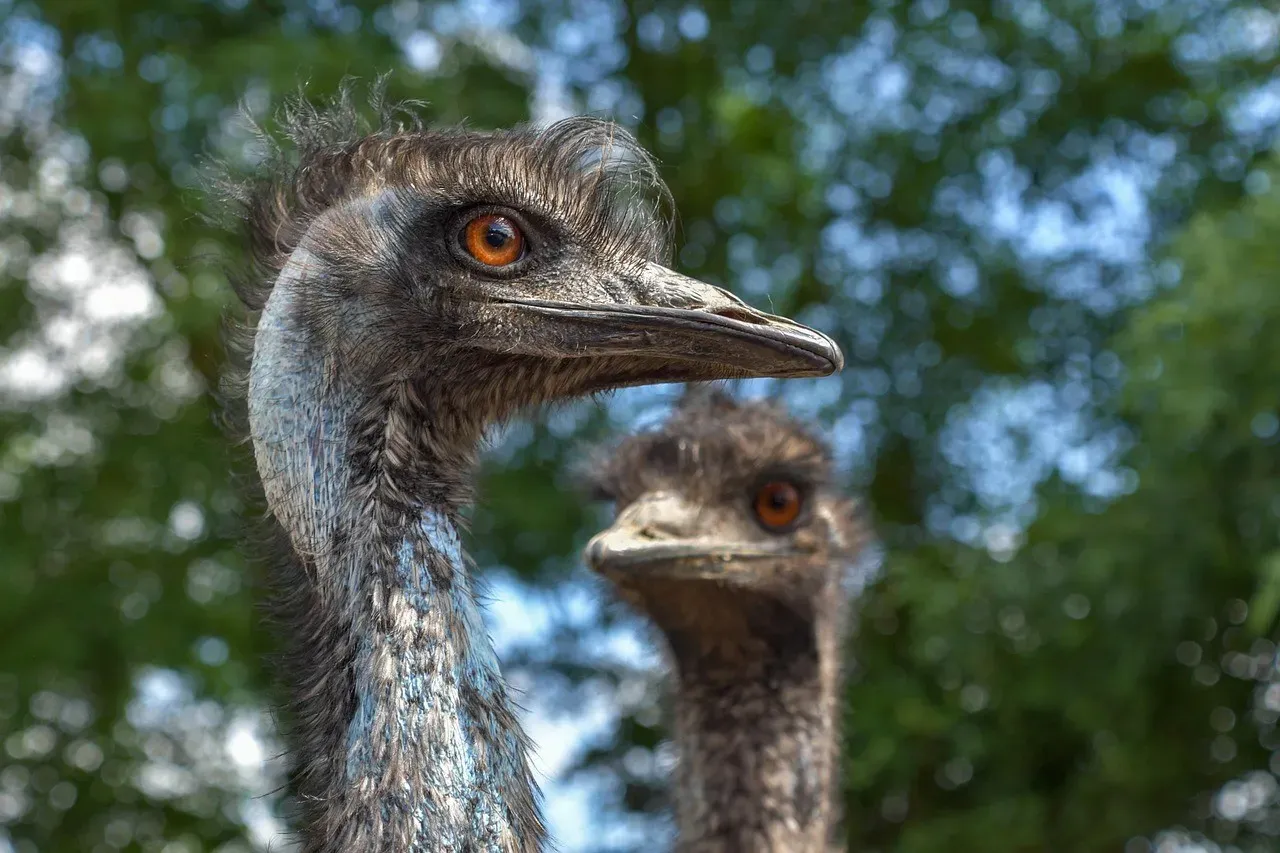
In 1932, Australia literally declared war on emus, deploying soldiers with machine guns to fight flightless birds destroying crops in Western Australia. Three members of the Royal Australian Artillery were tasked with culling roughly 20,000 emus, but after two months, fewer than 1,000 emus were killed. The birds were surprisingly strategic, scattering into small groups when gunfire started, making them nearly impossible targets.
The emus emerged victorious in what became a costly and peculiar failure for the Australian military. Can you imagine the TikToks? Videos of soldiers chasing fast-moving birds across the outback would rack up millions of views. Memes about the “Emu Commander” ordering guerrilla tactics would flood every platform. The hashtag EmuWar would trend for weeks, with debates about whether this counts as humanity’s most embarrassing military defeat.
The 1904 Olympic Marathon Disaster
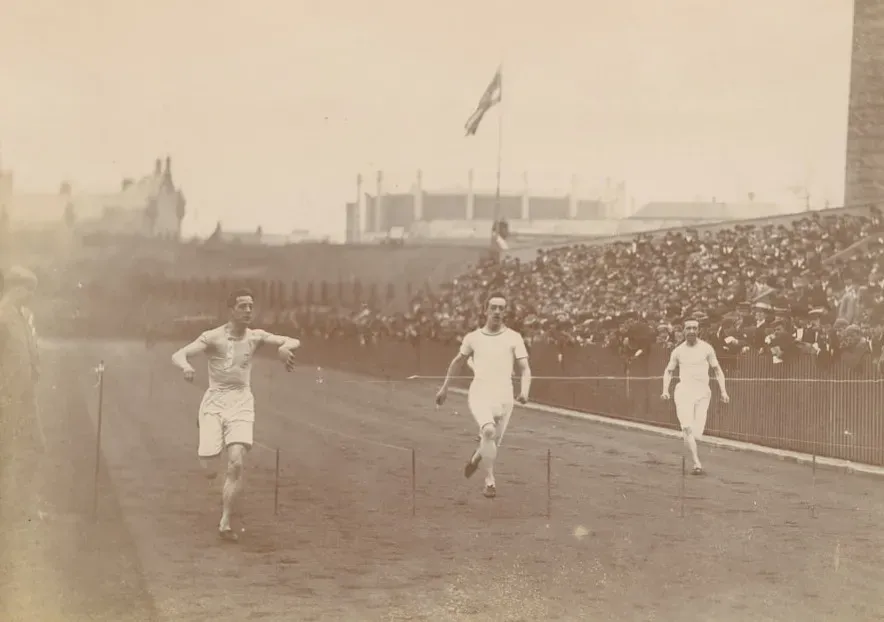
Let’s be real, the 1904 St. Louis Olympic marathon was an absolute trainwreck. Organizers placed only one water station along the nearly 25-mile race on dusty, unpaved roads in July, based on the belief that dehydration was good for the body. The first-place finisher was disqualified after riding part of the course in a car, while the eventual winner completed the race with help from strychnine and brandy.
Many runners stole food from spectators and even took naps along the course to endure the sweltering heat. The chaos would spawn endless reaction videos. Sports commentators would have a field day. Someone would definitely create a documentary-style YouTube series breaking down every catastrophic decision. Twitter threads would dissect how this event ever got approved, with historians and comedians teaming up for the most entertaining takedowns.
Napoleon Attacked by Rabbits

Here’s something they definitely didn’t teach you in school. In July 1807, Napoleon and his men celebrated a victory with a rabbit hunt, but instead of fleeing, the bunnies began swarming Napoleon and his entourage. Though amusing at first, the situation quickly overwhelmed some of Europe’s foremost military strategists. One of history’s greatest generals was literally defeated by fluffy rabbits.
The memes would be instant and merciless. Photoshops of Napoleon fleeing from cartoon bunnies. Comparisons to Monty Python sketches. TikTok creators would stage reenactments with stuffed animals. The phrase “defeated by bunnies” would become the ultimate insult in online arguments. Honestly, Napoleon’s reputation would never recover from the viral humiliation.
The Dancing Plague of 1518
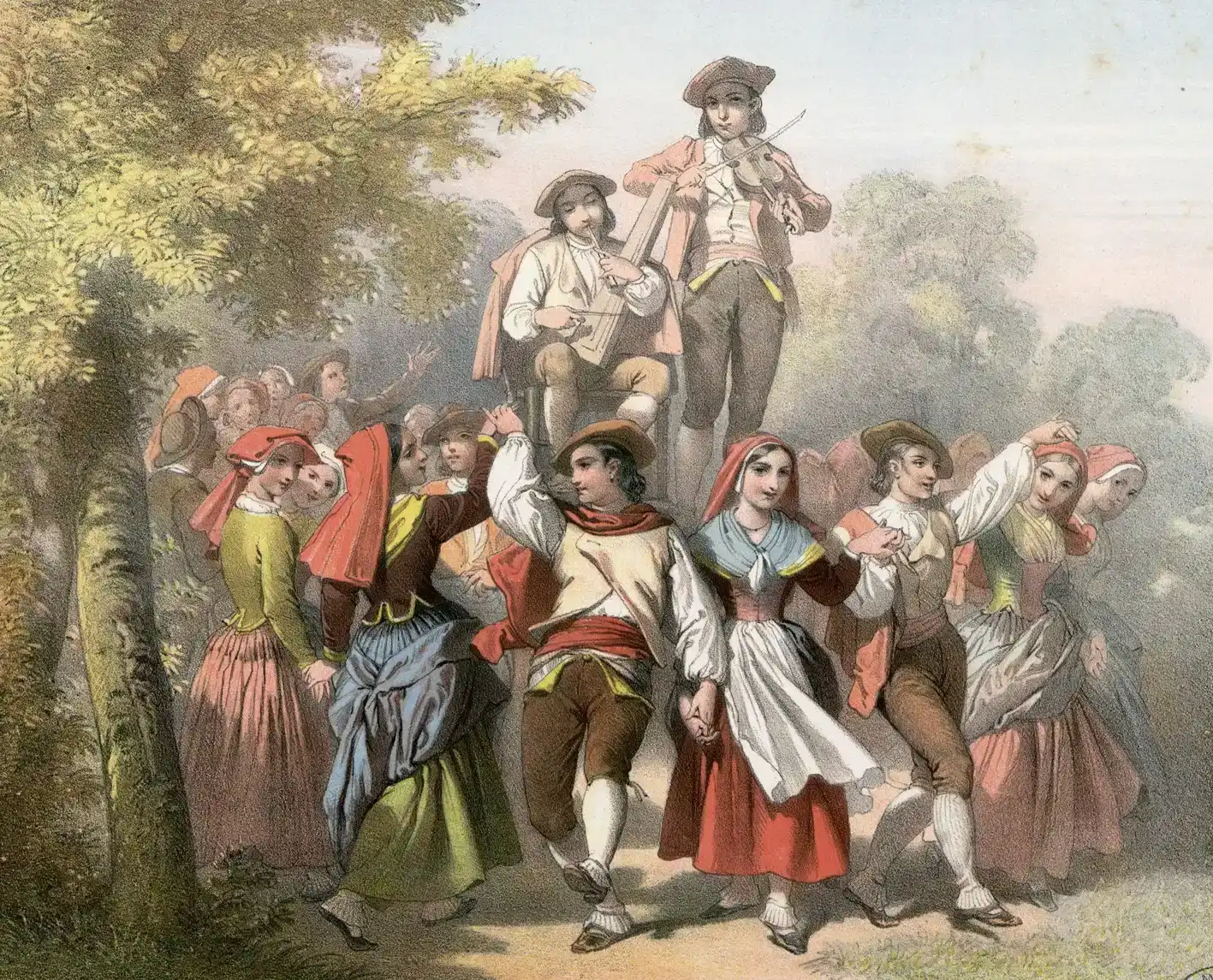
In July 1518 in Strasbourg, France, a woman stepped onto the street and broke out in uncontrollable dance, continuing for days until she dropped from exhaustion. Soon more than 30 people joined her, and the behavior spread until 400 individuals were engrossed in dancing. Many perished from the physical strain on their bodies.
The internet would spiral into absolute chaos. Medical experts would flood social media with theories. Conspiracy theorists would have a field day. Dance challenge videos would explode across platforms, with people ironically recreating the event. True crime podcasts would dedicate entire seasons to figuring out what caused this mass hysteria. Was it ergot poisoning? Mass psychosis? Aliens? The speculation alone would keep the internet busy for months.
The Cadaver Synod of 897 AD
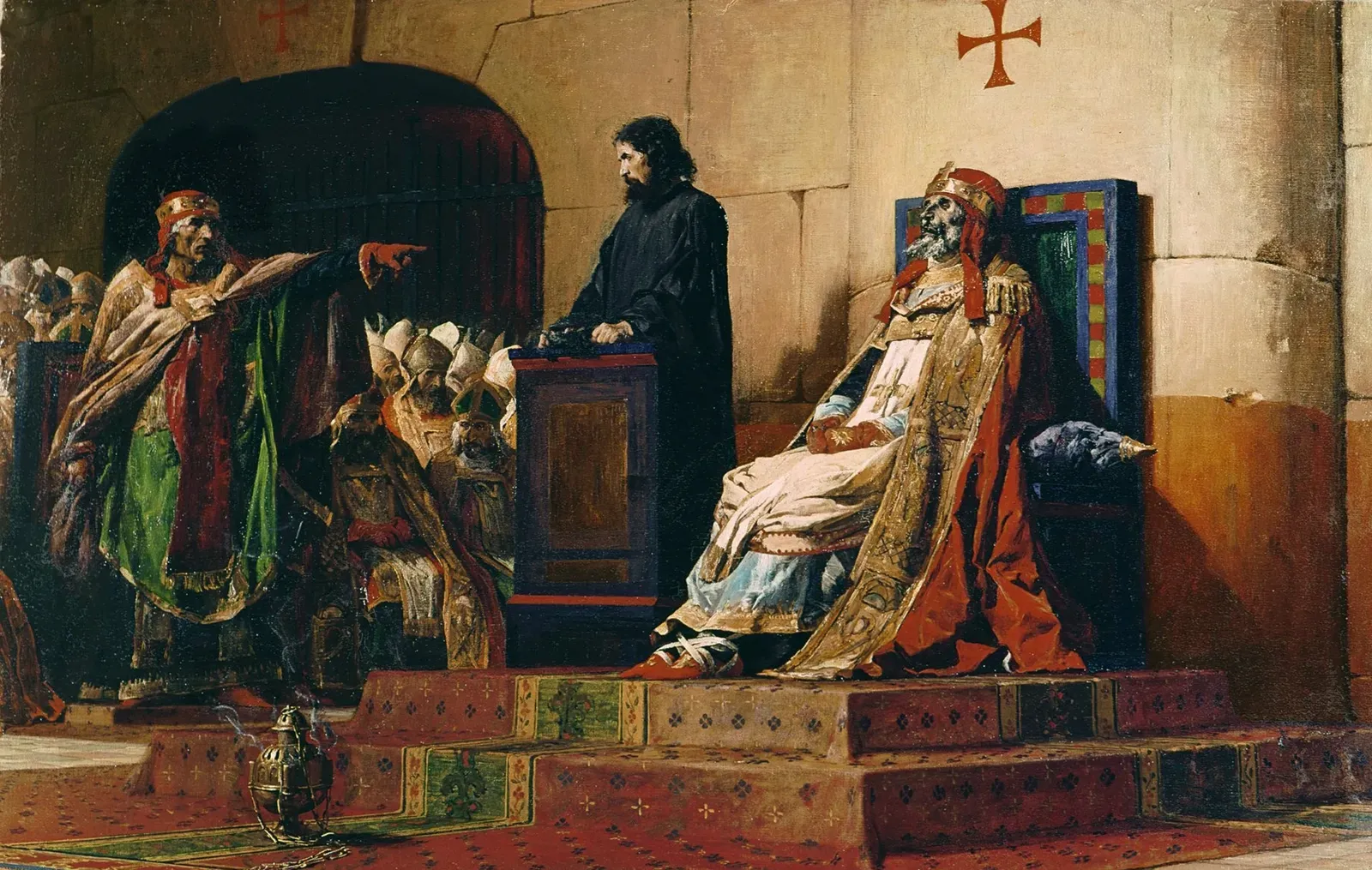
This is genuinely one of the most disturbing spectacles in church history. Pope Stephen VI put his predecessor Pope Formosus on trial after exhuming his corpse, dressing the decaying body in papal robes and propping it up in court. Formosus was found guilty, stripped of papal vestments, and tossed into the Tiber River.
Twitter would absolutely implode. The discourse would be unhinged. Religious scholars, historians, and random people with opinions would all weigh in. Someone would create a mockumentary. Podcasters would interview experts about medieval church politics. The phrase “putting a corpse on trial” would become shorthand for peak absurdity. Reddit’s legal advice forum would somehow get involved, debating the technicalities.
The Erfurt Latrine Disaster of 1184
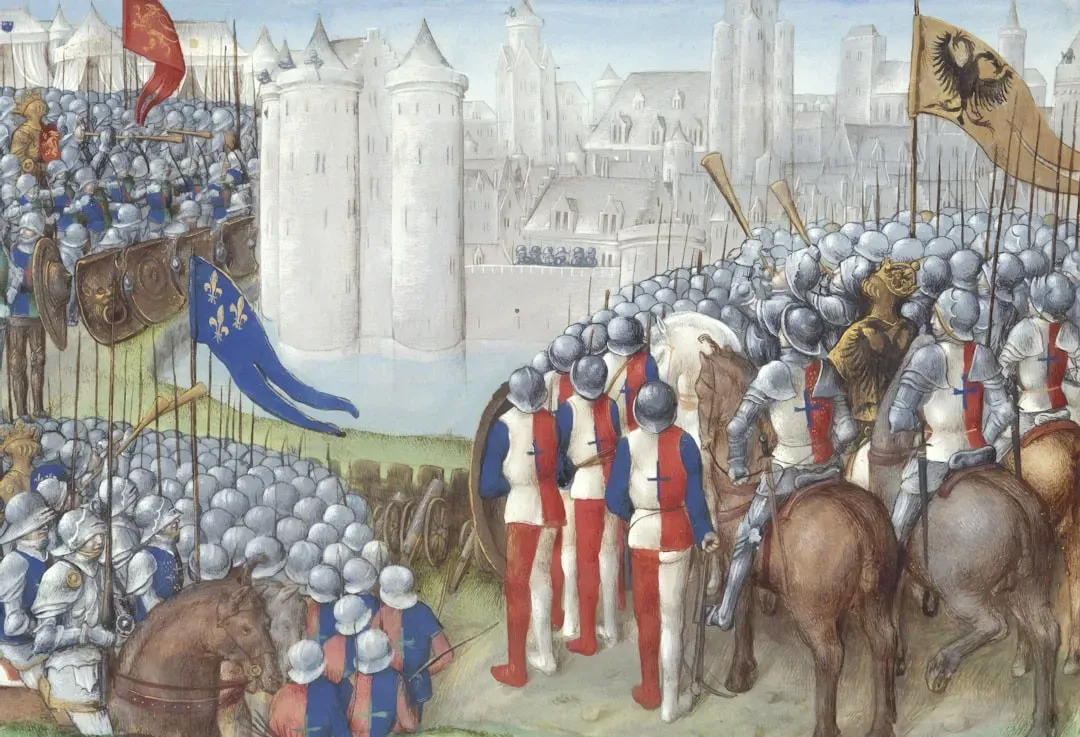
Let me tell you about one of history’s most unfortunate incidents. In 1184, a grand royal assembly in Erfurt, Germany, turned tragic when the weight of gathered nobles caused the wooden floor to collapse, sending dozens of high-ranking officials plummeting into a latrine cesspit below. Around 60 nobles met a gruesome fate, drowning in liquid excrement.
The jokes would write themselves. Dark humor would reign supreme. Engineering Twitter would analyze medieval construction failures. History memes would flood Instagram. There would be debates about whether this counts as the worst way to go in recorded history. Medieval Times restaurants would somehow get dragged into the conversation. The event would spawn a hundred “how did this actually happen” YouTube explainer videos.
The New York Straw Hat Riot of 1922
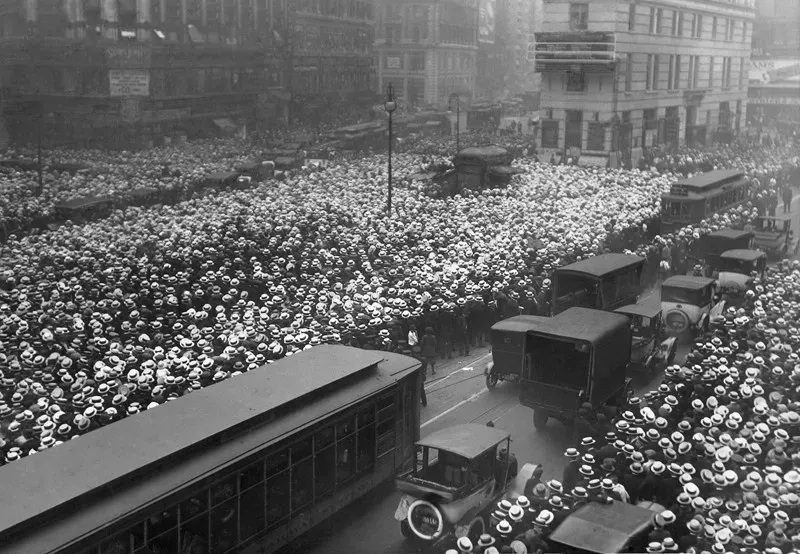
In early 20th century New York, men wearing straw boater hats after September 15th faced public ridicule or having their hats knocked off. When enthusiastic kids started the tradition early on dock and factory workers, it sparked riots lasting over a week, with mobs of youths destroying hats roaming the city.
Fashion Twitter would have an absolute meltdown. The absurdity of rioting over hats would become peak content for comedy accounts. There would be endless comparisons to modern fashion faux pas. Someone would start a “Straw Hat Awareness Campaign” as satire. TikTok fashion historians would create elaborate videos explaining hat etiquette. The debate about whether this was justified would somehow become genuinely heated.
The Great Moon Hoax of 1835
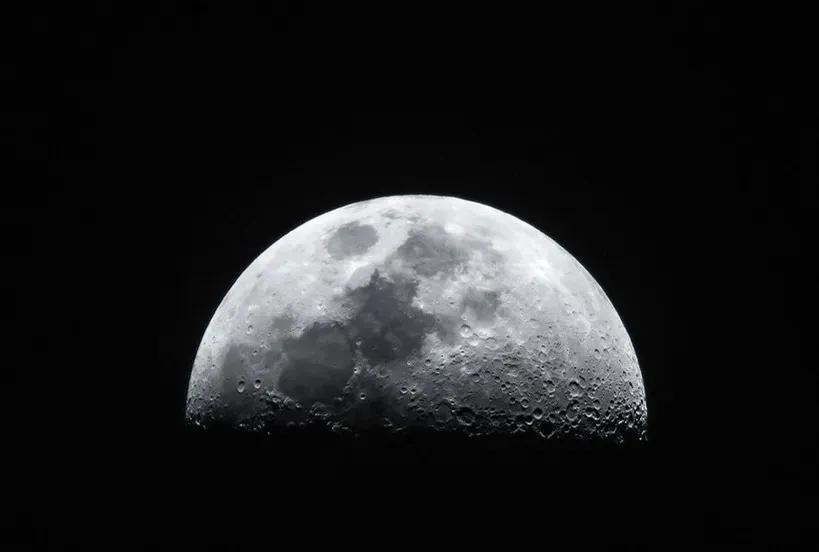
In 1835, The New York Sun published articles claiming that using a giant telescope, astronomer John Herschel had discovered life on the moon, including single-horned goats, mini zebras, and hairy humanoid bipeds with batlike wings. People actually believed it. The articles went viral in the 1800s sense of the word, spreading rapidly before eventually being exposed as fake news.
This would be the ultimate test case for misinformation in the social media age. Fact-checkers would work overtime. Conspiracy theorists would insist the debunking was the real hoax. Space agencies would release official statements. Science communicators would create detailed threads explaining why bat-winged moon people aren’t real. The memes comparing 1835 gullibility to modern misinformation would be chef’s kiss perfect.
The Kentucky Meat Shower of 1876

On March 3, 1876, in Olympia Springs, Kentucky, an apocalyptic amount of meat chunks of various sizes fell from the sky, covering a large 100-by-50-yard area. The most plausible hypothesis is that the meat was vomited by a large flock of vultures flying above, which fits the dispersion pattern and typical vulture behavior when threatened.
Videos of meat falling from the sky would go insanely viral. Weather experts would be interviewed constantly. Someone would inevitably eat some and livestream it. The vomiting vulture theory would spawn its own subgenre of nature documentary parodies. Local restaurants would create “Sky Meat Specials” as publicity stunts. PETA would somehow get involved. The internet would never let Kentucky forget this happened.
The Anglo-Zanzibar War of 1896

The Anglo-Zanzibar War, fought in 1896, is the shortest war in history, lasting between 38 and 45 minutes, caused by the death of a pro-British sultan and succession of a ruler the British opposed. When he refused to step down, British warships opened fire, ensuring he wasn’t their ruler for long.
The memes would be immediate. Speedrun communities would make jokes about it. History teachers would use it as the ultimate example of efficiency. There would be “38-minute war challenge” trends. Political commentators would draw questionable modern parallels. Someone would create a real-time Twitter thread documenting every minute. The phrase “quicker than the Anglo-Zanzibar War” would enter common usage for anything that happens fast.
The Tanganyika Laughter Epidemic of 1962

In 1962, a village in Tanganyika experienced a bizarre phenomenon where a few students at a boarding school started laughing uncontrollably, which quickly spread, affecting over 1,000 people in surrounding communities. The outbreak was so disruptive that schools had to close for months. Nobody could adequately explain why this happened.
The internet would create its own version accidentally. Laughter challenge videos would dominate TikTok. Medical professionals would debate mass hysteria versus contagious behavior. Comedians would try to recreate it. Psychology Twitter would engage in lengthy discussions about collective phenomena. Someone would absolutely try to start a “laughter epidemic” deliberately, probably with mixed and concerning results.
Robert Liston’s 300% Mortality Rate Surgery

Surgeon Robert Liston, considered the fastest knife in the West, once performed a battlefield amputation so quickly that he accidentally cut the fingers off his assistant, while a witnessing spectator died of a heart attack, then both Liston’s patient and assistant died of blood poisoning, making him the only surgeon in history with a 300% mortality rate.
Medical Twitter would have a complete breakdown. The story would become required reading in every medical ethics class. Dark medical humor accounts would make this their entire brand for weeks. There would be debates about historical medical practices. Someone would create an animated reenactment. The phrase “300% mortality rate” would become shorthand for when things go spectacularly wrong beyond all reasonable expectations.
The Year Without a Summer in 1816

The 1815 eruption of Mount Tambora led to the largest volcanic explosion in recorded history, ejecting so much ash and aerosols that the sky darkened, the Sun was blocked, and Earth’s average global temperature dropped by three degrees Celsius. Crops were killed due to lack of sunshine or frost, leading to food scarcity. This wasn’t a single-day event, though. The effects lasted months.
Climate scientists would dominate the conversation. Comparisons to modern climate concerns would spark heated debates. Doomsday preppers would use it as evidence for their stockpiling. Agricultural experts would explain crop failure mechanisms. TikTok creators would make “what I’d do in the Year Without Summer” videos. The discourse would be part educational, part apocalyptic, and entirely overwhelming. Someone would inevitably start selling “I Survived the Year Without Summer” merch, even though nobody alive today actually did.
What’s wild is that these events all genuinely happened. No exaggeration needed. History is stranger and more entertaining than any fiction writer could invent. Makes you wonder what future generations will say about our viral moments, doesn’t it?