Throughout literary history, certain books have emerged not just as great stories, but as transformative forces that fundamentally altered the landscape of their respective genres. These works didn’t simply follow existing conventions but rather shattered them, creating new templates that countless authors would follow for decades to come. The impact of these genre-defining novels extends far beyond their pages, influencing everything from film and television to video games and popular culture itself.
In 2025, genre boundaries are becoming increasingly fluid, with authors merging different styles to create innovative hybrid works. Still, understanding the foundational texts that established these genres remains crucial for anyone interested in the evolution of literature. As the literary world continues to evolve, 2025 is poised to offer an eclectic mix of genres that capture the zeitgeist of our times, with a rapidly changing world where book genres constantly adapt to reflect societal shifts, emerging technologies, and new perspectives.
Frankenstein by Mary Shelley: The Birth of Science Fiction
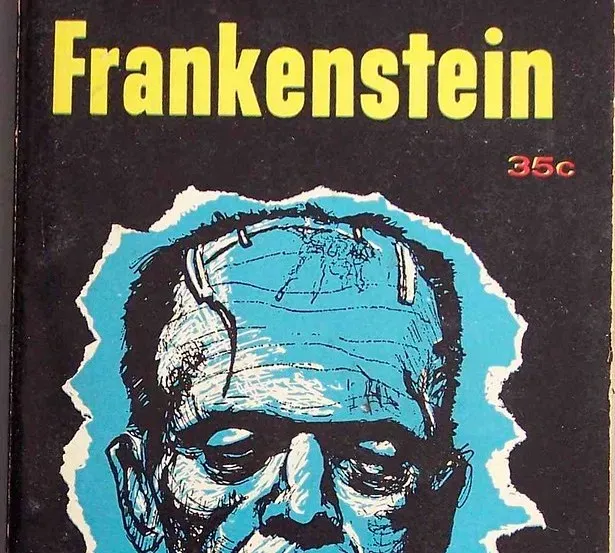
Mary Shelley combined science and the supernatural to write ‘Frankenstein,’ the world’s first science-fiction novel. When the book was published in 1818, she was only 18 years old when she wrote the book that would become the first science fiction book. It is entirely appropriate that Brian Aldiss should have worked so hard to establish Frankenstein as the foundation-stone of the modern genre of science fiction; the underlying world-view of the novel entitles it to that position. The novel emerged from a storytelling challenge among literary friends during a dreary summer in Switzerland, yet it fundamentally changed how we think about the relationship between humanity, science, and morality.
Frankenstein inaugurates the genre of science fiction, and many critics cite the novel as one of the first examples of the science fiction novel, where science fiction as a genre speculates about possible applications for advances in science and technology. Infused with elements of the Gothic novel and the Romantic movement, it has had a considerable influence on literature and on popular culture, spawning a complete genre of horror stories, films, and plays. The book explored themes that would become pillars of modern science fiction, including scientific morality and the limits of technological development, creating a lasting template for examining humanity’s relationship with its creations.
The Lord of the Rings by J.R.R. Tolkien: Creating Modern Fantasy
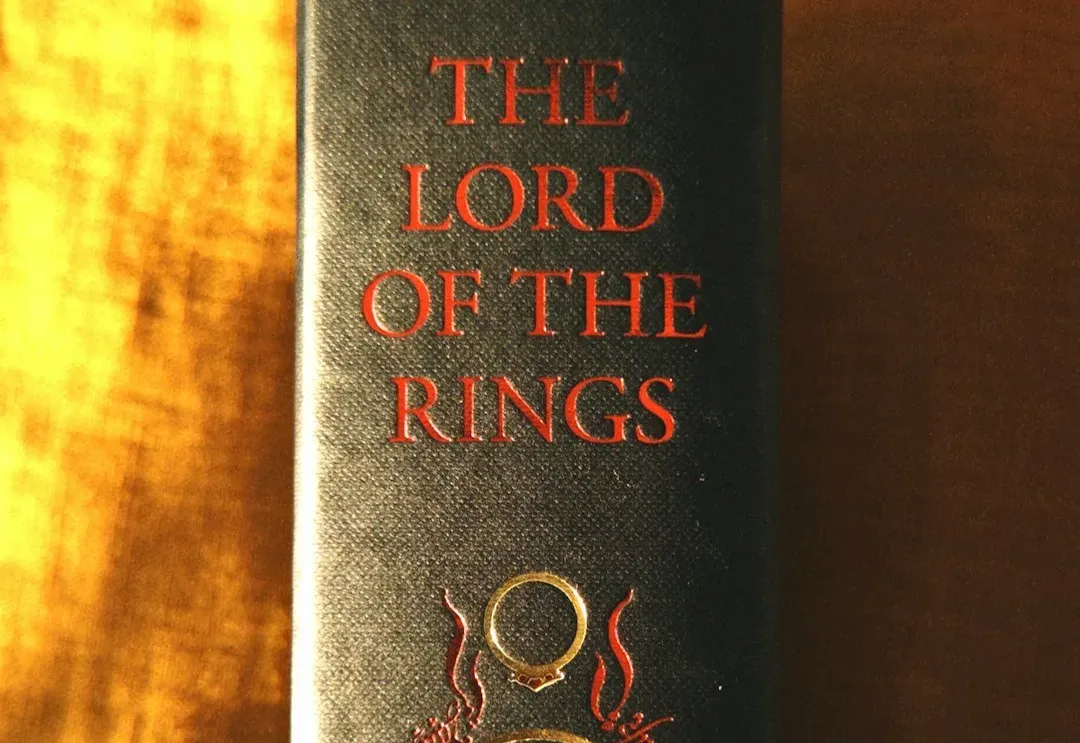
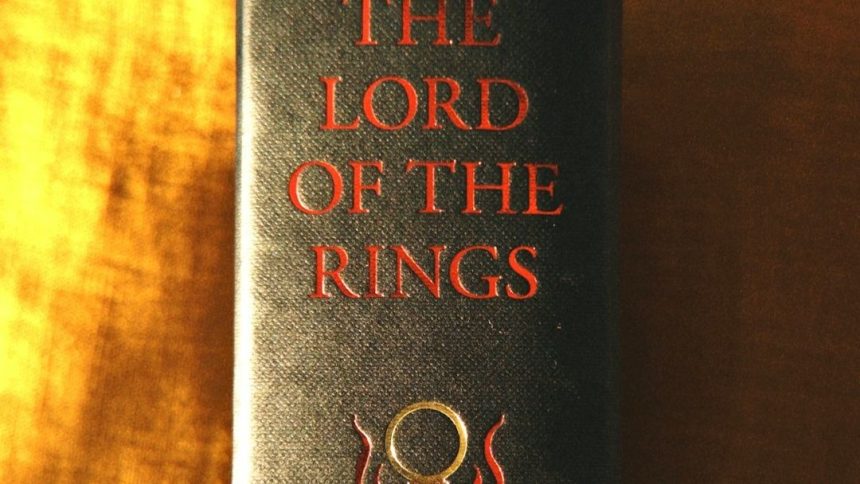
J. R. R. Tolkien has been called the “father of fantasy,” and The Lord of the Rings its centre, with that novel, published in 1954–1955, enormously influencing fantasy writing, establishing in particular the form of high or epic fantasy. Tolkien did not transform modern fantasy, he invented it, and it is safe to say that no such formally recognized genre was popular before he wrote. The trilogy didn’t merely tell an engaging story but constructed an entirely new way of building fictional worlds, complete with invented languages, detailed histories, and intricate mythologies.
It is difficult to overstate the impact that The Lord of the Rings had on the fantasy genre; in some respects, it swamped all the works of fantasy that had been written before it, and it unquestionably created “fantasy” as a marketing category. It became an international publishing phenomenon in the 1960s, with cheap paperback editions sparking the commercial fantasy genre, and according to the late David G. Hartwell, a leading figure in US fantasy and science fiction publishing, what the 1970s reading public wanted was “not more fantasy but more Tolkien”. The novel’s influence extends beyond literature into role-playing games, with Tolkien’s influence extending to role-playing games including Gary Gygax’s 1974 Dungeons & Dragons.
Neuromancer by William Gibson: Founding Cyberpunk

Neuromancer, the novel published in 1984 by William Gibson, launched the cyberpunk movement within the science fiction literary genre. Neuromancer is a foundational work of early cyberpunk, and critics agree it highlighted the genre’s key features, like the placement of technological advancement against societal decay and criminality, while Gibson’s novel also defined the major conventions and terminology of the genre – cyberspace, jacking in, and Intrusion Countermeasure Electronics. The book established a gritty, neon-soaked aesthetic that would define countless works of science fiction for decades to come.
It remains the first and only novel to win all three of the Hugo Award, the Nebula Award for Best Novel, and the Philip K. Dick Award, and in 2005, was named one of Time’s All-Time 100 Novels. The novel catalysed the cyberpunk movement, influencing artists across virtually all forms of media, including film, literature, visual art, fashion and video gaming, and has been described as “the quintessential cyberpunk novel” and “the archetypal cyberpunk work”. Gibson’s vision of a digital frontier continues to resonate in our increasingly connected world, making the novel remarkably prescient about the direction technology would take.
One Hundred Years of Solitude by Gabriel García Márquez: Defining Magical Realism

García Márquez didn’t just write a novel; he created an entire genre – magical realism, with “One Hundred Years of Solitude” blending history, myth, and reality in a way that redefined Latin American literature and expanded the boundaries of what storytelling could be. Published in 1967, the novel introduced readers to the fictional town of Macondo and the Buendía family across multiple generations. The book seamlessly wove fantastical elements into an otherwise realistic narrative, creating a literary approach that felt both utterly believable and dreamlike.
Magical realism as a genre has influenced writers across the globe, offering a way to explore cultural identity, political commentary, and historical trauma through a lens that combines the mundane with the miraculous. The genre allows authors to address serious social issues while maintaining a sense of wonder and possibility. García Márquez’s approach demonstrated that reality itself could be magical without diminishing the weight of historical and political struggles, creating a powerful tool for postcolonial and indigenous writers to tell their stories.
Dracula by Bram Stoker: Revolutionizing Gothic Horror

When Bram Stoker published Dracula in 1897, vampire legends had existed in folklore for centuries, but his novel transformed the vampire from a folk monster into a sophisticated literary figure. The book introduced Count Dracula, a charismatic and terrifying antagonist who would become the template for virtually every vampire story that followed. Stoker’s epistolary format, told through diary entries, letters, and newspaper clippings, created an atmosphere of mounting dread and authenticity that made the supernatural feel disturbingly real.
The novel established conventions that would define vampire fiction for over a century, including the aristocratic vampire, the vulnerability to sunlight and religious symbols, and the seductive danger that vampires represent. Dracula’s influence extends beyond literature into film, television, and popular culture, making the vampire one of the most enduring figures in horror. The book’s exploration of Victorian anxieties about sexuality, immigration, and modernity continues to make it relevant for contemporary readers, demonstrating how genre fiction can serve as a mirror for societal fears and desires.
The Maltese Falcon by Dashiell Hammett: Establishing Hard-Boiled Detective Fiction
Dashiell Hammett’s The Maltese Falcon, published in 1930, fundamentally transformed detective fiction by introducing the hard-boiled style that would come to define American crime writing. Prior to Hammett, detective stories typically featured genteel amateur sleuths solving puzzles in drawing rooms. Hammett instead created Sam Spade, a morally ambiguous professional detective navigating the corrupt underworld of San Francisco. The novel’s lean, tough prose stripped away the ornate language of earlier detective fiction, replacing it with sharp dialogue and cynical observations.
The hard-boiled genre that Hammett pioneered reflected the disillusionment of the post-World War I era and the harsh realities of Prohibition-era America. His work influenced countless writers, from Raymond Chandler to contemporary noir authors, and established a distinctly American approach to crime fiction. The genre’s focus on moral complexity, urban decay, and flawed protagonists continues to resonate in modern crime fiction and television, demonstrating that the conventions Hammett established nearly a century ago remain vital and relevant.