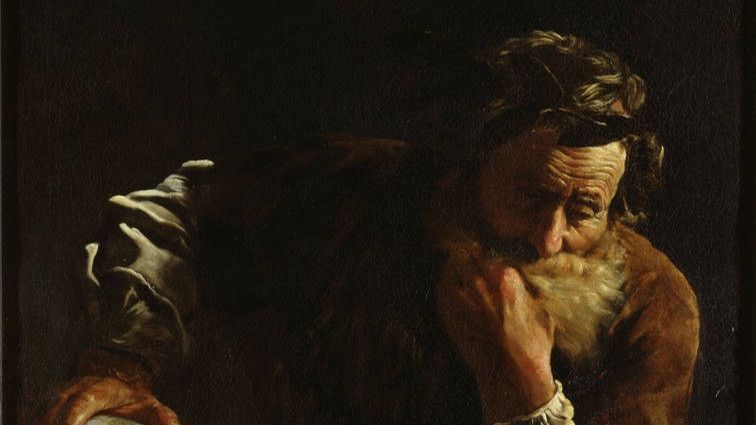
Some people don’t just live in their era – they seem to be visiting it from the future. History is full of extraordinary individuals who saw things others couldn’t, proposed ideas that got them ridiculed, dismissed, or even imprisoned, and whose brilliance was only truly recognized long after their time. Honestly, it’s both inspiring and a little heartbreaking.
From ancient Greek astronomers to 19th-century mathematicians writing code for computers that didn’t yet exist, the stories in this gallery are as thrilling as any science fiction. Be surprised by just how far ahead some of these minds really were.
1. Nikola Tesla – The Man Who Dreamed of Wireless Everything
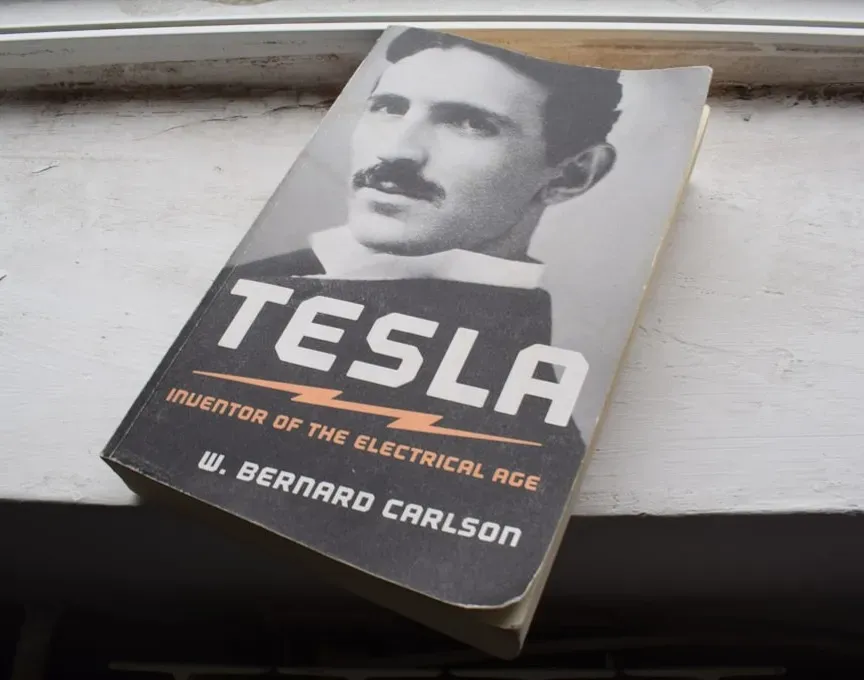
Nikola Tesla, born on July 10, 1856, was a Serbian-American engineer, futurist, and inventor, best known for his contributions to the design of the modern alternating current (AC) electricity supply system. That alone would secure his legacy. Yet what makes Tesla truly extraordinary is that his ambitions stretched far beyond what his century could even comprehend.
Tesla invented, predicted, or contributed to the development of hundreds of technologies that play big parts in our daily lives, including the remote control, neon and fluorescent lights, wireless transmission, computers, smartphones, laser beams, and X-rays. Let that sink in for a moment. He was essentially sketching the skeleton of the modern world while most people were still riding horses.
Tesla’s vision was to use the Wardenclyffe Tower to transmit signals and free, unlimited wireless electricity all over the world. Thanks to Tesla’s early work, wireless transfer of energy is finally being realized today, from wireless chargers for electric toothbrushes and smartphones to wireless electric vehicle charging. He just got there about a century too early.
Tesla was Thomas Edison’s rival at the end of the 19th century. In fact, he was more famous than Edison throughout the 1890s, and his invention of polyphase AC electric power earned him worldwide fame but not fortune. Yet Tesla died alone and almost penniless in a New York hotel room in 1943. Visionary genius, tragically undervalued.
2. Ada Lovelace – The First Programmer in History
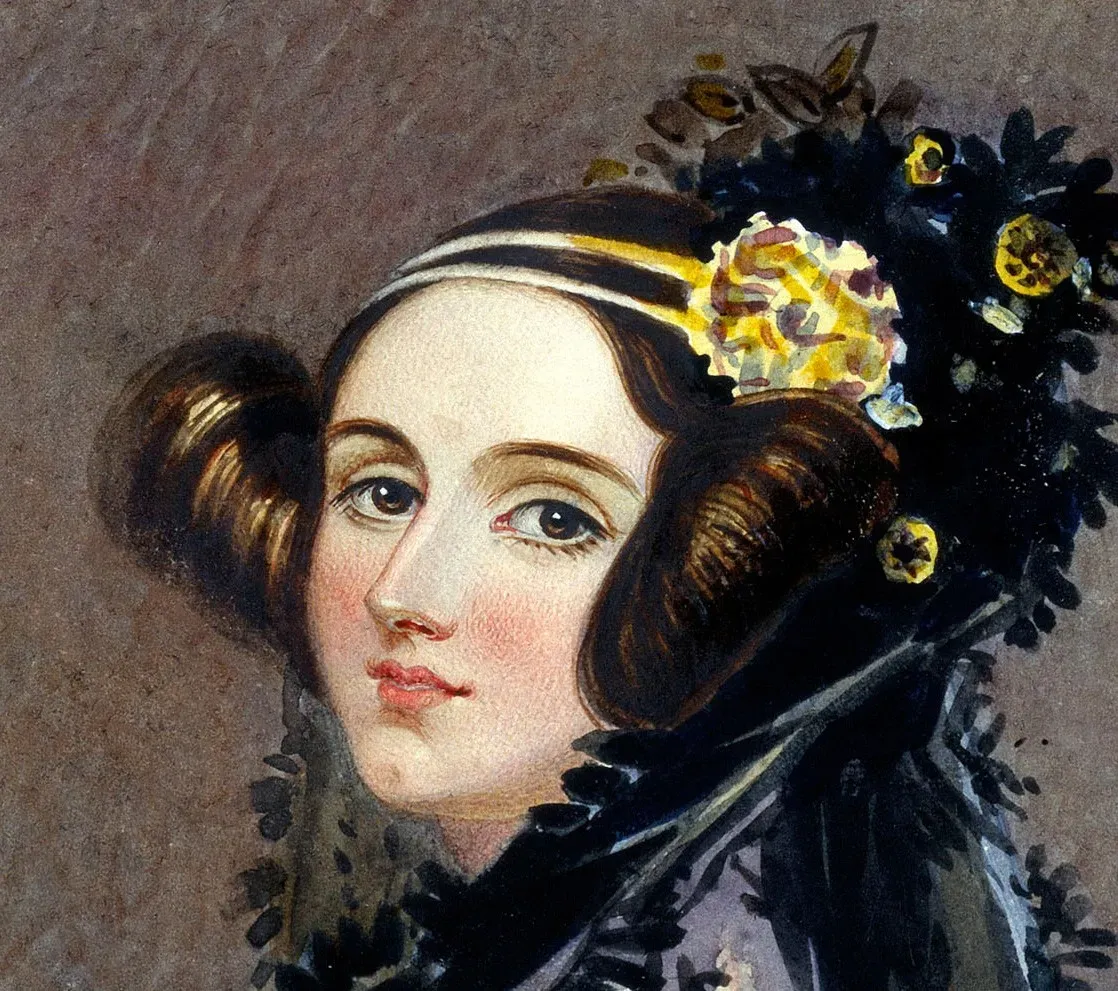
In the first half of the 19th century, British mathematician Ada Lovelace wrote what is now considered to be the first computer algorithm in history. She did this in an era when the very concept of a programmable machine was purely theoretical. There were no circuits, no screens, no keyboards. Just paper, ink, and a mind centuries ahead of its time.
Lovelace understood that numbers could be used to represent more than just quantities, and a machine that could manipulate numbers could be made to manipulate any data represented by numbers. She predicted that machines like the Analytical Engine could be used to compose music, produce graphics, and be useful to science. Of course, all that came true – 100 years later.
In note G, she wrote an algorithm for the Analytical Engine to compute Bernoulli numbers, the first published algorithm ever specifically tailored for implementation on a computer – in simple terms, the first computer program. Ironically, Lovelace’s ideas were too pioneering for their own good, as her program never had the opportunity to be tested because Babbage’s Analytical Engine was never completed.
Her articles were largely unknown until the 1950s. She gave her name to the Ada programming language, and every year on the second Tuesday in October, the contributions of women to science, technology, engineering, and mathematics are celebrated on Ada Lovelace Day. A fitting tribute, even if it came far too late.
3. Aristarchus of Samos – He Said the Earth Orbits the Sun (in 270 BC)
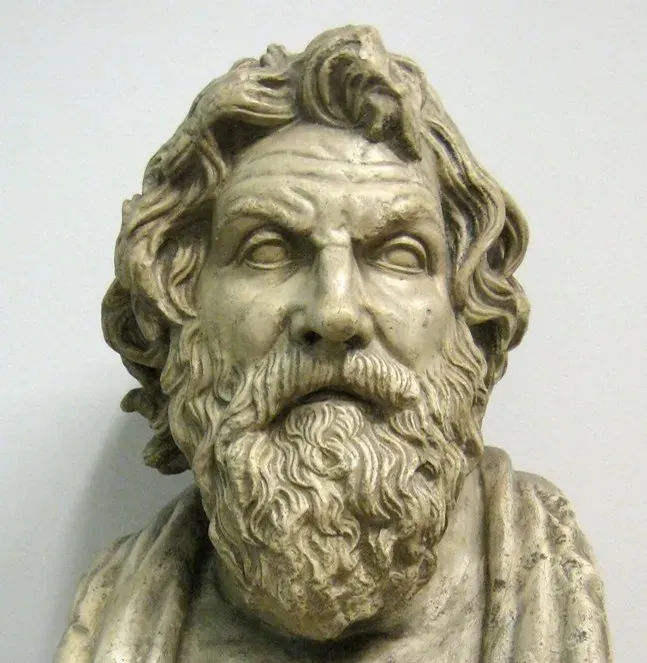
An ancient Greek astronomer, Aristarchus of Samos, was one of the first to suggest that Earth orbits the Sun. This view was not widely accepted in his time, as it was believed Earth was the center of the Universe and that stars, planets, and the Sun all revolved around our planet. He was dismissed. Completely and utterly ignored.
It took roughly 1,800 years for the scientific world to catch up to him. It wasn’t until 1543 that Nicolaus Copernicus developed a heliocentric model, rejecting Aristotle’s Earth-centric view, in what would become the first quantitative heliocentric model in history. Aristarchus had suggested the same basic truth almost two millennia earlier, with far fewer tools.
Think about that for a second. Two thousand years of being right while everyone else was wrong. Aristarchus didn’t have a telescope, didn’t have calculus, didn’t have peer-reviewed journals. He simply looked up at the sky and reasoned his way to an answer that the entire civilized world refused to accept. That takes a special kind of intellectual courage.
4. Galileo Galilei – Father of Modern Science Under House Arrest
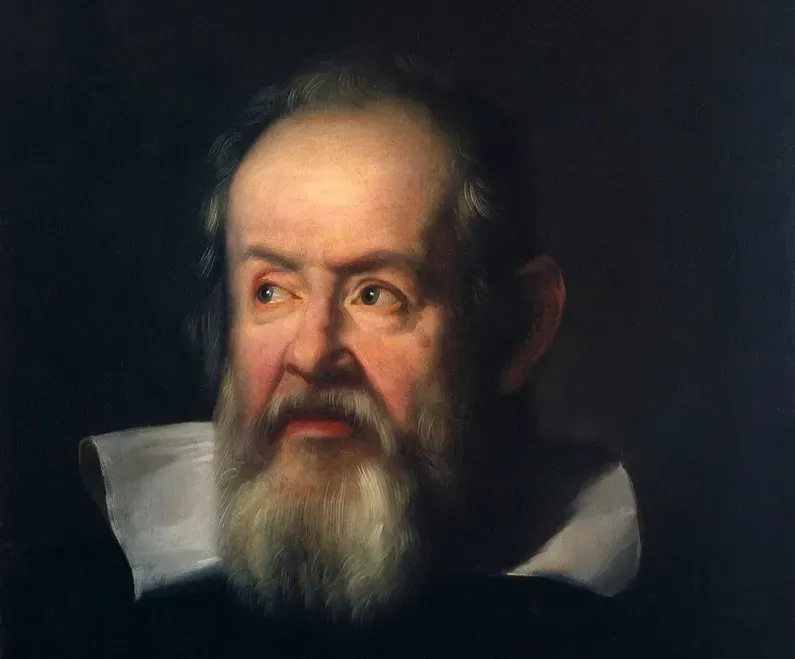
Despite facing house arrest for his beliefs, Galileo’s discoveries about planetary motion and gravity became the cornerstone of modern astronomy. His determination to follow evidence, even at great personal risk, earned him the title “father of modern science.” The Church convicted him of heresy. History vindicated him entirely.
Around 1600, Galileo Galilei discovered the principle of inertia, building the stage for a rational view of motion, discovered that projectiles move with a parabolic trajectory, and in 1609 observed Jupiter’s four largest moons, disproving church dogma that all movement in the universe is centered on Earth.
Here’s the thing – Galileo wasn’t just making observations. He was building an entirely new framework for how humanity understands reality. He insisted on evidence over authority, at a time when questioning authority could get you killed. That’s not just scientific courage; it’s something closer to heroism. His discoveries helped to prove that the Sun, not the Earth, was the center of the Solar System, and he supported the heliocentric model.
5. Ignaz Semmelweis – The Doctor Who Discovered Hand Washing (and Was Ignored)
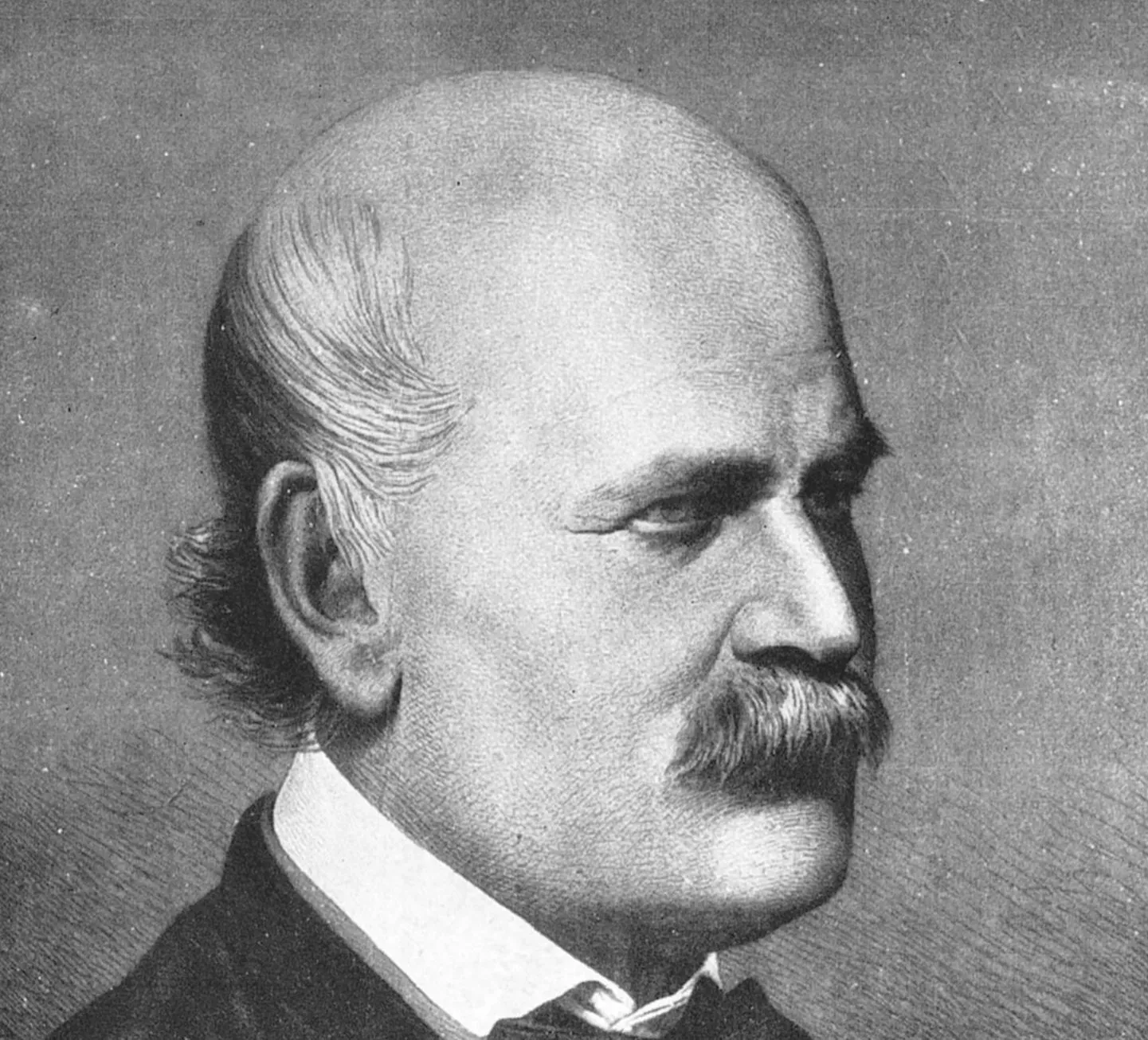
Ignaz Philipp Semmelweis was a Hungarian physician and scientist who was an early pioneer of antiseptic procedures and was described as the “saviour of mothers.” Yet his story is one of the most heartbreaking in all of science. He saved lives. The medical establishment punished him for it.
Semmelweis demonstrated that the incidence of infection could be drastically reduced by requiring healthcare workers in obstetrical clinics to disinfect their hands. In 1847, he proposed hand washing with chlorinated lime solutions at Vienna General Hospital’s First Obstetrical Clinic, where doctors’ wards had three times the mortality of midwives’ wards.
Despite having no knowledge of germ theory, Semmelweis hypothesized that the difference was due to doctors moving between autopsies and childbirth without washing their hands, thereby spreading infections. His colleagues rejected him. The continued criticism finally broke him down. By 1865, he was suffering from depression and other neural complaints and was eventually committed to an asylum. He died there just two weeks later, at the age of 47.
6. Leonardo da Vinci – The Renaissance Man Who Designed the Future
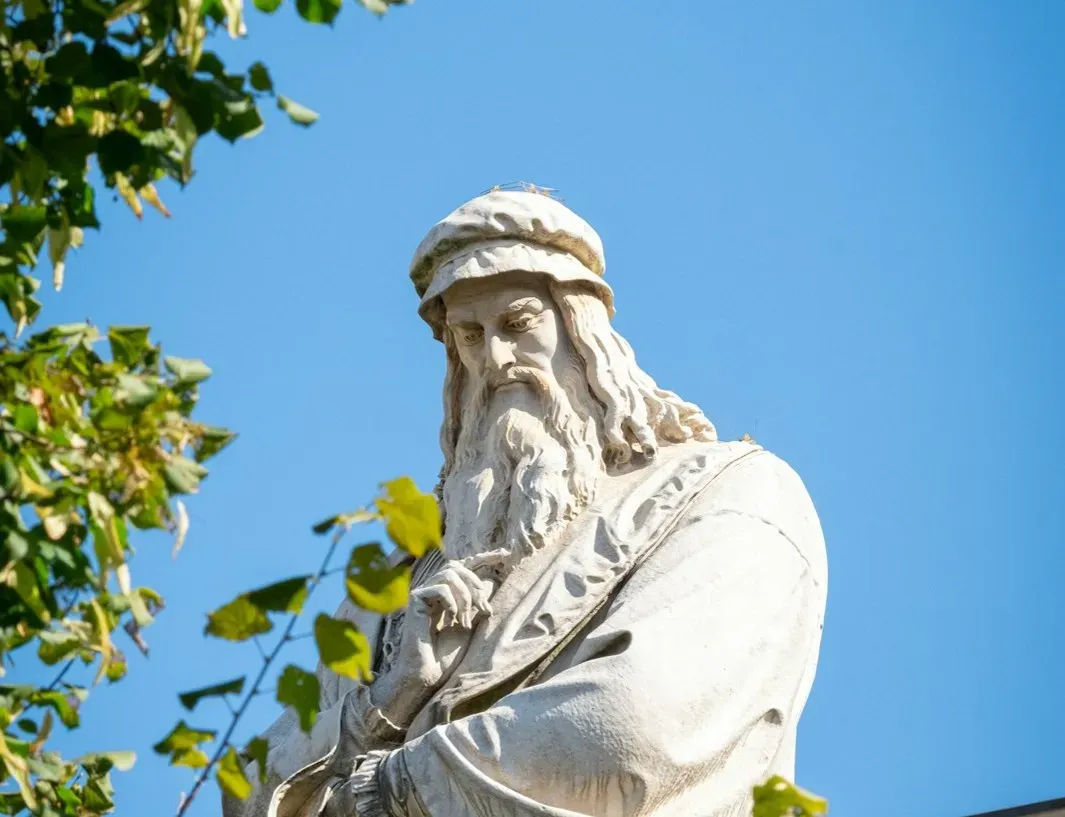
This Renaissance painter had wide-ranging skills and talents, rendering him a polymath. He was an architect, draftsman, engineer, inventor, and sculptor. Because his inventions were centuries ahead of their time, they didn’t come to fruition in his lifetime – but several of his contraptions are reflected in today’s world.
Take Leonardo da Vinci: he sketched flying machines long before humans ever took to the skies. He also designed early concepts for solar power, armored vehicles, hydraulic machines, and a rudimentary robot. In many cases, the technology needed to actually build his inventions simply didn’t exist yet. He was designing for a world that wouldn’t arrive for centuries.
It’s almost surreal. Da Vinci would sit in 15th-century Florence and sketch helicopters. Not fantasy creatures or mythological scenes. Actual functional flying machines, with rotors and control mechanisms. During the Italian Renaissance, scientists like Leonardo da Vinci have been considered among the most recognizable polymaths. Calling him just an artist is like calling Tesla just an electrician.
7. Nicolaus Copernicus – The Quiet Revolutionary Who Moved the Earth
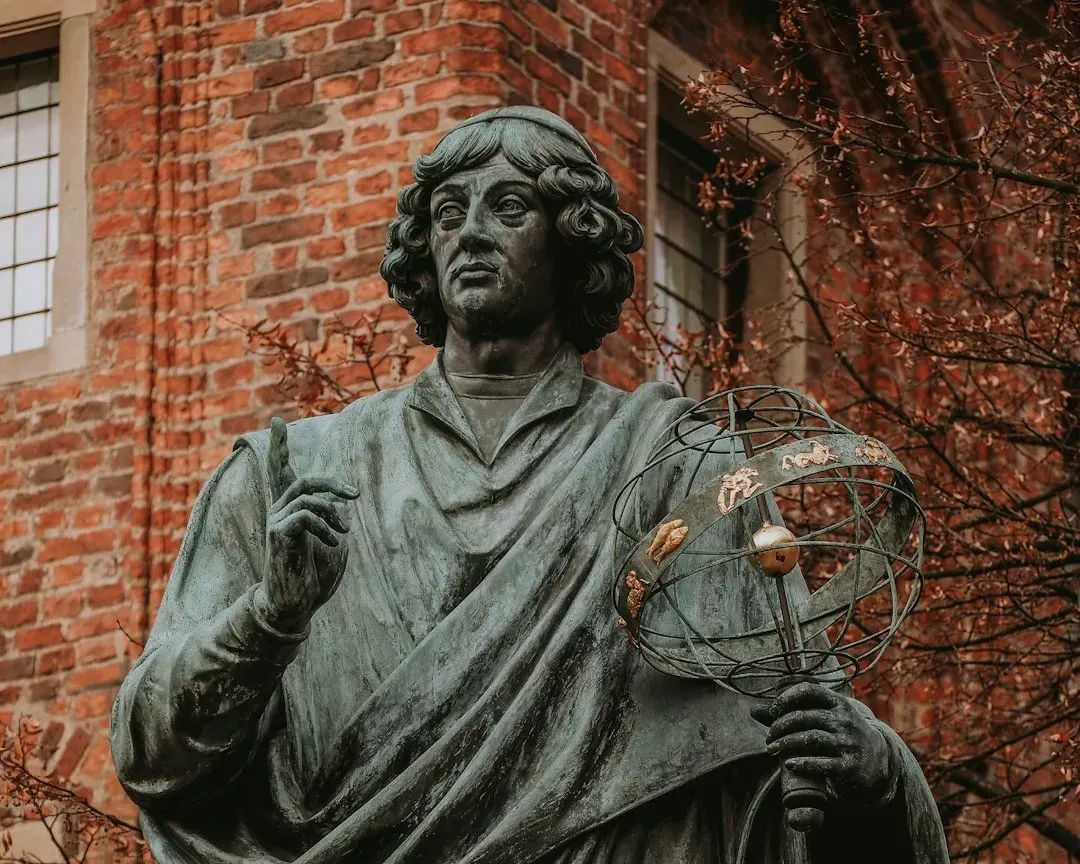
Mathematician and astronomer Nicolaus Copernicus is often credited with proposing the first heliocentric model of the universe. In 1543, he published his great work, “On the Revolutions of the Heavenly Spheres,” which explained his theories, including that day and night was created by the Earth spinning on its axis. Copernican heliocentrism replaced the conventionally accepted Ptolemaic theory, which asserted that the Earth was stationary.
However, the idea that the Earth moved around the Sun was doubted by most of Copernicus’ contemporaries. It contradicted not only empirical observation, due to the absence of an observable stellar parallax, but more significantly at the time, the authority of Aristotle. Challenging Aristotle in the 16th century was not a casual intellectual exercise. It was dangerous.
Copernicus’ work was largely unknown during his lifetime but later gained support. The full implications of his model took decades to ripple through the scientific world. The discoveries of Kepler and Galileo gave the theory credibility. Kepler was an astronomer best known for his laws of planetary motion, and his books later provided one of the foundations for Newton’s theory of universal gravitation. Copernicus lit the fuse; others eventually set off the explosion.
8. Alan Turing – The Genius Who Cracked the Code and Paid a Brutal Price
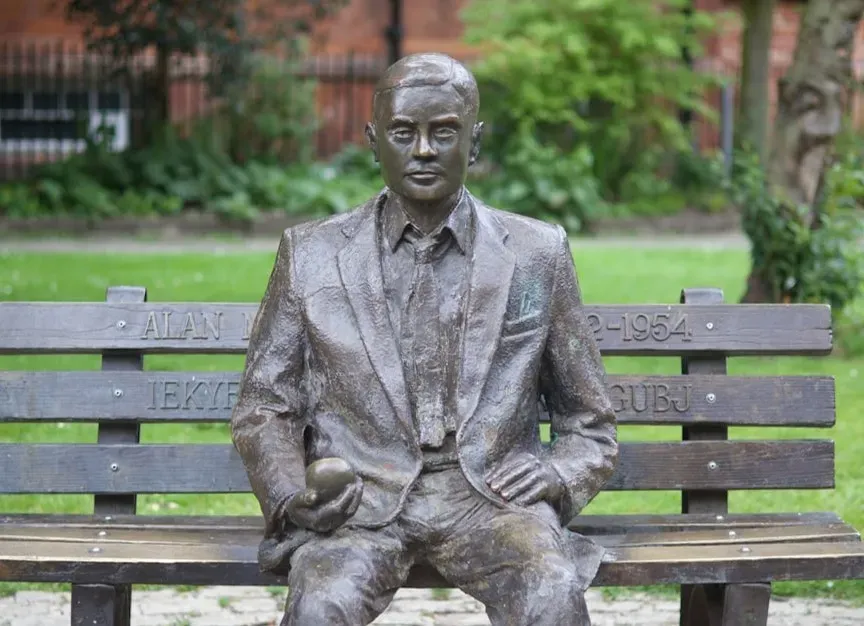
Alan Turing’s work during World War II didn’t just crack the Enigma code; it changed the course of computing forever. His concept of a “universal machine” became the blueprint for modern computers. We are, in a very real sense, living inside the world Alan Turing imagined. Every smartphone, every laptop, every server – all of it descends from his foundational thinking.
Partner offer
Turing’s life was tragically cut short due to persecution for his sexuality, but his contributions to artificial intelligence and cryptography remain vital to today’s technological advancements. Decades later, Turing is recognized as one of the greatest minds of the 20th century. It’s hard to overstate just how brutally unjust his treatment was, given what he gave the world.
Turing essentially invented the concept of software while most people were still figuring out hardware. His 1936 paper on computable numbers, written before electronic computers existed, described the theoretical foundation of every modern computing device. He thought in abstractions that wouldn’t become concrete reality for another generation. That’s the definition of being ahead of your time.
9. Charles Darwin – The Naturalist Who Waited 20 Years to Tell the World
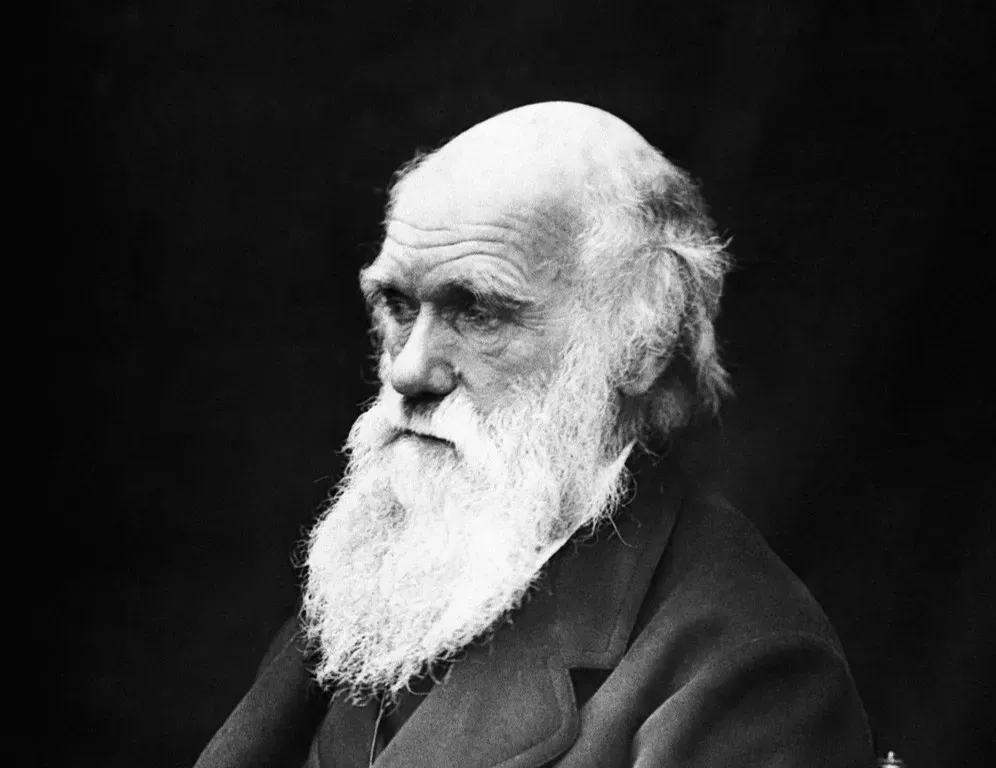
After studying animals in the Galapagos, particularly the finches, naturalist Charles Darwin determined that the birds who all resided on different Galapagos islands were the same or similar species but had distinct characteristics. Darwin noted that the finches from each island had different beaks. These beaks helped the finches forage for their main food source on their specific island. Some had larger beaks for cracking open nuts and seeds, while others had smaller and more narrow beaks for finding insects.
Darwin’s 1859 work, “On the Origin of Species,” introduced the concept of natural selection and explained how species evolve. What’s remarkable is that Darwin actually formulated his theory decades before he published it. He knew what the reaction would be. He waited, gathered more evidence, and braced himself for the storm that inevitably came.
Though the theory of evolution has changed since Darwin published “On the Origin of Species” in 1859, he helped lay the framework for modern scientists. The long-held belief for thousands of years had been that the world and all of its organisms were created by one power. Darwin didn’t just challenge a scientific theory. He challenged the deepest assumptions of Western civilization.
10. Hedy Lamarr – Hollywood Star and Accidental Tech Pioneer

Known as a Hollywood star, Hedy Lamarr was also a brilliant inventor whose ideas helped shape modern communication technology. During World War II, she co-developed a frequency-hopping system designed to prevent enemy interception of torpedo signals. Though the technology wasn’t implemented during the war, her work later became the foundation for Wi-Fi, Bluetooth, and GPS.
Let that land for a moment. One of the most glamorous film stars of her era was simultaneously inventing the foundational technology behind your wireless headphones. She held a patent for a “Secret Communication System” that was so far ahead of its time that the military had no idea what to do with it. The patent expired before anyone could profit from it – including Lamarr herself.
Her story is a perfect example of genius hidden in plain sight. People saw the actress. They missed the engineer. She remains one of the most underrated technological contributors in history, and it’s only in recent decades that she has received even a fraction of the recognition she deserves. There is a lesson in that for all of us.
11. Marie Curie – The Woman Who Rewrote the Rules of Physics
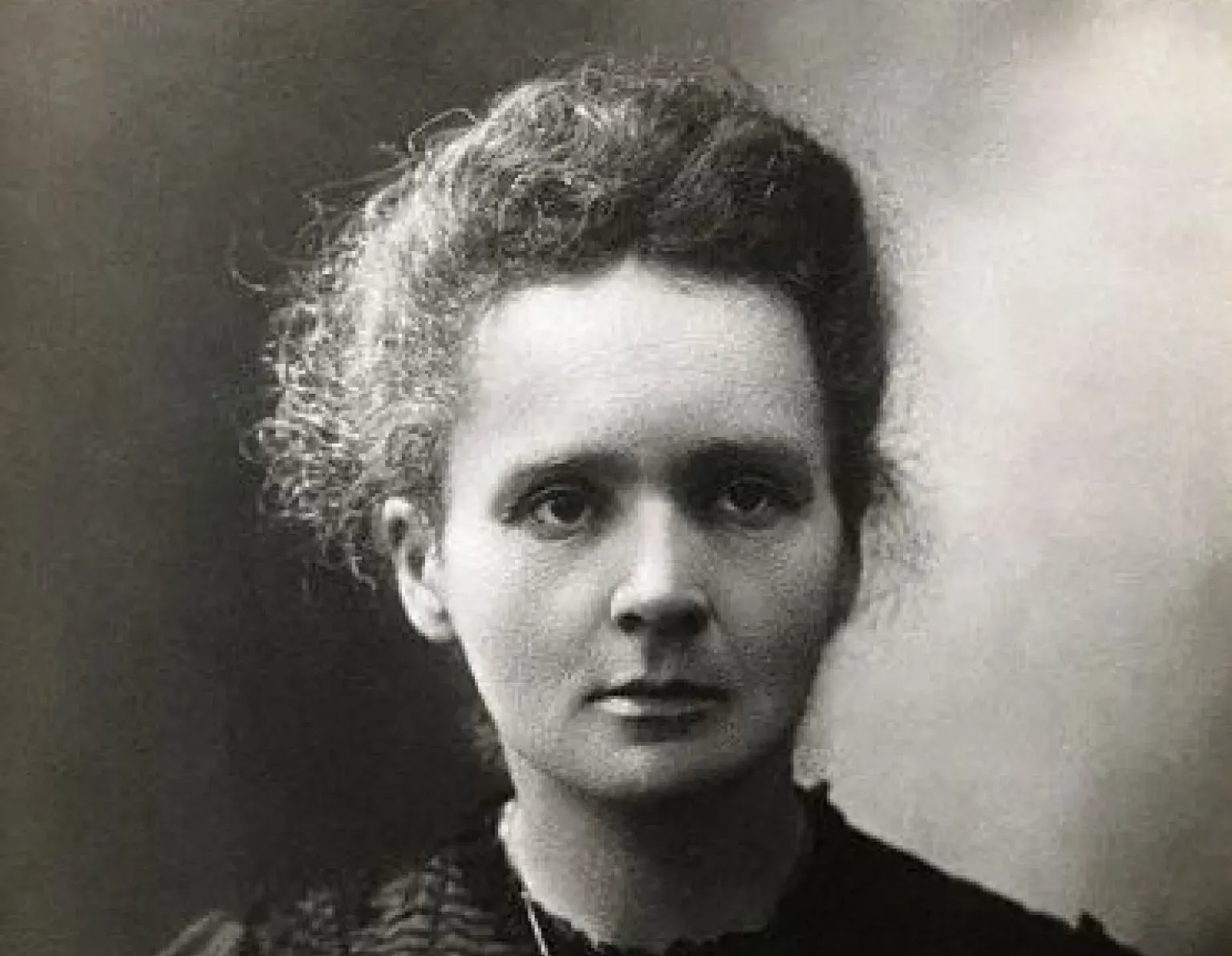
Marie Curie became the first woman to win the Nobel Prize and the first person to win it twice. Her efforts led to the development of nuclear energy and radiotherapy for the treatment of cancer. She accomplished this in an era when women were actively excluded from most scientific institutions across Europe. She didn’t just break barriers; she dissolved them.
Curie pioneered research into radioactivity – a field that barely had a name when she began studying it. She discovered two new elements, polonium and radium, and developed methods for isolating radioactive isotopes. Her work laid the direct foundation for modern cancer treatments, nuclear medicine, and our understanding of atomic structure.
The tragic irony of her story is one history will never let go of. The very radioactive materials she spent her life studying ultimately killed her. In 1922, she was appointed a member of the International Commission on Intellectual Co-operation by the Council of the League of Nations. She campaigned for scientists’ right to patent their discoveries and inventions. She fought for scientific openness right until the end.
12. Archimedes – Ancient Greece’s Greatest Engineering Mind
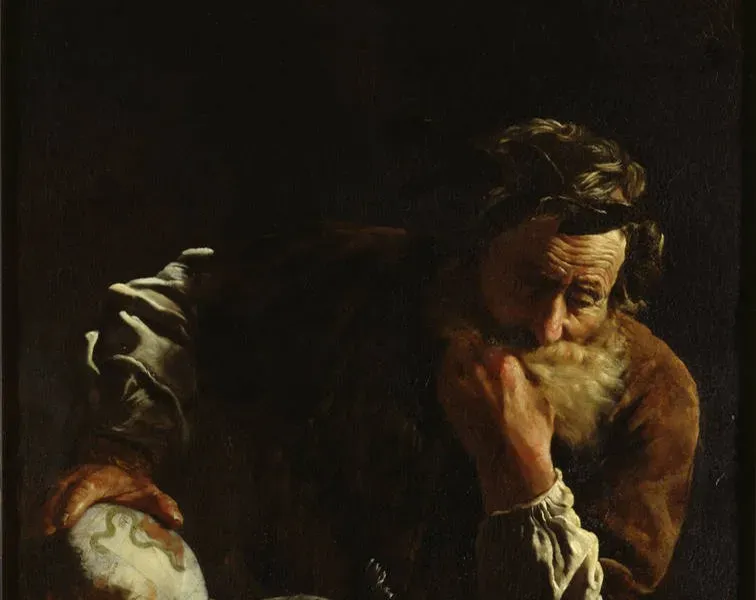
Archimedes is best associated with the discovery of water displacement, known as the Archimedes Principle: when an object is put in water, it pushes water to make room, in an equal amount of volume to the object. That alone would make him one of history’s most significant scientific thinkers. Yet his contributions go far, far deeper than a bathtub moment.
He invented the Archimedes Claw, or “iron hand,” to defend the Sicilian city of Syracuse from naval attack. His “Archimedes Screw” was a type of water pumping system that can still be found in use today. A water pump from the 3rd century BC still in use in 2026. That’s a legacy most modern engineers would envy.
Archimedes essentially laid groundwork in mathematics, physics, and engineering that the world wouldn’t fully build upon for nearly 2,000 years. He calculated an approximation of pi with remarkable accuracy, developed early principles of calculus, and designed war machines that baffled the Roman army. He was, in every measurable sense, operating at a level of intellectual sophistication his contemporaries had no framework to understand.
13. Fibonacci – The Man Who Brought Modern Mathematics to Europe
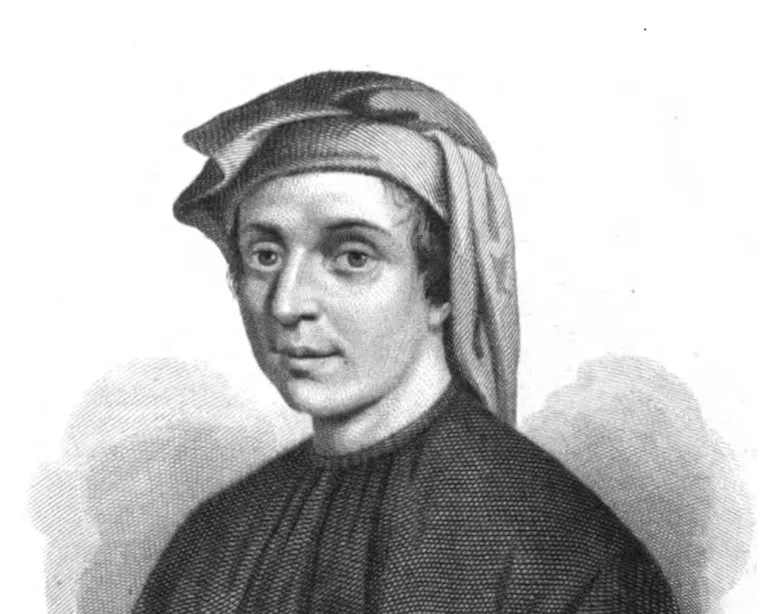
Leonardo Fibonacci is considered the greatest Western mathematician of the Middle Ages. He’s known for his Fibonacci sequence, where the two previous numbers are added together to determine the next number in the sequence. The numerical pattern it creates is found extensively in nature, including in pinecones, honeycombs, flowers, and hurricanes.
What’s not common knowledge is that he’s responsible for introducing the Hindu-Arabic number system to Europe. He learned of the system, which utilized the numbers 0 through 9, when he was educated in Algeria. At the time, Europe used Roman numerals as their system and needed abacuses for calculations. Try doing long division with Roman numerals. Exactly. It’s basically impossible.
While Fibonacci saw the superior utility in the Hindu-Arabic system and the related decimal system, Italians and the Church viewed it with suspicion. Eventually, the Europeans got on board, and it became the method used around the world. Every calculation you’ve ever done on any device in your pocket uses a system Fibonacci fought to introduce to a reluctant continent. He won, eventually.
14. Antonie van Leeuwenhoek – The Man Who Discovered the Invisible World
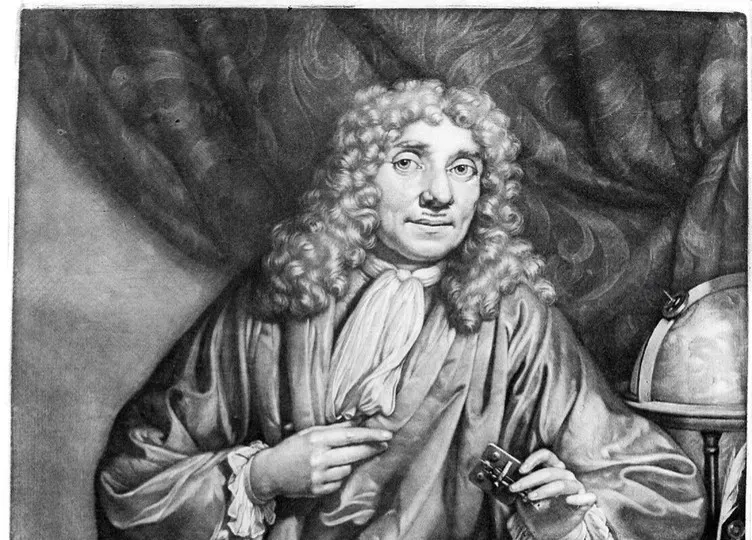
Antonie van Leeuwenhoek’s study of microorganisms is possibly one of the greatest examples of a discovery ahead of its time. He made microscopes that were much better than anyone else’s at the time, and he kept his methods secret, which weren’t properly reverse-engineered until the 1950s. He essentially kept an entire scientific field under personal lock and key for decades.
In the 17th century, Leeuwenhoek ground lenses with unprecedented precision and used them to observe a world no human eye had ever seen. He discovered bacteria, protozoa, blood cells, and spermatozoa. He called them “animalcules.” The scientific establishment was simultaneously fascinated and baffled. They had no conceptual framework to even process what he was showing them.
Consider what his discovery actually meant. By revealing that an invisible microbial world exists all around and inside us, Leeuwenhoek laid the foundational groundwork for germ theory, microbiology, and modern medicine. It took science roughly two more centuries to fully understand the implications of what he saw. Conventional lens-making techniques did eventually catch up, and he was probably a generation or so ahead of everyone else. More like several generations, honestly.
15. Frederick Douglass – The Abolitionist Who Imagined Full Human Equality
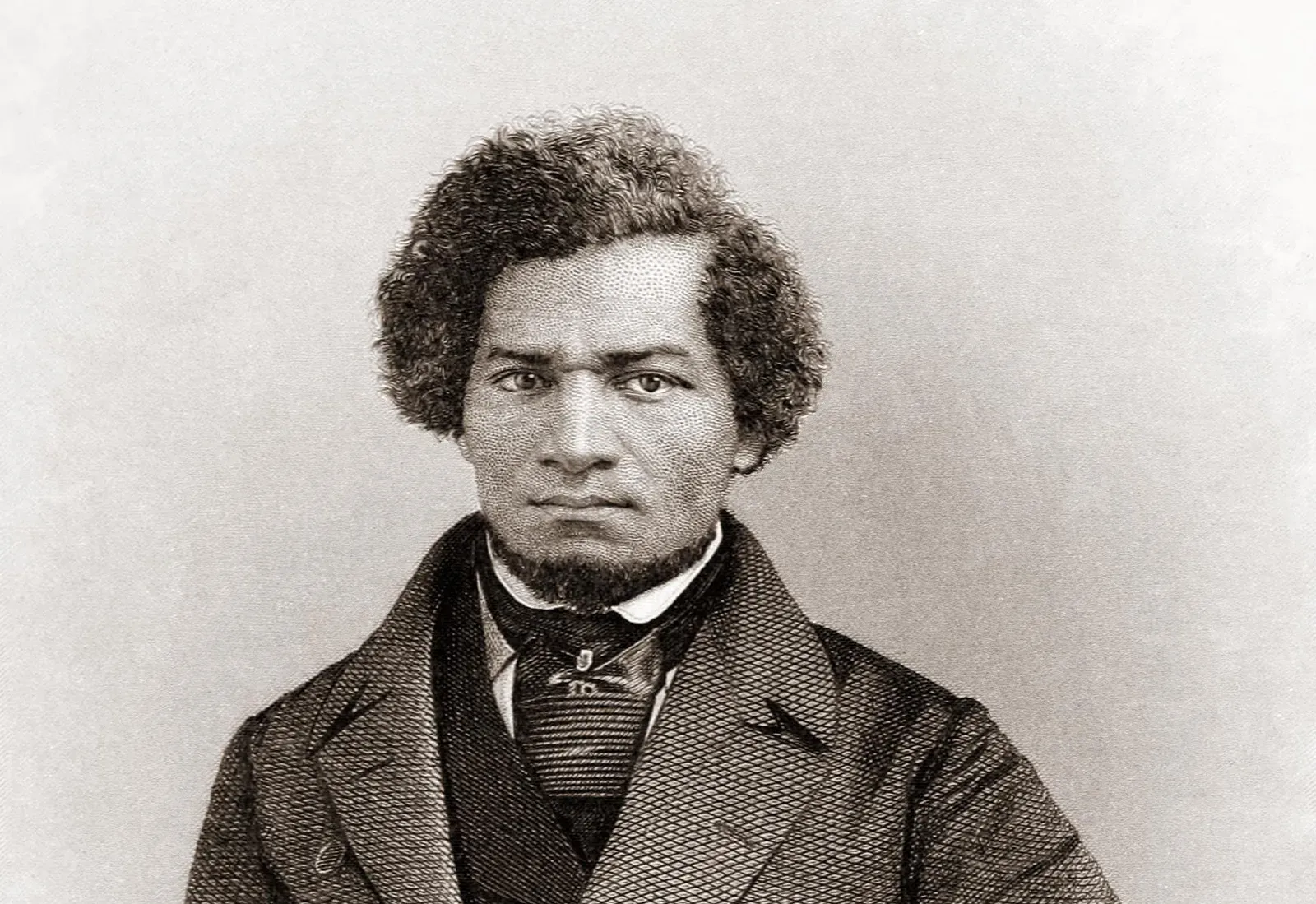
Frederick Douglass’s journey from slavery to statesman is nothing short of extraordinary. His powerful speeches and writings exposed the horrors of slavery while advocating for equality and civil rights. In a nation that had enshrined human bondage into its founding legal documents, Douglass’s vision of full equality for all people was genuinely radical. Terrifyingly so, to the people in power.
What made Douglass even more remarkable was his intersectional advocacy. He supported women’s suffrage alongside abolition, proving his vision for equality transcended race and gender. At a time when most abolitionists focused exclusively on race and most suffragettes focused exclusively on gender, Douglass understood something that took mainstream political thought another century to fully grasp: that justice is indivisible.
Douglass taught himself to read in secret, escaped slavery, and then used the written and spoken word as weapons of moral transformation. His autobiography became one of the most widely read books of the 19th century. He met with presidents. He argued for human dignity at a time when the very idea was considered dangerous. The world he fought for is still, in many ways, a work in progress. That might be his most sobering legacy of all.
A Final Thought
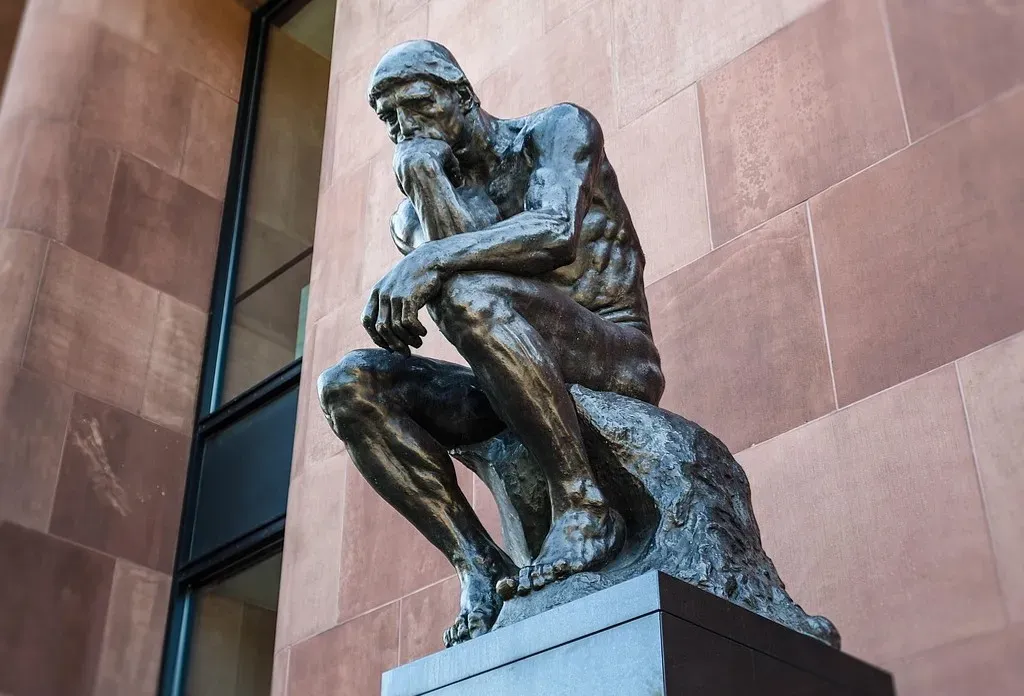
What unites every single person in this gallery is something both simple and profound. They saw something true before the world was ready to accept it. Some paid with their careers. Some with their freedom. Some, like Semmelweis and Curie, paid with their lives.
The real question worth sitting with is this: how many visionaries are alive right now, dismissed and ignored, whose ideas will reshape the world a century from now? History keeps asking that question. It rarely gets a comfortable answer.
What do you think – which of these figures surprised you most? Drop your thoughts in the comments.
Partner offer
Planning a trip to Vegas?
Compare hotel rates and show tickets on VEGAS.com.