
There is a quiet kind of condescension that hangs over the phrase “beach read.” It implies something disposable. A book you pick up, burn through, and forget somewhere in the sand. It gets tossed into the same mental bin as fast food or reality TV – entertaining, sure, but hardly nourishing.
Here’s the thing, though. The books millions of people carry to the shore every summer are doing something far more complex than they get credit for. They’re reshaping brains, building empathy, sparking social conversations, and outselling everything else on the market. Don’t let the pastel covers fool you. Let’s dive in.
The Market Has Already Spoken – Loudly

If you still think beach reads are a niche category for lazy afternoons, consider this: despite grumbles that no one reads anymore, Circana BookScan data shows book sales are up, with more than 797 million print books sold in the U.S. last year, up two percent from 2023 and fourteen percent from 2019. Those are staggering numbers. The so-called “guilty pleasure” genre is, financially speaking, anything but guilty.
The contemporary women’s fiction category ended 2024 with a nearly thirty percent increase in sales over 2019 numbers, according to analyst Kristen McLean. That’s not a blip. That’s a structural shift in how people read and what they’re choosing. Popularity at that scale deserves serious attention, not a dismissive eye-roll.
Romance Isn’t Fluff – It’s the Industry’s Engine
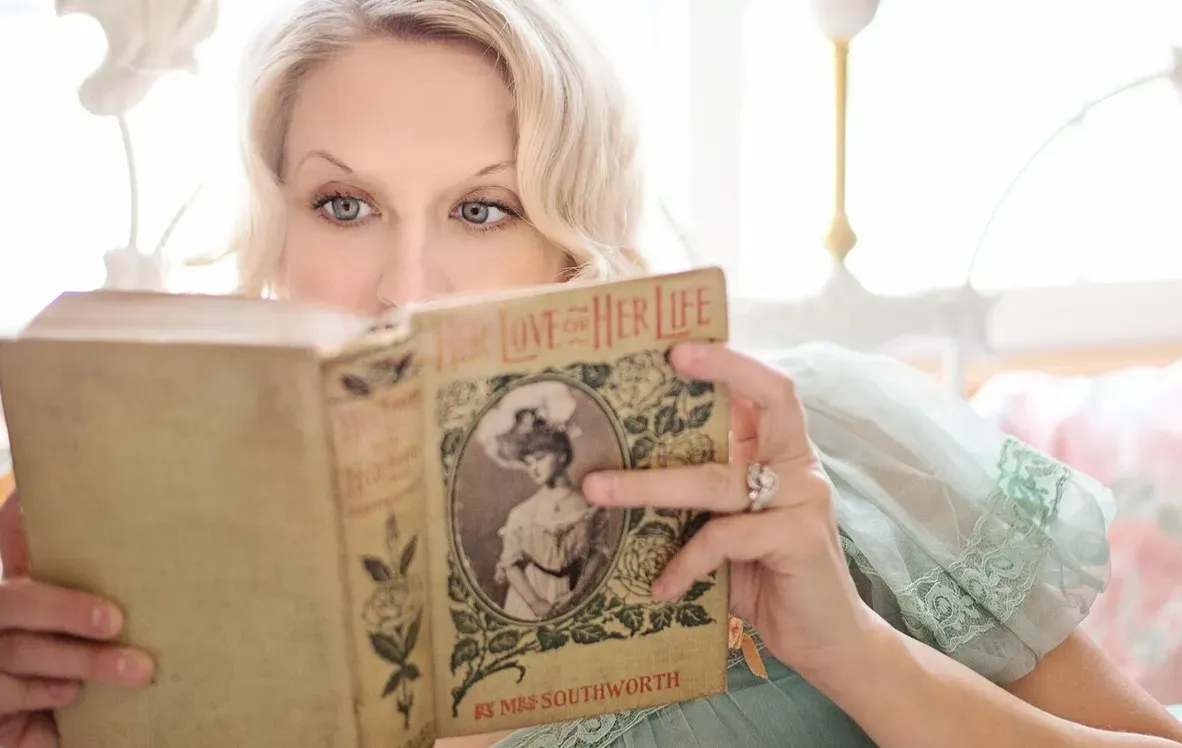
Romance novels represent roughly a third of all fiction sales in the United States, making them among the most popular books for entertainment. That dominance is not accidental. Romance accounts for almost one in five adult fiction books sold in the U.S. annually, and popular tropes like enemies-to-lovers and second-chance romance often cycle in and out, but the demand remains constant.
I think the critical snobbishness around romance often comes from people who haven’t actually read one in a decade, if ever. Modern romance novels explore grief, identity, mental health, trauma recovery, and female autonomy in ways that feel genuinely urgent. Authors like Emily Henry, Taylor Jenkins Reid, and Christina Lauren consistently deliver feel-good stories with compelling romantic tension, and their novels often feature relatable characters navigating modern dating, career challenges, and personal growth.
Emily Henry and the Art of the Deceptively Deep Novel

Books like Great Big Beautiful Life by Emily Henry and Atmosphere by Taylor Jenkins Reid topped bestseller lists in 2025. On the surface, both look like summer escapism. Open them up, however, and something more demanding is going on. In Great Big Beautiful Life, two rival writers compete to tell the untold life of a vanished heiress, with the story involving sparkling banter, mystery threads, and big-heart romance that makes it a delicious tale about who gets to tell a woman’s story.
That last layer – who controls narrative, who owns a woman’s biography – is not a light theme. It sits at the intersection of media ethics and gender politics. Emily Henry builds it into a beach read so smoothly that readers almost don’t notice they’re thinking hard. Almost.
Taylor Jenkins Reid Goes to Space (and Gets Philosophical)
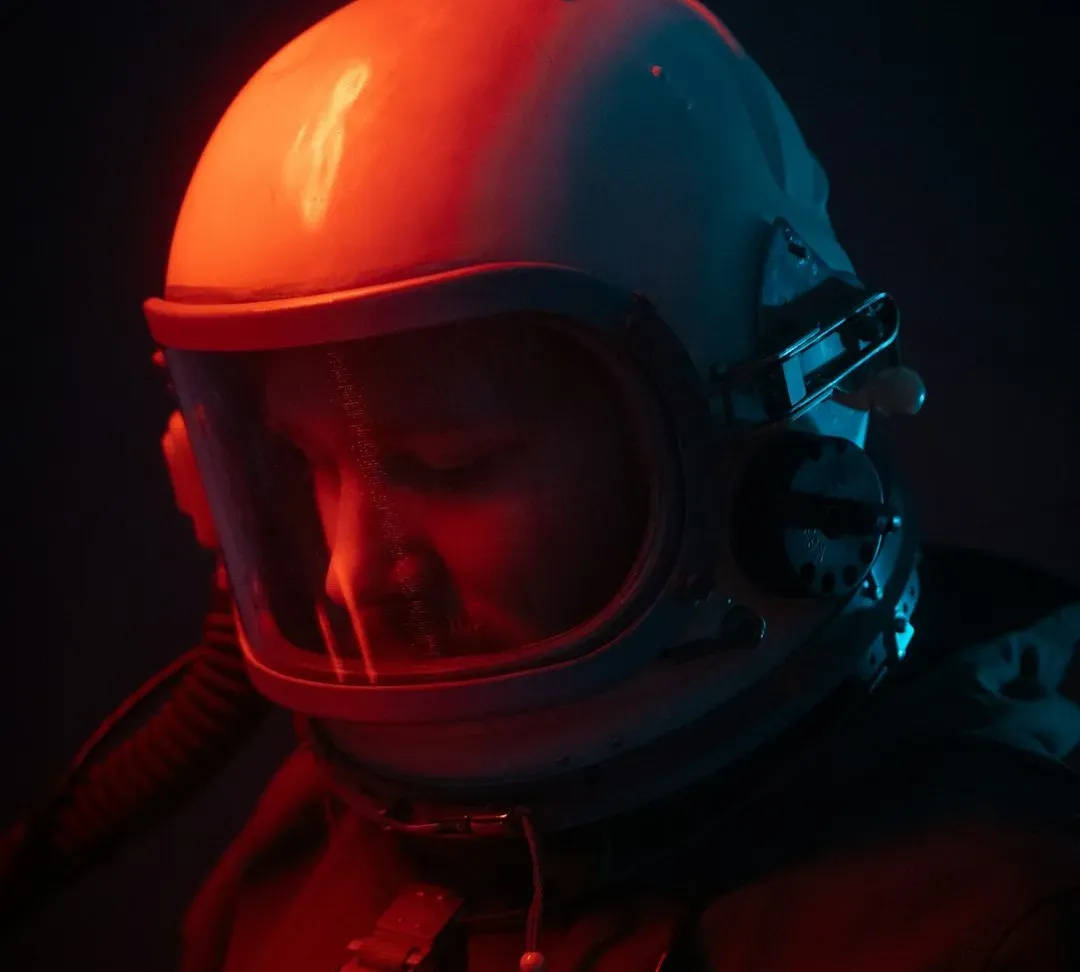
Fans of Taylor Jenkins Reid agree that Atmosphere is one of her best books yet, offering a thrilling fictional portrayal of NASA’s space shuttle program in the 1980s. The novel is immediately complex, compelling, and high-stakes, with themes including sexism in the workplace, LGBTQ relationships, and found family. That’s a remarkably dense emotional and political menu for something you read under an umbrella.
Taylor Jenkins Reid heads to NASA in the 1980s with Joan Goodwin, a thoughtful physics professor who trades campus life for astronaut training when NASA invites women scientists to the shuttle program. In Houston, she finds fierce friends, a once-in-a-lifetime love, and a purpose that pulls harder than gravity, with the countdown building toward a 1984 mission that tests everything. For a book labeled “summer fiction,” it carries remarkable weight.
The God of the Woods and the Literary Thriller’s Secret Power

Liz Moore’s widely praised 2024 book The God of the Woods leans into eerie effect. Set in 1975 at a camp in the Adirondacks, turmoil and dark history are unleashed when the thirteen-year-old daughter of the camp owner and local family dynasty goes missing from her bunk. The premise sounds like a pulpy thriller. The execution is anything but.
The God of the Woods follows the mysterious disappearance of thirteen-year-old Barbara Van Laar from her family’s summer camp, years after her brother also went missing. As a young investigator seeks the truth amid family dysfunction and abuse, the book masterfully combines a gripping mystery with deep emotional drama, making it both thrilling and heartfelt. It’s the kind of book that lingers long after the vacation is over. Honestly, that’s the mark of real literary impact – not just which shelf it sits on in a bookshop.
What Science Says About Reading “Easy” Fiction

Here’s where it gets genuinely surprising. Researchers found that deeply immersing ourselves in fictional worlds, talking about books with others, and reflecting on stories can improve mood, wellbeing, and lower distress. That applies whether you’re reading Dostoevsky or a sunny rom-com. The brain does not distinguish by prestige.
Research at the University of Sussex shows that reading is the most effective way to overcome stress, beating out other methods like listening to music or taking a walk. Within six minutes of silent reading, participants’ heart rates slowed and tension in their muscles eased significantly. Psychologists believe reading works so well because the mind’s concentration creates a distraction that eases the body’s stress. Six minutes. That’s less than a single chapter. The beach read is, in a very clinical sense, medicinal.
Empathy Grows on Every Page
When readers are emotionally transported into the fictional story they are reading, they develop higher levels of empathy – and non-fiction reading material does not have the same effect. This is a finding that deserves more attention than it gets. Popular fiction, including beach reads built on emotional storytelling and character-driven conflict, may be doing empathy-building work that we’re undervaluing.
A survey in conjunction with the University of Liverpool of over four thousand participants found that reading offers powerful benefits, serving as a top method for reducing stress. Participants also reported that reading encouraged personal growth and boosted empathy, with nearly two-thirds of readers having a better understanding of others’ feelings. Think about that the next time someone judges you for reading a romance novel at the airport.
Reading fiction supports social and emotional development by providing personal, interpersonal, and social-cognitive learning opportunities. It doesn’t matter if the fiction comes with a foil cover or a Booker Prize nomination.
BookTok Changed Everything – And That’s Actually Fine
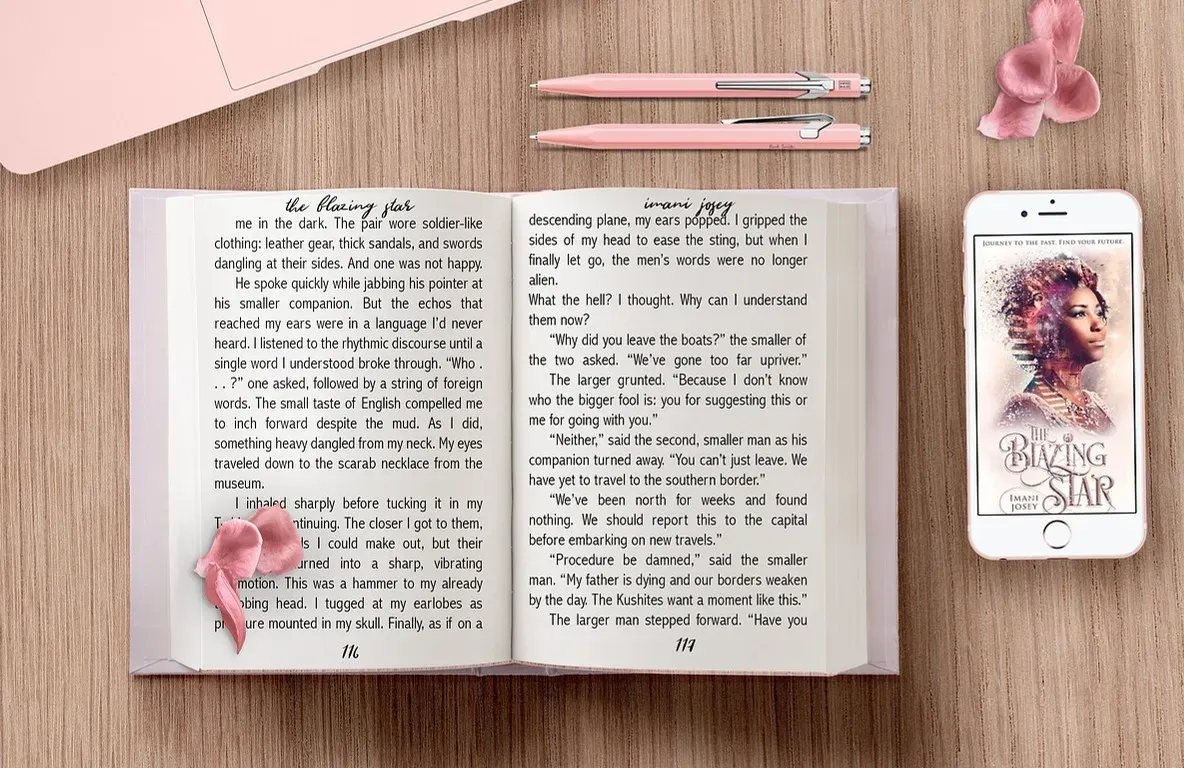
Adult fiction was a primary driver of growth in 2024, with unit sales rising by almost five percent. Romance and fantasy, particularly the “romantasy” subgenre, were key contributors to this success, fueled by platforms like BookTok. Social media, for all its noise and chaos, has genuinely gotten people reading again. That feels like a win worth celebrating.
The sales of romantasy books are significantly driven by younger readers, with roughly two-thirds of titles bought by readers aged thirteen to thirty-four in the UK in 2024. A whole generation is rediscovering reading through genre fiction. Sixteen out of eighteen territories analyzed in a 2024 NielsenIQ international book markets report reported significant revenue growth in fiction, with countries like India, Mexico, and Brazil showing double-digit increases. Beach reads aren’t just an American phenomenon – they’re a global force.
The Brain on a Good Story
A study from Emory University revealed something fascinating: reading a novel leads to long-term changes in brain connectivity. The researchers found that after reading fiction, neural activity increased in regions linked to language comprehension and sensory experiences. Your brain essentially rehearses reality through story. Think of it like a flight simulator – the novel is the practice run.
Two researchers from Washington University in St. Louis scanned the brains of fiction readers and discovered that their test subjects created intense, graphic mental simulations of the sights, sounds, movements, and tastes they encountered in the narrative. In essence, their brains reacted as if they were actually living the events they were reading about. A beach read, in this light, isn’t passive entertainment. It’s immersive, active, neurologically rich experience. The sand and the sun just make the setting better.
The Real Snobbishness Problem

In recent years, as celebrity-led book clubs have proliferated and TikTok has driven demand, a select group of authors – including Taylor Jenkins Reid, Colleen Hoover, Emily Henry, and Kristin Hannah – have become the North Stars of the industry. They’re not just popular writers; they’re brands, known entities with whom fans feel a deep connection. That kind of reader loyalty is earned, not manufactured.
It’s hard to say for sure why literary gatekeeping persists the way it does. Maybe it’s about identity – reading “serious” books signals something about who we are. Still, the evidence increasingly points in one direction. Frequent reading is linked to a lower risk of dementia and cognitive decline, and in a twelve-year study, researchers found evidence that reading books can help you live longer, with results showing a roughly twenty percent reduction in risk of death over the twelve years following the study when compared to non-book readers. The beach read you devour in a weekend might be one of the healthiest things you do all summer. What would you have guessed?