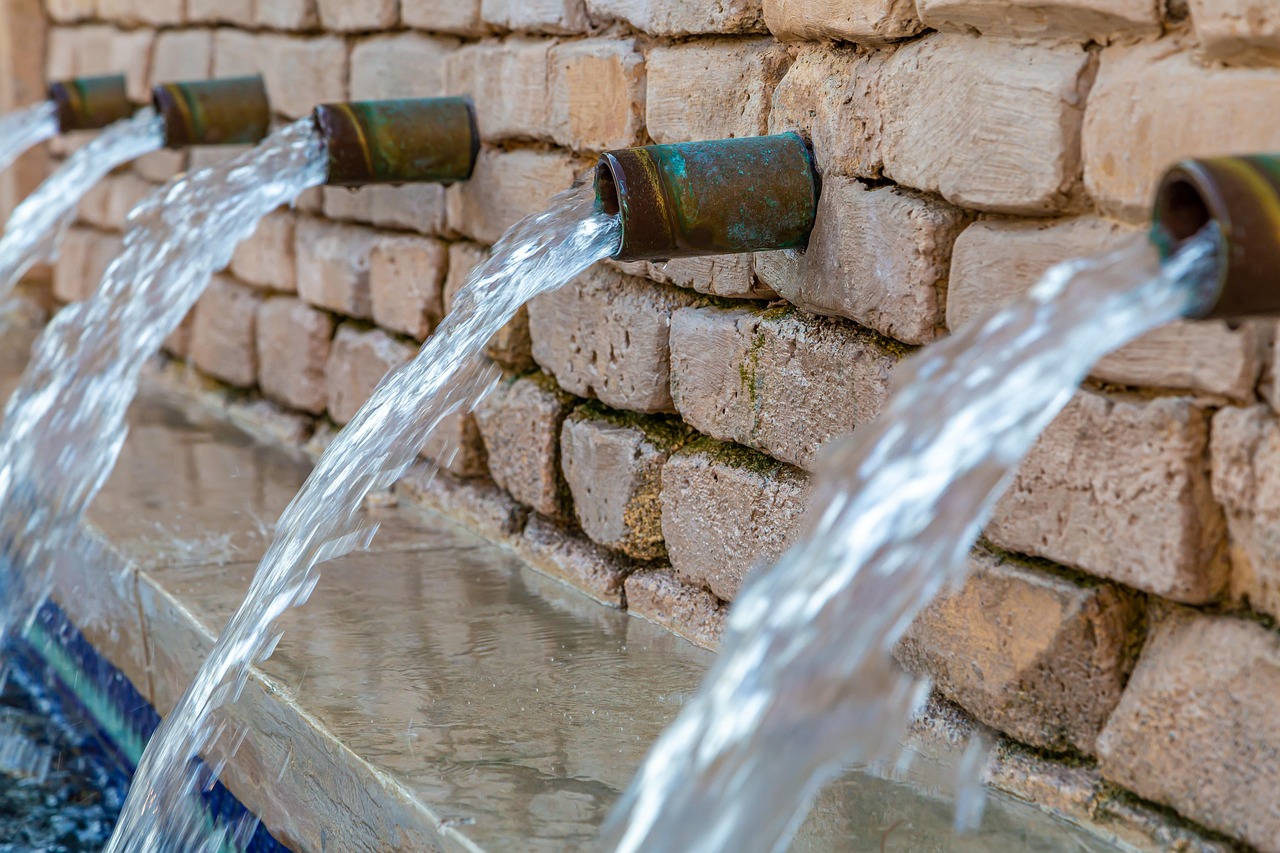
A Letter Ignites Public Doubt (Image Credits: Pixabay)
Las Vegas – Residents voiced sharp skepticism over the city’s water future as federal deadlines for Colorado River management passed without agreement, prompting accusations that officials downplay persistent drought risks.[1][2]
A Letter Ignites Public Doubt
Jack Oliver, a Las Vegas resident, penned a pointed letter to the Review-Journal that mocked official reassurances. He listed supposed fixes like grass removal, endless state meetings without action, and unchecked building permits as proof that leaders saw no crisis.[1]
Oliver concluded that true alarm from authorities would signal real trouble. His words reflected broader unease in a city dependent on Lake Mead, where water levels have plunged 160 feet since 2000. Yet Southern Nevada Water Authority officials countered with data on their preparations.
Shortage Tiers Persist at Lake Mead
The U.S. Bureau of Reclamation maintained a Tier 1 shortage through 2026, trimming Nevada’s allocation by 21,000 acre-feet yearly. Lake Mead stood projected between 1,050 and 1,075 feet by January 1, 2026 – low enough to enforce cuts but not yet catastrophic.
Nevada consumed just 212,400 acre-feet in 2024, well under limits. Still, prolonged drought and meager snowpack amplified strains on the river that supplies 40 million people across seven states.[2]
Federal rules from 2007 and 2019 slowed declines, but they expire at year’s end, leaving uncertainty.
Partner offer
Conservation Measures Prove Effective
Southern Nevada slashed per capita use 55 percent since 2002, even as population swelled by 829,000. Outdoor waste, which claims 60 percent of supply, faced mandatory restrictions and rebates for drought-tolerant landscapes.
The authority banked over 2.2 million acre-feet – 11 times 2024 usage – and installed low-level intakes at Lake Mead. Contributions totaled 233,000 acre-feet toward reservoir protection by 2024, part of a 3 million acre-foot pledge through 2026.
- Water Smart Landscapes rebates for grass replacement
- Water waste reporting hotlines
- Seasonal outdoor use limits
- Third intake gallery and pumping station
- Recoverable shortage credits above 1,110 feet
River Negotiations Stall, Frustrations Mount
Lower Basin states, including Nevada, offered cuts of 17 percent from their shares, but Upper Basin counterparts rejected mandatory reductions. John Entsminger, SNWA general manager, lamented years of “tired rhetoric” with “almost no headway.”[2][4]
“The seven Colorado River Basin states have failed to reach an agreement,” Entsminger said, vowing to fight for Nevada’s supply if needed.[2] Lower Basin governors, including Nevada’s Joe Lombardo, urged shared responsibility.[5]
Without consensus, the Bureau of Reclamation may impose cuts by late 2027, potentially steeper for downstream users like Las Vegas.
Key Takeaways
- SNWA’s banking and infrastructure buffer near-term risks.
- Tier 1 shortages continue, but usage stays below caps.
- Post-2026 rules hinge on stalled talks or litigation.
Las Vegas demonstrated resilience through conservation, yet the letter’s sarcasm underscored a vital truth: unchecked growth and stalled pacts could test even robust plans. Officials prepared a “sizable water savings account,” but public trust demands transparent action.[4] What do you think about the city’s water strategy? Tell us in the comments.
Partner offer
Planning a trip to Vegas?
Compare hotel rates and show tickets on VEGAS.com.