
Pilot Exposes Thousands of Violations (Image Credits: Unsplash)
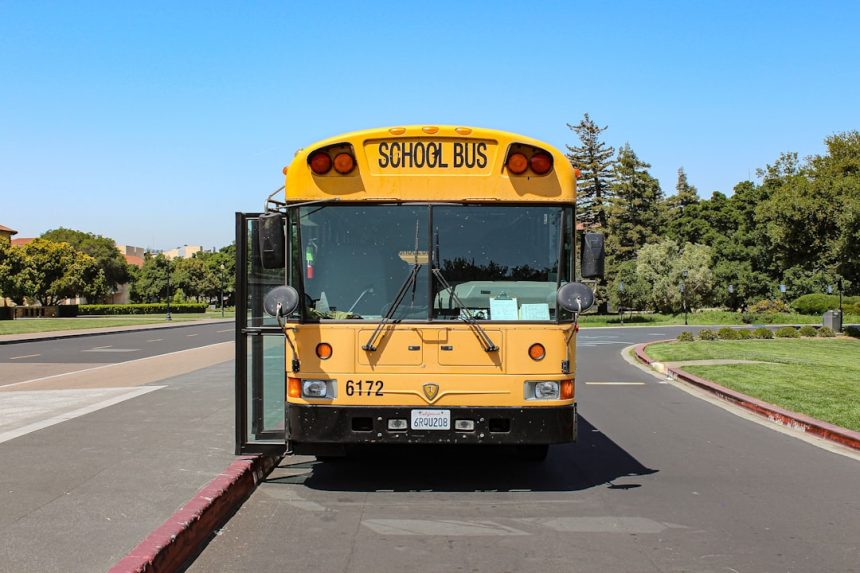
Las Vegas — The Clark County School District moved ahead with plans for stop-arm cameras on its school buses, projecting substantial revenue while addressing persistent safety risks to students.[1][2]
Pilot Exposes Thousands of Violations
A trial run last school year highlighted the scale of the problem. From January 13 to May 23, 2025, cameras on 30 buses captured 11,079 instances of drivers illegally passing stopped vehicles.[3][4] That figure averaged more than five violations per bus each day.
Officials shared the footage with policymakers, contributing to the passage of Assembly Bill 527. The legislation authorized automated enforcement across Nevada, making it the 29th state with such measures.[3] District leaders viewed the data as evidence of a pressing child safety issue, far exceeding rates in other regions.
- 11,079 total violations recorded
- 30 buses equipped
- 5.6 average daily passings per bus
- Five-month pilot period
Ambitious Revenue Forecast Drives Vendor Competition
District estimates pegged initial annual revenue at $40 million from fines starting at $250 for first offenses. Planners calculated this based on roughly 160,000 citations, drawing from pilot violation rates.[1] Funds would cover vendor costs, transportation upgrades, safety efforts, and enforcement personnel.
Two companies vied for the contract: BusPatrol, which ran the pilot, and Verra Mobility. BusPatrol offered 60% of revenue to the district while handling law enforcement review expenses. Verra Mobility proposed a higher 75% share, leading evaluators to recommend it despite a protest from its rival.[1]
| Vendor | Revenue Share to CCSD | Key Proposal Detail |
|---|---|---|
| BusPatrol | 60% | Covers enforcement review costs |
| Verra Mobility | 75% | Higher financial return |
Critics Label Initiative a Revenue Grab
Opponents questioned the program’s priorities. Jay Beeber of the National Motorists Association described it as a “cash grab,” arguing vendors and districts eyed fines over genuine safety needs.[1] Clark County Sheriff Kevin McMahill refused to allocate resources, citing jurisdictional limits for school police beyond district property.
Concerns echoed issues from other programs, including erroneous tickets and inadequate appeal processes. In Florida, similar efforts faced suspension and lawsuits over inaccuracies, such as citations issued across road medians.[1] The district planned a 30-day public awareness period before issuing tickets and anticipated hiring officers funded by fines.
Safety Data Underpins District Push
Superintendent Jhone Ebert emphasized protection for students. “We want to make sure that our kids and families and everyone is safe,” she stated.[1] Buses logged 62,000 stops daily across Clark County, amplifying risks during loading and unloading.[4]
Federal data showed rare but severe consequences. Over five years, passing vehicles killed nine children nationwide near buses, though last year’s six fatalities involved buses directly.[1] No camera-based citations had issued yet this year, compared to 64 manual ones.
Key Takeaways
- Pilot confirmed high violation rates, supporting new state law.
- $40 million projection tied to 160,000 fines at $250 each.
- Program requires awareness campaign and officer reviews.
The initiative represented a calculated response to documented dangers, tempered by enforcement challenges. Its long-term impact hinged on balancing deterrence with fairness. What do you think of CCSD’s approach? Share your views in the comments.