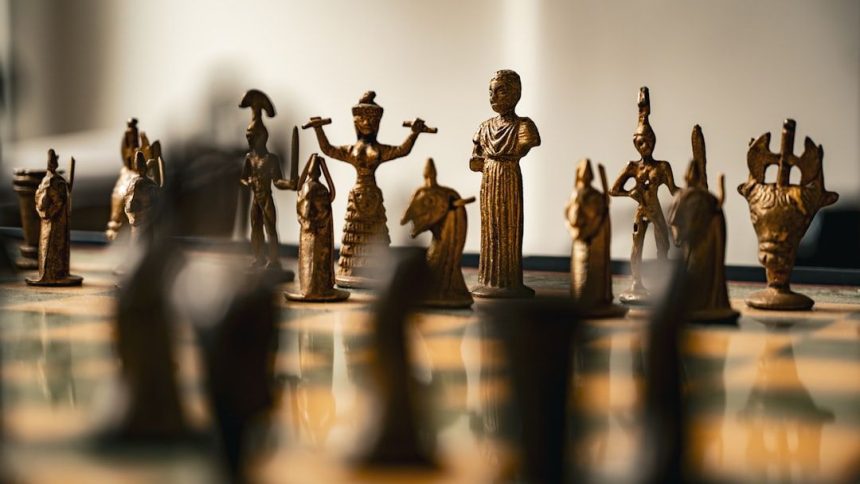
There is something genuinely mind-bending about sitting down at a table and playing a game that someone, thousands of years ago, played in a candlelit room, or under the open Egyptian sky. These are not museum exhibits behind glass. They are living, breathing games that still deliver real excitement, real strategy, and real fun – today, in 2026, just as they did millennia ago.
Spanning over 5,000 years, ancient board games like the Game of Ur, Senet, Mancala, Mahjong, and Chess have been played across civilizations and have somehow refused to disappear. Honestly, that says more about human nature than almost anything else. We love competition. We love a good puzzle. We always have. Let’s dive in.
1. Senet – The Pharaoh’s Favorite
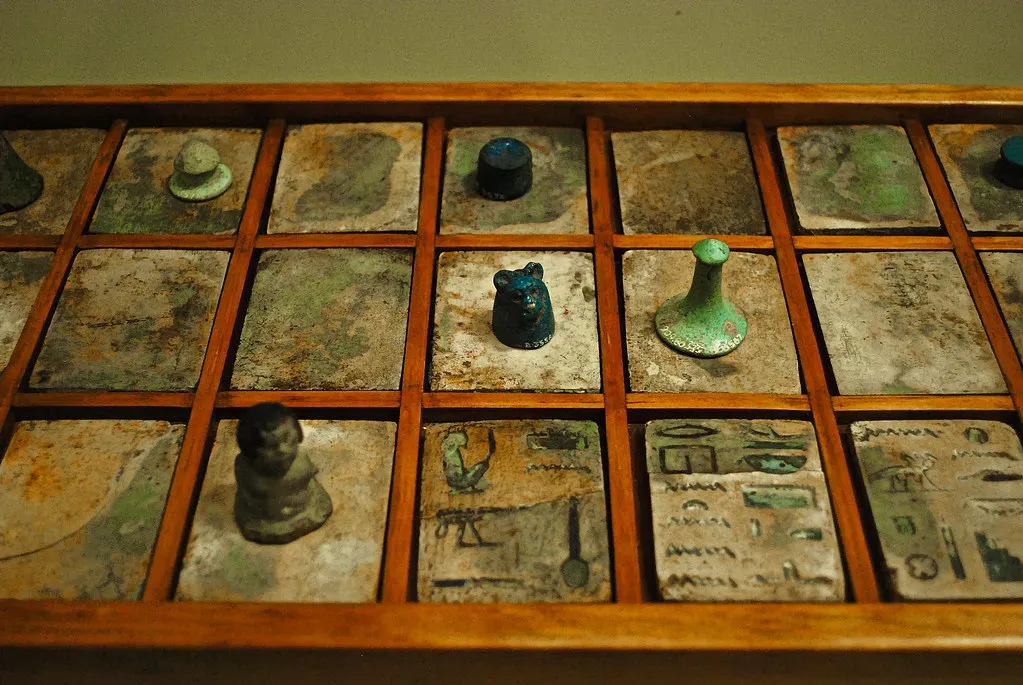
If you want to start at the very beginning, Senet is your game. The oldest board game we know about is Senet, which appeared in ancient Egypt approximately 5,000 years ago and is believed to take players on a symbolic journey through the afterlife. Think about that. People were playing a board game while the pyramids were being constructed.
Senet is one of the more well-known ancient Egyptian games, with four sets of the game being found buried alongside Tutankhamun. That alone tells you how much the pharaohs valued it. Originally a “pastime with no religious significance,” Senet evolved into a simulation of the netherworld, with its squares depicting major divinities and events in the afterlife.
Senet, which means “passing,” involves racing pawns to the end of the board while avoiding obstacles. Given how long the game was played, there were probably multiple versions with various rules, and you can buy a reproduction set today and play it based on rules reconstructed from ancient texts. So yes, it is still playable. Still fascinating. Still worth trying.
2. The Royal Game of Ur – Older Than Writing Itself
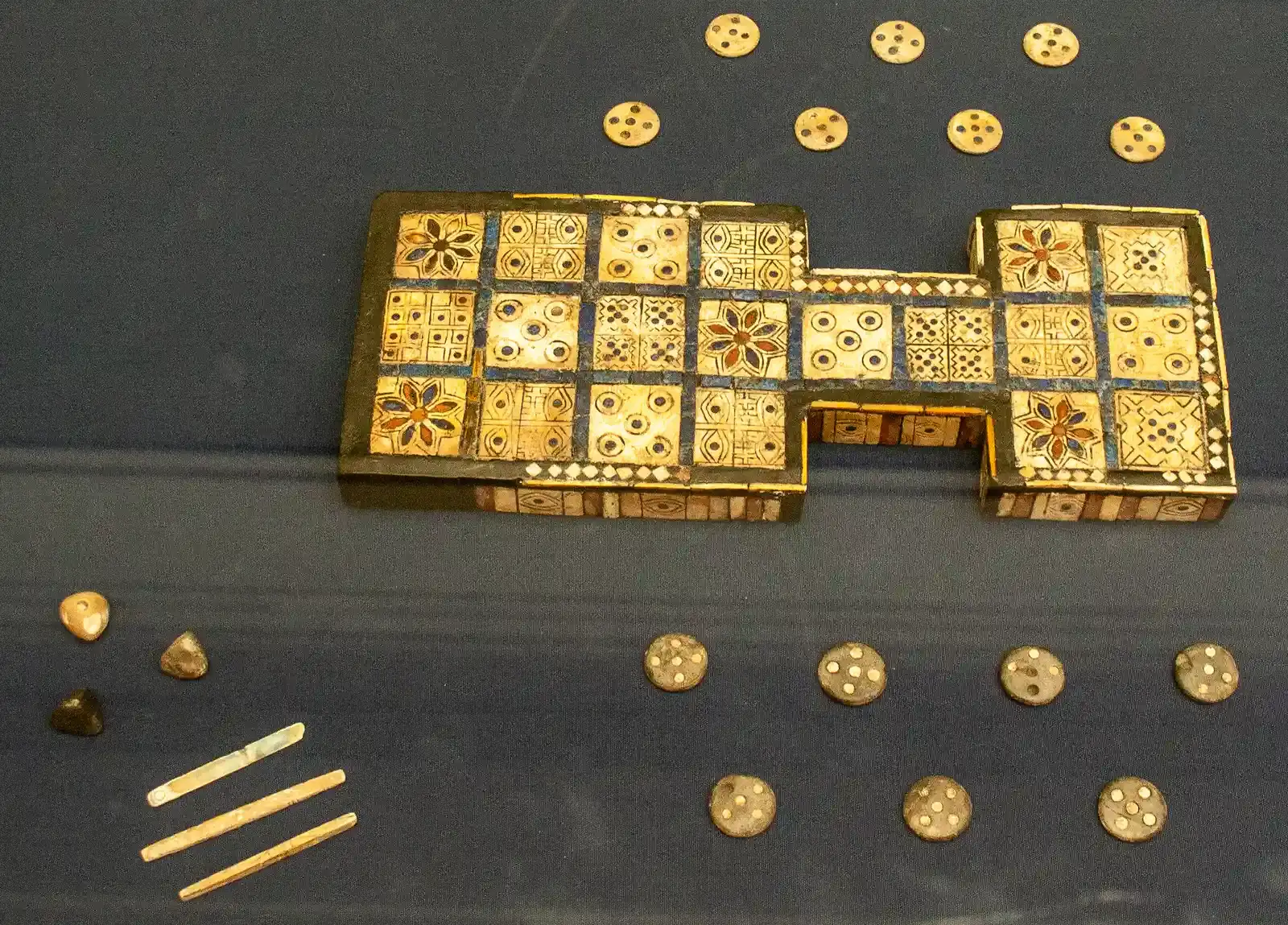
The Royal Game of Ur is the oldest playable board game in the world, originating around 4,600 years ago in ancient Mesopotamia. To put that in perspective, it predates the Roman Empire by roughly 2,000 years. I find that almost impossible to wrap my head around.
Two game boards were found by British archaeologist Sir Charles Leonard Woolley in 1920 while he was excavating the Royal Tombs of Ur, and the boards were dated to around 2600 BCE. The game’s rules were written on a cuneiform tablet by a Babylonian astronomer in 177 BC, and from this, curator Irving Finkel was able to decipher the rules – two players compete to race their pieces from one end of the board to the other.
Dating from about 3,500 years ago, Ur is a strategy game that is a bit like backgammon, and it continued to be played until the Middle Ages when it fell into obscurity. Interestingly, there was one place where it remained popular – the city of Kochi in India, whose Jewish population carried on playing Ur into the 1950s until they emigrated to Israel. A game that survived that long deserves your attention.
3. Go – The Most Complex Game Ever Devised
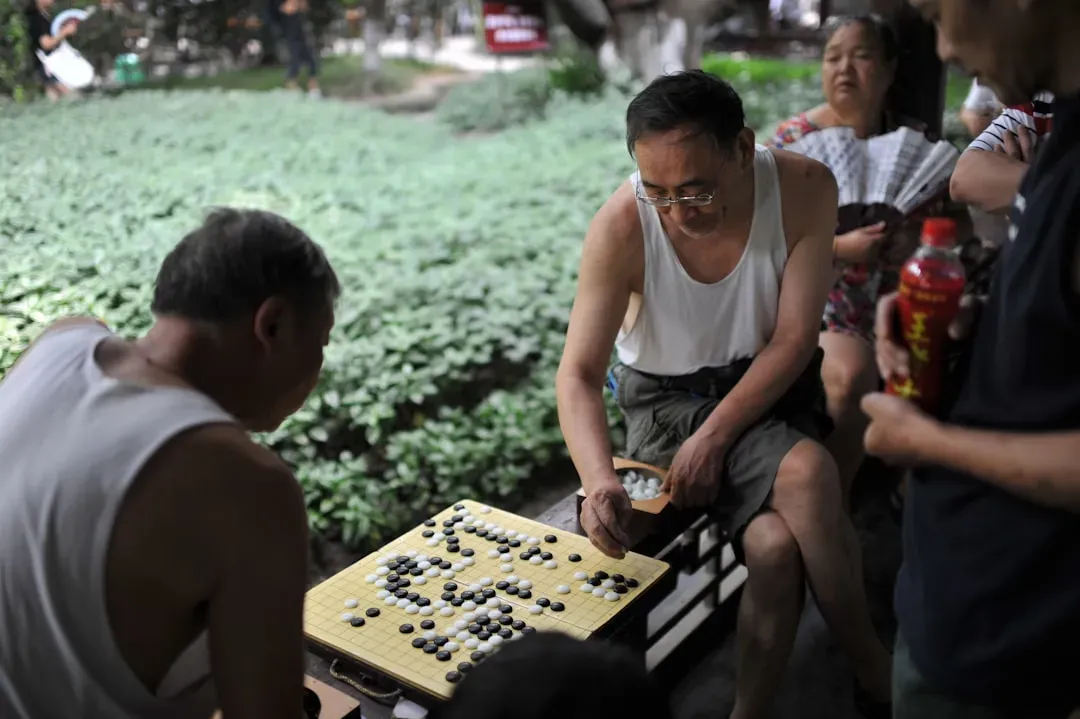
Here’s the thing about Go: the rules fit on a single page, but the game itself might be the deepest strategic challenge ever created by humans. It is a deceptively complex game with a simple set of rules that make it easy to pick up and play but hard to master – a strategy game where the aim for each player is to capture more territory on the board than their opponent.
Although Go’s exact origins are unknown, it is believed to have originated in China sometime around 3,000 to 4,000 years ago. According to legend, Go was created by the ancient Chinese Emperor Yao to enlighten his son, Danzhu, and teach him discipline, concentration, and balance. A game designed to teach wisdom. There is something almost poetic about that.
In ancient China, Go was one of the four cultivated arts of the Chinese scholar gentleman, along with calligraphy, painting, and playing the musical instrument guqin, and examinations of skill in those arts were used to qualify candidates for service in the bureaucracy. Today, it is estimated that approximately 50 million people know how to play Go, and close to half of these individuals live in the continent of Asia.
4. Chess – The Global Titan
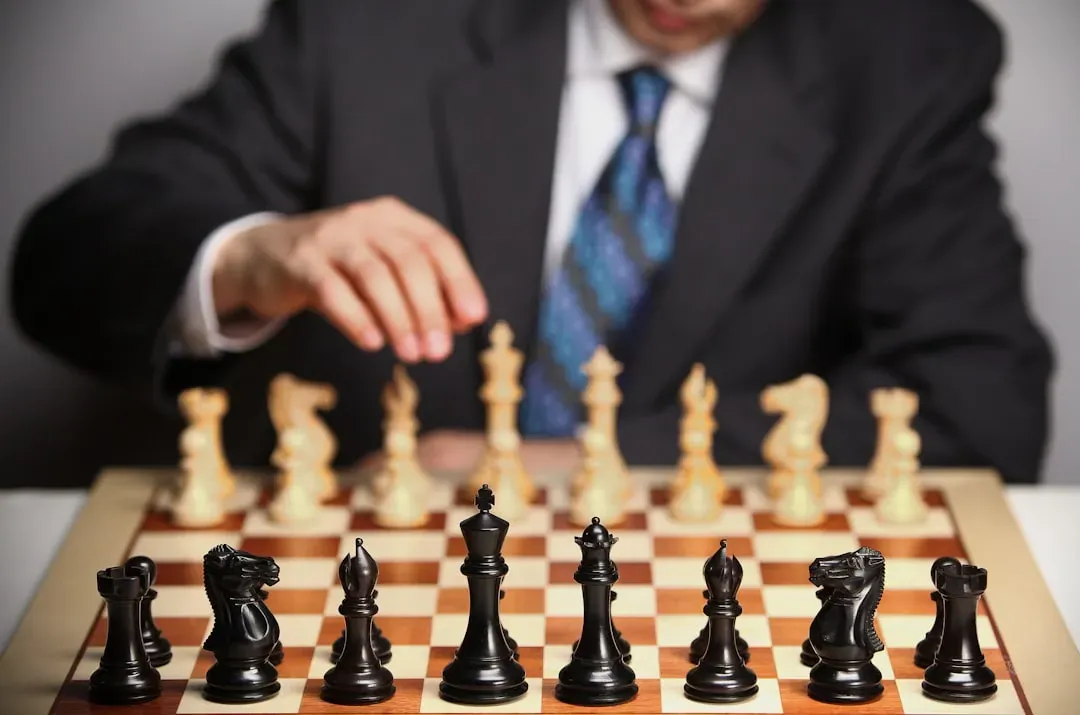
Let’s be real: chess is probably the most famous game on this entire list, and its numbers in 2026 are nothing short of staggering. FIDE itself cites roughly 605 million people worldwide who play chess regularly, which is more than the entire population of Europe. The global chess market size was USD 2,351.2 million in 2024 and continues to expand.
Chess evolved from an ancient Indian game called Chaturanga, which simulated military tactics using infantry, cavalry, elephants, and chariots. It spread to Persia as Shatranj, then across the Islamic world into Europe, where it became the modern game we know today. The word “checkmate” comes from the Persian term “shah mat,” meaning “the king is dead.”
The 2024 World Chess Championship between Gukesh Dommaraju and Ding Liren ran from November 25 to December 12 in Singapore, with Gukesh winning 7.5–6.5 and becoming the youngest undisputed world champion at 18. The 2024 World Chess Championship drew 10 million concurrent viewers at its peak during Game 11. Ancient game. Very modern audience.
5. Backgammon – Strategy Meets Chance
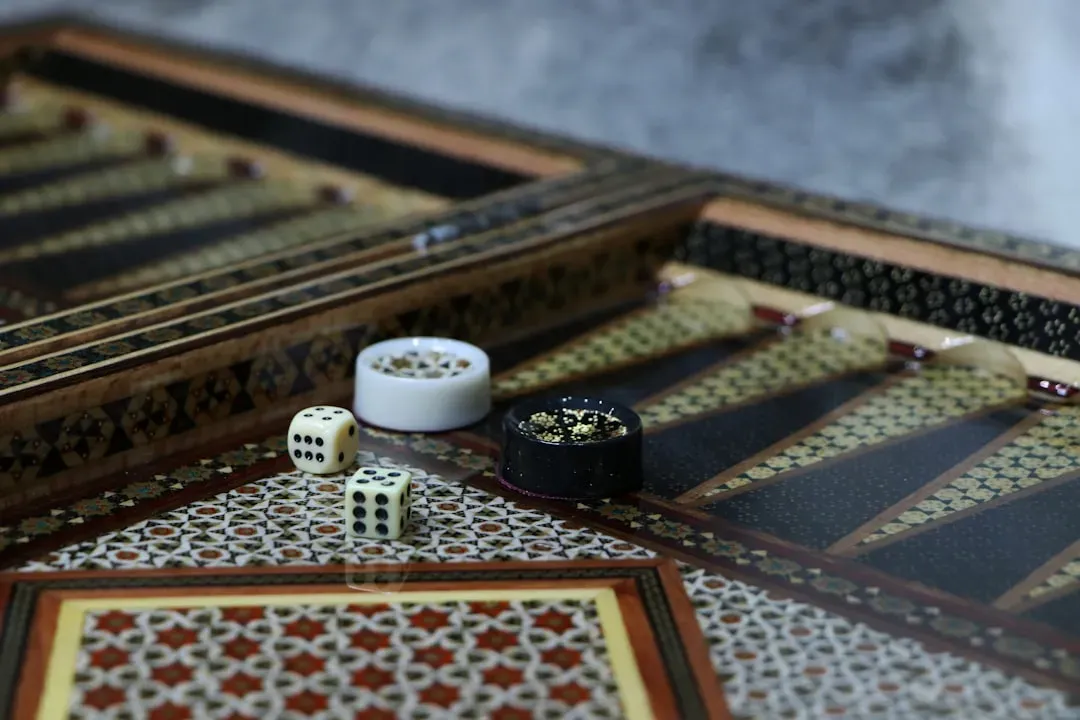
Backgammon is one of those games that feels casual until you sit across from someone who actually knows what they are doing. Then suddenly every dice roll becomes a tense negotiation. Backgammon is a game of strategy, skill, and chance – and it has captivated players for millennia, with roots that stretch back nearly 5,000 years.
In 2004, archaeologists discovered a gameboard in the ancient city of Shahr-e Sukhteh in Iran resembling the game of backgammon. The board was dated to around 3000 BCE and is believed to be the oldest backgammon board ever found. It is made of ebony and features sixty markers made of turquoise and agate, as well as a pair of dice. Ebony and turquoise. These people had taste.
Backgammon holds a unique distinction: it is one of the oldest games still widely played today in a form that closely resembles its ancient versions. Backgammon’s enduring appeal lies in its perfect balance of luck and strategy, making it accessible yet deeply engaging. The biggest change happened in the 1920s when the introduction of the doubling cube raised the stakes and made it more exciting to play and strategize, bringing an even bigger audience and more popularity to the game.
6. Mancala – Pits, Pebbles, and Pure Genius
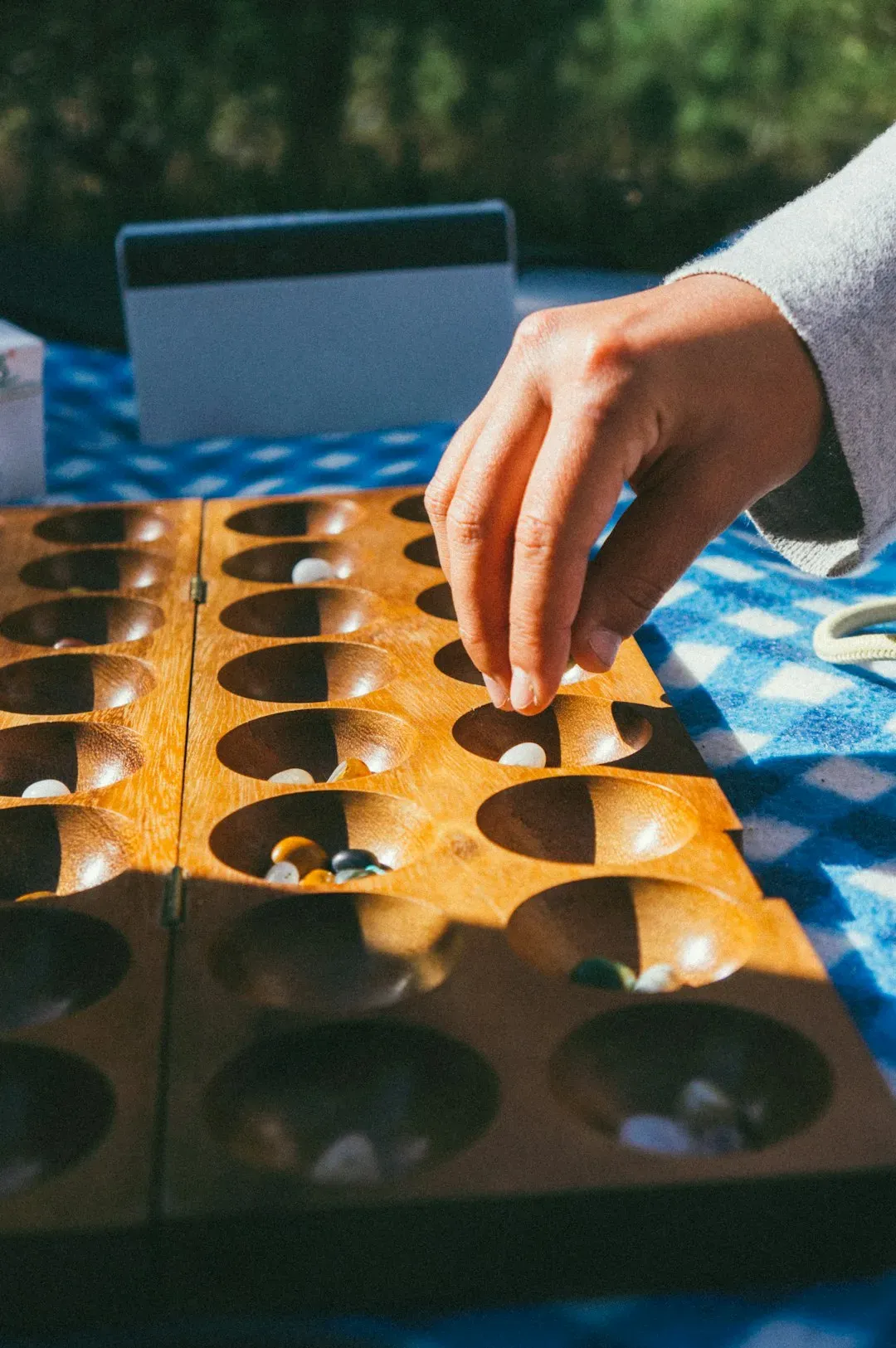
Mancala might not be the flashiest game on this list, but it has one of the most remarkable survival stories in human history. We know that this game of “pits and pebbles” was played in ancient Ghana and Sudan as long ago as 1600 BC, and a stone board discovered in Jordan may date all the way back to 5,870 BCE – placing Mancala in the Neolithic era, the Stone Age.
Versions of Mancala exist across Africa, the Middle East, and Asia, and boards have been carved into temple floors, making Mancala one of the most widespread ancient games. The simplicity of its design – just rows of holes and seeds or stones – is probably the very reason it traveled so far and survived so long. You can literally play it by digging pits in the dirt.
The version known as Owari is still popular in West Africa and the Caribbean, with local and international tournaments. The version popular in southern India is called Pallankuzhi. In the West, a version called Kalah has been commercially available since the 1940s. It is described as “a game of perfect information, perfect equality, much freedom of significant choice, and hence great skill.”
7. Checkers (Draughts) – Deceptively Deep
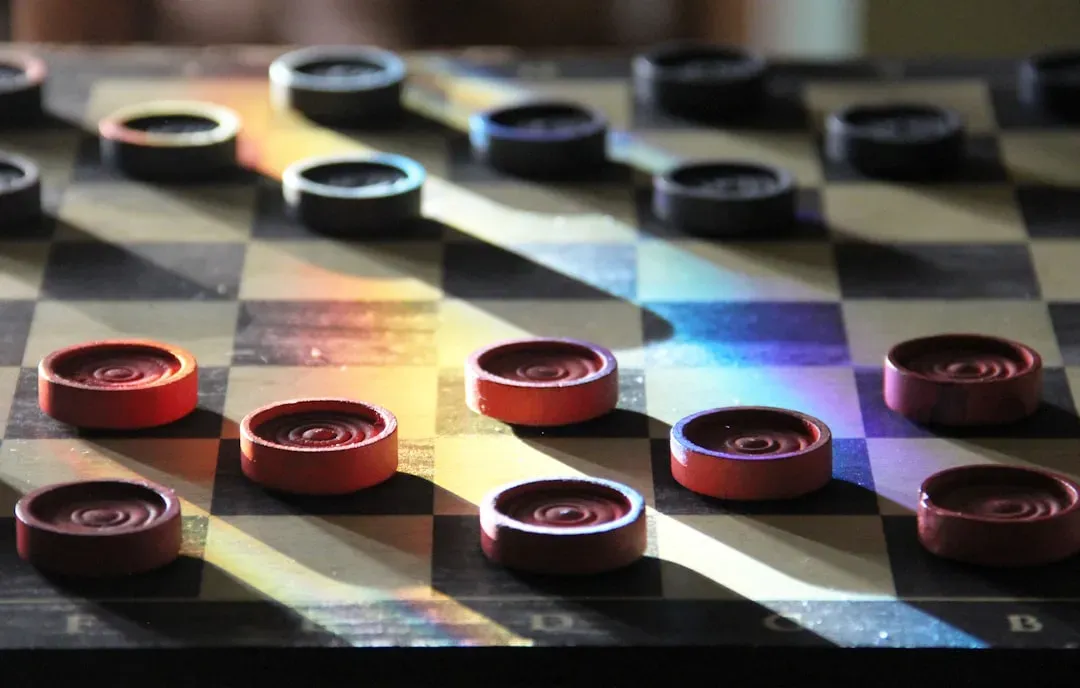
Checkers has a reputation for being a children’s game. That reputation is unfair and, honestly, a little ignorant. It is claimed that the present game of Checkers or Draughts originated from the medieval game of Alquerque, to which there is evidence dating back to ancient Egypt, though the actual origins of the game are still a matter of contention.
A similar game using a 5×5 board, called Alquerque, is known to have existed in ancient Egypt as far back as 1400 BC. This Egyptian version was so popular that people played it for thousands of years. Then, in the year 1100 AD, an innovative Frenchman thought of playing the game on a chess board and increased the number of pieces for each player to 12.
Checkers, also known as Draughts in British English, is a group of strategy board games for two players which involve forward movements of uniform game pieces and mandatory captures by jumping over opponent pieces. The very first AI program made for playing American checkers was created in 1951, and a 2007 Canadian version by the University of Alberta was considered unbeatable. Not such a simple game after all, is it?
8. Nine Men’s Morris – The Medieval Street Game
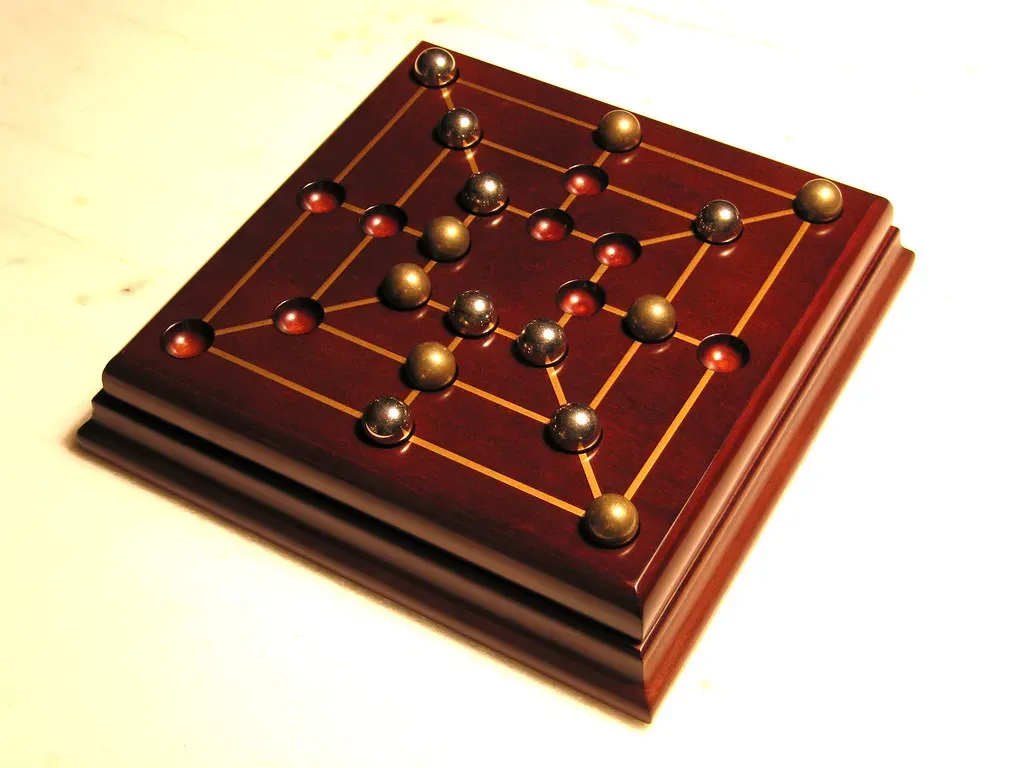
Walk through any old cathedral in England or the ruins of a Roman bathhouse, and there is a reasonable chance you will find a Nine Men’s Morris board etched into the stone. The strategy board game dates back to the Roman Empire and peaked in popularity in medieval England, with many game boards found carved into seats at English cathedrals in several cities.
The game of Nine Men’s Morris is so old that no one knows for sure when and where exactly it originated. One of the earliest known boards for the game was found cut onto the roofing slabs of the temple at Kurna in Egypt, dating to around 1400 BCE. Nine Men’s Morris spread across Europe and was a popular game among priests and monks, and it is still widely played today with rules that have not changed much since they were first recorded.
The game board consists of twenty-four points across a grid. Each player starts with nine black or white pieces, and they work to remove their opponent’s pieces until they only have two remaining. Once a player has successfully completed that or blocked their opponent from making a legal move, the game ends. Clean, elegant, brilliant. It is also possible to reach a perfect draw with two skilled players, which gives it a chess-like quality that still surprises newcomers.
9. Mahjong – The Tile Game That Conquered the World
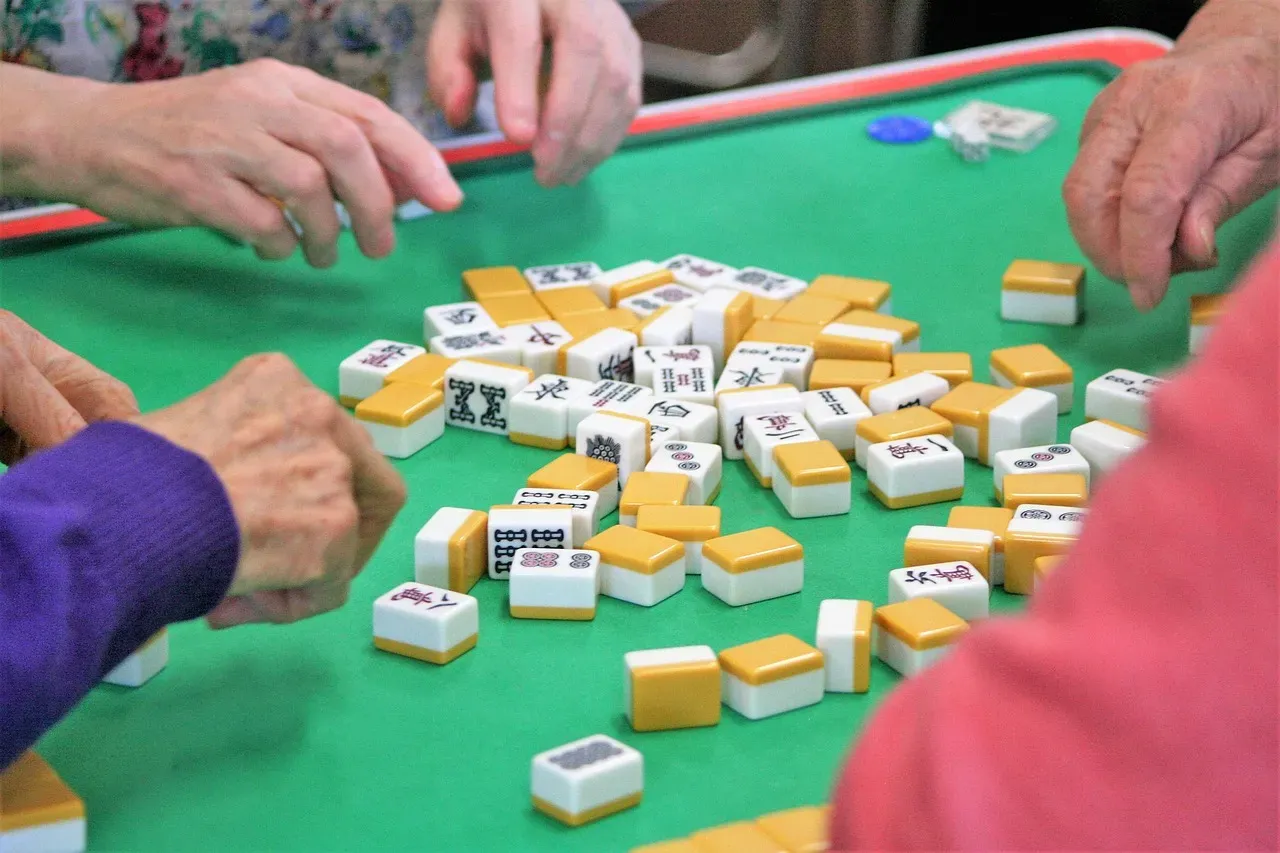
Mahjong is perhaps the most visually distinct game on this list. The clatter of tiles being shuffled on a table is instantly recognizable across Asia and increasingly so around the world. First played during the Qing dynasty in China (1644–1912), Mahjong is a strategy-based game played using tiles that are traditionally decorated with Chinese characters, bamboo branches, and dots, with special tiles indicated with winds, dragons, flowers, and seasons.
It is similar in practice to the card game Rummy, and four players draw and discard tiles to complete their hand. The aim of the game is to get all 14 of your tiles into four sets and one pair. Simple to state, complex to execute. The depth of strategy in Mahjong is routinely underestimated by people who have not played it seriously.
What makes Mahjong remarkable in 2026 is how effectively it has crossed cultural lines. Spanning over 5,000 years of board game history, Mahjong remains one of the ancient games still played today alongside the likes of Chess, Senet, and the Game of Ur – and it shows no signs of slowing down, with vibrant communities competing in tournaments from Tokyo to Los Angeles. It started in imperial China. It became the world’s game.
10. Snakes and Ladders – More Ancient Than Your Childhood
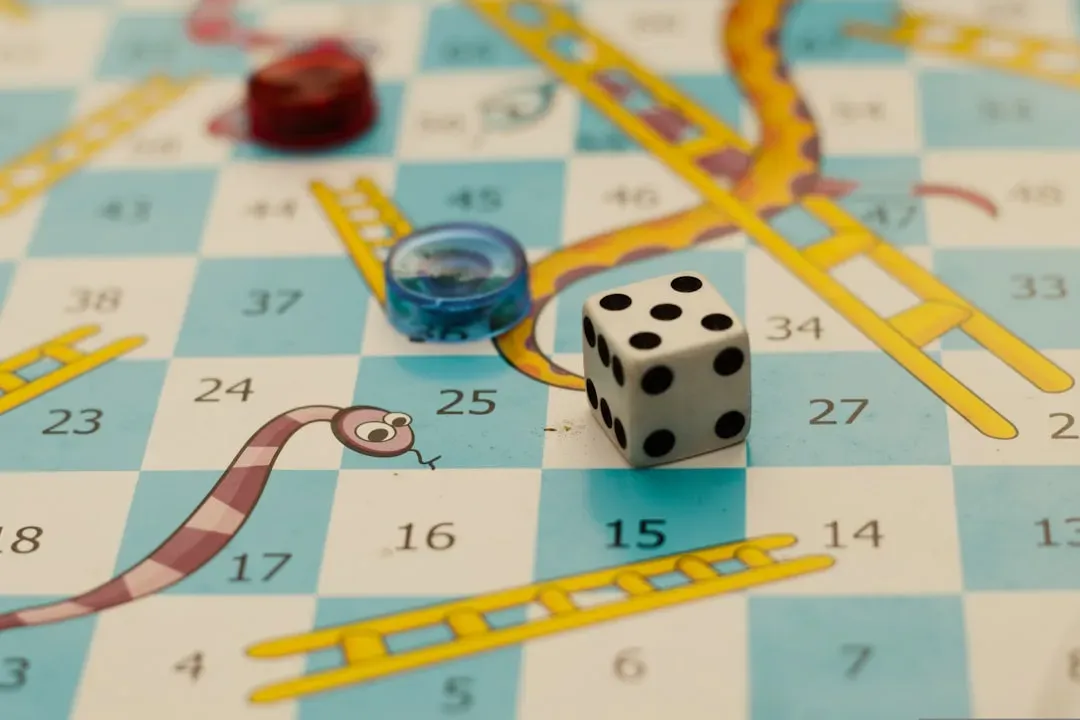
Most people think of Snakes and Ladders as a simple children’s game, and today it is. But its origins are far more serious and philosophically loaded than a lazy Tuesday game night might suggest. A popular dice game in India known as Gyan Chauper dates back to the 10th century AD and was played on a painted cloth. The game was entertaining but also played to instruct morality, and its central theme was the liberation from bondage of passions.
The original format is believed to be reflective of Hindu philosophy, representing Karma and Kama, or Destiny and Desire. The snakes were vices dragging you down. The ladders were virtues lifting you up. It was essentially a moral lesson disguised as a game. That is clever design by any standard, ancient or modern.
Within the dynamic universe of tabletop games, Snakes and Ladders stands out as an enduring classic. It is a game of chance that is both straightforward and engaging, and it has pleased generations of people from varied cultural backgrounds. The game continues to exemplify the unpredictable character of life’s journey, where fortunes can increase with a fortunate climb or fall with a slithering tumble. Its origins date back to ancient times in India, and it is now widely used in homes and classrooms all across the world.
Why These Games Have Never Died
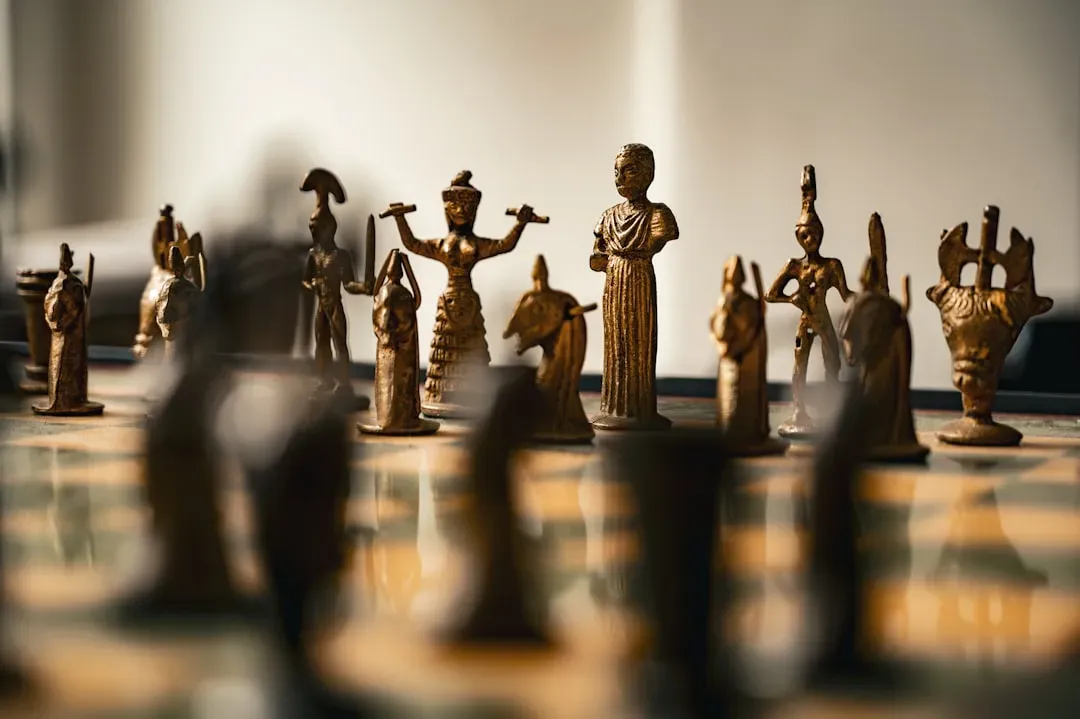
The earliest board games were a pastime for the elite and were sometimes given as diplomatic gifts, according to a study published in Antiquity. Another possibility is that boards were reserved for the elite, but lower classes played on boards scratched into stone or on the ground. Games started as privilege and became universal. That trajectory says everything.
Although the exact rules of many ancient games have been lost, historians have been able to piece together and reconstruct gameplay so people can play them today. The dedication of scholars and archaeologists to resurrect these games is genuinely moving. They understood that these were not just objects – they were windows into how people thought, competed, and connected.
It’s hard to say for sure what explains the staying power of these games across millennia, but I think it comes down to one thing: they were built around fundamental human instincts. The desire to compete. The pleasure of strategy. The thrill of a lucky dice roll. From ancient times to the modern day, board games have been a source of entertainment, education, and intellectual stimulus for centuries, and it was thought they might fall out of favour with the advent of digital technology, but they are now more popular than ever. The screens came, and the boards held their ground.
These ten games have survived wars, empires, religious upheaval, and the digital revolution. They were played by pharaohs, Roman soldiers, medieval monks, and now by you, on a quiet Sunday afternoon. What other human invention can claim that kind of unbroken thread? What do you think – did any of these surprise you?