Some of the most recognizable moments in live music history were never planned. A guitar hit a ceiling. A crowd lit candles in the rain. A drummer hurled his sticks into the dark. These accidents did not fade into embarrassing footnotes. They stuck, grew, spread across venues and genres, and eventually became the very things fans travel hundreds of miles to witness. The story of how concert rituals are born is often not a story of clever marketing or deliberate showmanship. It is a story of pure, unscripted chaos that an audience decided to keep.
Smashing Instruments: Pete Townshend’s Ceiling Mishap
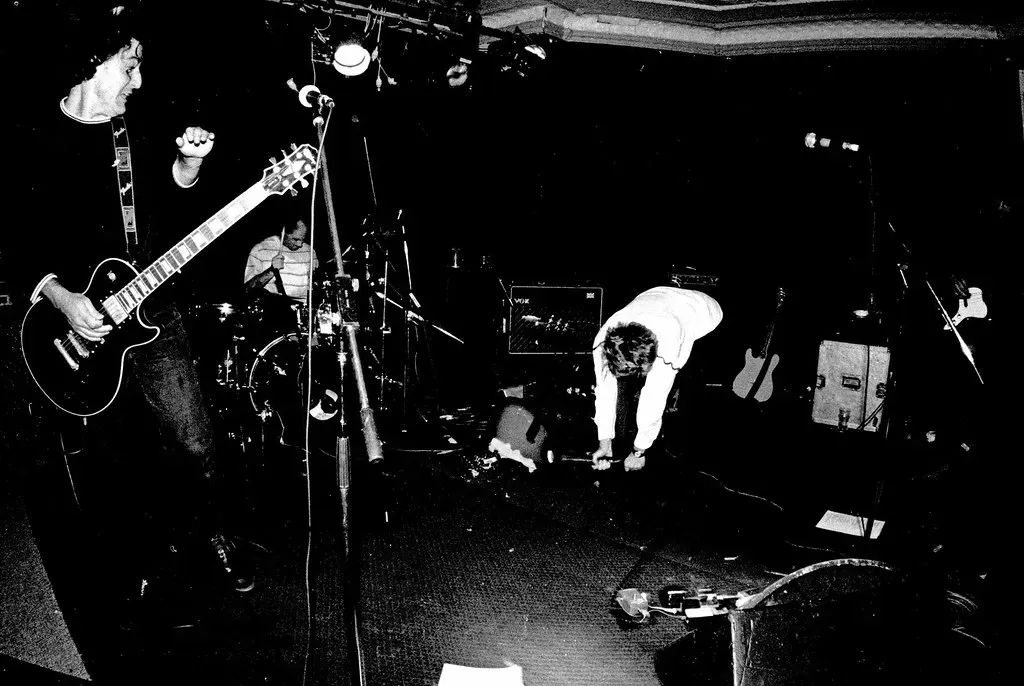
In 1964, The Who were playing a gig at the Railway Hotel in London when Townshend began one of his always very physically involved quests for feedback and noise. He started knocking the guitar about a lot, hitting it on the amps to get banging noises, and it started to crack. It banged against the ceiling and smashed a hole in the plaster, and the guitar head actually poked through. What followed was not artful or calculated. That accident quickly descended into all-out rage, and Townshend finished off the guitar entirely. A Who tradition was born, and the band’s smashing up of their instruments became a regular feature of their performances from then on.
Audiences were initially shocked but eventually came to expect the destruction as part of The Who’s performance. This was a time when musical instruments were often viewed as precious, almost sacrosanct objects. To see one destroyed in a fit of artistic fervor was as startling as it was captivating. The habit spread fast. Jimi Hendrix was also known for destroying his guitars and amps, and he famously burned two guitars at three shows, most notably the 1967 Monterey Pop Festival. In 2004, Rolling Stone Magazine included instrument smashing in their list of “50 Moments That Changed Rock & Roll.”
Raising Lighters: A Rain-Soaked Night at Woodstock
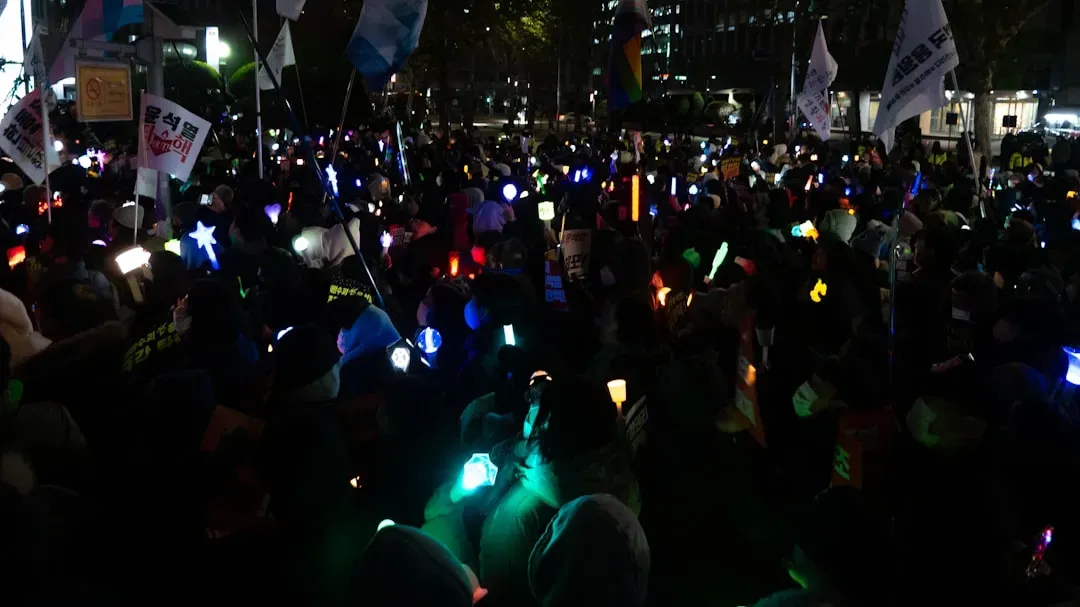
In 1969, at the original Woodstock Festival, Melanie was performing in the rain when the audience spontaneously began lighting candles. It is not entirely clear why the audience started, but the event was significant enough that Melanie went on to write a song about it called “Candles in the Rain.” The moment was genuinely unplanned. As she told Rolling Stone, an announcer had said that lighting candles would help keep the rain away, and by the time she finished her set, the whole hillside was a mass of little flickering lights. Melanie memorialized the scene in her subsequent hit “Lay Down (Candles in the Rain),” which hit Number Six on the Billboard singles chart in 1970.
There is broad agreement that the lighter-waving practice spread through concert culture in the late 1960s or early 1970s. At this time the Bic disposable lighters now associated with the practice were not yet available in the United States. The ritual eventually evolved into something even wider. The first media report about the shift from lighters to the cellphone was a U2 concert in Chicago in 2005. It was newsworthy when, instead of taking pictures, people turned their screens to the stage and waved their arms back and forth like they were holding lighters. Nielsen Music reports that roughly seven in ten concertgoers now use their phones to capture and participate in live show rituals, highlighting the shift from flame to screen.
The Concert Encore: Opera Audiences Got Too Loud
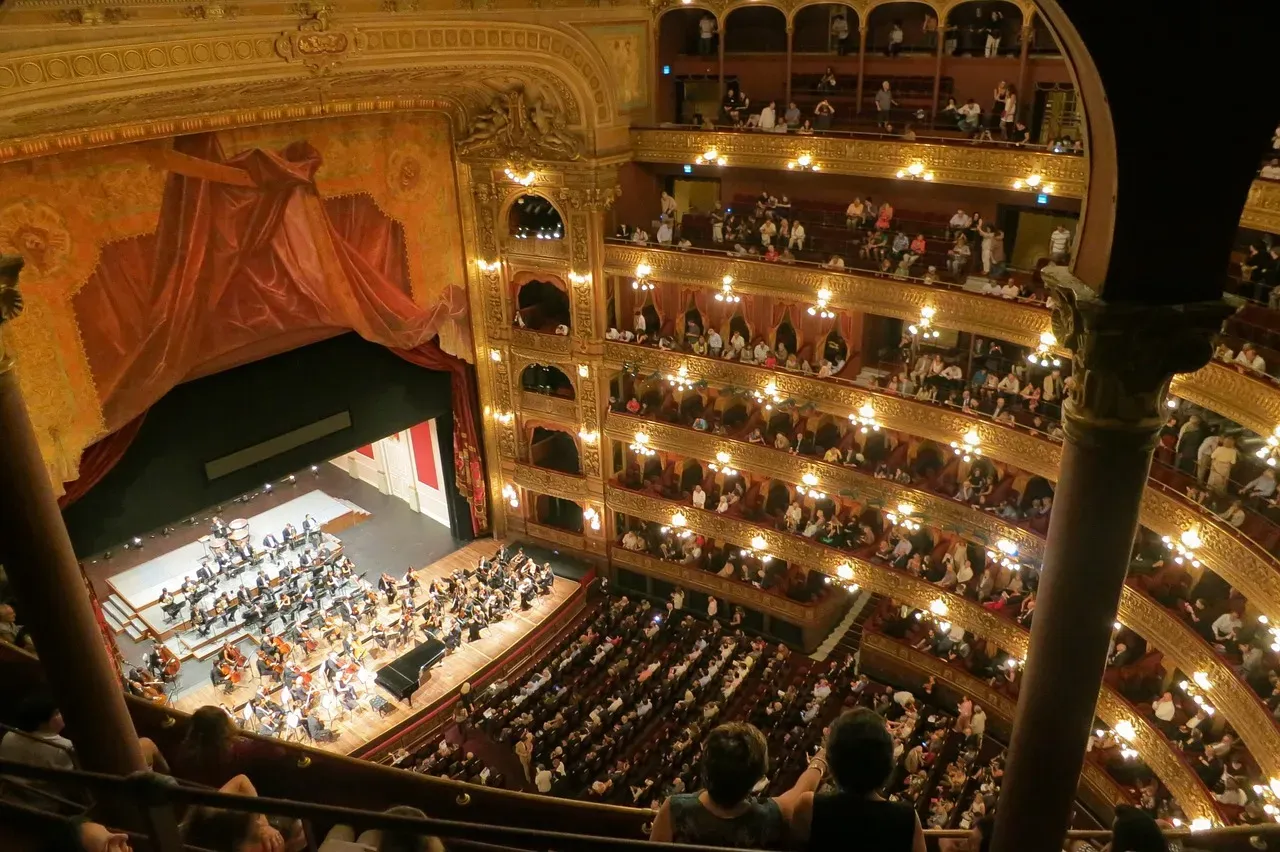
Encores are believed to have originated from Italian operas in the 18th century. One of the earliest recorded encores was in 1786 at the premiere of Mozart’s Marriage of Figaro. Contrary to modern encores, encores were traditionally spontaneous and followed a singular piece or movement. Performers would often perform an encore to multiple pieces within one concert, which could nearly double the length of a concert. The crowds were simply refusing to let the show end, which was not a planned feature of any performance.
When Mozart’s Marriage of Figaro premiered at the Burgtheater in Vienna, the audience loved it so much that the orchestra was obliged to play certain portions again and again, and by the time everyone went home, the mid-performance and end-of-the-night encores had extended the opera to twice its intended length. That audience behavior eventually crossed into rock and roll. By the late 1960s and 1970s, the encore became a theatrical staple in rock concerts. Bands like The Who and Led Zeppelin would leave the stage after their “final” song, only to return moments later as the crowd erupted in chants and cheers. In modern times, encores are rarely spontaneous and are usually a pre-planned part of the show.
Partner offer
Throwing Drumsticks: Keith Moon’s Signature Finale
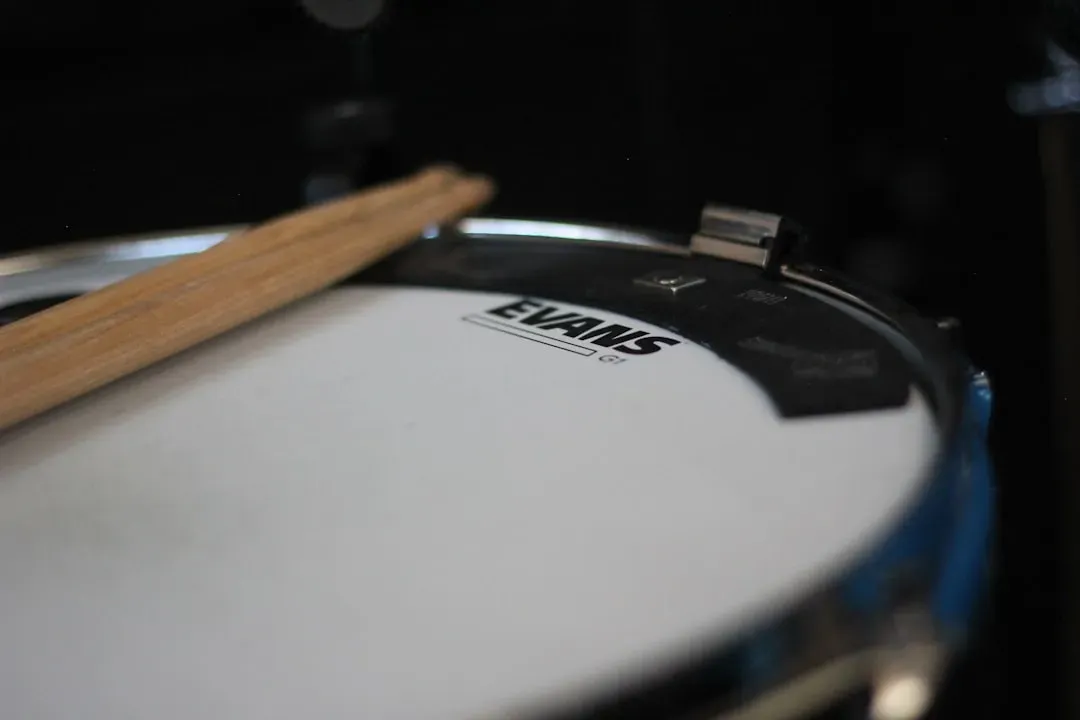
The thunderous finale of a rock show often ends with a shower of drumsticks flying offstage, a move that began with Keith Moon of The Who. Originally meant as a flashy one-off gesture, Moon’s habit of tossing his drumsticks into the crowd quickly became a signature move, one that drummers everywhere have since adopted. It was never something management planned or a stylist suggested. It was pure impulse from one of rock’s most unpredictable performers, and the crowd loved it so completely that it became expected.
Fans now eagerly await this climactic moment, scrambling to catch a stick as a treasured keepsake. According to Pollstar, roughly six in ten concertgoers enjoy collecting memorabilia, with drumsticks ranking among the most coveted souvenirs. The gesture also says something about the bond between performer and audience that is hard to manufacture. What began as a spontaneous show of appreciation has become a cherished ritual, symbolizing the unique bond between artist and audience. Today drummers in virtually every genre incorporate the toss as their personal send-off to the crowd.
Tossing Guitar Picks: Rick Nielsen and a Handful of Cheap Trick
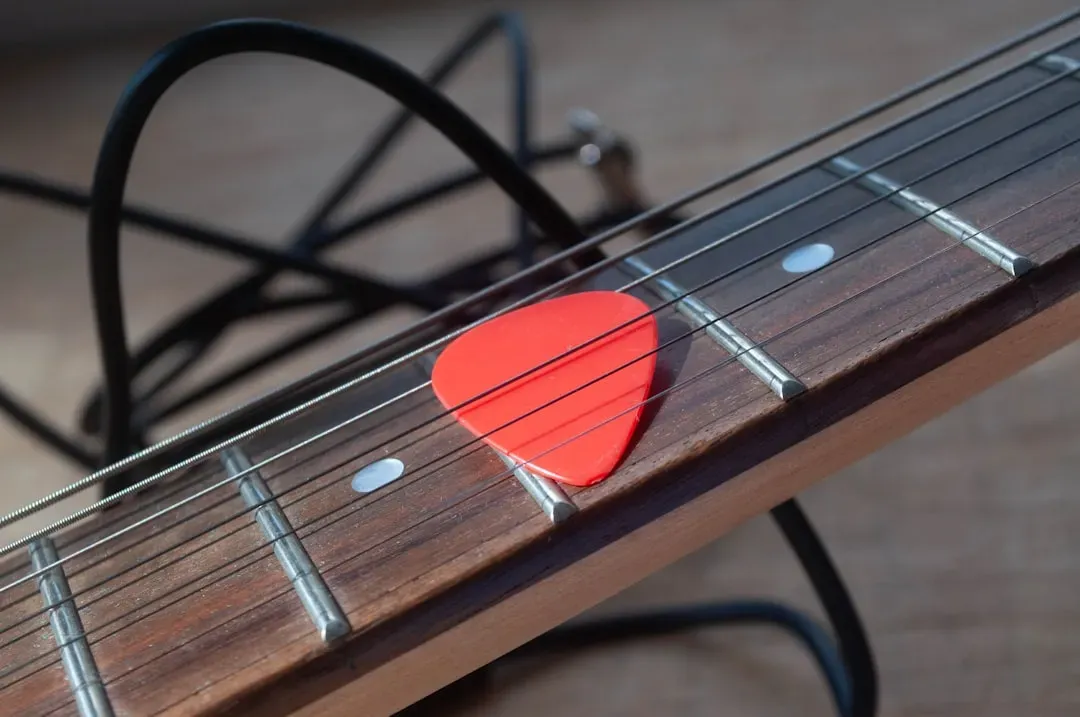
Guitar picks flying into the crowd might seem like a planned giveaway, but this tradition owes its roots to Rick Nielsen of Cheap Trick. Nielsen began tossing hundreds of picks into the audience during shows, turning what was once a simple tool into a coveted collector’s item. The excitement of catching a pick is now a rite of passage for many fans, and the trend has spread across genres. Nielsen’s early pick-throwing was rooted in pure generosity and showmanship rather than any coordinated branding effort.
Music Business Worldwide found that more than half of concertgoers hunt for such mementos, with picks topping the wish list. This accidental tradition has given rise to a whole market for band-branded picks and has made the small gesture a big part of the concert experience. What makes this tradition distinct is how deeply practical its origin was. A pick is a tool. At some point, one guitarist decided to share it, the crowd reacted, and suddenly every artist in every genre was customizing picks with their logo and launching them into the front rows.
Singing Along to “You’ll Never Walk Alone”: A Football Ground Epiphany
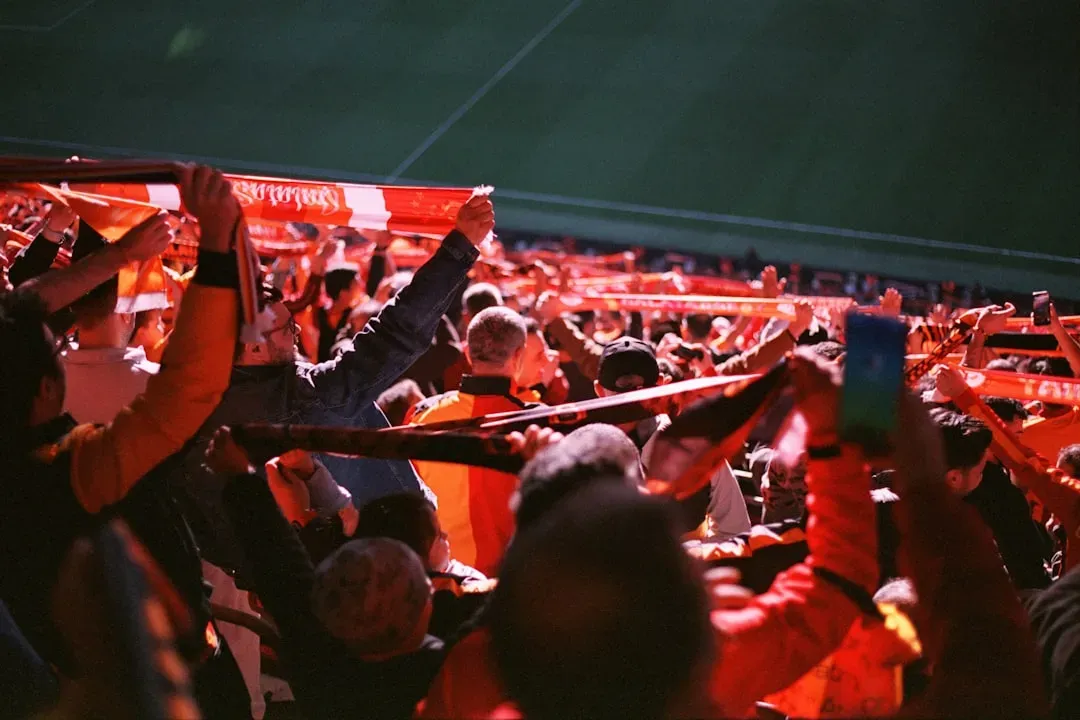
Originally recorded by Gerry and the Pacemakers in the 1960s, the song was accidentally adopted by Liverpool FC fans after being played over the public address system before matches. The crowd’s impromptu singing took on a life of its own, turning the ballad into a symbol of unity and support. Nobody decided that this particular song should become an anthem. It happened because enough people in one place, at one moment, responded the same way to the same melody played at the right time.
University of Liverpool research shows the tradition has a measurable effect on fostering community spirit and belonging, not only in sports but also in music events worldwide. This accidental tradition continues to inspire millions, binding people together in moments of collective emotion. The song’s journey from a pop single to a collective chant shared across stadiums and concert halls on multiple continents is remarkable. Concerts from Latin America to Southeast Asia have seen crowds spontaneously break into the chorus, carrying a tradition born from a rainy pre-match playlist in northwest England into one of the most universally recognized expressions of shared feeling in live performance.
Partner offer
Planning a trip to Vegas?
Compare hotel rates and show tickets on VEGAS.com.