Dance is one of the oldest forms of human expression on earth – older than writing, older than most tools we can name. It began not on a stage but in the dust of ancient ground, driven by something far more urgent than entertainment. Over thousands of years, it transformed from a sacred act of survival into one of the most sophisticated art forms humanity has ever produced. That journey, spanning continents and centuries, is a story worth telling in full.
The Ancient Roots: Dance as Sacred Ritual
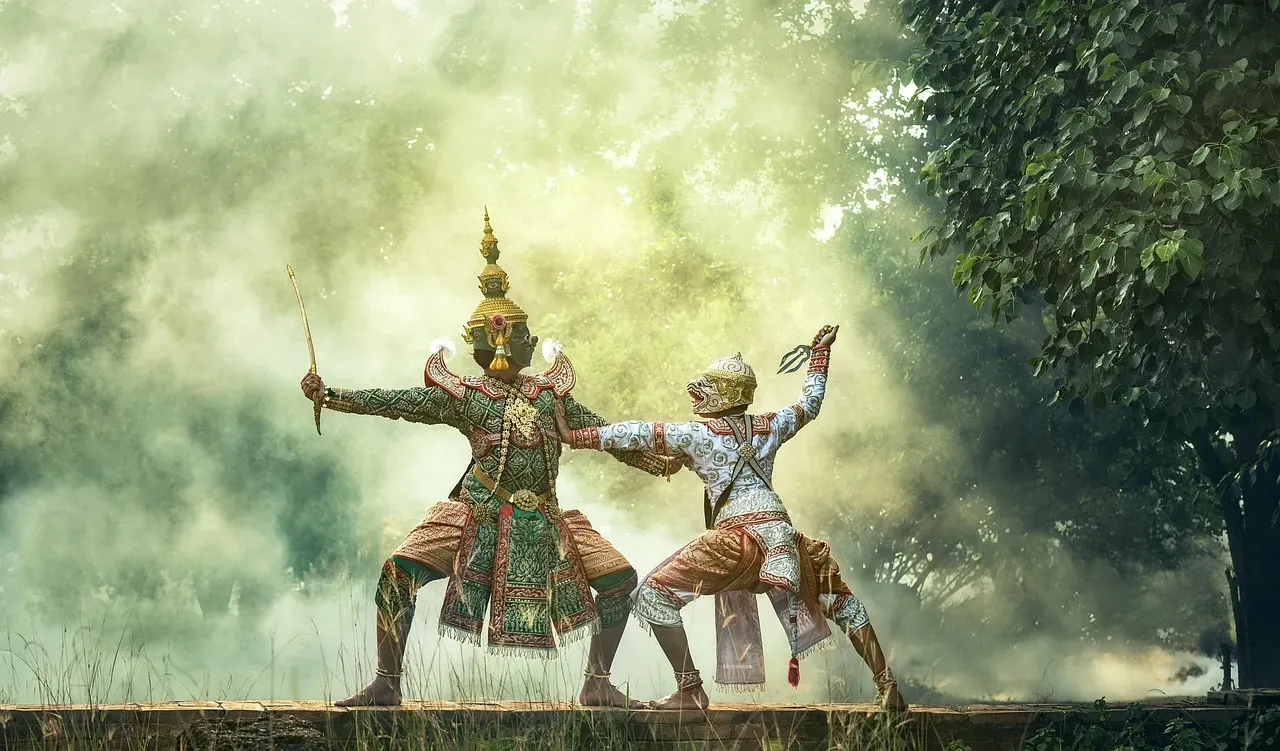
Dance has been an important part of ceremony, rituals, celebrations, and entertainment since before the birth of the earliest human civilizations. Archaeology delivers traces of dance from prehistoric times, such as the 10,000-year-old Bhimbetka rock shelter paintings in India and Egyptian tomb depictions of dancing figures from around 3300 BCE. These early traces confirm that movement was never merely physical – it was charged with meaning. In ancient times, dance was deeply intertwined with rituals and religious ceremonies, with early humans using dance as a form of communication, a way to express emotions, tell stories, and connect with the divine.
The earliest phase of dance is associated with courtship, explaining the potent role of dance in sexual desire and seduction. The second phase is associated with the appearance of modern human behavior and the earliest burials, which were rites of passage that involved the first communal dances. The third phase is associated with the appearance of hybrid human-animal figurines that point to altered states of consciousness and aspirations to change reality – this is when trance dance, shamanism, magic, and religion came in. Ancient dances served purposes like religious rituals, storytelling, and community bonding, often marking significant life events and festivals, and also played roles in healing, preparation for battle, education, and entertainment within various cultures.
From Temple Floors to Royal Courts: The Institutionalization of Dance
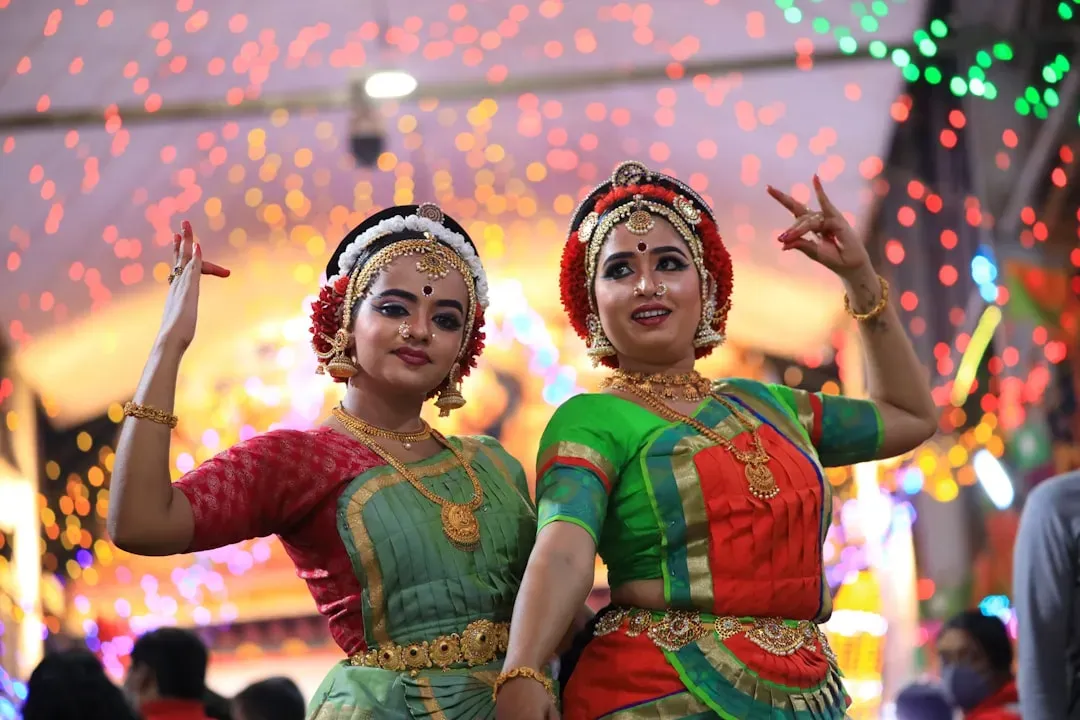
The earliest forms of dance in India were ritualistic by nature, deeply intertwined with local religious beliefs and practices. These dances were performed as offerings to the gods, seeking divine blessings and invoking cosmic harmony. Over time, dance evolved into a sophisticated art form, with distinct styles and techniques emerging in different regions of the subcontinent. This evolution can be seen in the Natya Shastra, a Sanskrit text on performing arts believed to have been written by the sage Bharata and compiled between 200 BCE and 200 CE. Odissi dance, originating from the ancient temples of Odisha, India, evolved from a sacred ritual performed by temple dancers known as Maharis to a renowned classical art form.
Dance held a principal place in both religious rituals and secular life in ancient Greece and served as a form of artistic expression, social interaction, and cultural identity. Greek mythology is packed with stories of gods and goddesses who danced as part of divine celebrations, like the ecstatic dances of Dionysus, the god of wine and fertility. Religious festivals, such as the Panathenaic Games of Athens, featured elaborate processions, music, and impressive dance performances in honor of the gods. Ancient Greek civilization elevated dance to a recognized art form, with performances central to theater productions and religious festivals, and philosophical writings offering some of the earliest documented dance theories.
The Renaissance and the Birth of Ballet
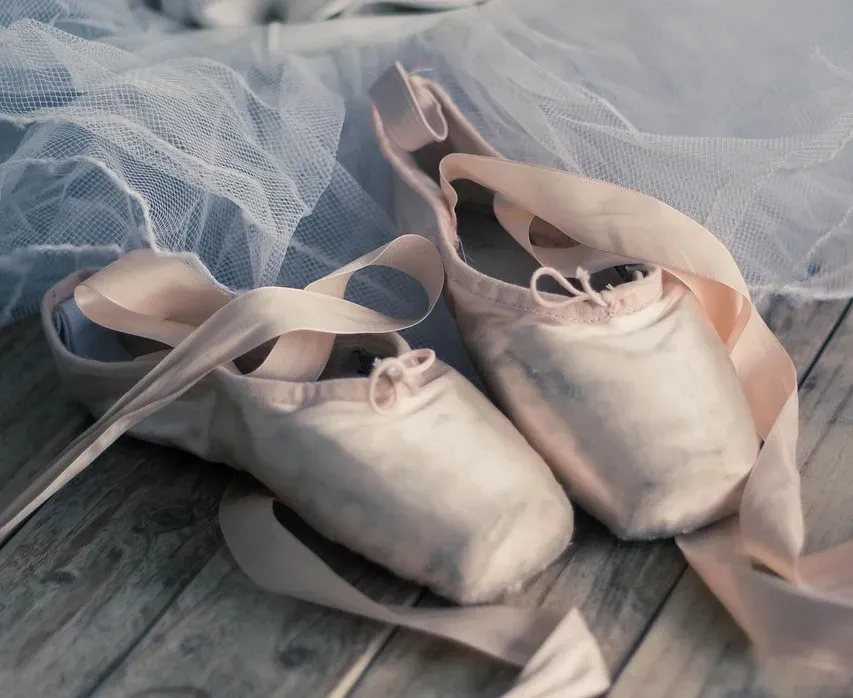
Ballet traces its origins to the Italian Renaissance, when it was developed as a court entertainment, and during the 15th and 16th centuries the dance technique became formalized. In the early and mid-1500s, Catherine de’ Medici brought ballet to the French courts. She was an Italian aristocrat from the powerful Medici family in Florence who had married King Henry II of France. The Medici family were great patrons of the arts who funded dozens of famous artists, so it’s no surprise that Catherine de’ Medici wished to fund an art form in her new country. She introduced ballet to the French nobility, where it quickly caught on and became a popular court dance.
A seminal moment came in 1581 at the French court of Catherine de’ Medici, when the Ballet Comique de la Reine was performed, often cited as the first true ballet combining coherent drama with dance. This lavish court production, choreographed by Balthasar de Beaujoyeux for a royal wedding, spanned over five hours and integrated mythological themes to glorify the royal patronage. Its success established the model of the ballet de cour as a form of political and artistic display in European courts. Louis XIV had established two academies where ballet was launched into another phase of its development: the Académie Royale de Danse in 1661 and the Académie Royale de Musique in 1669.
The Modern Dance Revolution and the 20th Century
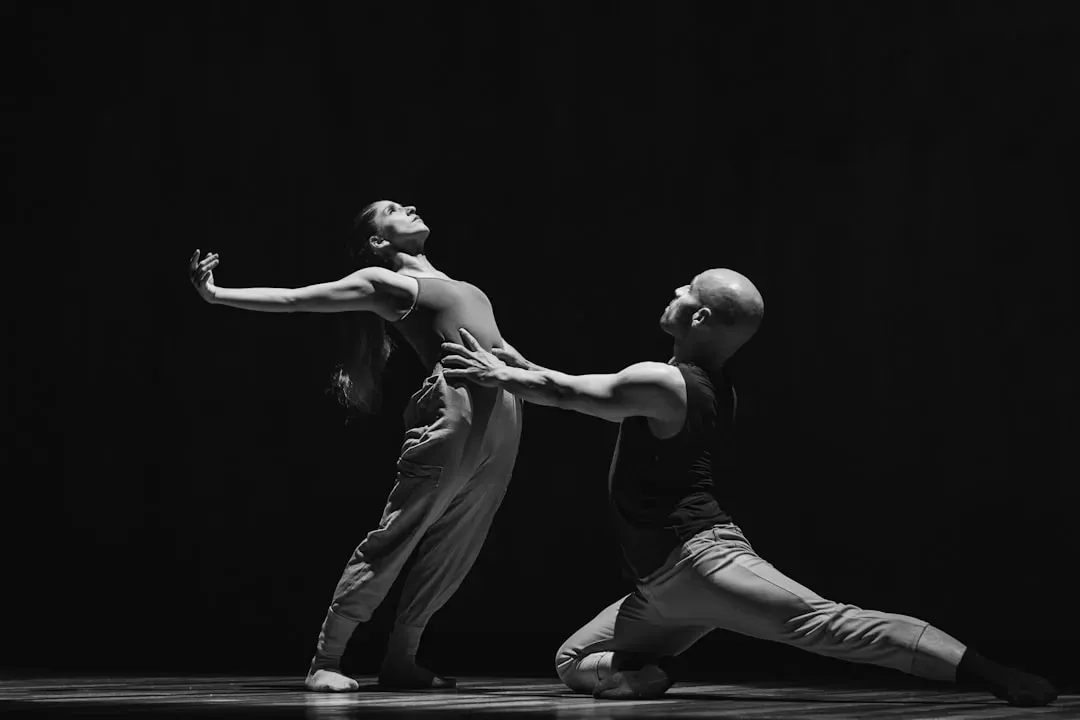
The modern dance revolution fundamentally transformed dance by challenging the notion that it must adhere to codified techniques like ballet or follow strict formal rules. Pioneers such as Isadora Duncan, Martha Graham, and Doris Humphrey rejected corsets, pointe shoes, and ballet’s emphasis on ethereal weightlessness. Their rebellion opened an entirely new chapter. As a means of expressing emotions, culture, and social body language, dance possesses not only a rich history but also an ability to adapt to different eras and technological challenges, and it will continue to play a significant role not only as part of the artistic domain but also as a vital subject of culture, society, and scientific research.
Dance evolution has moved from folk origins to court presentations and now to theater and even cinema. The 20th century witnessed an explosion of new forms – from jazz and tap to hip-hop and contemporary dance. Contemporary dance is now the fastest-growing genre in the dance industry, with a growth rate of roughly 12 percent per year. Breakdancing being added to the 2024 Paris Olympics increased sponsorships for B-Boys and B-Girls by 50 percent, a clear signal of how street-born dance forms have earned global recognition at the highest level of organized competition.
Dance as a Global Industry: The Numbers Behind the Art
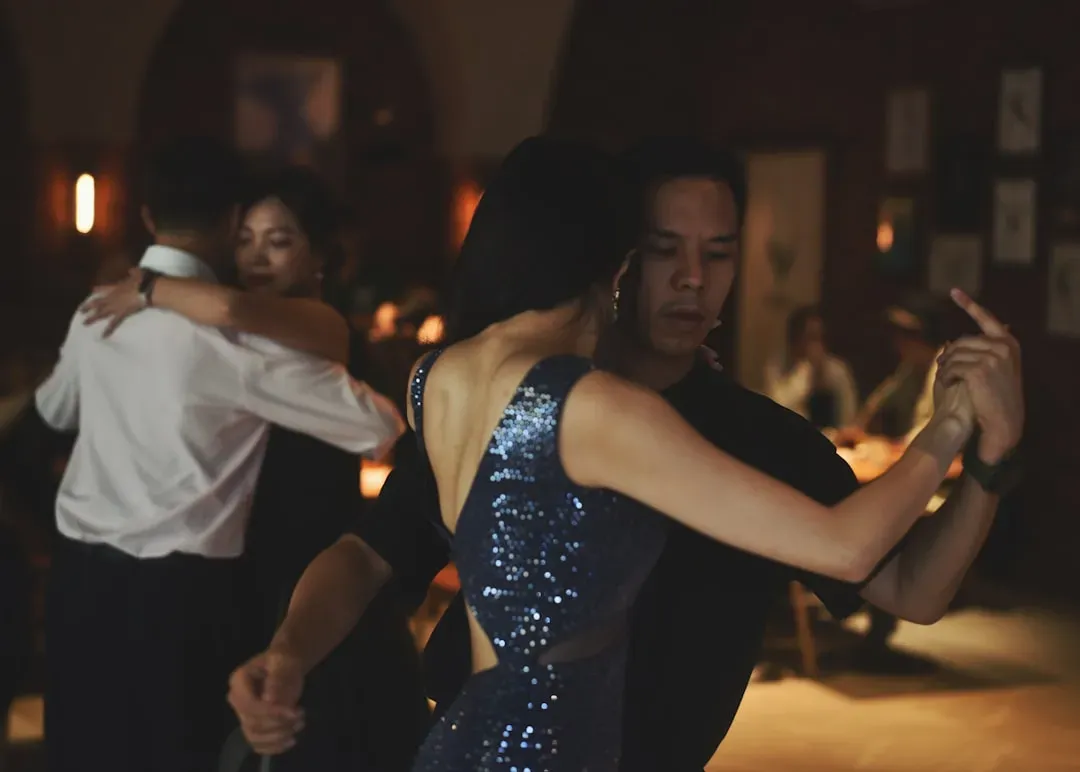
The global dance studio market was valued at approximately USD 3.93 billion in 2023, while US dance studio industry revenue is estimated to reach USD 4.6 billion in 2024. The market size of the dance studios industry in the US grew an average of 5.7 percent per year between 2018 and 2023. These are not small figures. Dance events and festivals attract over 25 million attendees worldwide each year, underlining the art form’s reach well beyond any single country or culture.
The online dance training market reached USD 2.9 billion in 2025 and is projected to grow to USD 3.48 billion in 2026, ultimately achieving USD 17.96 billion by 2035, supported by a robust CAGR of 20 percent throughout the 2026 to 2035 forecast period. The global dance training market is also experiencing strong momentum, with a projected CAGR of 7.4 percent from 2024 to 2030. The rise of social media has significantly impacted the dance industry, with many dancers gaining fame and recognition through platforms like TikTok and Instagram.
Dance as Therapy: Science Catches Up to Ancient Wisdom
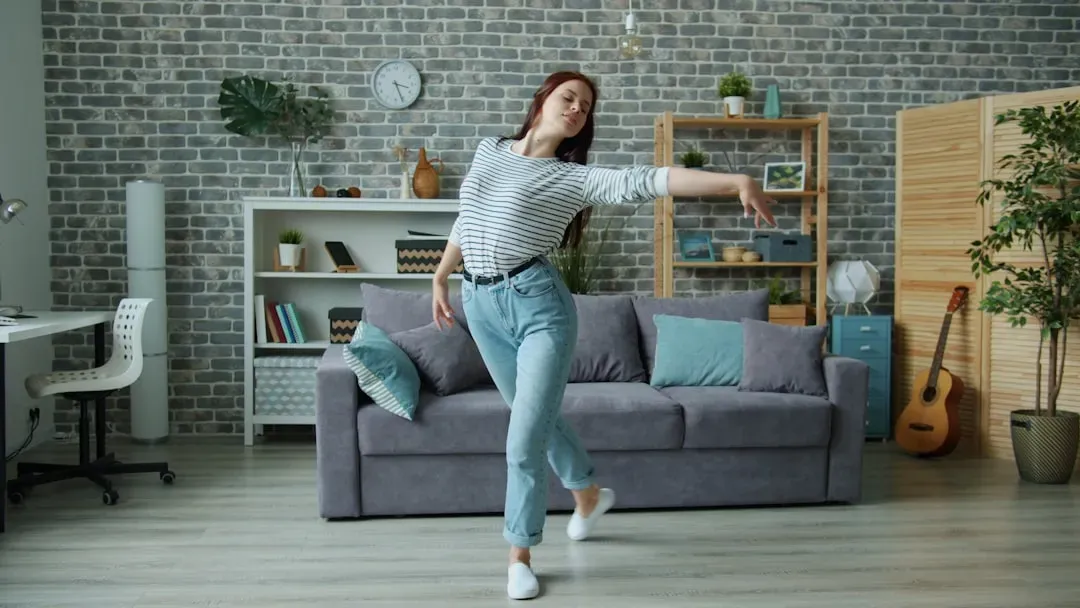
A 2024 meta-analysis published in The BMJ reviewed 218 clinical trials and found that dance reduced symptoms of depression more than walking, yoga, strength training, and even standard antidepressants. That finding stunned many in the medical community. Mechanistically, dance fosters neuroplasticity by engaging multisensory coordination, music processing, and social interaction, stimulating hippocampal and prefrontal regions. Meta-analytic evidence indicates significant gains in global cognition, memory, and executive function from dance therapy.
Since the 1980s, Dance Movement Therapy has been recognized as an effective therapy for mental illness, having received substantial theoretical and practical research that uses dance and creative movement as therapeutic techniques. In the United Kingdom, more than 60 percent of public mental health service users have reported that they would like to have creative forms of psychological interventions available to them. Dance, as a comprehensive intervention form that integrates physical activity with emotional expression, exhibits significant multidimensional advantages, making it particularly suitable for older adults. The ancient healers who used rhythmic movement in their ceremonies, it turns out, were onto something science is only now fully quantifying.