Think festivals are just about stages, crowds, and overpriced drinks? Think again. What used to be a cultural gathering has quietly turned into one of the most powerful economic forces reshaping cities, industries, and even government policy.
The numbers are genuinely hard to ignore. The global event tourism market, including festivals, was valued at $1.52 trillion in 2024 and is projected to reach $2.13 trillion by 2033. That’s not entertainment. That’s infrastructure. And the deeper you dig, the more surprising it gets. Let’s dive in.
1. Festivals Have Become Billion-Dollar Industries in Their Own Right
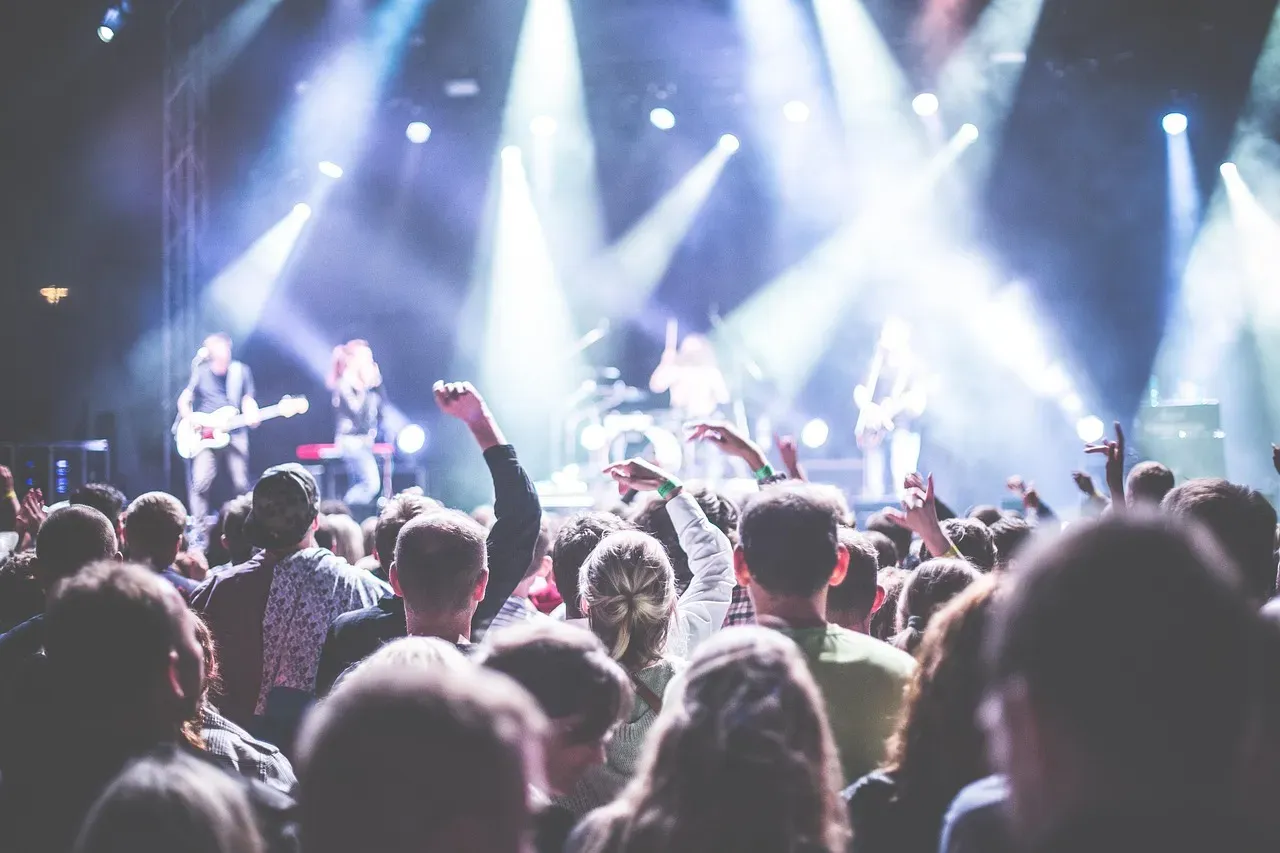
For most of history, festivals were cultural rituals. Today, they are financial ecosystems. The global music festival market alone was valued at $3.05 billion in 2024, is projected to reach $3.76 billion in 2025, and is expected to hit approximately $4.63 billion by 2026. That kind of trajectory is not gradual, it’s explosive.
The music festival market has grown rapidly in recent years, growing from $2.57 billion in 2024 to $3.02 billion in 2025, at a compound annual growth rate of 17.4%. Compare that to the growth of traditional retail and you start to understand why investors are paying close attention.
Music festivals have become one of the entertainment industry’s most visible and lucrative sectors, with the global market valued at $2.16 billion in 2024 and projected to grow at a stunning CAGR of 24% from 2024 to 2031. Yet behind the Instagram-worthy moments and sold-out crowds lies a complex economic reality where roughly two thirds of festival organizers cite profitability as their biggest challenge, according to Eventbrite research. It’s a gold rush, but not everyone finds gold.
2. Host Cities Get a Radical Financial Makeover
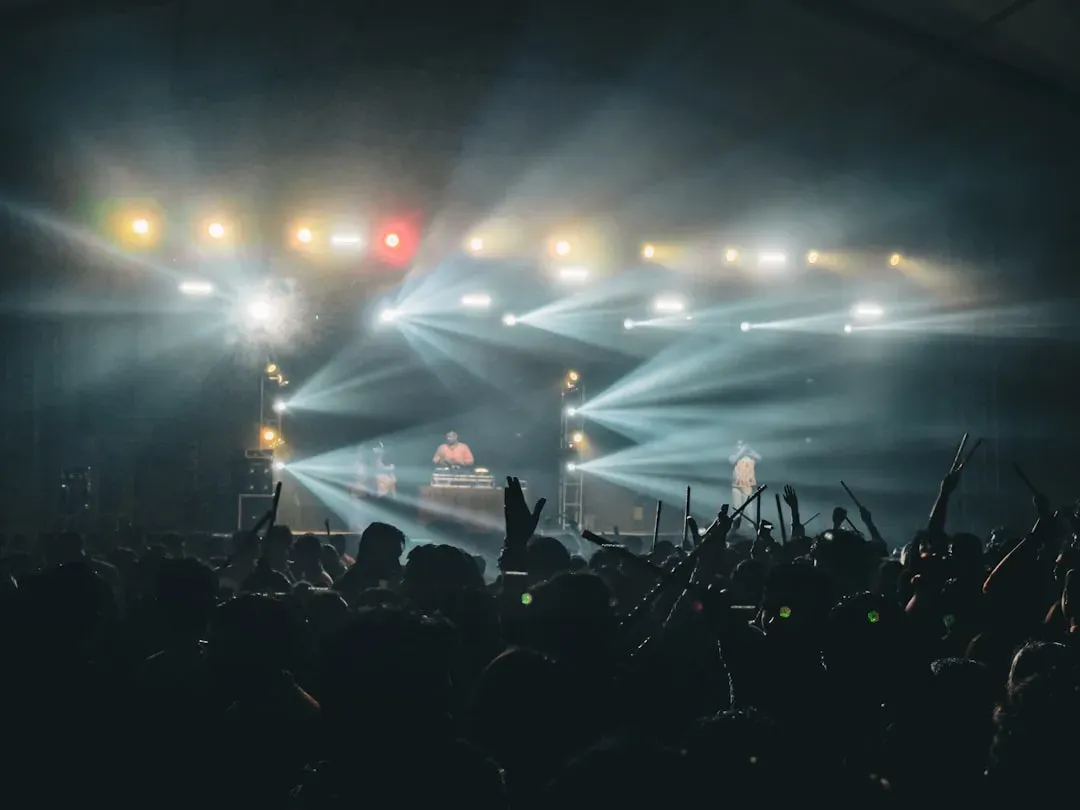
Here’s what most people don’t realize. When a festival rolls into a city, it’s not just filling a field. It’s rerouting money through every corner of the local economy. Tomorrowland in Belgium attracts around 400,000 visitors annually, generating an estimated €100 million for the local economy. Primavera Sound 2025 broke records with 293,000 attendees in one week, boosting Barcelona’s economy by over €300 million.
Accommodations like hotels and short-term rentals such as Airbnbs accounted for a vast majority of spending at Coachella, bringing in $553 million in revenue, followed by $135 million in food and beverage, $92 million in retail, $83 million in recreation, and $68 million on transportation. That is one event, one valley, transforming into a short-term economy.
And it’s not just global marquee names. The Bravo! Vail Music Festival’s 37th annual summer festival, running from June to August 2024, brought in $39.4 million in direct economic impact to Eagle County and the state of Colorado, including $1.4 million in sales tax revenue for all Eagle County towns. Even classical music festivals are writing the same playbook. Honestly, that’s remarkable.
3. Job Creation That Goes Way Beyond the Stage
When people think about festival jobs, they picture the artists on stage. The real story is far bigger. Among the clearest economic outcomes of music festivals is the surge in employment opportunities. Festivals require a substantial workforce to operate smoothly, offering employment both directly and indirectly. Large festivals employ thousands of staff members, including security personnel, food vendors, event planners, and production staff.
In 2024, Coachella generated more than 10,000 jobs alone. This influx of temporary employment offers a short-term boost of energy to the local labor market, especially for those seeking seasonal work. Beyond immediate job creation, many festival jobs provide valuable experience and skill development that can lead to long-term career paths.
The annual Dreamville Festival contributes significantly to Raleigh’s economy. The 2023 edition contributed $145.9 million to the Raleigh economy, which is the equivalent of 1,327 full time jobs. Think about that the next time someone dismisses music as a “non-essential” industry. That’s thousands of families being supported by a weekend of live sound.
4. The Festival-Tourism Feedback Loop Is Changing How People Travel
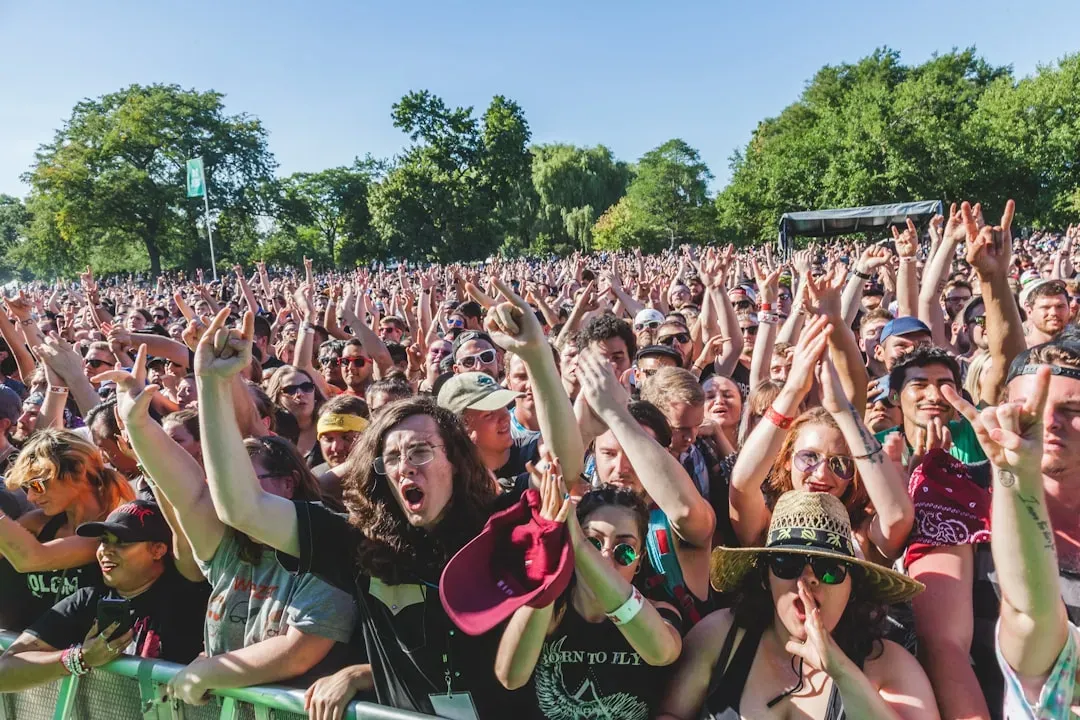
Something genuinely fascinating is happening in how people decide where to go on vacation. One of the main drivers is the rising consumer preference for live, in-person experiences over material goods, which has led to a surge in ticket sales for concerts, music festivals, and exclusive performances. This trend is further supported by the growing popularity of experience-based spending, as consumers, particularly Millennials and Gen Z, prioritize shared experiences that provide personal enrichment and social connection.
The music tourism market alone is expected to grow from $96.7 billion in 2024 to $267.8 billion by 2030, at a CAGR of roughly 18.8%. Destinations are no longer just competing on beaches or museums. They are competing on lineups. That’s an entirely new kind of tourism logic.
According to UK Music’s Hometown Glory 2024 report, large-scale touring activity in 2023 to 2024 attracted around 23.5 million music tourists and generated $3.2 billion in direct economic impact. These headline tours act as primary demand triggers, creating sharp spikes in visitation tied to specific events instead of traditional seasonal patterns. As a result, travel demand is aligning more closely with artist schedules than with tourism calendars, a shift that is reshaping how destinations plan capacity, manage pricing, and coordinate hospitality services.
5. The Sponsorship Revolution Is Rewriting Brand Marketing
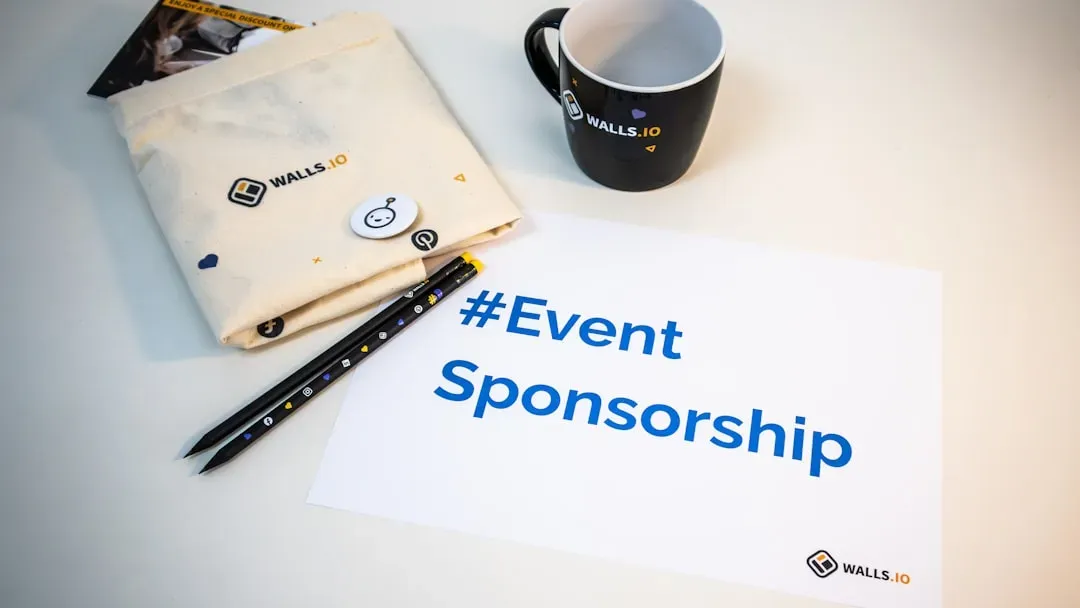
Let’s be real. The old model of slapping a logo on a banner is dead. In 2024, event sponsorship is no longer just about logo placement and brand exposure. The focus has shifted to using technology and data to create targeted, measurable outcomes. Brands want to be woven into the experience, not bolted onto it.
According to Event Academy, 88.4% of event marketers say that sponsorships and partnerships are the most effective drivers of event revenue, far outpacing audience engagement and other revenue streams. In 2024, securing sponsorship was named the biggest event marketing challenge by nearly a quarter of organizers, the top challenge ahead of engagement and content creation concerns.
Sponsorship now represents nearly 35% of total festival revenue, with brands aligning with youth-oriented markets to maximize visibility. Indeed, in the music festival industry sponsorship is now the fastest-growing revenue stream. This shift is fundamental, not cosmetic. Festivals have essentially become brand-building environments where corporations are willing to pay millions for access to highly engaged, emotionally connected audiences.
6. Digital and Hybrid Models Are Unlocking Entirely New Revenue Streams
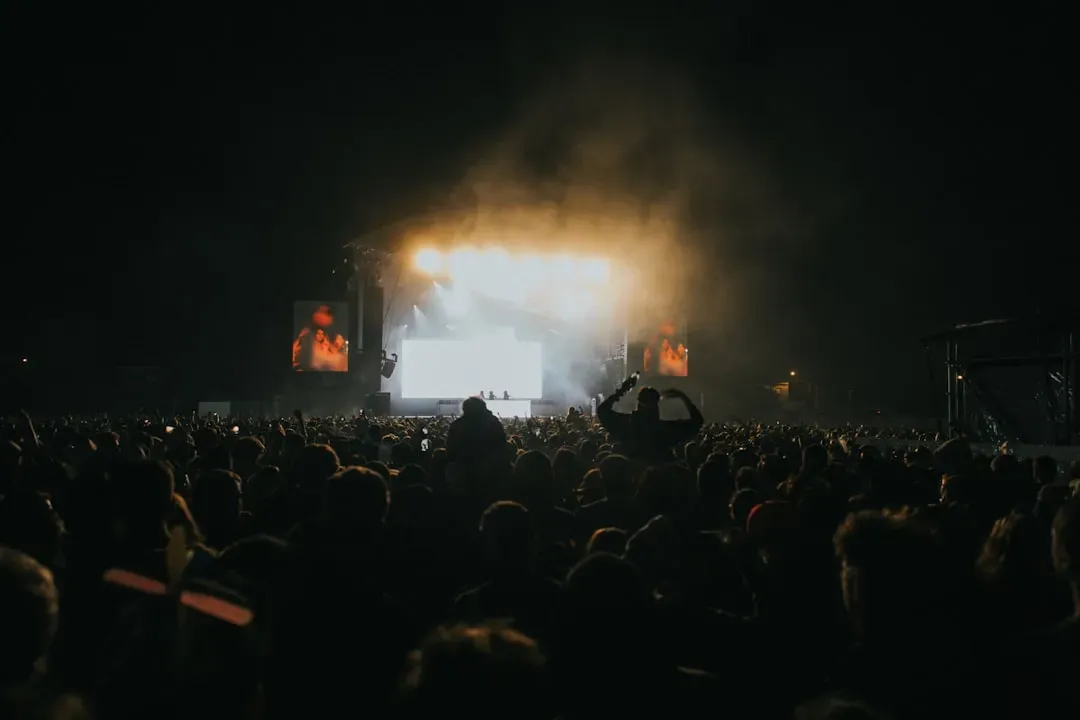
It’s hard to say for sure where the ceiling is, but right now it doesn’t look close. New product development in the music festival market focuses on hybrid experiences, immersive technologies, and merchandise innovations. Nearly half of global festivals introduced live-streaming apps with interactive features in 2024, boosting engagement beyond physical attendance.
Hybrid festivals offer new revenue channels through digital passes, exclusive online content, subscription communities, and interactive livestream experiences. As remote consumption grows, organizers can scale globally without physical capacity limits. This model reduces geographic barriers and attracts international sponsors seeking multidimensional marketing exposure.
VR festival platforms allow remote audiences to experience live performances in immersive 3D, with adoption expected to cross 22% in 2025. Organizers are also experimenting with AI-driven personalization, delivering customized lineups and event recommendations based on attendee behavior. Digital collectibles, including NFTs tied to exclusive backstage experiences, represent 10% of new revenue streams. Think of it as a festival that never has to end, and one that can theoretically sell tickets to the entire planet simultaneously.
7. Cancellations Expose Just How Dependent Local Economies Have Become

Here’s the darker side of the story that rarely makes the highlight reel. When festivals fail, they take entire local economies down with them. The Pitchfork Music Festival, after 19 years as a cornerstone of Chicago’s music scene, announced in November 2024 that it would not return in 2025, joining Delaware’s Firefly festival among the year’s casualties.
These cancellations don’t merely disappoint music fans, they eliminate millions in hotel taxes, sales tax revenue, and ancillary business income that municipalities increasingly rely upon for budget planning. For jurisdictions already grappling with reduced office occupancy and diminished tourism revenue, festival losses compound existing economic development challenges.
It raised a question that goes beyond one festival or one town: what happens when a local economy is engineered to depend on something that exists for only a few days a year? Bonnaroo’s absence made visible what its presence often obscures: modern music festivals are not just cultural events, but temporary economic systems whose impact extends far beyond the festival gates. That vulnerability is real, and it is increasingly a concern for city planners and economic development officials who have built entire strategies around event tourism.
Conclusion
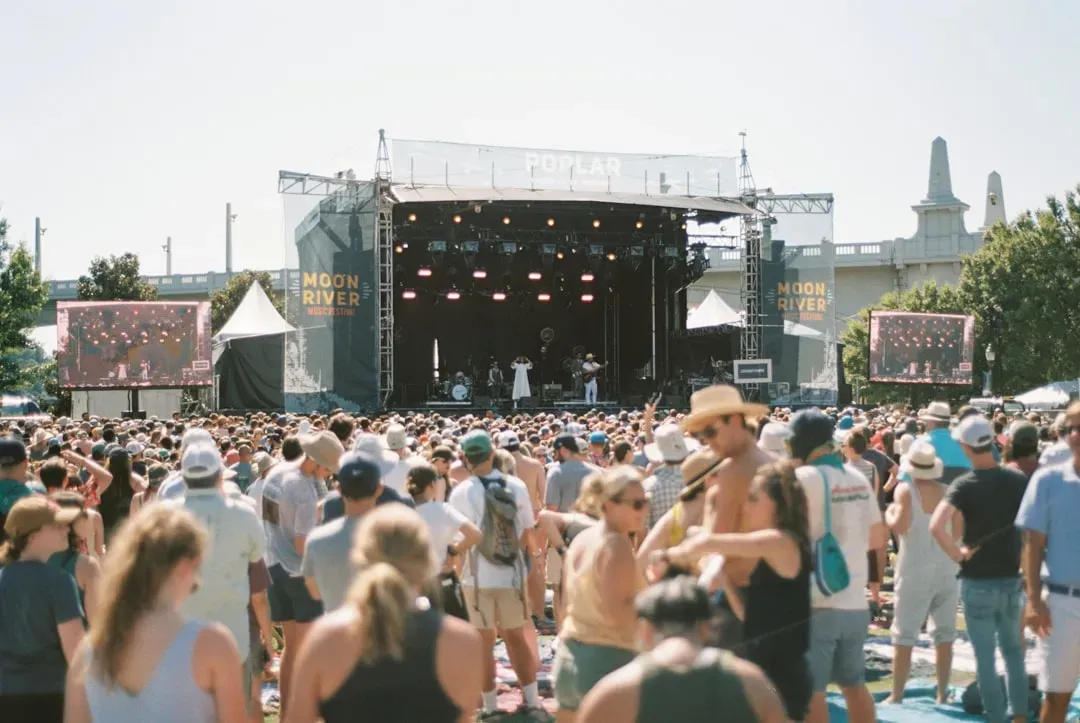
Festivals started as culture. They evolved into something that no economist from fifty years ago could have predicted. They’re now regional economic policies disguised as concerts, tourism strategies wearing flower crowns, and brand activations that happen to have amazing lineups.
Festivals around the world have evolved from musical gatherings into essential economic infrastructure for small communities. This is a new model of almost seasonal capitalism that generates millions in revenue yet remains highly sensitive to disruption. The playbook is being rewritten in real time, and the stakes are higher than ever.
The question worth sitting with isn’t whether festivals matter economically. The evidence for that is overwhelming. The real question is what happens to the communities built around them when the music finally stops. What do you think about it? Tell us in the comments.