Behind every song that dominates the charts, there’s an invisible architecture of technology quietly doing the heavy lifting. From the software a bedroom producer uses to the algorithm deciding which track gets pushed to your ears next, modern hits are as much the product of engineering as they are of artistry. The music industry has never been more technically complex, or more fascinating, than it is right now.
AI Has Entered the Studio – And It’s Not Leaving
According to the IMS Business Report 2025, a staggering 60 million people used AI software to create music in 2024. That’s not a niche experiment. That’s a full-blown cultural shift happening inside studios, bedrooms, and laptops worldwide. A LANDR study of over 1,200 music makers found that 87% of artists now use AI somewhere in their workflow, from technical production tasks to creative and promotion support, with many citing that these tools help them do things they otherwise wouldn’t be able to because of skill gaps.
The global AI in Music market is projected to grow from $3.9 billion to $38.7 billion, representing a compound annual growth rate of 25.8% between 2024 and 2033. The numbers tell a clear story: this isn’t a passing trend. AI is capable of generating musical compositions 20 times faster than humans, and this efficiency is driving its adoption among artists and musicians, with roughly one in five having already utilized AI for music production. The creative argument against AI is getting harder to sustain as the tools themselves become harder to distinguish from human work.
The DAW Revolution: Making Hits from a Laptop
The global digital audio workstation (DAW) market was valued at $3.12 billion in 2024 and is projected to reach $5.88 billion by 2033, growing at a rate of roughly 7% per year. These are the software environments, like Ableton Live, Logic Pro, and FL Studio, where modern hit records are born. In May 2024, Apple launched Logic Pro for iPad 2 and Logic Pro for Mac 11, introducing advanced tools for songwriting, beat-making, production, and mixing, with both versions enhanced with artificial intelligence through studio assistant features that support the creative process while ensuring artists maintain full control.
In 2025, AI tools are embedded into most major DAWs, and producers are learning how to wield them as part of the creative process instead of shortcuts. What once required an entire recording studio and a large budget can now be executed on a single device. The rise of independent musicians, podcasters, and online creators is fueling DAW demand, with a home studio boom pushing software adoption higher than ever. The barriers to entry for making professional-sounding music have essentially collapsed.
Streaming Algorithms: The Invisible Tastemakers
Research from the IFPI Global Music Report 2024 shows that 67% of music listeners discover new artists through streaming services, with algorithm-generated playlists cited as the primary discovery mechanism across all age groups surveyed. This is a seismic shift from radio and word-of-mouth discovery. Play counts, skip rates, playlist additions, time spent listening, and even moments where volume changes feed algorithmic models that determine which songs get pushed and which get buried.
Spotify has reported that around one third of new artist discoveries happen through personalized recommendations, not direct searches or editorial placements, and from January to December 2024, over five million new tracks were uploaded to the platform. The competition for algorithmic attention is fierce. Combining all available data, digital streaming platforms are now moving towards contextual recommendations, things like Morning Commutes, Study Sessions, and Workouts, with an increase in playlists created based on mood. Winning the algorithm isn’t luck – it requires understanding these systems deeply.
TikTok and the Viral Chart Machine
Remarkably, 84% of songs that entered the Billboard Global 200 in 2024 went viral on TikTok first. That single statistic rewrites everything we thought we knew about how hits are made. As part of its Year-End Music Report for 2024, TikTok reported that 13 of the 16 tracks that reached No. 1 on the US Billboard Hot 100 last year were in some way linked to a trend on TikTok. Artists like Chappell Roan and Sabrina Carpenter were specifically identified as major beneficiaries of the platform’s reach.
In 2020, it took an average of 340 days for a song to hit 100,000 TikTok posts. By 2025, that number dropped to just around 50. But faster virality no longer means bigger success. The speed of attention has accelerated dramatically, but so has the speed of burnout. Billboard now includes TikTok metrics, meaning viral songs can directly impact chart placements. The platform has fundamentally changed the economics and timeline of musical success, compressing what once took months into a matter of days.
Mastering Goes Digital: The Science of Loudness

Statistics from 2024 show that the majority of songs in the Billboard Hot 100 are mastered in the −9 to −7 LUFS range, indicating that mastering louder than platform targets is common practice for major commercial releases. Mastering, the final step before a song reaches your ears, has become both a technical science and a competitive arena. AI technology is being employed by roughly 30% of artists for mastering tracks, and the tools are getting better by the month.
A major trend in mastering is the use of AI to “upmix” a traditional stereo file into an immersive Dolby Atmos master, with services like Masterchannel pioneering this technology. Spatial audio is no longer exclusive to blockbuster film scores. Industry estimates show that AI-assisted workflows can reduce production time by up to 80%, especially for repetitive or background-oriented projects. What once required a seasoned mastering engineer and a $500-per-hour studio session can now be initiated in minutes, though human engineers still produce results that listeners consistently rate higher in blind tests.
Data Analytics: How Labels Predict the Next Hit
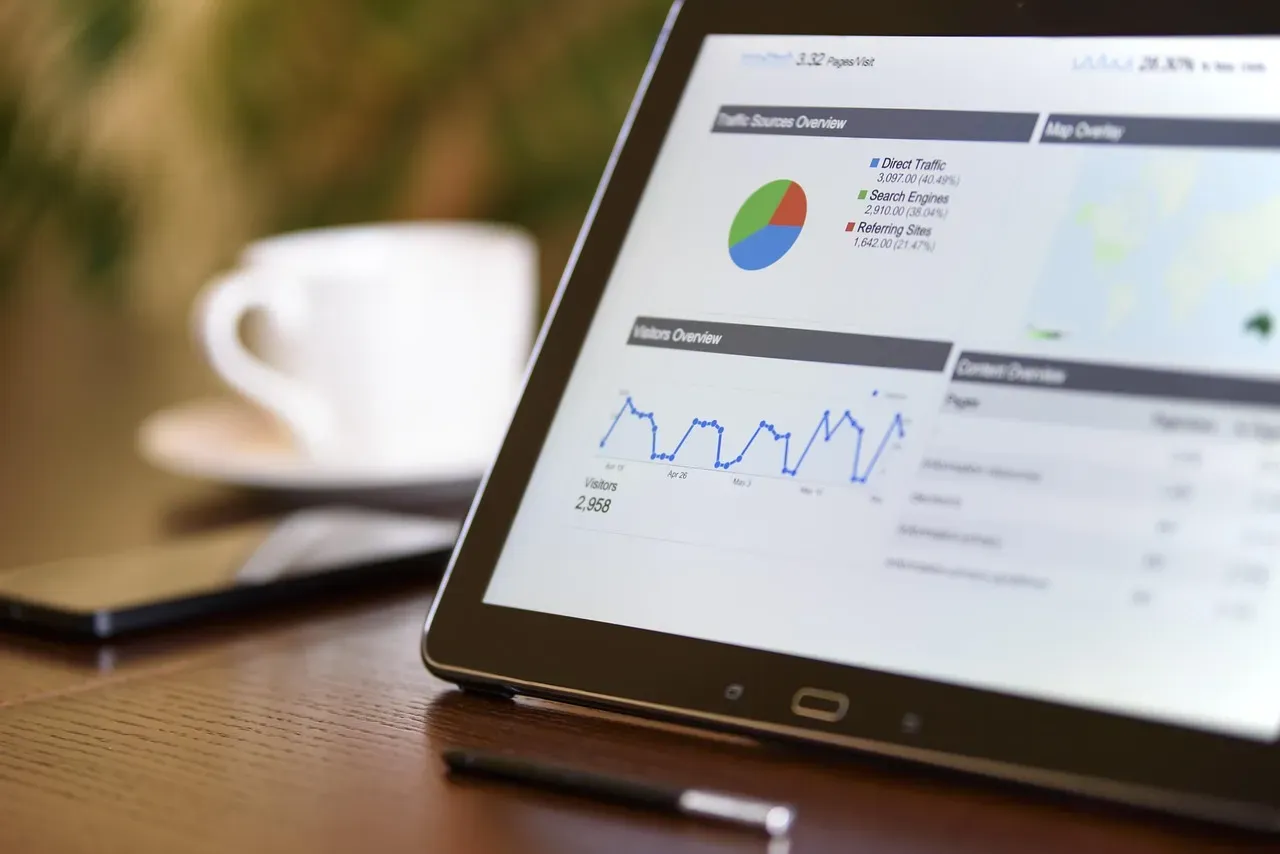
Streaming platforms offer artists and labels vital data, showing which songs are popular, listener demographics, and top streaming regions, and this data aids in marketing, tour planning, and making music. Labels are no longer guessing what works. They are tracking it in real time. Record labels now monitor TikTok trends to find potential hits, underscoring the platform’s importance in music promotion. The A&R process, once dependent almost entirely on gut instinct, has been transformed into something resembling a data science operation.
According to TikTok’s Music Impact Report for 2024, an artist can expect an average 11% increase in on-demand music streaming over the course of the three days following a peak in TikTok total views. These correlations between social engagement and streaming performance give labels and managers extraordinarily precise tools to time and calibrate their release strategies. Music-tech startups raised more than $700 million in the first half of 2025 alone, signaling that the industry believes deeply in the ongoing fusion of data intelligence and creative output. The next great hit is as likely to be shaped by a spreadsheet as by a song.