You have probably heard “Number nine… number nine… number nine…” looping in that unsettling, hypnotic way. Maybe it made you uneasy. Maybe you skipped it. Or maybe, like millions of curious listeners, you found yourself completely transfixed by it. The Beatles’ “Revolution 9” is the most strange, divisive, and deeply misunderstood piece of music one of the most famous bands in history ever put on record. It has fuelled death conspiracies, inspired avant-garde composers, provoked outrage, and outlasted nearly every conversation about what music can actually be.
There is a real story behind that nine. Several stories, actually. Some rooted in myth, some rooted in obsession, and some so factually strange they need no embellishment whatsoever. Let’s dive in.
The Most Hated Song the Beatles Ever Made
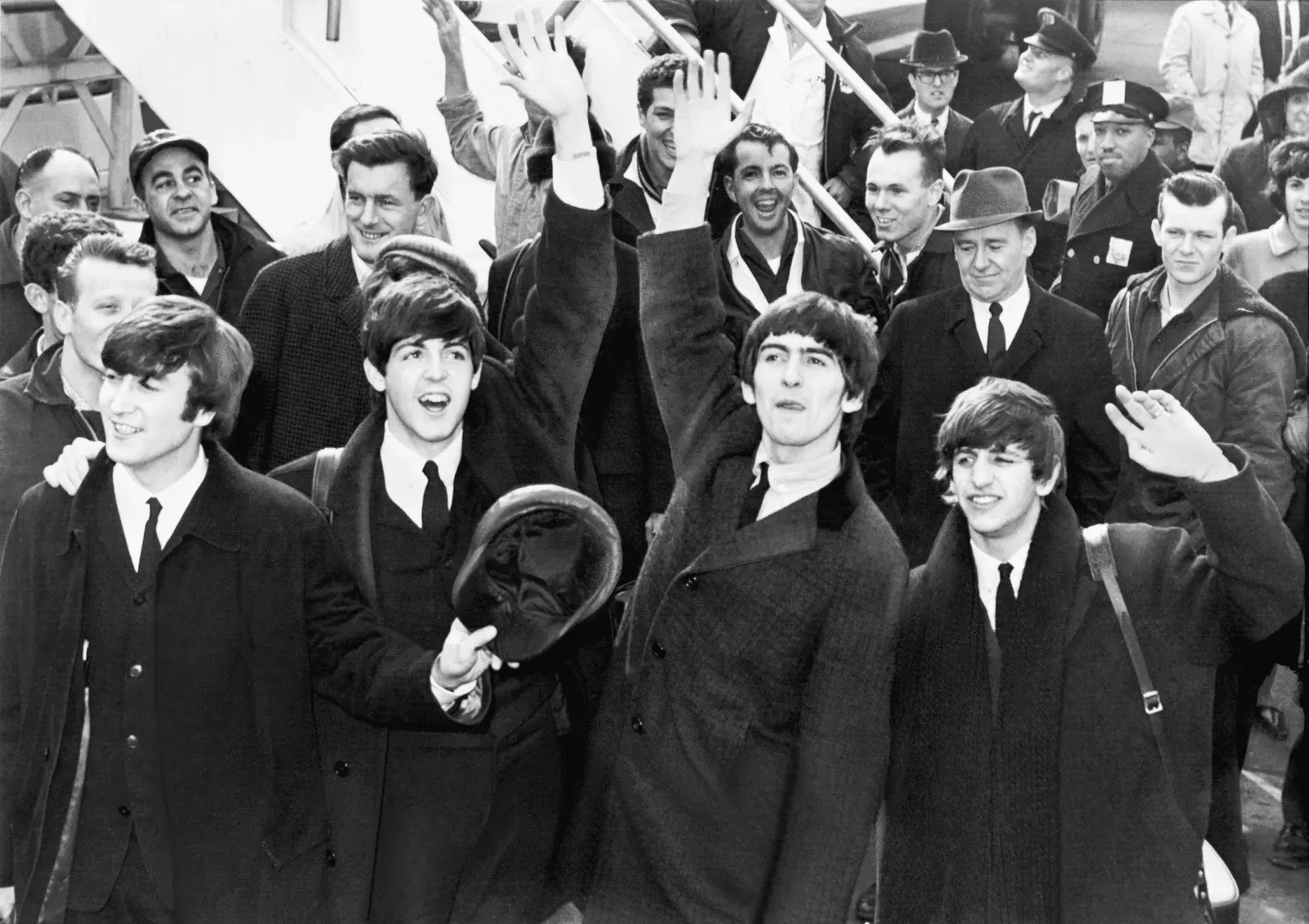
“Revolution 9” is the universally least liked recording released under the moniker of The Beatles. It is the second-to-last song on the double album The Beatles, popularly referred to as The White Album. Honest opinion? That placement alone feels like a dare. After nearly two hours of pop, folk, and blues experimentation, here comes eight minutes of pure chaos.
Writing for Mojo in 2003, Mark Paytress said that “Revolution 9” remained “the most unpopular piece of music the Beatles ever made”, yet it was also their “most extraordinary recording.” The track was so divisive that it was voted the worst Beatles song in one of the first such polls, conducted in 1971 by WPLJ and The Village Voice. That is a remarkable legacy for a piece that runs over eight minutes without a single melody you could hum.
What “Revolution 9” Actually Is
Let’s be real, this is not a song in any traditional sense. “Revolution 9” is a sound collage, which has been described as a piece of experimental, avant-garde, musique concrète, surrealist, and psychedelic music. The piece begins with a slow piano theme in the key of B minor and the voice of an EMI engineer repeating the words “number nine”, quickly panning across the stereo channels.
In all, the final mix includes at least 45 different sound sources. Think about that. Forty-five separate sounds layered together into something that either sounds like a revolution or sounds like a nightmare, depending entirely on your state of mind. Segments of random prose read by Lennon and Harrison are heard prominently throughout, along with numerous sound effects such as women’s laughter, a cooing baby, crowd noise, playing schoolchildren, breaking glass, car horns, crackling fire and gunfire.
Where the Number Nine Voice Actually Came From
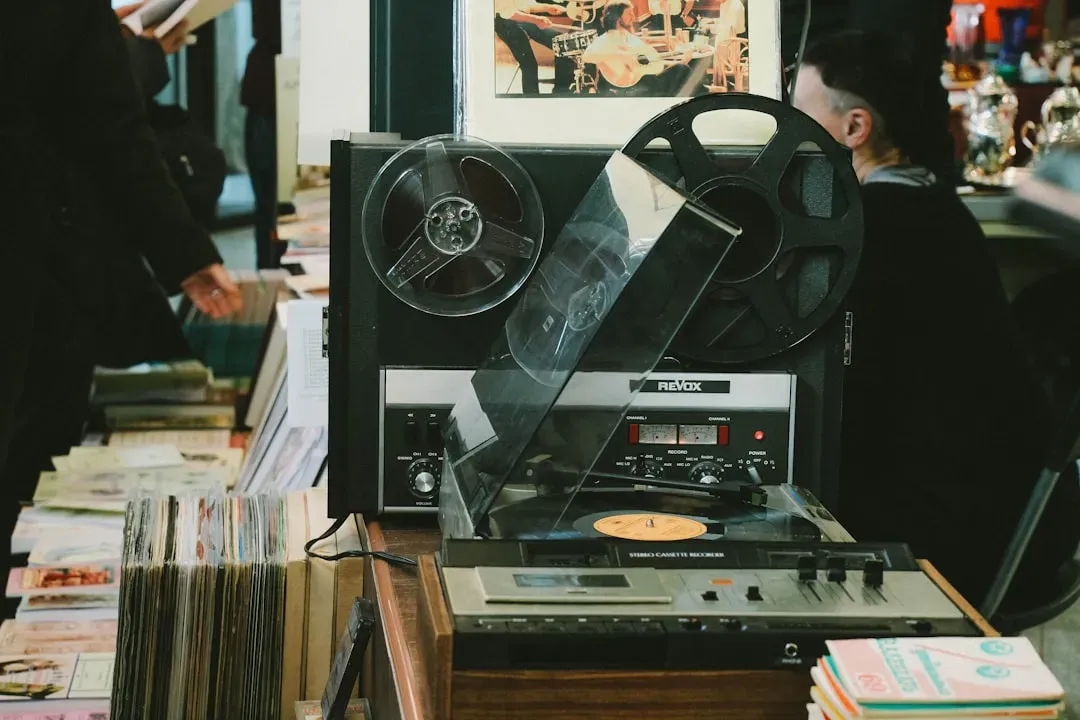
Here is one of the most fascinating and frequently misunderstood facts about the track. People assumed the looping “number nine” voice was some kind of deliberate artistic choice. This was made by layering tape loops over the basic rhythm of “Revolution.” Lennon was trying to create an atmosphere of a revolution in progress. The tape loops came from EMI archives, and the “Number 9” voice heard over and over is an engineer testing equipment.
Lennon said he used “about 30 loops” and “fed them onto one basic track.” Although the Beatles’ Anthology says he snipped the refrain from a recording that said “this is number nine-hundred megacycles,” Lennon told Rolling Stone it was cut from a snippet of tape of “an engineer’s testing voice saying, ‘This is EMI test series number nine.'” So the most famous nine in all of rock music was essentially a piece of technician’s audio tape that Lennon grabbed off a shelf.
How the Song Was Born: From Revolution 1 to Revolution 9
The Beatles made three songs with Revolution in the title during the White Album sessions: the single version (just called Revolution), the album version (called Revolution 1), and Revolution 9 (the sound collage). The album version Revolution 1 originally clocked in at over 10 minutes, with more than half of it consisting of John and Yoko singing, screaming and moaning over a range of discordant sounds, created to stimulate the rumblings of a revolution. Subsequently, they decided to cut this somewhat chaotic section and use it as a basis of another track. That was the genesis of Revolution 9.
The recording of Revolution 9 was made during five hectic days (and nights) in June 1968. Due to the lack of sophisticated multi-track recording, all three Abbey Road studios had to be commandeered, with machines being specially linked together and tape loops held in place with pencils. Picture that scene. Three studios, pencils holding loops in place, and the most famous band in the world building something totally alien.
Who Really Made the Thing?
Most people assume “Revolution 9” was purely John Lennon’s creation. The truth is messier and more interesting. In the 2011 documentary George Harrison: Living in the Material World, Yoko Ono says that “George, John and I made [‘Revolution 9’]” and that Harrison “sort of instigated it” and pushed them to create the piece.
McCartney had been out of the country when “Revolution 9” was assembled and mixed; he was unimpressed when he first heard the finished track, and later tried to persuade Lennon to drop his insistence that it be included on the album. Paul McCartney and Beatles producer George Martin hated this and tried to keep it off the album. Lennon refused to budge. The fact that it ended up on the most successful double album in rock history is, depending on your view, either a triumph of artistic will or a monument to stubbornness.
Partner offer
John Lennon and His Lifelong Obsession With the Number Nine
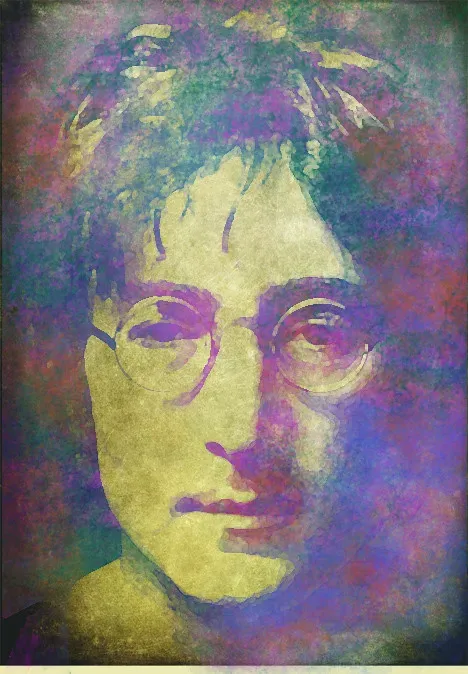
You might think the number nine was chosen randomly. It was not. The number 9 figures prominently in the life of John Lennon. Among other 9-related phenomena, he was born on the 9th of October, as was his son Sean; the Beatles’ first recording contract with EMI was signed on May 9, 1962; he met Yoko Ono on the 9th of November, 1966.
The Beatles’ first appearance at The Cavern Club was on February 9, 1961. The band’s manager, Brian Epstein, first saw them perform there on November 9, 1961. He secured a record contract for the group with EMI on May 9, 1962. The repetition is almost eerie. Lennon loved the number 9. It turned out to be his “birthday and my lucky number and everything.” When he married Yoko, he took the name Ono so he would have the letter O nine times in his full name.
The “Paul Is Dead” Conspiracy and Revolution 9
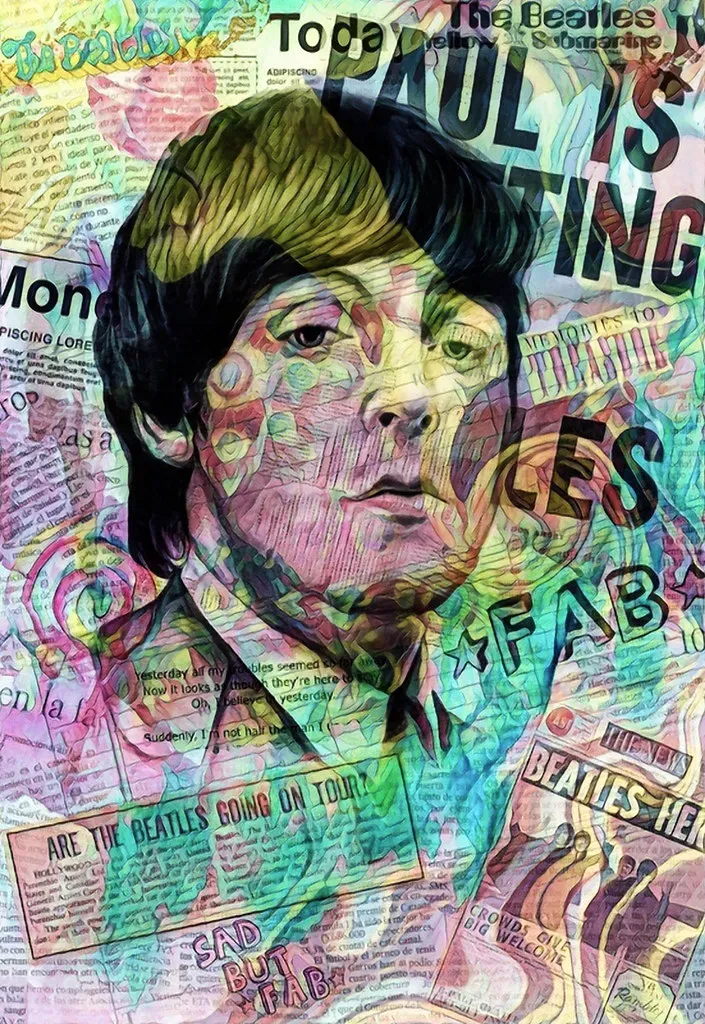
No story about “Revolution 9” is complete without this. In 1969, a rumour swept campuses and radio stations across America claiming Paul McCartney had died in a car crash in 1966 and been replaced by a lookalike. Believers claimed that if you played “Revolution 9” backwards, you would hear the message “Turn me on dead man.” It was supposedly a reference to Paul McCartney, who had reportedly died two years earlier and had been replaced by a look-alike. Since then, the man who appeared to be “Beatle Paul” was supposedly an imposter, and the other three Beatles were trying to bring the scam to the attention of the world via a series of clues hidden within album artwork.
The story was initially inspired by a program on local radio where a Beatles fan named Tom Zarsky phoned in claiming not only that Paul McCartney was dead, but that a sinister clue was hidden in the White Album track Revolution 9. Following the caller’s instructions, disc jockey Russ Gibb at Michigan’s WKNR-FM played a portion of the song backwards live on air, stunning his listeners by revealing the apparent secret message “Turn me on dead man.” The phrase that made millions of teenagers spin their turntables the wrong way for weeks.
The Avant-Garde Influences That Made It Possible
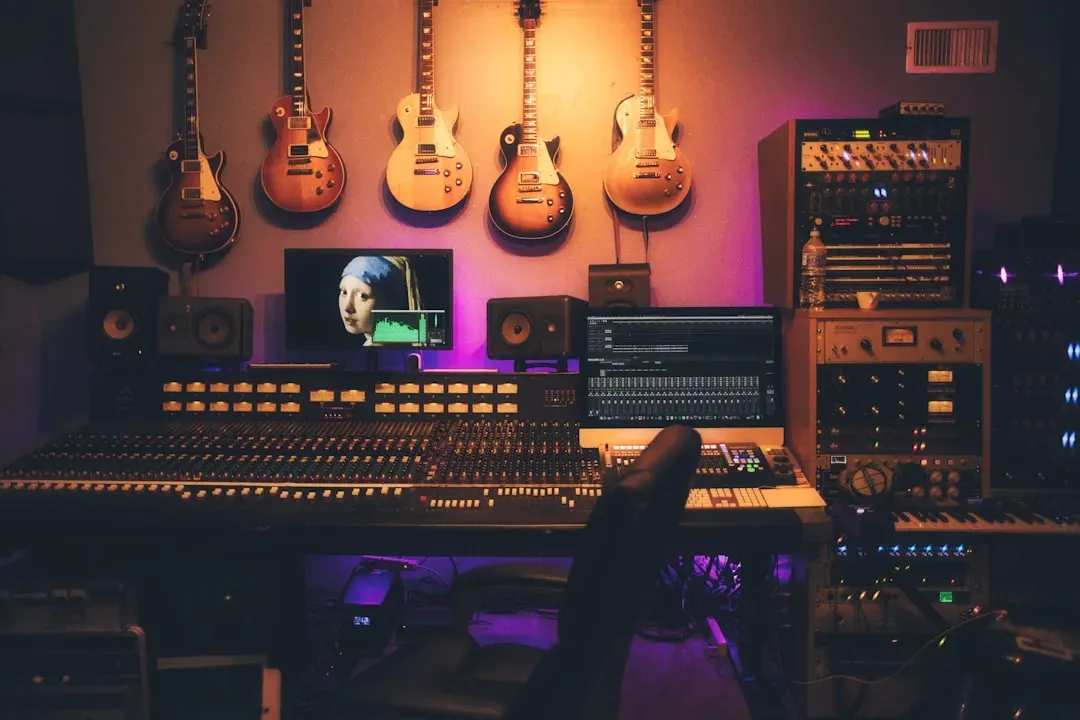
“Revolution 9” did not appear out of thin air. The song was not the first venture by the Beatles into experimental recordings. The group had introduced avant-garde styling in their 1966 song “Tomorrow Never Knows” and, in January 1967, they recorded an unreleased piece called “Carnival of Light.” McCartney said that work was inspired by composers Karlheinz Stockhausen and John Cage.
“Revolution 9” included Beethoven’s Choral Fantasy, Farid al-Atrash’s Arabic song “Awal Hamsa,” Vaughan Williams’ “O Clap Your Hands,” Sibelius’ Symphony No. 7, Schumann’s Symphonic Studies, “The Streets of Cairo,” and the violins from “A Day in the Life.” A year later, the song would influence Luigi Nono’s “Non Consumiamo Marx.” That is a staggering cross-section of sources for something most people have only ever heard while waiting for “Good Night” to start.
The Number Nine in Culture, Mythology and Music
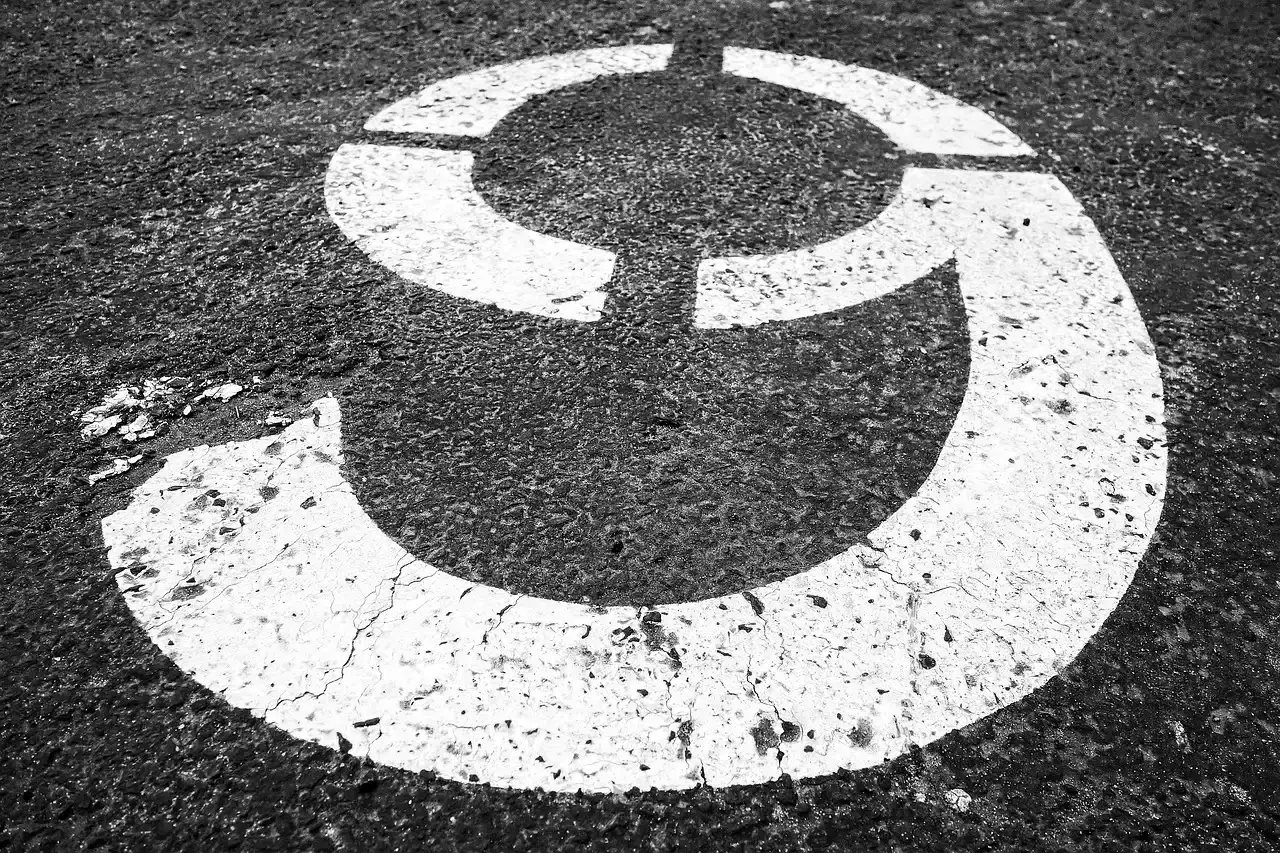
The nine obsession goes far beyond Lennon. In Greek mythology, the nine Muses were goddesses of inspiration, arts, and sciences. They were believed to inspire creativity in artists, poets, and musicians. The connection between the number and artistic creation runs deep across human history.
In numerology, the number 9 is often regarded as a profound symbol of completion and universal love, embodying the culmination of life’s lessons and experiences, and as it is the final single-digit number, it signifies the closing of one chapter and the readiness for a new beginning. In Norse mythology, Odin hung on the world tree Yggdrasil for 9 days and 9 nights to gain wisdom and knowledge. From mythology to music theory, the nine holds a peculiar gravitational pull on the human imagination that songwriters have always felt, whether they acknowledged it or not.
Revolution 9’s Legacy and the Songs It Inspired
Ian MacDonald remarked that “Revolution 9” evoked the era’s revolutionary disruptions and their repercussions, and thus was culturally “one of the most significant acts the Beatles ever perpetrated”, as well as “the world’s most widely distributed avant-garde artifact.” That last phrase is worth sitting with. The most widely distributed avant-garde artifact. Because it was on a Beatles album, an experimental piece of sound art arrived in virtually every home that had a record player in 1968.
The song has inspired tracks by punk group United Nations (“Resolution 9”) and rock band Marilyn Manson (“Revelation #9”). It also inspired White Zombie’s “Real Solution #9”, which contains samples of a Prime Time Live interview. One thing that is important to stress is that Revolution 9 is important, but mostly as a symbol of artistic freedom. The truly remarkable thing about this song is that anyone at all was allowed to use unlimited time in one of the most expensive studios in the world to put together an eight-minute orgy of sound that very few would be interested in listening to more than once.
And yet here we are, still talking about it in 2026. That strange, uncomfortable loop of “number nine” has outlasted most of the carefully crafted melodies of its era. It provoked, confused, and ultimately endured, which might be the most rock-and-roll achievement of all. What do you think, was “Revolution 9” a genuine work of art or the most glorified studio experiment in history? Tell us in the comments.
Partner offer
Planning a trip to Vegas?
Compare hotel rates and show tickets on VEGAS.com.