Las Vegas is built on spectacle. The lights, the noise, the promise that something bigger and shinier is always just around the next corner. So it says something remarkable when a dimly lit steakhouse that has barely changed since the Eisenhower administration keeps pulling people away from the Gordon Ramsays and the Wolfgang Pucks of the world. Every year, millions of visitors land in this city with a list of the hottest new openings. A surprising number of them end up at a place on West Sahara Avenue that smells like history and serves you a Caesar salad tableside.
This is not a nostalgia piece. It’s something more interesting than that. The story of why one old Vegas steakhouse still dominates is also a story about what fine dining actually means, what loyalty looks like in the restaurant industry, and why atmosphere cannot be bought by a TV personality with a great publicist. Let’s dive in.
A City That Runs on Food and Money – And an Enormous Appetite for Both
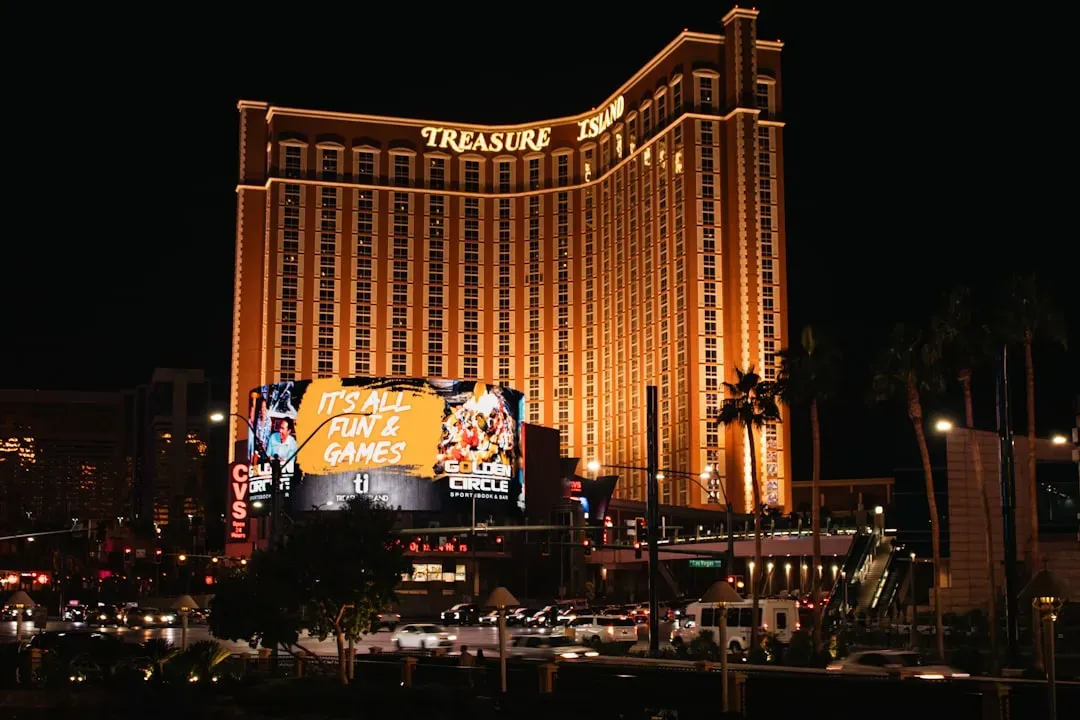
For a city that welcomed over 40 million visitors in 2023, Las Vegas has shown no signs of slowing down. That is a staggering number of people descending on a single desert metropolis, all of them hungry, many of them flush. In 2023, the total economic output related to visitor spending rose 7.4 percent to $85.2 billion, surpassing the all-time high set in 2022.
With that kind of money flowing through the city, competition among restaurants is not just intense. It is war. Every hotel casino is fighting for the same dinner reservation, the same high-spending traveler, the same coveted slot in a visitor’s memory. Yet somehow, a steakhouse that opened during the Rat Pack era remains one of the most talked-about dining destinations in the whole city.
The Golden Steer: Over Six Decades and Still Standing
Here’s the thing – the Golden Steer is the oldest continually operating steakhouse in Las Vegas and has been serving its legendary menu since 1958. That is not a marketing slogan. That is a legitimate historical fact that most Strip newcomers simply cannot match with anything they have on offer. The restaurant’s décor still retains the ambiance of the “Old Las Vegas” days when Frank Sinatra, Dean Martin, and Sammy Davis Jr. were regular customers.
Located just off the Strip at 308 W. Sahara Avenue, it is the city’s oldest and most iconic steakhouse, serving guests for well over 65 years. It never tried to be a novelty. It simply kept showing up, plate after plate, year after year. That kind of consistency is harder to manufacture than any celebrity partnership you could dream up.
The Rat Pack, the Mob, and a Very Long Guest List
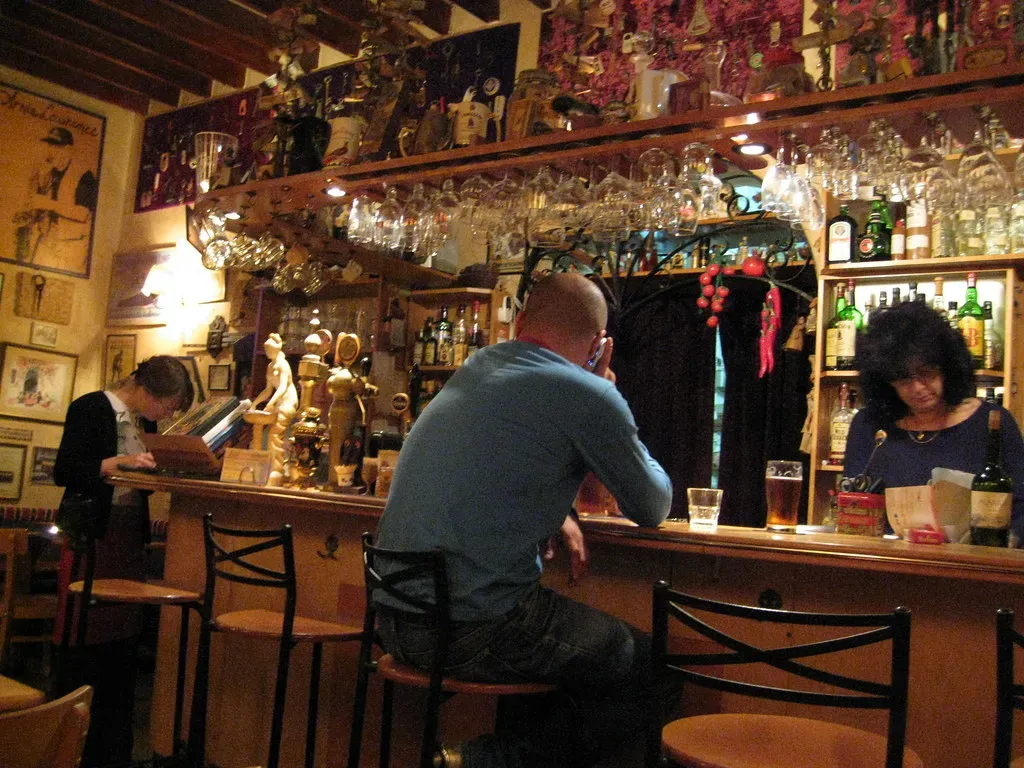
Walk into the Golden Steer and you are, genuinely, stepping into a piece of American cultural history. The restaurant is filled with stories from famous celebrities who dined there, complete with signature red leather booths named in their honor, from Frank Sinatra to Marilyn Monroe. If you’ve seen the movie Casino, most of the restaurant scenes were based on real moments from the Golden Steer – a beloved hangout for the mob in its heyday.
The Golden Steer is also known for its many famous and infamous customers, including Tony “The Ant” Spilotro, Natalie Wood, Nat “King” Cole, Joe DiMaggio, Elvis Presley, and Mario Andretti, just to name a few. Try getting that kind of provenance at a restaurant that opened in 2019. Honestly, you simply cannot. No amount of press launches and Instagram activations can replicate sixty-plus years of genuine history embedded in a room.
The Secret Is in the Beef: Why Aged Cuts Change Everything
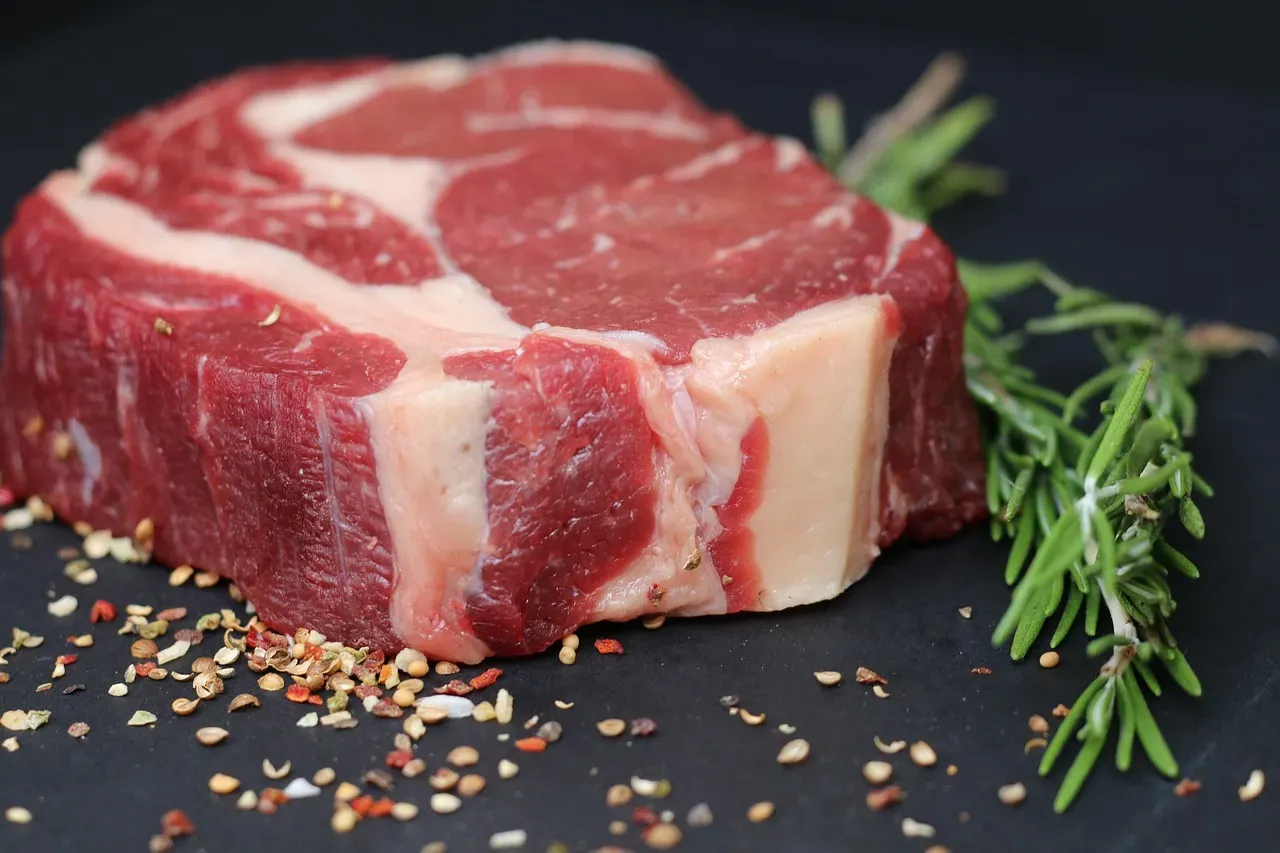
The main attraction at the Golden Steer is high-grade, 35-day wet-aged cuts of beef, alongside succulent seafood and traditional yet exceptional sides. That aging window matters enormously. When you see “dry-aged” or “wet-aged” beef, it usually means the meat has been aged anywhere from 21 to 45 days, allowing deeper flavors and tenderness to fully develop.
The key effect of aging is the concentration of flavor that can only be described as uniquely “aged beef.” Numerous researchers have reported that eating aged beef is typically described as having a beefy, buttery rich, nutty, or earthy flavor profile. During the aging process, the juices are absorbed into the meat and chemical breakdown of protein and fat constituents occurs, resulting in a more intense nutty and beefy flavor. That is the science behind why a properly aged prime cut at a traditional steakhouse is so difficult to replicate in a kitchen that is simultaneously cranking out twelve different concepts under one hotel roof.
Celebrity Chef Culture: Dazzling, But Not Always Durable
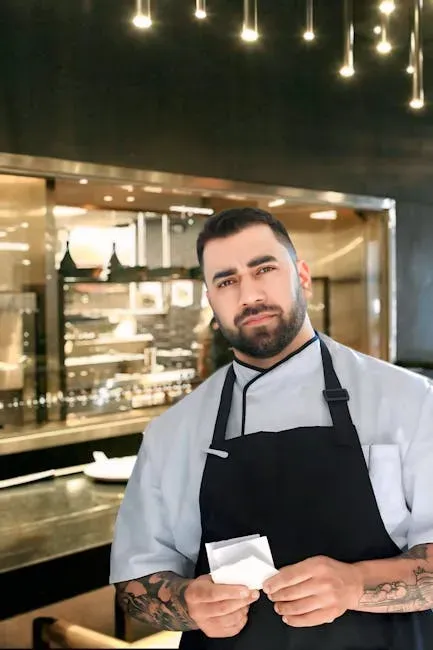
The Las Vegas Strip is somewhat like a Hollywood Boulevard for celebrity chefs, but instead of cement stars, it’s the restaurants inside hotel casinos that bear their names. However, the Strip culinary scene has experienced a series of restaurant closures, including celebrity-driven concepts like International Smoke by Michael Mina and Ayesha Curry at the MGM Grand, and Julian Serrano Tapas at Aria Las Vegas.
Julian Serrano’s closure followed the announcement of the chef’s retirement, as well as the shuttering of his other Las Vegas Strip restaurants, Picasso and Lago, inside the Bellagio Hotel. Let’s be real: when the brand walks out the door, the restaurant often has nowhere left to go. The Golden Steer has no such vulnerability. Its identity is not tied to any single person’s television career.
The Strip Is Crowded – But the Classics Have Roots
The Las Vegas Strip has long been home to legendary celebrity chefs who have redefined dining with their culinary masterpieces. From Emeril Lagasse’s bold flavors to Wolfgang Puck’s innovative dishes, Thomas Keller’s refined cuisine, and others, each restaurant offers a uniquely delicious culinary experience. There is no doubt that talent and creativity on the Strip are very real. The competition is formidable.
Yet classic steakhouses operate on a fundamentally different contract with their guests. The menu barely changes. The staff knows the history. The tableside Caesar, the flaming dessert, the booths with their famous names – none of that requires a marketing department to refresh every season. Today, patrons dine at the Golden Steer to experience fine dining at its most classic core: tuxedoed servers, white tablecloths, Caesar salad tableside, flaming desserts, giant twice-baked potatoes, and some of the most flavorful steak you have ever had.
The TikTok Moment That Proved Old Is the New New
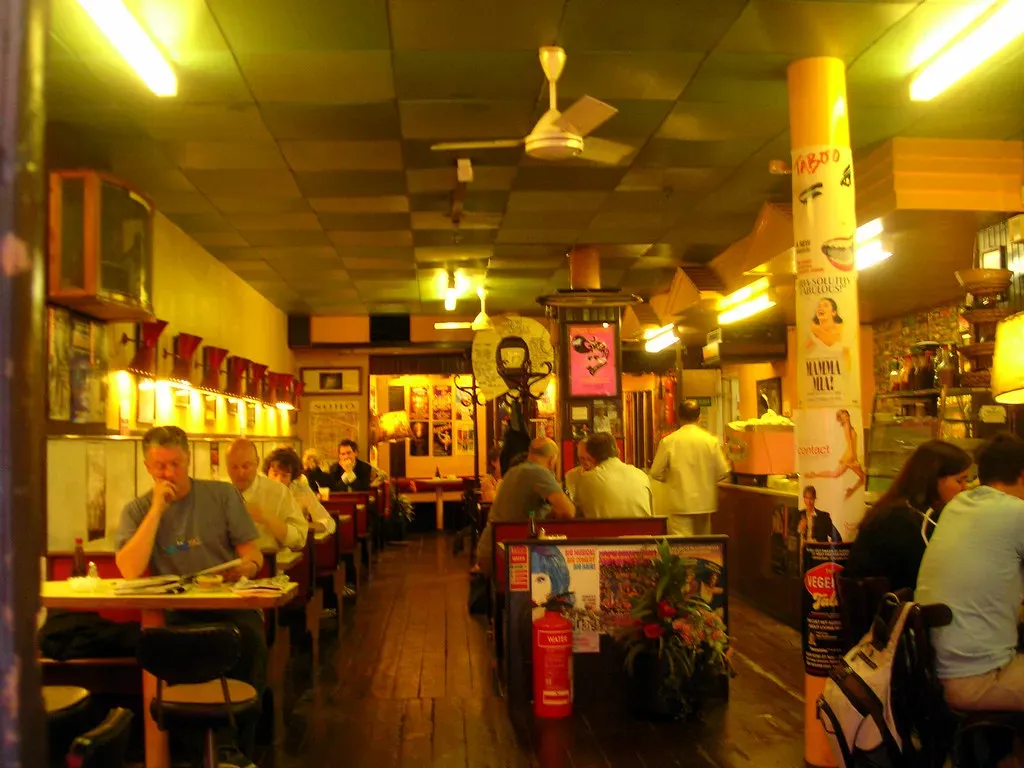
This part of the story still surprises me. A restaurant that opened in 1958 went viral. The Golden Steer’s reputation had relied heavily on word-of-mouth marketing for decades. Then in 2020, the staff took steps to share the restaurant’s story online, becoming an early adopter of TikTok despite others dismissing the app as something just for younger audiences.
In the following six months after going viral, lobster sales soared by an enormous margin, and an influx of patrons scrambled to secure reservations. The newfound online presence created even higher demand for this quintessential Vegas experience, and the restaurant struggled to satisfy the increase in reservations and accommodate large parties in its existing space. A restaurant nearly seventy years old broke the internet. Not a celebrity chef. Not a new hotel opening. A place with red leather booths and flamed desserts.
Expansion Without Losing the Soul
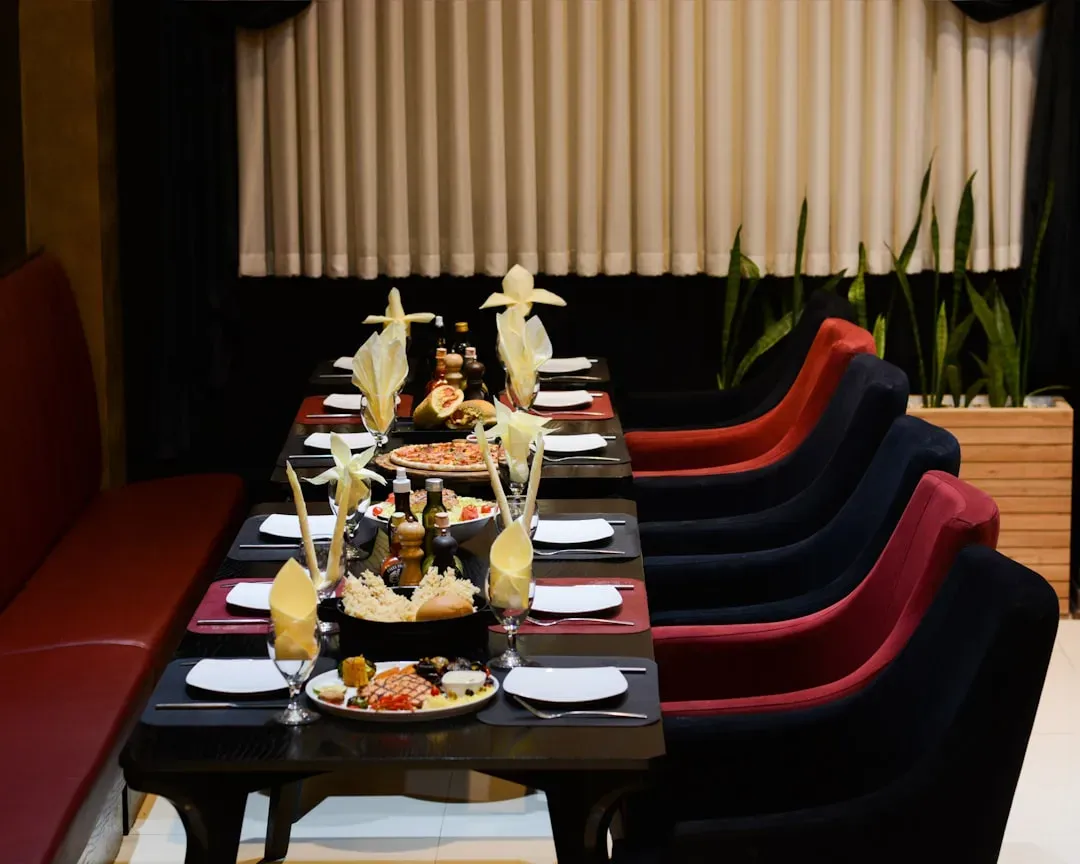
Growth is a dangerous thing for a legacy restaurant. Get it wrong and you become a theme park version of yourself. The Golden Steer navigated that carefully. Celebrating its 65th anniversary, the restaurant expanded its walls for the first time in 50 years, taking over the neighboring space and opening new dining rooms called the Armory and Gambler’s Den. Simultaneously, the team redefined the at-home dining experience through chef-crafted pantry products, expanding the legacy outside Nevada.
The team grew from 35 to 100 employees since 2019, all of whom have been trained extensively on the history of the steakhouse. Their storytelling abilities are considered an integral part of the guest experience, with expansion only heightening the staff’s focus on the guests and adding personality to the service. That is not just clever business. That is a genuine philosophy about what hospitality means.
Family Ownership: The Ingredient That Cannot Be Franchised
There is something irreplaceable about a family-run restaurant, and I think most people sense it the moment they walk in. In 2001, Dr. Michael J. Signorelli, a casino operator, acquired the restaurant with a commitment to preserving its heritage and transforming it into a family business. Those values now resonate in Amanda Signorelli, his daughter, and her husband, Nick McMillan, who manage the steakhouse today.
No faceless corporate board decides the menu here. No hotel management group dictates which dishes stay and which go based on quarterly profit reviews. The people running it grew up with it. That connection to the institution shapes every single decision – from who gets hired to which booths get polished. You cannot replicate that with a licensing deal.
Why Loyalty, Legacy, and the Right Steak Always Win
The Golden Steer’s iconic history continues to attract a new generation of celebrities, sports figures, and famous patrons. That is the cycle completing itself. A place earns its legend through decades of consistency, and that legend draws in the next generation, who then create their own memories inside those same walls. Diners consistently describe the Golden Steer as offering outstanding food that never disappoints. The old Vegas ambiance adds a charm that makes it a must-do for a memorable dining experience, with reservations highly sought-after and the tableside Caesar salad earning particular praise.
Meanwhile, visitor spending in Las Vegas hit an all-time high in 2023, with total spending by visitors growing by nearly 15 percent compared to 2022. Per-visitor spending climbed to a record $1,261 in 2023, roughly 9 percent higher than the year prior. More money, more competition, more options. Yet the Golden Steer keeps its tables full. That is not an accident. It is the result of over six decades of doing one thing exceptionally well, night after night, in a city that never sleeps and never stops competing.
In a town built on reinvention, the most radical thing you can do is simply refuse to change. What do you think – is that the real secret to longevity, or is there something more to it? Share your thoughts in the comments.