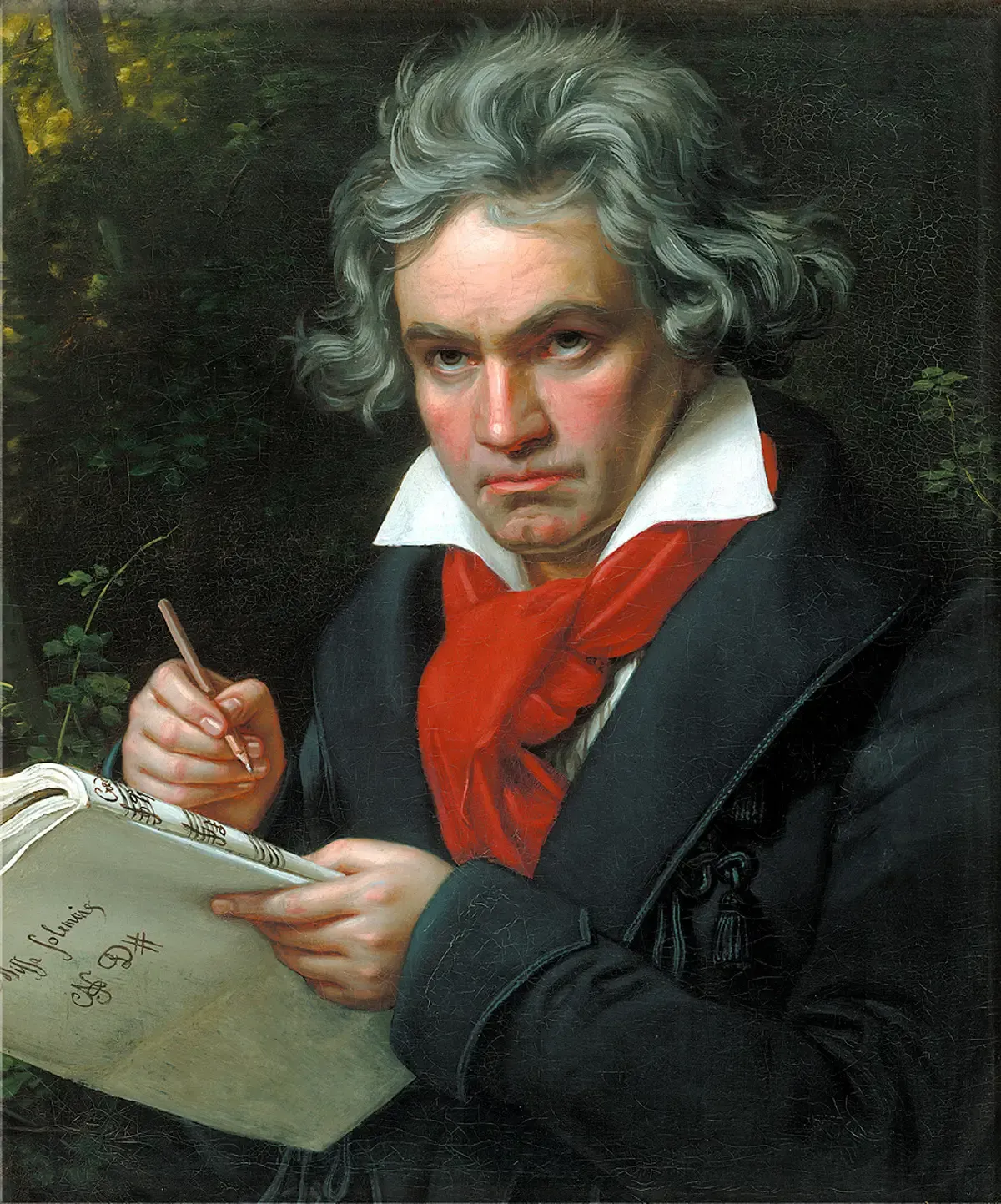
Few composers in history have packed as much mystery into their music as Ludwig van Beethoven. His symphonies and sonatas are globally celebrated, sure. Yet beneath the beauty of the notes lies something far more provocative – a web of hidden signals, personal languages, and cryptic markings that scholars are still untangling today. Some of these secrets were buried in manuscripts for over two centuries before anyone even thought to look.
What was Beethoven really saying? Was it grief, defiance, love, philosophy – or something he could never speak aloud? Let’s dive in.
1. The Manuscript Markings Nobody Could Read
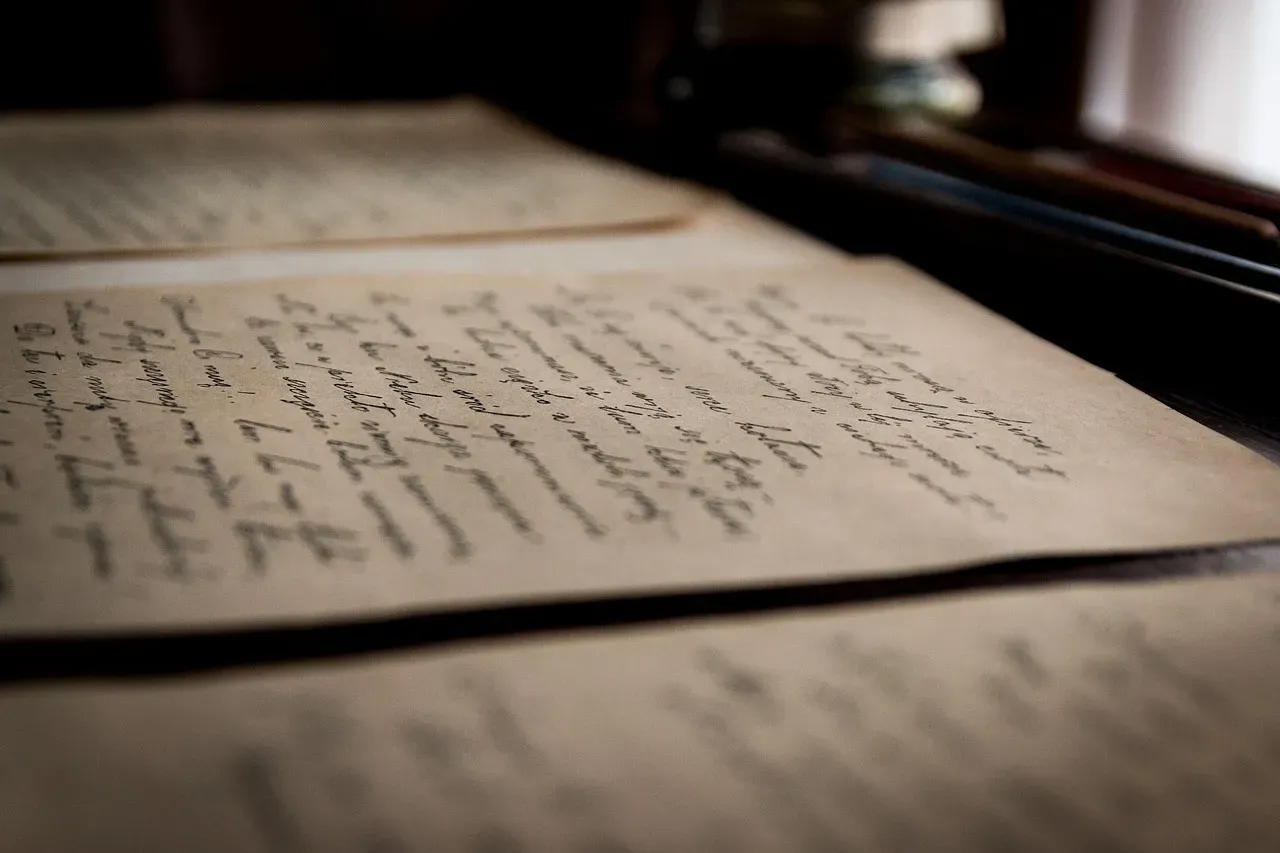
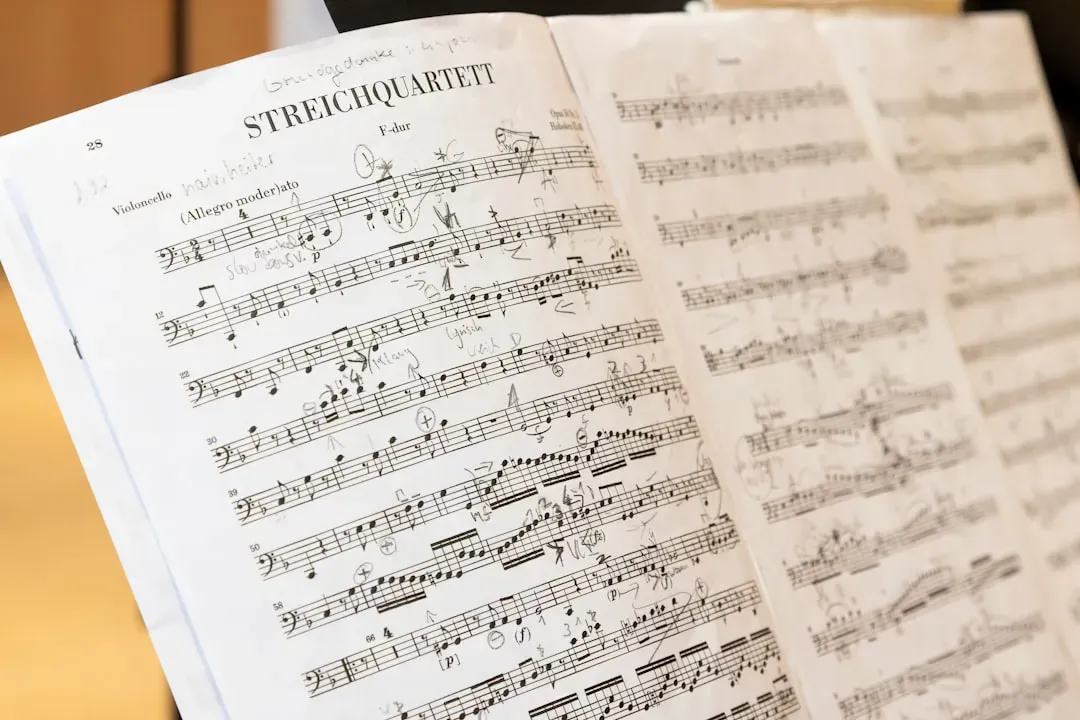
In 2024, The Atlantic reported on Nicholas Kitchen, a Boston-based violinist and co-founder of the Borromeo Quartet, who began studying singular, mysterious markings in Beethoven’s original manuscript scores that never made it into published versions of his music. It sounds almost unbelievable – that for roughly 200 years, performers were playing an incomplete version of what Beethoven actually wrote.
Kitchen eventually identified 23 degrees of dynamics, ranging from fff (thunderous) to a double-underlined ppp (a whisper), along with four kinds of staccato, two kinds of dynamic swells, and marks to indicate different ways of grouping notes together. That’s not subtle nuance. That’s an entire private vocabulary.
Taken together, Kitchen argued, these marks amount to “living instructions from one virtuoso performer to another,” an elaborate hidden language conveying new levels of expression and emotion in Beethoven’s music that had been lost for centuries. Think of it like finding a director’s cut of a film you thought you already knew. The original version was always richer, stranger, and more alive.
As to why the marks never made it into Beethoven’s printed scores, music scholar Jeremy Yudkin has suggested that Beethoven may have accepted his large personal vocabulary of symbols and abbreviations wouldn’t be easily deciphered by others, and perhaps included the marks simply for his own satisfaction. A private language spoken by no one else. Haunting, honestly.
2. The “Fate Motif” and Its True Meaning
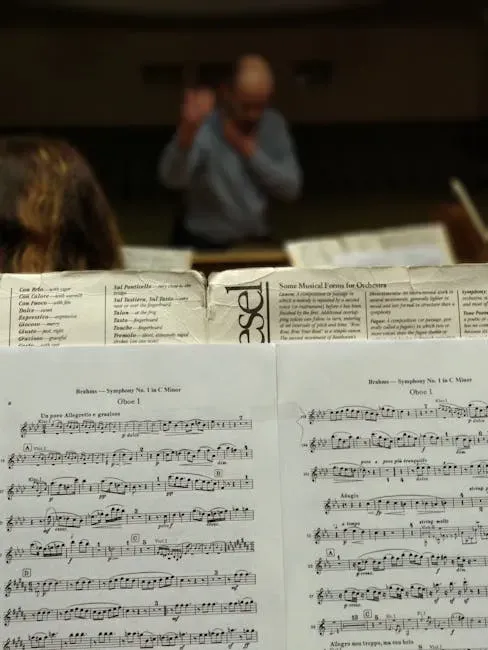
Symphony No. 5 in C minor, Op. 67, was composed by Ludwig van Beethoven between 1804 and 1808 and is one of the best-known of all symphonies and one of the most frequently played. Most people recognize those four opening notes instantly. But almost no one knows the full story behind them.
The Fifth Symphony begins with a distinctive four-note “short-short-short-long” motif, often characterized as “fate knocking at the door,” the Schicksals-Motiv, and falls within Beethoven’s “Middle Period” of composition, starting around 1803, when he chose to launch new works emphasizing the musical portrayal of heroism. The motif isn’t merely dramatic. It’s deeply personal.
The famous four-note opening gesture is credited as “Fate knocks at the door” by Beethoven’s factotum and biographer Anton Schindler, and also represents the “fate” that Beethoven wanted to overcome during his lifetime, as he was experiencing increasing deafness, psychic pain, and depression. Here’s the wild part though – the opening theme was even adopted as a symbolic motif for Allied victory during the Second World War, since the short-short-short-long rhythm contained throughout the movement is also Morse Code for the letter “V.”
Musicologists have found that this motif is woven throughout the entire symphony, reinforcing a message of resilience and unyielding spirit, and it has been analyzed in hundreds of academic papers, with some even suggesting that Beethoven used it as a personal signature for his defiance in the face of adversity. Whether or not Beethoven planned all of that consciously, the motif carries weight that keeps revealing new meaning across centuries.
3. The Hidden Language of Tonality
C minor is associated with sorrow, struggle, and tragedy – a key Beethoven used for many of his most dramatic works, including the Fifth Symphony and the Pathétique Sonata – and music theorists have observed that his key choices often align with the emotional narrative of the piece, providing listeners with subtle cues about the underlying story. In Beethoven’s hands, choosing a key was never random. It was a declaration.
Because the number 3 and the letter “B” are of particular significance to Freemasonry, music written in the keys of C minor or E flat major, which both involve 3 flats, whose symbol resembles the lowercase letter “b,” has been considered especially appropriate for Masonic ceremonial music. This adds a provocative layer to Beethoven’s famous key choices – especially given his well-documented connections to Enlightenment-era secret societies.
The key of the Fifth Symphony, C minor, is commonly regarded as a special key for Beethoven, specifically a “stormy, heroic tonality,” and he wrote a number of works in C minor whose character is broadly similar. Pianist and writer Charles Rosen noted that “Beethoven in C minor has come to symbolize his artistic character.” There’s a reason he kept returning there. It was where he felt most himself.
4. The Sketchbooks and Their Cipher-Like Marks

Beethoven was notorious for his messy, heavily edited sketchbooks, and among the pages of scribbles and musical ideas, researchers have discovered crossed-out symbols, numbers, and patterns that look like ciphers – though not all of these marks have been decoded, they suggest that Beethoven was experimenting with ways to encrypt thoughts and themes before setting them to music. Honestly, some of those pages look more like a detective’s crime board than a composer’s notebook.
In some cases, these ciphers seem to correspond to personal mottos or private jokes. Other times, they may have been tools for planning the larger structure of a work, using numbers or symbols as shorthand for complex musical ideas. It’s a bit like shorthand – except almost no one else had the dictionary.
Evidence from Beethoven’s creative output during one particularly fraught period shows that he filled no fewer than three large sketchbooks with musical ideas while in Heiligenstadt, demonstrating the Testament was drafted alongside intensive compositional work on pieces such as the Second Symphony and sketches for the Kreutzer Sonata. These notebooks are preserved in collections like the Beethoven-Haus in Bonn. The sheer volume of material he produced while in personal crisis is, frankly, staggering.
5. The Heiligenstadt Testament: A Secret Document Hidden in a Desk

The Heiligenstadt Testament is a profoundly personal document penned by Ludwig van Beethoven on October 6, 1802, in the small town of Heiligenstadt, near Vienna. This letter, addressed to his brothers Carl and Johann, was never sent, yet it reveals Beethoven’s deep distress about his progressing deafness. At the time, he was just 32 years old and grappling with the realization that his condition might worsen and strip him of his greatest passion and livelihood – music.
The Heiligenstadt Testament was discovered among Beethoven’s papers after his death in 1827 and was hidden in a secret compartment of his writing desk, attesting to its personal significance and the care Beethoven took to preserve it. A letter hidden in a secret drawer. For over two decades. That detail alone tells you everything about how deeply private Beethoven’s innermost world really was.
In subsequent works, the Testament’s motifs of liberation from despair reverberate through Beethoven’s opera Fidelio, where the narrative of imprisonment and rescue mirrors the composer’s emotional deliverance from suicidal ideation toward artistic fortitude – the opera’s dramatic arcs, from Florestan’s dungeon lament to the triumphant ensemble proclaiming freedom, echo the Testament’s progression from suffering to resolve. He encoded his most private emotional journey directly into his greatest works. That’s not coincidence. That’s craft.
6. Musical Cryptography and the Diabelli Variations
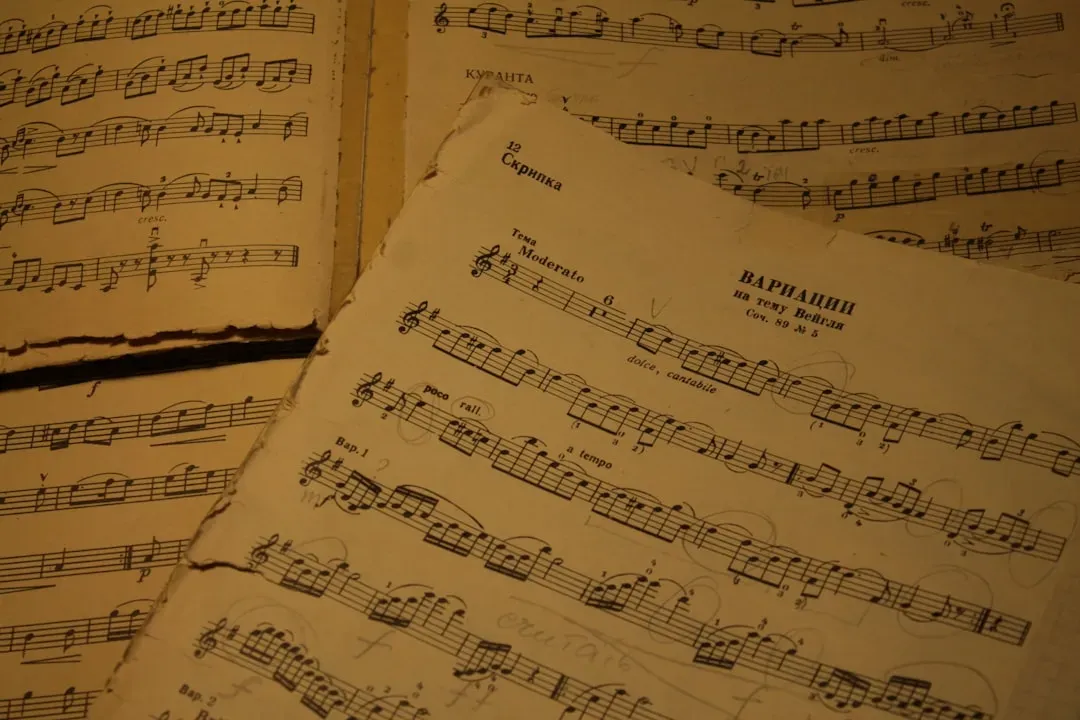
Musical cryptography refers to using musical composition techniques to embed messages or codes within a piece. For Beethoven, it represented a personal language – a way to imprint his thoughts, emotions, and perhaps unspoken words onto his scores. It sounds like something out of a thriller novel. The difference is that this is verifiably real.
Musicologists have carefully traced several variations in the Diabelli Variations where the sequence of notes maps directly onto the initials or names of Beethoven’s friends and supporters. Specific variations are believed to honor Anton Diabelli, the publisher who commissioned the work, as well as other close acquaintances. By embedding these musical signatures, Beethoven was both paying tribute and leaving a kind of musical puzzle for the attentive listener. This technique of encoding names in music, known as a musical cryptogram, was a popular pastime among composers of Beethoven’s era, but he made it uniquely personal.
Some scholars argue that these hidden names show Beethoven’s desire for connection and his appreciation for those who stood by him. The Diabelli Variations thus become not only a technical marvel but also a heartfelt message to his inner circle. When you think about it, it’s almost tender – a deaf, isolated genius quietly writing people’s names into music they’d likely never decode.
7. The Immortal Beloved Codes in the Sonatas
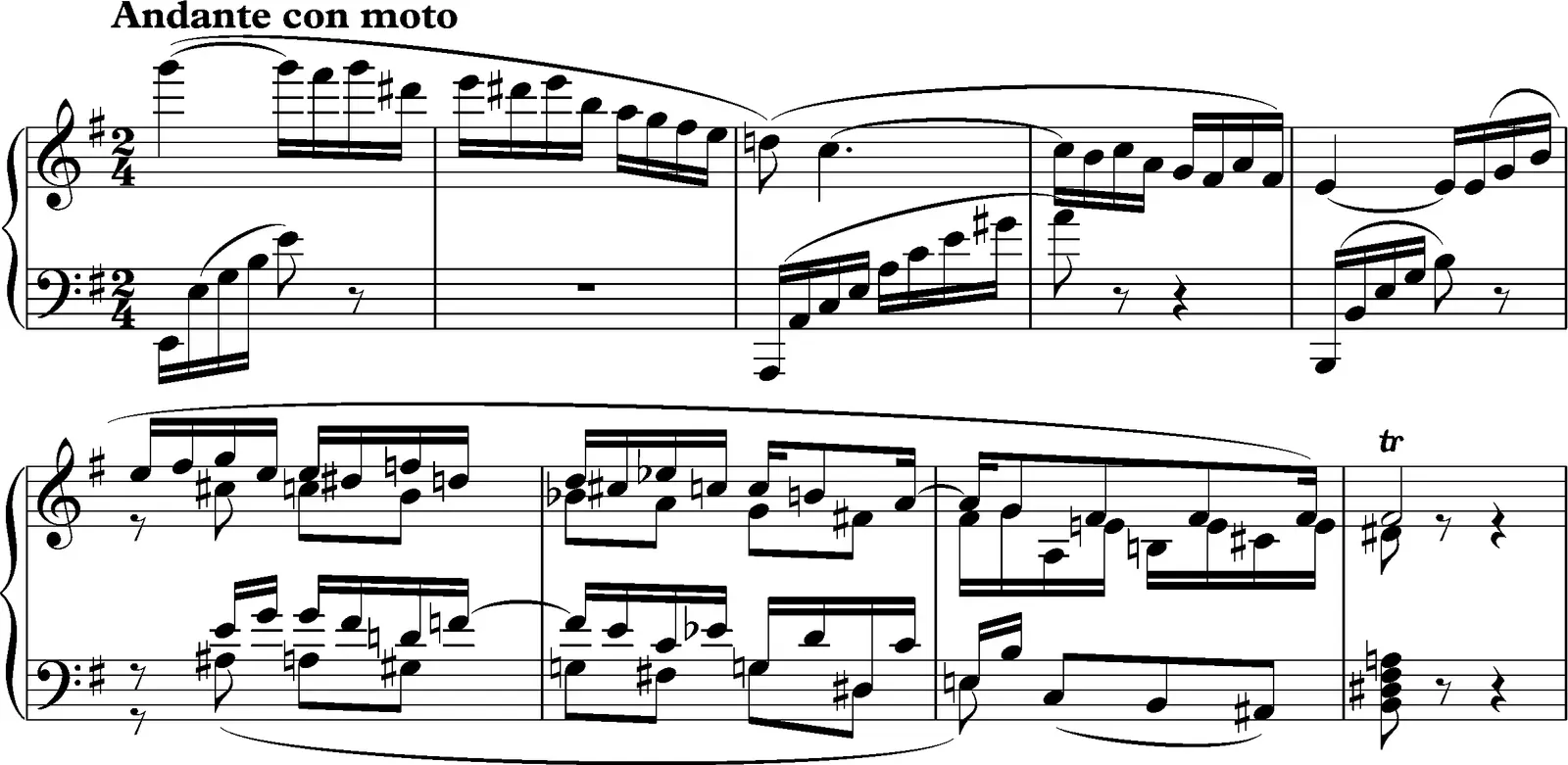
Beethoven’s piano sonatas are more than just beautiful music – they are filled with hidden dedications and secret messages. Scholars have long debated the identities of the mysterious “unnamed women” to whom some sonatas are believed to be dedicated. By choosing specific keys and musical structures, Beethoven may have been sending private signals to these individuals. For instance, the use of certain motifs, rhythmic patterns, or harmonic progressions can be interpreted as a musical code, meant only for the intended recipient.
Some sonatas also contain allusions to political ideals, such as freedom or resistance, woven subtly into the fabric of the music. The enigmatic dedications have fueled decades of speculation, with new theories emerging as researchers uncover more of Beethoven’s personal letters and notes. The mystery of his so-called “Immortal Beloved” – the unnamed woman he wrote a passionate unsent letter to in 1812 – still hasn’t been definitively solved in 2026. Some secrets, it seems, hold on for good.
Across several sonatas and letters, Beethoven hints at a deep, passionate love for an unnamed woman, and recent analyses have found recurring motifs – certain intervals, melodic shapes, and dynamic markings – that seem to refer back to this mysterious figure. If true, that means some of the most beloved piano music ever written was essentially a series of private love letters disguised as concert repertoire.
8. Freemasonry, Enlightenment, and Esoteric Symbolism
Scholarship on Ludwig van Beethoven has long addressed the composer’s affiliations with Freemasonry and other secret societies in an attempt to shed new light on his biography and works. Though Beethoven’s official membership remains unconfirmed, an examination of current scholarship and primary sources indicates a more ubiquitous Masonic presence in the composer’s life than is usually acknowledged. That’s a careful way of saying: the connections are there, they’re just deliberately hard to prove.
Whereas Mozart’s and Haydn’s Masonic status is well-known, Beethoven came of age at the historical moment when such secret societies began to be suppressed by the Habsburgs, meaning his Masonic associations are much less transparent. Nevertheless, these connections surface through evidence such as letters, marginal notes, his Tagebuch, conversation books, books discovered in his personal library, and personal accounts from various acquaintances.
Esoteric beliefs and numerological symbolism, such as the sacred number seven, permeate Beethoven’s works, emphasizing spiritual themes. Beethoven’s advocacy for freedom and his philosophical outlook, as expressed vividly in the “Ode to Joy” from his Ninth Symphony, align closely with Masonic values, and his music and writings often reflect a deep desire for brotherhood and universal peace – central tenets of Freemasonry. Whether or not he held a lodge membership card, his music breathes the same air as those ideas.
9. The Recurring Motifs Across Works – A Personal Signature
One of the most compelling theories about Beethoven’s codes concerns his repeated use of motifs and themes across different works. These recurring elements aren’t mere repetitions for the sake of familiarity but could potentially hold a latent meaning. Think of it like a watermark – invisible unless you know exactly what you’re looking for.
Musical cryptography as a concept is not unique to Beethoven, but in his hands it took on unprecedented depth and complexity. In essence, it involves encoding secretive messages within a piece of music that can only be deciphered by those with an understanding of the piece’s deeper mechanics. This cryptographic practice can take many forms, from specific tonal structures, melodic intervals, and rhythmic patterns to more overt symbolic references.
Nicholas Kitchen, the violinist who has spent years decoding Beethoven’s markings, articulates the deeper point: if written notation can encode music, he argues, music can encode human feelings – and therefore, written music can actually transplant “a living emotion” from one mind to another. That’s not just musicology. That’s something almost philosophical – the idea that the right symbols, arranged correctly, can teleport a feeling across 250 years.
10. Modern Technology and What We’re Still Uncovering
Various modern analyses and technological advancements have allowed scholars to probe Beethoven’s compositions more intricately, offering new tools to unlock these hidden messages. Advanced analytical software can detect patterns and repetitions that are not immediately apparent, offering a magnified view of Beethoven’s complex methods. Such technologies have bolstered researchers’ abilities to explore hypothetical scenarios with greater precision, seeking meaning in seemingly coincidental patterns.
These analytical pursuits are not just limited to the audible sphere but extend to handwritten texts and annotations that Beethoven left behind. The quest to decode Beethoven’s personal codes is, in many ways, just beginning. That’s the line that stays with you. Two centuries after his death, we’re still finding new rooms in his mind.
Nicholas Kitchen now teaches his findings at the New England Conservatory of Music, and by dissecting and interpreting the marks and scrawls in Beethoven’s original scores, students gain access to a language many practicing musicians may never have been privy to. A secret code passed directly from student to student – like Beethoven himself is still teaching, just from very far away.
Conclusion: A Language Only He Fully Spoke
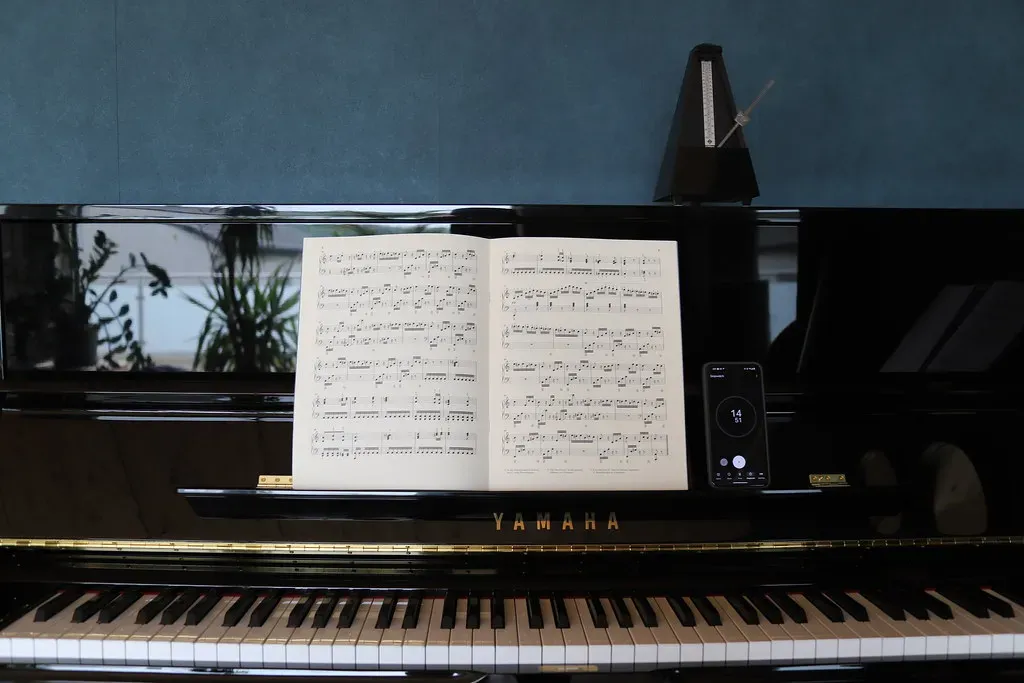
Beethoven wasn’t just composing music. He was engineering a private universe of signals, emotional truths, and cryptic messages – some directed at specific people, some at God or fate, and some perhaps only at himself. The more researchers look, the more they find.
What makes all of this so enduring is the fact that even with AI analysis tools, digital manuscript scanning, and centuries of musicological research, Beethoven still hasn’t given everything up. Some of what he hid may simply never be decoded. There’s a strange comfort in that – the idea that genius, at its highest level, contains rooms it never fully opens.
So next time those four notes hit you – “da-da-da-DUM” – maybe ask yourself: is that fate knocking at the door, or is it something far more personal? What do you think Beethoven was really trying to say? Tell us in the comments.