What if the greatest novel ever written had simply ceased to exist? Not lost at sea, not stolen, not banned by a government. Just burned. By the author himself. The history of literature is full of these gut-wrenching stories, moments where genius and self-doubt collided violently, and the flames won. Or almost won.
Some of these writers acted out of despair. Others out of religion. A few out of sheer defiance. The reasons are as different as the authors themselves, and the stories behind the destruction are often more gripping than the books that survived. Let’s dive in.
1. Franz Kafka: The Man Who Wanted His Entire Legacy Erased
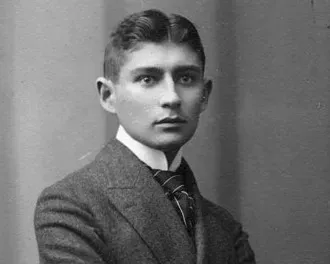
Honestly, the story of Franz Kafka is one of the most haunting in all of literary history. Kafka finished none of his full-length novels and burned around 90 percent of his work, much of it during the period he lived in Berlin with Dora Diamant, who helped him burn the drafts. Think about that number for a moment. Roughly nine out of ten pieces of writing gone, turned to ash by the very hand that created them.
Kafka left his work, both published and unpublished, to his friend and literary executor Max Brod with explicit instructions that it should be destroyed on Kafka’s death. He burned almost everything he wrote. In his diaries he referred to his own writing as “old, disgusting papers.” The self-contempt is staggering, especially considering the stature he would reach after his death.
Brod ignored this request and published the novels and collected works between 1925 and 1935. Brod defended his action by claiming that he had told Kafka, “I shall not carry out your wishes.” Had Brod actually complied, we would have no “The Trial,” no “The Castle,” no “Metamorphosis.” The term “Kafkaesque” has entered the lexicon to describe situations like those depicted in his writings. None of that would exist.
2. Nikolai Gogol: Burned by God, Destroyed by a Priest
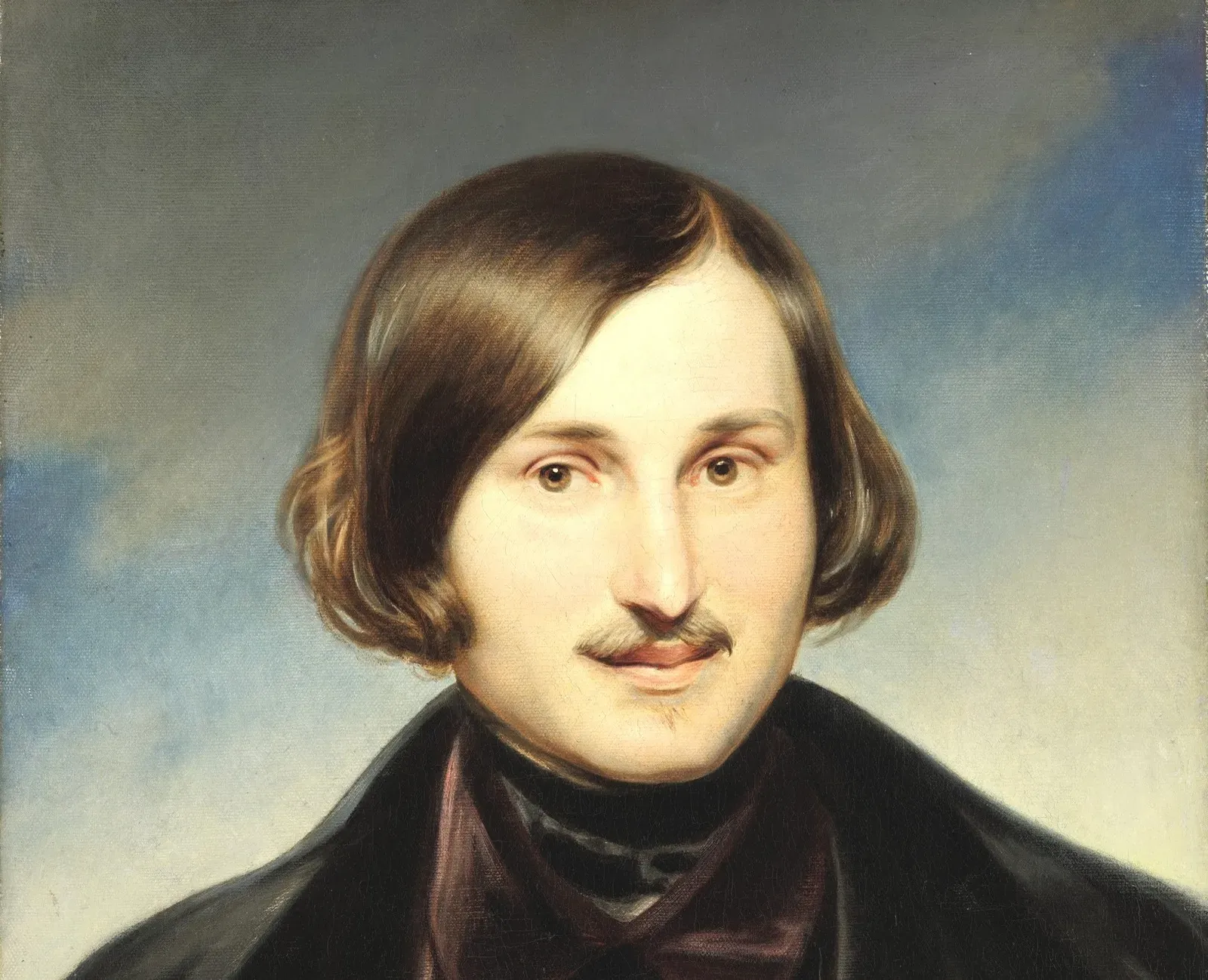
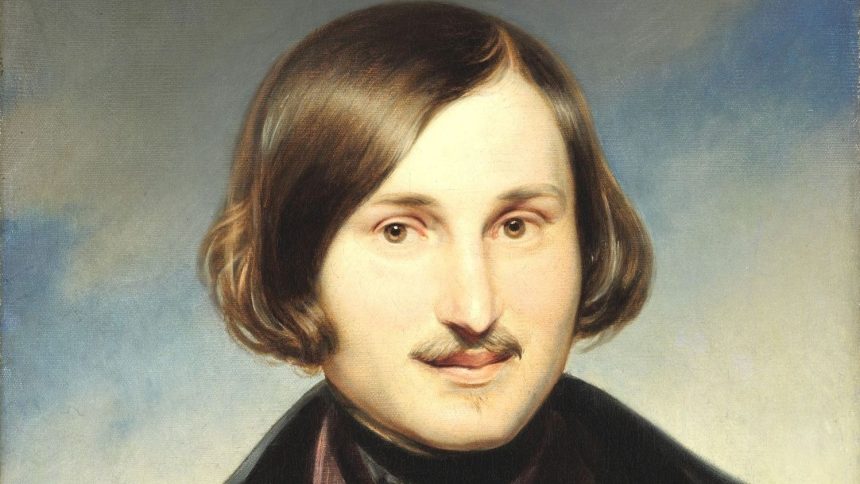
The success of Gogol’s comic novel Dead Souls (1842) helped establish him as the father of Russian realism. The highly religious Gogol felt it was his destiny to write two more sequels to his most celebrated work, furthering his aim to communicate how to live a more righteous life. It was an ambitious plan modeled, remarkably, on the structure of Dante’s Divine Comedy.
In 1845, in the midst of a spiritual crisis, he burned the manuscript of Part II for the first time. He actually burned it twice. Looking for spiritual guidance, he came under the power of a fanatical priest, Father Matvey Konstantinovsky, who convinced Gogol in 1852 that his work was not good enough and encouraged him to burn the manuscript of Dead Souls, Part 2.
After the burning of the manuscript, he took to his bed and stopped eating. Nine days later, he died of starvation. He claimed that a trick had been played on him by the devil. It is one of literature’s most tragic endings, a great mind consumed along with his pages.
3. Mikhail Bulgakov: The Soviet Writer Who Burned His Masterpiece in Fear
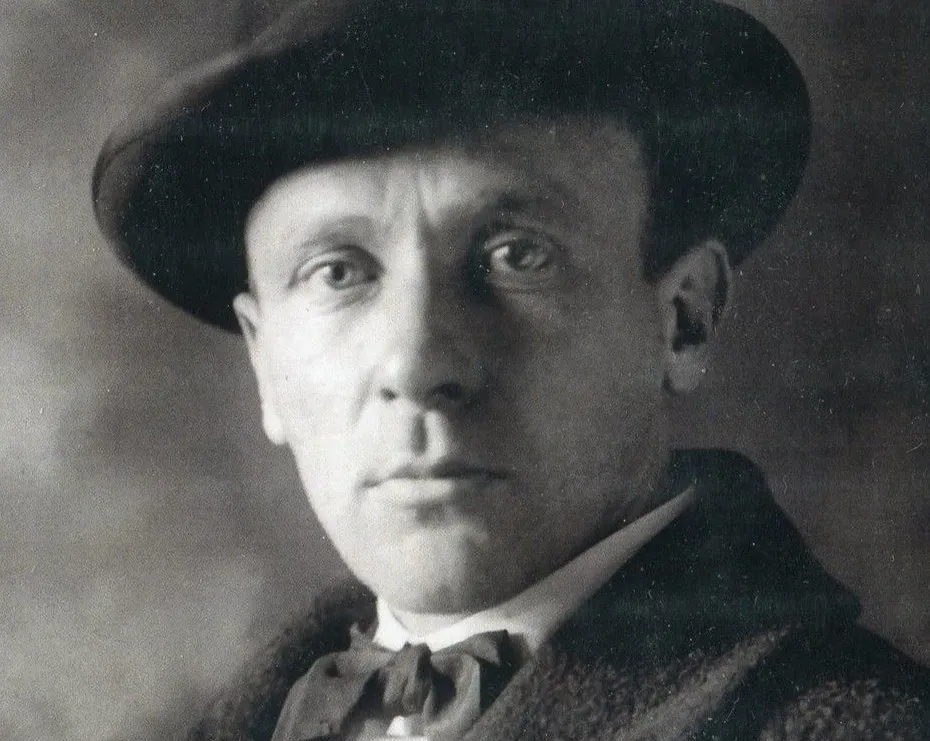
Here is where the story gets almost unbearably ironic. Bulgakov started writing The Master and Margarita in 1928, but burned the first manuscript in 1930, facing the harsh reality that he could not see a future as a writer in the Soviet Union at a time of widespread political repression. The book he burned would eventually contain the immortal line “Manuscripts don’t burn.”
In 1926, the secret police raided his apartment and confiscated his diary and the manuscript of Heart of a Dog. Bulgakov was living under constant surveillance and threat. He worked on the manuscript of The Master and Margarita from 1928 until the last days of his life in 1940, burning the pages in 1930, only to restart it in 1931.
He devoted the last years of his life to revising The Master and Margarita, knowing he would not live to see it published. His widow, Yelena Shilovskaya, worked tirelessly after his death for decades, preserving his manuscript and finally seeing it published, in a censored version, in 1966 and 1967. Sentences from the novel have inspired Russian proverbs; “Manuscripts don’t burn” and “Cowardice is the most terrible of vices” have a special resonance for the generations who endured the worst of Soviet totalitarianism.
4. Robert Louis Stevenson: Ashes on the Floor, a Classic on the Shelf
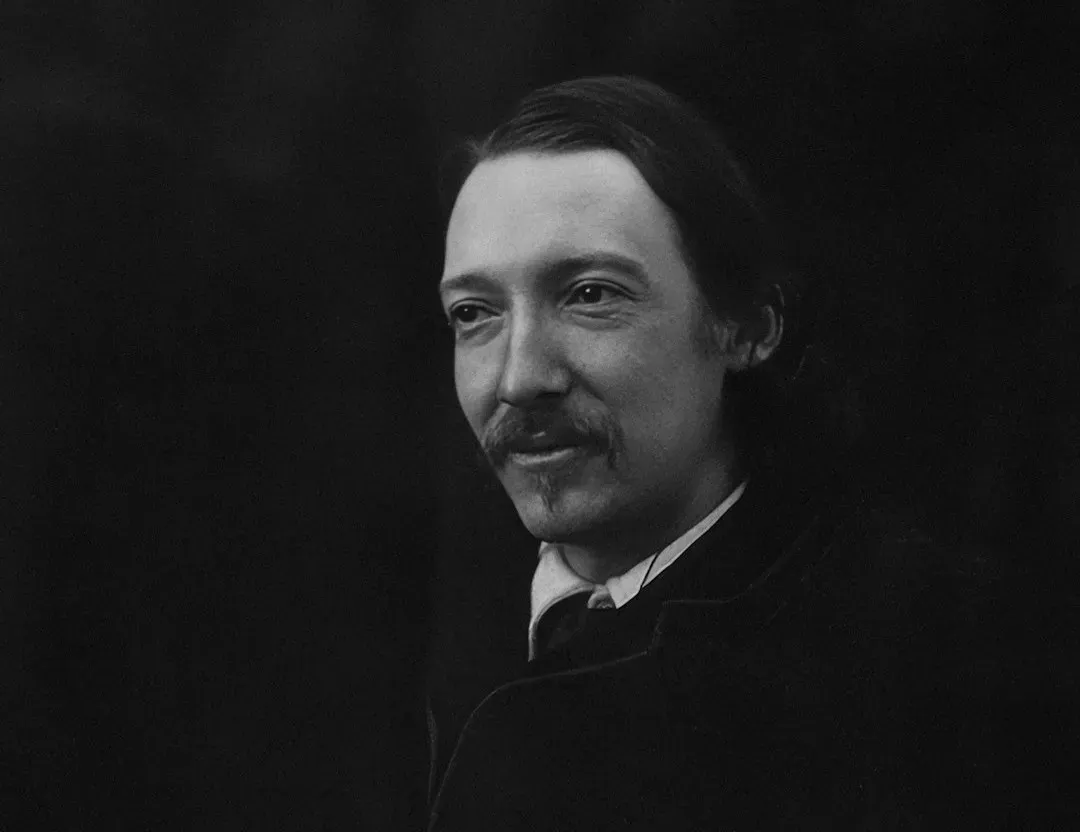
Let’s be real, this one reads like a dramatic scene from a film. In 1885, in the soft southern town of Bournemouth, Stevenson wrote Strange Case of Dr Jekyll and Mr Hyde. It was long thought that when Stevenson showed the first draft to his wife Fanny, her harsh criticism drove him to burn it. Stevenson had been partly inspired to write his horror story by a vivid dream he had while dosed up on medical cocaine. At this point in his life, Stevenson was wildly in debt and living as an invalid after a hemorrhage.
Stevenson destroyed his manuscript because he believed the point of view was wrong. More than 114 years later, it was revealed that in fact, it was Fanny who did the dirty deed. A letter came to light in which Fanny revealed that she thought the story was “a quire full of utter nonsense” and said she was going to burn it herself.
Stevenson then burned the manuscript and rewrote the entire story in less than six days. The novella was an immediate success, selling over 40,000 copies within the first six months of publication. Strange Case of Dr Jekyll and Mr Hyde has inspired more than 120 stage and screen adaptations. Not bad for something that started as a pile of ashes.
5. Gerard Manley Hopkins: A Bonfire of Faith
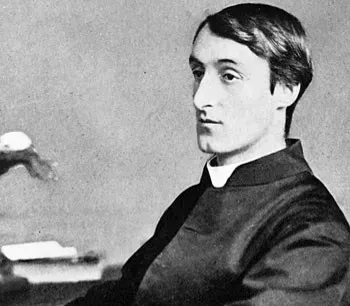
Gerard Manley Hopkins was an English poet and Jesuit priest whose posthumous fame places him among the leading English poets. His prosody, notably his concept of sprung rhythm, established him as an innovator. He was, by almost any measure, a genius. Yet he voluntarily erased nearly all the evidence of that genius in a single act of religious devotion.
Hopkins decided to become a priest, and in 1867 he entered a Jesuit novitiate near London. At that time, he vowed to “write no more… unless it were by the wish of my superiors.” Hopkins burnt all of the poetry he had written to date and would not write poems again until 1875. Upon entering the monastery, Hopkins burned all the poems he had written and resolved to write no more unless his superiors asked him to, believing that a priest could not also be a poet.
Despite Hopkins burning all his poems on entering the Jesuit novitiate, he had already sent some to Bridges, who with some other friends, was one of the few people to see many of them for some years. After Hopkins’s death they were distributed to a wider audience, mostly fellow poets, and in 1918 Bridges, by then poet laureate, published a collected edition. I think it is safe to say that one loyal friend saved an entire poetic legacy from oblivion.
6. Thomas Hardy: The Novel He Buried and Then Killed
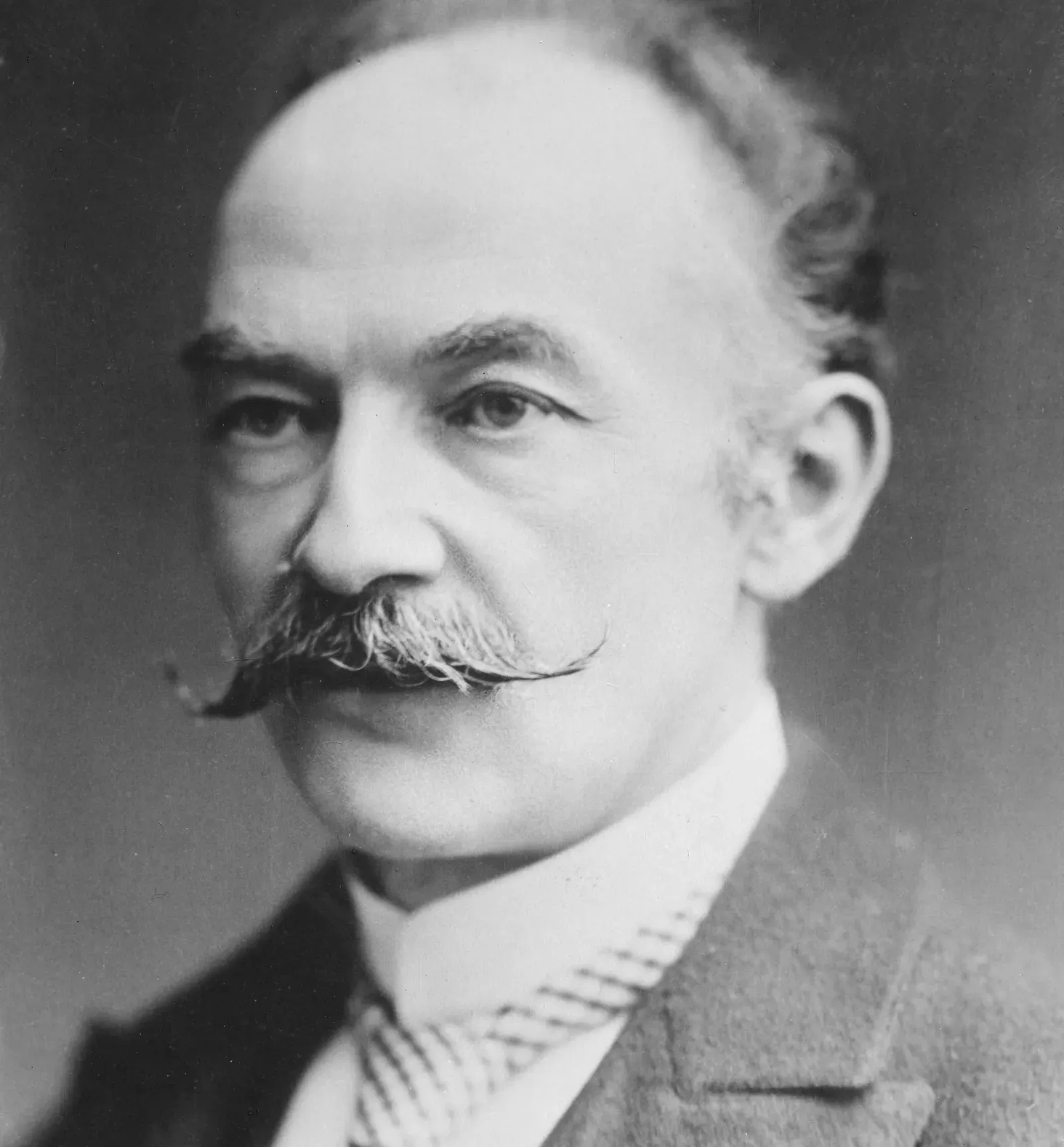
Before Thomas Hardy became one of England’s most celebrated novelists, he wrote a first novel called “The Poor Man and the Lady.” Hardy recalled years later that the publisher’s reader George Meredith had derided the book for being overly philosophical and satirical. Though he held on to the manuscript throughout his career as a successful poet and novelist, he ultimately destroyed it years before his death.
Thomas Hardy’s The Poor Man and the Lady, Hardy’s first novel written in 1867, was rejected by five publishers and the manuscript was later destroyed. It’s a strange thing to ponder. Hardy went on to write Tess of the d’Urbervilles, Far from the Madding Crowd, and Jude the Obscure. Yet this debut never survived to tell its own story.
The destruction was deliberate, not impulsive. Hardy kept the manuscript for years before choosing to end it. It suggests he was a writer who, even at the height of fame, never fully forgave his earlier self for what he had written. There is something quietly chilling about that level of editorial control over your own history.
7. James Joyce: The Novel Rescued from the Flames by His Wife
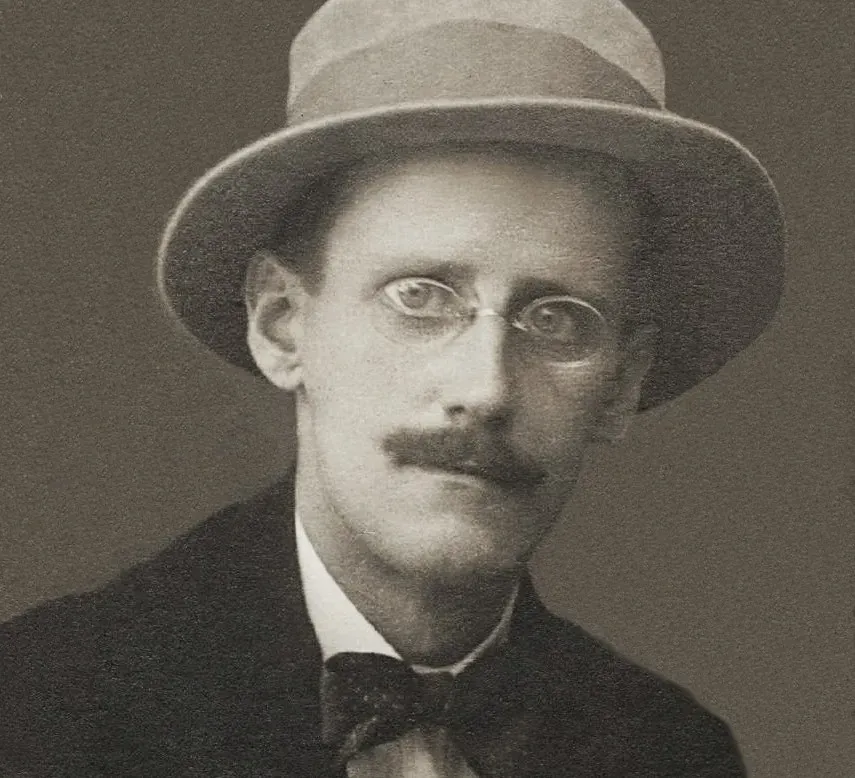
James Joyce is celebrated today as one of the most experimental and influential writers of the twentieth century. Yet his path to greatness involved a manuscript nearly consumed by fire. Joyce became so disillusioned with his autobiographical novel “The Hero Stephen,” after 20 rejections, that the only sensible use for it seemed to be putting it on the fire. Twenty rejections would test anyone’s faith in a project.
At that moment, the writer’s wife Nora appeared on the scene and, risking her health, extracted her husband’s manuscript from the flames. Later this draft was substantially revised, and the final version of the novel was called Portrait of the Artist as a Young Man. Nora Joyce, in one instinctive and brave act, preserved a cornerstone of modernist literature.
The road to publication for James Joyce was long and hard due to the threat of obscenity charges at the time. Nearly all of his publishers asked him to re-write large portions of Dubliners, A Portrait of the Artist as a Young Man, and his novel Ulysses was eventually banned and had to be smuggled into the United States. The fact that any of it survived, given the forces working against it, is nothing short of remarkable.
The Thin Line Between Genius and Erasure

What strikes me most about all seven of these stories is how close we came to losing everything. It’s a bit like imagining a world where all the Beethoven symphonies existed for just one day before being thrown into a fireplace. The literary world runs on survival, on manuscripts that somehow outlast the doubt and despair of the people who created them.
These writers were not failures. They were, in many cases, at the absolute peak of their artistic powers when they chose destruction. Kafka was writing things that would define the entire twentieth century. Bulgakov was crafting a novel that would become a symbol of resistance for millions of people living under oppression. Hopkins was producing some of the most original poetry in the English language.
Sometimes a friend refused to comply. Sometimes a wife pulled pages from the fire. Sometimes the author himself came back to rebuild from the ashes. The question that lingers long after reading these stories is a simple one. How many times did nobody stop them in time? What masterpieces exist today only as smoke? That thought, honestly, is the most unsettling part of all.
What would you have done in Brod’s position? Burned the pages as instructed, or saved them for the world? Tell us in the comments.