Everyone knows the Las Vegas pitch: neon lights, endless buffets, jackpots waiting to be won. The city sells a fantasy so well that roughly 40 million people a year show up to buy into it. Yet behind the marquee signs and the roar of slot machines, there is an entirely different conversation happening. Locals, long-term residents, and workers have been sounding off on Reddit’s r/Vegas and r/LasVegas communities for years, and what they have to say would make most tourism brochures blush.
The truth is that living in or near the Strip is nothing like visiting it. The complaints are specific, sometimes sharp, and often backed by real numbers that the city’s PR machine would rather you not see. From water crises to wage problems to housing nightmares, the unpopular opinions are piling up. Let’s get into it.
The “Affordable Vegas” Myth Is Basically Dead
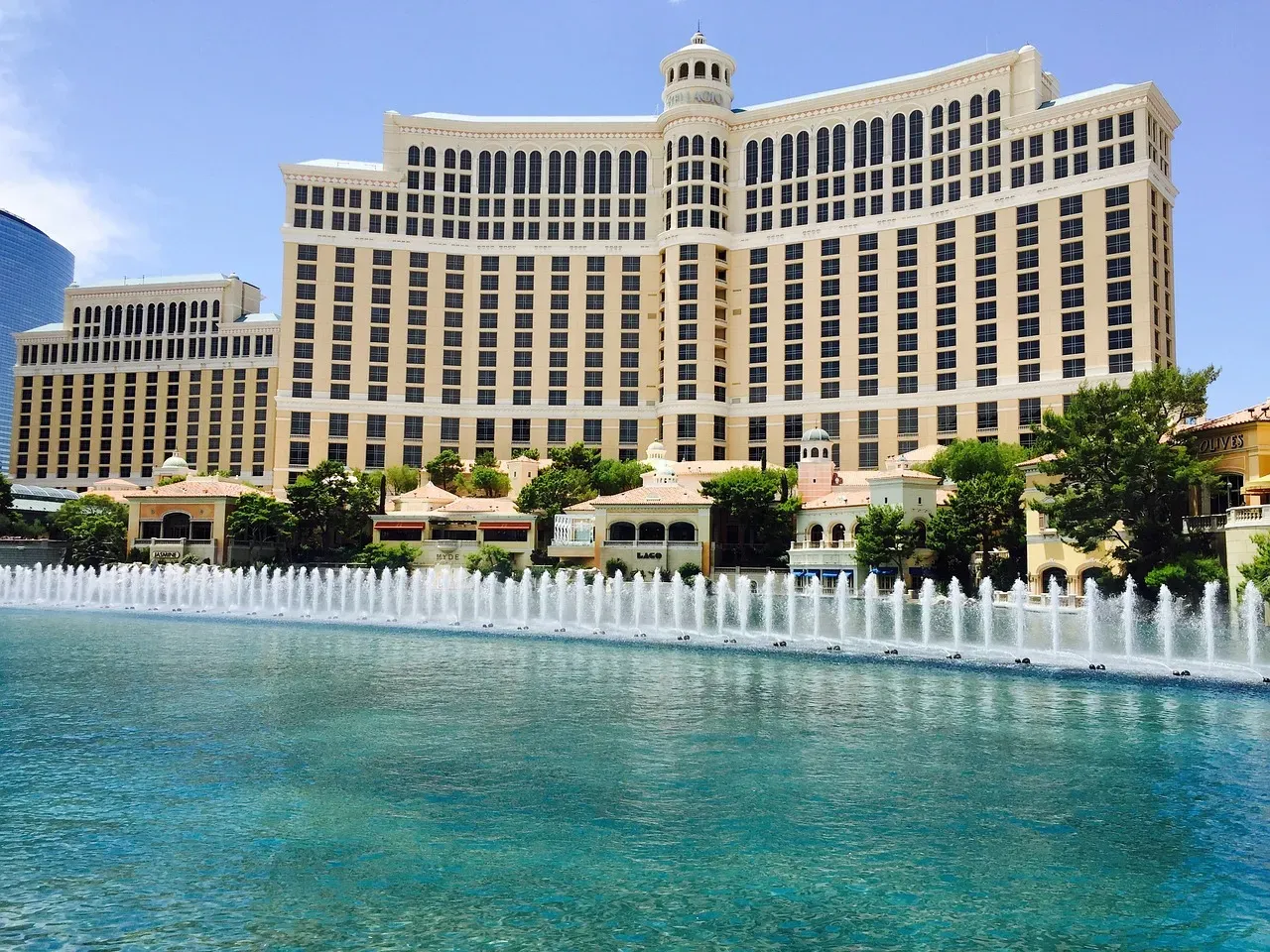
Here’s the thing: the idea that Las Vegas is a cheap getaway has quietly crumbled over the past few years. Las Vegas tourism declined by 7.3% in the first half of 2025, as years of rising prices, hidden resort fees, and expensive food and beverage offerings took their toll. Locals on Reddit have watched this transformation happen in real time, and they are not impressed.
As Las Vegas pivots towards a luxury model with high-end entertainment and premium resort offerings, many mid-range travelers are being left behind, with massive markups on everyday items and hidden fees leading to widespread visitor backlash. One Reddit commenter summed up the sentiment bluntly: “People are feeling that they’re getting nickeled and dimed, and they’re not getting value for their dollar.”
A Vegas vacation now comes with soaring resort fees and other expenses, including $26 for a bottle of water and $60 for early check-in. For locals watching tourists navigate this, it is more exhausting than entertaining. The city that once prided itself on accessible fun now feels more like a luxury brand wearing a neon costume.
Gaming Revenue Is Up. Workers Are Struggling. Nobody Talks About That.
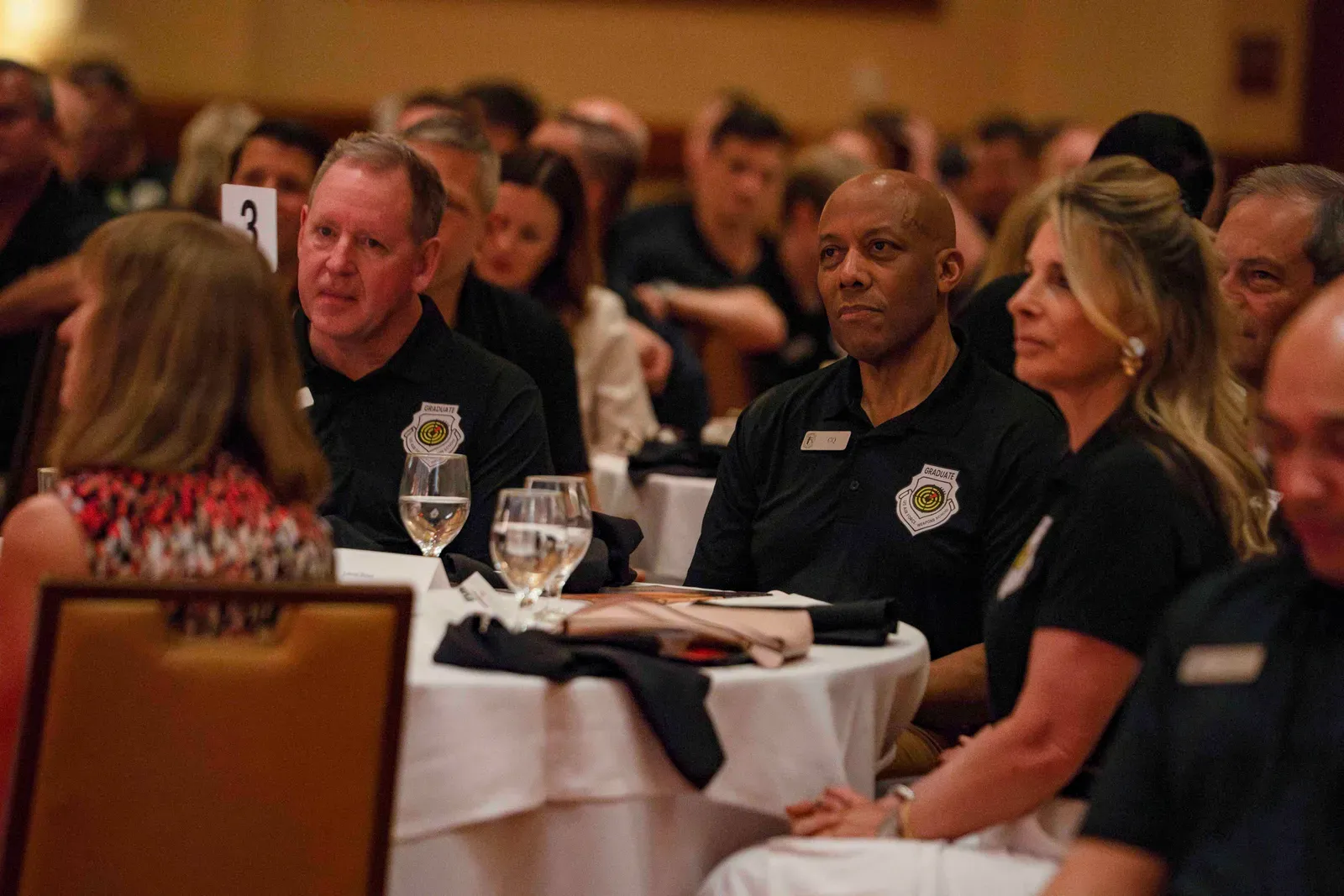
The Gaming Control Board reported the Strip collected $8.8 billion in gaming revenue in 2025, while statewide gaming revenue reached a record $15.8 billion. On paper, that sounds like a booming city. In practice, it tells only half the story, and arguably the less important half.
The shortfall in tourism is affecting workers’ bottom lines, with cocktail waitresses and service staff seeing their weekly tip income swing sharply downward in recent months. Approximately 180,000 people in the Las Vegas metro area rely on tips to make ends meet. When tourist numbers fall, it is these workers who absorb the blow first, not the casino executives collecting those record revenues.
Reddit locals have flagged this disconnect repeatedly. Gaming revenue somehow increased even as visitor numbers plummeted, creating a puzzling contradiction: Strip gambling revenue rose as high rollers and premium gamblers continued spending heavily while casual tourists stayed home. The city is becoming a playground for the wealthy, and the people who work there every day are caught in the middle.
The Housing Crisis Is Real, and It Is Quietly Crushing Residents
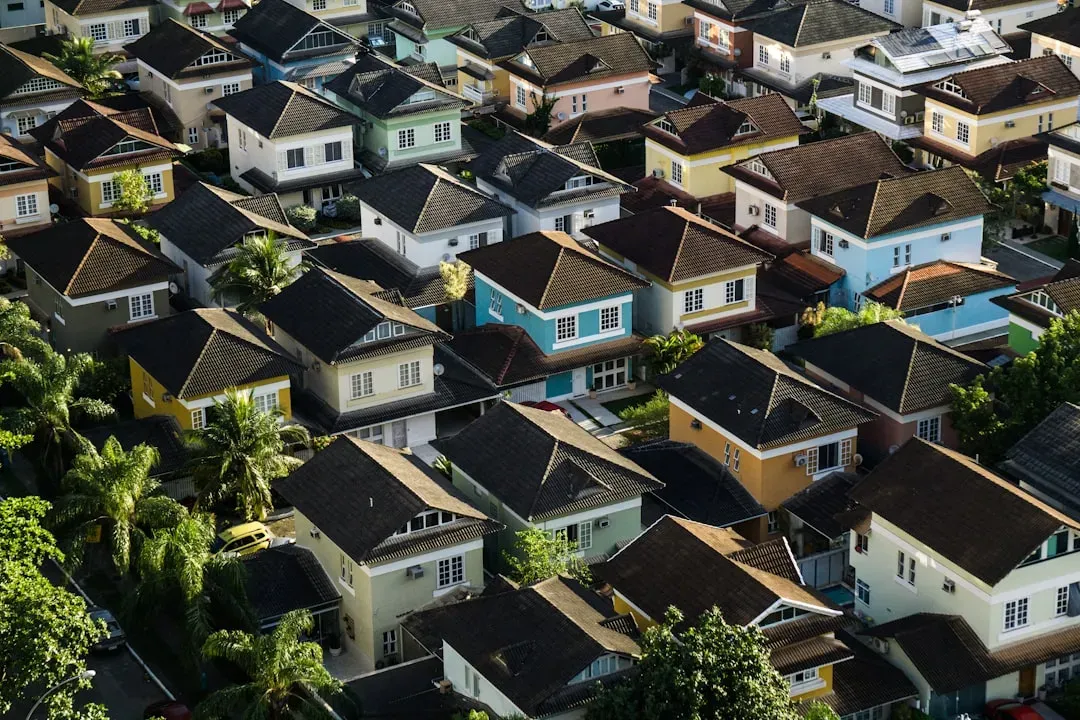
Honestly, this is probably the most under-discussed issue in all the Las Vegas conversation. Affordability has become a top issue for Las Vegas Valley residents as the region finds itself in the middle of a housing crisis caused by a number of issues, the biggest being a lack of developable land. The federal government controls a staggering share of surrounding land, making expansion unusually difficult.
Half of the Las Vegas Valley has been priced out of the real estate market, according to a top Clark County housing official. With Vegas’ median household income at $66,356 and the median home price in 2024 at $448,174, monthly housing costs averaged $1,758, resulting in nearly a third of households being classified as cost burdened.
Between 2019 and 2023, rent in the Las Vegas metro area increased by roughly a third, while wages during that period only increased by about 14%. That gap is not abstract for the people living it. It is the difference between staying in the city you grew up in or quietly packing up and leaving.
The Heat Is Not a Quirk. It Is a Serious Problem.
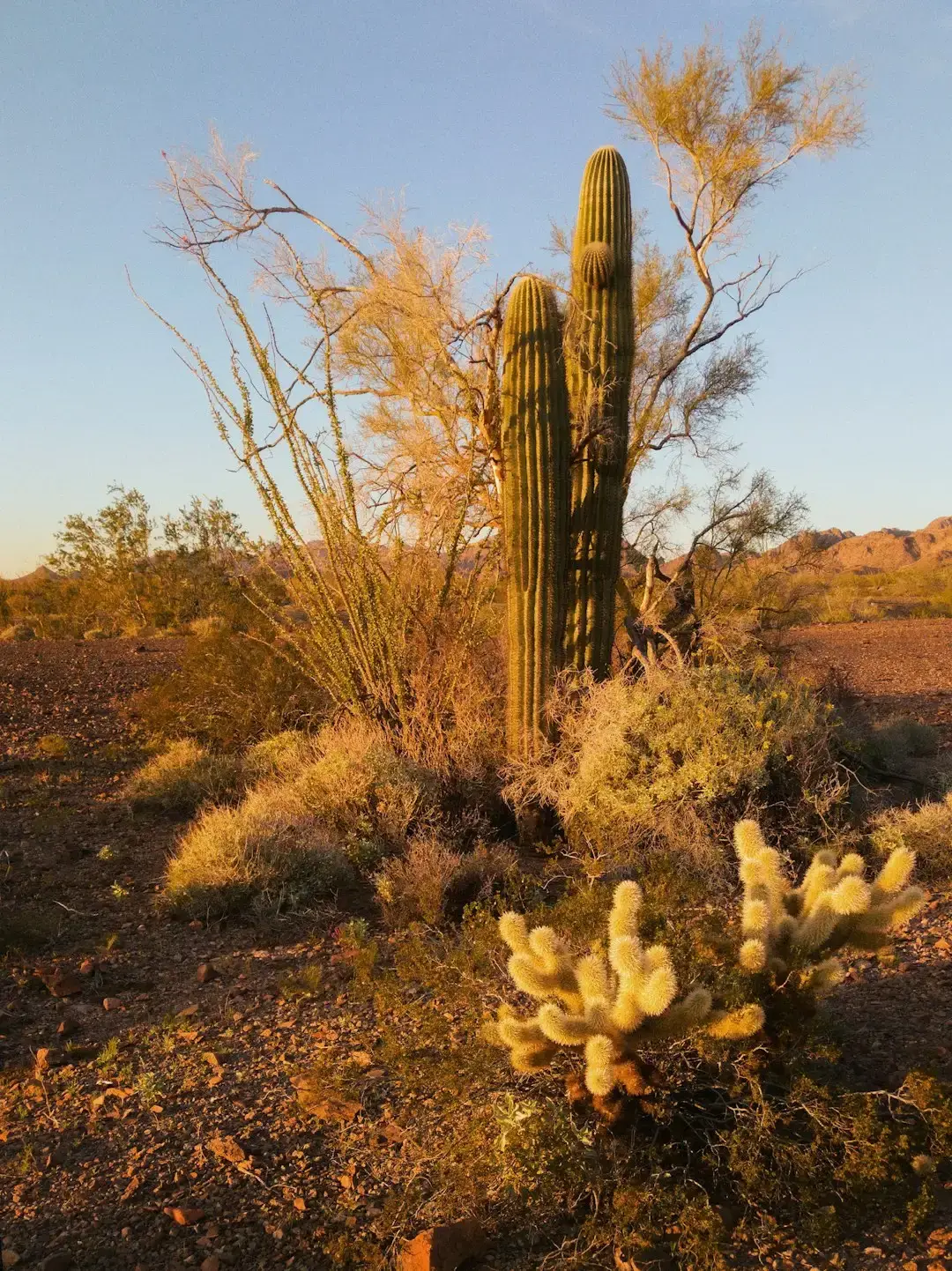
For locals, the brutal summer is often cited as the number one quality-of-life issue, with temperatures routinely reaching over 110°F, making it feel almost uninhabitable for months on end. Visitors see this as a footnote. Residents live it as a daily reality that shapes everything from when they leave the house to how their electric bills look.
I know it sounds crazy, but the summer heat in Vegas is not like the heat in Phoenix or even Palm Springs. It radiates off the concrete in ways that make a short walk feel genuinely unpleasant. Continued declines in Lake Mead’s water level are expected as Southern Nevada experiences what scientists describe as a permanent transition to a more arid future, driven by ongoing climate change, making additional conservation efforts urgently necessary.
For long-term residents posting on Reddit, summer is not “just the off-season.” It is a survival exercise. Many locals plan trips away during July and August specifically to escape, which is a detail the tourism industry rarely mentions in its glossy materials.
The Water Crisis Is the Slow Emergency Nobody Wants to Face
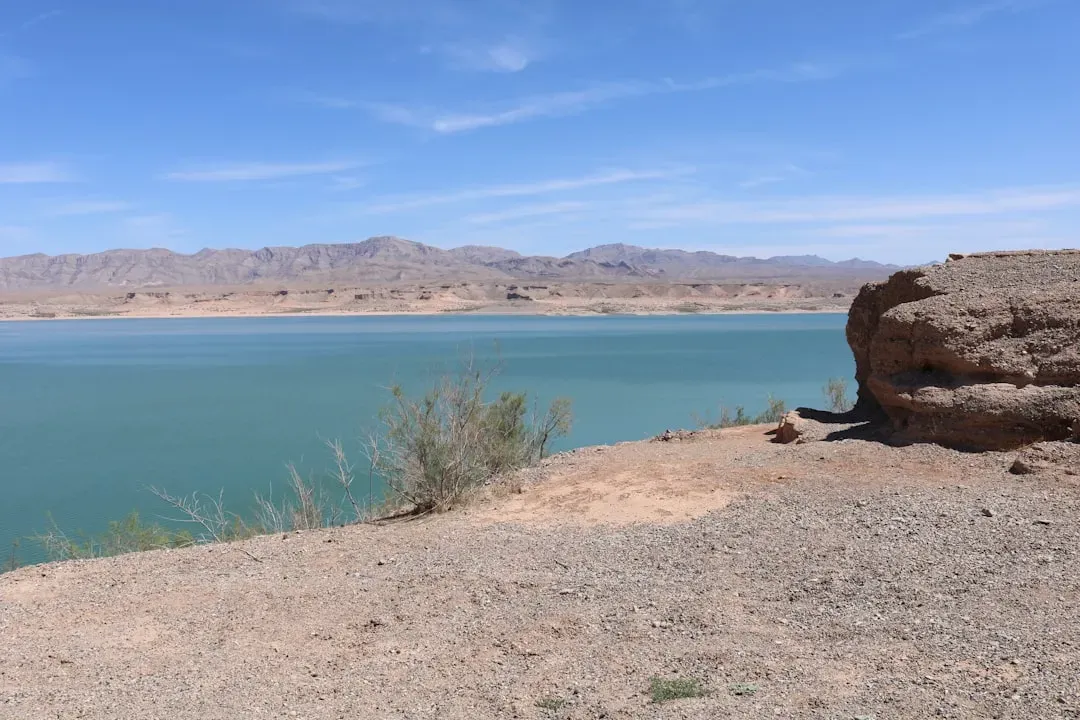
The Las Vegas Valley gets about 90% of its water from the Colorado River, and the water level of Lake Mead has dropped by approximately 160 feet since January 2000. That is not a rounding error. That is a civilizational challenge being managed one policy band-aid at a time.
A Tier 1 water shortage remains in effect for 2025, as announced by the U.S. Bureau of Reclamation. To be fair, Southern Nevada has done legitimate work on conservation. Through one of the nation’s most progressive and comprehensive water conservation programs, Southern Nevada has reduced its per capita water use by 55% between 2002 and 2024, even as the population increased by approximately 829,000 residents.
Still, Reddit locals are not fully reassured by those numbers. Projections suggest Lake Mead’s elevation could dip to a “Tier 2” shortage threshold within the coming years, and experts warn that river flows may decrease by 3 million acre-feet over the next decade. For a city built in the middle of a desert, that is not a background issue. It is the issue.
Traffic Has Become a Locals’ Nightmare
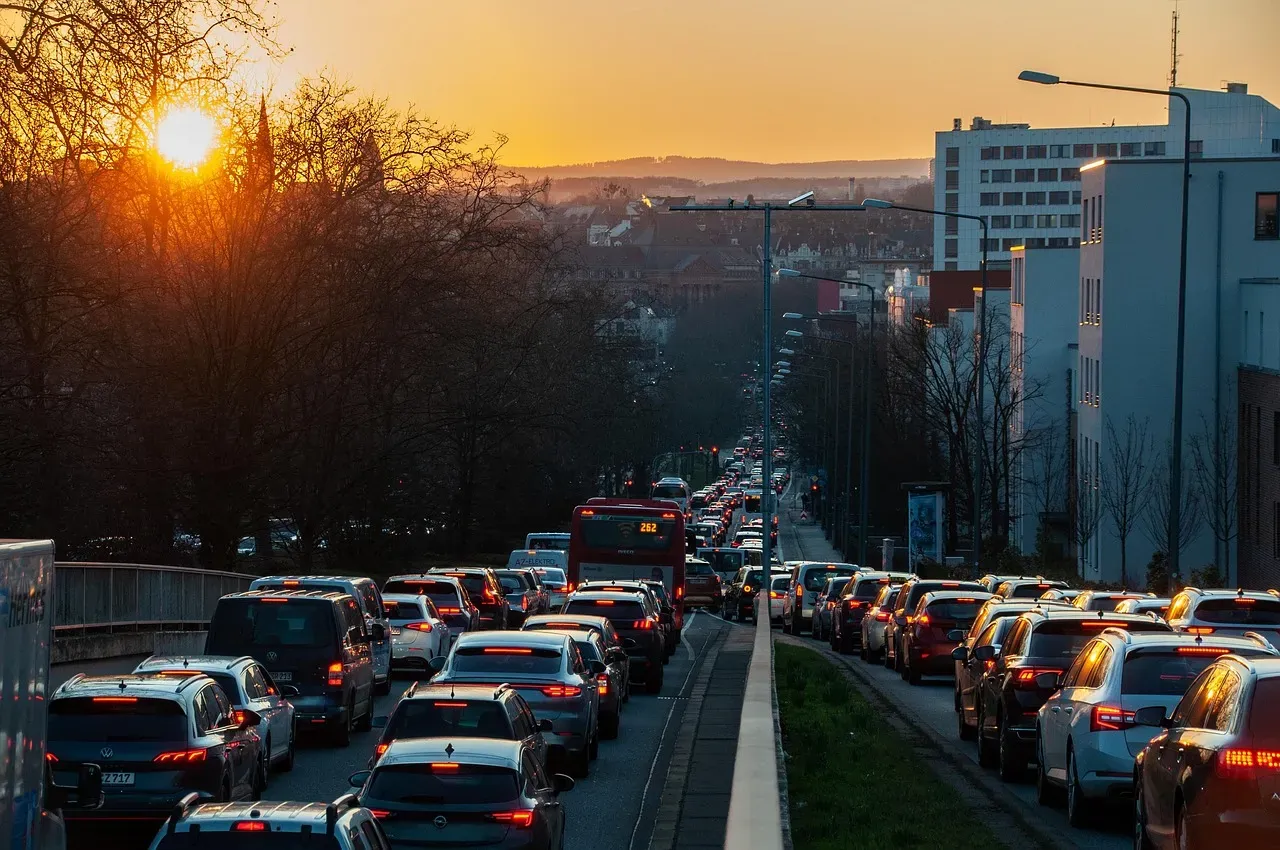
Anyone who has tried to drive through the Las Vegas Strip during a major event knows this pain firsthand. Labor Day weekend alone jams Interstate 15 between Las Vegas and Southern California with droves of visitors, with cars crawling for miles across the state border. Regional authorities have plainly stated that “significant delays and heavy congestion are expected” during peak periods – which is almost every major holiday, every convention, and every concert weekend.
Major events like the F1 Grand Prix in 2023 and the Super Bowl in 2024 drew criticism for displacing locals and pricing out regular tourists. For the people who actually live here, these mega-events are not celebrations. They are multiday traffic sentences that make getting groceries or reaching a doctor’s appointment feel like an expedition.
The city keeps attracting bigger events, which generates revenue and headlines. Locals, meanwhile, are stuck learning the byzantine network of side streets and alternate routes just to live a normal life. It is the kind of trade-off that feels fine when you are visiting but maddening when it is your everyday commute.
The Tourism Economy Leaves Too Many Workers Behind
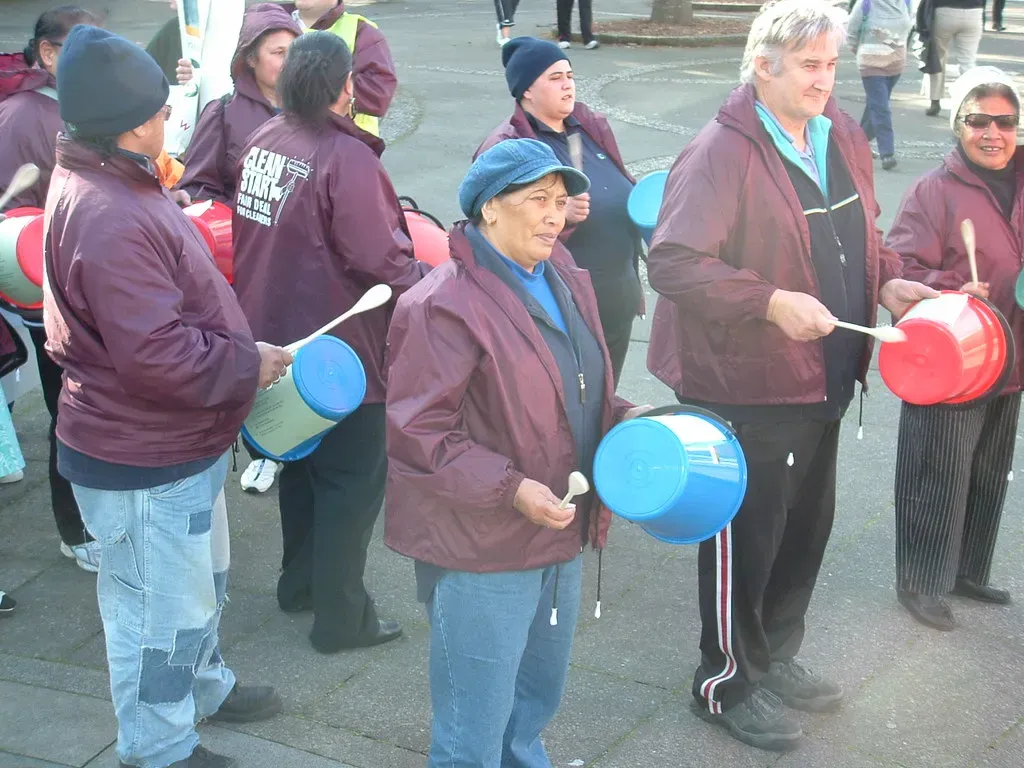
Let’s be real about something the marketing materials never say out loud: Las Vegas’s economy runs on low-wage hospitality jobs, and many residents feel the system is designed to keep them that way. The impact of declining tourism is clear to anyone who lives and works in Vegas, with restaurant and service workers seeing their income directly tied to fluctuating visitor numbers.
About 24% of Nevada’s workforce are immigrants, many of whom are increasingly nervous about federal policy changes. The Culinary Workers Union Local 226, representing 60,000 workers in Las Vegas and Reno from 178 countries, has highlighted this anxiety publicly. These are not abstract statistics. These are the people who make every hotel stay, every meal, and every show experience possible.
One local expert pointed out that a single person now needs to make nearly $120,000 a year annually to afford a mortgage, yet only about 6% of jobs offered in Southern Nevada meet that threshold. That is a staggering mismatch between what the city pays and what the city costs to actually live in. Reddit locals call it out repeatedly, and they are not wrong to.
The Strip Is Becoming Unrecognizable to the People Who Built It
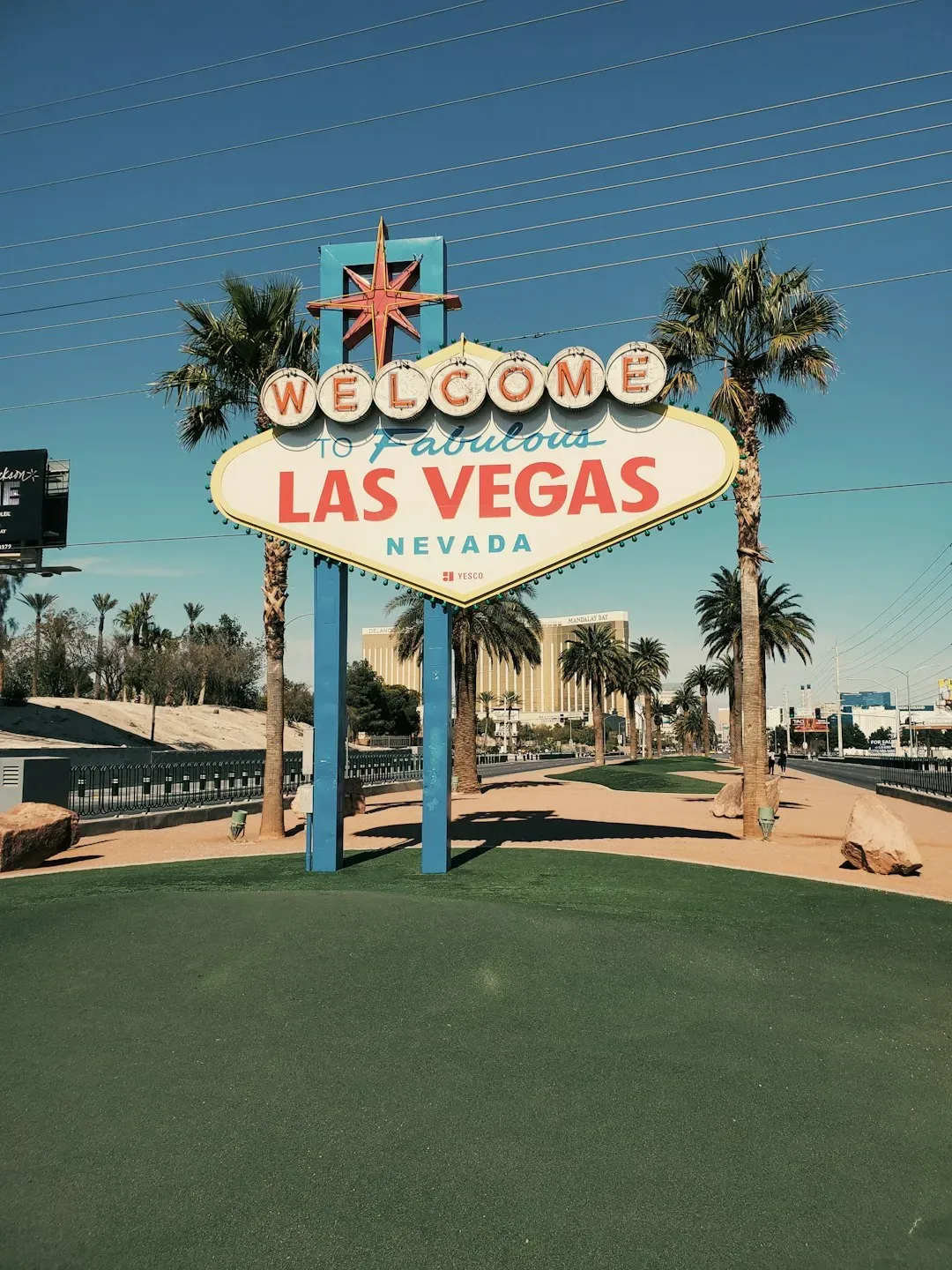
Las Vegas was viewed as being overpriced when tourism dropped sharply in 2025. The city drew more than 38.5 million visitors that year, down 7.5% from 2024 and the lowest annual total since 2021, with 12 consecutive monthly declines recorded. Locals on Reddit did not celebrate this news, but many were not surprised by it either.
Numbers are catching up to a story being told by locals for months: an eerily empty Vegas Strip, deserted casino floors, and fierce debate about who and what is to blame, with explanations ranging from rising prices to the rise of competing destinations. Some pointed to Nashville. Others blamed pure greed. The reality is probably a bit of both.
The unpopular opinion that ties all of this together is this: Las Vegas has spent a decade chasing premium dollars while quietly pricing out the middle-class visitors and workers who gave the city its soul in the first place. This “gentrification” of the Strip now alienates traditional middle-class tourists – and plenty of residents who once proudly called it home. Whether the city course-corrects or doubles down on its luxury pivot will define what Las Vegas actually is in the years ahead. What do you think – can Vegas find its way back, or has the city already moved on from its own people?